Dublin's whiskey renaissance: four distilleries in one neighbourhood
From zero working distilleries in 2015 to four within a kilometre of each other today — the Liberties has quietly become one of the world’s most concentrated whiskey tourism destinations. Here’s the story and how to visit it properly.
| Where | The Liberties, west of Dublin city centre |
| Distilleries | Teeling, Roe & Co, Pearse Lyons, Dublin Liberties |
| Tour cost | Around €20-35 per distillery |
| Time needed | Half a day for two distilleries, comfortably |
| Best pace | Two distilleries max per day for a fair tasting |
Something unusual happened in the Liberties
In 2015, there were zero whiskey distilleries in Dublin. Not a single functioning pot still within the city. The Irish whiskey industry had collapsed over the course of the twentieth century — from a peak of dozens of distilleries producing some of the world’s most celebrated spirits in the 1800s, down to a handful of large industrial operations in Cork and Midleton, and a near-complete absence of what the industry now calls “craft” or “artisan” production.
Then, in the space of about seven years, four separate distilleries opened in the Liberties — the old brewing and distilling quarter on the west side of Dublin’s city centre. Teeling opened in 2015, the first new distillery in Dublin in 125 years. Roe and Co followed in 2019, in the restored Guinness Power House. Pearse Lyons opened in a converted church on James’s Street. The Dublin Liberties Distillery — technically outside the core area but nearby — opened with a focus on single malts in the European style.
Each of these exists within roughly a kilometre of the others. Each does tours and tastings. Each tells a slightly different story about Irish whiskey. Together they have made the Liberties the most concentrated whiskey tourism destination in the world, with the possible exception of Midleton in Cork.
Why the Liberties specifically
The Liberties was Dublin’s industrial heartland for several centuries. It was where Guinness grew, where smaller breweries operated, where the malting houses and cooperages that serve both beer and whiskey production made sense to locate. The area declined significantly in the twentieth century, following the pattern of urban industrial districts across northern Europe.
The whiskey revival chose the Liberties for the same reasons distilling had always been concentrated there: space, heritage, narrative. An old distillery building or a converted church or a Victorian power station tells a story that a purpose-built facility on an industrial estate cannot. Tourism, in 2015, was already Dublin’s major industry, and a distillery with a strong sense of place was both a producer and an attraction from day one.
The four distilleries and what distinguishes them
Teeling is the original, the pioneer, and the one most serious whiskey people would visit first. It occupies a purpose-built but sympathetically designed facility and focuses on whiskey that has been influenced by wine cask finishing — Burgundy, Sauternes, Rum casks. The single malt range is genuinely interesting for anyone who cares about the nuance of cask maturation.
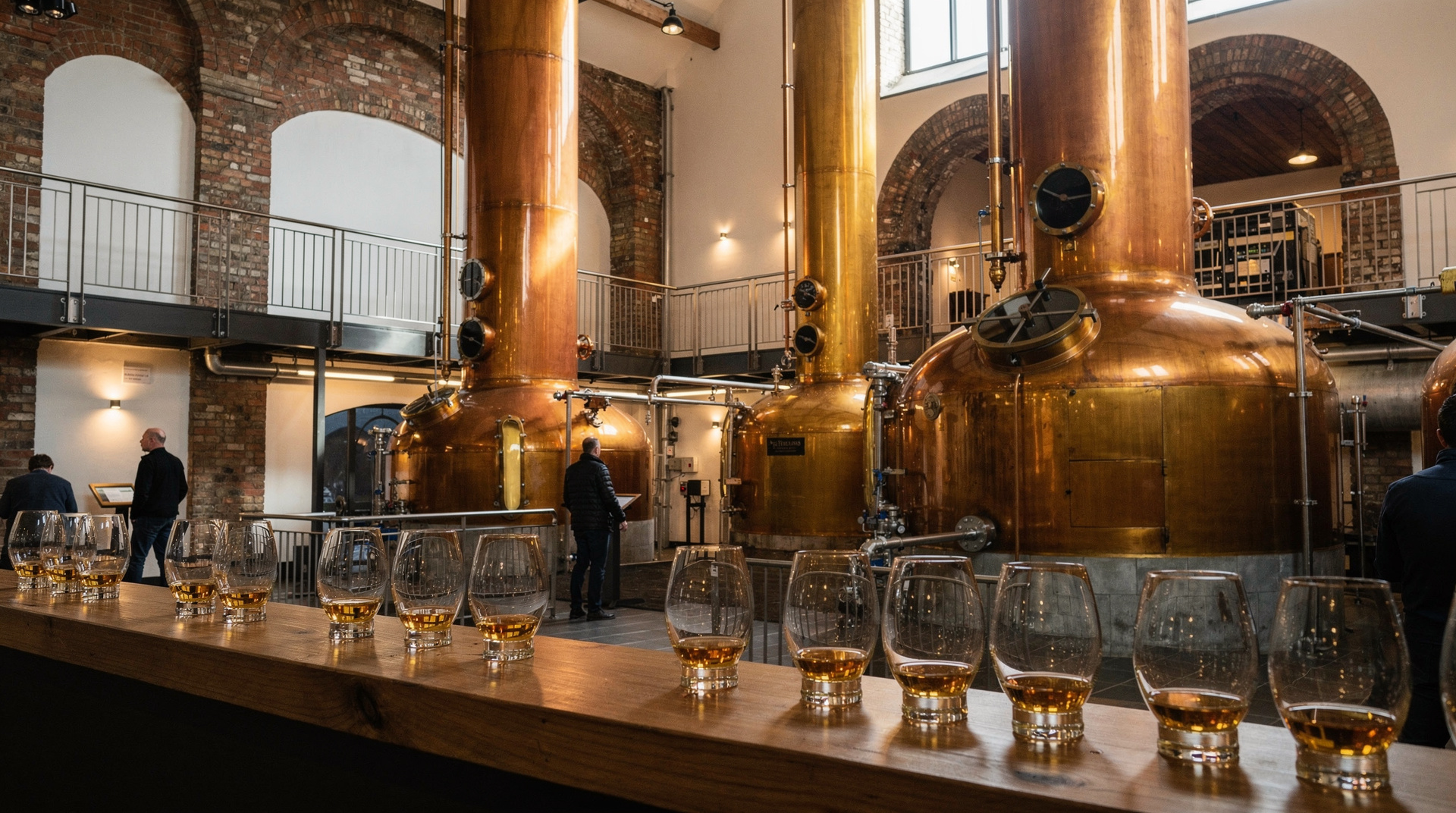
The tours are well-run, the tasting room is designed as a proper bar rather than a visitor centre, and the small batch production means you are tasting something that was made with care. The Teeling Whiskey Distillery tour and tasting is around €20 and covers the full distillery with three whiskey samples.
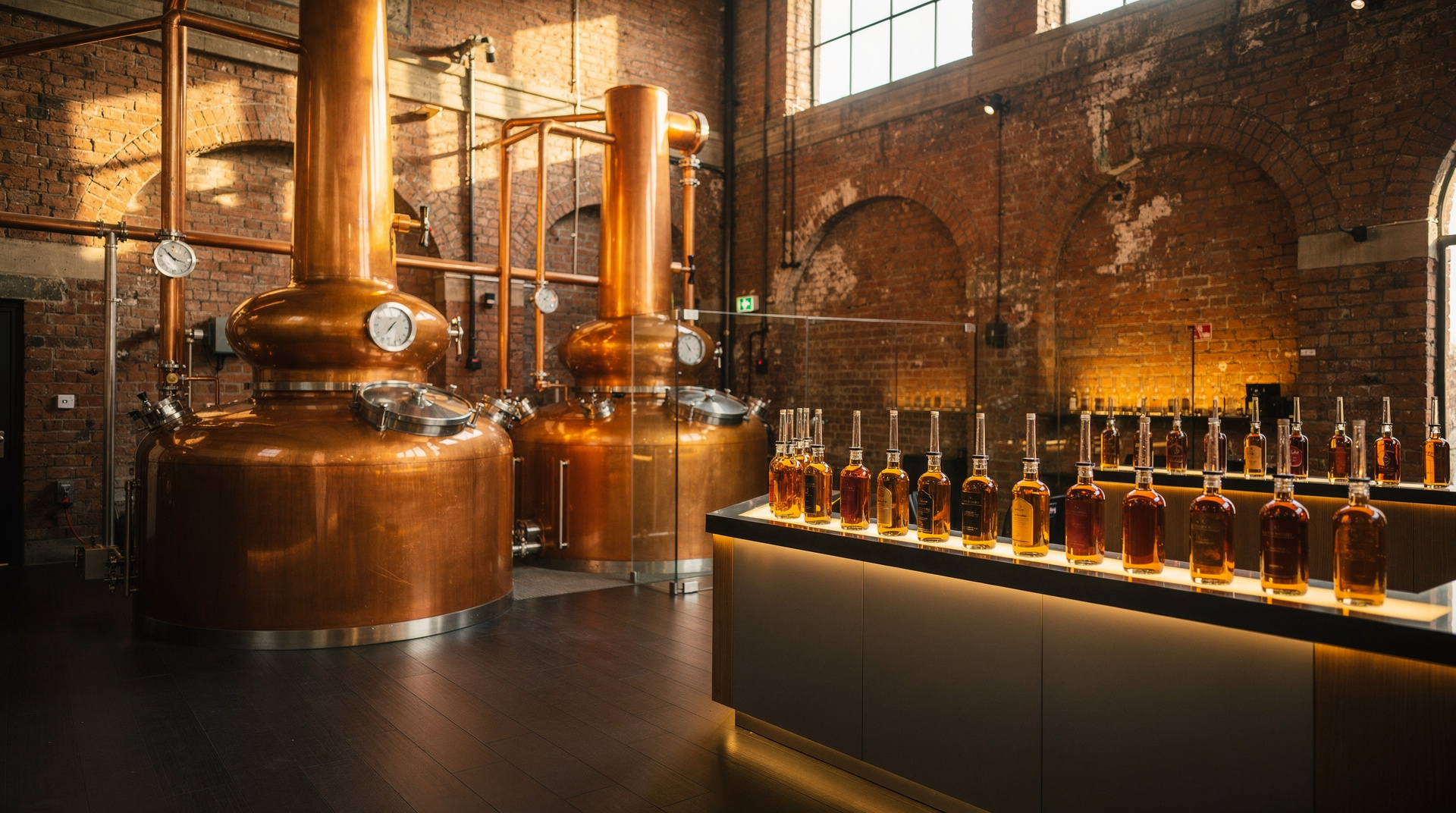
Roe and Co is the Diageo-owned addition, housed in a magnificently restored Victorian power station. It is the most design-conscious of the four — the still room is an architect’s showpiece, the restored brick and iron structure is dramatic, and the cocktail bar upstairs is among the better whiskey bars in Dublin. The cynical position is that this is a multinational’s attempt to buy artisan credibility. The more honest position is that the building is extraordinary, the cocktails are well-made, and the tour actually explains how the blend is constructed in some depth. The Roe and Co Distillery powerhouse tour and tasting is around €35.
Pearse Lyons occupies St James’s Church, a deconsecrated church that is simultaneously one of the odder visitor experiences in Dublin and one of the most atmospheric. The church itself dates to the nineteenth century, the stained glass is intact, and the distillery equipment has been installed between the pews. It is either charming or slightly sacrilegious depending on your disposition. The whiskey — named for Pearse Lyons, a Kerry-born biochemist who built a major agri-food business in the United States — leans American in its style. The tour is shorter and less intensive than Teeling.
Dublin Liberties Distillery (now The Liberties Whiskey Distillery) is a short walk away and focuses on single pot still and single malt production in the traditional Irish style, with some unusual cask experiments. Less touristically polished than the others but interesting for whiskey enthusiasts. The guided tasting here is worth doing if you want to understand the Irish style as distinct from Scotch.
How to structure a distillery visit
Walking the four in a single day is physically possible but probably unwise from a tasting perspective. Most tours include three to four samples. Four tours means twelve to sixteen samples, and you will not be able to evaluate the later ones properly.
A sensible approach: Teeling in the morning (clearest palate, best technical content), Roe and Co in the afternoon for the building and the cocktails. Return another day or evening for Pearse Lyons if the church-distillery combination interests you. Add the Guinness Storehouse to the Liberties day for the complete quarter experience — the two-hectare brewery is literally the Teeling neighbours.
For context before you go, the Irish whiskey trail guide maps the full route with transport notes. The beginner’s whiskey tasting guide is useful if you want vocabulary before you start drinking — understanding the difference between pot still, malt and grain whiskey makes the distillery explanations considerably more meaningful.
Comparing the four at a glance
| Distillery | Style | Setting | Tour price (approx.) |
|---|---|---|---|
| Teeling | Wine-cask finished single malt | Purpose-built, sympathetic design | ~€20 |
| Roe & Co | Approachable blend | Restored Victorian power station | ~€35 |
| Pearse Lyons | American-leaning style | Converted 19th-century church | ~€18-25 |
| Dublin Liberties | Traditional pot still | Working craft distillery | ~€20-25 |
For visitors who want the technical grounding before comparing styles, the Teeling Whiskey Distillery tour and tasting is the strongest starting point — it’s the one most tours and guidebooks default to for good reason, and going first also means the clearest palate for the day.
Pairing the trail with the rest of the Liberties
A whiskey day here rewards not treating it purely as a drinking itinerary. Christ Church Cathedral and St Patrick’s Cathedral both sit within a fifteen-minute walk of Teeling, and either makes a natural midday break between distilleries — somewhere to sit down that isn’t another tasting room. Meath Street’s food stalls and the Francis Street antique quarter, both a short walk north, round out an afternoon without requiring a car or a bus.
For visitors staying a full day, the best day trips from Dublin guide has options for pairing a whiskey morning with an afternoon elsewhere in the city, and the Dublin food tours guide covers combined food-and-drink itineraries that include stops in the Liberties.
What the revival actually means
I am skeptical of renaissance narratives in general, but the Dublin whiskey revival is the real thing. Irish whiskey, in 2024, is the fastest-growing spirits category globally. The distilleries in the Liberties are producing some of the most interesting whiskey in the world, not just in Ireland. Teeling’s single malts have won international competitions. The cask experimentation is producing flavour profiles that were not available in Irish whiskey at any point in the twentieth century.
The Liberties in the 1970s was an area of significant deprivation. The buildings that the distilleries now occupy were derelict. The fact that those buildings now house functioning craft production, employ local people, and bring visitors from across the world is not nothing. It is a particular kind of recovery, fragile and incomplete, but visible on the skyline.
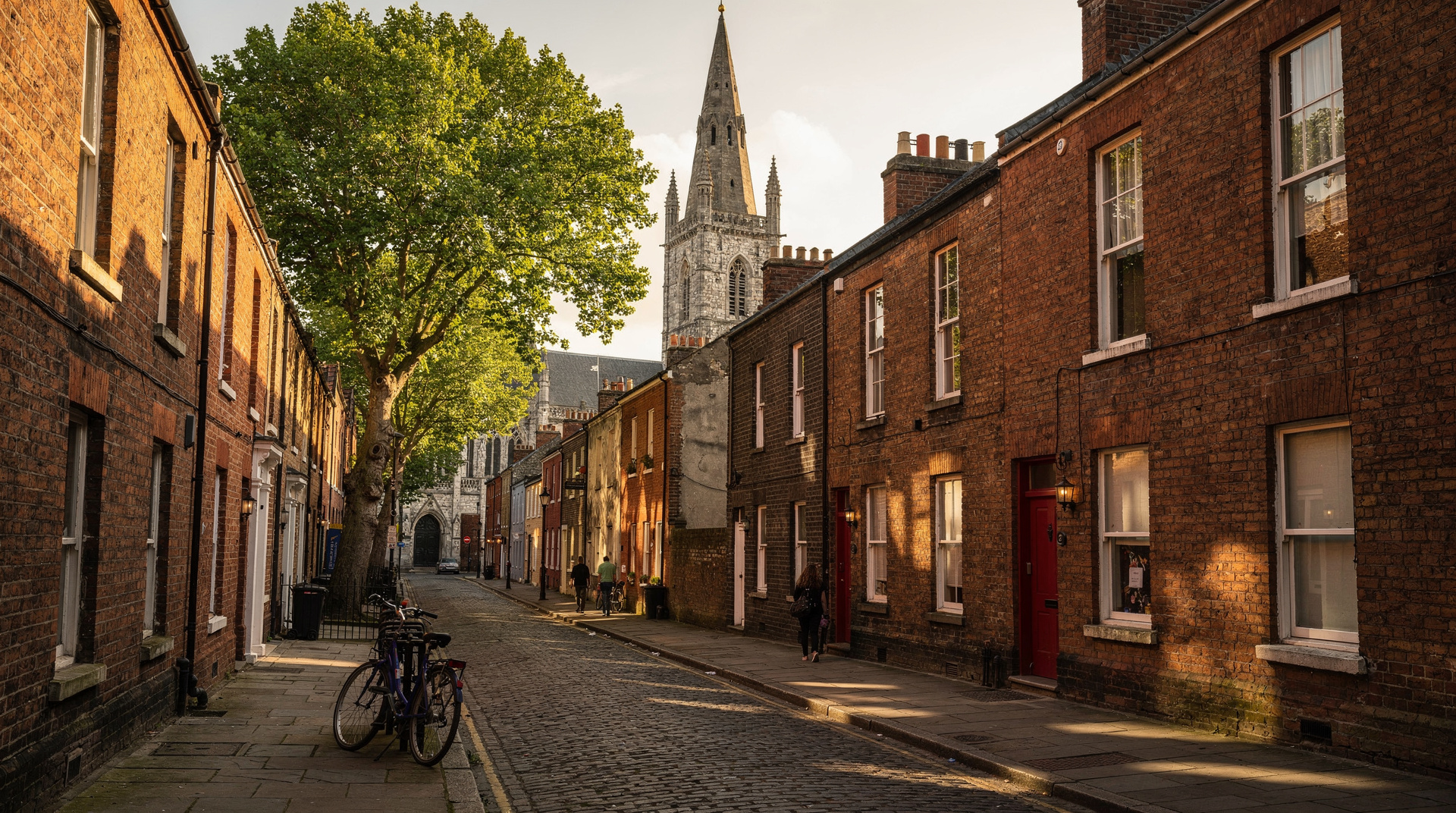
Walking between the four distilleries on a Tuesday morning, with autumn light on the old brick and the smell of malt in the air, you can feel why this neighbourhood was worth saving.
Frequently asked questions about Dublin’s whiskey renaissance
Can I walk between all four distilleries without a car or taxi? Yes — Teeling, Roe & Co, Pearse Lyons and Dublin Liberties Distillery are all within roughly a kilometre of each other in the Liberties, and the walk between them is part of the appeal, passing Georgian streets and the Guinness brewery wall.
Which distillery should I pick if I only have time for one? Teeling, for most visitors — it’s the pioneer, has the most technically informative tour, and its wine-cask-finished single malts are genuinely distinctive. Choose Roe & Co instead if the building and cocktails matter more to you than the technical depth.
Top experiences
Bookable activities with verified prices and instant confirmation on GetYourGuide.