Guinness Storehouse guide
Dublin: Guinness Storehouse entry ticket with free pint
Duration: self-guided
- Free cancellation
- Instant confirmation
Is the Guinness Storehouse worth visiting?
Yes, for most first-time visitors. The seven-floor experience is slick and the Gravity Bar pint with its 360° view is genuinely good. Book a timed skip-the-line ticket online to avoid the long entrance queue, and go early or late to dodge the crowds.
Why a beer factory became Ireland’s most-visited attraction
The Guinness Storehouse welcomes more visitors than any other paid attraction in Ireland, and it has done so by turning a working brewery’s old fermentation plant into a seven-storey experience built around a single pint. Whether that thrills or underwhelms you depends entirely on what you expect. Treat it as a museum of stout and you may find it thin. Treat it as a well-designed brand experience that ends with a very good pint and the best indoor view in Dublin, and it delivers.
| Where | St James’s Gate, the Liberties |
| Cost | from around €26 self-guided; ~€55 Connoisseur Experience |
| Time needed | 1.5–2 hours |
| Getting there | 25-min walk from Temple Bar, or hop-on hop-off bus |
| Best time | opening (09:30–10:00) or last entry slots |
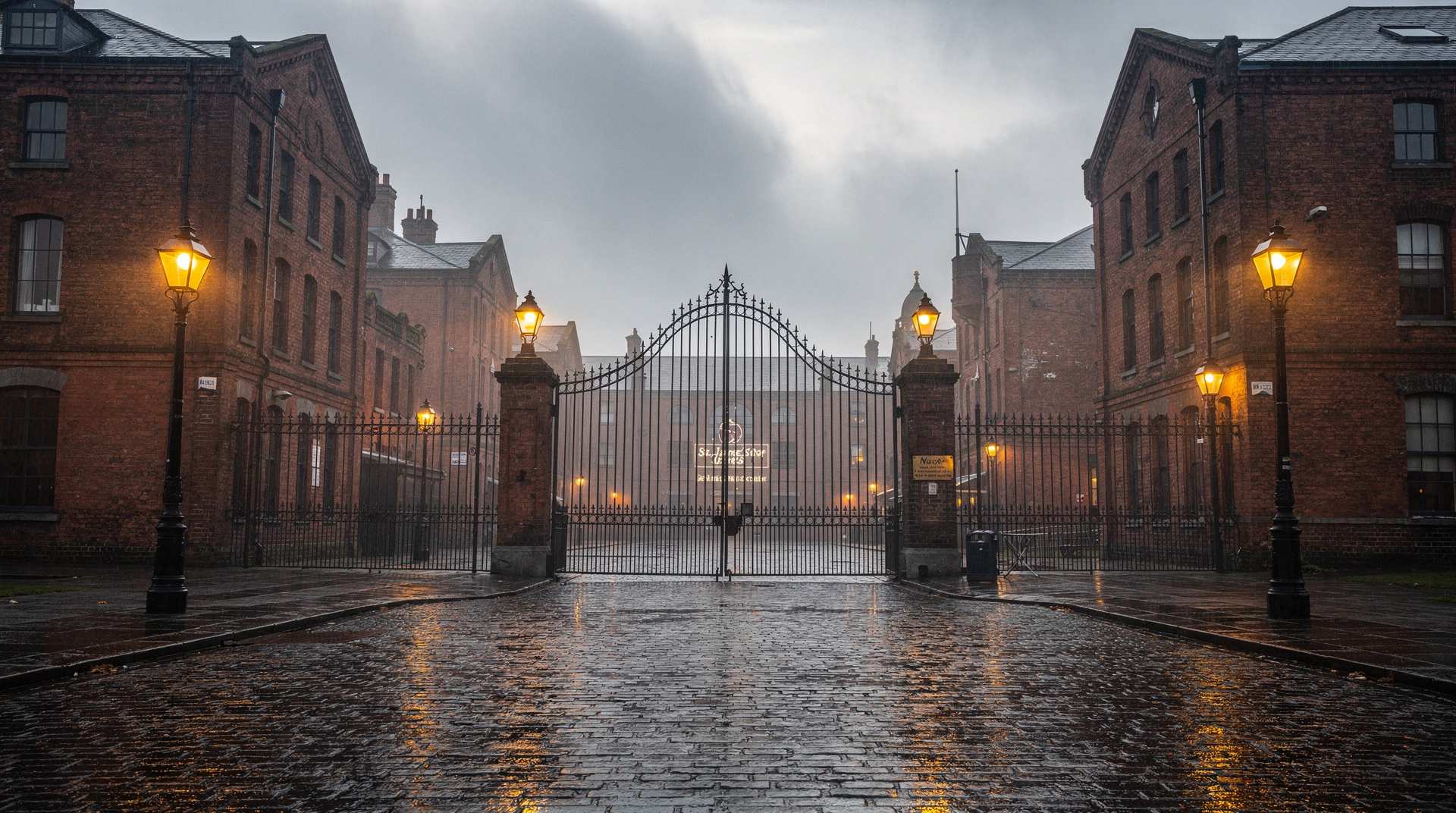
It sits in the Liberties, the old brewing and distilling quarter west of the city centre, on the 26-hectare St James’s Gate site where Arthur Guinness signed a now-legendary 9,000-year lease in 1759. This guide covers what each floor actually holds, which ticket to buy, how to avoid the worst of the queues, and — honestly — whether it earns its price. If you want only the verdict, jump to is the Guinness Storehouse worth it.
What the seven floors actually hold
The building is shaped like a giant pint glass around a central atrium, and you work your way up. The ground floor covers ingredients — water, barley, hops, yeast — with the lease set into the floor under glass. Higher floors walk through the brewing process, the history of Guinness advertising (the toucan, the “Guinness is good for you” posters), and cooperage. The tasting rooms teach you to pick out the roasted-barley notes, and the Guinness Academy floor lets you pour your own pint and earn a certificate, which is sillier and more fun than it sounds.
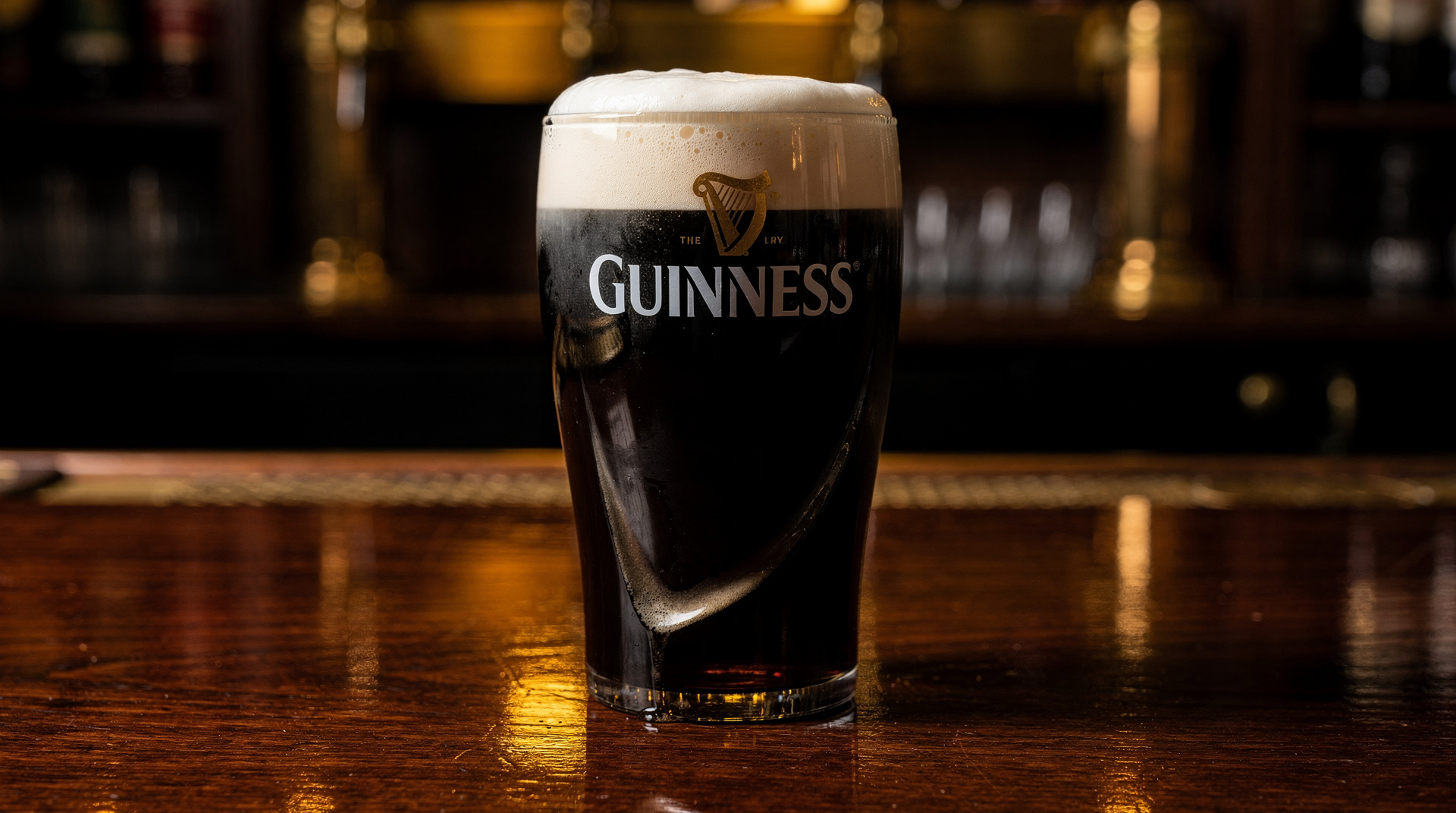
The payoff is the Gravity Bar on the seventh floor: a glass-walled rooftop room where you redeem your included pint with a 360-degree panorama over Dublin, from the Wicklow Mountains to the docklands. On a clear evening it is genuinely memorable. The standard Guinness Storehouse entry ticket includes that pint; book it in advance and you skip the ticket-office line.
Which ticket to buy
There are several tiers, and the right one depends on how much you care about the beer itself:
- Standard self-guided (from ~€26 online): full access to all floors plus one pint or soft drink. Right for most visitors. The skip-the-line signature package is the same experience with priority entry, worth it on busy summer days.
- Connoisseur Experience (~€55): a tutored tasting of four different Guinness variants in a private bar, led by a host. Best for genuine beer fans — this is the one that feels like you learned something.
- Combination tickets: pair the Storehouse with a hop-on hop-off bus or a perfect-pint pub tour if you want the brewery plus the living pub culture around it.
We break down every tier and price in Guinness Storehouse tickets explained. If you plan to visit three or more paid attractions, check whether the Dublin Pass is worth it first — the Storehouse is included.
How to skip the queue and when to go
The single biggest mistake is arriving mid-afternoon in summer without a timed ticket. The entrance queue can swallow 45 minutes. Two fixes: book a timed online ticket (it is cheaper than the door price anyway), and aim for the first slots at opening (09:30–10:00) or the last entries of the day. Weekday mornings in shoulder season are blissfully quiet; weekend afternoons in July are the opposite.
The Storehouse is a 25-minute walk from Temple Bar, or a short hop on the hop-on hop-off bus and several city-bus routes. There is no visitor car park to speak of — use public transport, covered in getting around Dublin.
What first-timers underestimate
Two things surprise most first-time visitors: how much of the building is about advertising and marketing history rather than brewing itself, and how strong the crowds feel by mid-morning even with a timed ticket. The atrium design means the queue for the lift up to the Gravity Bar can back up even when the lower floors feel manageable, so budget extra time near the end of your visit rather than assuming a strict 90-minute pace throughout. Families with young children generally find the interactive tasting stations and the pour-your-own-pint certificate the highlight; the advertising-history floors hold less appeal for under-tens.
Food and the wider visit
The Storehouse has an on-site restaurant and casual food options across a couple of floors, priced at typical attraction levels — expect to pay more than you would at a nearby pub for similar food. Most visitors are better served eating beforehand or afterward in the Liberties or Temple Bar rather than budgeting a full meal inside. If you want the pint experience without the full seven-floor tour, the perfect pint pub tour teaches the proper pour in a working pub setting instead, which several visitors find more authentic than the Storehouse’s own pour-your-own-pint floor.
Pacing your visit floor by floor
The building rewards a steady, unhurried climb. Resist the urge to rush the lower floors to reach the rooftop; the ingredients and brewing sections are where the design is at its most tactile, with water, grain and fire used as visual themes rather than panels of text. If you read every caption you will run out of steam before the tasting rooms, so pick two or three displays that genuinely interest you and let the rest wash over you. The atrium makes it easy to see how far you have climbed, and the glass lifts and stairs give you a sense of progress without a map.
A useful approach is to treat the visit in three movements. First, the story of the ingredients and the brewing process, which sets up everything that follows. Second, the sensory floors, where you smell roasted barley, learn how to taste and, if you have chosen it, pour your own pint. Third, the advertising and cultural-history floors, which are the most entertaining if you like vintage graphics and the least useful if you came for the beer. Knowing this in advance helps you decide where to slow down and where to move on.
Tasting and pouring: what to expect
The tasting room is less a lecture than a guided sniff-and-sip. You are shown how to warm the glass, smell first and taste second, and notice the bitterness, the roast and the creamy finish. It is a good primer if you have only ever drunk Guinness in a noisy pub and never paid attention to it. If you want to compare it with other dark beers afterwards, Guinness versus other stout explains what makes this one distinctive.
The pour-your-own-pint experience is a short, hands-on lesson in the two-part pour that bartenders swear by. You tilt, fill, pause to let the surge settle, then top up to form the head. Expect to get a certificate, and expect it to look better than your first attempt at the pint. It is a lot of fun in a group and slightly less so if you are travelling alone and standing in a queue with strangers, but the staff keep the mood light.
Who will enjoy it most
Different travellers get different things from the building, so it helps to be honest about which one you are.
- First-time visitors to Dublin tend to love it, because it ties the city’s most famous export to a place and a story. Pair it with the rest of our first-time Dublin guide for context.
- Beer fans will want the tutored tasting rather than the standard route, and should read Guinness Storehouse tickets explained before choosing.
- Families will find it easy going, particularly with the interactive stations; our broader advice on Dublin with kids covers how to fit it around naps and meals.
- Solo travellers will find the Gravity Bar a comfortable place to sit with a pint and a view, and our Dublin solo travel guide has more ideas along those lines.
- Budget travellers should weigh the price against the other paid attractions on their list; Dublin on a budget and the Dublin trip cost breakdown help you decide what to prioritise.
Weather, seasons and the Gravity Bar view
The rooftop view is the reason to care about timing. On a clear day the panorama stretches across the city to the hills, and the light in the late part of the day is the most flattering. On a grey, drizzly afternoon, which Dublin delivers often, the view is still pleasant but it is not the postcard moment. If your itinerary has flexibility, save the Storehouse for a day when the forecast looks clearer, and use wetter days for indoor options such as those in our rainy day Dublin guide.
Seasons change the experience too. Summer brings the largest crowds and the longest queues, while winter is calmer and the warmth of the building is a real attraction in itself. Our guides to Dublin in summer and Dublin in winter explain how each season changes the rhythm of the city, and the best time to visit Dublin helps you choose when to go overall.
Making it part of a bigger day
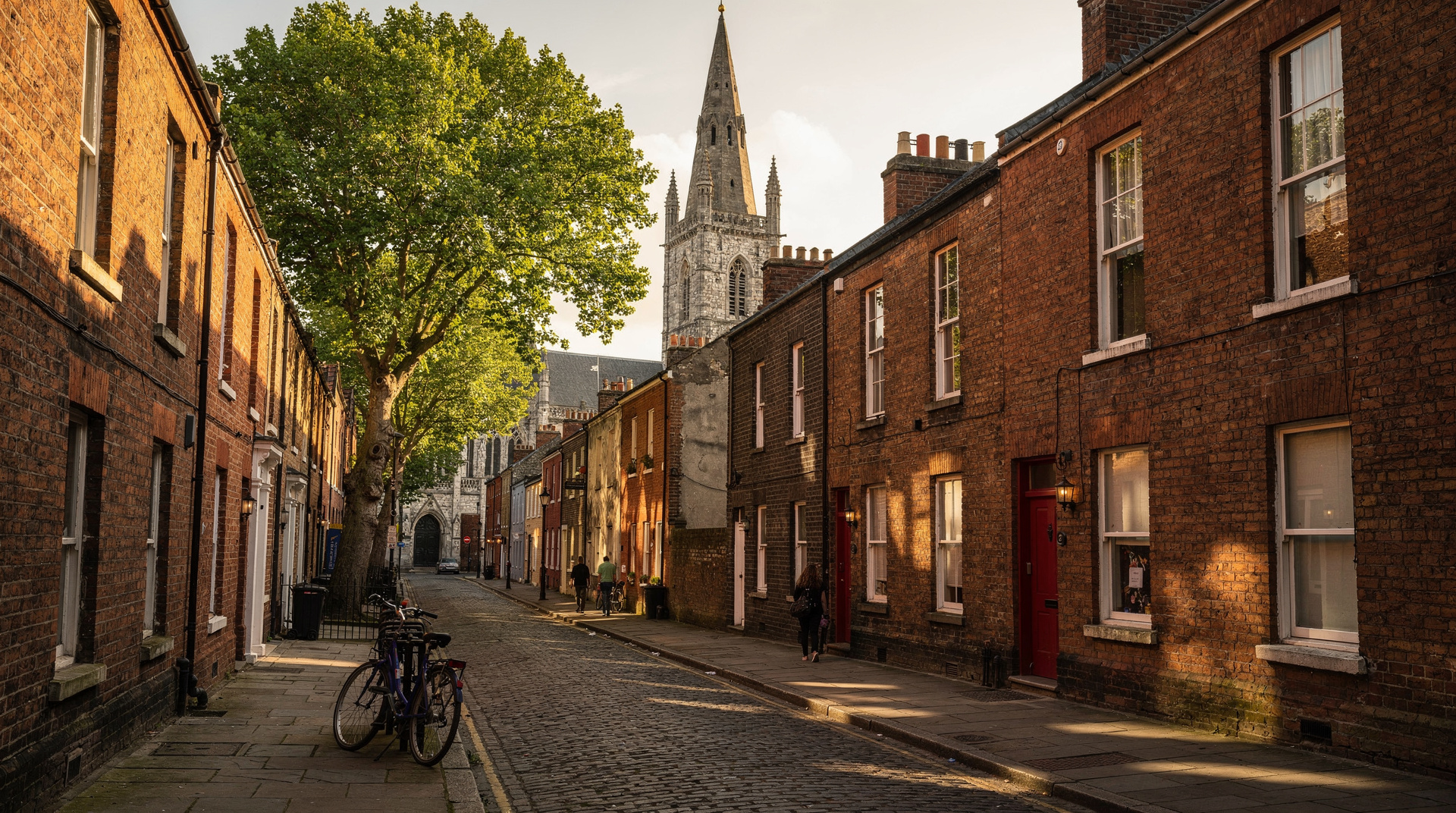
The Storehouse works best as the anchor of a half-day rather than a standalone stop. Because it sits in the Liberties, you can walk to other neighbourhood sights without needing transport. A natural combination is the Storehouse, followed by a pint-free wander through the surrounding streets and a visit to St Patrick’s Cathedral. If you prefer a theme, link it with whiskey: the Teeling Distillery guide and the Roe & Co distillery guide cover neighbouring options that show a very different side of Irish drinking.
For a gentler contrast, the Pearse Lyons Distillery sits in a converted church and offers a more intimate setting. And if the Storehouse leaves you curious about the city’s older layers, Viking and medieval Dublin and the Dublin historical walking tour widen the story.
If you are building a full schedule, the one-day Dublin itinerary and the two-day Dublin itinerary both show where a brewery visit fits among the other headline sights, and how many days in Dublin will help you judge whether you have the time for it at all.
Practical habits that make the visit smoother
Bring a card rather than relying on cash, wear comfortable shoes because there is a lot of standing and climbing, and keep your bag light so you are not wrestling with it in the busier tasting areas. Plan your pint redemption before you reach the top, because the Gravity Bar fills quickly in the best light, and decide in advance whether you want the view or a quieter seat on a lower floor. If you are travelling with someone who does not drink, remember that a soft drink is an option on the standard ticket, so they are not excluded from the finale.
Accessibility is worth checking before you go. The building is multi-level and designed around lifts, but the best approach is to read our Dublin accessibility guide and confirm any specific requirements with the venue directly. For arriving, the Leap Card guide and the Dublin bus overview explain the easiest ways to reach the Liberties without a car.
Finally, think about the evening that follows. A tour that ends with a pint is a natural prompt to continue into the pub scene, and best pubs in Dublin for locals and traditional music pubs give you somewhere to go next, while traditional Irish food is a sensible plan for dinner after a day of drinking and climbing.
Honest verdict, and what to pair it with
The Storehouse is polished, family-friendly and worth the two hours for a first visit — but it is a brand experience, not a deep museum, and the gift-shop funnel at the end is relentless. If you have already done it, or you care more about the drink than the marketing, spend your money on a distillery instead: the Dublin whiskey trail and the Jameson Distillery are smaller and more hands-on. And to taste Guinness the way locals do, skip the tourist pubs and read where to drink Guinness in Dublin — the pour in a quiet back-street pub beats the queue every time.
Pair the Storehouse with the rest of the Liberties — Teeling and Roe & Co distilleries, St Patrick’s Cathedral — for a satisfying half-day, and slot it into a 3-day Dublin itinerary on your first afternoon.
Frequently asked questions about Guinness Storehouse guide
How much is a Guinness Storehouse ticket in 2026?
Standard self-guided tickets start around €26 when booked online in advance, rising at peak times. The Connoisseur Experience and guided packages cost more. Booking online is cheaper than the door price and lets you skip the ticket queue.How long do you need at the Guinness Storehouse?
Allow 1.5 to 2 hours. The seven floors take about 75 minutes at a steady pace, plus time for your pint in the Gravity Bar. Add 20–30 minutes if you do the Guinness Academy pour-your-own-pint experience.Is the Gravity Bar pint included?
Yes. Every standard ticket includes one complimentary pint (or a soft drink) in the rooftop Gravity Bar, or you can redeem it in one of the lower-floor bars. The Connoisseur Experience includes a tutored tasting of four Guinness variants instead.Can you skip the queue at the Guinness Storehouse?
A timed online ticket lets you skip the ticket-office queue, but everyone still passes through the same entrance security at busy times. The earliest (09:30–10:00) and latest slots are the quietest.
Top experiences
Bookable activities with verified prices and instant confirmation on GetYourGuide.

Dublin: Guinness Storehouse entry ticket with free pint
- Free cancellation
- Instant confirmation

Dublin: skip-the-line Guinness Storehouse signature package
- Free cancellation
- Instant confirmation

Dublin: Guinness Storehouse Connoisseur experience
- Free cancellation
- Instant confirmation

Dublin: Guinness Storehouse entry ticket + perfect pint pub tour
- Free cancellation
- Instant confirmation