Giant's Causeway
Visiting Giant's Causeway from Dublin — the basalt columns, the walk, Dunluce Castle, the tourist reality and GBP and UK ETA notes for non-EU visitors.
From Dublin: Giant's Causeway, Dark Hedges, Dunluce & Belfast tour
Duration: 12h
- Free cancellation
- Instant confirmation
Quick facts
- Distance from Dublin
- ~240 km, about 3 hrs by car
- Currency
- Pound sterling (GBP)
- UK ETA
- Required for US, Canada, Australia visitors (£10)
- Visitor centre
- National Trust; entry to site free, car park paid
- Walk time
- 45–90 min for the causeway circuit
Forty thousand hexagonal columns on a cliff
The Giant’s Causeway is one of those places where the reality exceeds the photograph. The 40,000 interlocking basalt columns that crowd the cliff base at the Antrim coast — formed 60 million years ago by cooling lava flows — are more dramatic in person than any image prepares you for. The hexagonal geometry is almost impossibly regular, like a floor laid by a giant who lost patience and stopped halfway along the coast.
| Where | Antrim coast, Northern Ireland, ~240 km from Dublin |
| Time needed | 45–90 min for the causeway circuit; full day with tour |
| Getting there | Car (~3 hrs) or organised day tour from Dublin |
| Currency | Pound sterling (GBP); UK ETA required for US/Canada/Australia |
| Best time | May, June and September; avoid August weekends |
The mythology matches the geology. The causeway, according to Irish legend, was built by the giant Fionn mac Cumhaill (anglicised as Finn McCool) as a bridge to Scotland — Fingal’s Cave on the Scottish island of Staffa is the geological twin of the causeway, and the same basalt columns emerge from the water there. The National Trust visitor centre tells both stories.
Practical entry for non-EU visitors
Giant’s Causeway is in Northern Ireland, part of the United Kingdom. US, Canadian and Australian visitors need a UK ETA (Electronic Travel Authorisation) to cross from the Republic of Ireland into Northern Ireland — this costs £10 and is valid for two years. Apply online at gov.uk before travel. EU passport holders and Irish citizens cross without formalities.
Northern Ireland uses pound sterling (GBP). The causeway site is free to walk; the National Trust car park is paid (around £13 in 2026, discounted for National Trust members). There are cafes and a gift shop at the visitor centre that accept cards.
Getting there from Dublin
The causeway is roughly 240 km from Dublin — about three hours by car, mostly on the M1 motorway north and then the coastal A2. Without a car, an organised day tour is the practical option.
The Giant’s Causeway, Dark Hedges, Dunluce and Belfast tour from Dublin combines all the main Antrim coast highlights in a single long day (around 12 hours). This is the most popular format and covers the causeway, the Dark Hedges (the beech-lined road from Game of Thrones), Dunluce Castle ruins and a stop in Belfast. It is a full day but not a brutal one.
The walk at the causeway
From the visitor centre, a shuttle bus (paid) or a 20-minute coastal walk leads down to the causeway itself. The site is managed by the National Trust and has clear paths.
The Causeway plateau. The lower level of columns extends into the sea and is where most people photograph. The shapes range from stubby posts to columns over 12 metres tall. The “Giant’s Boot,” “Wishing Chair” and other formations are labelled along the path.
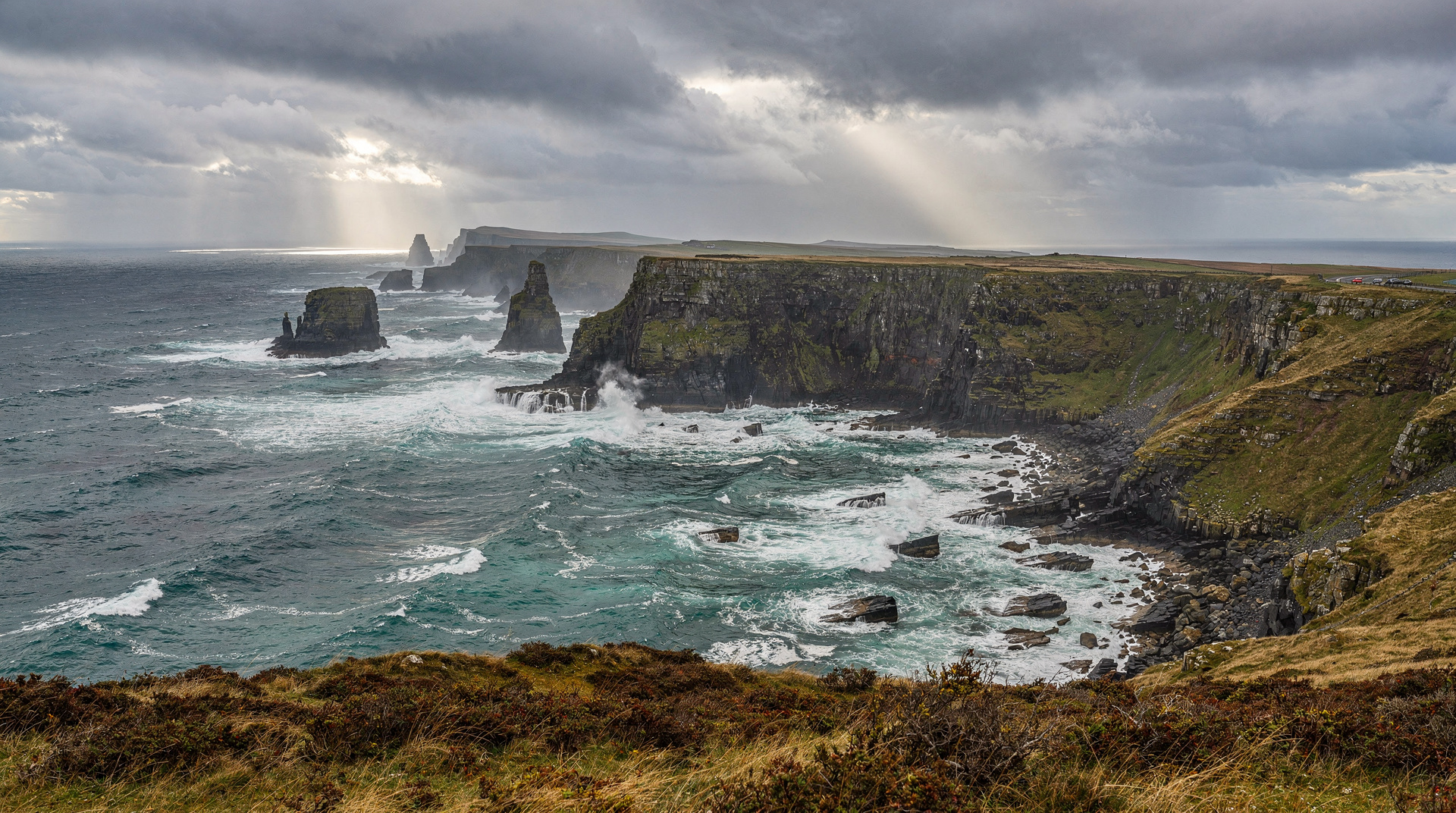
The cliff top walk. A path climbs from the causeway to the cliff top and continues along the coast. The view back down to the columns from above — with the basalt cliffs and the sea — is better than the ground-level view. The cliff top also connects to the Causeway Coast Way walking route toward Carrick-a-Rede rope bridge.
Dunseverick and White Park Bay. If you have a car and time, the coastal road east of the causeway passes Dunseverick Castle ruins and the beautiful White Park Bay beach before reaching Ballintoy and eventually Carrick-a-Rede.
Dunluce Castle
Most day tours include a stop at Dunluce Castle, the ruined 16th-century cliff-top castle a few kilometres west of the causeway. The setting — the castle perched on a basalt outcrop above the sea, with the cave running beneath it — is one of the most dramatic in Northern Ireland. It served as the Red Keep of Dragonstone in early seasons of Game of Thrones. Entry is around £7 in 2026.
Carrick-a-Rede rope bridge
East along the coast, the Carrick-a-Rede rope bridge crosses a 20-metre-deep chasm to a small island once used for salmon fishing. Managed by the National Trust like the causeway itself, it is short but genuinely nerve-testing for anyone uneasy with heights, and tickets need a timed slot in peak season. Many day tours pair the causeway with Carrick-a-Rede rather than Belfast. The Causeway Coast scenic guide covers sequencing the causeway, Carrick-a-Rede and Dunluce Castle if you are driving yourself.
If the rope bridge is the part that tempts you most, a day tour that pairs the causeway with the rope bridge keeps the coast together and spares you the driving.
Giant’s Causeway versus the Cliffs of Moher
Visitors planning an Ireland trip sometimes have to choose between the Giant’s Causeway in the north and the Cliffs of Moher on the west coast, since both are full-day commitments from Dublin and few itineraries comfortably fit both.
| Giant’s Causeway | Cliffs of Moher | |
|---|---|---|
| Distance from Dublin | ~240 km, ~3 hrs | ~250 km, ~3.5 hrs |
| Character | Geometric basalt columns at sea level | Sheer 200m cliffs above the Atlantic |
| Currency/border | Northern Ireland, GBP, UK ETA for non-EU | Republic of Ireland, euro, no border |
| Best paired with | Belfast, Dunluce Castle, Carrick-a-Rede | Galway, the Burren, Aran Islands |
Neither is objectively better — the Causeway rewards close-up geology and Northern Ireland history, the Cliffs reward sheer scale and westward Atlantic views. The Giant’s Causeway versus Cliffs of Moher guide compares them directly if you can only fit one into your trip.
Combining with Belfast and Derry
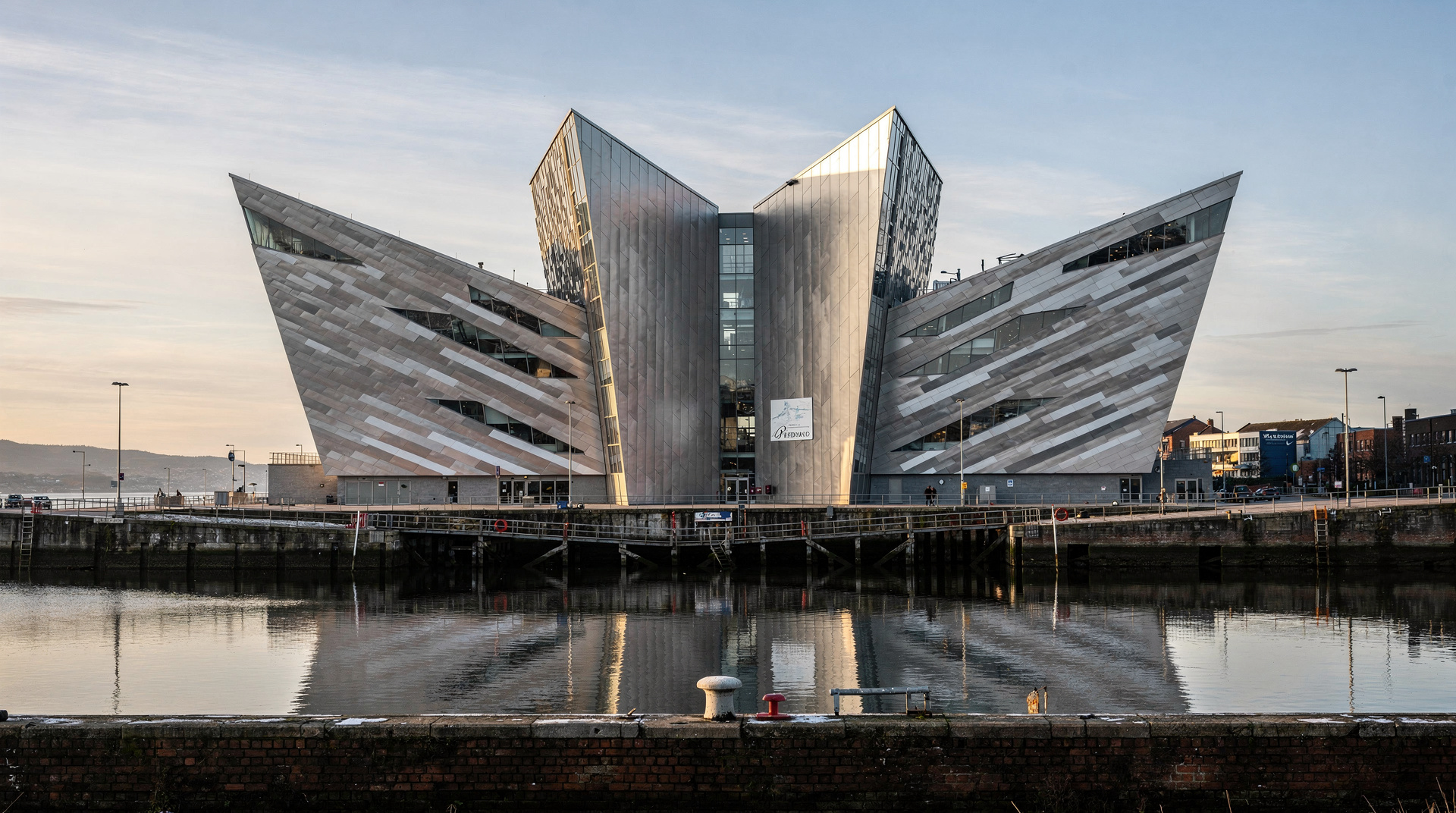
Most day tours from Dublin combine the causeway with Belfast, giving a long but comprehensive day that covers Northern Ireland’s two headline draws. If you have more time, a two- or three-day Northern Ireland loop can add Derry at the western end of the Causeway Coast and the Titanic Quarter in Belfast, rather than compressing everything into a single very long day. The Belfast day trip guide and giants causeway day trip guide both cover the logistics of the different pairings in more detail.
Travellers who like the idea of a slower, more rounded day can look at a day tour that adds the Glens of Antrim to the causeway, which trades the city stop for more countryside.
Reading the landscape
It helps to know what you are looking at before you walk down. The columns are not carved or stacked: they formed as thick lava cooled and contracted, cracking into the polygonal pattern that gives the site its look. Most columns have six sides, but look closely and you will find some with five, seven or more, which is part of the fun of wandering the plateau. The tops form a rough staircase that runs from the cliff base into the water, and the sea is always part of the picture. The Causeway Coast around it carries the same story in other forms, with cliffs, coves and headlands shaped by the same volcanic past.
Take your time on the stones. They can be slick when wet, and Antrim weather changes quickly, so sensible shoes matter more than any camera gear. The best photographs come from patience: wait for the crowd on a key formation to thin, then frame the columns against the sea rather than shooting straight down.
Planning the day from Dublin
A day at the causeway is mostly a day of travel, and the plan you choose shapes how it feels. Whether you drive or join a tour, leave early. An early start gives you more time on site and puts you ahead of the busiest hours, when coaches arrive together and the paths fill.
If you are driving, read driving in Ireland from Dublin before you go, especially if you have not driven on the left or crossed into Northern Ireland before. The road signs and speed limits change at the border, and the currency changes with them. If you would rather not drive, day trips without a car from Dublin explains how organised tours and public transport compare. For a wider comparison of the options out of the capital, the best day trips from Dublin guide is a good place to start, and which Dublin day trip to choose helps if you are still undecided between several.
Travelling by public transport is possible in principle, but the last stretch to the coast makes it slow and awkward for a single day. The Dublin to Belfast transport guide covers the first leg of that journey if you want to build your own route, perhaps stopping overnight so the causeway is not rushed.
Who the causeway suits best
First-time visitors to Ireland often put the causeway on the list because of its fame, and it rewards the effort. Photographers will want the soft light of early morning or evening, when the basalt takes on warmer tones. Walkers should plan to go beyond the plateau and use the cliff path, because the coast is the real prize. Families can manage the site comfortably, and the clear paths suit most ages, though young children need watching near the water and wet stones. The family day trips from Dublin guide covers what to expect with children on a long day out.
Game of Thrones fans will find the region full of filming locations, and the Game of Thrones tours guide explains how those tours are organised. If that is your main interest, check which stops a tour includes, as formats differ.
Weather and what to wear
The north coast is exposed. Wind comes straight off the sea, and a bright morning can turn into rain by lunchtime. Pack layers and a waterproof jacket whatever the forecast says, and keep a dry change of socks in the bag. The Dublin weather and what to pack guide gives a good general sense of Irish conditions, and the best time to visit Dublin helps you choose the season for a trip that includes a northern day out.
Rain does not ruin the causeway. Wet basalt looks darker and richer, and the crowds often thin. What it changes is your comfort and your footing, so go slowly and keep your hands free for balance rather than holding a phone.
Making a longer trip of it
Not everyone wants to squeeze the north into one day. If you have a few days, the Dublin and Northern Ireland three-day itinerary spreads the causeway, Belfast and the coast over a more relaxed pace. The four days in Dublin with a day trip plan suits travellers who want to anchor themselves in the capital and add one big excursion. For a broader route across the island, five days across Ireland from Dublin shows how the north and the west can sit within one trip.
Once you are back in the capital, the Dublin first-time guide helps you fill the remaining days, and how many days in Dublin will help you decide how much time to set aside for the city itself against the excursions.
Etiquette and looking after the site
The causeway is a protected place, and visitors are asked to leave it as they found it. Stay on the marked paths where they are provided, do not take stones, and carry your rubbish out or use the bins at the visitor centre. Avoid climbing on the highest columns beyond the points where the site invites you to go, since the surfaces are uneven and the drops are real. A quiet approach also helps: sound carries along the cliffs, and the place is more memorable when people give each other space.
Honest assessment
The Giant’s Causeway is genuinely extraordinary and absolutely worth visiting. The visitor centre is well managed and does not overwhelm the site. The main honest note: the actual walk on the causeway is relatively short — most people have covered what they came to see within 45 minutes — and the rest of the experience depends on how much you enjoy the coastal walk and the surrounding landscape.
Go on a weekday in May or June, or in September, and you will have space to move around. August Saturdays are crowded. The Causeway Coast guide covers the broader coastal walk and how to turn this into a half-day or full-day coastal experience rather than a quick causeway stop.
Top experiences
Bookable activities with verified prices and instant confirmation on GetYourGuide.

From Dublin: Giant's Causeway, Dark Hedges, Dunluce & Belfast tour
- Free cancellation
- Instant confirmation

From Dublin: Giant's Causeway and Carrick-a-Rede rope bridge tour
- Free cancellation
- Instant confirmation

From Dublin: Giant's Causeway & Glens of Antrim day tour
- Free cancellation
- Instant confirmation

From Dublin: Giant's Causeway tour and whiskey tasting
- Free cancellation
- Instant confirmation