The Liberties
The Liberties is Dublin's brewing heartland: the Guinness Storehouse, Teeling, Roe and Co and Pearse Lyons — four distilleries in one walkable
Dublin: Guinness Storehouse entry ticket with free pint
Duration: self-guided
- Free cancellation
- Instant confirmation
Quick facts
- Location
- Southwest city centre, 15 min walk from Dame Street
- Getting there
- Luas Red Line (Fatima or Rialto) or 20 min walk from city centre
- Currency
- Euro (€)
- Anchor attraction
- Guinness Storehouse
- Distillery count
- 4 working distilleries within walking distance
Dublin’s oldest neighbourhood is having a moment
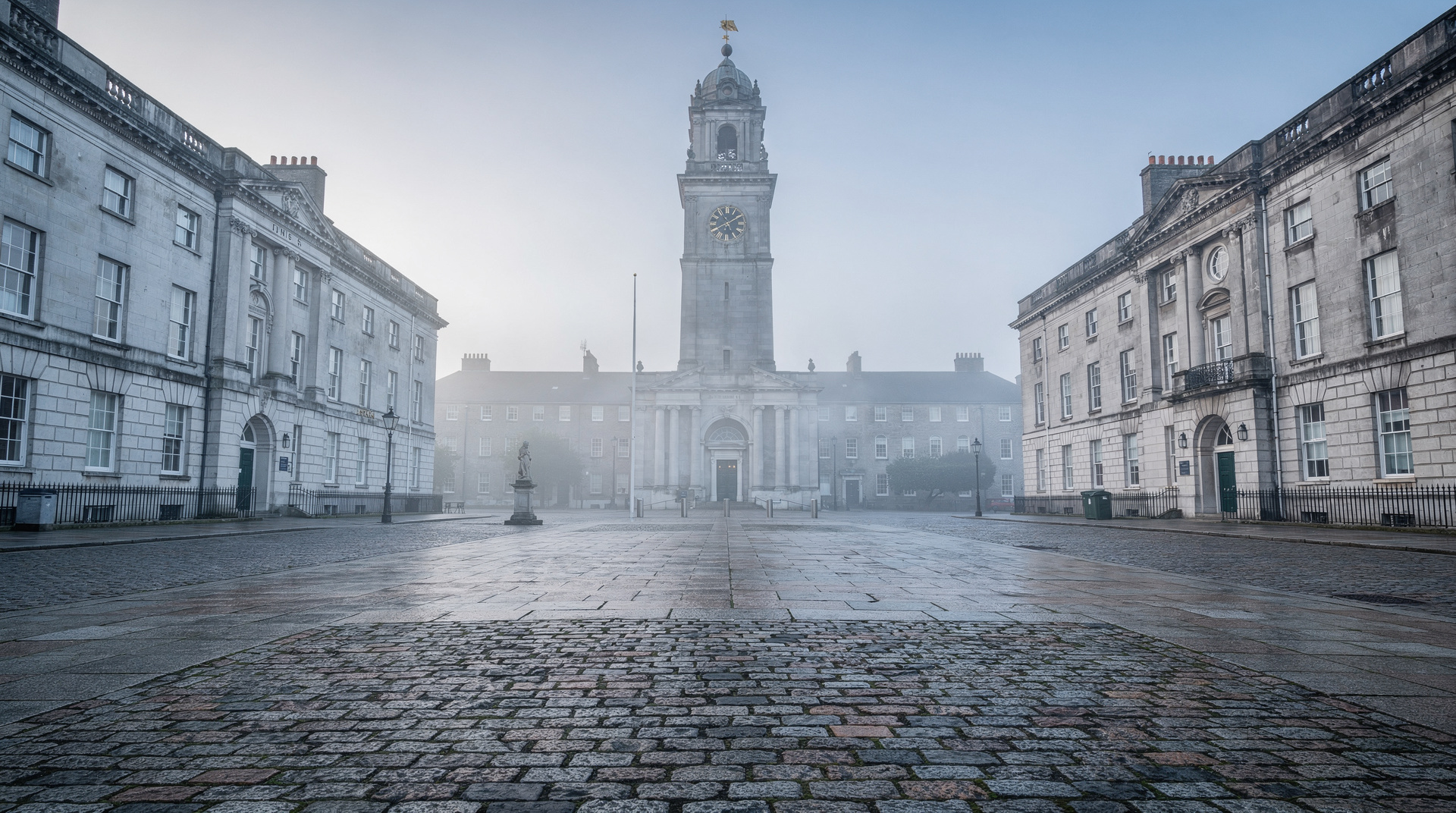
The Liberties is the oldest inhabited part of Dublin. It takes its name from the mediaeval legal exemptions — the “liberties” — that allowed certain trades to operate outside the city’s guild system, and for centuries it was the engine of Dublin’s industrial economy. Weavers, tanners, brewers, and distillers all settled here. Arthur Guinness signed his famous 9,000-year lease at St James’s Gate in 1759, and the brewery that grew from it still dominates the western skyline.
| Where | Southwest of the city centre, around Thomas Street and Francis Street |
| Cost | Storehouse around €26; distillery tours around €20–28 each; walking is free |
| Time needed | Half day for the Storehouse, full day if adding a distillery or two |
| Getting there | Luas Red Line to Fatima or Rialto, or a 15–20 min walk from Dame Street |
| Best time | Weekday mornings; distilleries often close or reduce hours on Sundays |
Today the Liberties wears its history visibly — in the Victorian brick of the old tenements, in the Georgian terraces that survived decades of neglect, and in the murals that cover gable walls along Thomas Street and Francis Street. It also wears its present self: new apartment blocks, a cluster of working whiskey distilleries, and a population that is younger and more international than it was a decade ago.
The Guinness Storehouse: worth it or not?
This question deserves a straight answer. Ireland’s most visited attraction costs around €26 for standard entry, takes 90 minutes to two hours to complete, and finishes with a pint of Guinness in the Gravity Bar with panoramic views over Dublin. Whether that represents good value depends on what you want from it.
The exhibition is well-produced, covering the history of the brewery, the science of stout brewing, and the global advertising legacy of Guinness. If you already know the story, it can feel like an expensive gift shop with a pint at the end. If you are genuinely curious about Irish industrial history, brewing culture, or the business of building a global brand from a single product, it is legitimately interesting.
The Guinness Storehouse entry ticket includes the pint in the Gravity Bar. Book in advance — particularly in summer and around St Patrick’s Day — because walk-up queues can be long and the on-the-day price is higher.
Our full assessment of whether the experience delivers on its promise is in the Guinness Storehouse guide.
The whiskey trail: four distilleries in one neighbourhood
What makes the Liberties genuinely unusual is the concentration of active whiskey distilleries within a walkable radius of each other. Teeling on Newmarket, Roe & Co on Thomas Street, Pearse Lyons on James Street, and the Dublin Liberties Distillery on Mill Street have all opened since 2015, making this the most active whiskey production zone in the city.
Each offers a different experience. Teeling is in a striking converted warehouse and runs a well-organised tour with a tasting of its standard expressions — light, approachable, good for beginners. Roe & Co operates out of the old Guinness Power House and combines impressive industrial architecture with a tour that focuses on cocktail culture as much as whiskey production. Pearse Lyons is the unusual one: a working distillery inside a converted church, St James’s on James Street, where the stills sit where the pews used to be. It is genuinely striking.
You could visit all four in a day if you pace yourself, though two with a meal between them is the more sensible option. The Dublin whiskey trail guide maps the route and compares the experiences in detail.
| Distillery | Best for | Roughly | Tasting style |
|---|---|---|---|
| Teeling | First-timers | 60–75 min | Standard-range tasting, light and approachable |
| Roe & Co | Architecture and cocktails | 60–90 min | Cocktail-focused finish in the old Power House |
| Pearse Lyons | The unusual setting | 45–60 min | Shorter visit, striking converted-church stills |
| Dublin Liberties Distillery | Locals and completists | 60 min | Smaller-scale, less crowded tasting room |
Thomas Street and the Francis Street antiques strip
Thomas Street is the main commercial artery of the Liberties and runs from the city centre toward the distilleries. It has a gritty, working character that has not been polished away — independent shops, a covered market, the ruins of the medieval St Catherine’s Church where Robert Emmet was executed in 1803, and a covered market that has been here in some form since the 1800s.
Francis Street, running parallel, is Dublin’s antiques and art dealer row. The shops here are serious — not junk, but genuinely old Irish furniture, silver, paintings, and ceramics, mostly at prices that reflect the real market. It is a good street to browse even if you are not buying.
Murals and street art
The gable walls along Francis Street, Cork Street and the approach to the Guinness Storehouse carry some of Dublin’s best street art, much of it commissioned rather than illicit — large-scale portraits, local history pieces and colourful abstract work that has grown steadily since the mid-2010s. It is worth slowing down between attractions rather than walking straight from the Luas stop to the Storehouse door; a short detour down Meath Street or along the Coombe turns up new pieces most visitors miss entirely. None of it is signposted formally, so treat it as a bonus rather than an itinerary item, and keep your phone out for photographs — the light on Francis Street in the late afternoon is particularly good for it.
Layers of history behind the brick
It helps to arrive with a little context, because the Liberties rewards visitors who read the streets as well as the attractions. This was a place where trades, immigrants and religious communities settled outside the reach of the city authorities, and that independent streak shaped everything from the street plan to the pubs. If the medieval and Viking story of the wider city interests you, the Viking and medieval Dublin guide sets the scene, and Dublinia tells it in a more hands-on way a short walk from the neighbourhood’s edge.
Two great churches frame the eastern side. Christ Church Cathedral and St Patrick’s Cathedral both sit on the approach, so it is easy to fold one of them into the walk out from the centre. The Famine and the poverty of the tenement era also left their mark here, and the Great Famine guide is a good companion if you want the social history that sits behind the brewing and distilling glamour.
A sensible way to spend a day
The neighbourhood works best when you treat it as a slow loop rather than a checklist. Start with a walk along Thomas Street while the shops are opening, take your time over a coffee, and save the big ticketed attraction for when you have the energy for it. Many visitors do the opposite — they hurry to the Storehouse first and then find the rest of the area an anticlimax.
- Morning: pick one anchor, either the Storehouse or a distillery, and book it ahead. If you are choosing between whiskey houses, the Teeling guide, the Roe & Co guide and the Pearse Lyons guide each explain what the visit feels like.
- Midday: break for lunch on the main streets rather than rushing on. The neighbourhood’s cafés and pubs are better than first impressions suggest, and a sit-down meal stops the tastings from going to your head.
- Afternoon: wander Francis Street and the side streets for murals and antiques, then decide whether a second tasting is worth it.
- Evening: head back toward the centre for a pub session. The traditional Irish music guide and the best local pubs guide will help you choose somewhere with real atmosphere instead of a tourist trap.
If you would rather not plan any of it yourself, a guided option can take the logistics off your hands. The Dublin food tours guide and the walking tours guide both cover routes that pass through or near this part of the city.
Practical tips before you go
Wear comfortable shoes, because the pavements are uneven in places and the best parts of the neighbourhood are found on foot. Bring a light waterproof, since Dublin weather changes quickly — the weather and packing guide explains what to expect through the year, and the rainy day guide suggests what to do when the sky turns, because the distilleries and the Storehouse make good indoor options.
Check the times of your bookings before you leave your hotel and allow a little slack between them, since tours start at set times and latecomers are not always accommodated. If you are using public transport, the Dublin Luas and DART guide and the Leap Card guide explain how to pay, and the getting around Dublin guide compares the other options.
A word on drinking: tastings pour more generously than many first-timers expect, so eat something beforehand and drink water between stops. If you are new to whiskey, the beginner’s whiskey tasting guide explains how to taste without feeling out of your depth. And if you plan to combine this neighbourhood with a late night out, the Dublin scams to avoid guide is worth a quick read.
Who will enjoy it most
Couples and groups of friends tend to get the most from the distillery stops, while solo travellers often prefer the street art and antiques walk, since it can be done at any pace. The solo travel guide has more on making the most of a day alone. Families can still enjoy the area, though the focus on alcohol means it suits older children better; the Dublin with kids guide has more suitable ideas if you are travelling with younger ones.
Where you sleep also changes how you experience the neighbourhood. If you want to be within walking distance of the brewery and the distilleries, the where to stay guide compares the districts and explains the trade-offs.
Getting there from the city centre
The most direct approach on foot from the city centre is along Dame Street and then up Lord Edward Street past Christ Church Cathedral, reaching the Liberties via Patrick Street in about fifteen minutes. Alternatively, the Luas Red Line runs through the area — Fatima and Rialto stops both put you in the Liberties within a short walk of the Guinness Storehouse and the distilleries.
The neighbourhood connects naturally with Kilmainham, where the Kilmainham Gaol and the Irish Museum of Modern Art sit about fifteen minutes walk further west. An afternoon in the Liberties followed by an evening meal in Portobello (just south, along the canal) makes a good full day on the south side of the city.
Honest notes on the neighbourhood
The Liberties is changing. Gentrification is real and fast, but the neighbourhood has not yet lost its working-class texture the way some Dublin districts have. You will see both sides of that transition — high-end coffee shops beside longstanding bookmakers, new developments beside houses that need work.
The tourist infrastructure, outside the Storehouse and distilleries, is sparse. There are good pubs but not the density of dining options you find in Portobello or Rathmines. If you are planning a full day here, have lunch at the Lunchroom on Thomas Street or the Teeling bar before continuing west to Kilmainham.
Combining the Liberties with wider Dublin
The Liberties slots naturally into a south-city day that begins at Trinity College in the morning, passes through Temple Bar at midday, continues to the Liberties for the Storehouse or a distillery in the afternoon, and ends at Kilmainham Gaol for a late tour. That is a full but manageable day, covered in the 3-day Dublin itinerary.
If you are still building your plan, the Dublin in one day itinerary and the weekend foodie itinerary both slot in a Liberties stop, and the Georgian Dublin and Dublin city pages cover the neighbouring districts. For a lighter read on what locals think of the area, the blog post on hidden corners of the Liberties is a good companion.
For day trips beyond the city, the Liberties is also the starting point — mentally if not geographically — for understanding Irish whiskey on a national scale. If the Teeling tour convinces you, the Jameson distillery guide gives you the Midleton context, and the whiskey comparison guide lays out the differences between the major expressions.
Frequently asked questions about Liberties
Is the Liberties safe to walk around? Yes, in the ordinary way any inner-city neighbourhood is — stick to the main streets (Thomas Street, Francis Street, Meath Street) during the day and around the main attractions, and it feels no different from Temple Bar or the Liberties’ neighbouring districts. Like anywhere in central Dublin, keep an eye on bags in busy spots and take a taxi rather than walking alone late at night.
Can I skip the Guinness Storehouse and just do a distillery instead? Yes, and plenty of repeat visitors do exactly that. If you have already done the Storehouse on a previous trip, Teeling or Pearse Lyons alone makes a satisfying half-day visit, and you save both the entry fee and the crowds — see the Guinness Storehouse guide for a fuller worth-it verdict either way.
Top experiences
Bookable activities with verified prices and instant confirmation on GetYourGuide.

Dublin: Guinness Storehouse entry ticket with free pint
- Free cancellation
- Instant confirmation

Dublin: Teeling Whiskey Distillery tour & tasting
- Free cancellation
- Instant confirmation

Dublin: Roe & Co Distillery powerhouse tour & tasting
- Free cancellation
- Instant confirmation

Dublin: Pearse Lyons Whiskey Distillery experience
- Free cancellation
- Instant confirmation

Dublin: Guinness Storehouse & Roe & Co Irish whiskey tour
- Free cancellation
- Instant confirmation