Belfast
Honest guide to Belfast from Dublin — Titanic Belfast, the peace walls, black taxi tours, currency (GBP) and the UK ETA requirement for US visitors.
From Dublin: day tour to Belfast and Titanic Museum
Duration: 10h
- Free cancellation
- Instant confirmation
Quick facts
- Distance from Dublin
- ~165 km, about 2 hrs by car or coach
- Currency
- Pound sterling (GBP)
- UK ETA
- Required for US, Canada, Australia visitors (£10)
- Getting there
- Bus, train or day tour from Dublin
- Ideal stay
- 1 full day or overnight
A city that has reinvented itself
Belfast is one of the most genuinely interesting cities in the British Isles, and it is an easy day trip or overnight from Dublin. The city that built the Titanic has turned that history into its most visited attraction. The neighbourhoods that were divided by peace walls during the Troubles are now, two decades on from the Good Friday Agreement, opening those walls and changing the murals. There is real complexity here, and the city does not hide from it.
From a Dublin visitor’s perspective, Belfast rewards at least a full day and is better with an overnight. The distance is modest — about 165 km and two hours by road — but the city has enough to fill two solid days if you include Titanic Belfast, the political taxi tour, the Cathedral Quarter and the coastal views on the way home via the Causeway Coast.
| Where | Northern Ireland, ~165 km / 2 hrs from Dublin by road or rail |
| Cost | Coach or train around €25–45 return; guided day tour from Dublin around €70–90 |
| Time needed | A full day, better with an overnight |
| Getting there | Translink Goldline/Aircoach bus, Enterprise train, or organised day tour |
| Best time | April to October; shoulder season for best value |
Practical entry note for non-EU visitors
Belfast is in Northern Ireland, which is part of the United Kingdom. This matters for visitors from the US, Canada, Australia and other non-EU countries: you will need a UK Electronic Travel Authorisation (UK ETA) to enter Northern Ireland. The ETA costs £10, is valid for two years and is applied for online before travel. EU citizens and Irish passport holders can cross the border without any formalities under the Common Travel Area agreement. Carry your passport rather than relying on an ID card.
Northern Ireland uses pound sterling (GBP), not euros. Most international bank cards work fine, but currency exchange at a reasonable rate is harder than in the Republic. A multi-currency card (Revolut or Wise) is the practical solution.
Getting to Belfast from Dublin
Bus. Translink Goldline and Aircoach operate regular services from Dublin city centre to Belfast city centre (Europa Buscentre). Journey time is around 2 hours 15 minutes. Services run roughly every 30–60 minutes throughout the day.
Train. Enterprise trains run between Dublin Connolly and Belfast Lanyon Place five to eight times daily. The journey takes about 2 hours 10 minutes and the service is comfortable. Booking ahead saves money.
Organised day tour. The day tour to Belfast and Titanic Museum from Dublin handles everything — coach from Dublin, guided time in Belfast, Titanic Belfast entry and return coach. This is the low-friction option for visitors who do not want to manage transit logistics.
Titanic Belfast sits in the docks two kilometres from the centre, and the Causeway is another ninety minutes north, so a day covering both depends entirely on not waiting for anything: a day trip to Belfast, Titanic and the Giant’s Causeway by car removes the waiting.
Titanic Belfast
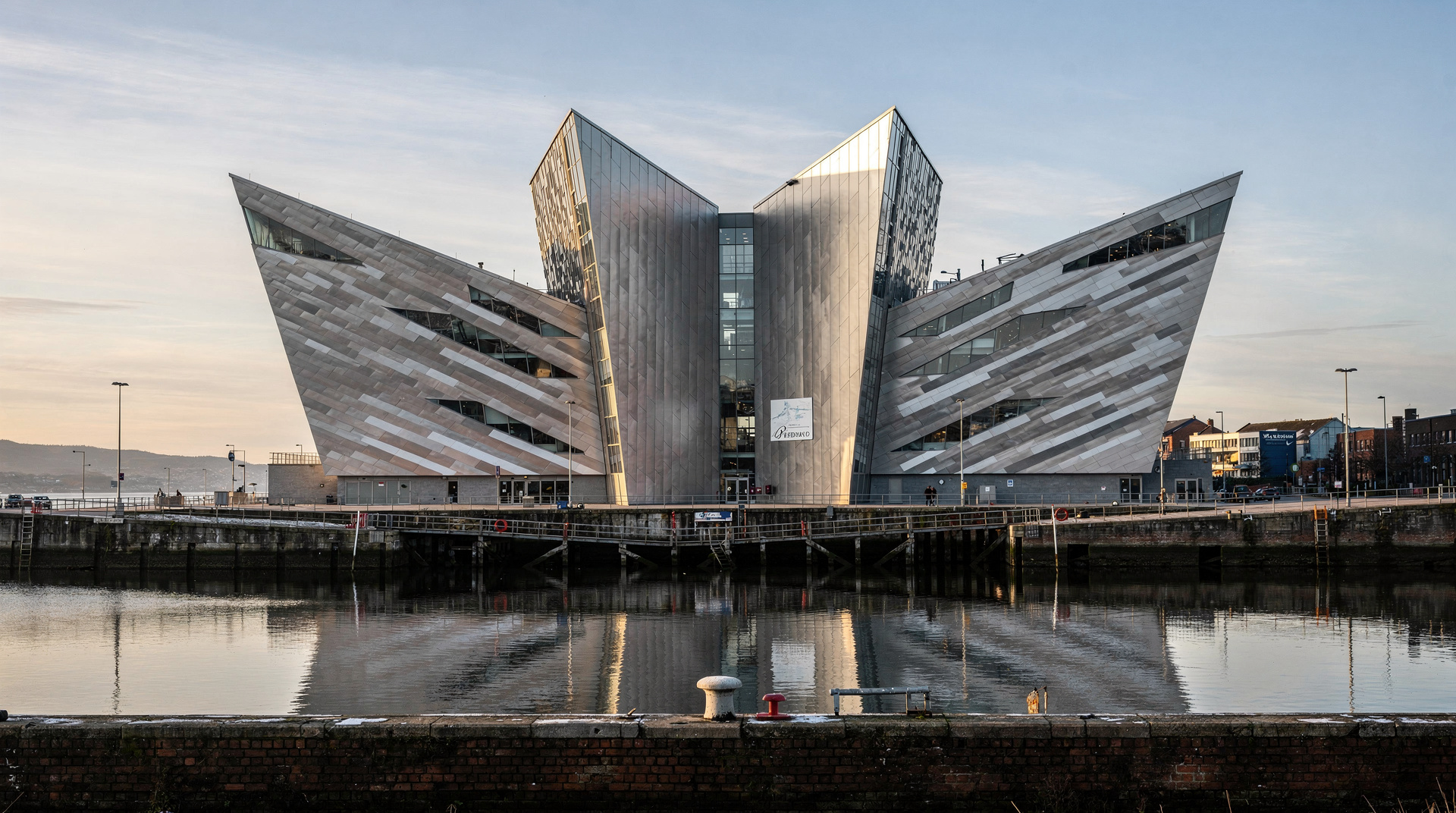
The museum on the slipway where the Titanic was built is Belfast’s landmark attraction and is covered in detail in the Titanic Quarter guide. The six-storey building is impressive from outside; inside, the exhibition is imaginative and thorough. Allow 2–3 hours.
The black taxi tour
The political black taxi tour of West Belfast is the most distinctive visitor experience in the city. Taxi drivers — generally from both communities — take you through the Falls Road (nationalist) and Shankill Road (unionist) areas, explaining the murals, the peace walls and the political history of the Troubles. Tours typically last 90 minutes to two hours and accommodate questions.
This is not exploitative tourism — it is a form of living history that the taxi cooperatives on both sides have developed deliberately as a way to explain their communities’ experiences. The political black taxi history tour is one of the most honest and memorable experiences in Belfast.
Cathedral Quarter and the city centre
The Cathedral Quarter, centred on Cathedral Street and Hill Street north of the city centre, is Belfast’s creative district — independent bars, music venues and street art in the brick laneways. The 19th-century Cathedral Bar on Hill Street is the oldest bar in Belfast and worth a drink. The Sunflower Bar on Union Street is the best live music venue for an evening in the city.
The city centre itself, rebuilt after IRA bomb damage in the 1990s, is busy and commercial but has some Victorian architecture worth noting: the Crown Liquor Saloon on Great Victoria Street (a National Trust pub, one of the most ornate Victorian drinking establishments in the British Isles) and the Grand Opera House next door.
Combining with the Causeway Coast
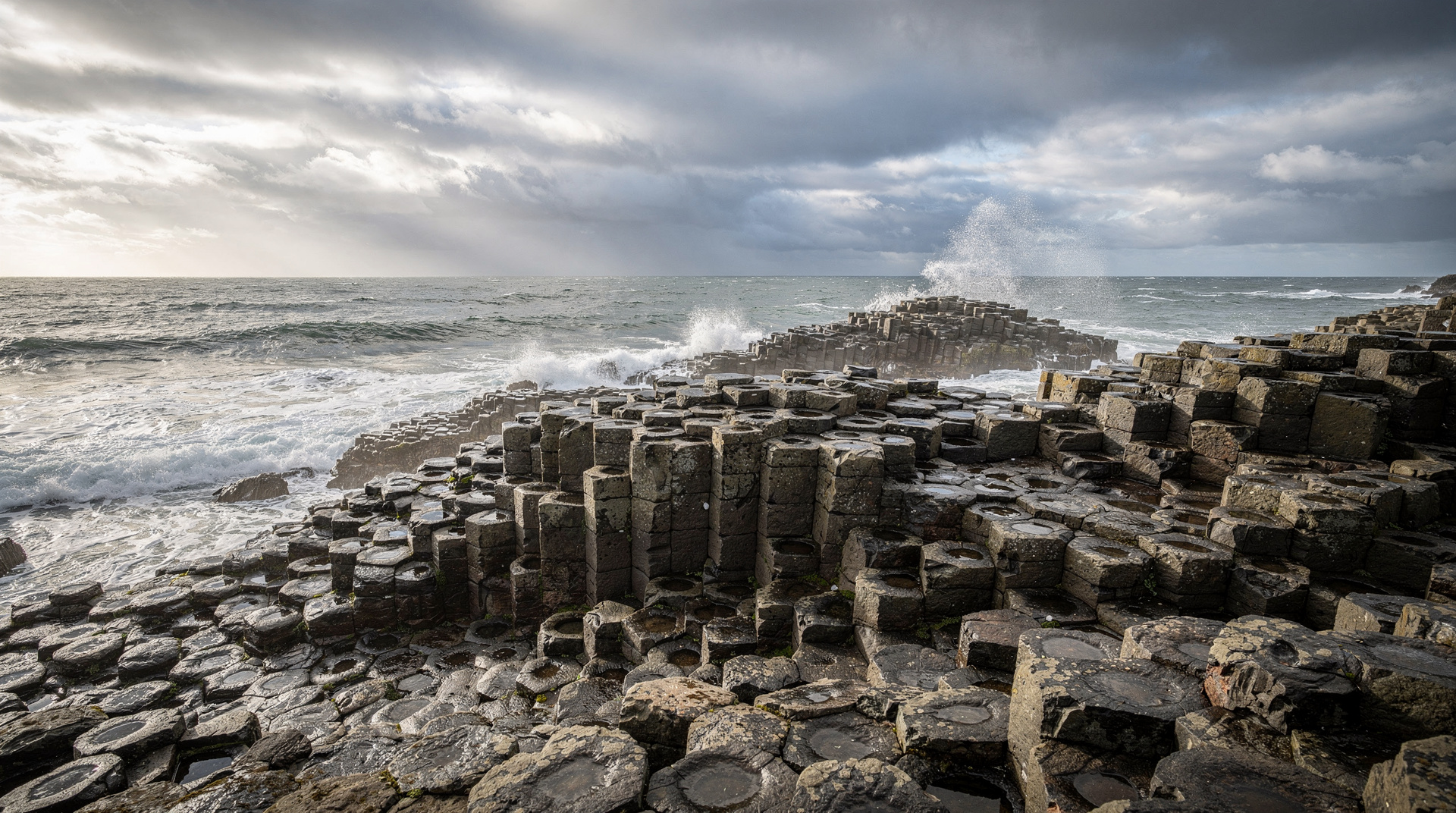
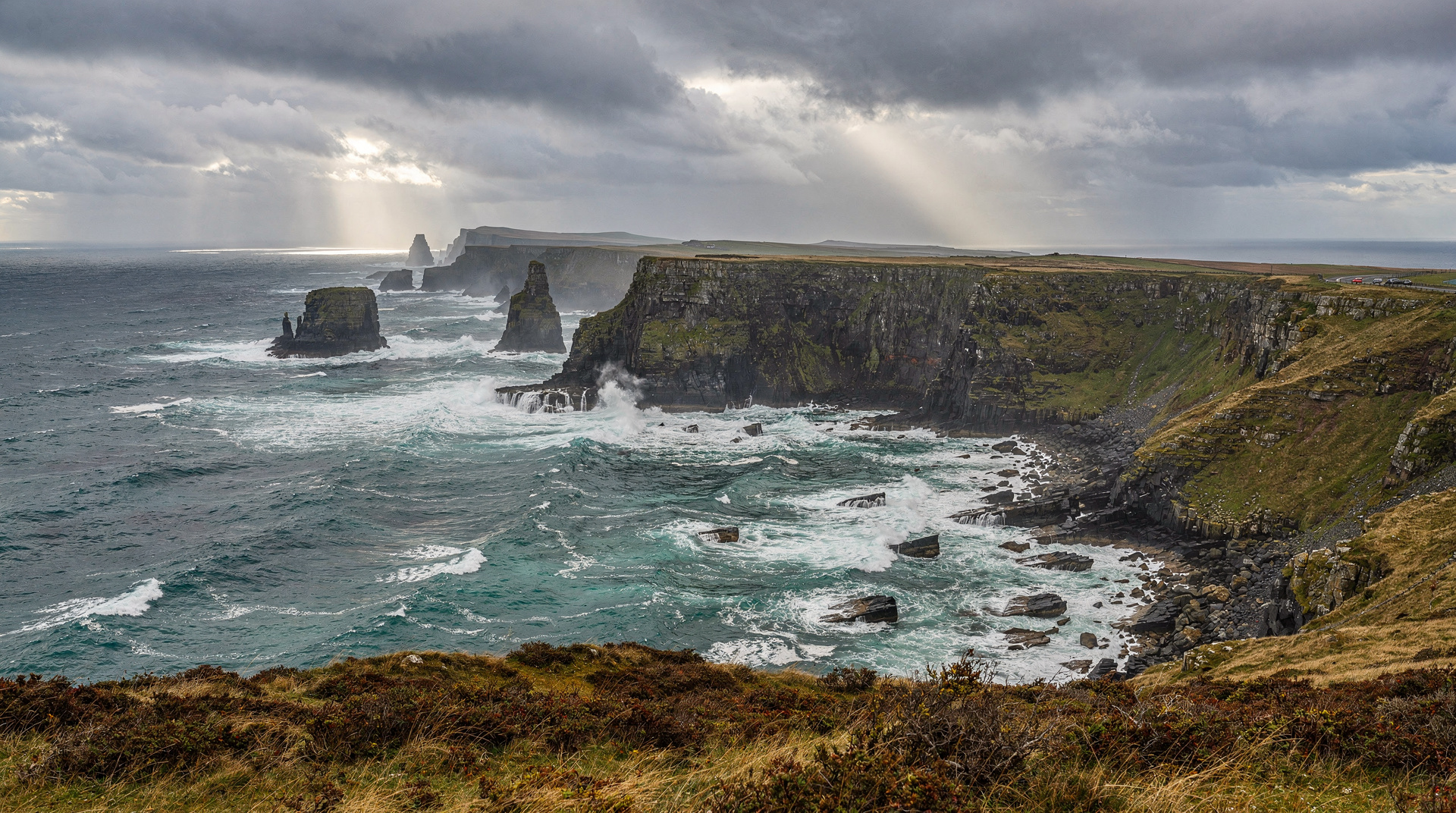
Belfast works as the starting point for a day on the Causeway Coast or as an overnight base before the Giant’s Causeway. The coast is about 75 km north-east of Belfast — a scenic 90-minute drive. Many visitors do Belfast one day and the coast the next, combining them into a two-day Northern Ireland loop from Dublin. See the Northern Ireland 3-day tour itinerary for the full sequence.
The game of thrones tours guide covers Game of Thrones filming locations accessible from Belfast, for fans of the series.
Combining with Derry
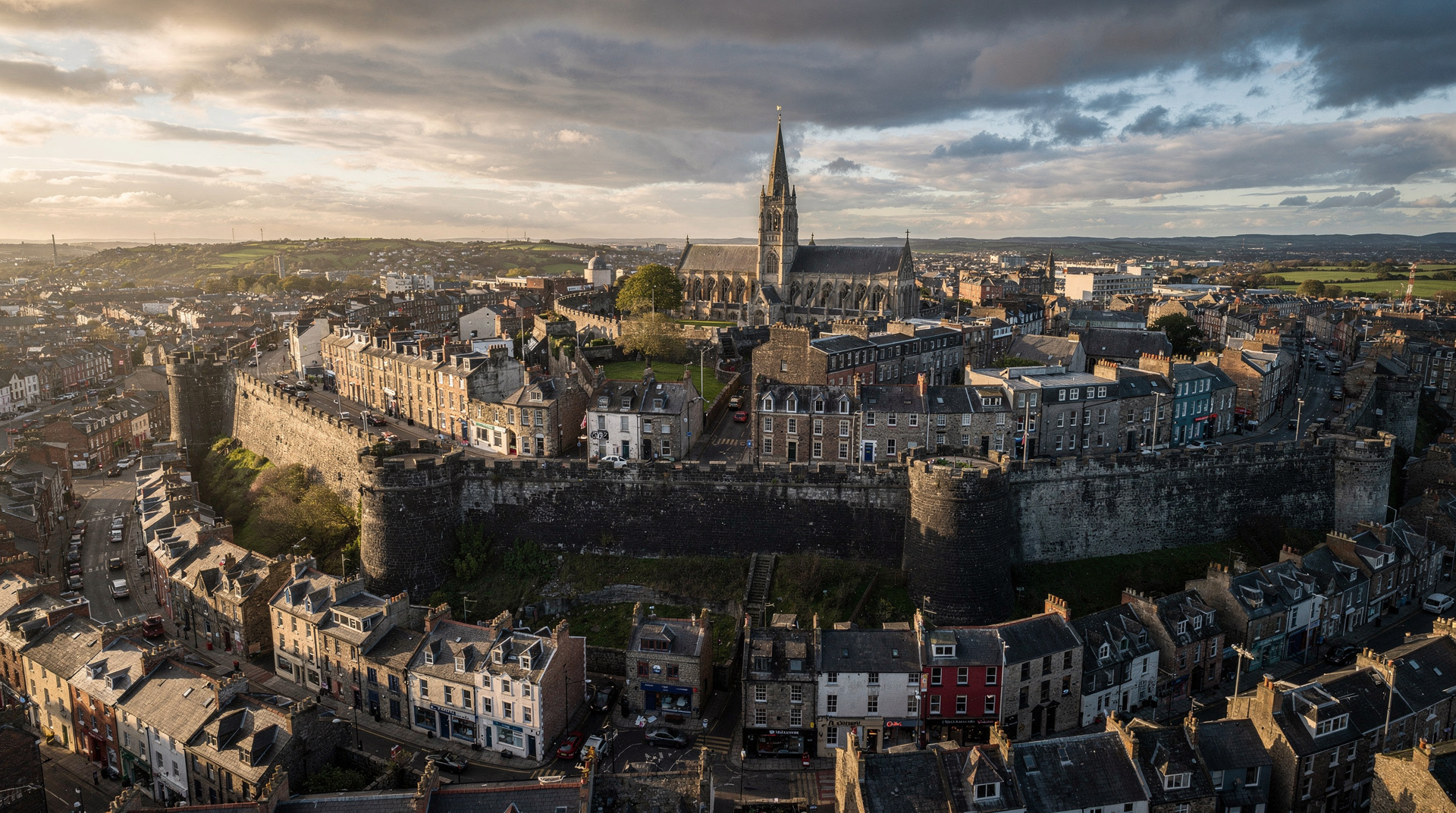
Visitors with more than two days sometimes extend the loop to Derry, about 115 km / 90 minutes north-west of Belfast, adding the city’s own walled-city history and its own murals to the Belfast story before looping back via the Causeway Coast. This turns a two-day Belfast trip into a fuller three-day Northern Ireland tour without retracing the same roads.
Day tour vs independent train — which to pick
If your priority is Titanic Belfast plus a taste of the political history without managing logistics, the organised day tour bundles transport, entry and guiding into one price and one day. If you would rather set your own pace, wander the Cathedral Quarter at leisure, or stay overnight, the Enterprise train is more comfortable than the bus and drops you in the city centre, close to everything described above. Both approaches work well; the tour suits a single tight day, the train suits an overnight.
Where to eat
St George’s Market, open Friday to Sunday, is the best single stop for food — a mix of local produce, street food and live music in a Victorian market hall a short walk from the city centre. In the Cathedral Quarter, the bars along Hill Street and Union Street double as informal food spots in the evening. For a sit-down meal, the streets around the Cathedral Quarter and Great Victoria Street have the widest range, from traditional Ulster fry breakfasts to contemporary Irish restaurants.
How to shape your time in the city
Belfast is compact enough that the main sights sit in a few clusters rather than spread across a sprawling map. One cluster is the docks, where Titanic Belfast and the wider Titanic Quarter live. Another is the city centre and Cathedral Quarter, and a third is West Belfast, where the murals and peace walls are. Thinking in clusters stops you zigzagging across town and wasting the daylight you have.
A sensible order for a single day is to start with the museum while you are fresh, since it rewards unhurried reading, then move to the city centre for lunch, and give the afternoon to the political history of West Belfast. If you are staying the night, the Cathedral Quarter makes a natural evening, with live music and a pub supper. If you are weighing whether this is the right trip at all, the Belfast day trip guide lays out the day hour by hour, and the personal account of a Belfast day trip gives a candid sense of what surprised a first-time visitor.
Understanding what you are seeing
The murals and peace walls make far more sense with a little background. Belfast’s recent history is one of two communities living side by side, often on the same streets, with sharply different political and cultural identities. The walls were built to keep neighbourhoods apart and many still stand, though the conversation about their future is ongoing. The murals range from commemorations and political statements to newer works that celebrate community, music and local figures.
Go with curiosity rather than judgement. Locals will tell you different versions of the same events, and that is precisely the point of hearing from guides on both sides. If the subject interests you, the wider story of the island’s political upheaval is told in the Irish revolution history walk and the 1916 Easter Rising guide, both in Dublin, which give useful context before you cross the border. Many travellers find that seeing Dublin’s side of the story first makes Belfast land harder and better.
Photography and respect on the Falls and Shankill
Many of the murals are visible from the street and photographing them is a normal part of a visit. Still, these are residential areas where people live, so keep voices down, avoid pointing cameras at residents, and follow the lead of your driver or guide about where to stop and where to move on. Dress for the weather rather than for any statement, and avoid wearing sports shirts or colours that carry political meaning. Treat the memorials as you would in any cemetery or place of remembrance.
Rainy days and what to do indoors
Northern Ireland weather is changeable, so it is worth keeping an indoor plan. Titanic Belfast is the obvious wet-weather anchor, and the Crown Liquor Saloon and the Grand Opera House reward a visit whatever the sky is doing. The covered St George’s Market is another good refuge when it is open. If you are travelling on from Dublin and want ideas for the other side of a damp day, the rainy day Dublin guide is a handy companion, and the what to pack for Dublin weather guide applies just as well north of the border.
Planning the journey from Dublin in more detail
The practical choice between bus, train and tour comes down to how much you value flexibility versus convenience. The full comparison of options, including how each handles luggage and timing, sits in the Dublin to Belfast transport guide. If you are arriving in Ireland and heading north quickly, the Dublin airport to city guide explains how to reach the centre first, from where the Belfast services leave.
If you would rather not rely on public transport at all, the driving in Ireland from Dublin guide covers what to expect behind the wheel, including what changes when you cross the border. For travellers without a car who want to see more than Belfast, the day trips without a car guide and the broader best day trips from Dublin help you decide whether Belfast is the right pick or whether another destination suits your time better.
Making Belfast part of a longer Ireland trip
Belfast fits naturally into a wider plan. If you have a few days in the capital first, the Dublin 3-day planning guide and the 3 days in Dublin itinerary give you a base to build on, and a day or two in the north can then be added on top. For a longer stay, the 4 days in Dublin with a day trip itinerary shows how a single excursion can be slotted in without exhausting the rest of the trip.
Travellers who like the idea of a clean loop can look at the Northern Ireland 3-day itinerary, which treats Belfast as the first stop and moves on from there. Comparing the north’s headline scenery with the west of Ireland is a common dilemma, and the Giant’s Causeway versus Cliffs of Moher guide helps if you are deciding where to spend a precious free day. For the Causeway itself, the Giant’s Causeway day trip guide goes into the detail.
Nearby places worth knowing about
Belfast is also a good jumping-off point for the landscapes around it. The Mourne Mountains offer a very different kind of day, with hills and reservoirs rather than streets and museums, and are a good fit if the city has left you wanting fresh air. Back in the Republic, the Dublin destination guide is the right place to start if you are still deciding how to divide your time between the two capitals, and the Dublin versus Edinburgh weekend post is a fun read on how cities in this part of the world compare.
A few closing thoughts on pacing
The most common regret among visitors is trying to do too much. Belfast is not a city to rush: the museum alone takes a good chunk of the morning, the taxi tour deserves your full attention, and the evenings are best when you are not watching the clock for the last coach home. If a single day is all you have, choose two or three things and do them well rather than ticking off a long list. If you can spare a night, you will see a side of the city that day-trippers miss, from the buzz of the bars to the quiet of the streets after the crowds have left.
Top experiences
Bookable activities with verified prices and instant confirmation on GetYourGuide.

From Dublin: day tour to Belfast and Titanic Museum
- Free cancellation
- Instant confirmation

From Dublin: Belfast full-day tour with Titanic experience
- Free cancellation
- Instant confirmation

Belfast: black taxi tour
- Free cancellation
- Instant confirmation

Belfast: Troubles murals, street art, and peace wall walking tour
- Free cancellation
- Instant confirmation

Belfast: political black taxi history tour
- Free cancellation
- Instant confirmation