Kilkenny
Kilkenny is Ireland's best-preserved medieval city, 1.5 hours from Dublin — castle, cathedrals, craft shops and some of Ireland's finest pub culture.
From Dublin: private full-day tour to Kilkenny
Duration: full day
- Free cancellation
- Instant confirmation
Quick facts
- Distance from Dublin
- 130 km south-west via M9
- By train
- 1h35–1h50 from Dublin Heuston (Irish Rail)
- By car
- 1h30–1h45 via M7 and M9
- Castle admission
- Free; guided tours by timed ticket
- Ideal stay
- Full day; one night to do it justice
The most complete medieval city in Ireland
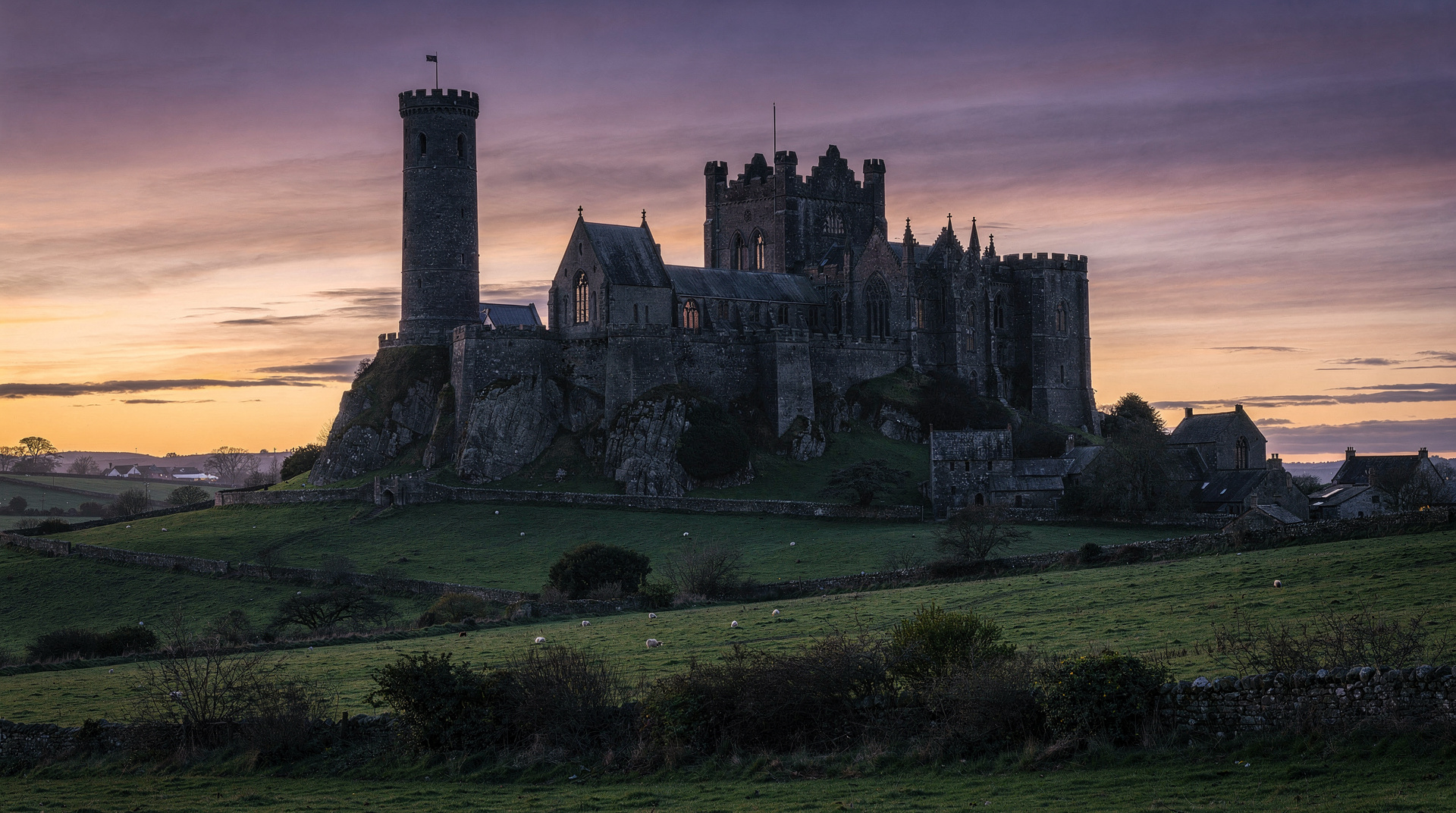
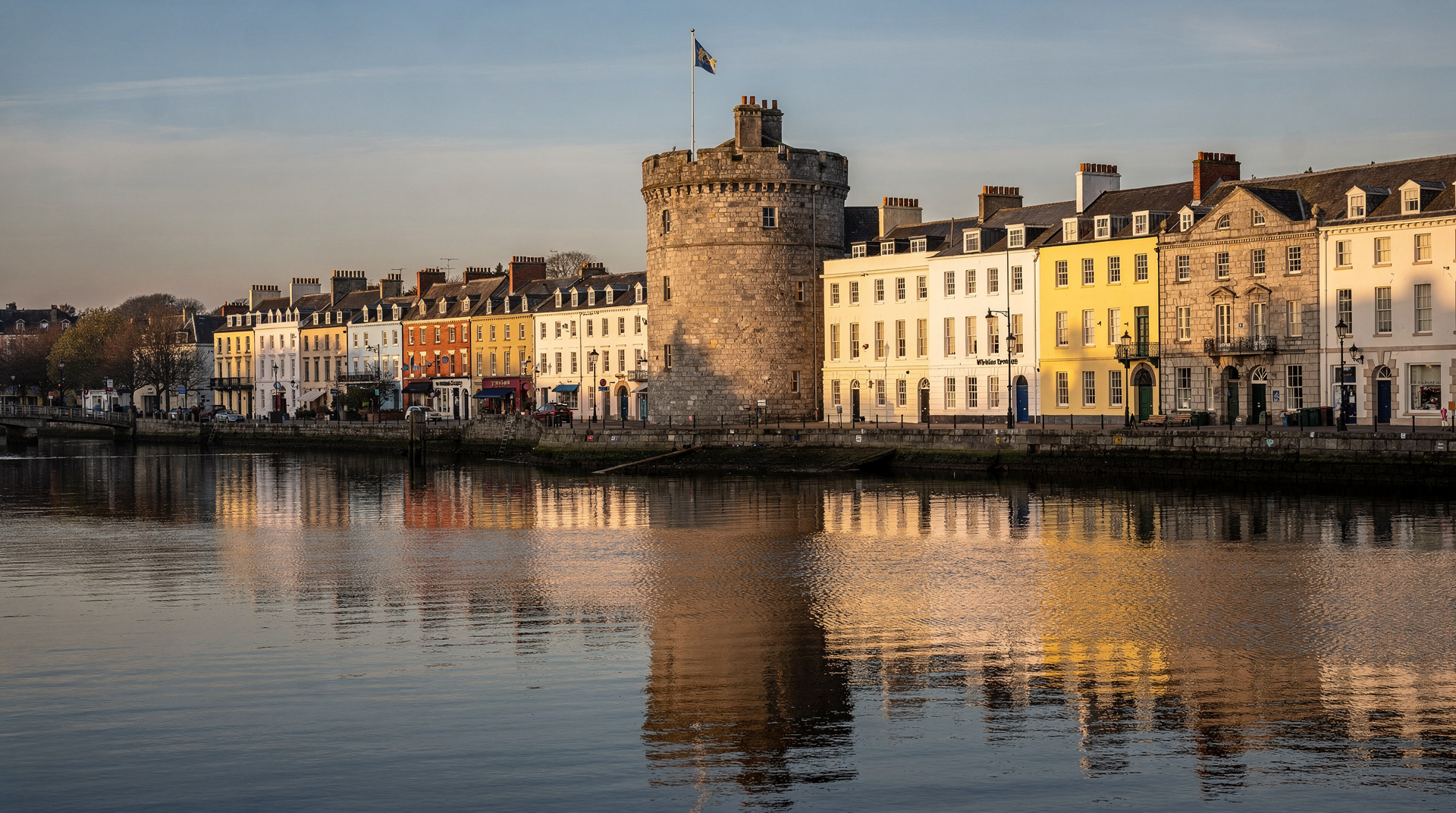
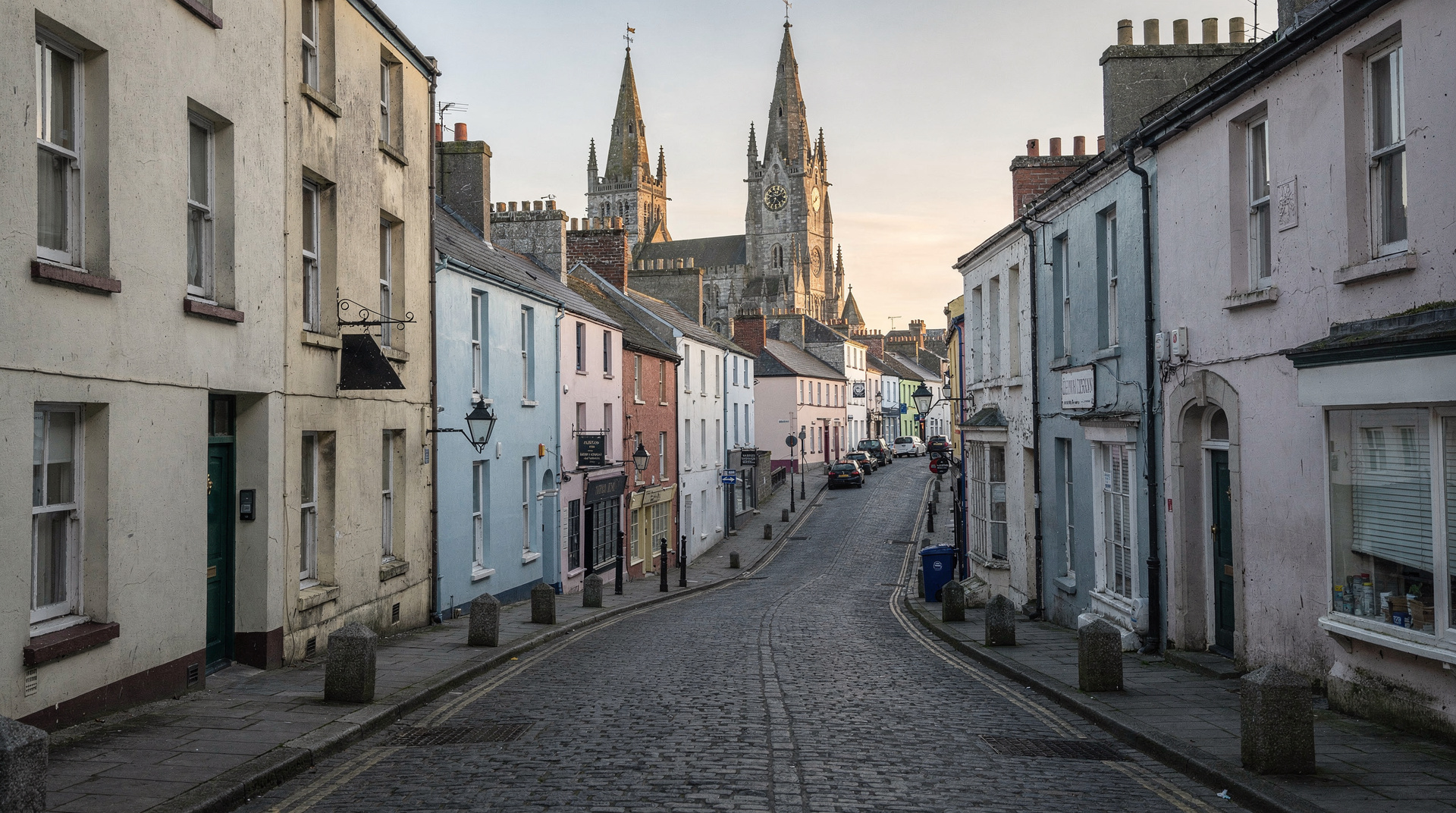
Kilkenny is the kind of place that makes you wish you had booked an overnight rather than a day trip. The medieval core is dense and navigable on foot: Kilkenny Castle towers above the River Nore, St Canice’s Cathedral stands at the north end of the city with its round tower, the Black Abbey and Blackfreren Gate fill in the fabric between, and the narrow lanes called slips run between the main streets as they have for centuries. The city holds enough for a full day of walking without repeating yourself, and the food and pub scene is strong enough to give the evening something to do.
| Where | Co. Kilkenny, 130 km south-west of Dublin |
| Cost | Castle grounds free; interior tour around €8; train €25–35 return |
| Time needed | Full day; overnight to do it justice |
| Getting there | Train from Heuston (1h35–1h50) or car via M7/M9 |
| Best time | May to October; book ahead during the Arts Festival (August) |
As a day trip from Dublin, Kilkenny is right at the limit of what works comfortably — 130 kilometres by road, 1 hour 35 minutes by train. You will not have time to be exhaustive. But the core of the city can be covered in 5–6 hours, which with a comfortable lunch and an hour at the castle makes a satisfying day.
Getting there from Dublin
The train is the easiest option. Irish Rail runs regular services from Dublin Heuston to Kilkenny MacDonagh station, with the journey taking between 1 hour 35 minutes and 1 hour 50 minutes. Trains run roughly every 1–2 hours. The station is a 15-minute walk from the castle; buses and taxis cover it quickly. Return fares are around €25–35 depending on how far in advance you book.
By car, take the M7 south-west from Dublin and then the M9 toward Waterford; Kilkenny is signposted from the Knocktopher junction. Allow 1 hour 30 minutes to 1 hour 45 minutes depending on traffic.
For those who prefer not to navigate independently, the private full-day tour to Kilkenny from Dublin handles the logistics and provides a local guide — useful for a city whose history runs deep enough to reward explanation. The tour is particularly good for those who want to cover the castle, the cathedrals and the medieval laneways without spending time working out sequence and timing.
The kilkenny day trip guide has more detail on the train versus car versus tour comparison.
Kilkenny Castle
The castle dominates the south end of the city from a strategic bluff above the Nore. It was the seat of the Butler family — the Earls and Dukes of Ormonde — for almost 600 years from 1391 until it was sold to the Irish State in 1967 for a symbolic £50. The Butler presence shaped Kilkenny’s history and the castle’s long tenure gives it a cohesion that many Irish castles lack.
Entry to the castle grounds is free. The Butler Gallery on the ground floor shows contemporary art exhibitions at no charge. Timed tours of the castle interior (approximately €8) cover the long gallery — a 19th-century reconstruction with painted timber ceiling and family portraits — and the main reception rooms. Book the tour in advance in summer; it can sell out on busy weekends. The castle gardens, extending across the river to a park, are freely accessible and pleasant for a walk.
St Canice’s Cathedral
The cathedral at the north end of the city is the second-longest cathedral in Ireland and one of the finest medieval buildings in Leinster. The round tower beside it — one of the few in Ireland that can be climbed — dates from the 9th century; admission is a few euro and the view from the top of the tower across the city rooftops is the best in Kilkenny. The cathedral itself holds an exceptional collection of medieval effigies and grave slabs, including several Butler family tombs.
The laneways and the Mediaeval Mile
The Mediaeval Mile is a heritage trail through the compact medieval core, connecting the castle to the cathedral via the Black Abbey (a Dominican friary founded in 1225, still in use), the Rothe House (a merchant’s townhouse from 1594, now a museum), and the Tholsel (the former city hall, 18th century, on the main street). Walking the trail end to end takes about 90 minutes without stops; with proper attention to each building it is a comfortable half-day.
The slips — narrow alleyways between the main streets — include Butter Slip, Horseleap Slip and Wine Tavern Slip, all dating from the medieval street plan. They are not dramatic in themselves but they are architectural evidence of a city whose bones have not been replaced.
Craft and design
Kilkenny has been an Irish centre for craft and design since the 1970s, when the Kilkenny Design Workshops were established in the castle’s stables. The Kilkenny Design Centre on Castle Yard sells Irish-made ceramics, glass, textiles and jewellery at prices that are high but fair for the quality. Several independent galleries and studios are within walking distance of the castle, and the city hosts a well-regarded arts festival in August that transforms the already lively cultural scene.
Where to eat and drink
Kilkenny’s pub culture is among the best in Ireland. Kyteler’s Inn, on St Kieran’s Street, is the oldest pub in Ireland by some accounts (founded 1324 — the precise date is contested but the medieval fabric is not). It is inevitably touristy, but the medieval architecture is the real thing. Marble City Bar on High Street is a more local option. Langtons, on John Street, is the food-and-drink institution that Kilkenny residents point to with pride.
For food, the Foodworks restaurant on Parliament Street is the best-regarded lunch option. Budget around €15–22 for a main course. Several good cafes line the streets between the castle and the cathedral for a lighter meal.
When to visit
May through October is the main window. The Kilkenny Arts Festival in August brings significant crowds and should be either embraced (book accommodation well in advance) or avoided depending on your preferences. The Cat Laughs Comedy Festival in early June similarly fills the city. Outside these events, the city is manageable even in peak summer — unlike smaller attractions, it has sufficient infrastructure to absorb day-trippers.
For the full range of south-east Ireland options from Dublin, see best day trips from Dublin. Kilkenny pairs well with Rock of Cashel on a longer south-east circuit if you have a car and a full day to spend.
Kilkenny versus the rest of the south-east
Kilkenny is usually the first choice for a south-east day trip, but it is worth knowing what the alternatives offer:
| Destination | Best for | Distance from Dublin | Day-trip feasible |
|---|---|---|---|
| Kilkenny | Medieval streets, castle, craft and pubs | 130 km | Yes, comfortably |
| Waterford | Ireland’s oldest city, Viking history, crystal | 165 km | Yes, but tighter |
| Wexford | Coastal town, opera festival, quieter pace | 140 km | Yes, but less to see in a single day |
If you only have one south-east day, Kilkenny’s density of sights within walking distance of each other makes it the easiest to do well without a car. Waterford and Wexford reward a car and more time.
Budget and logistics for a Kilkenny day
A realistic day budget, excluding a Dublin-based tour, runs to around €80–120 per person: €25–35 for the return train, €8 for the castle tour, €15–22 for a sit-down lunch, and the rest on coffee, snacks and any craft purchases. Driving cuts the transport cost but adds fuel, tolls on the M7/M9, and parking near the centre.
The driving in Ireland from Dublin guide covers motorway tolls and rules for visitors renting a car, and the Dublin trip cost and budget guide has the wider picture if Kilkenny is one stop on a longer Ireland trip. Families should note that most of the walking is level and stroller-friendly along the main streets, though the castle interior tour involves stairs; see the family day trips from Dublin guide for more day-trip options in the same range.
Shaping your day on the ground
The simplest way to avoid a scattered day is to treat the city as a single line running from the castle at one end to the cathedral at the other. Start at the castle while the grounds are quiet, follow the Mediaeval Mile north, break for lunch somewhere along the main streets, and finish at St Canice’s so that the climb up the round tower comes as a reward rather than a chore. Walking back downhill towards the station in the late afternoon, with the slips branching off on either side, gives you a second look at lanes you passed in a hurry earlier.
Two things reward a slower pace. The first is the interior detail of the buildings you only glance at from the street: the Black Abbey, Rothe House and the Tholsel each repay a few minutes of real attention. The second is the pub scene, which works best when you let it happen rather than plan it. If you are building a wider Irish itinerary, the Dublin in 4 days with a day trip itinerary shows how a Kilkenny day slots between city days, and the Dublin in 5 days itinerary leaves room for a south-east excursion without rushing the capital.
Pairing Kilkenny with other stops
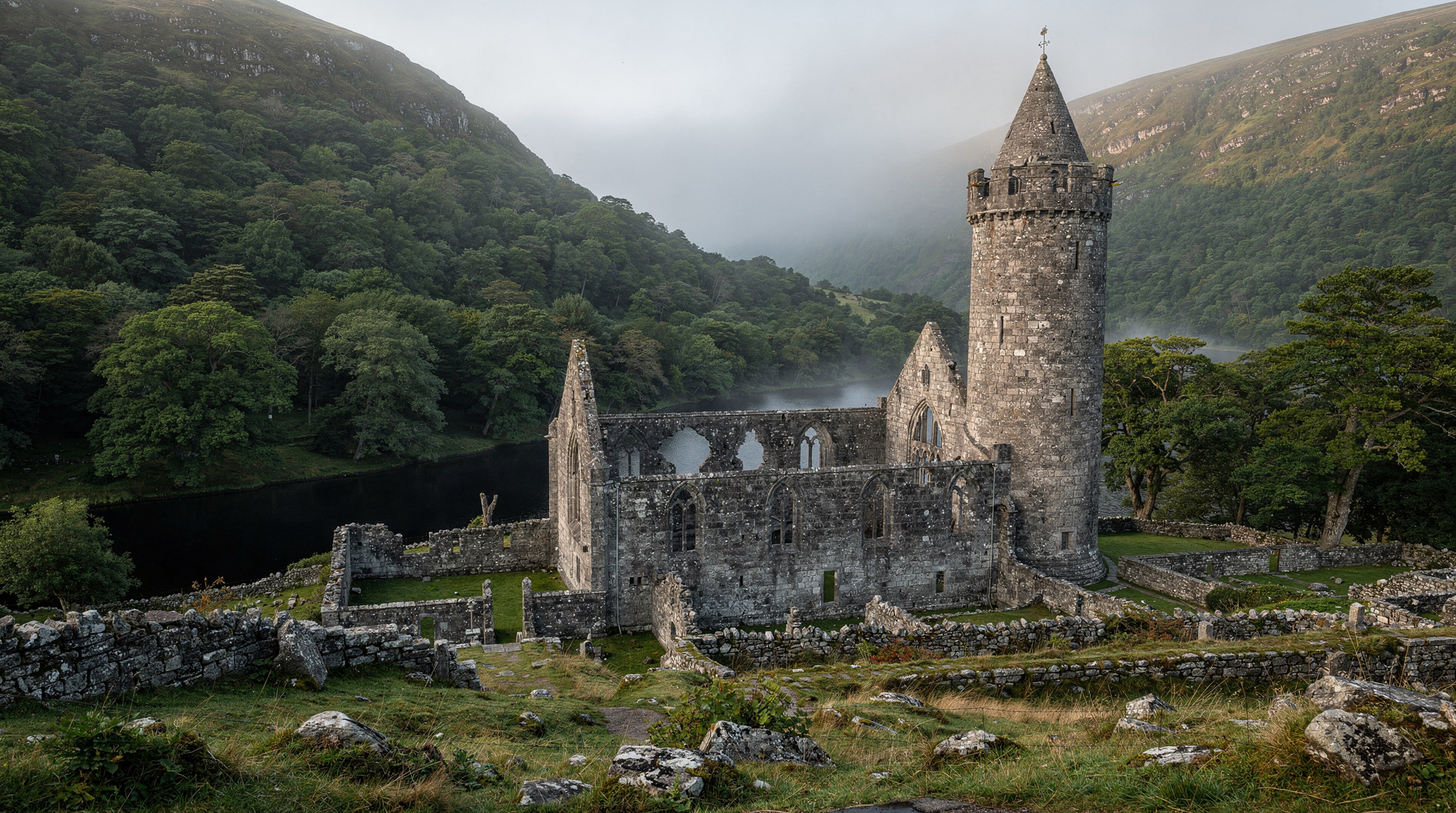
Kilkenny is happiest as the main event of a day, not a stop between two others. Still, travellers with a car often ask what combines well with it. Rock of Cashel is the natural companion on a south-east circuit, and the Wicklow Mountains and Glendalough sit on the way for those who choose a combined excursion.
The tours listed at the top of this page include several that join Kilkenny to the Wicklow landscapes, which suits visitors who want scenery in the morning and a medieval city in the afternoon. For a comparison of the different day-trip styles, the best Dublin day trip guide weighs distance, effort and reward.
Combined tours suit travellers who want more than one landscape in a single day. a full-day tour that pairs Kilkenny with the Wicklow Mountains trades some time in the city for scenery on the way, while a rail tour that adds Waterford Crystal to the Kilkenny visit suits those who prefer not to drive and want a second stop with a craft theme.
Either way, expect less time in Kilkenny’s streets than on a dedicated day, so decide whether the extra stop or the extra hours in the medieval core matters more to you. The Glendalough and Wicklow day trip guide and the Waterford destination page describe what the add-on stops offer.
If you would rather leave the driving to someone else, the day trips without a car guide explains how rail and organised tours compare, and the Dublin 3-day planning guide helps you decide whether a full day away from the capital fits your trip at all.
What to expect after dark
Kilkenny is one of those places where an evening is worth staying for. The streets around the castle and along the main thoroughfare fill with locals as the day-trippers drift back to the station, and the mood in the pubs shifts from sightseeing to conversation. Music turns up in a few venues, though it is less of a fixture than in the capital; if live traditional music is the point of your trip, the traditional Irish music in Dublin guide and the trad session etiquette guide will help you get more from sessions wherever you find them.
Those who stay the night can eat unhurried, wander the lanes once the shops close, and see the castle floodlit above the river. If you are mixing a Kilkenny overnight with time in the capital, the where to stay in Dublin neighbourhoods guide covers the Dublin end of the trip, and the Dublin whiskey trail is a good way to spend the evenings you are back in the city.
Practical habits that make the day easier
Carry a little cash for small entry fees, such as the round tower, and wear comfortable shoes, because the old streets are uneven and some of the lanes are cobbled. Weather in Ireland changes quickly, so a light waterproof is worth packing whatever the forecast says; the what to pack for Dublin weather guide applies just as well here. If rain sets in, the castle interior, the museum rooms of Rothe House and the cathedral give you shelter without wasting the day, and the rainy day in Dublin guide offers ideas for the capital if you return early.
Finally, check the train times on the day you travel and note the last departure back to Dublin before you settle into a long dinner. A relaxed lunch is part of the pleasure of Kilkenny, but missing the final service turns a pleasant day into an unplanned overnight. The Dublin first-time guide is a good companion if this is your first trip to Ireland, and the Leap card guide helps with the Dublin end of the journey, from the city centre out to Heuston station.
Top experiences
Bookable activities with verified prices and instant confirmation on GetYourGuide.

From Dublin: private full-day tour to Kilkenny
- Free cancellation
- Instant confirmation

From Dublin: Glendalough, Wicklow Mountains and Kilkenny full-day trip
- Free cancellation
- Instant confirmation

From Dublin: Kilkenny and Wicklow Mountain full-day tour
- Free cancellation
- Instant confirmation

Dublin: Kilkenny, Wicklow & Glendalough tour & sheepdog show
- Free cancellation
- Instant confirmation

From Dublin: Waterford Crystal & Kilkenny full-day rail tour
- Free cancellation
- Instant confirmation