Glendalough
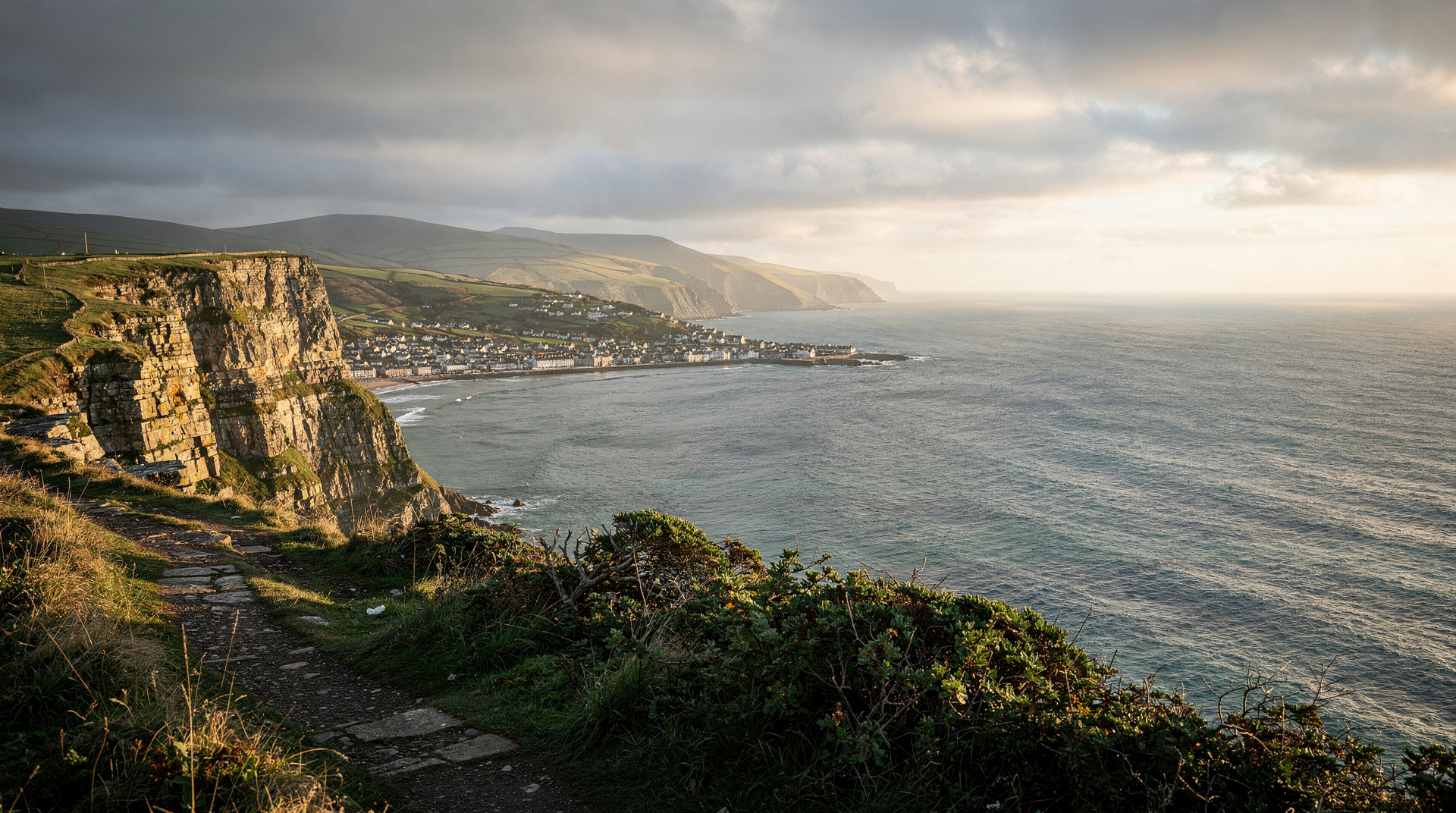
Glendalough is a 6th-century monastic settlement in the Wicklow Mountains, 1 hour from Dublin — Ireland's most evocative early-Christian site.
From Dublin: Wild Wicklow Mountains and Glendalough tour
Duration: 8.5h
- Free cancellation
- Instant confirmation
Quick facts
- Distance from Dublin
- 55 km south via N11 and R755
- By tour
- Most organised tours depart at 9–10 am, return by 5–6 pm
- By public transport
- No direct bus; St Kevin's Bus from Dublin stops at site
- Entry to monastic site
- Free; Visitor Centre charges a small fee
- Ideal visit
- Full day; combine with Wicklow Mountains
A valley that has been drawing pilgrims for 1,400 years
St Kevin chose Glendalough — the valley of the two lakes — in the 6th century because it was remote and hard to reach. The journey from Dublin now takes about an hour by road, and in summer the visitor centre car park fills by 10 am, but the valley still has the capacity to be genuinely affecting. Stand at the round tower at dusk, or walk the quiet upper lake path before the tour coaches arrive, and you understand why Kevin came here.
The monastic city that grew around his hermitage became one of the most important centres of early Christian learning in Ireland. It drew scholars from across Europe, survived repeated Viking raids, and was finally suppressed in the 16th century. What remains — a near-complete round tower, the carved granite arch of the cathedral doorway, a cluster of early stone churches spread across a wooded lakeshore — is the most evocative early medieval site in the country. Unlike the Newgrange passage tomb in the Boyne Valley, where access is strictly managed and timed, Glendalough allows you to walk among the ruins at your own pace.
| Where | Wicklow Mountains, 55 km south of Dublin |
| Time needed | Full day |
| Getting there | Tour (~1 hr), St Kevin’s Bus, or self-drive via N11/R755 |
| Cost | Monastic site free; Visitor Centre ~€5 |
| Best time | April to October |
Getting there from Dublin
Glendalough sits 55 kilometres south of Dublin in the Wicklow Mountains. There is no direct train. The St Kevin’s Bus Service runs from Dublin city centre (outside the Bord Gáis Energy Theatre on George’s Quay) twice daily in each direction, making a stop at the Glendalough Visitor Centre. The journey takes around an hour and a quarter. This is the only public transport option and it requires booking in advance in peak season.
The more practical choice for most visitors is an organised day tour. The Wild Wicklow Mountains and Glendalough tour is the longest-running and highest-rated option, departing central Dublin at 10:30 am and returning around 5:30–6 pm. It takes in the Sally Gap and Powerscourt Gardens on the way, which gives you the scenic mountain road as well as the monastic site. If you want to combine serious walking with the history, the Wicklow Mountains hike and drive tour allows more time on foot in the hills.
Driving is straightforward — take the N11 south toward Bray and Wicklow, then follow the R755 into the mountains via Roundwood. Allow 60–75 minutes from Dublin city centre. Parking at the main visitor centre is charged (around €4 per car); arriving before 9:30 am avoids the queues.
The monastic site
The round tower is what catches every eye first: 30 metres of tapering granite, still largely intact after more than a thousand years, its wooden cap replaced after a lightning strike but otherwise original. It served as a bell tower, a landmark for pilgrims, and a refuge during raids (the doorway is set 3.5 metres above ground, accessible only by ladder which would then be pulled up). You cannot enter the tower, but you can walk right up to it.
The cathedral — the largest church on the site — dates from the 10th to 12th centuries and preserves an unusually fine carved doorway. St Kevin’s Kitchen next to it is a complete small oratory with a miniature round tower as a bell-cote; the name comes from the chimney-like structure, not from any culinary history. The priests’ house is a small romanesque structure with intricate carvings.
Entry to the monastic enclosure is free. The Visitor Centre charges around €5 for adults and has an exhibition explaining the site’s history — it is worth 30 minutes, particularly for children who need context before the ruins make sense.
The upper lake and the walks
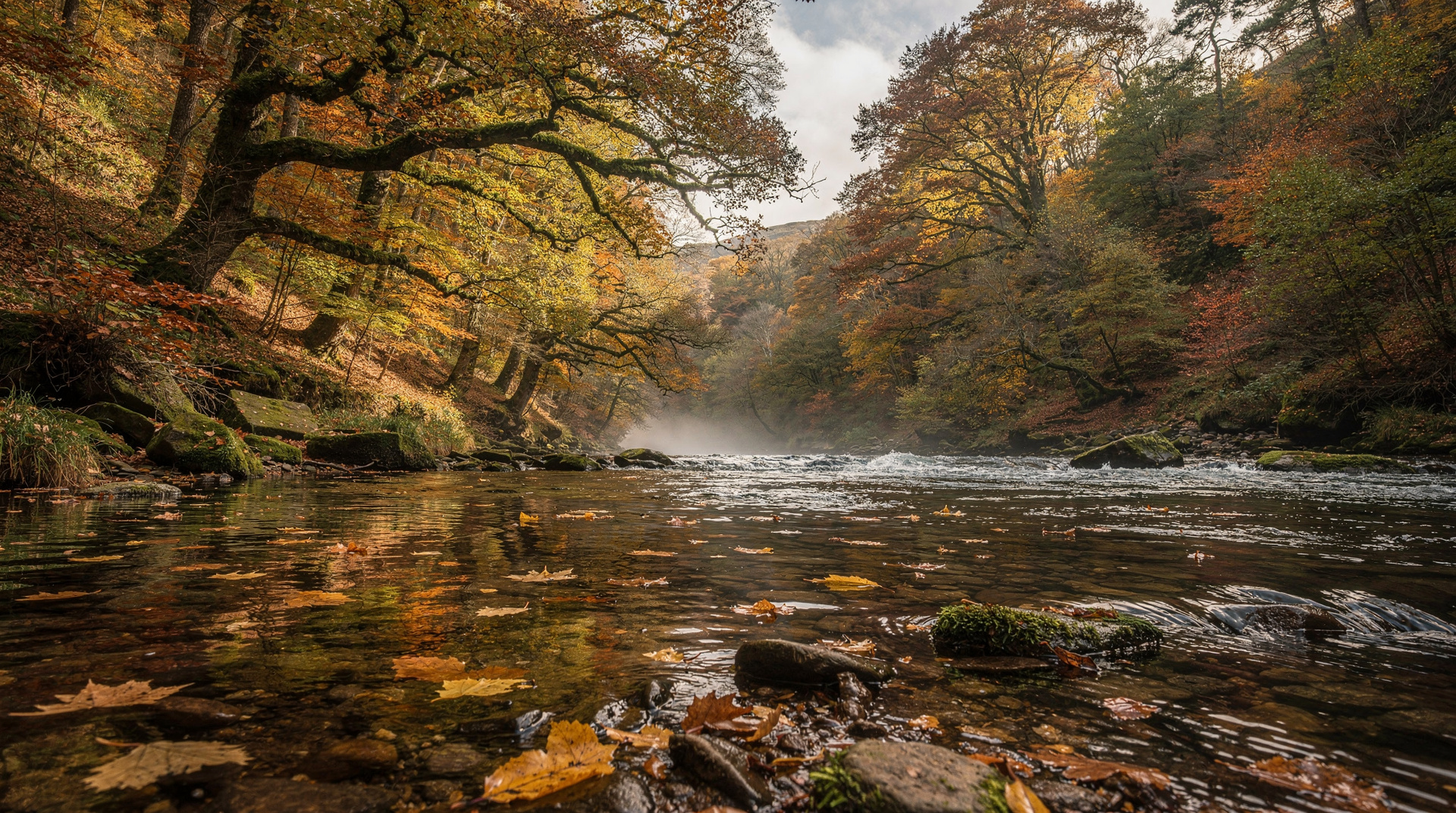
The valley has two lakes. The lower lake sits beside the monastic site and is the busier of the two. The upper lake, a 20-minute walk further into the valley on a well-marked trail, is quieter and more dramatic — hemmed in by steep oakwood slopes and a granite cliff face. St Kevin’s Bed, a small cave above the far shore, is where the saint is said to have spent years in solitary retreat. You cannot reach it without a boat, but the view from the lakeside path across to it is worth the walk alone.
For more serious walkers, the Glendalough mountains offer several routes ranging from a 5-kilometre loop around the upper lake to full-day hikes over Camaderry or up to Mullacor with views across the Wicklow uplands. The Green Road loop (about 5 km, 2 hours) is manageable in ordinary footwear on a dry day; anything further requires walking boots and waterproofs. Our Wicklow Mountains guide has more detail on the walking options across the whole national park.
Combining with Powerscourt and Lough Tay
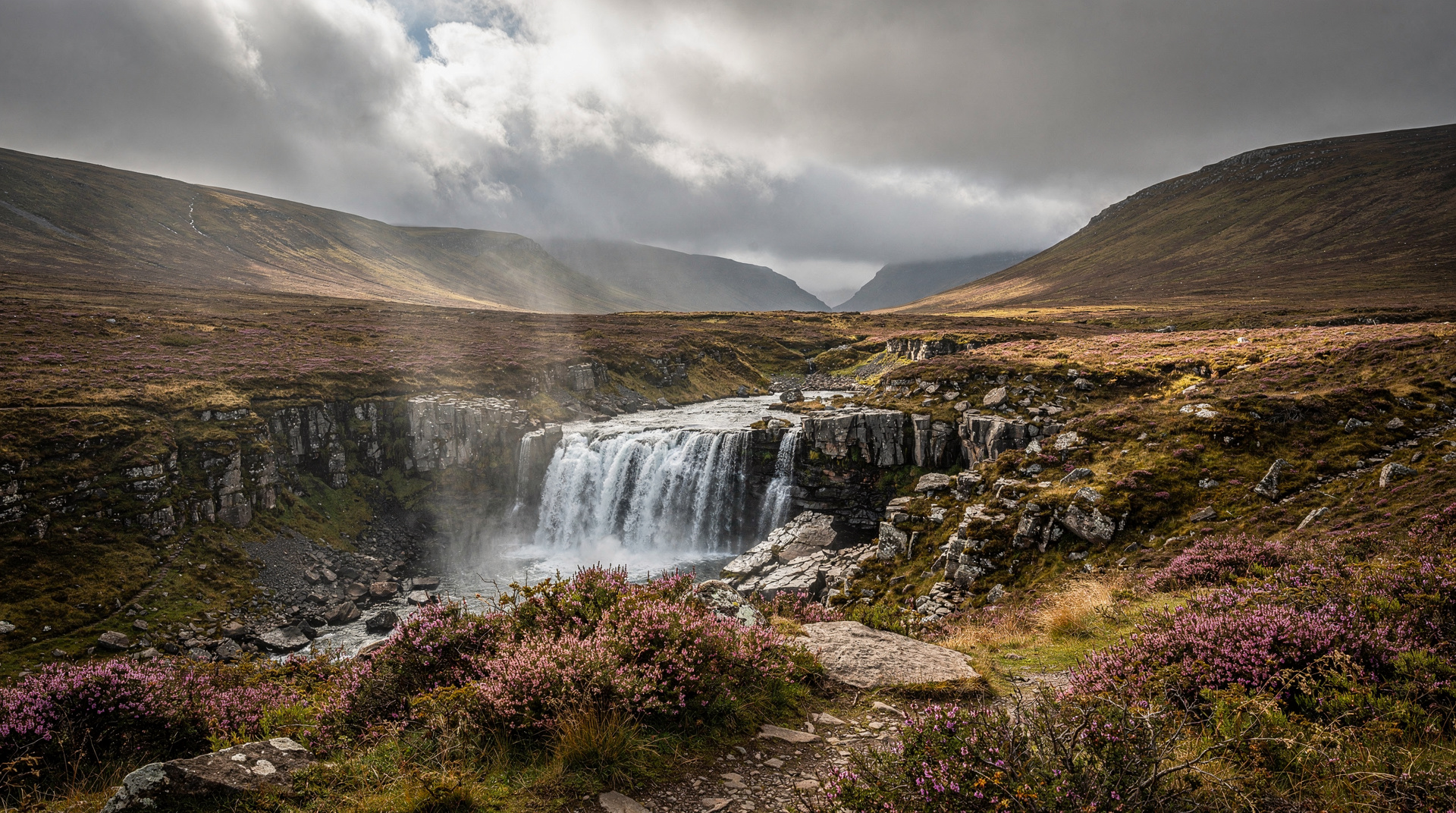
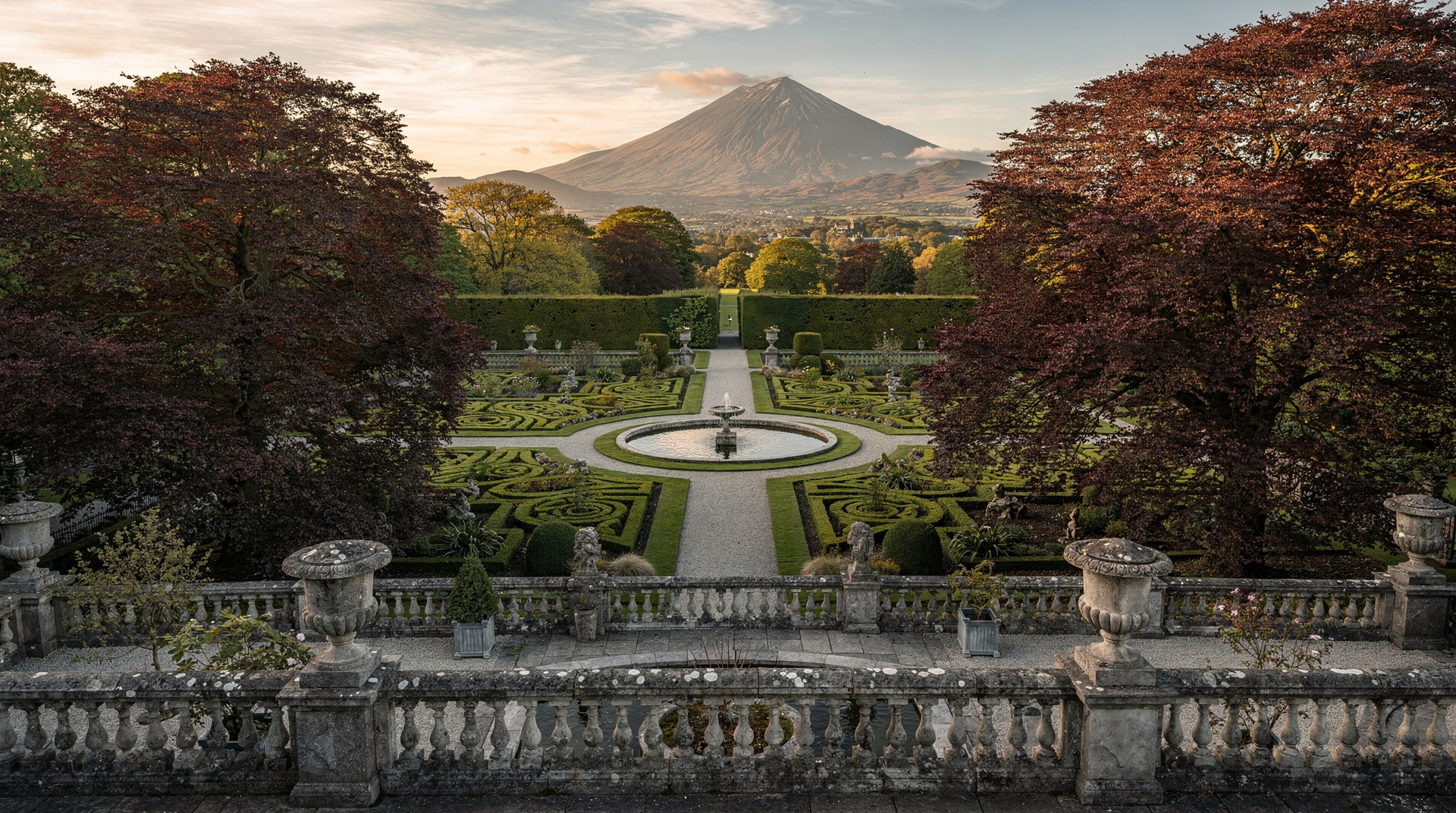
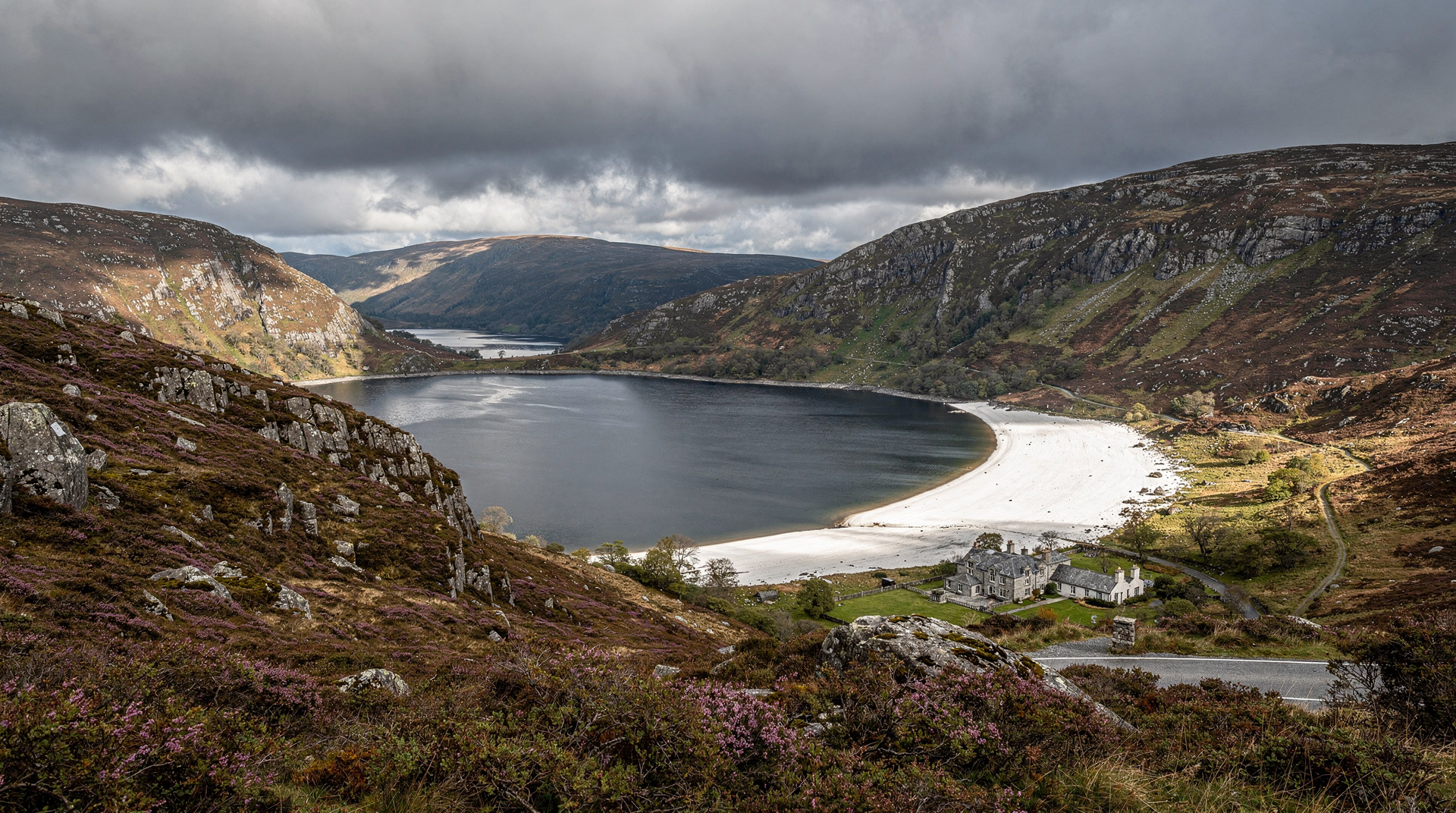
Most organised tours from Dublin combine Glendalough with at least one other Wicklow attraction. Powerscourt House and Gardens — 22 kilometres north of Glendalough near Enniskerry — is the most elegant addition, with its formal terraced gardens and the highest waterfall in Ireland. Lough Tay, the dark mountain lake known as the Guinness Lake, sits on the Sally Gap plateau between Powerscourt and Glendalough and is a natural stop on any scenic route through the mountains.
If you are driving, the loop of Powerscourt — Sally Gap — Lough Tay — Glendalough covers the best of Wicklow in a single day and requires no compromise. The wicklow-glendalough day trip guide sets out the route in detail.
Choosing between a tour, the bus and a car
The right way to reach the valley depends less on cost than on how you like to spend a day. A tour removes every decision: someone else drives the mountain roads, someone else finds the parking, and you get commentary on the way. The trade-off is a fixed schedule, so you leave the valley when the coach does rather than when the light or your legs say so. Our guide to day trips from Dublin without a car compares the options side by side if you are still deciding.
Taking the bus gives you more control over your time on site, but it ties you to the departure times, and missing the last return is the mistake that turns a good day into a stressful evening. A hire car gives the most freedom, particularly if you want to stop in the hills or linger at the upper lake. If you have not driven in Ireland before, read driving in Ireland from Dublin first: the narrow mountain roads and driving on the left are manageable, but they are easier when you have been warned.
For a fuller walkthrough of the valley itself, including route choices and what to see in what order, the dedicated Glendalough guide goes deeper than this overview.
How to pace your day in the valley
Most visitors do the valley in the wrong order. They start with the monastic site, which is the busiest part, then run out of time before the upper lake. A better plan is to reverse it: walk out to the upper lake first while the paths are quiet and the light is soft, then come back to the round tower and the churches as the coaches arrive, and finish with the Visitor Centre exhibition when you are ready to sit down.
Leave room for nothing in particular. The best moments here are rarely the named sights: a pause on the boardwalk, a look back down the valley, the sound of water coming off the hillside after rain. If you rush from the car park to the tower and back, you will have seen Glendalough without having been there.
Families will find the valley easy to enjoy in short stretches, since the lakeside paths are clear and the ruins give children something to climb around, within reason and with the usual respect for the old stones. More ideas for days out with younger travellers are in family day trips from Dublin.
What the weather does to the valley
The Wicklow Mountains make their own weather. A bright morning in the capital can become low cloud over the lakes by the time you arrive, and a drizzly start can clear into a fine afternoon. Neither outcome ruins the visit. Mist on the water makes the upper lake more atmospheric, and wet stone and green moss make the ruins look their best, which is why photographers often prefer a soft grey day to flat blue sky.
What matters is dressing for the hills rather than the city. Waterproofs, layers and shoes with grip earn their place even on short walks, because the paths near the lakes can be slick after rain. Our guide to what to pack for Dublin weather covers the basics, and the same advice applies with more force once you climb above the valley floor. If you are visiting in the greener months, the blog post on Glendalough in spring gives a first-hand sense of what the valley is like when the woods come back to life.
Short on time, or want the scenery as well
Not everyone has a full day to give the valley. If your days in the capital are already crowded, a shorter half-day trip to Glendalough and Wicklow gets you to the monastic site and back without eating the whole schedule. If you would rather have the gardens and the mountain viewpoints as part of the same outing, a tour that links Powerscourt, Guinness Lake and the valley does the loop described above without anyone needing to navigate the mountain roads.
Whichever format you pick, it helps to compare it with the other options before you commit. Our best day trips from Dublin and which day trip is best pages set Wicklow against the Boyne Valley, the west and the north, and the Boyne Valley day trip is the obvious alternative if early history is what draws you. For booking habits that save stress in busy months, see booking attractions in advance.
If the weather turns, the valley is still worth the journey, but you may want a back-up plan for the city; rainy day ideas in Dublin are there for the days you stay behind. The coast is the other easy contrast to the hills, and Bray and Greystones or the DART coastal day out make a gentler outing if you have already spent your mountain day.
For a first-hand account of how a good day out of the city can feel, read the best day trip I ever took from Dublin, and for choosing the right season, when to visit Dublin and Dublin in the quiet season are useful companions.
Fitting Glendalough into a longer stay
Glendalough works best as a single deliberate day rather than something squeezed between other plans. If you are building a trip around the capital, an itinerary with a day trip built in shows where a Wicklow day sits comfortably alongside city time, and our Dublin city guide will help you plan the days either side.
If you have more time in the area, consider pairing the valley with Wicklow Town and Avoca, which makes for a gentler second day, or with the formal gardens described in our Powerscourt gardens and waterfall guide. For the broader mountain picture, the Wicklow Mountains guide is the place to start.
Wildlife and the valley’s ecology
Glendalough sits inside Wicklow Mountains National Park, and the valley’s oakwoods are among the largest remaining fragments of native Irish woodland, sheltering red squirrels, deer and a wide range of woodland birds. Sika deer, introduced in the nineteenth century, are commonly seen grazing near the lower lake at dawn and dusk, particularly in autumn during the rutting season, when the stags’ roaring carries across the valley.
Peregrine falcons nest on the cliffs above the upper lake, and birdwatchers regularly report sightings from the lakeside path. None of this requires planning — the wildlife is simply part of walking the valley — but early morning or early evening visits, outside the main coach-tour hours, give the best chance of seeing it.
Best photography spots
The round tower against the cathedral ruins, shot from the lower lake path in early morning light before the crowds arrive, is the classic Glendalough photograph. The upper lake, from the boardwalk on its northern shore looking across to the cliff face and St Kevin’s Bed, is the more dramatic landscape shot, especially with autumn colour in the oakwoods or low winter light. Photographers serious about avoiding crowds in the frame should aim to arrive at the visitor centre car park by 9 am, well before the first tour coaches, or visit in the last two hours before the site closes.
What to eat and where
The village of Laragh, 2 kilometres from the monastic site, has several cafes and a pub. Wicklow Heather Restaurant at the junction of the R755 and R756 is the most established option and handles tour groups; it is serviceable rather than exceptional. The Glendalough Hotel, a 19th-century establishment beside the lower lake, has a bar and restaurant and is pleasant for a post-walk pint. Neither is a destination for food in itself; eat before you leave Dublin or treat lunch as functional.
When to visit
Spring (April–June) and early autumn (September–October) are the best times. The light is good, the valley is green rather than the parched brown of high summer, and the crowds are thinner. July and August bring the heaviest tourist traffic — particularly on weekends — and the car parks can overflow by mid-morning. Midweek visits in any season are significantly quieter.
November through February the site is open but the days are short. The valley has a particular atmospheric quality in low winter light with mist on the upper lake. If you visit off-season, confirm the St Kevin’s Bus schedule in advance as it operates reduced services.
For a comprehensive look at day-trip options from the capital, see best day trips from Dublin.
Top experiences
Bookable activities with verified prices and instant confirmation on GetYourGuide.

From Dublin: Wild Wicklow Mountains and Glendalough tour
- Free cancellation
- Instant confirmation

Glendalough: full-day Wicklow Mountains hike and drive
- Free cancellation
- Instant confirmation

Personal tour from Dublin: Wicklow, Glendalough & Powerscourt
- Free cancellation
- Instant confirmation

From Dublin: Wicklow, Powerscourt, and Glendalough day tour
- Free cancellation
- Instant confirmation

From Dublin: half-day trip to Glendalough and Wicklow
- Free cancellation
- Instant confirmation