Dublin food tours guide
Dublin: historical centre food tour with 8 tastings & drinks
Duration: 3h
- Free cancellation
- Instant confirmation
Are Dublin food tours worth it?
Yes — the best Dublin food tours combine tastings at real local producers, markets, and restaurants with genuine storytelling about Irish food culture. They work particularly well on a first visit when you don't know the city's food landscape yet. The historical centre tour with 8 tastings is the most popular and represents good value.
Why a food tour is one of the best ways to understand Dublin
Dublin’s food culture has changed more dramatically in the last twenty years than in the previous century. The city that once had a reputation for beige food and institutional cooking now has a serious restaurant scene, excellent producers, dedicated markets, and a craft beer and whiskey revival that is globally recognised. A good food tour is the fastest way to navigate this landscape on a first visit — and the honest ones will tell you which parts of “traditional Irish food” are worth seeking out and which are tourist-trap approximations.
The best Dublin food tours take you off Grafton St. and Dame St., through the markets and side streets where the real producers operate, and use the stops as entry points to talking about Irish food history, agricultural traditions, and the city’s relationship with its own culinary identity.
| Best for | First-time visitors who want food context fast |
| Typical length | 2.5–4 hours |
| Cost | around €35–€100 per person, depending on format |
| Group size | usually 8–12 (smaller on chef-led tours) |
| Booking | in advance, especially weekends |
| Comes with | 6–10 tastings, walking 3–5 km |
Choosing between the options below matters more than it looks — a traditional-food tour and a contemporary chef-led one deliver quite different afternoons, even at a similar price.
The historical centre food tour with 8 tastings
The Dublin historical centre food tour with 8 tastings and drinks (~€55) is the most consistently well-reviewed food tour in the city. The route runs through the historical core, covering eight stops that typically include artisan bakery (Irish brown soda bread, Guinness-enriched varieties), farmhouse cheese from Irish producers (Coolea, Cashel Blue, Durrus — names worth knowing), smoked Irish salmon or seafood chowder, craft beer or cider, and at least one more contemporary dish reflecting modern Dublin’s cooking.
The group size is usually 8–12 people, which keeps the tour manageable at each stop. Allow 3 hours. This tour represents the best single introduction to Dublin’s food culture if you want depth across multiple categories.
The ultimate Dublin food tour
The ultimate Dublin food tour (~€55) is a slightly different itinerary that leans more into contemporary Dublin cooking — artisan producers, neighbourhood restaurants, and newer market stalls rather than strictly traditional fare. It is a good choice if you already have some familiarity with Irish food traditions and want to understand what Dublin is cooking now rather than what it used to cook.
Food tour with Jameson Irish coffee demo
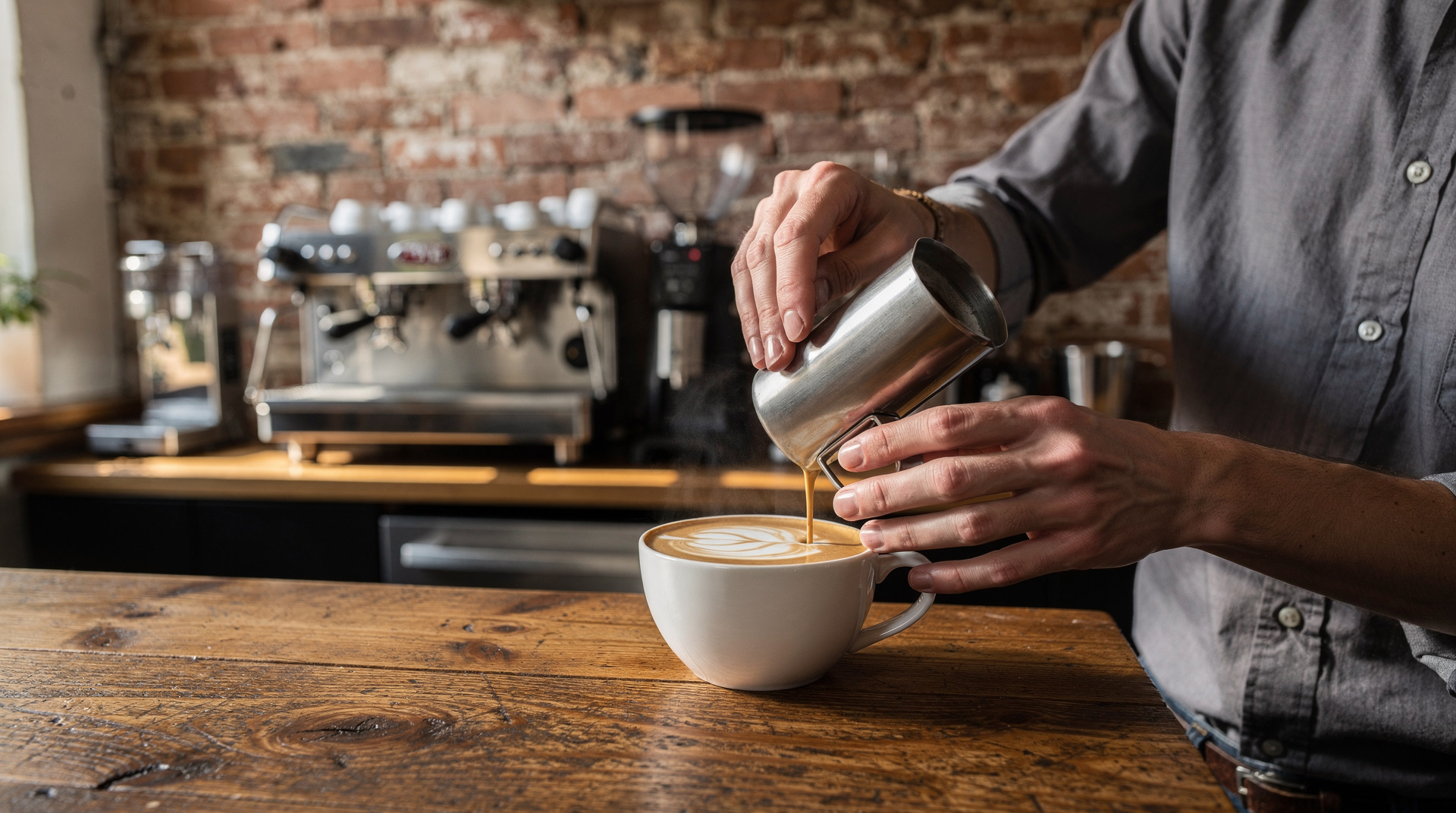
The food and drink walking tour with Jameson Irish coffee demo (~€55) integrates whiskey into the food tour format, including a demonstration of the correct Irish coffee technique (a Jameson and cream classic) alongside food stops. This works well for visitors who want to understand Dublin’s drink culture alongside its food culture in a single experience.
Walking food tour with local chef
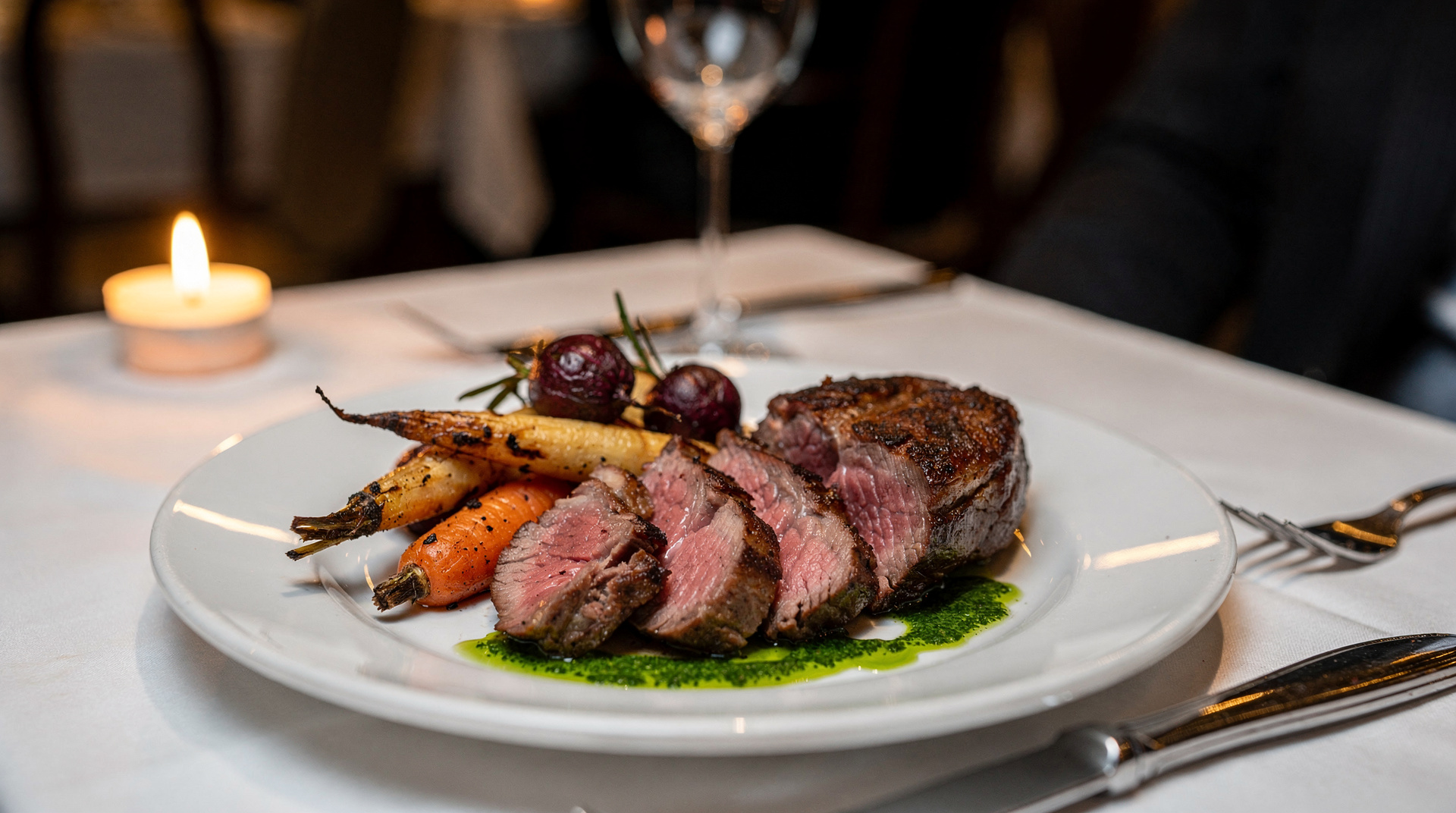
For a more curated experience, the walking food tour with local chef, 7 stops or more (~€60) runs with a smaller group and a guide who is also a working food professional. The stops and emphases change more often since the chef’s recommendations evolve with Dublin’s food scene. This is the version to choose if you are interested in the city’s current cooking rather than historical context.
Comparing the four tours at a glance
| Tour | Focus | Length | Price |
|---|---|---|---|
| Historical centre, 8 tastings | Traditional Irish food + history | ~3 hrs | ~€55 |
| Ultimate Dublin food tour | Contemporary producers | ~3 hrs | ~€55 |
| Food & drink with Jameson coffee | Food + whiskey demo | ~3 hrs | ~€55 |
| Local chef, 7+ stops | Current chef picks, smaller group | ~2.5–3 hrs | ~€60 |
If you only have time for one, the historical centre tour gives the broadest introduction; the chef-led version rewards a repeat visitor who already knows the basics.
How to choose between the four tours
The four tours overlap more than their names suggest, so the useful question is not “which is best” but “what do I want to understand by the end of the afternoon”. If the answer is Irish food history, the way bread, dairy and seafood shaped what people ate, take the historical centre route. If the answer is “what are Dubliners cooking and eating today”, the ultimate tour or the chef-led walk is the better match. If you are curious about the drink side of the story, the Jameson coffee tour folds it in without turning the afternoon into a pub visit.
Think too about who is coming with you. A couple or a pair of friends will enjoy any of them. A solo traveller often gets the most from a food tour, because the group format gives you people to talk to at every stop; the Dublin solo travel guide covers other ways to meet people without forcing it. Families with older children can usually manage a tasting tour, but a long walk with many small stops is not for everyone, so the Dublin with kids guide is worth reading before you book.
Finally, consider where the tour fits in your trip. A tour that starts in the historical core leaves you well placed to carry on to Trinity College and Grafton Street or to wander through Temple Bar afterwards, though the honest advice is to eat before you reach the busiest streets rather than in them. The Temple Bar guide explains why.
What a tasting stop actually feels like
People who have never taken a food tour often picture a seated meal at each stop. It is closer to a guided series of small plates and short talks. You arrive, the guide introduces the producer or the dish, you taste, and there is a little time for questions before the group moves on. Some stops are at a counter, some at a table, and some are at a market stall where you simply stand and eat. The pace is relaxed, but it is a pace: the tour has a route to complete, so a stop is not the moment to settle in for an hour.
The best moments tend to be the ones where a producer or cook speaks directly about what they make. A cheese explained by someone who knows the farm it came from tastes different from the same cheese picked up on your own. That is the main thing a tour sells, and it is why the small group size matters. In a large crowd you stand at the back and miss the explanation; in a small group you can ask the question you actually have.
Expect the drinks to be part of the story as well. A pint of stout or a craft beer is a natural companion to certain foods, and the guides tend to explain why. If you want to go deeper on that side, the Guinness vs other stout guide and the gin and craft beer in Dublin guide are good follow-ups.
Understanding Irish food before you taste it
A short primer helps you get more out of the tour. Irish cooking has long been built on a few strong ingredients: dairy, bread, potatoes, seafood and good meat. For decades the best of it was overlooked, and the cooking of the last few years is partly a rediscovery of what was always there. When a guide talks about farmhouse cheese or smoked fish, they are usually telling you that story, about producers who kept working through years when nobody was paying attention.
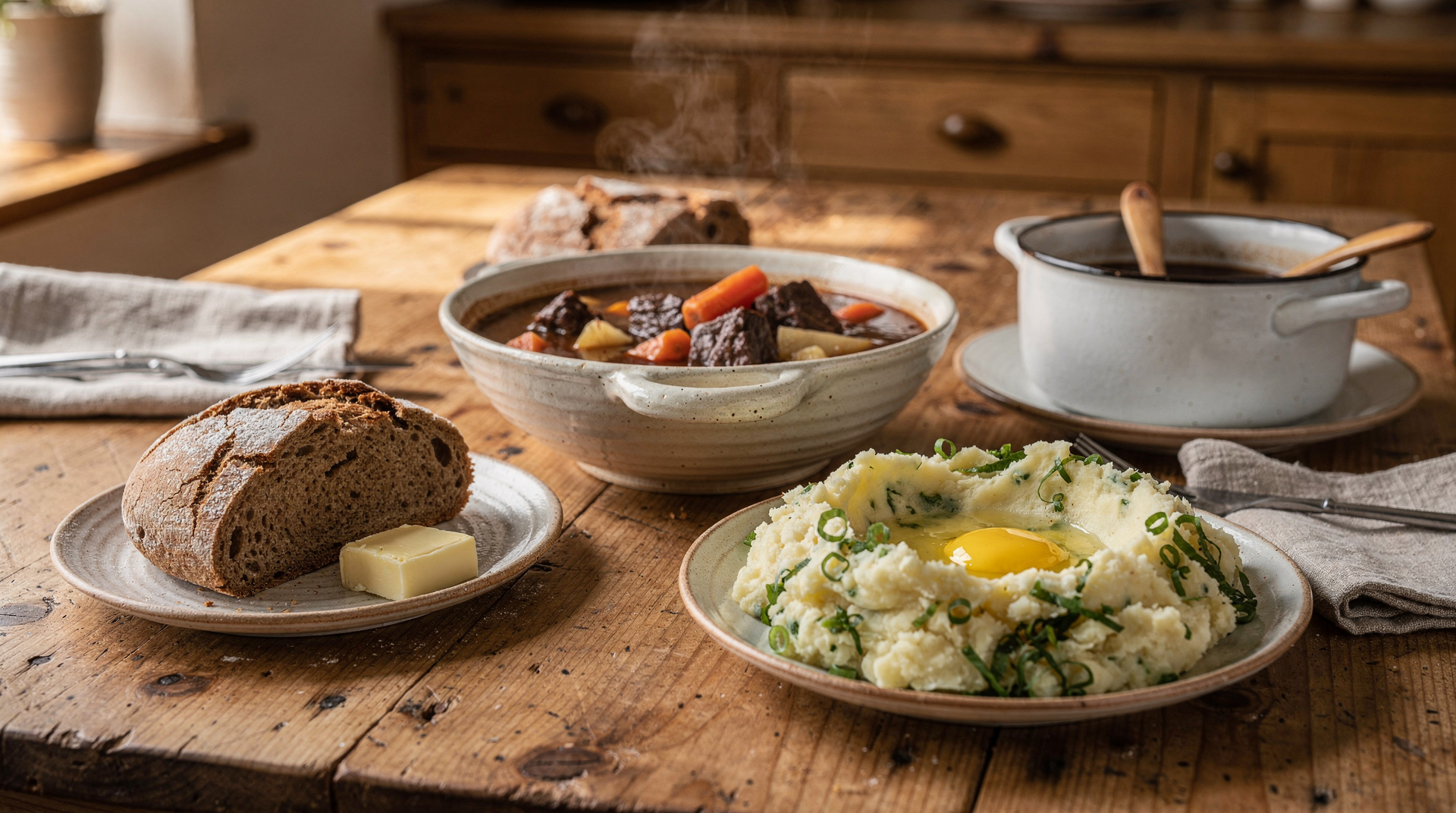
That is also why a good tour does not push “Irish stew” on you as the defining dish. A guide who is honest about the difference between a dish that locals actually eat and one that exists mainly for visitors is worth the ticket price. If you want to read ahead, the traditional Irish food guide goes through the classics, and the best restaurants in Dublin guide shows where the newer cooking happens.
Coffee is part of the picture too. Dublin’s cafés have improved a great deal, and a tour that includes a coffee stop is a chance to see that for yourself. The Dublin coffee culture guide covers the places worth knowing about once the tour is over.
Building a food-focused day or weekend
A food tour is a good anchor for a day built around eating well. Start with the tour late in the morning, then use the afternoon to return to the producers or stalls that caught your attention. Leave the evening lighter, or choose a pub for a quiet drink and some music; the traditional Irish music in Dublin guide and the trad session etiquette guide help you do that without feeling like an outsider.
If food is the main reason for your trip, the Dublin weekend foodie itinerary shows how the pieces can fit together over a couple of days, and the Dublin 1-day plan is a good model if you only have a short window and want one tour plus a few of the city’s headline sights.
Whiskey fans can extend the theme with a tasting. The whiskey tasting for beginners guide is the gentlest way in, and the Dublin whiskey trail links the distilleries together if you want a fuller day.
Rainy days and the seasons
Dublin weather is changeable, and a food tour is one of the more forgiving plans for it. Much of the route is on foot, so bring a waterproof layer, but the stops themselves are indoors or sheltered, which makes the afternoon far more comfortable than a purely outdoor walk. If the forecast turns, the rainy day in Dublin guide has ideas for what to do around the tour, and the what to pack for Dublin weather guide helps you dress for it.
The time of year changes the experience a little. Seasonal produce is part of what guides talk about, so a tour in one month may not taste exactly like a tour in another. In the colder months, a warm tasting stop is especially welcome; the Dublin in winter guide and the Dublin in summer guide describe what each season is like, and the best time to visit Dublin guide helps you decide when to come.
Value, budget and what else to spend on
A food tour replaces a meal, which makes the cost easier to justify than it first looks. If you would otherwise spend a similar amount on lunch, the tour gives you the meal plus the explanation and the route. That said, it is still a significant item in a budget, so it helps to plan the rest of the day around it. The Dublin on a budget guide and the Dublin trip cost and budget guide show where the money tends to go.
If you are comparing the tour with other paid experiences, the Dublin walking tours guide is useful, since a food tour is also a walking tour at heart. And if you want a tour with more privacy and flexibility, the Dublin private tours guide explains the alternatives.
What to eat on your own after the tour
A food tour will orient you — use it to discover producers and neighbourhoods, then return independently. Specific recommendations for continuing the exploration:
- George’s Street Arcade (South Great George’s St.) — Dublin’s covered Victorian market, with everything from Vietnamese street food to farmhouse cheese to second-hand books. Open Monday–Saturday.
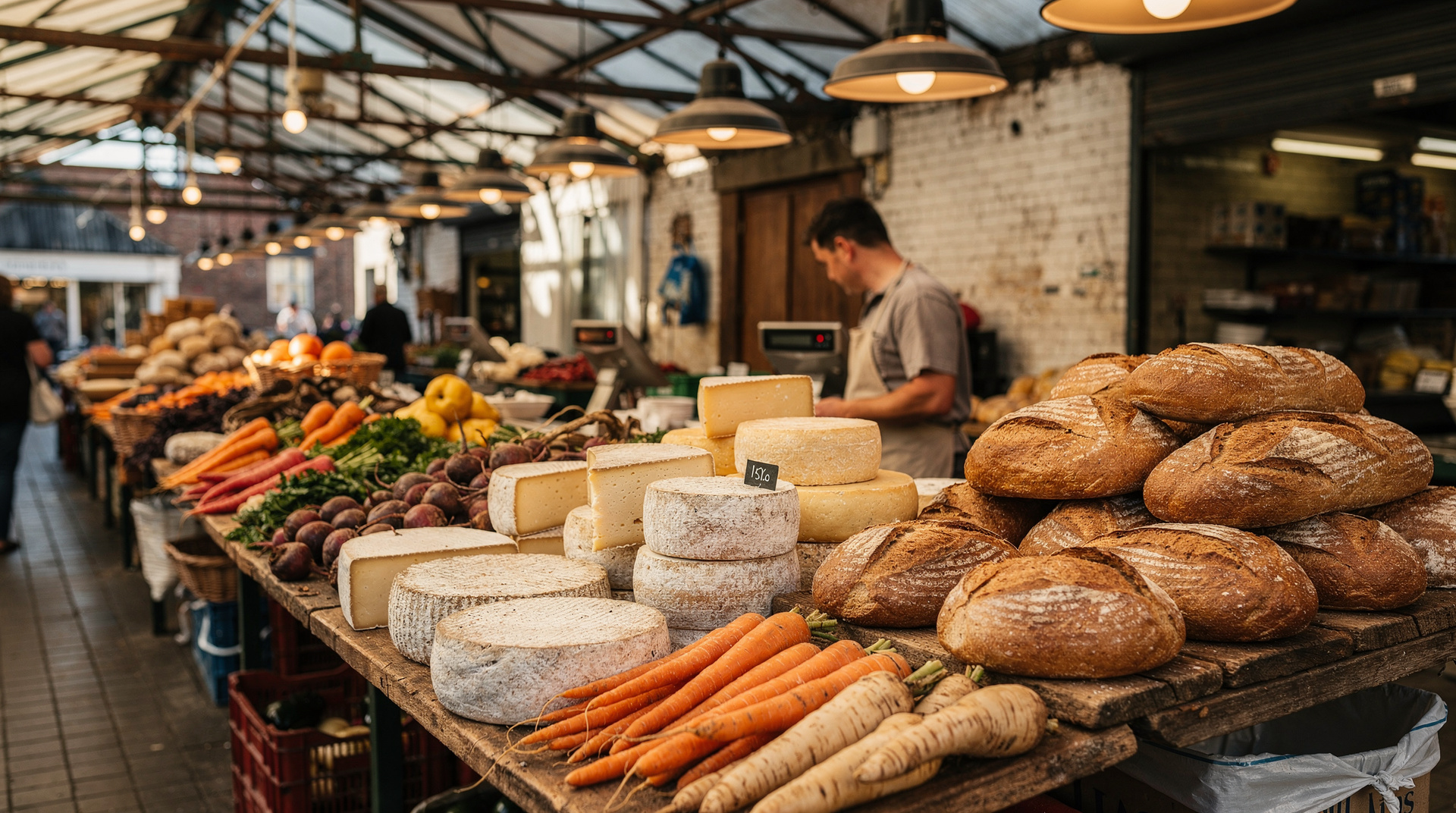
- Temple Bar Food Market (Meeting House Square, Temple Bar) — Saturday only, 10:00–16:00. The best single place to taste Irish artisan produce: Gubeen cheese, Hick’s sausages, fish from West Cork, Wicklow Way smoked products.
- Fallon & Byrne (Exchequer St.) — a deli and food hall that stocks Irish artisan produce alongside European imports. Excellent for self-catered picnics.
The full market picture is in Dublin markets and street food.
Food tours vs. self-guided eating
A food tour is not strictly necessary — Dublin is navigable and the markets are well-signed. What the tour adds is context, access to producers who would not normally stop to explain their cheese or their bread to a stranger, and a curated sequence that makes a coherent story of Irish food rather than a random series of lunches. For first-time visitors with limited time, the tour is worth the cost. For longer stays, combine one tour with independent exploration using the traditional Irish food and best restaurants in Dublin guides.
Practical details
Book in advance — the small group sizes mean popular time slots fill up, especially on weekends.
Wear comfortable shoes — all food tours involve walking, typically 3–5 km.
Dietary requirements — inform the operator at booking. Vegetarian, vegan, and gluten-free variations are available on most tours with advance notice.
Combine with: A food tour pairs naturally with Dublin markets in the afternoon, or with afternoon tea if you want the full range of Dublin food experiences in a single day. For a broader food and drink day including whiskey, the Dublin whiskey trail can follow an afternoon food tour.
Timing your tour within a trip
Food tours work best scheduled on day one or two of a visit, before you have formed your own opinions about where to eat — the guide’s recommendations then shape the rest of your stay rather than confirming what you already found. Morning tours (starting around 11:00) leave the afternoon free for Dublin markets or a museum; evening tours pair well with a pub crawl afterwards if the tour itself is light on alcohol. Avoid scheduling a heavy dinner on the same evening as a 3-hour tastings tour — most guests are genuinely full by the end.
If you are building a full Dublin itinerary, the 3-day Dublin plan has room for a food tour on the first afternoon without displacing the major sights.
Tipping and etiquette
Tipping is not obligatory in Ireland but is appreciated for a good guide — €5–10 per person is standard for a food tour that runs 2.5–3 hours. Arrive on an empty-ish stomach (skip a big breakfast) and let the guide know about allergies at the start rather than stop by stop; most producers can substitute on the spot if warned early. Photography is fine at most stops, but ask before photographing individual stallholders directly.
Frequently asked questions about Dublin food tours guide
How long do Dublin food tours take?
Most walking food tours run 2.5 to 3 hours and cover 6 to 10 stops, each with a tasting or small dish. Some evening food tours are longer — up to 4 hours. Confirm the format when booking.How much do Dublin food tours cost?
Expect to pay €35–€65 per person for a walking food tour with multiple tastings. Premium private options run €70–€100. The tastings are typically substantial enough that most people do not need lunch before or after.What food do you eat on a Dublin food tour?
A typical Dublin food tour covers traditional Irish staples (soda bread, farmhouse cheese, smoked salmon, chowder), contemporary Irish produce (artisan charcuterie, craft butter, seasonal vegetables), and sometimes Irish whiskey or craft beer. Modern tours avoid the tourist-trap 'Irish stew' versions of Irish food.Are Dublin food tours suitable for vegetarians?
Most operators can accommodate vegetarian guests with advance notice. Confirm when booking — some stops are meat-heavy and substitutions vary by venue.Which area of Dublin is best for a food tour?
The Liberties and historical centre route covers the most interesting combination of traditional markets (Thomas St. market, Iveagh Markets), artisan producers, and historical context. The Portobello and Rathmines areas are excellent for contemporary Irish food but less commonly toured.Should I tip on a Dublin food tour?
Tipping is not obligatory in Ireland but is appreciated. Around 5 to 10 euros per person is standard for a guide who runs a good 2.5 to 3 hour tour, paid directly at the end if you were happy with the experience.What time of day should I book a Dublin food tour?
Late morning tours, starting around 11am, work well because you arrive with an appetite and finish in time to explore markets or attractions in the afternoon. Evening tours suit visitors who want to combine tastings with a lighter approach to dinner.
Top experiences
Bookable activities with verified prices and instant confirmation on GetYourGuide.

Dublin: historical centre food tour with 8 tastings & drinks
- Free cancellation
- Instant confirmation

Dublin: walking food tour with local chef (7 stops or more)
- Free cancellation
- Instant confirmation

Dublin: food & drink walking tour with Jameson Irish coffee demo
- Free cancellation
- Instant confirmation

Dublin: walking food tour with local chef, 7 stops or more
- Free cancellation
- Instant confirmation