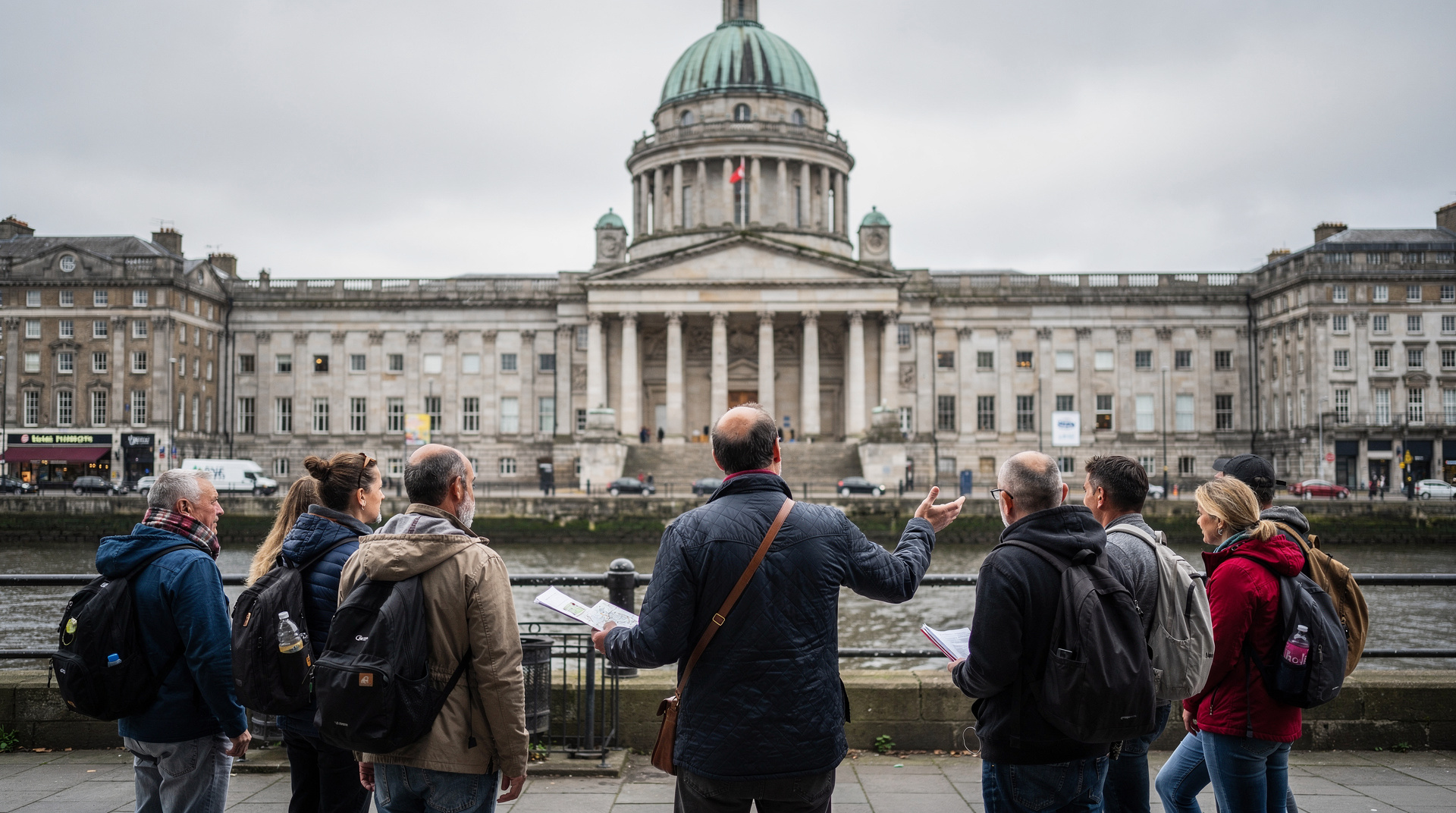
Christ Church Cathedral Dublin guide
Dublin: Christ Church Cathedral entrance ticket & self-guided tour
- Free cancellation
- Instant confirmation
Is Christ Church Cathedral worth visiting in Dublin?
Yes — particularly the crypt, which is one of the finest medieval spaces in Ireland and included in the ticket. The cathedral was founded by the Normans around 1030, and the stone nave is one of the best-preserved medieval interiors in Dublin. Entry costs around €8. Add 45–60 minutes and arrive early to beat the tour groups.
Dublin’s oldest surviving medieval building
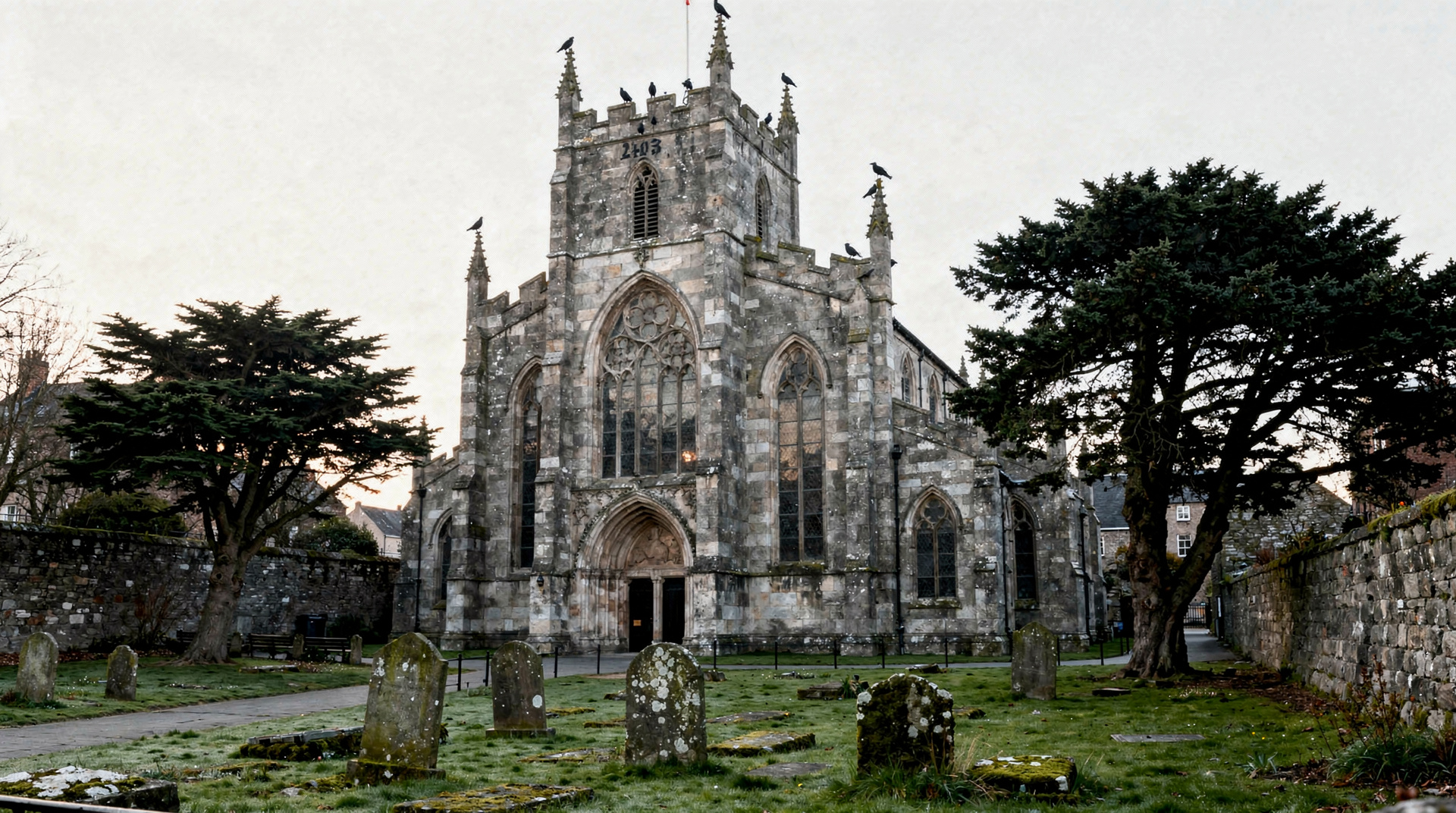
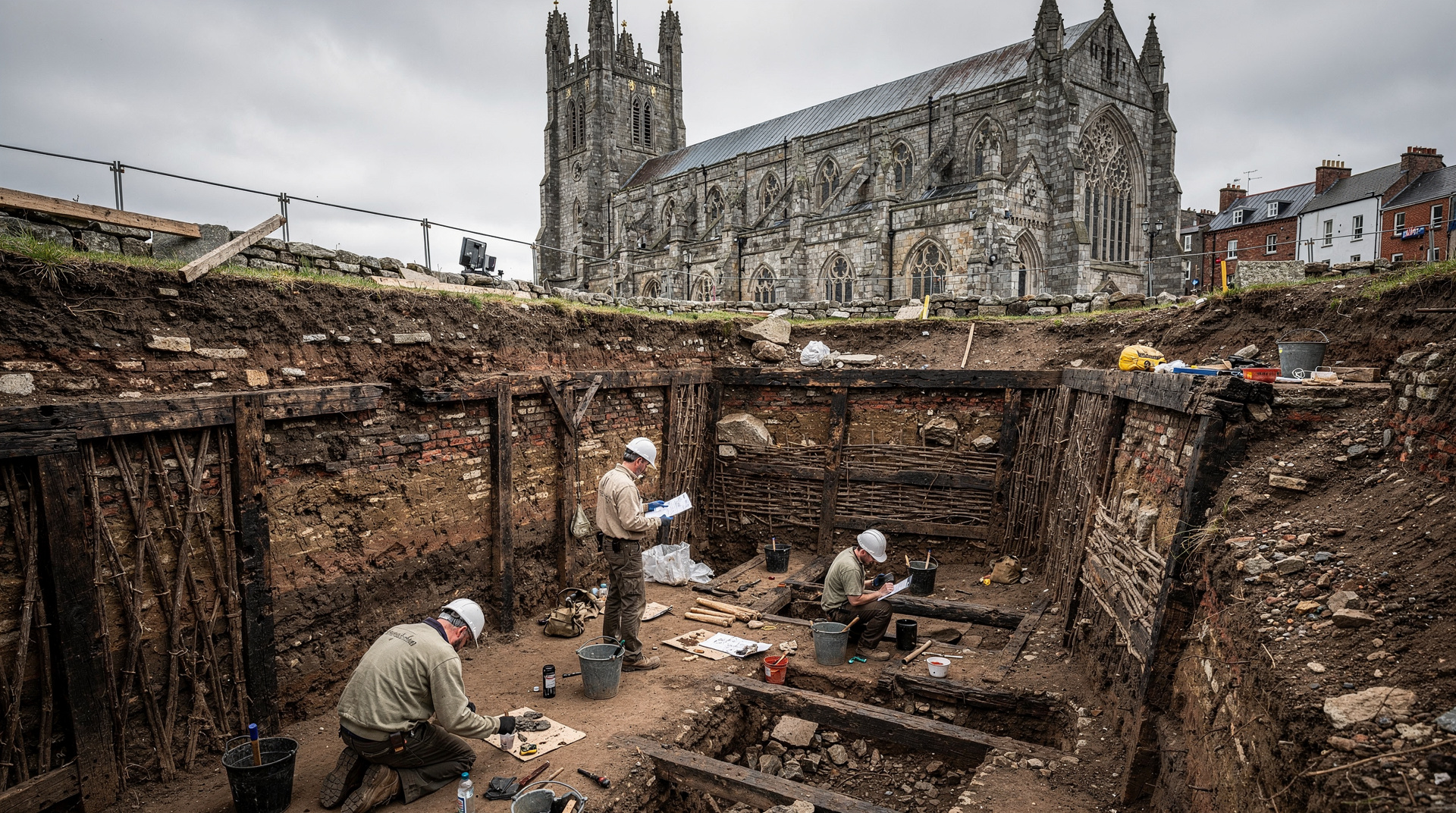
Christ Church Cathedral was founded around 1030 by Sitriuc Silkenbeard, the Norse King of Dublin, though the substantial stone structure you see today was begun by the Anglo-Norman invaders in the late 12th century. It sits on a ridge above the original Viking settlement, and the ground beneath it has been continuously used for religious purposes for nearly a thousand years. That layered history — Norse, Norman, medieval Catholic, Reformation Protestant — makes it the most historically dense building in Dublin.
| Where | Christ Church Place, on the ridge above the old Viking settlement |
| Cost | Around €8–€10; better value combined with Dublinia |
| Time needed | 45–60 minutes; longer with Dublinia added |
| Getting there | Central; 5-minute walk from Dublin Castle, 15 minutes from Guinness Storehouse |
| Best time | Arrive at opening to avoid tour groups; closed to tourists during services |
Unlike St Patrick’s Cathedral 500 metres to the south, Christ Church was the seat of the Archbishop of Dublin from its founding until the Reformation, when both cathedrals became Church of Ireland properties. Today it functions simultaneously as an active Anglican place of worship and as one of the city’s premier heritage attractions.
The nave and main church
The nave is the oldest part of the current building, with substantial portions dating from the late 12th and early 13th centuries. The south wall leans visibly outward — it has been doing so since the roof collapse of 1562 that destroyed much of the medieval structure and damaged most of the monuments, including the original Strongbow tomb. The Victorian restoration of 1871–78 by architect George Street was extensive and some historians feel it overdid the Gothic Revival elements, but the result is a compelling interior with genuine medieval fabric visible throughout.
The tomb in the south nave aisle traditionally labelled Strongbow is the focal point for many visitors. Richard de Clare, known as Strongbow, was the Norman lord who invaded Ireland in 1170, captured Dublin, and essentially triggered eight centuries of English rule. His link to this spot is real — he funded the rebuilding of the cathedral and was buried here — but the tomb figure is almost certainly not his original one. What makes a good story is that no one entirely agrees what the stone half-figure lying beside the effigy represents. The “entrails of Strongbow’s son” explanation is almost certainly wrong but has circulated for so long that it has become part of Dublin folklore.
In the north transept, the heart of St Laurence O’Toole — the 12th-century Archbishop of Dublin who was present during the Norman invasion — is preserved in a medieval reliquary. It was stolen in 2012 and recovered by Gardaí several years later. It now sits behind a metal grille.
The crypt
The crypt is the highlight of Christ Church for most visitors and the main reason to buy a ticket rather than just attending a free service. It runs the full length of the nave — making it one of the longest cathedral crypts in Ireland and Britain — and the low Romanesque arches give it a quality of enclosed, ancient space quite different from the upper church.
On display in the crypt: medieval artefacts including a tabernacle and plate used by King William III at the Battle of the Boyne in 1690; wooden stocks once used for punishment in the cathedral precincts; and the famous cat and rat. In the 1850s, workers removing an organ found the mummified remains of a cat wedged in a pipe, apparently trapped while chasing a rat which was also found inside. James Joyce referenced them in Finnegans Wake. They are an unremarkable pair of desiccated animals but generate a disproportionate amount of attention.
The crypt café sells coffee and snacks in medieval vaulted surroundings that are among the most atmospheric refreshment stops in Dublin.
Dublinia — the natural companion
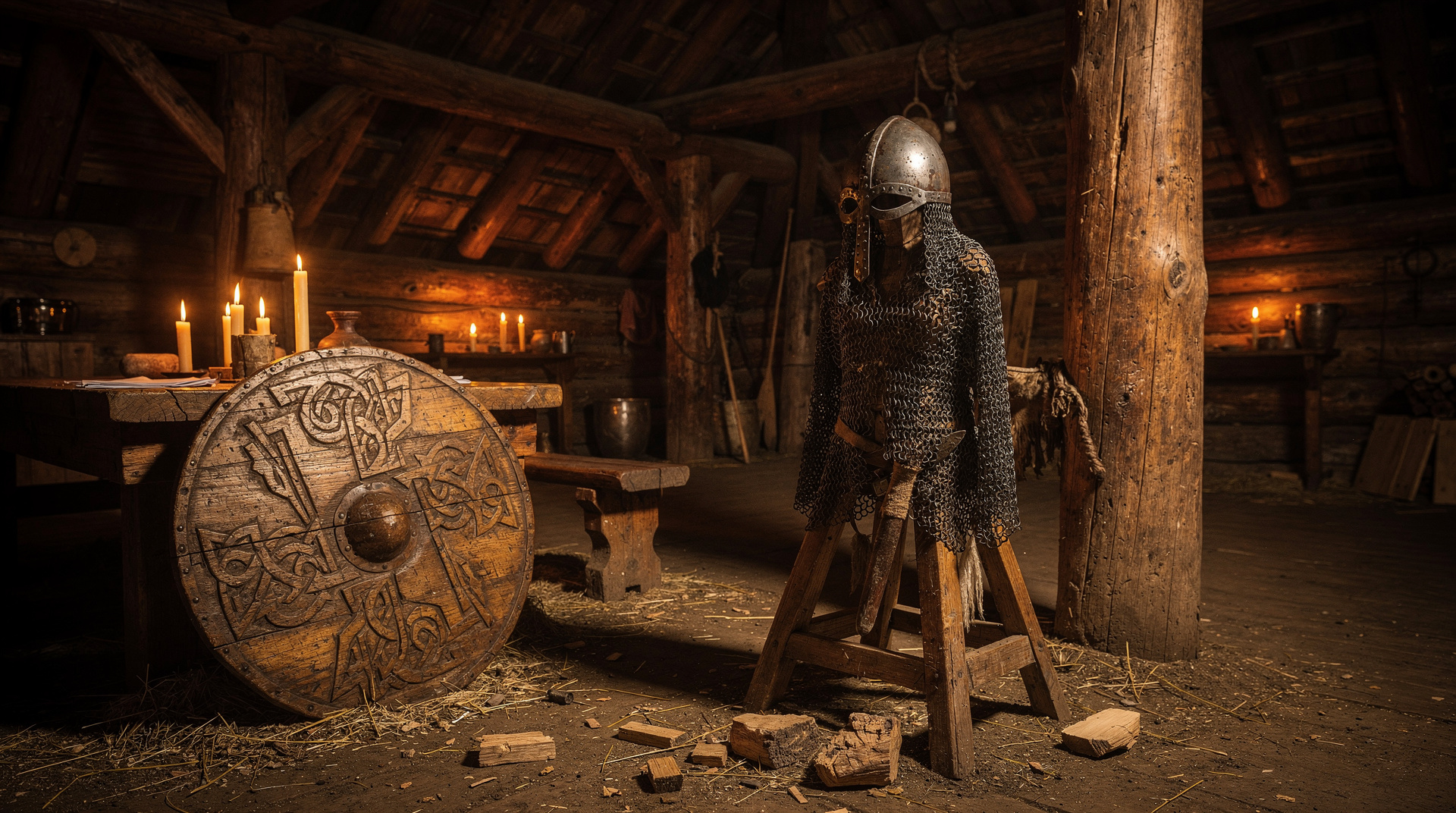
A covered medieval stone bridge connects Christ Church to the former Synod Hall, now home to the Dublinia Viking and medieval experience. This interactive museum covers the Viking settlement that stood below the cathedral ridge, the arrival of the Normans, and life in medieval Dublin. It is well-designed, reasonably paced, and includes a rooftop viewing platform with views over the medieval city core.
A combined Christ Church and Dublinia ticket offers better value than buying separately. For families, Dublinia is essential — the hands-on exhibits work far better for children than the cathedral’s quieter, contemplative atmosphere. For adults interested in the Viking period, the Viking and medieval Dublin guide provides deeper context.
Tickets and practical information
The Christ Church Cathedral self-guided entrance ticket includes full access to the nave, transepts, chapter house, and crypt. It runs approximately €8–€10 for adults. The cathedral is open Monday to Saturday 09:30–17:00, Sunday 12:30–15:00 in summer, with shorter hours in winter. It is closed to tourists during services — typically Sunday mornings from 10:30 and Wednesday lunchtime — though services are free to attend.
The medieval core circuit — castle, Christ Church, Dublinia, and St Patrick’s — takes a full day at a comfortable pace. The Book of Kells, Dublin Castle and Christ Church tour covers three of the four in a structured half-day with a guide who can connect the Norman thread through all three sites.
For those who prefer a walking context, the Dublin medieval history walking tour starts at Christ Church and works outward through the surrounding streets, which still follow their medieval plan. The nearby Fishamble Street is where Handel premiered his Messiah in 1742 — a detail that the cathedral guides rarely fail to mention.
Connecting the surrounding area
Christ Church sits at the northern edge of the Liberties, one of Dublin’s oldest and most historically layered neighbourhoods. Dublin Castle is a five-minute walk east. St Patrick’s Cathedral is 500 metres south. Guinness Storehouse is about 15 minutes’ walk south-west.
For a self-guided loop covering the best of this medieval zone without tour groups, start at Trinity College for the Book of Kells, walk west along Dame Street to Dublin Castle (Chester Beatty Library free, State Apartments paid), then north to Christ Church and Dublinia, and finish at the Guinness Storehouse for the evening pint in the Gravity Bar. The self-guided Dublin walk maps this route in detail.
If you are travelling with children, the Dublin with kids guide puts this area in context alongside the other family-friendly options in the city centre.
Christ Church vs St Patrick’s — which one first
Given how close they sit, most visitors end up asking whether to visit both or pick one. The honest answer is both if you have the time — they take under two hours together and cover genuinely different ground. If forced to choose, Christ Church wins for the crypt and the sense of continuous medieval use; St Patrick’s Cathedral wins for its literary connections (Jonathan Swift was Dean here) and its larger, more soaring interior. Doing Christ Church first works better logistically since it connects directly to Dublinia, and the combined ticket makes more sense as an opening stop than an afternoon add-on.
A quieter alternative visit
The cathedral’s quietest hours are the first 30–45 minutes after opening on a weekday, before coach tour groups arrive from the cruise terminal or city-centre hotels. Visiting then gives the crypt in something close to genuine silence, which changes the character of the visit considerably — it is easy to imagine the space as it has been used, largely uninterrupted, for the better part of a millennium. If your schedule only allows an afternoon visit, expect a busier atmosphere and plan for a 15–20 minute wait to see the crypt displays at a comfortable pace in peak season.
How to pace the visit inside
Start in the nave and let your eyes adjust before heading anywhere specific. The building rewards slow looking: the leaning south wall, the contrast between the Victorian restoration and the older fabric, and the way light falls differently in the transepts all reveal themselves if you resist the urge to tick off the famous tomb and move on. Many visitors walk straight to the Strongbow monument, take a photograph and leave the nave within minutes, which is a shame given how much else is on show.
Keep the crypt for the second half of your visit. Coming down from the bright, tall upper church into the low vaulted space makes the contrast far more striking than starting below ground and climbing back up. If you are visiting with someone who tires quickly, the café in the crypt is a sensible place to sit before continuing to the rest of the exhibits.
Take a moment, too, to read the information panels rather than relying on memory of a half-heard guide. The history here is tangled, and the panels do a good job of separating what is documented from what is tradition. That distinction is the real pleasure of the place, and it is why the Strongbow story, for all its doubts, is worth hearing properly.
Why the history matters here
It helps to understand what you are looking at before you arrive. The site passed from Norse founders to Norman builders, then through the upheavals of the Reformation, and finally into its present life as a Church of Ireland cathedral. Each phase left something behind, and the building is best read as a stack of layers rather than a single monument. If that appeals, the Viking and medieval Dublin guide and the Dublin historical walking tour both pick up the same thread outside the cathedral walls.
Visitors interested in the longer arc of Irish history will find the cathedral a useful anchor. The Norman arrival of 1170 sets up centuries of political tension, and later chapters are explored at places like Kilmainham Gaol and in the 1916 Easter Rising guide. For a broader sweep, the Irish revolution history walk links the medieval city to the modern one. Seen together, they show how much of Dublin’s story can be traced back to the ridge on which Christ Church stands.
Who will enjoy it most
History lovers are the obvious audience, but the cathedral suits other travellers too. Architecture enthusiasts will appreciate the mix of Romanesque and Gothic elements and the debate over how heavy-handed the Victorian restoration was. Literary visitors can enjoy the Joyce connection through the cat and rat, and may want to continue with the literary Dublin guide. Travellers who simply want a calm hour away from busy streets will find the crypt a welcome pause.
It is less suited to anyone expecting a sprawling, hands-on attraction. The cathedral is quiet and contemplative, and the experience is built on atmosphere rather than spectacle. If you or your group need something livelier, pair it with Dublinia, or look at the rainy day Dublin guide for other indoor options that balance quieter stops with more active ones.
Fitting it into a wider trip
Christ Church works well as a morning stop before you move on to other parts of the old city. It slots neatly into a first-time Dublin itinerary, and the Dublin 3-day planning guide shows where a medieval half-day fits alongside the major sights. Anyone building a history-focused stay should look at the Dublin history buff itinerary, which gives the cathedral a natural place.
If your time is short, the one-day Dublin itinerary shows how to see the essentials without rushing. And if you are weighing up how many tickets to buy across several attractions, the Dublin Pass versus individual tickets guide helps you decide whether a pass or separate entries suit your plans better. For the wider setting, the Dublin destination page gives an overview of the city.
Practical habits that make the visit easier
Check the opening hours on the day you plan to go, since services change what is open to tourists. Carry a light layer, because stone interiors stay cool even when the street outside is warm. Keep voices low in the upper church, where people may be praying, and take photographs with care. If you are using a camera, look for the cathedral’s own guidance on what is permitted before you start.
Comfortable shoes matter more than you might expect: the surrounding streets are old, uneven and often sloping, and a medieval circuit means plenty of walking between stops. Allow a little slack in your schedule so that you can linger in the crypt or sit in the nave without watching the clock. A relaxed visit is almost always a better one here.
Frequently asked questions about Christ Church Cathedral Dublin guide
How much is Christ Church Cathedral in 2026?
Self-guided admission including the crypt costs approximately €8–€10 for adults, with reduced rates for students, seniors, and children. Under-12s typically enter free with a paying adult. Combo tickets pairing the cathedral with Dublinia (connected by a covered bridge) are available and offer better value than buying separately.What is in the Christ Church Cathedral crypt?
The Romanesque crypt runs the full length of the nave — making it one of the largest cathedral crypts in the British Isles. It contains the preserved remains of a cat and rat found in an organ pipe in the 1850s (inspiration for James Joyce's reference in Finnegans Wake), medieval artefacts including a tabernacle and candlesticks used by King William III at the Battle of the Boyne, and a café. The cat and rat are one of Dublin's minor but memorable curiosities.Is Strongbow really buried at Christ Church?
A tomb figure in the south nave aisle is traditionally identified as Richard de Clare (Strongbow), the Norman lord who captured Dublin in 1170. However, historians believe the effigy was a replacement installed after the original was destroyed in a roof collapse in 1562. The current figure may depict a completely different person. The half-figure beside it is commonly said to be Strongbow's son, whose entrails were supposedly thrown here as punishment for cowardice — though this too is almost certainly legend.Can you visit Christ Church Cathedral for free?
The grounds around the cathedral are free. The church interior including the crypt requires a paid ticket. Sunday morning services are free to attend, though the church closes to tourists immediately before and during services.How is Christ Church different from St Patrick's Cathedral?
Christ Church is older (founded c.1030 vs St Patrick's c.1190), slightly smaller, and has a better crypt. St Patrick's has more famous tombs, larger floor space, and the superior choir. Both are Church of Ireland. They are 500 metres apart and can easily be visited on the same day.Is the Dublinia museum worth it?
Yes, particularly for families and anyone interested in Viking Dublin. Dublinia is connected to Christ Church by a covered walkway and focuses on the Viking and medieval periods. It is interactive, well-paced, and makes an excellent pairing with the more reverent atmosphere of the cathedral itself.
Top experiences
Bookable activities with verified prices and instant confirmation on GetYourGuide.

Dublin: Christ Church Cathedral entrance ticket & self-guided tour
- Free cancellation
- Instant confirmation

Dublin: Book of Kells, Dublin Castle and Christ Church tour
- Free cancellation
- Instant confirmation

Dublin: medieval history walking tour
- Free cancellation
- Instant confirmation

Dublin: Viking & medieval walking tour
- Free cancellation
- Instant confirmation