Dublin for history lovers: 3-day itinerary
Dublin: 1916 Rising walking tour and GPO Museum entry
Duration: 2h30
- Free cancellation
- Instant confirmation
Dublin’s history: deeper than the postcard
Dublin is one of Europe’s most historically rich small capitals. Within a few square kilometres, you can walk from a Viking-era foundation to a Georgian square to the site of the 1916 Rising to the gaol where Ireland’s independence was born in blood. The density of history is remarkable, and much of it is told with honesty — the Famine, the Civil War, the long centuries of colonial rule — rather than sanitised for tourists.
This three-day itinerary prioritises depth over coverage. You will not see everything, but you will understand what you do see. Each day has a loose chronological arc: Viking and medieval first, then colonial and revolutionary, then the modern Irish state.
| Focus | Viking/medieval, colonial/Famine, revolutionary and modern history |
| Cost | Around €270–330 per person, excluding accommodation |
| Pace | Dense — expect full days with limited downtime |
| Booking | Kilmainham Gaol 2–4 weeks ahead in peak season |
| Best for | History enthusiasts, solo travellers, couples |
If three days feels rushed, the Dublin 3-day planning guide has notes on trimming to two days or stretching to four, and how many days in Dublin covers the trade-offs more generally.
Day 1: Vikings, Normans and the medieval city
Morning: the Book of Kells and Trinity College
Start with what preceded the Viking raids. The Book of Kells is an illuminated Gospel manuscript made around 800 CE — one of the most extraordinary objects to survive from early medieval Europe. Trinity College’s Long Room, which houses it, was built in 1712 but contains books that predate Dublin’s Viking foundation. Allow 60 minutes; the audioguide is worth it for the manuscript context. If you are weighing whether it earns the ticket price and the queue, the Book of Kells: is it worth it guide makes the honest case either way.
Late morning: Dublinia and Christ Church
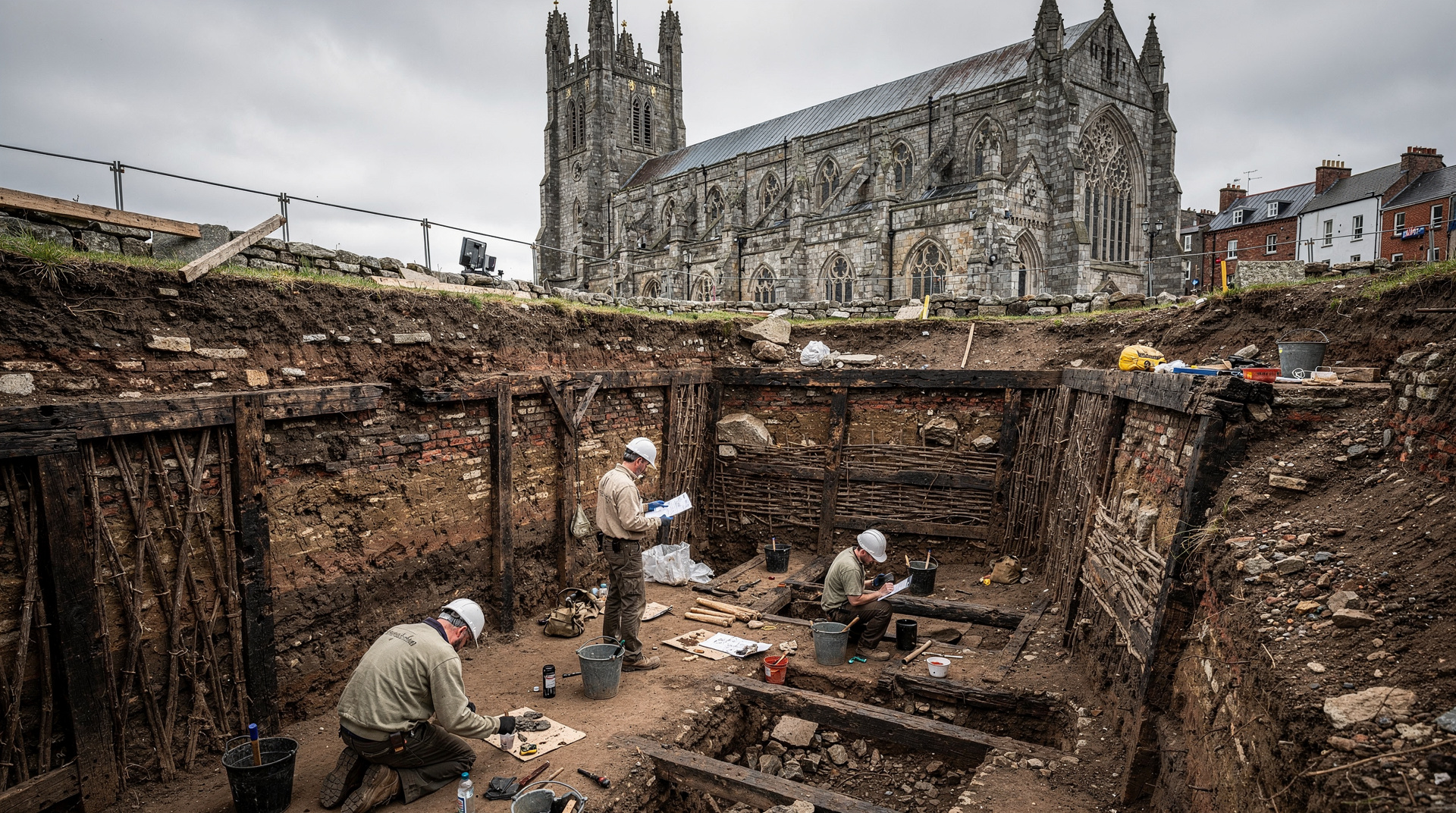
The Viking and medieval Dublin history walk covers the area around Wood Quay — where 20,000 Viking artefacts were excavated in the 1970s — and Christ Church Cathedral, the Viking-founded cathedral rebuilt by Strongbow the Norman in 1172. Strongbow’s tomb is inside the cathedral. Dublinia, adjacent to Christ Church, is an interactive Viking and medieval museum specifically designed to bring the settlement’s history to life — worth 60 minutes and particularly good for understanding the physical layout of the medieval city.
A Viking and medieval walking tour covers Wood Quay, the city walls, Christ Church, and the Liberties in a structured three-hour guided walk — the best way to understand the layers if you prefer narrative to self-guided exploration. Dublinia’s Viking guide has more detail on what the museum itself covers if you want to plan your 60 minutes there in advance.
Afternoon: St Patrick’s Cathedral and the Liberties
St Patrick’s Cathedral sits where the saint supposedly baptised converts in the fifth century. The current structure dates from the twelfth century and was restored by the Guinness family in the 1860s. Jonathan Swift was dean here from 1713 to 1745 — his tomb and his sharp political writing are both inside. Walk through the Liberties afterwards — the street pattern still largely follows the medieval framework, and the Thomas Street area has plaques and reference points if you know what to look for; hidden corners of the Liberties is worth reading before you go if you want to spot the less obvious layers.
Evening: medieval pub history
The Brazen Head on Bridge Street claims to be Dublin’s oldest pub (1198 is the disputed date; the current building is eighteenth century but the site is much older). Go for the history rather than the pint — there are better Guinness options elsewhere; see where to drink Guinness in Dublin for options with better pours. Temple Bar after dark has live music in most pubs; the area was outside the city walls in medieval times and had a different social role to the walled city.
Day 2: Colonial Dublin, the Famine and the Revolutionary period
Morning: the Great Famine and EPIC Museum
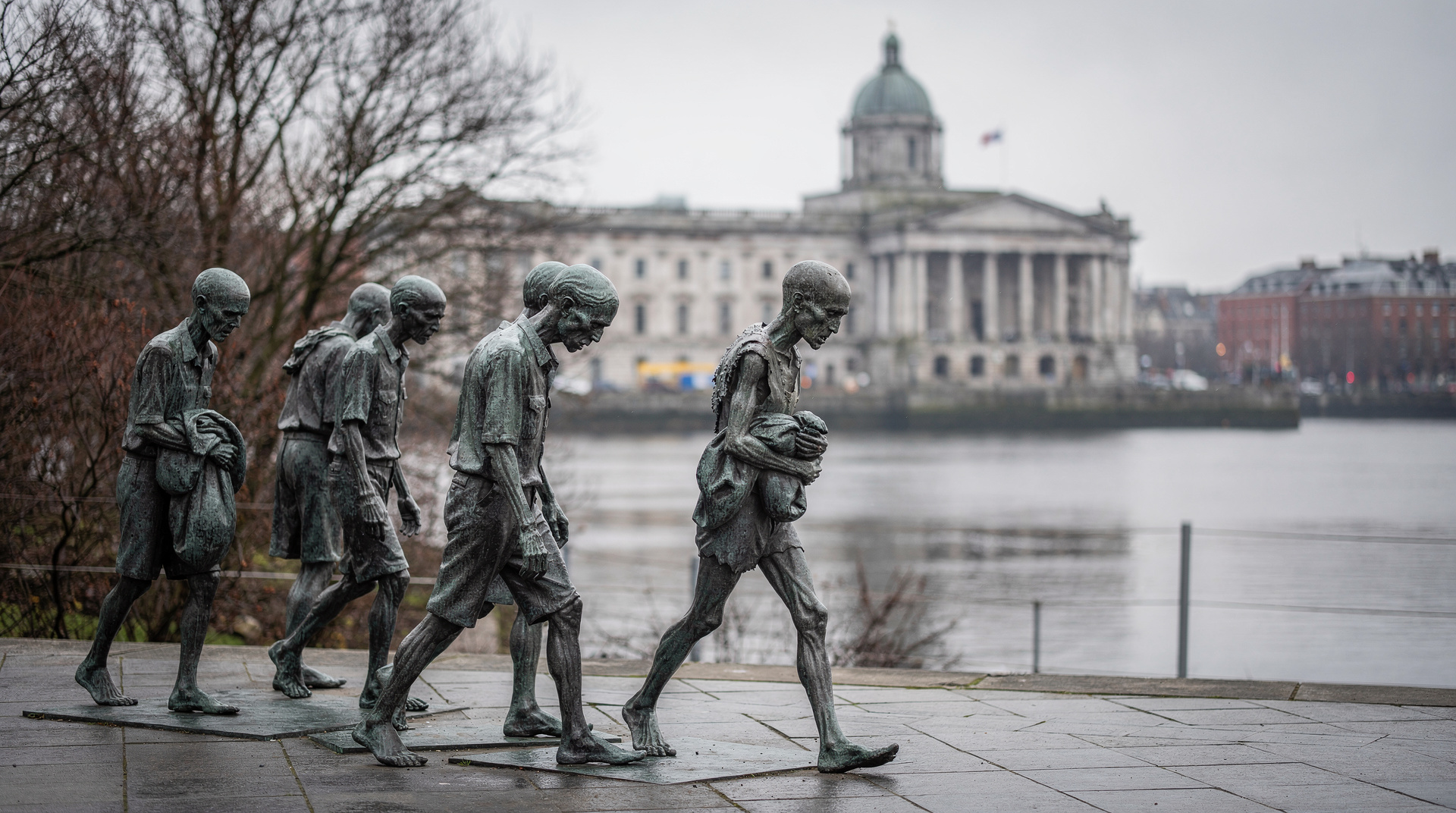
The Great Famine of 1845–52 killed or displaced over two million people and was the demographic catastrophe that shaped modern Ireland. The Great Famine tour with fast-track EPIC Museum tickets combines a guided Famine walking tour (the Dublin quays, Custom House, the coffin ship context) with entry to the EPIC Irish Emigration Museum — the best museum in Dublin, covering the 70 million people of Irish descent worldwide.
Late morning: the GPO Museum and O’Connell Street
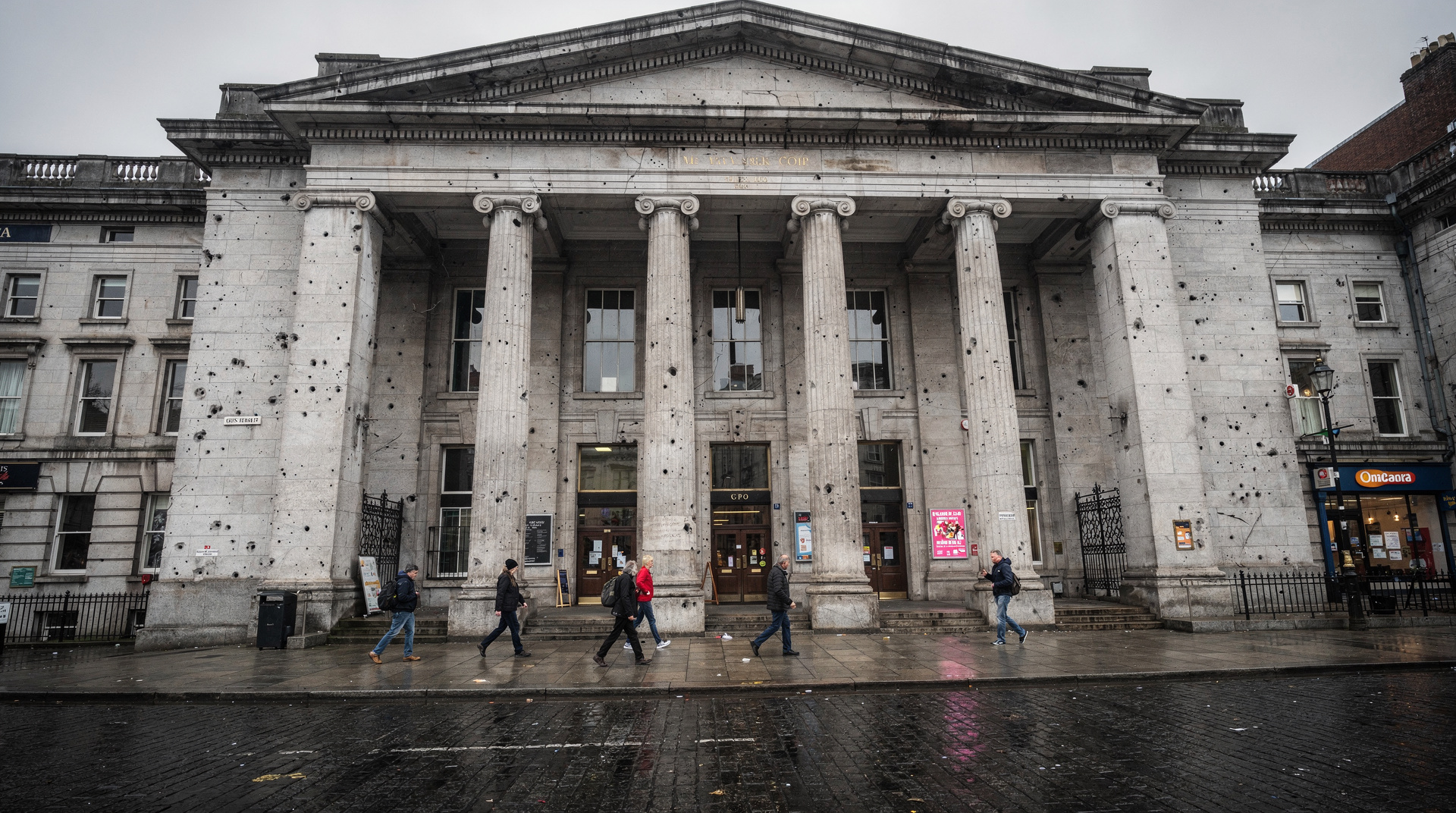
O’Connell Street is the wide boulevard where the 1916 Easter Rising was centred. The 1916 Rising walking tour and GPO Museum entry starts on the street itself and takes you inside the General Post Office, which served as the rebels’ headquarters. The scarred interior walls, the Proclamation of the Irish Republic, the personal stories of the signatories — this is the most emotionally powerful short museum in Dublin. Allow 90 minutes.
Afternoon: Irish Revolution walking tour
The Irish Revolution walking tour 1913–1923 covers the full arc from the 1913 Lockout (the labour conflict that preceded independence) through the Rising, the War of Independence and the Civil War. It ends at Merrion Square — the heart of Georgian Dublin — where many of the revolutionary leaders lived and worked. Allow three hours; this is the most comprehensive guided history experience available in Dublin.
Evening: Glasnevin Cemetery at dusk (optional)
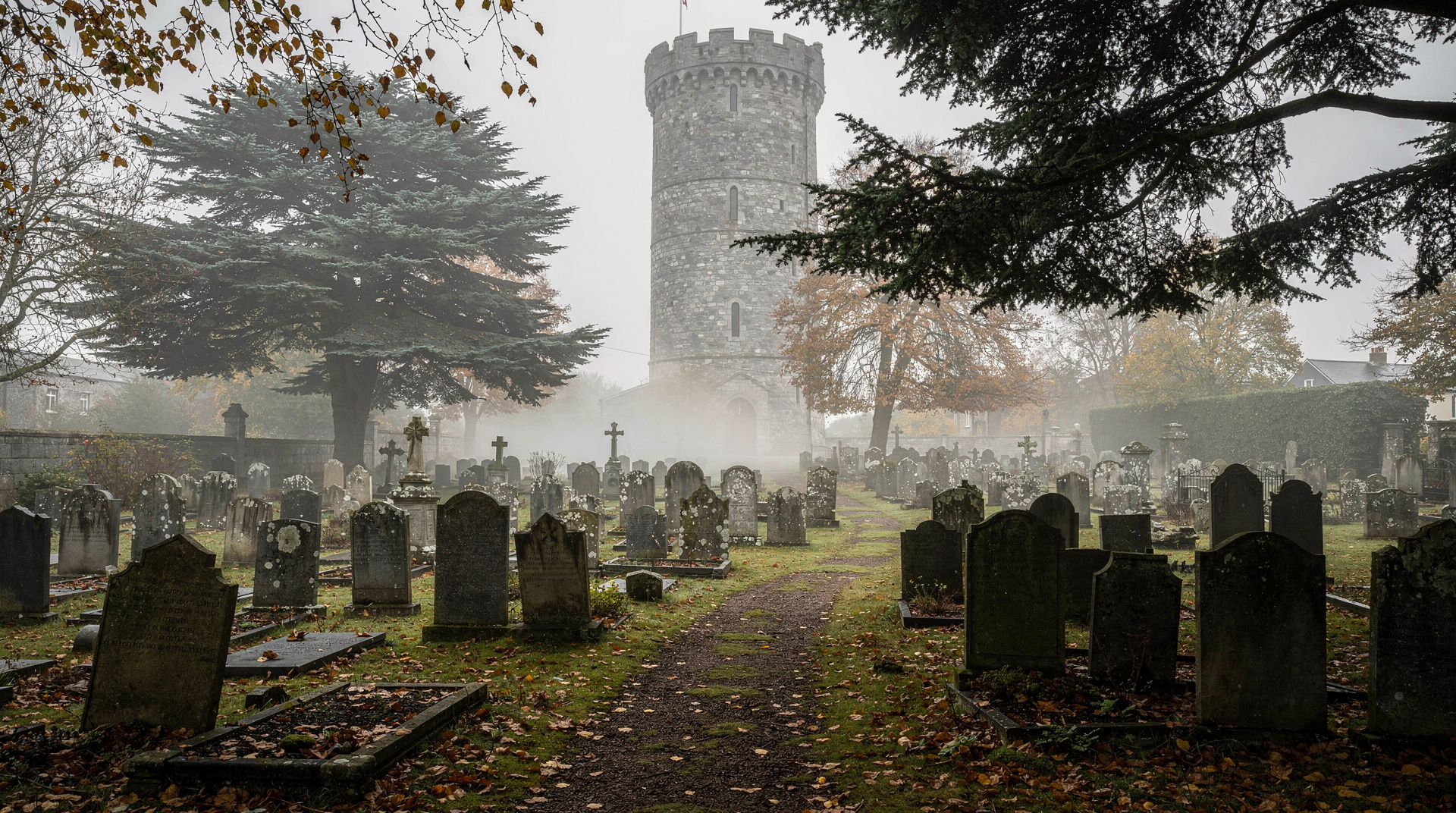
The O’Connell Tower, Daniel O’Connell’s round tower, and the graves of Michael Collins, Charles Stewart Parnell, Éamon de Valera and the 1916 leaders are all at Glasnevin. The cemetery closes at dusk; visit at the end of the afternoon for atmosphere. The Glasnevin Cemetery guided tour is excellent and can be timed for late afternoon.
Day 3: Kilmainham, Glasnevin and modern history
Morning: Kilmainham Gaol
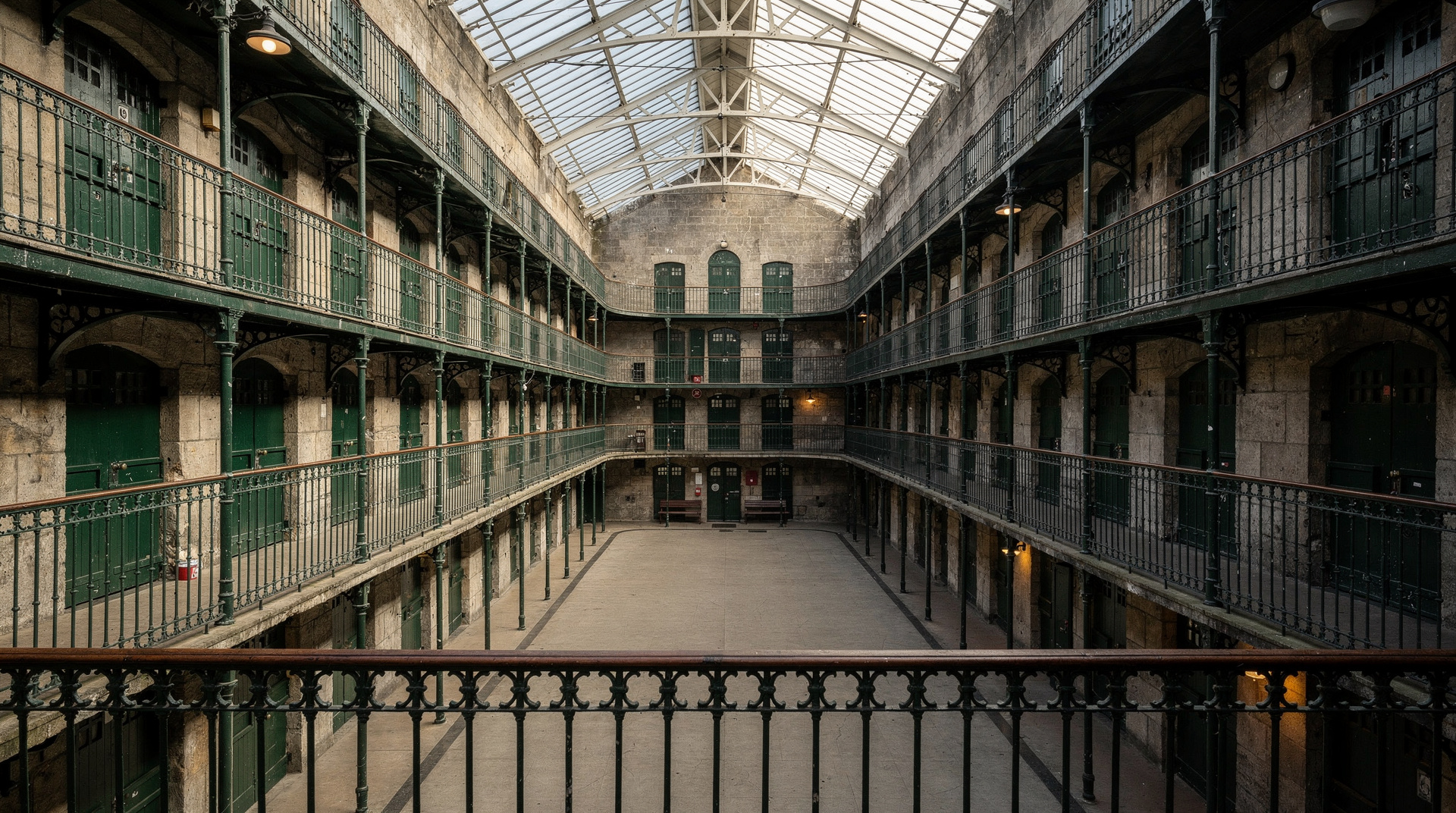
Book this first and book early — Kilmainham Gaol guided tours sell out weeks in advance in summer. The gaol held generations of Irish political prisoners from 1798 to 1924. The 1916 leaders were executed in the stonebreaker’s yard here — James Connolly, mortally wounded, was tied to a chair to be shot. The guided tour lasts 75–90 minutes and is among the most powerful historical experiences in Ireland. No photography inside the execution yard; the silence requested there is appropriate.
Late morning: Glasnevin Cemetery and Museum
If you did not get to Glasnevin on Day 2, this is the time. The Glasnevin Cemetery guided tour includes the Glasnevin Museum — the full story of the cemetery, the O’Connell monument, and the graves of every significant figure in modern Irish history. The museum itself is well-produced and contextualises the cemetery beyond its famous occupants.
Afternoon: National Museum of Ireland
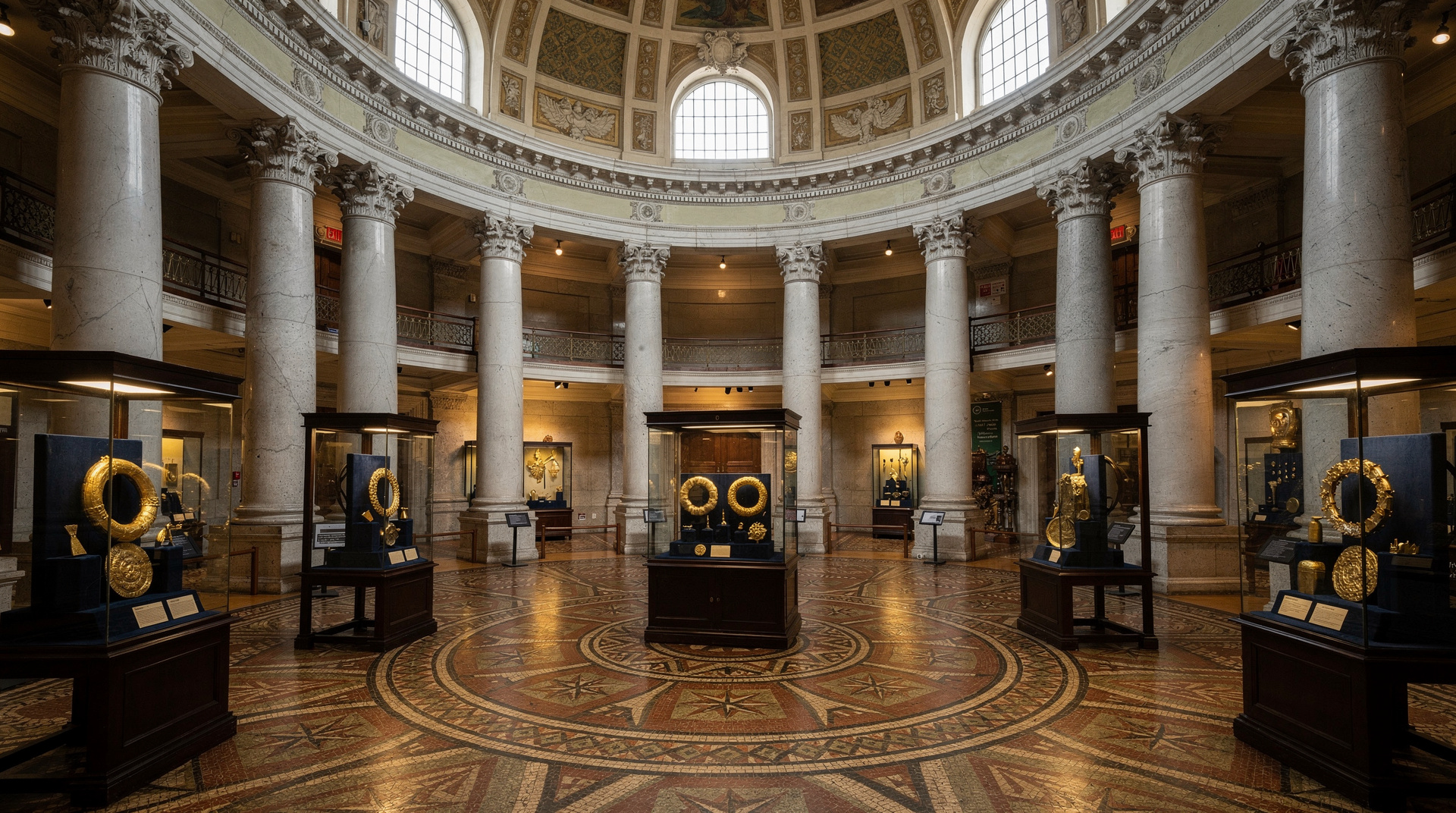
The free National Museum on Kildare Street covers Irish history from the Stone Age to the twentieth century. The national museum guide breaks down which rooms are most important for different interests; the prehistoric gold collection and the Viking Age room are the highlights for most visitors. The Easter Rising room on the upper floor directly follows the story of Kilmainham and Glasnevin. Allow 90 minutes. It sits alongside several of Dublin’s free museums, so if you have energy left, a shorter second stop costs nothing but time.
Evening: the literary connection
Dublin’s history is inseparable from its literature. The literary pubs guide covers Davy Byrnes (Bloomsday, Ulysses), McDaids (Brendan Behan’s regular), and the Mulligan’s connection to Flann O’Brien. The literary Dublin guide gives the broader context. For a last evening, the area around Merrion Square — where Wilde, Yeats and others lived — is a fitting place to end.
Day-by-day summary
| Day | Focus | Key stop |
|---|---|---|
| 1 | Viking and medieval Dublin | Book of Kells, Dublinia, Christ Church |
| 2 | Famine and revolution | GPO Museum, Irish Revolution walking tour |
| 3 | Kilmainham and the modern state | Kilmainham Gaol, Glasnevin, National Museum |
Extending or adjusting the itinerary
If you have a fourth day, add a day trip: the Boyne Valley and Newgrange pushes the timeline back to the Neolithic, roughly 5,000 years before the Vikings arrived, and pairs naturally with this itinerary’s chronological approach. Alternatively, Belfast’s Troubles history extends the story of Irish political conflict into the twentieth century’s second half, though it needs a full day given the travel time.
For solo travellers or couples who want to go deeper on a single thread rather than cover all three days’ breadth, the 1916 Rising is the strongest single-day focus: combine the 1916 Easter Rising guide with Kilmainham Gaol and Glasnevin Cemetery for one dense, coherent day rather than spreading the revolutionary period across two.
Essential bookings: Kilmainham Gaol 2–4 weeks ahead in peak season. GPO Museum is walk-up but can queue.
Free highlights: National Museum, National Gallery, Glasnevin grounds (tours are paid), O’Connell Street monuments.
Budget (3 days, excluding accommodation):
| Category | Approximate cost |
|---|---|
| Book of Kells | €25 |
| Kilmainham Gaol | ~€9 |
| Glasnevin guided tour | ~€15–20 |
| GPO Museum + 1916 tour | ~€20–25 |
| Walking tours (2) | ~€30–35 |
| Meals (3 days) | ~€150–180 |
| Drinks | ~€30–50 |
| Total per person | ~€270–330 |
Frequently asked questions about Dublin for history lovers
Do I need to book Kilmainham Gaol far in advance? Yes — book 2–4 weeks ahead for summer visits. It is the single most popular ticketed attraction in Ireland by visitor satisfaction and sells out reliably in peak season; don’t leave it for the day itself.
Is this itinerary suitable for a solo traveller? Yes, comfortably. Every stop is walkable or transit-accessible, the guided tours run in mixed groups, and the pacing assumes no need to coordinate with anyone else’s interests.
Top experiences
Bookable activities with verified prices and instant confirmation on GetYourGuide.

Dublin: 1916 Rising walking tour and GPO Museum entry
- Free cancellation
- Instant confirmation

Dublin: experience Glasnevin Cemetery guided tours
- Free cancellation
- Instant confirmation

Dublin: Great Famine tour with fast-track EPIC Museum tickets
- Free cancellation
- Instant confirmation

Dublin: Viking & medieval walking tour
- Free cancellation
- Instant confirmation

Dublin: Irish Revolution walking tour 1913-1923
- Free cancellation
- Instant confirmation