Kilmainham Gaol guide
Dublin: 1916 Rising walking tour and GPO Museum entry
Duration: 2h30
- Free cancellation
- Instant confirmation
Is Kilmainham Gaol worth visiting in Dublin?
Yes — it is one of the most emotionally resonant historical sites in Ireland. The guided tour takes you through the cells where the leaders of the 1916 Easter Rising spent their final hours before being executed in the stone-breakers' yard outside. This is not a comfortable visit, and it is not meant to be. Book weeks in advance — tickets sell out constantly.
The place where modern Ireland was born
Kilmainham Gaol is not a comfortable attraction. It is a large Victorian prison that held generations of Irish rebels, ordinary criminals, and — most memorably — the fourteen leaders of the 1916 Easter Rising who were executed here in the space of ten days in May 1916. The executions turned the Rising from a failed military operation into a founding myth, and standing in the Stonebreakers’ Yard where they took place is one of the most visceral historical experiences in Dublin.
The gaol closed as a working prison in 1924 when the last prisoner — Éamon de Valera, future Taoiseach and President of Ireland — was released. It fell into disuse and decay for four decades before a group of volunteers began a restoration effort in the 1960s. The restoration was almost entirely done by unpaid labour, and the story of that effort is told in the museum at the end of the tour. The gaol opened to visitors in 1966, the 50th anniversary of the Rising.
| Where | Kilmainham, 3 km west of the city centre |
| Cost | Around €8 adults, €4 children (5–17) |
| Time needed | 1–1.5 hours (tour + museum) |
| Getting there | Bus 13/40/51B, Luas Red Line to Suir Road, or taxi |
| Best time | Book 4–8 weeks ahead in summer |
What the guided tour covers
Every visit to Kilmainham Gaol is a guided tour. There is no self-guided option, and this is the right decision: the tour guides are uniformly excellent and the site’s emotional power comes from the narrative they provide, not from the architecture alone.
Tours typically begin in the 19th-century West Wing, the oldest part of the gaol, built in the 1790s. The cells here were designed for Irish standards of the time and were grim by any measure: small, dark, and used well beyond their intended capacity during the Great Famine years (1845–52), when ordinary people convicted of stealing food or begging were imprisoned here. Death rates in this wing during the Famine were catastrophic.
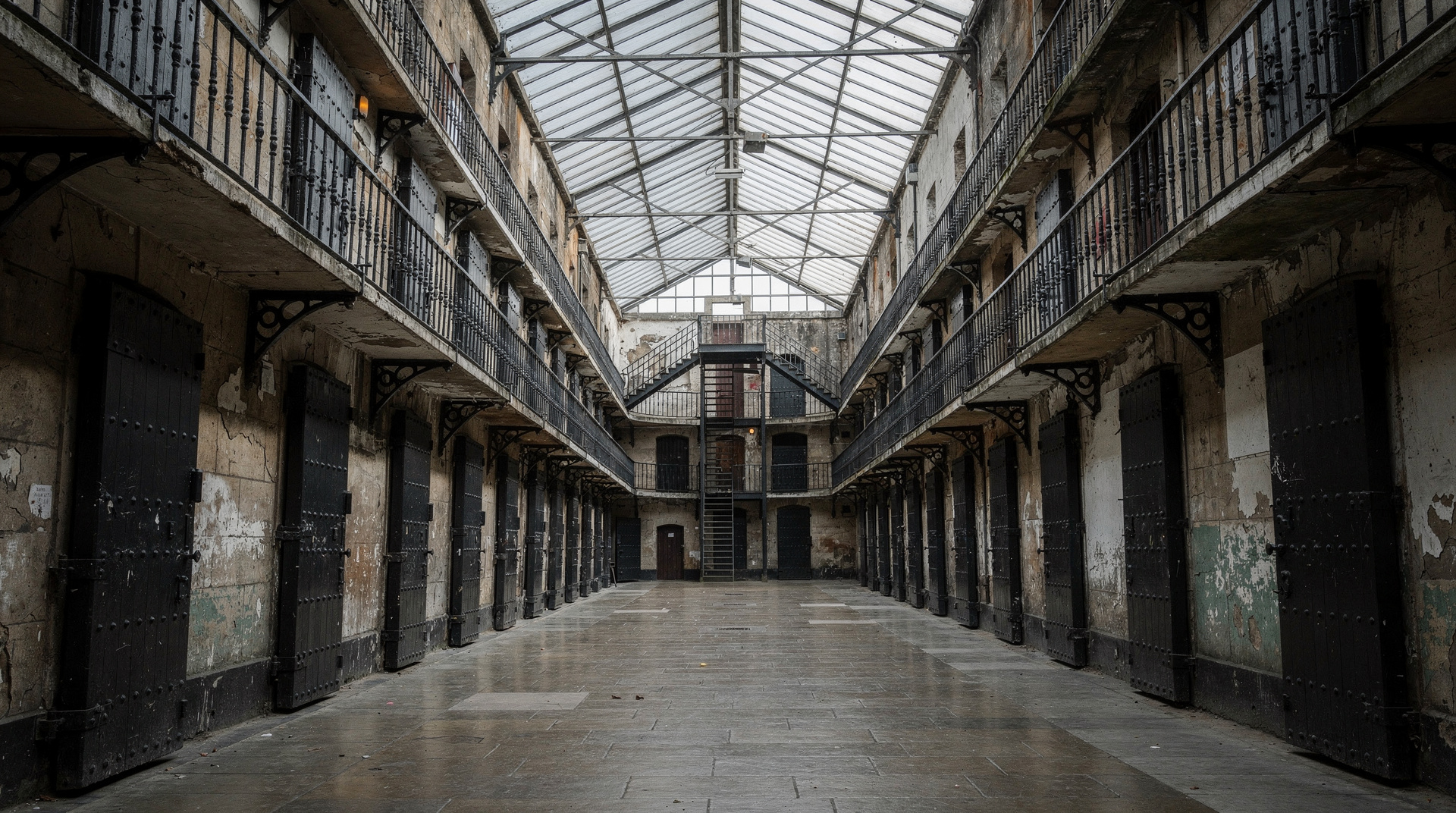
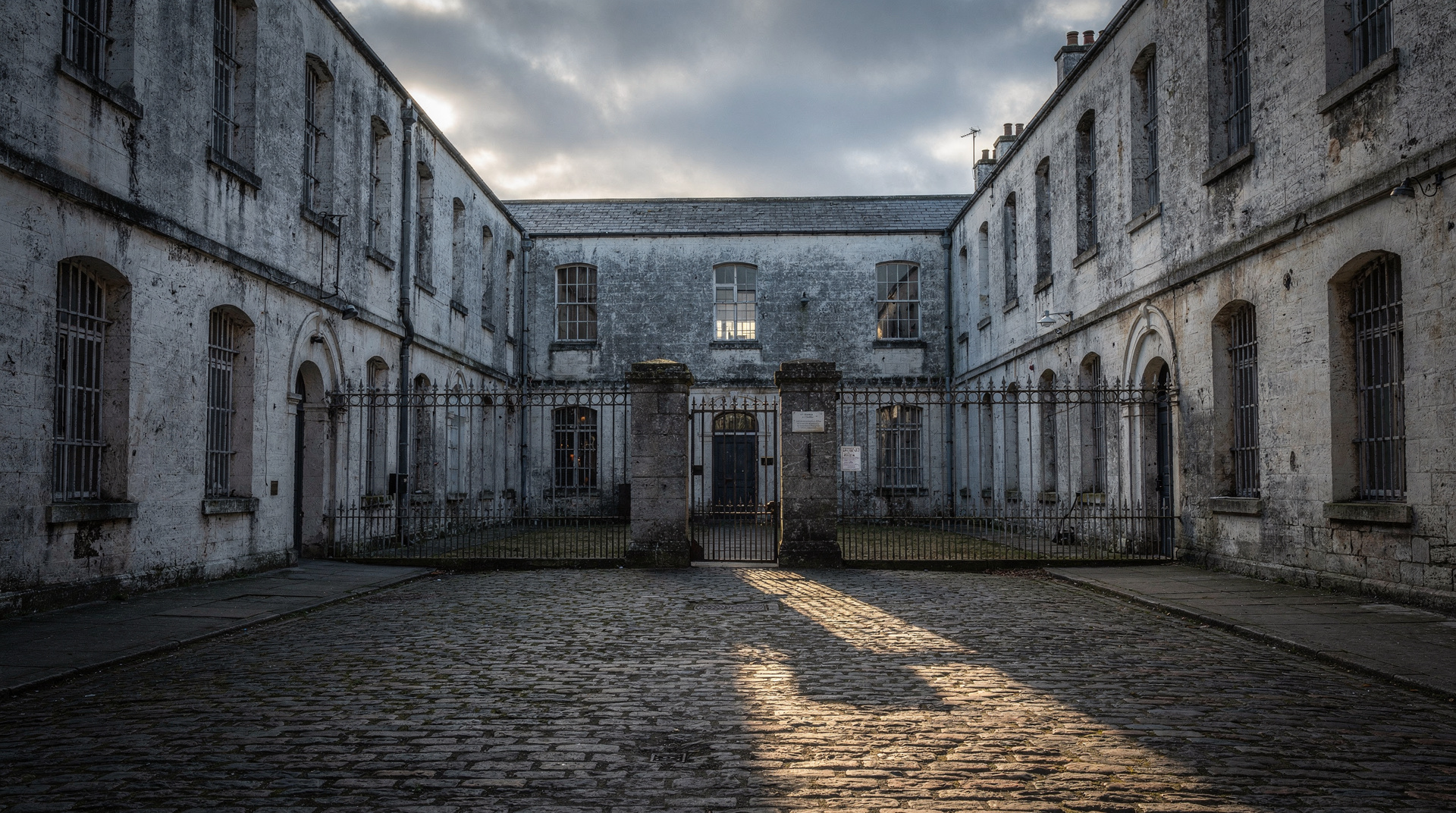
The contrast when you enter the Victorian East Wing is architectural and literal. Built in the 1860s on a panopticon plan — a radial design allowing guards to observe all cells from a single central point — this wing has skylights and an airy central hall. It is the image most people associate with Kilmainham. It appeared in The Italian Job (1969) and dozens of film and television productions since.
The prison chapel is where Joseph Plunkett, one of the 1916 leaders, was married to Grace Gifford in the hours before his execution. They were allowed ten minutes together. The story is one of the most affecting details the guides share.
The Stonebreakers’ Yard is the endpoint of the tour. The fourteen executions took place here over nine days. James Connolly, who had been badly wounded in the fighting and could not stand, was carried out on a stretcher and shot while tied to a chair. The guides explain why the British decision to execute the leaders — rather than imprison them — transformed public opinion and ultimately shaped the Ireland that emerged from the War of Independence.
Booking: the most important advice
Kilmainham is the attraction in Dublin that most consistently sells out. Unlike the Guinness Storehouse or Book of Kells, it does not have skip-the-line products or extra ticket releases — it runs a fixed number of guided tours per day, each with a fixed group size. During summer (June–August), the most popular slots fill 4–8 weeks in advance. This is not an exaggeration.
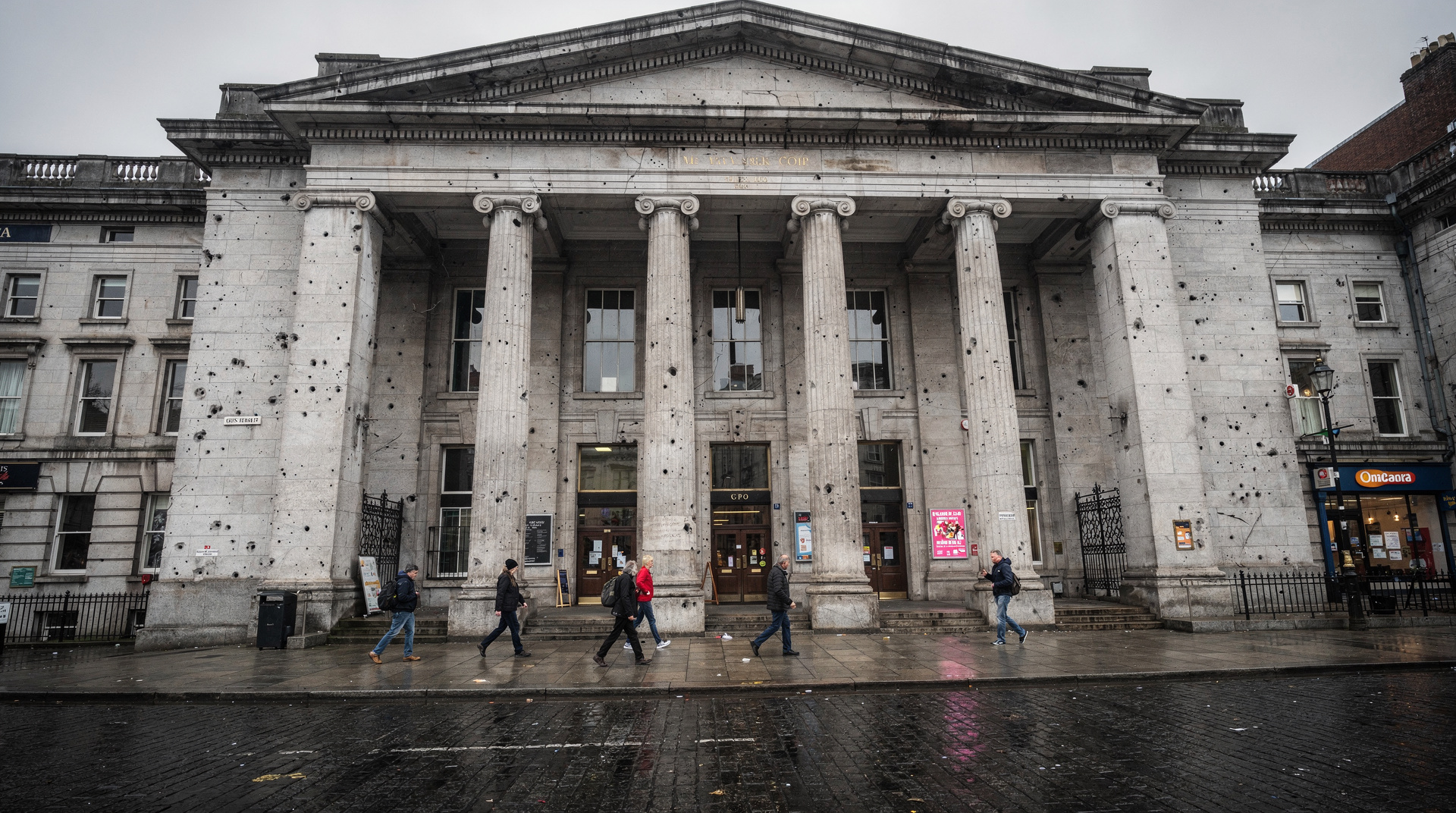
Book through the Heritage Ireland / OPW website as early as your travel dates allow. If your preferred slot is full, check back regularly — cancellations do appear. If you have missed the window entirely, the 1916 Rising walking tour with GPO Museum entry is an excellent alternative: the 1916 Rising walking tour and GPO Museum entry covers the rebellion’s origins and street fighting in the north inner city, and is easier to book at shorter notice.
Adult tickets cost approximately €8; children (5–17) approximately €4. The price is low given the quality of the experience.
Getting there and logistics
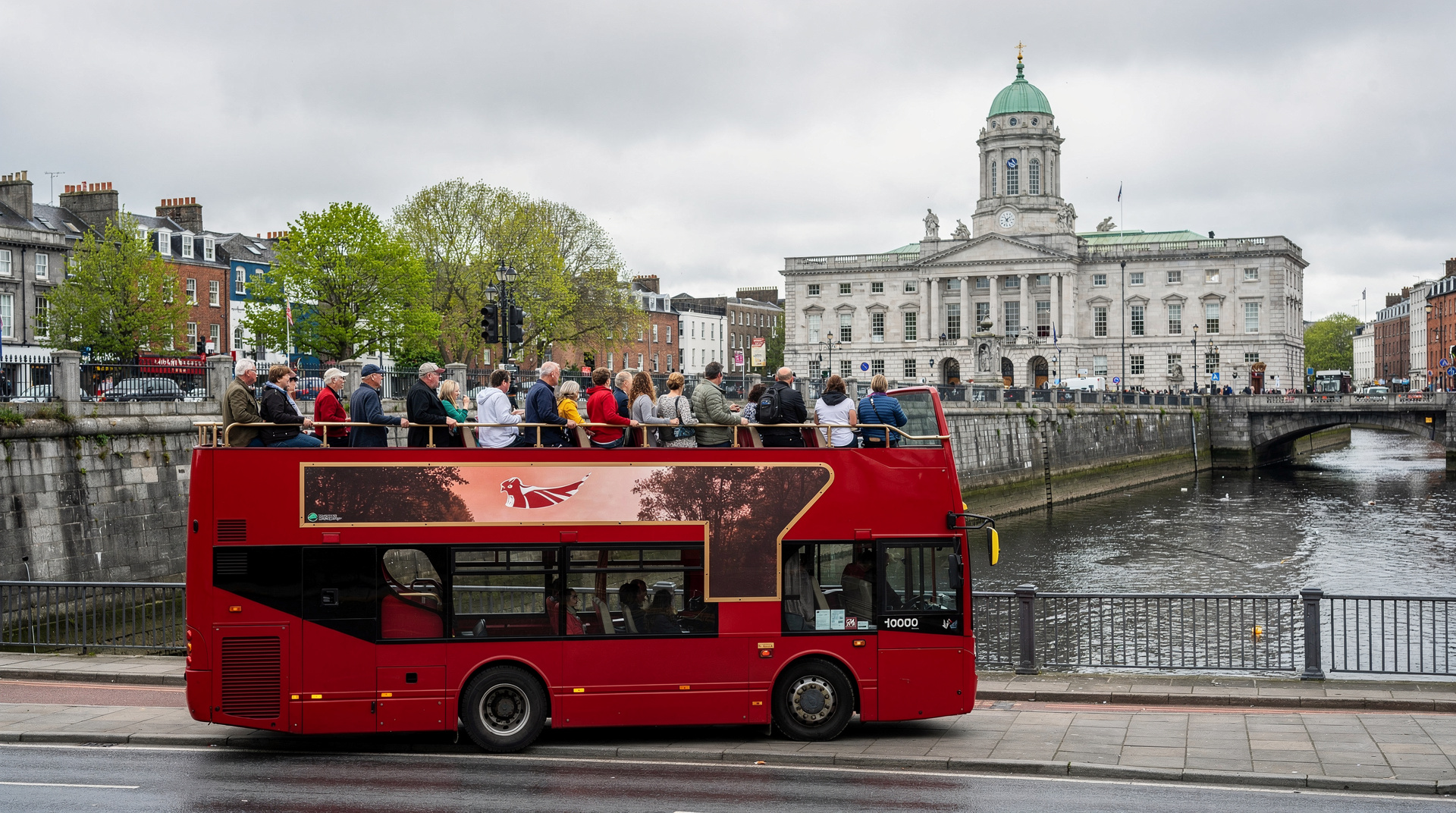
Kilmainham is 3 km west of the city centre and not walkable from most hotels without planning. Dublin Bus routes 13, 40, and 51B serve the area. A taxi from the city centre costs approximately €10–€12. The hop-on hop-off bus includes a Kilmainham stop, which is useful if you are combining with the Guinness Storehouse and other Liberties sites on the same day.
The gaol itself is an exposed courtyard site. Wear comfortable shoes and a layer — the tour includes time outdoors in the yards regardless of weather.
Building the 1916 context
A Kilmainham visit is most rewarding when you arrive with some knowledge of the Rising. The private 1916 Easter Rising walking tour takes you through the GPO, the Four Courts, and other key sites before you visit the gaol, which gives you a stronger understanding of the connections between locations.
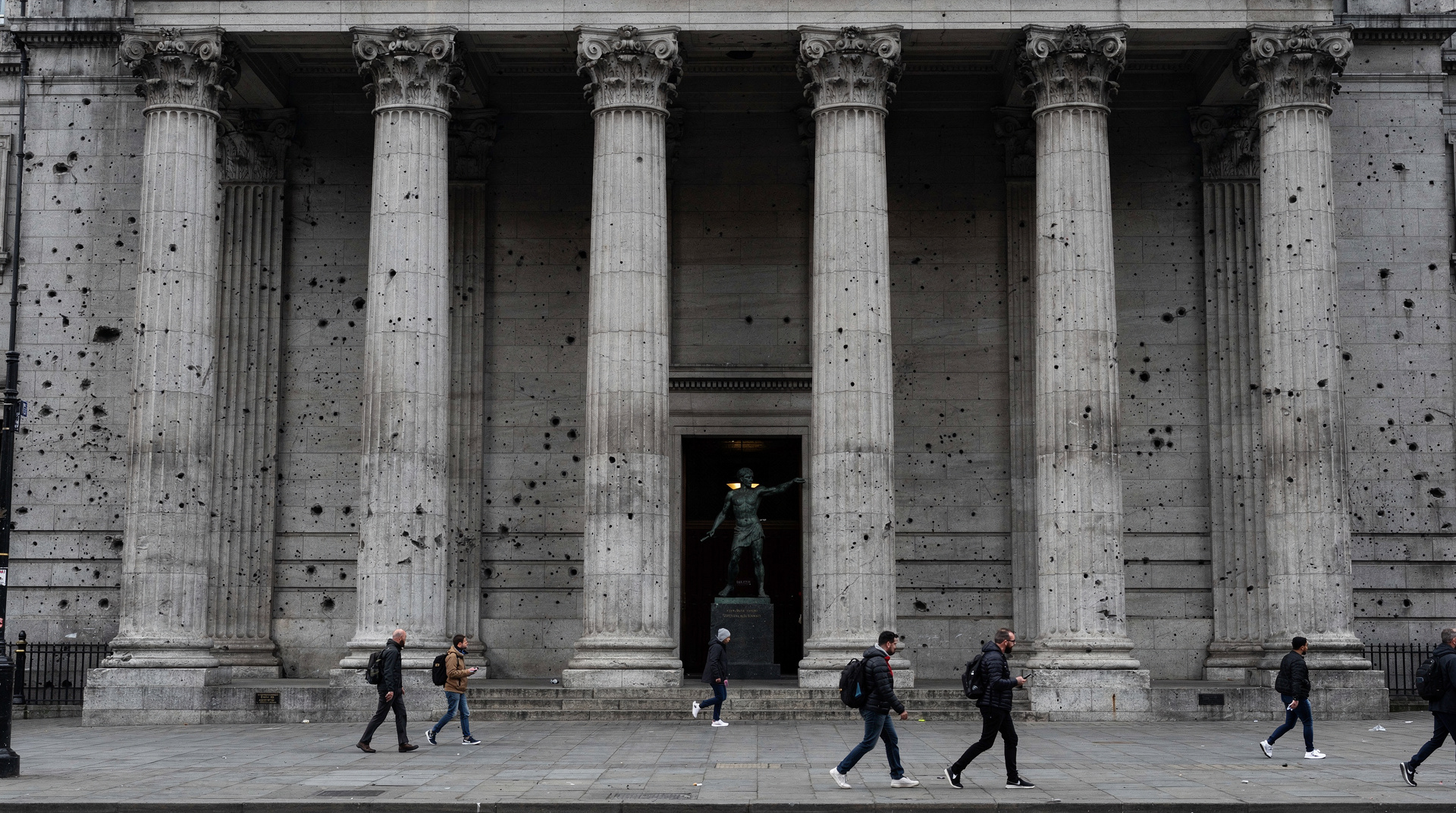
The 1916 Easter Rising guide is the best place to read the context. The GPO Museum on O’Connell Street is the companion site to Kilmainham — it covers the Rising from the inside of the rebels’ headquarters while Kilmainham covers the aftermath. The 1916 Rise of the Rebels bus tour covers both in a single day.
For a broader history itinerary, the Dublin history buff 3-day guide places Kilmainham in the context of Glasnevin Cemetery, the National Museum, and the Boyne Valley sites.
Honest notes
The gaol is not gimmicky. There are no dramatic light shows or augmented reality experiences. The experience is a serious, sobering guided tour of a real prison, told by guides who clearly care about what they are conveying. Some visitors find it unexpectedly emotional; this is the intended effect. Do not expect to come out light-hearted.
The museum at the end of the tour — included in the ticket — contains letters, personal effects of the executed leaders, and documentation of the 1960s restoration effort. Allow 20 minutes for it rather than rushing past. Some of the letters written on the night before execution are among the most moving documents in Ireland.
Before your tour: how to prepare
A little preparation changes the visit. The guides assume visitors know roughly why 1916 matters, and the tour lands harder if you have the outline in your head before you walk through the gate. Reading the 1916 Easter Rising guide the evening before is enough; you do not need to be a student of Irish history. If you want the longer arc, the Irish revolution history walk shows how the Rising, the War of Independence and the years that followed connect across the city.
It also helps to think about the order of your day. Kilmainham is an intense experience, and many visitors find they want something lighter afterwards. Putting the tour in the morning and a gentler afternoon after it, perhaps a long lunch or a stroll somewhere green, works better than stacking it between two other heavy sights. The self-guided Dublin walk is a good way to rebuild your energy while staying in the city’s history.
What the tour feels like from the inside
The group moves slowly and mostly together, and the guide controls the pace. This is deliberate: the gaol is a place where the story is told room by room, and the guides stop at each point long enough for the detail to sink in. You will stand in cold stone corridors, look into cells with the doors open, and hear what happened to specific people rather than to prisoners in general. That personal focus is what separates Kilmainham from a standard heritage walk.
The West Wing and the East Wing leave very different impressions. The older section is cramped and dark, and it is easy to understand why the Famine-era stories hit so hard there. The later hall is bright and open, which makes the human stories told inside it feel even more striking by contrast. Take your time looking up as well as around; the light in the central hall is the reason so many photographers and film crews have been drawn here.
Listen closely in the chapel and the yard. The guides tend to drop their voices and slow down in these two places, and the quiet in the group is part of the experience. Keep phones silent and resist the urge to talk over the commentary; other visitors have come for the same reason you have.
Photography, accessibility and practical comfort
Check the Heritage Ireland / OPW booking page for the current rules on photography and for the accessibility information before you go, since conditions inside a historic prison can change. The building is old, with uneven floors, stairs and narrow passages, and the tour includes time outdoors in the yards. If anyone in your group has mobility needs, read the Dublin accessibility guide and contact the site ahead of time rather than hoping to sort it out at the gate.
Dress for a stone building. Interiors can feel cold even on a mild day, and the yards offer little shelter from wind or rain. Layers and sturdy shoes are the simple answer. There is no need to carry much; a small bag is easier than a large one in tight corridors.
Who gets the most from Kilmainham
Anyone interested in Irish history will get something out of the visit, but a few kinds of traveller find it especially rewarding:
- First-time visitors who want to understand what shaped modern Ireland. The Dublin first-time guide places Kilmainham among the other essentials so you can decide how it fits your trip.
- History enthusiasts who like to see the places where events actually happened rather than read about them in a museum case.
- Families with older children who are ready for serious subject matter. The Dublin with kids guide helps you judge which sights suit which ages.
- Solo travellers, for whom a guided group tour is an easy, sociable way to spend an hour or two. The Dublin solo travel guide covers more ideas of this kind.
If you are mainly in Dublin for drinking and nightlife, Kilmainham may feel like a change of register, but that contrast is exactly why many people remember it as the most meaningful part of their trip.
Fitting Kilmainham into your Dublin days
Because the tour is fixed and pre-booked, plan the rest of your itinerary around it rather than the other way round. Once you have a confirmed slot, add the surrounding days. The Dublin 3-day planning guide and the Dublin 2-day itinerary both leave room for a half-day outside the centre, and Kilmainham slots into that gap naturally.
If your time is very short, the one-day Dublin itinerary is tight, and you will need to decide honestly whether Kilmainham or another major sight takes priority. With only a day, many visitors choose the one that matches their interests most closely and save the others for a return trip. For Kilmainham, the emotional payoff is high enough that it often wins that choice.
On a wet day, remember that most of the tour is indoors but not all of it. The rainy day Dublin guide is useful if the weather turns and you need to rearrange your plans around a booking you cannot move.
Why Kilmainham matters beyond the tour
The gaol is one of the places where Dublin’s history is easiest to feel. Many city attractions ask you to imagine the past; Kilmainham shows you rooms where the past happened. That is why the same few details, the chapel wedding, the chair in the yard, the Famine-era cells, stay with people long after they have forgotten other sights from the same trip.
It also helps to see Kilmainham as one chapter in a larger story. The Great Famine in Dublin guide explains the wider suffering that the gaol’s early cells only hint at, and the Glasnevin Cemetery guide follows the stories of those commemorated after the events. Taken together, these sites give a rounded sense of the period, from imprisonment to remembrance.
What to see nearby if you have extra time
Kilmainham sits in a small cluster of sites that reward a longer visit than the 1-hour tour alone. The Irish Museum of Modern Art occupies the former Royal Hospital Kilmainham, a 17th-century building a few minutes’ walk away, and the Irish War Memorial Gardens on the banks of the Liffey are a quieter, reflective stop after the intensity of the gaol tour. Neither requires advance booking the way Kilmainham does, which makes them easy to add on the day.
If you are building a history-focused day, pairing Kilmainham with Glasnevin Cemetery — the final resting place of many of the same 1916 leaders — is one of the more thematically coherent combinations in Dublin, though the two sites are on opposite sides of the city and require a taxi or bus connection between them.
Frequently asked questions about Kilmainham Gaol guide
How far in advance should I book Kilmainham Gaol?
Book as early as possible — ideally 4 to 8 weeks in advance in summer, and at least 2 weeks in advance in shoulder season. Kilmainham runs exclusively on guided tours with fixed group sizes, and the allocation of tickets sells out rapidly. Cancellations do occur, so checking back closer to your travel dates is worthwhile if your preferred slot is full.How much does Kilmainham Gaol cost in 2026?
Guided tour tickets cost approximately €8 for adults and €4 for children aged 5–17. Under-5s are free. Booking is through the Heritage Ireland website (OPW). There is no door-price option — all visits must be pre-booked.How long is the Kilmainham Gaol tour?
The standard guided tour runs approximately one hour. This covers the central hall, Victorian East Wing, historic cells, prison chapel, and the Stonebreakers' Yard. There is also a free museum at the end of the tour with additional artefacts and the tour guide's commentary panel. Allow 1.5 hours total including the museum section.Who was executed at Kilmainham Gaol?
Fourteen leaders of the 1916 Easter Rising were executed in the Stonebreakers' Yard in May 1916, including Patrick Pearse, James Connolly, and Thomas Clarke. Connolly, badly wounded in the Rising, was shot while tied to a chair because he could not stand. Robert Emmet, the nationalist leader of the 1803 rebellion, was held here before his execution elsewhere. The last political prisoner was Éamon de Valera, released in 1924.Is Kilmainham Gaol suitable for children?
The recommended minimum age is 5. The content — executions, solitary confinement, famine prisoners — is genuinely heavy. Many parents take children from age 8 or 9 and find it works well with preparation. The guides are skilled at pitching their commentary appropriately for mixed groups. It is not a Halloween-style fright attraction; the emotional weight comes from historical fact.How do I get to Kilmainham Gaol from the city centre?
Kilmainham Gaol is about 3 km west of the city centre. Dublin Bus routes 13, 40, and 51B stop nearby. A taxi or FreeNow from Dame Street costs approximately €10–€12. The Luas Red Line stops at Suir Road (about 15 minutes' walk). The hop-on hop-off bus includes Kilmainham on its route.What happens if Kilmainham Gaol tickets are sold out for my dates?
Check back regularly on the Heritage Ireland / OPW site — cancellations do appear, sometimes close to the date. If nothing opens up, the 1916 Rising walking tour with GPO Museum entry covers the rebellion's origins and is easier to book at short notice, and the Rise of the Rebels bus tour combines both the GPO and Kilmainham area context in a single outing.Can you combine Kilmainham Gaol with the nearby War Memorial Gardens or Royal Hospital?
Yes. The Irish Museum of Modern Art (in the former Royal Hospital Kilmainham) and the Irish War Memorial Gardens are both a short walk from the gaol, and many visitors combine one of them with the tour to make a fuller half-day in the area rather than a single 1-hour stop.
Top experiences
Bookable activities with verified prices and instant confirmation on GetYourGuide.

Dublin: 1916 Rising walking tour and GPO Museum entry
- Free cancellation
- Instant confirmation

Dublin: 1916 Easter Rising private walking tour
- Free cancellation
- Instant confirmation

Dublin: 1916 Rise of the Rebels bus tour
- Free cancellation
- Instant confirmation

Dublin: Irish Revolution walking tour 1913-1923
- Free cancellation
- Instant confirmation