EPIC The Irish Emigration Museum guide
Dublin: EPIC The Irish Emigration Museum entrance ticket
- Free cancellation
- Instant confirmation
Is EPIC The Irish Emigration Museum worth visiting?
Yes — it is one of the best-designed museums in Dublin. The 20 interactive galleries trace the 10 million people who left Ireland over the centuries, with strong personal stories, genuinely engaging technology, and no heritage-kitsch. Allow 1.5 to 2 hours. Book online for a small discount and to skip any queue.
Why 10 million people left Ireland — and what happened to them
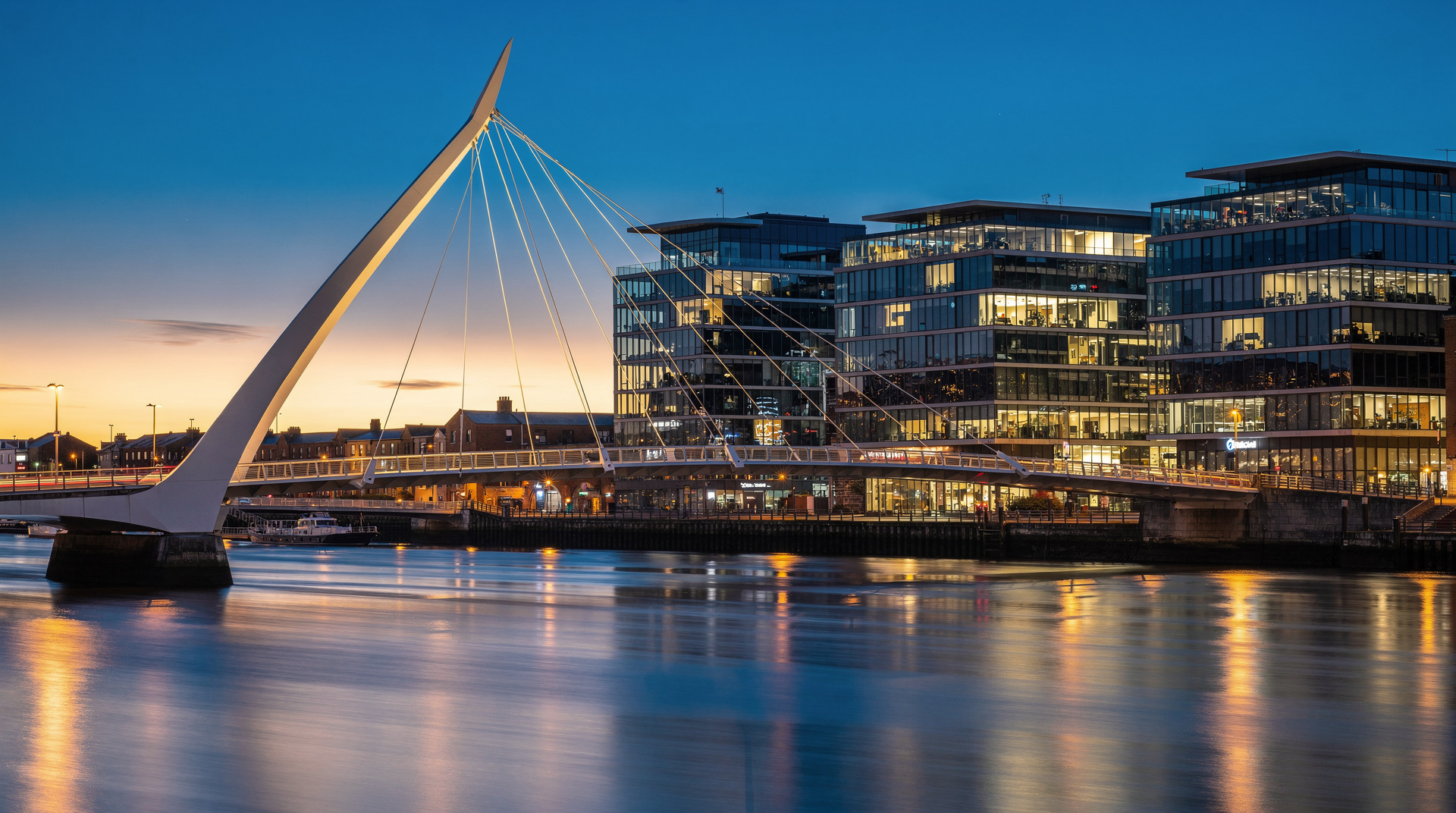
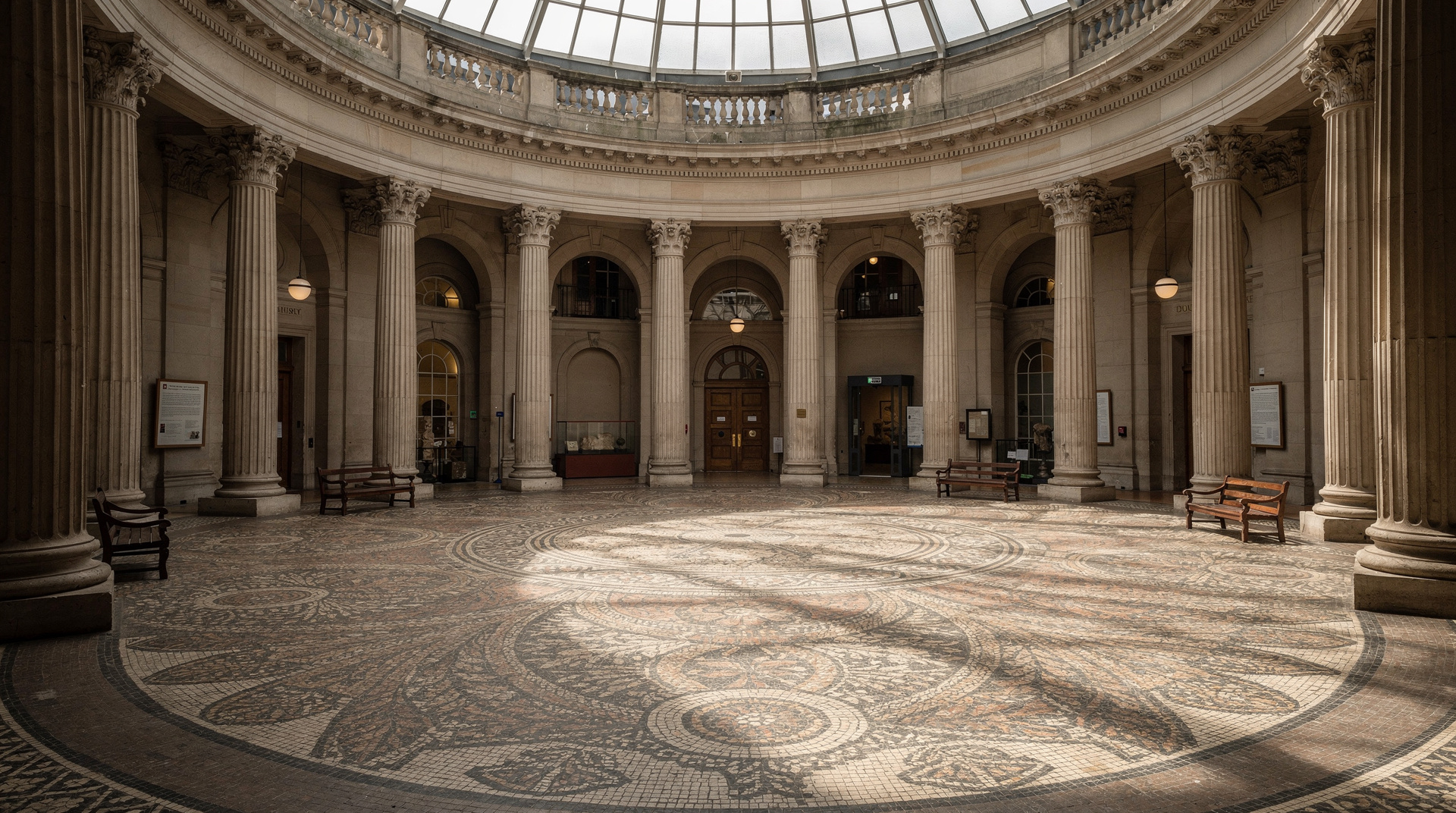
Ireland has a population of approximately five million people. An estimated 80 million people worldwide claim Irish descent. The gap between those two numbers is the subject of EPIC The Irish Emigration Museum, which opened in 2016 in the Victorian CHQ building on Custom House Quay in the Dublin Docklands.
It is one of the few museums in the world whose subject is departure rather than arrival, and it handles a painful story — centuries of famine, colonial dispossession, and economic necessity that sent generation after generation of Irish people to America, Australia, Britain, and beyond — with remarkable skill. Twenty themed galleries trace the emigrants themselves: the Famine ships, the building of American railways, the Irish in British politics, the diaspora writers and musicians and athletes who shaped culture far from home.
| Where | CHQ Building, Custom House Quay, Docklands |
| Cost | Around €16–18 adults, €7–9 children |
| Time needed | 1.5–2 hours (add ~1hr for Jeanie Johnston) |
| Getting there | 20-min walk from Trinity, or Luas to Connolly |
| Best for | Irish diaspora visitors; ages 8+ |
What the galleries cover
The museum is arranged in 20 themed rooms across two floors of the brick CHQ warehouse. You move through them in a broadly chronological order, though the experience is more thematic than strictly linear.
Early galleries deal with the pre-Famine emigration — the Scots-Irish who went to the American colonies in the 18th century, the transportation of convicts to Australia, the economic migration of skilled workers to Britain. This context matters: the Famine intensified an existing pattern rather than beginning it from scratch.
The Great Famine galleries are the emotional centre of the museum. The installation showing the scale of the population collapse — Ireland’s was the only population in Europe to decrease in the 19th century — uses light and sound more effectively than text panels. Individual stories carry the statistics: names, townlands, destinations, outcomes. Some visitors find these rooms very affecting.
Later galleries follow the emigrants themselves. There are galleries on the Irish in American politics (nine US presidents have claimed Irish heritage), Irish writers abroad (Joyce in Trieste and Paris, Beckett in France, F. Scott Fitzgerald), Irish involvement in independence movements in South America and Australia, and the diaspora musicians whose influence runs from folk music to rock and beyond.
The Champions Gallery at the end lists the verified Irish-descended figures who shaped their adopted countries. It is extensive and includes people you would not expect.
The technology
EPIC is the most technologically ambitious museum in Dublin and one of the best in Ireland. Large touchscreen family trees allow visitors to explore connections. Audio stations play excerpts from letters, speeches, and songs. A cinematic installation recreates a journey aboard a famine vessel with period-authentic detail. The standard of production is consistent throughout and the narrative voice is honest — emigration was largely forced, not romantic.
The Jeanie Johnston
Moored 200 metres from EPIC on Custom House Quay, the Jeanie Johnston is a full-scale replica of a 19th-century three-masted barque. The original vessel made 16 transatlantic crossings between 1847 and 1858, carrying over 2,500 emigrants — and, extraordinarily, not a single death. Other ships of the same era were losing 10–20% of passengers to disease and starvation in the holds. The Jeanie Johnston’s survival rate was due largely to its captain’s insistence on better ventilation and a ship’s doctor on every voyage.
The Jeanie Johnston Tall Ship Irish Famine history tour takes about 50 minutes and covers the hold where emigrants slept, the family cabins, and the ship’s remarkable story. The guide brings individual passenger histories. It is a good complement to EPIC’s interior focus — the contrast between reading about the crossings in the museum and then standing in the hold where they happened is considerable.
The EPIC Museum and Jeanie Johnston combo ticket is the most efficient way to do both and saves money compared to buying separately.
Booking and practical details
EPIC Museum entrance tickets are available online and at the door. There is rarely a significant door queue — online booking saves a small amount and guarantees entry. Adult tickets are approximately €16–€18; children €7–€9.
EPIC is open daily 10:00–17:00 (last entry 16:00). The museum is in the CHQ Building, Custom House Quay, in the Docklands — a 20-minute walk from Trinity College along the north quays. The Luas Red Line runs to Connolly Station (10 minutes’ walk from EPIC). If you combine it with a broader Docklands visit, the area has good restaurants along the quay that make a natural lunch stop.
What makes EPIC different from a typical history museum
Most Dublin history museums are object-led: you look at a display case and read a panel. EPIC inverts this. Each of the 20 rooms is built around a single question or theme — “Why did they leave?”, “How did they get there?”, “What did they become?” — and answers it through a mix of touchscreen storytelling, audio and short film rather than static cases. There are very few physical artefacts on display; the museum’s own line is that the story matters more than the objects, since so much of what emigrants carried has simply been lost to time.
This design divides opinion. Visitors who prefer traditional museums with tangible objects sometimes find EPIC’s screen-heavy approach less satisfying than a case of genuine 19th-century relics. Visitors who engage well with narrative and multimedia tend to rate it as one of the best museum experiences in Ireland. Either way, allow the full 1.5–2 hours; rushing through undermines the format, which relies on you actually reading and listening at each station rather than skimming.
Combining with a Docklands day
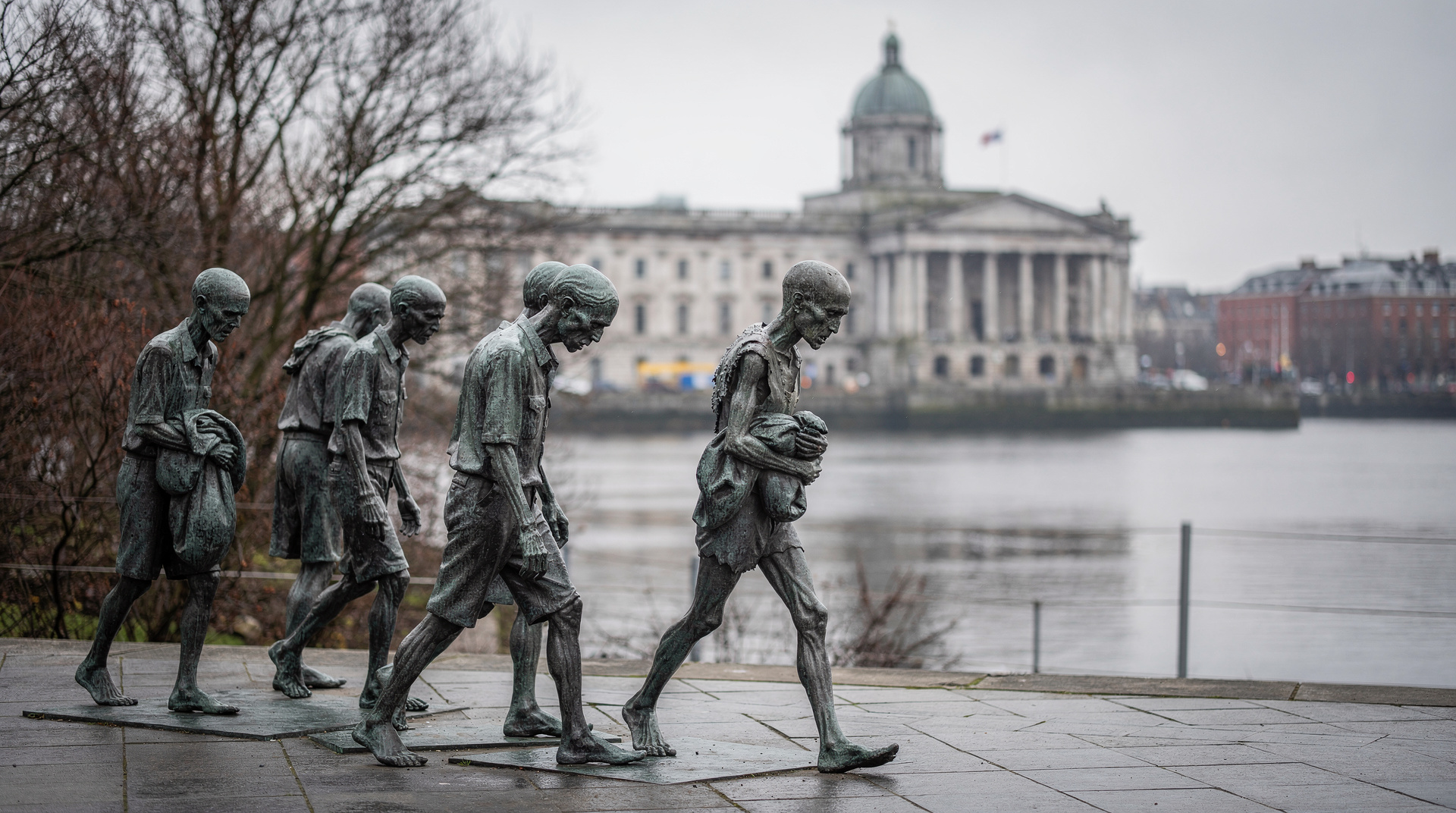
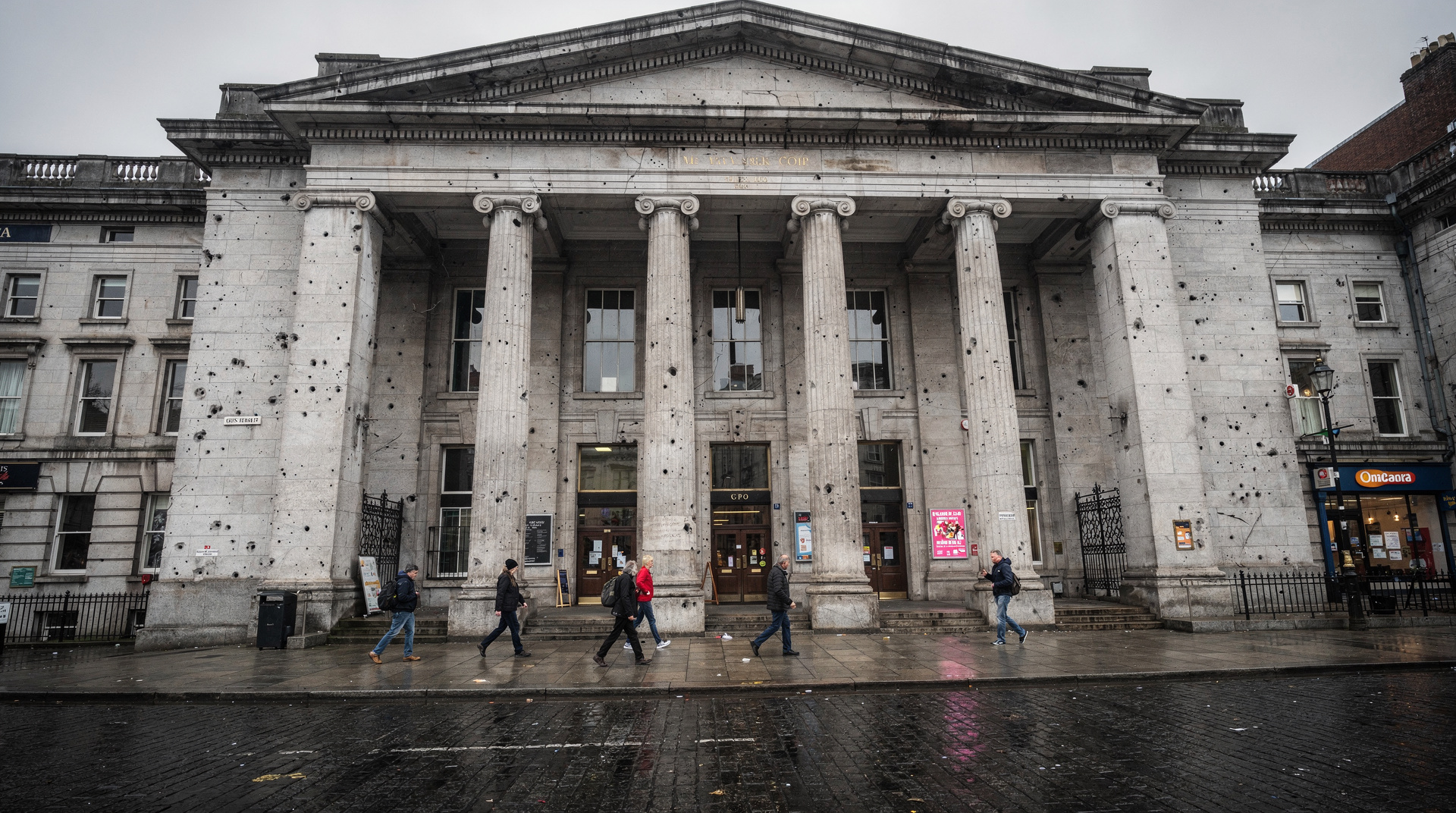
EPIC anchors a broader Docklands visit well. The area around Custom House Quay has expanded significantly with restaurants, and the Famine memorial statues on the quay — a line of gaunt bronze figures walking toward the ship — are a free, sobering stop worth five minutes before or after the museum. For visitors interested in more recent Irish history, the 1916 Easter Rising guide covers the GPO and O’Connell Street sites a short walk to the west, making a natural half-day pairing of emigration and revolution-era history.
Pairing with the Great Famine story
EPIC covers emigration broadly; for a deeper focus on the Famine specifically, the Great Famine walking tour with fast-track EPIC tickets combines a guided walk through the Famine memorial sites along the quays with EPIC entry — a strong combination that gives the exterior monuments meaning before you go inside.
The Great Famine guide covers the Famine in detail, including the National Famine Memorial, the Famine statues on Custom House Quay, and the historical context that EPIC builds on. The National Museum of Ireland guide is the natural companion for the broader sweep of Irish history, including the period before the Famine.
For visitors whose primary reason for coming to Ireland is genealogical, EPIC can connect you to the Irish Family History Centre upstairs in the same building, which offers personal research assistance — a service that EPIC’s own displays will have pointed you toward.
How to approach the galleries
Treat the visit as a story with a beginning, a low point and a long afterlife. The opening rooms ask why people left, the middle rooms deal with the crossings and the arrival, and the final rooms ask what the emigrants and their descendants became. If you keep that arc in mind, the screens and audio stations stop feeling like separate exhibits and start to read as chapters. Take a moment in each room to decide which one story you will follow closely, and let the rest wash over you; trying to absorb every station is the fastest route to fatigue.
Pace yourself around the Great Famine rooms. They sit at the emotional centre of the museum, and many visitors want a minute of quiet afterwards before moving on. Nothing forces you to hurry, since the museum has no hard exit time, so use that freedom. If you are visiting with a group, agree beforehand that people can drift at their own speed and meet near the end.
Families with older children can turn the visit into a small project. Ask each child to pick one emigrant whose story caught their attention and tell it back over lunch. It works well because the museum is built around individual lives rather than dates, and it gives younger visitors something concrete to hold on to. For more ideas on keeping children engaged elsewhere in the city, see the Dublin with kids guide and the rainy day with kids guide.
Who gets the most from EPIC
Visitors with Irish roots tend to leave with the strongest reaction, because the museum gives a name and a shape to a family story that may have been told in fragments. If that is you, bring whatever you know about your ancestors: a surname, a county, a rough date of departure. Even a thin thread makes the galleries more personal, and it makes the genealogy service in the same building far more useful.
Visitors with no Irish ancestry should not feel excluded. The museum is really about migration as a human experience, and the questions it raises, such as why people leave, what they carry and what they build, apply well beyond Ireland. It also explains why Irish names, pubs, music and festivals appear in so many countries, which is a useful lens on the rest of your trip. If you are still shaping that trip, the Dublin first-time guide and the how many days in Dublin guide will help you place EPIC alongside everything else.
Solo travellers will find the format comfortable. Everything is self-paced, nobody rushes you, and the audio and touchscreen stations suit a quiet visit. The Dublin solo travel guide has more on how to build a day around attractions like this one.
Planning EPIC into your Dublin days
EPIC fits neatly into a half-day. Many visitors go in the morning, take lunch along the quay, and then walk to the ship or on to another sight in the afternoon. Because the museum is indoors, it is also a sensible plan B when the weather turns, and the rainy day in Dublin guide lists other options that pair well with it.
If you are building a longer itinerary, EPIC sits comfortably inside a history-focused stay. The Dublin history buff itinerary strings together the city’s major historical sights, and the Dublin 3-day itinerary shows how to fit a museum morning around the headline attractions. On a shorter visit, the Dublin 2-day itinerary leaves less room, so choose between EPIC and another indoor sight rather than trying to do everything.
Think about the order of your sights too. The emigration story reads best after you have seen something of the Ireland that people were leaving. A visit to Kilmainham Gaol or Glasnevin Cemetery earlier in your trip gives the later EPIC galleries more weight, because you will already have a feel for the political and social pressures of the period.
Around the Docklands
Once you step back outside, the Docklands reward a slow stroll. The quays are open and easy to walk, and the mix of restored warehouses and newer buildings shows how much this part of the city has changed. The Dublin Docklands destination page covers the wider area, and the Titanic Quarter page is a useful reminder of how closely the story of ships and departures ties Irish cities together, even though it points to Belfast rather than Dublin.
If you want to get your bearings on foot afterwards, the self-guided Dublin walk is a straightforward way to link the quays with the city centre. For getting between sights, the getting around Dublin guide explains the options, and the Dublin Luas and DART guide covers the rail and tram lines in more detail.
Booking and timing sense
Because the museum is rarely crowded at the door, you do not need to plan your day around a fixed slot, but booking ahead removes any doubt and leaves your morning flexible. If you intend to add the ship tour, think about doing the museum first so that the hold of the Jeanie Johnston feels like a payoff rather than a preview. If you are using a city pass, check whether it covers EPIC before paying separately; the Dublin Pass worth it guide and the booking attractions in advance guide explain how to decide.
Finally, leave some energy for the day after. EPIC is absorbing, and many visitors find they want something lighter next, such as a pub session or a coastal walk. The traditional Irish music in Dublin guide is a good way to hear for yourself the musical inheritance the final galleries celebrate, and the Dublin Bay boat tours guide offers a view of the water that so many emigrants sailed across.
Frequently asked questions about EPIC The Irish Emigration Museum guide
How much does EPIC Museum cost in 2026?
Online adult tickets run approximately €16–€18. Children (5–14) cost around €7–€9. Family tickets are available. The Jeanie Johnston combo (EPIC plus a tour of the tall ship moored 200 metres away) costs approximately €25–€30 for adults and offers the best value if you plan to do both.How long does EPIC Museum take?
Allow 1.5 to 2 hours for the museum alone. Add 50–60 minutes for the Jeanie Johnston guided ship tour if you purchase the combo. The museum does not have a hard exit time and you can take as long as you wish in the galleries.What is the Jeanie Johnston?
The Jeanie Johnston is a replica of an original 19th-century 'coffin ship' — the vessels that carried hundreds of thousands of Irish emigrants to North America during and after the Great Famine. The original Jeanie Johnston sailed between 1847 and 1858 carrying 2,500 passengers without a single fatality, which was exceptional. The replica moored on Custom House Quay offers 50-minute guided tours of the hold, cabins, and deck.Who should visit EPIC Museum?
Irish diaspora visitors — particularly Americans, Australians, and Canadians of Irish descent — consistently give EPIC the highest satisfaction ratings of any Dublin museum. But it works equally well for visitors with no Irish heritage who want to understand why Irish culture and names appear across every English-speaking country on earth. Older children (10+) will engage well.Is EPIC Museum suitable for children?
Yes, from about age 8. The multimedia approach — large touch screens, audio stations, cinematic installations — keeps children interested better than traditional display-case museums. Under-5s will be bored by the content but the interactive elements can hold attention briefly.Where is EPIC Museum and how do I get there?
EPIC is in the CHQ Building on Custom House Quay in the Dublin Docklands, about a 20-minute walk from Trinity College or 10 minutes from O'Connell Bridge. The Luas Red Line stops at Connolly (then 10 minutes' walk). The no. 151 bus stops nearby.
Top experiences
Bookable activities with verified prices and instant confirmation on GetYourGuide.

Dublin: EPIC The Irish Emigration Museum entrance ticket
- Free cancellation
- Instant confirmation

Dublin: EPIC Museum and Jeanie Johnston entry ticket
- Free cancellation
- Instant confirmation

Dublin: Great Famine tour with fast-track EPIC Museum tickets
- Free cancellation
- Instant confirmation

Dublin: Jeanie Johnston Tall Ship Irish Famine history tour
- Free cancellation
- Instant confirmation