Dublinia Viking and medieval museum guide
Dublin: Dublinia Viking and Medieval Museum entry ticket
Duration: 1 day
- Free cancellation
- Instant confirmation
Is Dublinia worth visiting in Dublin?
Yes, especially for families and anyone interested in Viking or medieval history. It is interactive, well-paced, and placed on the exact site of Dublin's original Viking settlement. Tickets cost around €12–€14 for adults, and a combo with Christ Church Cathedral next door saves money. Allow 1.5 to 2 hours.
Standing on the site of Viking Dublin
Dublin was founded by Norse raiders in 841 AD. For the next three centuries, the settlement they built at the confluence of the Liffey and Poddle rivers was one of the most important Viking towns in northern Europe: a slave-trading hub, a ship-building centre, and a political power that shaped the entire island. The ridge on which Dublinia stands was the heart of that settlement, and beneath the streets around it lies one of the richest Viking archaeological records ever found in any city.
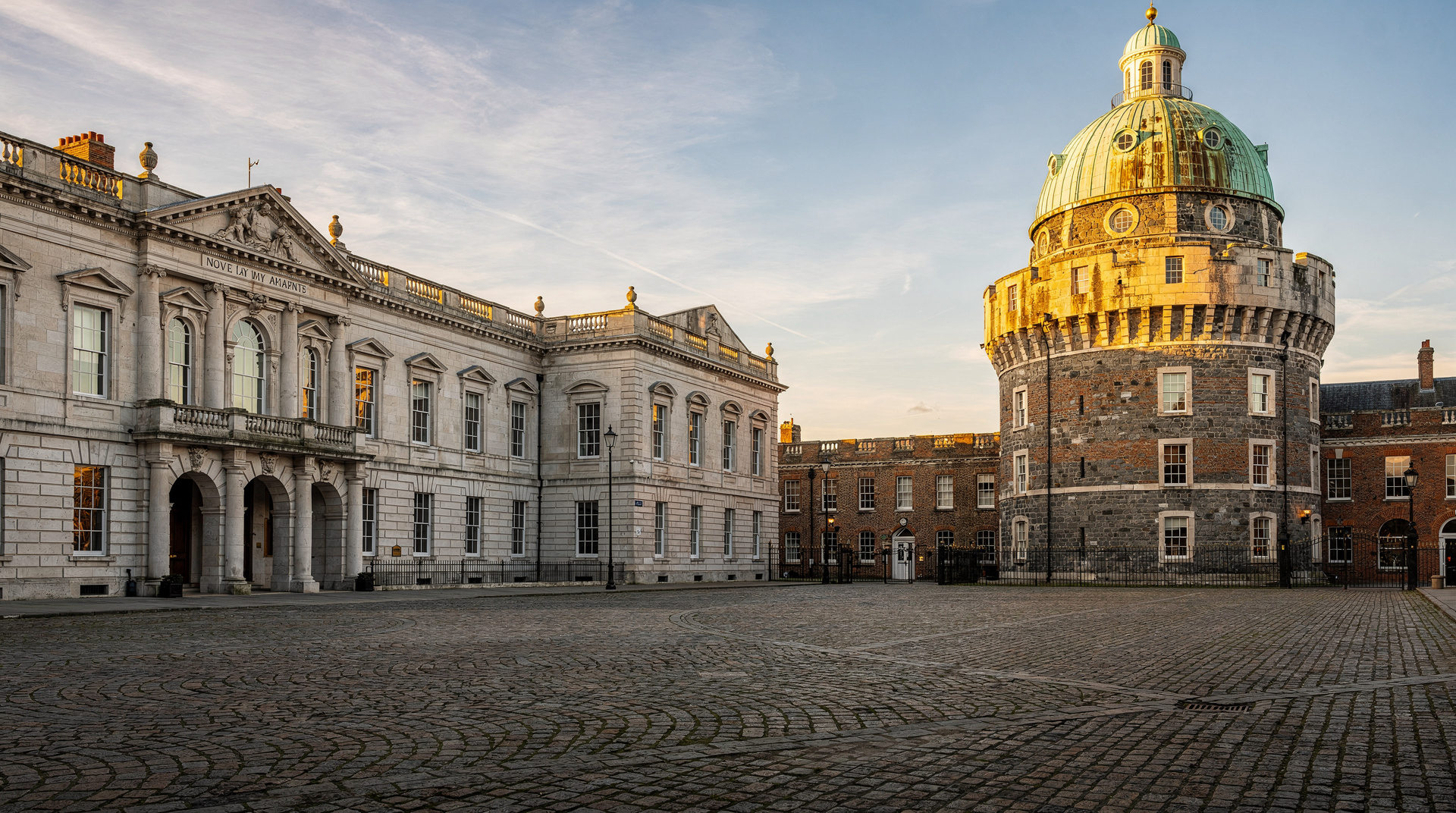
Dublinia opened in 1993 in the former Synod Hall of the Church of Ireland — a Victorian building connected by a covered stone bridge to Christ Church Cathedral — with the specific purpose of making those archaeological findings accessible and engaging. It has been substantially upgraded since and now covers three floors: the Viking settlement, medieval Dublin, and the history of archaeology at the site.
| Where | St Michael’s Hill, beside Christ Church Cathedral |
| Cost | Around €12–14 adults, €7–9 children (combo saves more) |
| Time needed | 1.5–2 hours |
| Getting there | 10-min walk from Dublin Castle or Temple Bar |
| Best for | Families, Viking/medieval history fans |
What the galleries hold
Floor 1 — Viking Dublin is the most compelling section and the best-designed floor in any Dublin attraction for children. The centrepiece is a recreated Viking streetscape based directly on the Wood Quay archaeological evidence: you walk past market stalls, a craftsman’s workshop, a reconstructed house interior with authentic smells, and a ship’s prow. The reconstructions are based on specific artefacts, not generic Scandinavia, which gives them a more honest quality than themed heritage centres tend to manage.
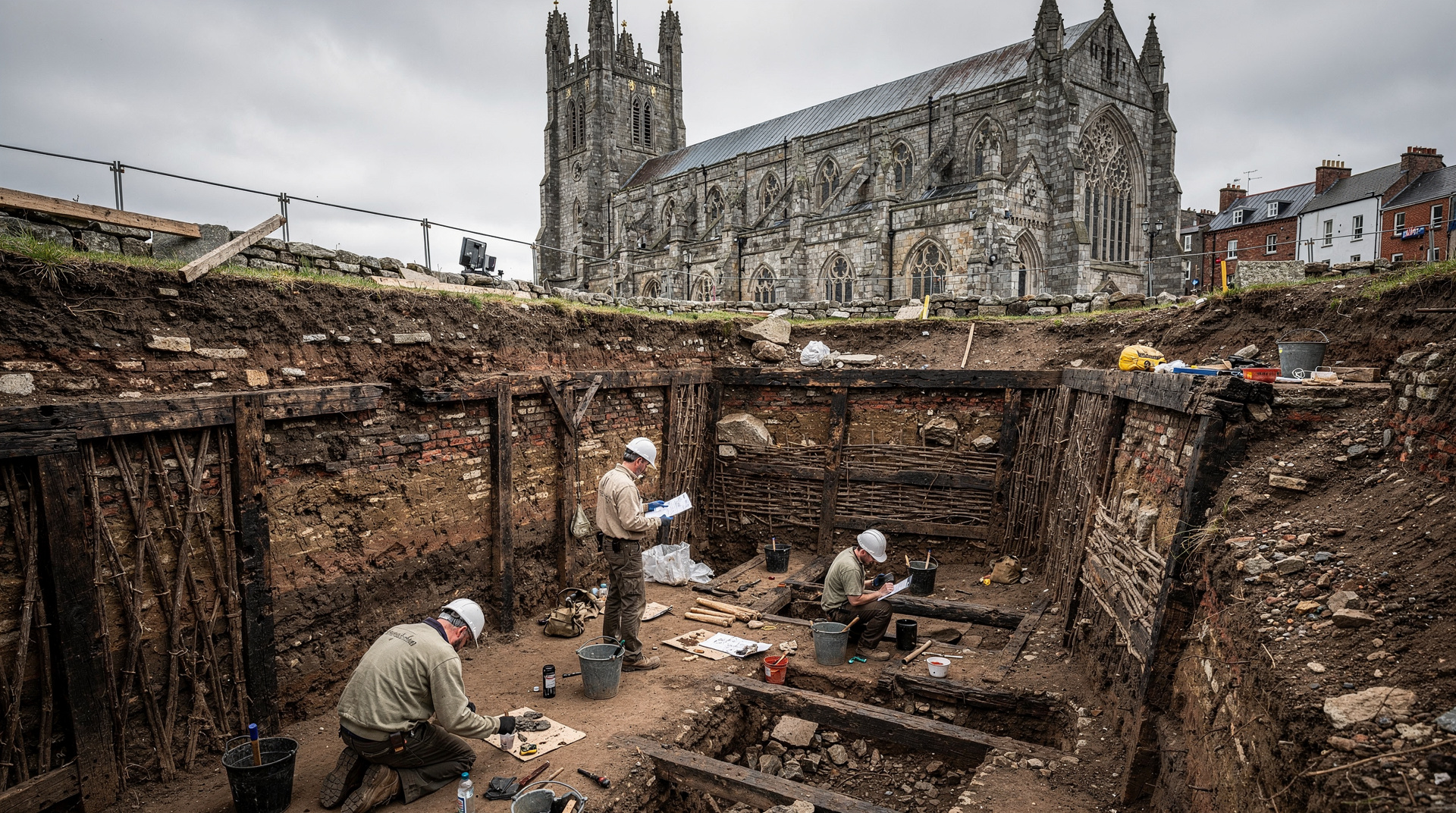
The archaeological evidence cases show actual items recovered from Wood Quay: combs, pins, shoes, games, structural timbers, and a remarkable collection of everyday objects that reveal how ordinary a Viking’s daily life was. The story of the Wood Quay controversy — the battle between archaeologists and Dublin Corporation in the 1970s over a construction project that destroyed most of the site before excavation was complete — is told without pulling punches.
Try on Viking armour and helmets at the interactive stations. These are popular with children and adults alike, and the queue is never very long.
Floor 2 — Medieval Dublin covers the period from the Norman invasion of 1169 through to the end of the medieval era. The exhibition is less dramatically designed than the Viking floor but contains genuine content: a re-creation of the Black Death’s arrival in Dublin in 1348, archaeological reconstructions of the medieval city walls, and a section on the street plan of medieval Dublin that is still visible in the modern city centre.
Floor 3 — Life and Death takes a more scientific approach to the period, including a forensic archaeology section that uses real skeletal remains (with respect for their origins) to explain what medieval life expectancy, diet, and disease looked like. Older children and adults find this section unexpectedly gripping.
St Michael’s Tower — the viewpoint at the top of the building gives one of the best unrestricted views of central Dublin, including Christ Church directly below, the castle, and the Liffey. It is included in the ticket and takes about five minutes to climb.
Tickets and the Christ Church connection
Dublinia Viking and Medieval Museum entry tickets can be booked online in advance. Adult admission runs approximately €12–€14; children (5–15) approximately €7–€9.
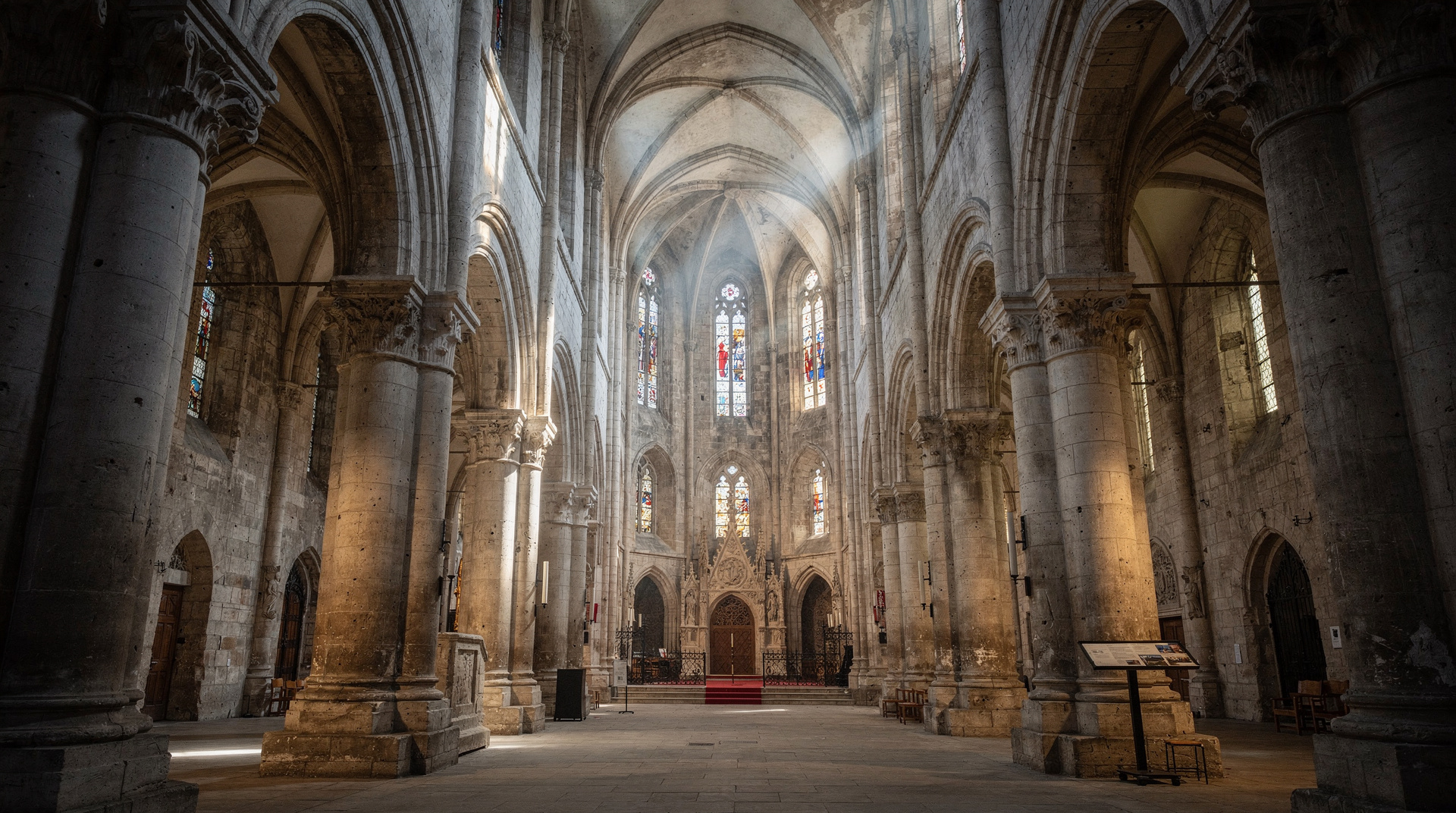
The most natural and economical option for most visitors is the combination ticket for Dublinia and Christ Church Cathedral next door. Christ Church covers the Norman period — the very invaders who ended the Viking settlement that Dublinia depicts — so the two museums form an intentional historical sequence. Move from Dublinia’s Viking and medieval floors, cross the bridge, and you are inside a Norman cathedral built on the rubble of the Viking town. The juxtaposition is historically resonant.
For those who prefer a guided walking context, the Dublin Viking and medieval walking tour visits the key surviving sites in the surrounding streets — including the line of the original city wall, the location of the original Viking longphort, and the medieval gates — before or after the Dublinia visit. The Dublin medieval history walking tour is an alternative that focuses more tightly on the medieval period.
Practical information
Dublinia is on St Michael’s Hill, a one-minute walk from Christ Church Cathedral and about 10 minutes from Dublin Castle. It is open daily from 10:00 to 17:30 in summer (closing at 17:00 November–February). The last admission is 30 minutes before closing.
The building is relatively compact and can get warm on busy days. School groups visit regularly on weekday mornings during term time; if you want a quieter experience, aim for early afternoon on a weekday or the morning of any day outside school term.
What makes the reconstructions credible
Unlike heritage attractions built around generic “Viking Age” theming, Dublinia’s reconstructions are tied directly to specific finds from the Wood Quay dig. The market stall layout follows the footprint of actual excavated post-holes; the objects in the display cases were recovered within a few hundred metres of where you are standing. This grounding is what separates Dublinia from a themed attraction — the curators built the experience around the evidence rather than fitting evidence around a pre-built set. It is worth reading the small interpretive panels rather than skipping straight to the interactive stations, since they explain exactly which finds informed each reconstruction.
The forensic archaeology gallery on the third floor uses similar rigour: the skeletal remains on display come with documented context about age, likely cause of death and diet, rather than being presented as generic props. It is handled with more sensitivity than the marketing suggests, and staff are used to answering children’s direct questions about it.
Who Dublinia suits and who might skip it
Families with children aged 5–15 are the core audience, and the hands-on stations are genuinely built for that range rather than tacked on as an afterthought. Adults travelling without children still find real content here — the archaeological detail rewards a slower pace than most families will take. Visitors with only a passing interest in history and a tight schedule might get more value from a shorter stop at Christ Church Cathedral alone, saving Dublinia for a day with more time. Serious medieval-history enthusiasts short on time should prioritise the third-floor forensic gallery and the Wood Quay evidence cases over the tower climb.
Connecting to the medieval circuit
Dublinia sits at the centre of Dublin’s medieval cluster. Dublin Castle is five minutes east. St Patrick’s Cathedral is 500 metres south. The Viking and medieval Dublin guide provides the historical context that makes all of these sites more readable.
For families using Dublinia as their anchor attraction, the Dublin with kids guide covers the full picture of what works for different age groups. For a rainy afternoon when the weather prevents outdoor plans, Dublinia is one of the best covered options in the city centre — the rainy day kids guide places it in context.
How to pace your visit
The simplest way to get the most from Dublinia is to treat the three floors as three different moods. The Viking floor is noisy, tactile and busy with children, so it rewards a slower first pass followed by a return to the stations that caught your attention. The medieval floor is calmer and more text-led, which makes it a good place to let a restless group catch its breath. The top floor asks for a little patience and rewards it. If you rush the first floor to “get through” it, you arrive upstairs tired and the quieter galleries lose their effect.
With younger children, it helps to decide before you go which two or three things matter most to them (the armour, the street, the tower) and let the rest be a bonus. Older children and teenagers often prefer to head straight for the evidence cases and the forensic section, so splitting the group for a short while, then meeting at the stairs, can work well in a building this compact.
Adults visiting alone or as a couple can take the opposite approach: start with the interpretive panels, then do the interactive stations last, when the reconstructions already mean something. Reading the evidence first turns the recreated street from a stage set into a map of real finds.
Making sense of Wood Quay before you go
Much of what Dublinia shows only lands properly if you know why Wood Quay still matters in Irish public life. The excavations there revealed how densely the Norse town was built, how its craftspeople worked and what ordinary households owned. The argument over whether to build on top of that ground became a national debate about heritage, and echoes of it run through the museum’s account. Reading a little background beforehand, such as the Viking and medieval Dublin guide, means the exhibits read as a story with stakes rather than a sequence of cases.
If you want the same story told in the open air, the Dublin historical walking tour guide and the self-guided Dublin walk both pass through the old core of the city, where the medieval street pattern the museum describes is still something you can follow on foot.
Combining Dublinia with the rest of your day
Because Dublinia and Christ Church share a bridge and a ticket option, the pair makes a natural half-day. From there, the neighbourhood opens up in several directions.
- Toward the Liberties. The streets just beyond the museum belong to the Liberties, one of the oldest parts of the city. The blog post on hidden corners of the Liberties is a good companion for an unhurried wander afterwards.
- Toward the cathedrals and the castle. St Patrick’s Cathedral and Dublin Castle complete a tidy medieval and early-modern loop that needs no transport.
- Toward the museums. If the archaeology hooked you, the National Museum of Ireland guide covers a wider collection of finds from across the island.
- Toward a drink or a meal. The area has plenty of pubs and cafés, and the best pubs in Dublin guide helps you avoid the tourist-heavy options.
For history-minded travellers building a whole trip around this theme, the Dublin history buff 3-day itinerary places Dublinia alongside the other sites that tell the city’s story in order. If you only have a short stay, the Dublin 1-day itinerary shows how a medieval stop can fit around the big-name attractions.
Planning around weather, crowds and your wider trip
Dublinia is indoors, which makes it a dependable fallback when the weather turns. If the forecast looks poor, you can swap it in for an outdoor plan without much fuss; the rainy day in Dublin guide lists other options that pair well with it. In better weather, the tower view is a reason to go on a clearer day, since the panorama is part of the appeal.
For crowds, the advice earlier on this page about school groups still holds. Beyond that, the best time to visit Dublin guide explains how the seasons change the feel of the whole city, which affects how busy a compact museum like this tends to be.
If you are weighing several paid attractions, the Dublin Pass versus individual tickets comparison is worth reading before you commit, and the guide to booking attractions in advance explains which visits benefit from planning ahead. Families building a longer stay can look at the Dublin family 4-day itinerary, where a museum like this sits comfortably between more energetic outings.
What to take away
The lasting impression most visitors report is not any single exhibit but the sense of scale in time: a working town that existed here long before the modern city, with the same river and much the same ridge. Walk out of the museum, look down the hill toward the Liffey, and the layout makes more sense than it did an hour earlier. That shift in how you read the streets is the best reason to include Dublinia early in a trip rather than at the end, because every later walk through the old centre gains a layer of meaning.
Frequently asked questions about Dublinia Viking and medieval museum guide
How much does Dublinia cost in 2026?
Adult tickets are approximately €12–€14, with children (aged 5–15) around €7–€9 and under-5s free. A combination ticket with Christ Church Cathedral costs approximately €15–€17 for adults and is better value than buying both separately. Online booking is available and may offer a small discount.What age is Dublinia suitable for?
Dublinia is designed to work best for ages 5–15, though adults without children find it genuinely informative. The hands-on elements — trying on replica Viking armour, attempting rune writing, smelling a recreated Viking street — engage children who would otherwise drift away from display cases. Older children and teenagers tend to be especially interested in the archaeological evidence sections.What is the best thing at Dublinia?
The Viking Dublin section on the ground floor, which uses the actual archaeological evidence from the Wood Quay excavations to reconstruct what life in 9th and 10th-century Dublin looked like. The sensory street — including a recreated Viking market with authentic smells — is the element most families remember. The rooftop tower view is the best free 360-degree panorama of central Dublin.What was Wood Quay?
Wood Quay is the site along the south bank of the Liffey where Dublin Corporation built its civic offices in the 1970s, over the largest Viking archaeological site ever found in Ireland. Despite a major public campaign, most of the site was built over before excavation was complete. Dublinia was partly created to interpret and preserve what was learned from those excavations. The controversy remains a defining moment in Irish cultural history.How does Dublinia connect to Christ Church Cathedral?
A covered medieval stone bridge connects Dublinia (in the former Synod Hall) directly to Christ Church Cathedral. Both buildings share a ticket option, and visiting them together makes historical sense — Christ Church was founded by the Normans who displaced the Viking settlement that Dublinia depicts. You can move between them without re-entering a ticket queue.Is there a viewing tower at Dublinia?
Yes — the St Michael's Tower at the top of Dublinia offers a rooftop viewing platform with 360-degree views over Dublin, including the Liffey, the medieval street layout below, and clear sightlines to the Wicklow Mountains on a good day. It is included in the Dublinia ticket and is one of the few high vantage points in the city centre without a separate charge.
Top experiences
Bookable activities with verified prices and instant confirmation on GetYourGuide.

Dublin: Dublinia Viking and Medieval Museum entry ticket
- Free cancellation
- Instant confirmation

Dublin: Viking & medieval walking tour
- Free cancellation
- Instant confirmation

Dublin: medieval history walking tour
- Free cancellation
- Instant confirmation

Dublin: Book of Kells, Dublin Castle and Christ Church tour
- Free cancellation
- Instant confirmation