O'Connell Street and the northside
O'Connell Street is Dublin's main boulevard and site of the 1916 Rising. The northside holds the EPIC Museum, Parnell Square and the city's revolutionary
Dublin: 1916 Rising walking tour and GPO Museum entry
Duration: 2h30
- Free cancellation
- Instant confirmation
Quick facts
- Location
- North bank of the Liffey, city centre
- Getting there
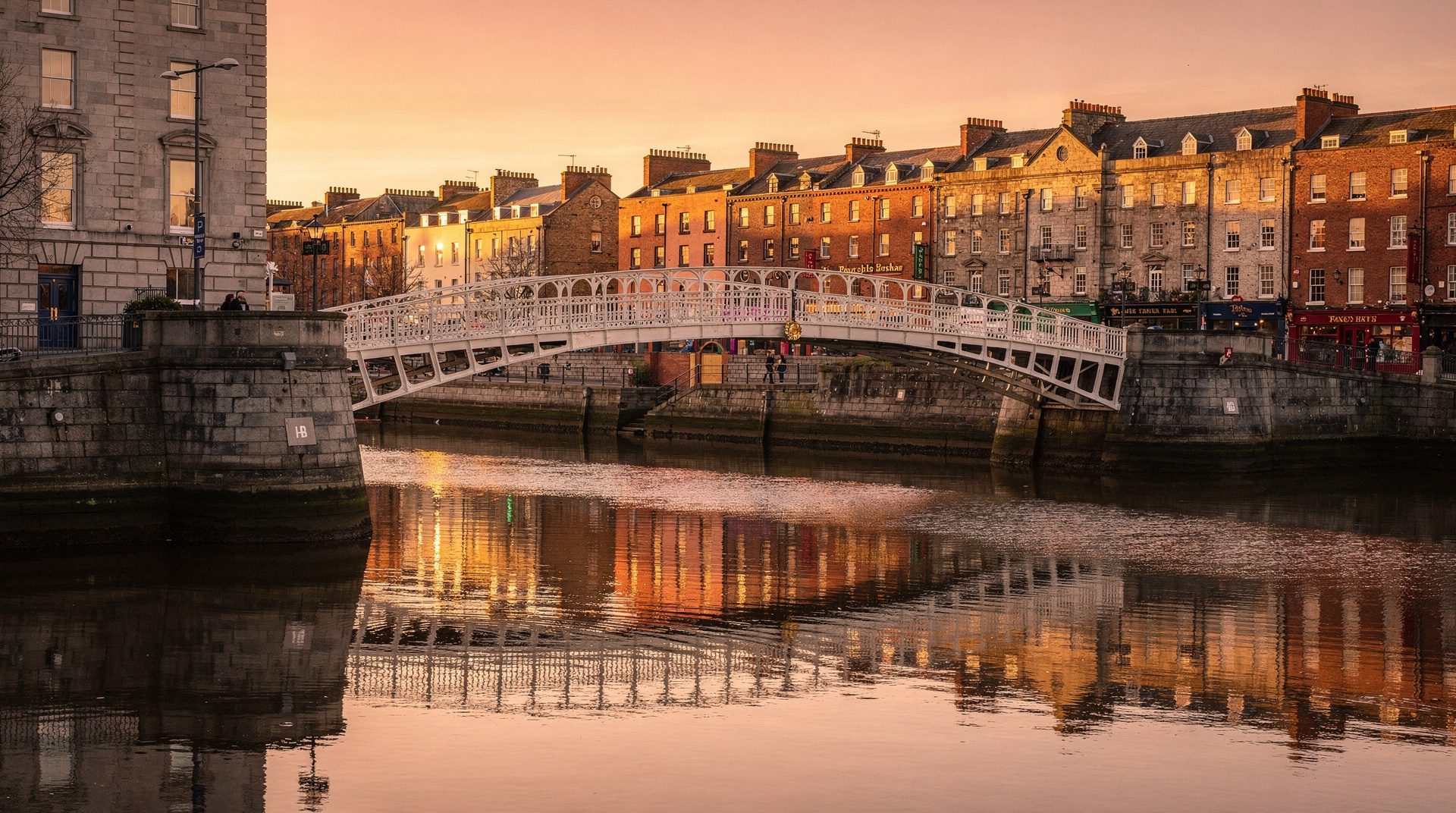
- 5 min walk from Ha'penny Bridge or any northside bus
- Currency
- Euro (€)
- GPO Museum
- €10–14; timed entry recommended
- EPIC Museum
- €17–20; book online
The boulevard where Irish history was made
O’Connell Street is fifty metres wide and runs from the River Liffey north to Parnell Square, a distance of about 700 metres. It is Dublin’s widest street, named after the nineteenth-century politician Daniel O’Connell, and its central island is lined with monuments to the people who shaped modern Ireland: O’Connell himself, Charles Stewart Parnell, the labour leader James Larkin, William Smith O’Brien. The Spire — a steel needle 120 metres tall, installed in 2003 on the spot where Nelson’s Pillar stood before it was blown up in 1966 — dominates the skyline and is either elegant or baffling depending on who you ask.
What makes O’Connell Street historically irreplaceable is the General Post Office on its western side, a neoclassical building from 1814 that became the headquarters of the Easter Rising in April 1916. The leaders of the rebellion — Patrick Pearse, James Connolly and others — read the Proclamation of the Irish Republic from the front steps. The Rising was suppressed within a week, the leaders were executed, and the building was heavily damaged. The rebuilt GPO still functions as a working post office, and the GPO Witness History museum in its interior is one of the most moving exhibitions in the city.
| Where | North bank of the Liffey, city centre |
| Cost | Free to walk; GPO Museum around €10–14 |
| Time needed | Half day for the full northside circuit |
| Getting there | 5 min walk from Ha’penny Bridge; hub of the bus network |
| Best time | Weekday mornings; avoid parade days for a quiet visit |
The GPO Witness History museum
The exhibition inside the GPO tells the story of the Easter Rising through the testimonies of participants — letters, diaries, personal effects — housed in a space that incorporates the surviving bullet marks on the building’s interior walls. It is not large (allow 60–90 minutes), but it is well constructed and honest about the complex legacy of the event. The decision to execute the Rising’s leaders transformed their failure into a political catalyst; the exhibition does not shy away from the ambiguities.
The 1916 Rising walking tour and GPO Museum entry combines the museum with a guided walk through the streets where the Rising was fought, extending the context into Parnell Square, the Four Courts, and the street-by-street story of the battle. It is a strong option if you want to understand the geography as well as the history.
The 1916 Easter Rising guide provides additional background before you visit.
Parnell Square and the Garden of Remembrance
At the northern end of O’Connell Street, Parnell Square is a Georgian square that contains the Gate Theatre (one of Dublin’s two main drama venues), the Dublin Writers Museum, and the Hugh Lane Gallery. The Hugh Lane is free and holds an impressive collection of modern and contemporary art alongside the studio of Francis Bacon, relocated from London in its entirety and reassembled here — a genuinely strange and compelling installation.
The Garden of Remembrance, at the top of the square, is a quiet memorial to all those who died for Irish freedom. It was opened in 1966 on the fiftieth anniversary of the Rising and centres on a pool in the shape of a cross. The sculpture by Oisín Kelly at its centre depicts the Children of Lir from Irish mythology, transforming from swans to humans. It is a small, still space, often overlooked.
The northside: what it actually is
“North of the Liffey” carries cultural connotations in Dublin that outsiders find difficult to map. The basic reality is: the northside is more working-class in character than the south, has suffered more from decades of neglect and economic pressure, and is changing rapidly in some areas while remaining essentially unchanged in others. Moore Street market, a few blocks west of O’Connell Street, is one of the oldest open-air markets in the city and has a completely different atmosphere from the tourist circuit. Henry Street, running west from the Spire, is a working shopping street where Dubliners actually shop.
None of this should put off visitors. The northside is safe, accessible, and in many ways more representative of how Dublin actually lives than the Georgian south.
Northside versus southside: an honest comparison
| Northside (O’Connell Street area) | Southside (Trinity/Grafton area) | |
|---|---|---|
| Character | Working, historic, less polished | Georgian, affluent, tourist-heavy |
| Main draw | 1916 Rising sites, GPO, EPIC Museum | Trinity College, Grafton Street shops |
| Prices | Generally lower for food and cafes | Higher, especially around Grafton Street |
| Crowds | Busy but rarely tourist-clogged | Can be very crowded in summer |
| Best for | History, real Dublin street life | First-time sightseeing, shopping |
Neither side is “better” — most visitors cross the Liffey several times over a Dublin stay, and the two halves of the city are only a ten-minute walk apart at their closest points.
Moore Street in more depth
Moore Street’s open-air stalls have traded continuously since the 1800s, selling fruit, flowers and fish from barrows lined up along the narrow street just west of the GPO. It played a small but significant role in the final hours of the 1916 Rising — the rebel garrison retreated here from the burning GPO and surrendered from a house on the street, now preserved as the 1916 Moore Street terrace. The market itself is unpolished and functional rather than curated for visitors, which is precisely its appeal for anyone who wants to see a slice of Dublin life that predates the tourist economy by well over a century.
Reading the street as you walk it
The best way to approach O’Connell Street is slowly, and with a loose order in mind. Begin at the river end, where the statue of Daniel O’Connell anchors the view, and let the street unfold northward. The monuments on the central island are easy to walk past, but each one marks a chapter of the national story, and reading the inscriptions turns a shopping boulevard into an open-air history lesson. The Spire gives you a fixed point to orient yourself by, and the GPO colonnade on the western side is the natural place to pause.
Look up as well as ahead. The ground floors of the street are busy with fast-food signs and chain shops, but the upper storeys hold much of the older architecture, and the contrast says a lot about how the street was rebuilt after the destruction of 1916 and again in the decades that followed. If you have already walked the Georgian streets of the south, the northside rewards a different kind of attention: less polish, more layers. For a wider orientation across the whole city, the self-guided Dublin walk shows how the boulevard fits into a longer route, and the Dublin historical walking tour goes deeper into the stories behind the buildings.
Making the most of the 1916 story
The Rising is easier to follow if you hold the sequence in your head before you arrive: the proclamation on the GPO steps, the days of fighting around the centre, the retreat towards Moore Street, the surrender, and the executions that shifted public opinion. Each stop on the northside covers one piece of that sequence, which is why visiting in order feels satisfying rather than repetitive.
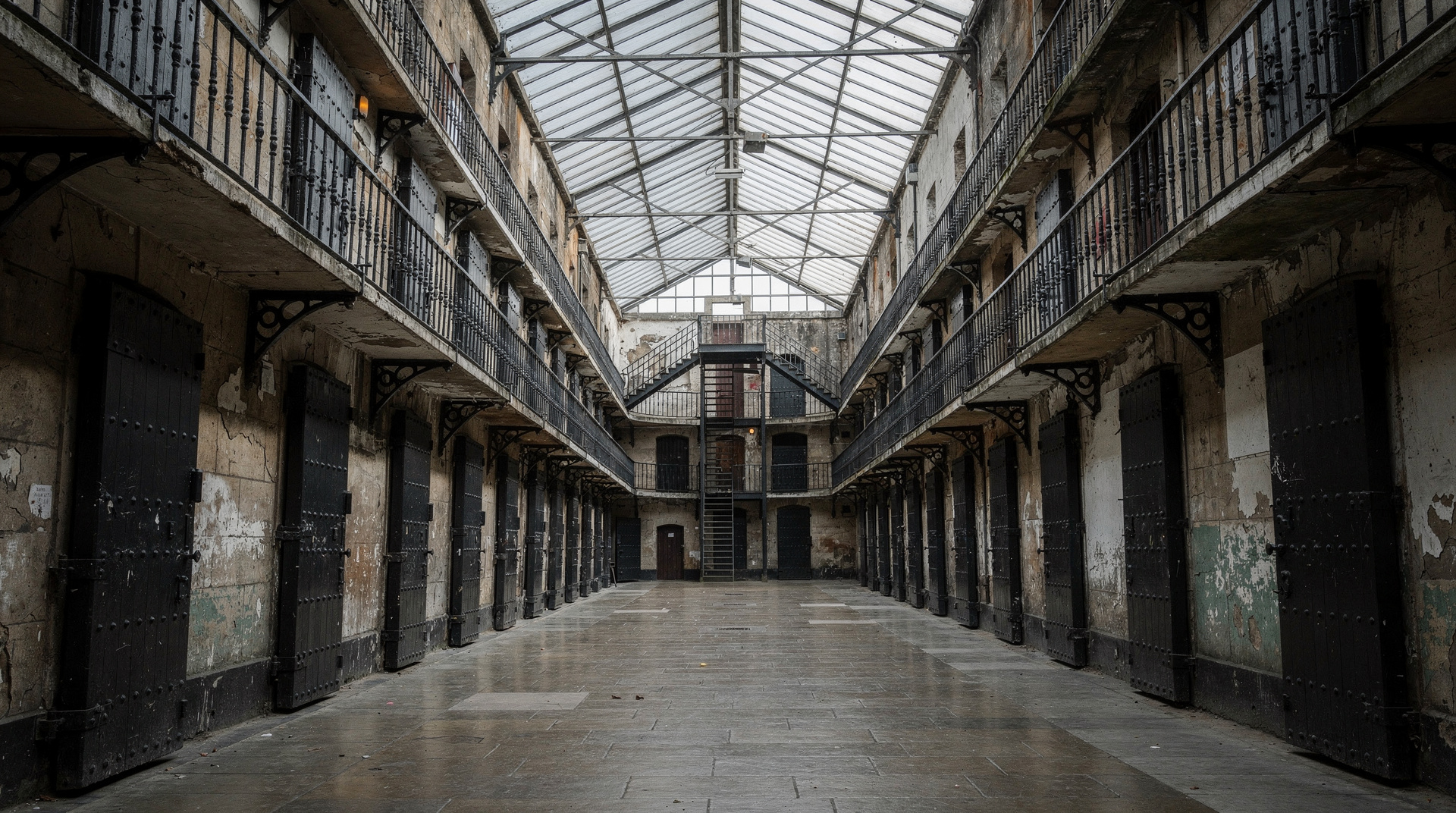
Visitors who want the full political background will find it in the Irish revolution history walk, which follows the wider independence story beyond Easter week. Those who prefer to approach the period through the people involved will enjoy the Kilmainham Gaol guide, since the prison on the southside is where the leaders met their end. Seeing the GPO and Kilmainham within the same trip lets you connect the place where the Rising began with the place where it was brought to a close, and the two together make a far stronger impression than either alone.
Practical tips for a smoother visit
- Pick your timing. Weekday mornings are calmer, and the street feels most like itself before the shops fill up. If you want photographs of the GPO facade without crowds, go early.
- Pace the museum. The GPO exhibition rewards reading and listening, so do not schedule another timed entry too close behind it.
- Wear comfortable shoes. The northside circuit is mostly walking, on pavements that can be wet in any season.
- Carry a card. A transport card makes it easy to hop on a bus when your feet give out.
- Plan food stops. Henry Street, Moore Street and the side streets around the Spire have plenty of cafes at lower-key prices than the southside, and a break in the middle of the circuit makes the second half more enjoyable.
- Check for events. The street is a commemoration site and a parade route, so marches and ceremonies can change access at short notice.
If rain is forecast, the northside is a good choice: the GPO museum, the Hugh Lane Gallery and the EPIC Museum are all indoors, and the rainy day Dublin guide lists further options for a wet afternoon.
Where to stay and how this area fits your trip
O’Connell Street is a convenient base for anyone who values transport links over atmosphere. Buses, the Luas and the walk to the river are all close, which makes cross-city days simple. The trade-off is that the area is busier and less intimate than the quieter streets south of the river. The where to stay in Dublin neighbourhoods guide compares the options, and the getting around Dublin guide explains how the northside connects to the rest of the city.
Who will enjoy the northside most
History readers will get the most from the area, but they are not the only ones. Families can treat the circuit as a series of short, varied stops: a big open street, a garden with a swan sculpture, and a museum with plenty to look at. Architecture fans will enjoy comparing the neoclassical GPO with the Georgian terraces of Parnell Square. Anyone curious about everyday Dublin will find Moore Street and Henry Street far more revealing than a souvenir shop.
For a longer plan that places the northside alongside the main sights, the Dublin first-time guide and the Dublin 3-day planning guide both help you decide how much time the area deserves, while the Dublin with kids guide suggests how to keep younger visitors engaged.
A good habit is to leave a little slack in the day. The northside is at its best when you can follow a side street that catches your eye, stop for a coffee, or return to a monument you passed earlier. Rushing the circuit turns it into a checklist, while a relaxed pace lets the history sink in.
Going deeper: guided options and nearby themes
If you would rather have the northside explained than read it from plaques, a guide changes the experience. A walking tour of the Irish revolution places the Rising within the longer sequence of events that followed it, which helps if you arrive with only a vague outline of the period. Visitors who prefer a smaller group and the freedom to ask questions can look at a private walking tour of the Easter Rising, which suits families or anyone who wants to set their own pace.
The EPIC Museum fits naturally at the end of the circuit, and the EPIC emigration museum guide explains what to expect inside. The same theme of loss and departure runs through the Great Famine in Dublin guide, which makes a thoughtful companion read. For a different view of the northside’s dead, the Glasnevin Cemetery guide covers the graves of the figures mentioned above.
If your interest leans towards books and writers, the Dublin Writers Museum on Parnell Square connects well with the literary Dublin guide. Those who want the whole story in one stretch can follow the history buff itinerary, and anyone planning tickets for several sights should read the booking attractions in advance guide. Evening visitors who like atmosphere over museums may enjoy the Dublin ghost tours guide, since many of the city’s darker stories belong to the older streets around the river.
Connecting to other northside attractions
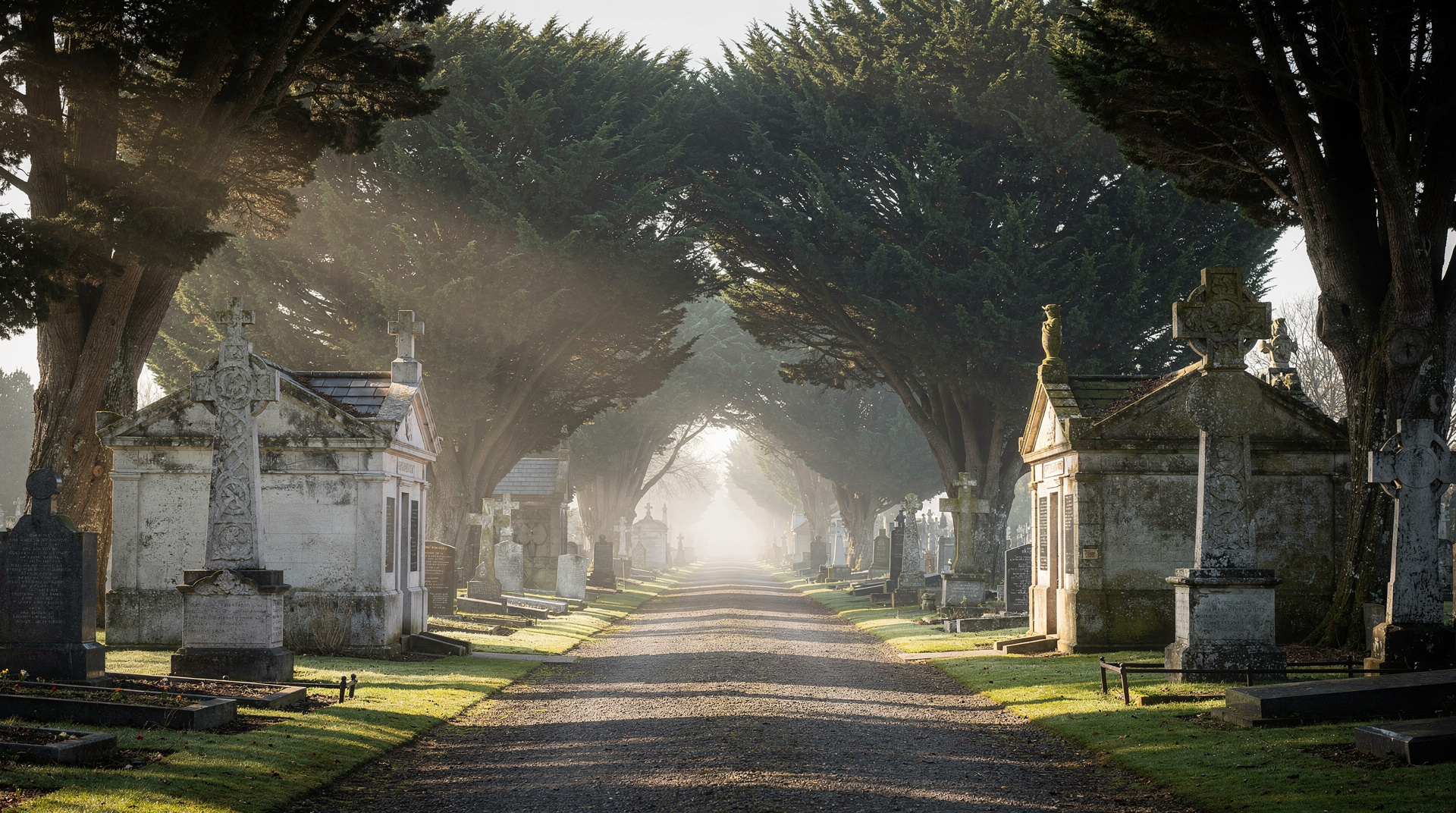
The EPIC Museum and the docklands are about fifteen minutes walk east from O’Connell Street along the quays — a logical pairing for a northside day. Glasnevin Cemetery is about twenty minutes by bus north of Parnell Square (routes 4, 9, 13 from the quays) and combines well with the 1916 narrative: the leaders of the Rising are buried there alongside Daniel O’Connell, Michael Collins, Éamon de Valera, and others.
For practical transport, O’Connell Street is the hub of Dublin’s bus network — most cross-city routes pass through here, making it the easiest place to change direction or plan connections. The leap card guide explains how to use a single card across bus, DART and Luas for this kind of cross-city day.
A northside half-day
Start at the Ha’penny Bridge crossing (ten minutes from Temple Bar). Walk the length of O’Connell Street, reading the monuments as you go. Turn into the GPO for the museum. Walk to the top of the street, stop at the Garden of Remembrance. Turn east to the Hugh Lane Gallery for the Francis Bacon studio. Return via Henry Street and the IFSC (International Financial Services Centre) along the quays. Finish at the EPIC Museum if time allows.
This takes most of a morning and gives a complete picture of Dublin’s revolutionary and cultural northside. Combine it with an afternoon in Temple Bar or Trinity College on the south side for a complete first day in the city, as outlined in the Dublin 1-day itinerary.
Frequently asked questions about O’Connell Street and the northside
Is O’Connell Street safe to walk around, day and evening? Yes. It is one of the most heavily used and well-lit streets in the city, with a constant Garda and CCTV presence given its role as the national commemoration site. As with any busy city-centre street, keep an eye on bags in crowds, but there is no particular safety concern beyond normal city awareness.
How long should I spend on O’Connell Street itself, without the wider northside? The street itself, including a stop at the GPO Witness History museum, takes about 90 minutes to two hours. Add the Garden of Remembrance and Hugh Lane Gallery for a half day, or extend into the full northside circuit described above for most of a morning.
Top experiences
Bookable activities with verified prices and instant confirmation on GetYourGuide.

Dublin: 1916 Rising walking tour and GPO Museum entry
- Free cancellation
- Instant confirmation

Dublin: 1916 Easter Rising private walking tour
- Free cancellation
- Instant confirmation

Dublin: EPIC Museum and Jeanie Johnston entry ticket
- Free cancellation
- Instant confirmation

Dublin: Irish Revolution walking tour 1913-1923
- Free cancellation
- Instant confirmation

Dublin: Gravedigger ghost bus & pub stop
- Free cancellation
- Instant confirmation