Hidden corners of the Liberties
Most visitors to the Liberties see the Guinness Storehouse and nothing else. Here’s what’s within a ten-minute walk that they’re missing — three distilleries, two cathedrals, a working market, and an antique quarter most tourists never find.
| Where | West of Dublin city centre, around Thomas Street |
| Time needed | Half a day to see beyond the Storehouse |
| Highlights | Distillery trail, Meath Street market, Francis Street antiques |
| Cathedrals | St Patrick’s and Christ Church, both nearby |
| Best day | A weekday morning, when the market is at its most authentic |
The neighbourhood that Dublin forgot to gentrify properly
The Liberties has a way of getting under your skin before you’ve quite decided to let it. I first walked through it properly on a July afternoon that was threatening rain without following through — that specific Dublin weather where you carry a jacket as insurance and keep one eye on the clouds. I’d been to the Guinness Storehouse a dozen times over the years. I’d never really stopped to look at what surrounded it.
What surrounds it, it turns out, is a neighbourhood of remarkable density and contradictions. The Liberties — the area roughly bounded by Patrick Street, Thomas Street, Meath Street, and the quays — is simultaneously one of Dublin’s oldest settled areas, one of its most industrial, one of its most deprived, and now, with a certain inevitable momentum, one of its newest craft-drinks quarters. Walking through it in 2019 felt like being present at the moment before something tips.
Why it’s called the Liberties
The name goes back to medieval times, when certain areas outside the walled city of Dublin were granted special legal status — “liberties” to operate outside the jurisdiction of the city guilds. The weavers, tanners, and brewers who settled here in the seventeenth and eighteenth centuries were often Huguenot refugees fleeing religious persecution in France, and they built the neighbourhood’s early prosperity on silk weaving.
The prosperity didn’t last — English trade restrictions destroyed the Liberties’ textile industry in the early eighteenth century, and the area spent the next two centuries as a tough, proud, working-class district that occasionally produced remarkable things (the distilling and brewing industry, much of Ireland’s popular culture) and consistently got less than its share of civic investment.
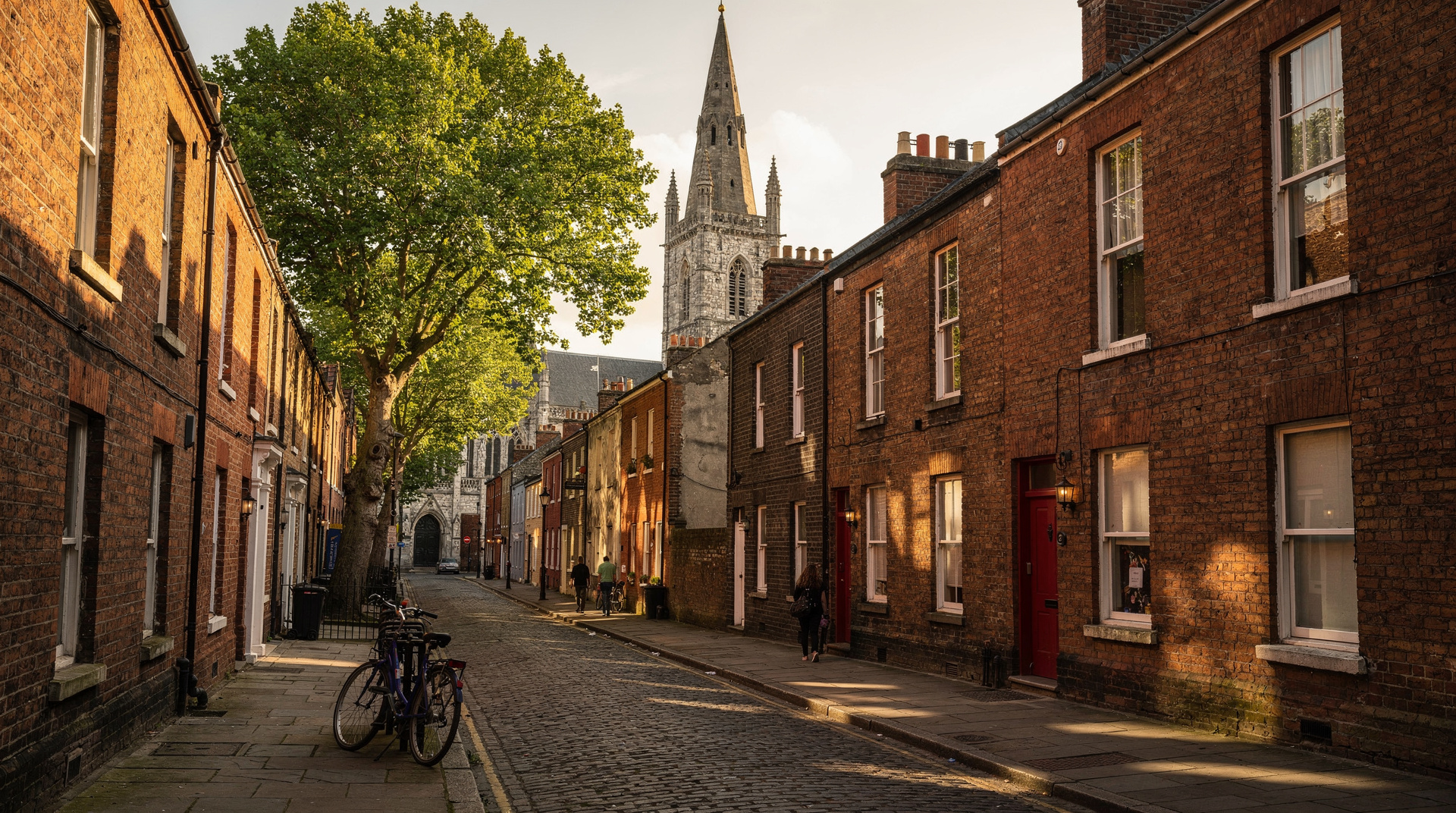
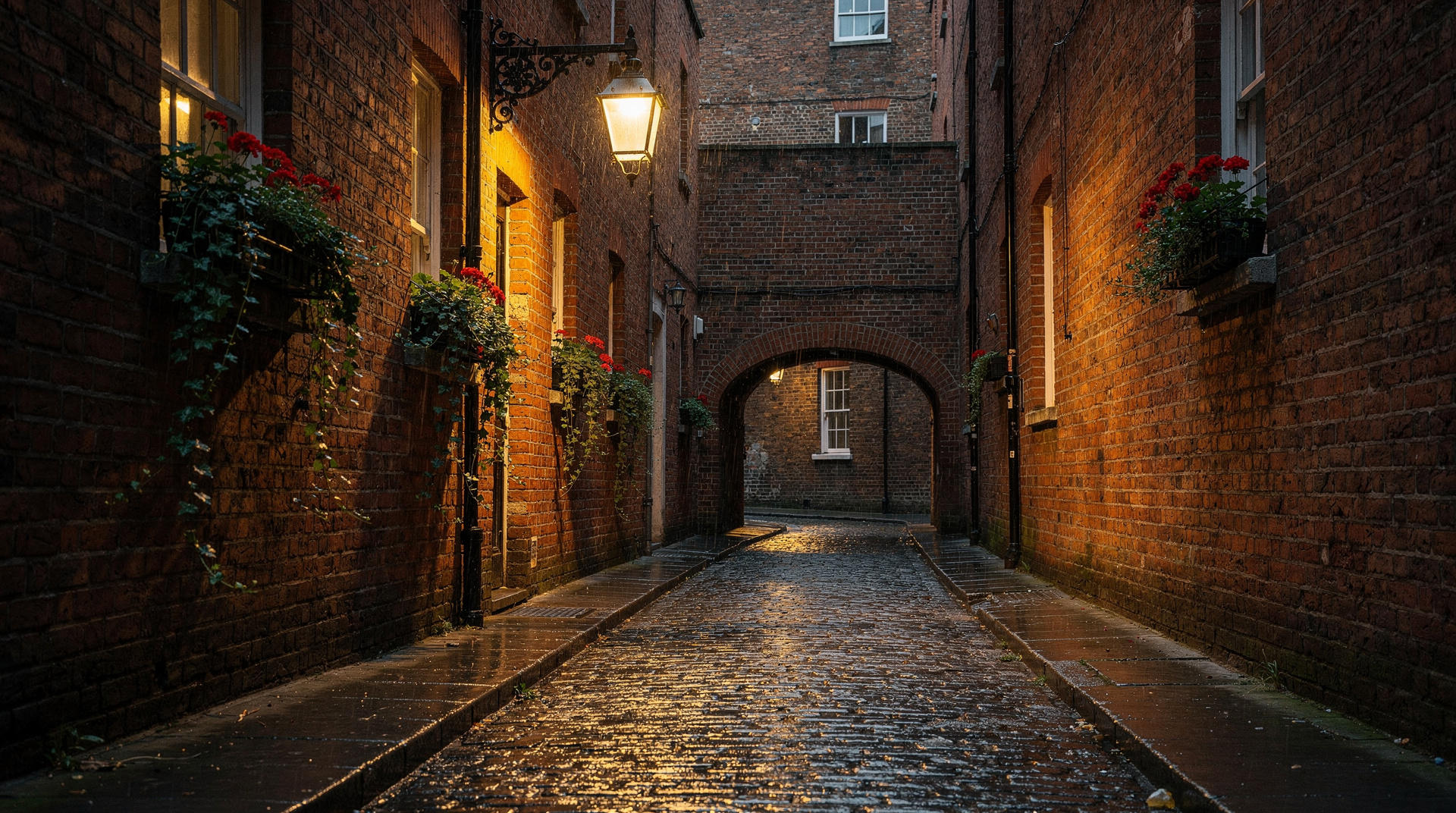
Standing on Thomas Street today, you can see the bones of all of this: the wide Georgian street planned for commerce, the surviving tenements behind it, the enormous empty site where a school was demolished, the Guinness brewery wall running for hundreds of metres along James’s Street. The Liberties is still wearing its history.
The distillery crawl nobody talks about
The Guinness Storehouse is so dominant that most visitors to the Liberties never notice that it’s been joined by three serious whiskey distilleries within ten minutes’ walk.
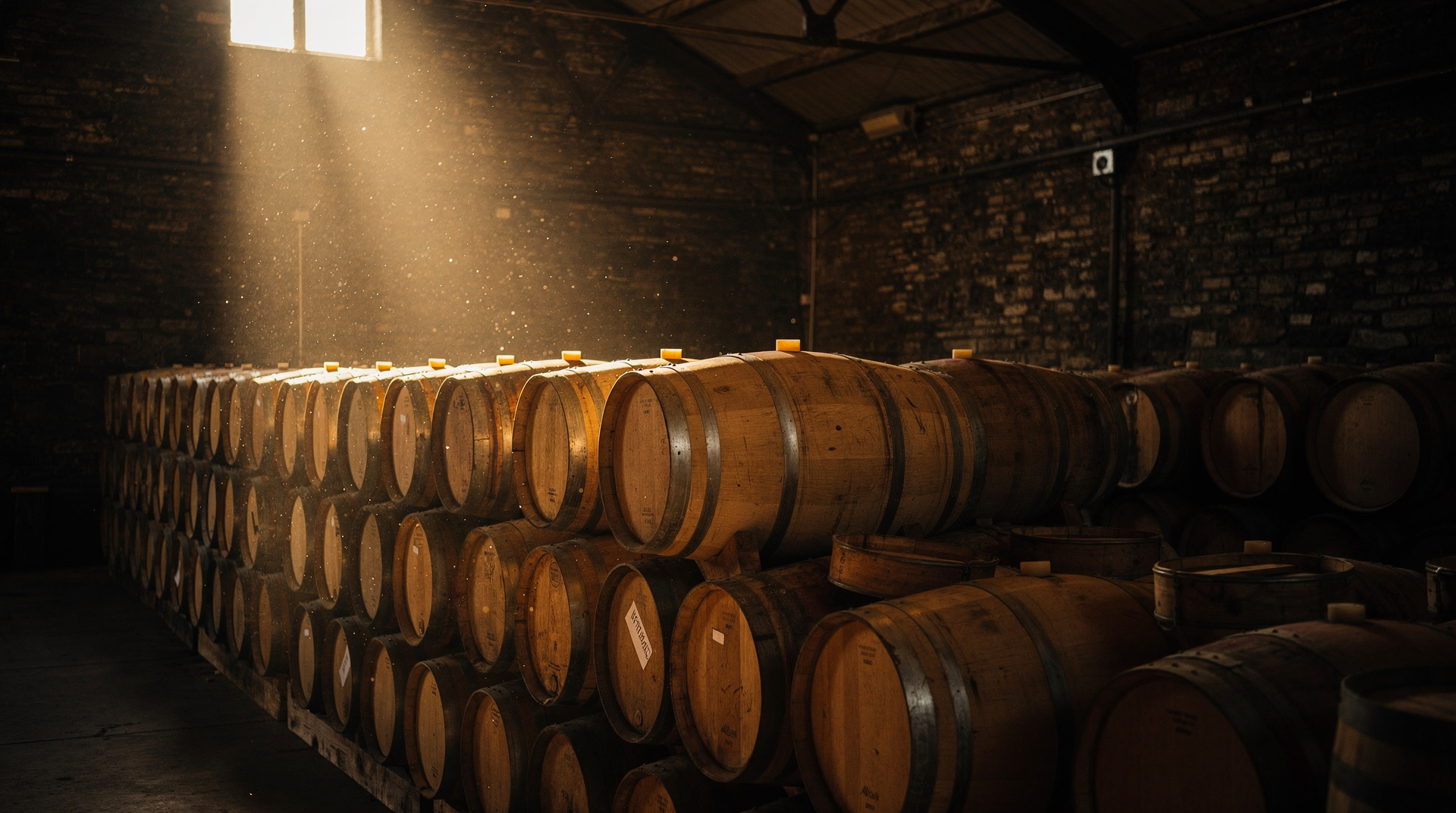
Teeling Whiskey Distillery on Newmarket Square was the first whiskey distillery to open in the Liberties in over 125 years when it launched in 2015. It’s a beautiful building — a converted complex with an original stone wall retained as a feature — and the tours are genuinely informative rather than theatrical. The difference between triple distillation and double distillation, explained over three glasses, is the kind of thing that makes you think differently about whiskey in general.
Roe & Co on James’s Street occupies the old Guinness Power House, and the restoration is extraordinary — the original Victorian generating equipment has been retained as set dressing for a modern tasting space that somehow doesn’t feel incongruous. The whiskey itself is lighter and more approachable than Teeling.
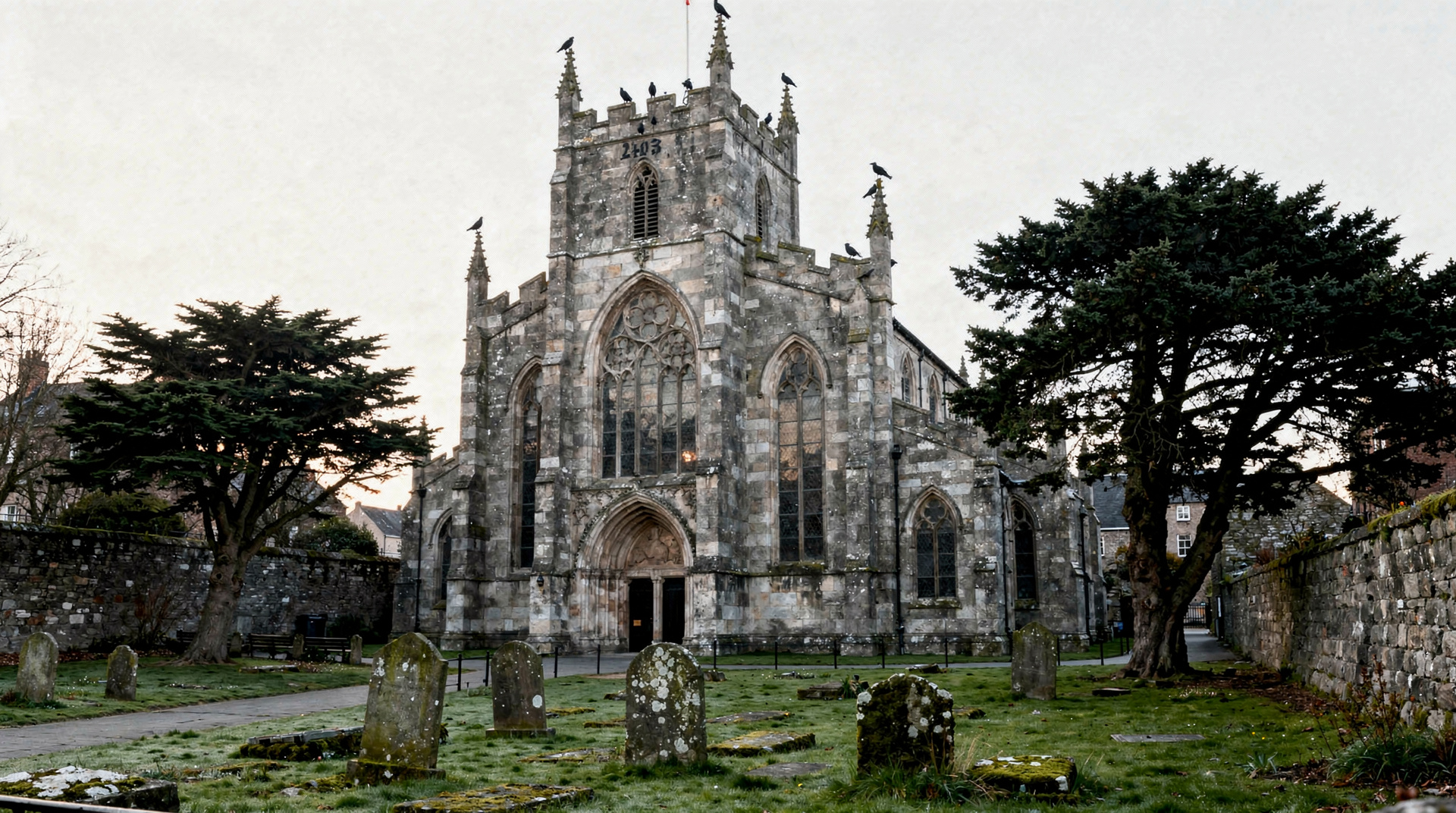
Pearse Lyons Distillery is the strangest and arguably the most memorable: a working distillery installed inside a converted Victorian church, complete with stained glass windows and a graveyard. Tours weave between the stills and the tombstones, which sounds gimmicky and turns out to be genuinely atmospheric.
Our full guide to the Dublin whiskey trail covers all three in detail and tells you how to string them together into a coherent afternoon. The distillery crawl is, in my view, a better afternoon than the Storehouse for anyone who’s already done the Guinness experience — smaller, more hands-on, and far less crowded.
Meath Street market and the domestic Liberties
Turn off Thomas Street into Meath Street and the whole register of the neighbourhood changes. This is a working-class shopping street — a butcher with handwritten price lists in the window, a fishmonger, a fruit and vegetable market that’s been in the same location since anyone can remember, a pub at ten in the morning with the kind of settled atmosphere that suggests its clientele have been coming every day for forty years.
The market is nothing like the weekend farmers’ markets that have colonised more prosperous Dublin neighbourhoods. There are no artisan cheese stalls, no craft gin samples, no branded coffee cups. There are very good vegetables at prices that make you understand how inflated the fancy markets are, and there are conversations between the stall holders and their regulars that are worth eavesdropping on if you can manage not to look conspicuous while doing so.
This is the domestic Liberties, and it’s still largely intact. Worth an hour of anybody’s time.
The view from Francis Street
Francis Street is the antique and vintage furniture quarter — a row of dealers occupying the ground floors of Georgian buildings, spilling wardrobes and mirrors onto the pavement. On a Saturday afternoon, this is the most interesting street shopping in Dublin, and most tourists never find it.
The quality ranges from genuinely exceptional (one dealer specialises in Irish Georgian silver; another in eighteenth-century botanical prints) to cheerfully miscellaneous (old signs, railway lamps, sets of cutlery missing their spoons). The dealers are knowledgeable and not particularly pushy, and you can spend an hour here learning an enormous amount about what Dublin’s houses once contained.
At the top of Francis Street, the view north takes in the tower of the Guinness brewery, the spire of St Patrick’s Cathedral, and a roofscape of Georgian chimneys that feels like the city preserved in amber.
St Patrick’s and Christ Church
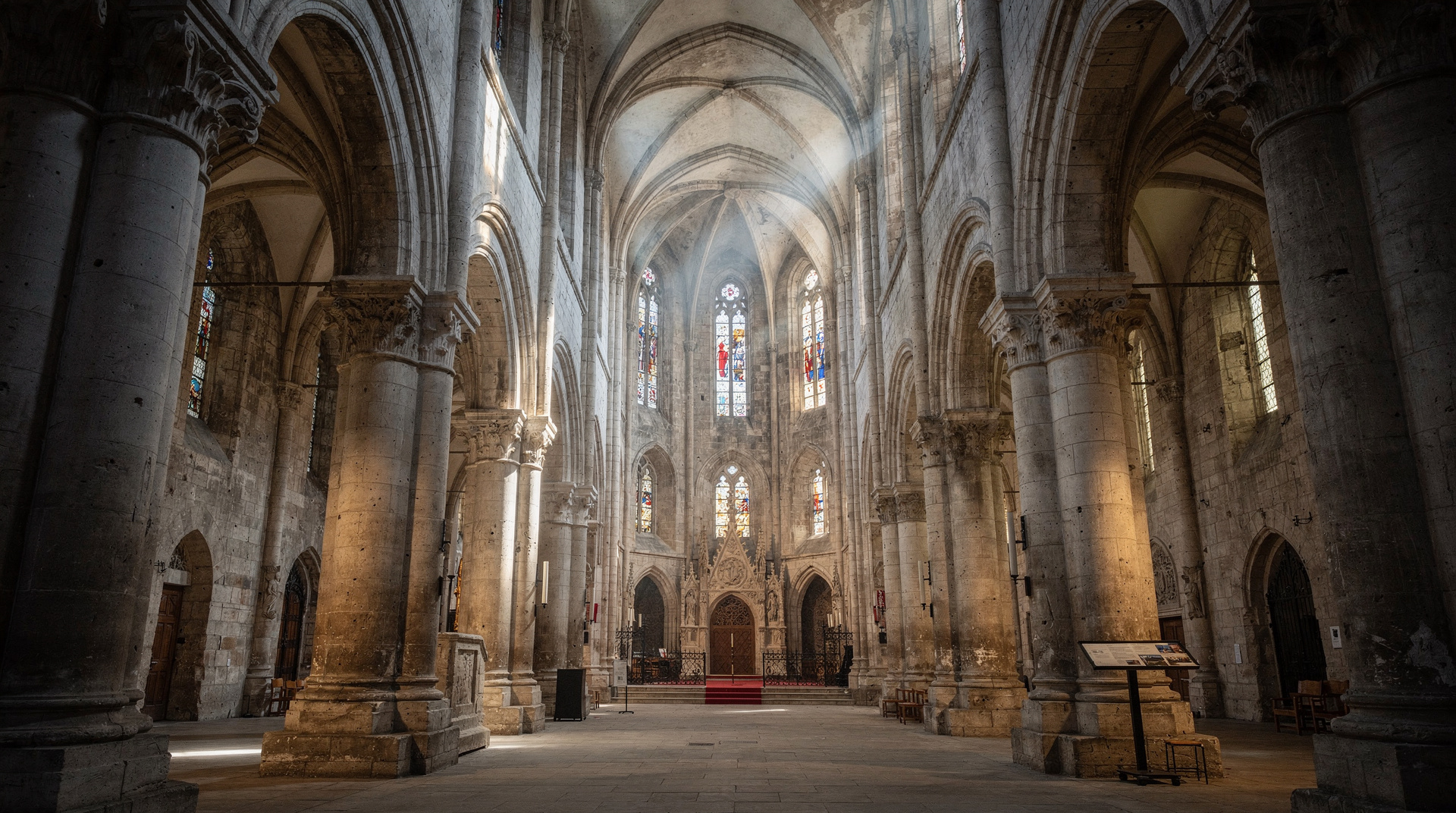
The Liberties is bookended by two medieval cathedrals, and most visitors to the Storehouse walk straight past one of them. St Patrick’s Cathedral is the larger and more historically significant: Jonathan Swift was Dean here for thirty-two years and is buried in the south transept with an epitaph he wrote himself. The cathedral interior is dense with memorials and monuments, and the nave still feels like a space that was built to make people feel small in a particular, theologically specific way.
Christ Church Cathedral is older still — the original building was founded in the eleventh century — and the crypt contains one of the most unusual collections of objects in Dublin: medieval tiles, a mummified cat and rat, ancient plate silver, and the alleged heart of St Laurence O’Toole in a wooden casket.
Both are within twenty minutes’ walk of the Storehouse, and both are quieter and less expensive. A morning that combines a cathedral with a distillery tour and lunch on Meath Street is a better morning than most travel guides would have you believe is possible in this neighbourhood.
For those who want a more structured approach to exploring the area, our hidden gems walking tour guide includes a Liberties route that takes in all of the above.
Suggested route for a half day
For a first visit, a workable order is: start at Teeling Whiskey Distillery on Newmarket Square for the morning’s clearest palate, walk up to Meath Street for a late-morning look at the market and a coffee, cut across to Francis Street for the antique shops, then finish at St Patrick’s Cathedral before the afternoon light fades on the Georgian roofscape. This covers the neighbourhood’s four distinct characters — industrial heritage, working-class commerce, collector culture, and ecclesiastical history — without doubling back on yourself.
Anyone extending the day with Roe & Co or Pearse Lyons should budget an extra hour or two per distillery; see our full whiskey trail guide for tour timings. The Liberties distillery walking tour covers several of these stops together if you’d rather not plan the route yourself.
Why this matters more than the Storehouse queue
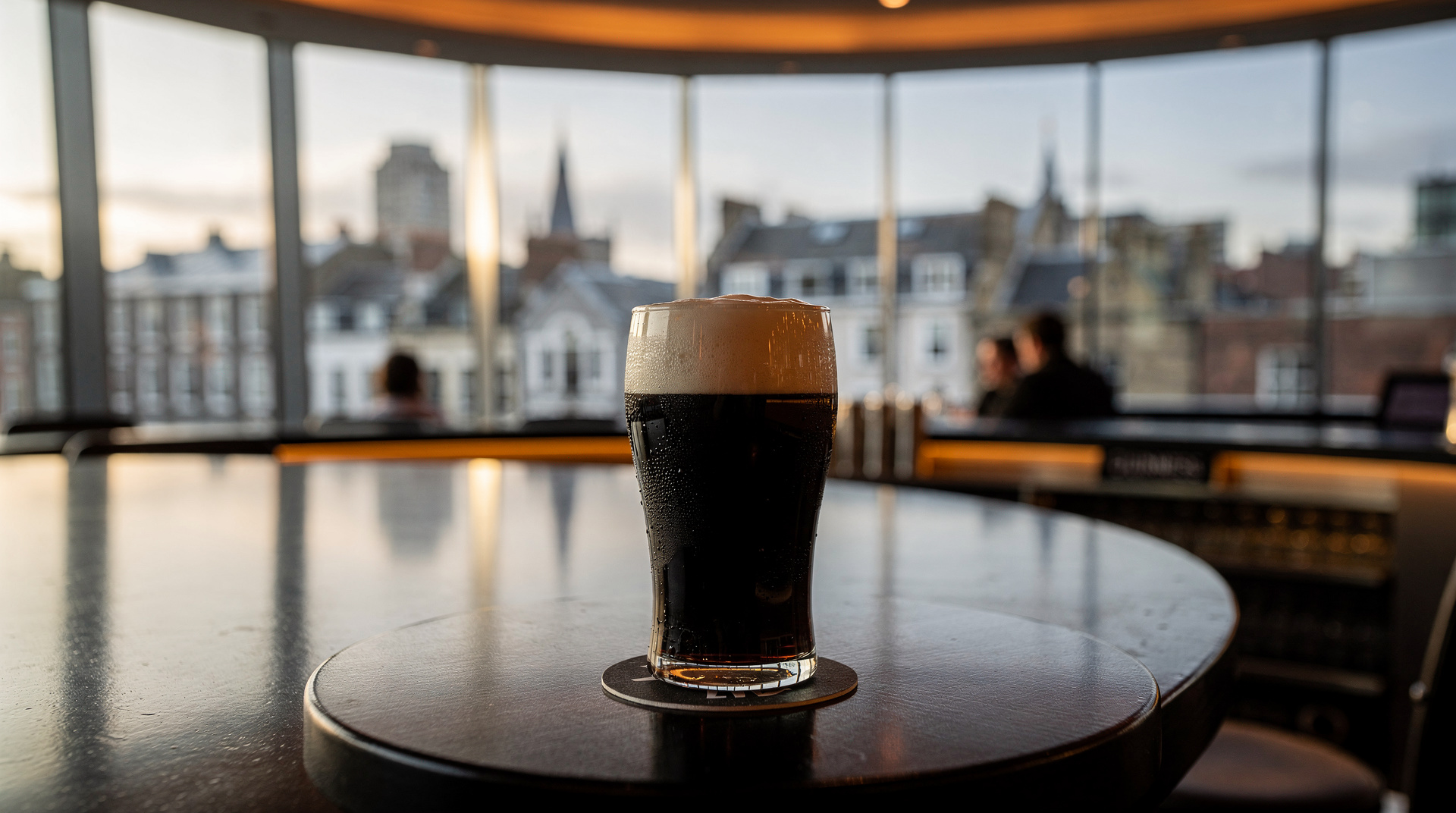
The Guinness Storehouse is a genuinely worthwhile visit — see our honest first-visit account — but it’s designed as a self-contained experience that most visitors complete without ever looking at the neighbourhood around it. That’s a missed half-day.
If you’d rather have someone point out the details you’d otherwise walk past, a guided walk through the city’s lesser-known corners is a sensible way to add context to what you see. The Liberties rewards the kind of unstructured wandering that guidebooks rarely recommend for a capital city: no single sight demands two hours of queuing, and the payoff is a much fuller sense of Dublin’s working-class history than the polished museum experience alone provides.
Where to point the rest of your trip
The Liberties works best as one piece of a longer stay rather than a stand-alone outing. If you’re still deciding how long to give the city, how many days in Dublin will help you place a half-day here, and the Dublin 3-day planning guide shows where it slots in alongside the bigger sights. Those with only a short visit can fold it into the Dublin in 2 days itinerary, while the history buff’s 3-day itinerary leans into exactly the layers of the past that this neighbourhood carries.
If the whiskey is what draws you, three separate guides go deeper: Teeling Distillery, Roe & Co and Pearse Lyons. For a first taste before you commit to a tour, whiskey tasting for beginners explains what to expect, and the comparison of Jameson, Teeling and Pearse helps you choose between them.
Eating, drinking and staying nearby
A morning of walking builds an appetite, and the surrounding streets reward it. For somewhere to settle with a pint afterwards, where to drink Guinness in Dublin and the list of best local pubs are good places to start. If you’d rather eat something distinctly Irish, traditional Irish food sets out what to look for on a menu. And if you’re choosing a base, where to stay in Dublin by neighbourhood weighs up the Liberties against the other central areas.
The Liberties also sits close to other parts of the city worth pairing with it. Temple Bar is a short stroll away and makes a useful contrast, and Georgian Dublin shows the grander side of the same century. For another walk in the same spirit, underrated Dublin neighbourhoods and why Dublin still surprises me cover similar ground from a personal angle.
The neighbourhood now
The Liberties is changing. The distilleries brought media attention and cocktail bars. Coworking spaces appeared on Thomas Street. The old Guinness workers’ houses near the brewery have become desirable. The market on Meath Street is still there, but the footfall is different.
Whether this is improvement or displacement depends on where you stand. From outside, it looks like a neighbourhood finally getting the attention it deserved. From inside, the picture is more complicated. The point, for visitors, is that you’re catching it at an interesting moment — still recognisably the place it has been for three centuries, but beginning to become something else as well. Come now, while both versions are still visible.
Frequently asked questions about Hidden corners of the Liberties
Is the Liberties safe to walk around as a visitor? Yes — it’s a genuine working-class neighbourhood rather than a manicured tourist zone, but it’s well-trafficked during the day and no more of a concern than any other central Dublin area. Ordinary city-centre awareness is all that’s needed.
Do I need to book anything in advance to visit the Liberties? Only the distillery tours, which benefit from advance booking on weekends. The market, the cathedrals and Francis Street’s antique shops are all walk-in, with no timed entry required.
Top experiences
Bookable activities with verified prices and instant confirmation on GetYourGuide.