Newgrange and Brú na Bóinne
Newgrange is a 5,200-year-old passage tomb in the Boyne Valley, 45 min from Dublin. Brú na Bóinne is Ireland's most important prehistoric landscape.
Dublin: Boyne Valley with Newgrange and Brú na Bóinne entry
Duration: 8h
- Free cancellation
- Instant confirmation
Quick facts
- Distance from Dublin
- 48 km north via M1 and N51
- Entry
- By timed shuttle from Brú na Bóinne Visitor Centre only
- Booking
- Essential in advance; sells out weeks ahead in summer
- By tour
- 8–9 h return from Dublin; easiest option for most visitors
- Winter solstice
- Lottery system for entry on 19–23 December
Older than Stonehenge, older than the pyramids
Newgrange was built around 3,200 BC, making it older than Stonehenge by about 500 years and older than the Giza pyramids by a similar margin. The people who built it had no metals, no wheels, no writing. They quarried and transported 200,000 tonnes of stone, engineered a roof box to admit sunlight at dawn on the winter solstice, and decorated the entrance kerb with abstract spirals and lozenges that remain among the most striking pieces of Neolithic art in Europe. Whatever you expect from a mound of earth in County Meath, Newgrange exceeds it.
The site is part of Brú na Bóinne — the palace of the Boyne — a UNESCO World Heritage landscape that contains three major passage tombs (Newgrange, Knowth and Dowth) and over 40 smaller monuments, all concentrated in a bend of the River Boyne 45 kilometres north of Dublin. It is the most important prehistoric landscape in Ireland and one of the most significant in Europe. A day spent here is a day in a different scale of time.
| Where | Donore, Co. Meath — 48 km north of Dublin |
| Cost | Visitor Centre + Newgrange typically €18–22 adult |
| Time needed | Full day (allow 4–5 hrs including shuttle and exhibition) |
| Getting there | Car via M1/N51, or organised tour with entry included |
| Best time | March–October; book weeks ahead in summer |
Getting there and booking
Access to Newgrange is strictly managed. You cannot walk up to the monument independently — all visits go through the Brú na Bóinne Visitor Centre in Donore, from which shuttle buses take you to the site. This protects the monument and keeps visitor numbers manageable, but it means booking in advance is essential, particularly from March through October. Timed-entry slots sell out weeks ahead in summer, sometimes months ahead in July and August. Book through the official Heritage Ireland website as soon as your trip is confirmed.
The visitor centre itself has a substantial exhibition on Neolithic Ireland, which takes about an hour and is worth doing before your shuttle. It sets the context for what you will see underground.
By car, Newgrange is about 50 minutes north of Dublin via the M1 and the N51 to Donore. Parking at the visitor centre is free. The alternative — and for many people the easier option — is an organised tour from Dublin. The Boyne Valley tour with Newgrange and Brú na Bóinne entry handles booking, transport and a guide, and departures are typically timed to coincide with early morning shuttle availability. Read our Newgrange and Boyne Valley day trip guide for a full breakdown of the logistics.
Inside the passage tomb
The tour of Newgrange is limited to groups of approximately 25 people, led by a guide through the narrow 19-metre passage to the cruciform chamber at the heart of the mound. The chamber is corbelled — rings of flat stones overlapping progressively inward to create a vault — and has been watertight for 5,000 years. Three recesses hold stone basins where the cremated remains of the dead were placed.
At the winter solstice, dawn light enters through the narrow roof box above the entrance and illuminates the chamber floor for about 17 minutes. It is one of the most precisely engineered phenomena of the prehistoric world: the alignment was so accurate that an archaeologist shining a torch through the roof box at any time of year can demonstrate exactly how the light travels. If you cannot visit at the solstice (there is a lottery for the handful of available places), the guide demonstrates this with artificial light during every tour — which is the practical reason the guided tour is valuable rather than self-guided access.
Knowth
Your ticket to Newgrange does not automatically include Knowth, the larger of the two excavated tombs. Knowth requires a separate timed slot and is less dramatic inside — the passage has not been cleared to the same degree — but its external kerb has the most extensive collection of megalithic art in Ireland, with 127 decorated kerbstones. If you have time and interest in the archaeology, booking both is worthwhile. If you are limited to one, Newgrange is the priority.
Dowth: the tomb you can walk up to
Dowth, the third of the great Brú na Bóinne passage tombs, is different from its neighbours in one important way: it is not part of the shuttle-bus system and has no timed-entry requirement. You can park at the small roadside area and walk up to the exterior of the mound freely, though the passage and chamber themselves are closed to the public outside occasional Office of Public Works open days.
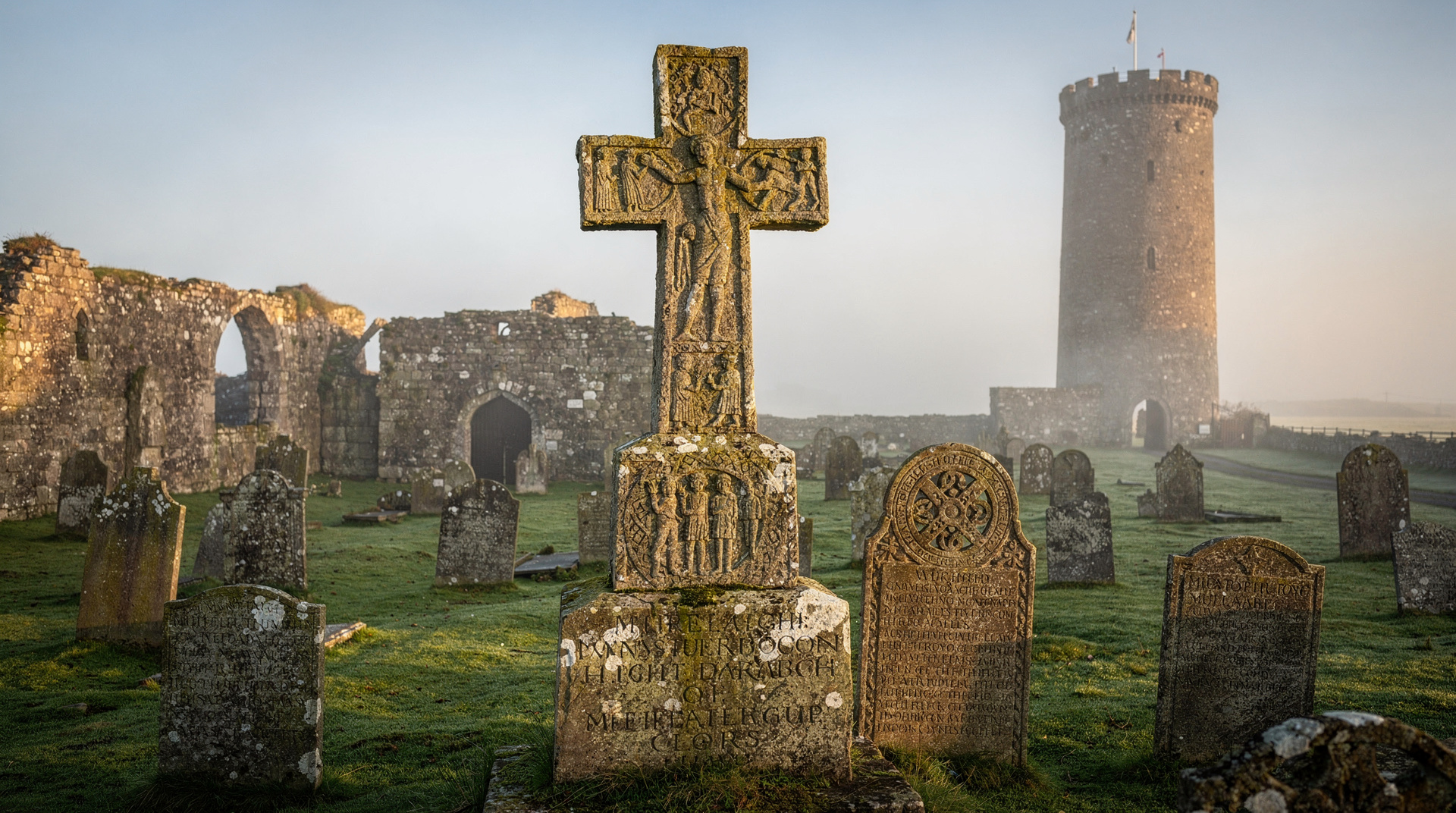
Dowth is less excavated and less visually dramatic than Newgrange or Knowth, but it rewards visitors who want to stand beside a 5,000-year-old monument without booking anything. It sits about 3 km east of the visitor centre and is easy to combine with a stop at Monasterboice, the early monastic site with its famous high crosses, a short drive further north.
Practical tips for the day
Arrive at the Brú na Bóinne Visitor Centre at least 30 minutes before your booked shuttle time — security and ticket checks can create a short queue in peak season, and shuttles do not wait for latecomers. The exhibition, cafe and gift shop are all inside the centre, so there is little reason to explore Donore village itself before your slot. Photography is not permitted inside the Newgrange chamber, out of respect for the fragile 5,000-year-old stonework, though the passage and exterior kerbstones can be photographed freely. Wear a jacket regardless of season — the interior of the mound stays cool and slightly damp year-round, a reminder of just how effective the ancient engineering still is.
The Boyne Valley beyond the tombs
The Boyne Valley holds more than the passage tombs. The Battle of the Boyne site, where William of Orange defeated James II in 1690, is a few kilometres east near Oldbridge and has a visitor centre explaining the battle and its continuing significance in Irish and Northern Irish history. The Hill of Slane, a few kilometres north, is where St Patrick allegedly lit the Paschal fire in defiance of the High King in 433 AD — an important moment in the Christianisation of Ireland, even if the historicity is debated. It is a short drive from the visitor centre and offers good views of the Boyne floodplain.
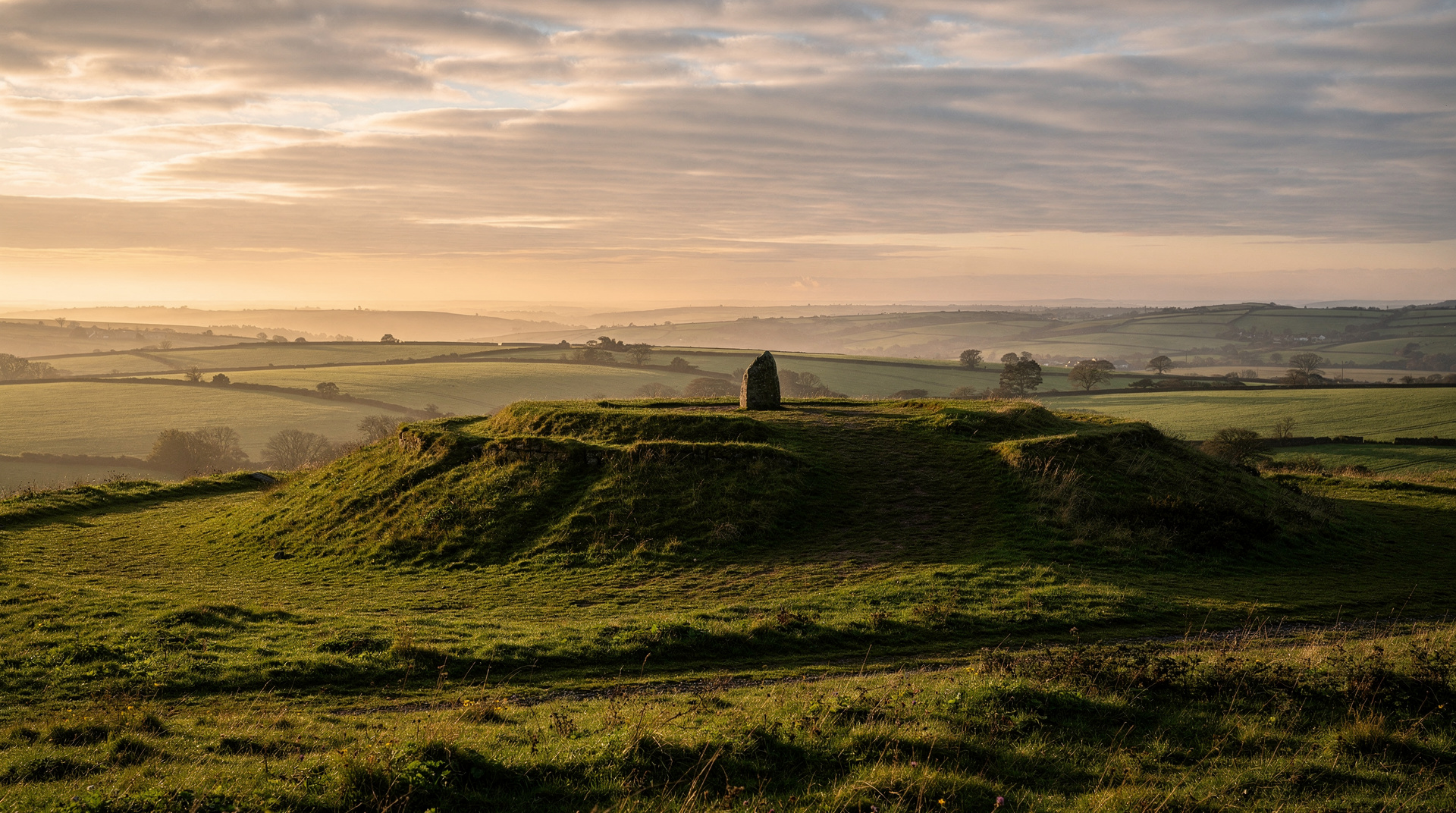
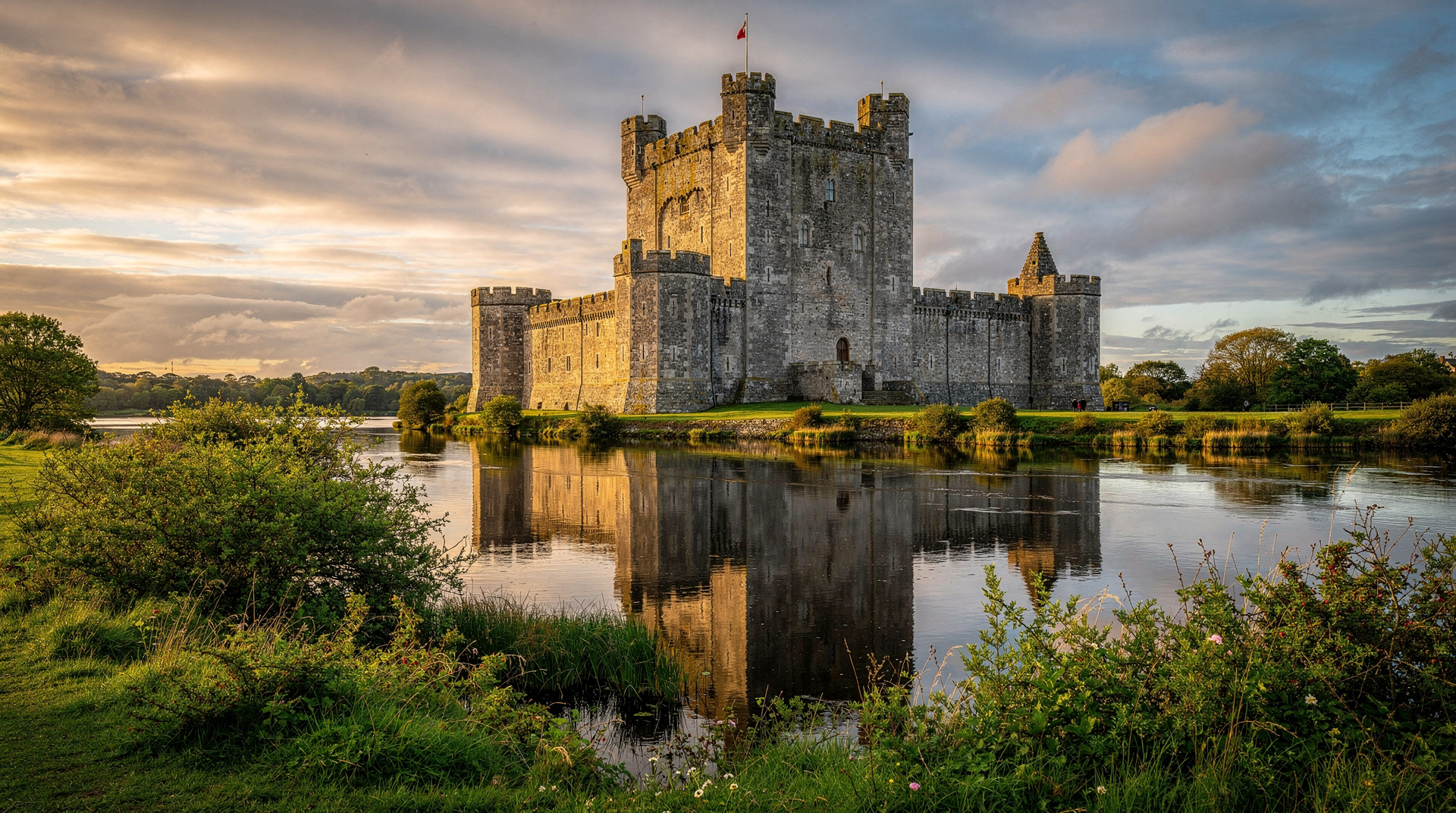
Combining Newgrange with Hill of Tara or Trim Castle makes a full Boyne Valley day that covers Ireland from the Neolithic to the Norman period. The Hill of Tara tour covers all three in a single organised day.
Choosing between a tour and driving yourself
The honest answer depends on how you like to travel. A tour removes the two things that trip people up most: securing a timed slot and arranging the logistics around it. You are collected in Dublin, delivered to the visitor centre in time for your shuttle, and brought back without having to think about parking, junctions or the clock. If you are travelling without a car, the day trips without a car guide explains how the Boyne Valley compares with other options from the capital.
Driving gives you flexibility. You can linger in the exhibition, stop at Dowth on your own terms and decide on the day whether to add another site. If you plan to hire a car, read driving in Ireland from Dublin before you set off, particularly if you are not used to narrow country roads or driving on the left. Whichever you choose, the timed shuttle slot is the fixed point of the day: everything else is arranged around it.
What to expect on the shuttle and at the mound
The shuttle from the visitor centre is short, and it sets the rhythm of the visit. You are not wandering freely across the site; you are delivered to the mound, met by a guide and moved through in your group. That can feel regimented, but it is also what keeps the monument in the condition you came to see. Take a moment outside before entering to look at the white quartz facade and the great entrance stone with its carved spirals. Most people rush straight to the passage, then realise afterwards that the exterior was the part they most wanted to photograph.
Inside, the passage is tight and the ceiling low in places, so anyone uneasy in confined spaces should know that before booking. The guide does most of the talking in the chamber, and the demonstration of the solstice light is the moment that tends to silence a group. Listen rather than filming; you will remember more of it. If you are travelling with children, the Dublin with kids guide and the family day trips page help you judge whether a long, quiet, history-heavy day suits them.
Making a longer Boyne Valley day
Newgrange works best as the anchor of a wider day rather than a stand-alone stop. Pair the tombs with the early Christian carvings at Monasterboice and Mellifont and you move from prehistory to the medieval church in a single drive. Add Trim Castle and the day takes in a Norman stronghold as well. The Newgrange and Boyne Valley day trip guide lays out how the pieces fit together, and the best day trips from Dublin roundup shows how the Boyne Valley compares with Wicklow, Kilkenny and the west.
If you would rather not organise the pieces yourself, a combined day is available: one option pairs the tombs with a Norman castle and the ancient royal hill nearby, while another swaps the castle for the early monastic site and its high crosses. Either way the transport and the timed entry are handled for you, and you can read more about the stops in the Hill of Tara and Trim Castle pages.
If you are building a longer stay around this visit, the Dublin 4 days with a day trip itinerary and the Dublin history buff 3 days plan both slot a Boyne Valley day in sensibly, and the Newgrange older than the pyramids post gives a more personal account of what the visit felt like.
Booking ahead without stress
The simplest way to avoid disappointment is to treat Newgrange as the first booking you make and build the rest of the trip around it. Read booking attractions in advance for the general approach in Dublin, and keep a flexible day in your plans in case weather or a sold-out slot forces a change. If your preferred date is gone, try an adjacent day rather than giving up; a small shift in your itinerary is far better than skipping the site altogether.
The winter solstice lottery
Each year, the Office of Public Works runs a lottery for the 50 spots available inside Newgrange at dawn on 19–23 December, when the actual solstice illumination occurs. Applications open in September. Over 30,000 people apply for those 50 places. If you want this experience, enter the lottery immediately when it opens — the odds are long but not impossible — and note that the weather in December in Ireland is frequently overcast, which means the light show may be diffused or absent even if you win a place. It remains a remarkable thing to hope for.
When to go outside the solstice
March through October is the main visiting season. May and June give the best combination of crowd levels and daylight. July and August are peak months — book well in advance and arrive at the visitor centre early for your shuttle slot. November and December outside the solstice period are quieter but have shorter days; the site itself is atmospheric in low winter light. The best time to visit Dublin applies to the wider region: shoulder seasons reward those who plan.
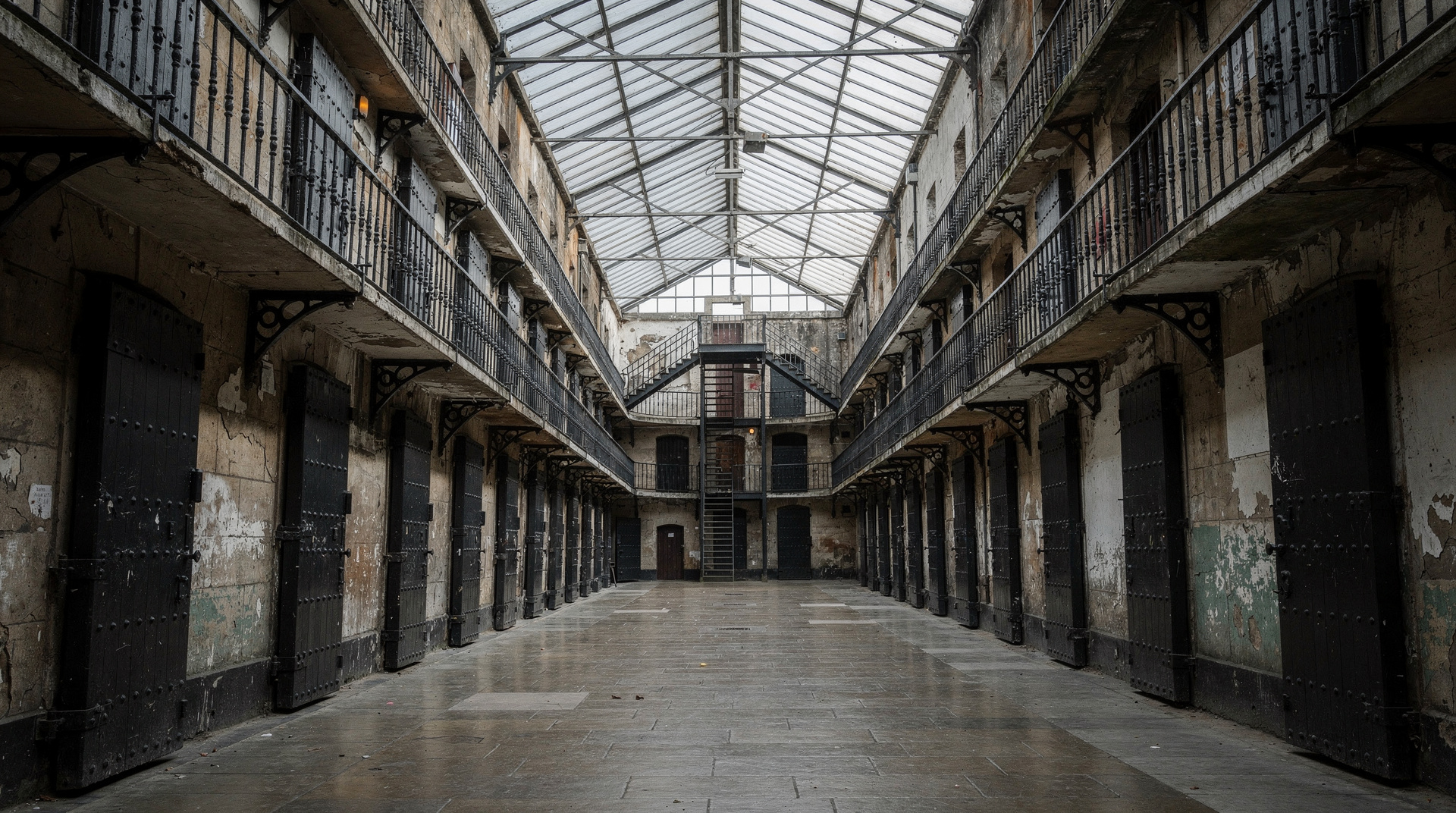
A day trip here pairs naturally with a broader look at Dublin’s own museums and heritage sites — Kilmainham Gaol covers a very different, much more recent chapter of Irish history, and together the two give a genuine span from the Neolithic to the twentieth century.
Frequently asked questions about Newgrange and Brú na Bóinne
Can I just turn up at Newgrange without booking? In theory yes, but in practice it is a poor plan from March to October — timed shuttle slots sell out, sometimes weeks ahead in July and August, and walk-up visitors are frequently turned away or left waiting hours. Book online through Heritage Ireland as soon as your date is fixed.
How long does the actual tour inside Newgrange take? The guided tour of the passage and chamber itself runs about 20–25 minutes, but the full visit — shuttle out, tour, shuttle back, plus the exhibition beforehand — takes closer to two to three hours if you are doing Newgrange alone, or a full day if you add Knowth or the wider Boyne Valley.
Top experiences
Bookable activities with verified prices and instant confirmation on GetYourGuide.

Dublin: Boyne Valley with Newgrange and Brú na Bóinne entry
- Free cancellation
- Instant confirmation

From Dublin: Newgrange, Trim Castle and Hill of Tara
- Free cancellation
- Instant confirmation

Ireland: Newgrange, Monasterboice and Hill of Tara day tour
- Free cancellation
- Instant confirmation

From Dublin: Celtic Boyne Valley and ancient sites tour
- Free cancellation
- Instant confirmation

From Dublin: Newgrange passage tomb & ancient Irish sites
- Free cancellation
- Instant confirmation