Bray and Greystones
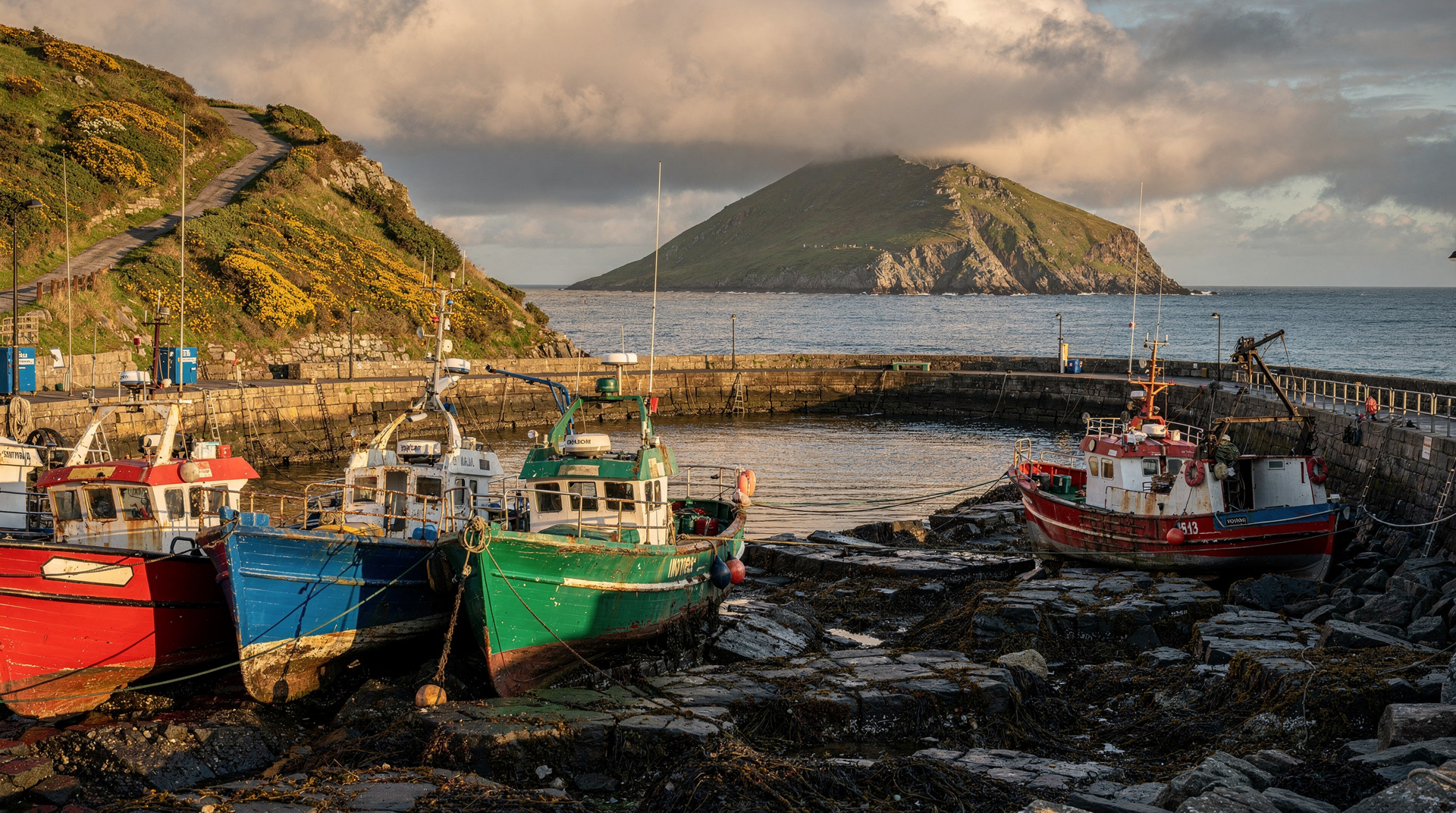
Bray and Greystones are the DART line's southern end, linked by a famous cliff walk with the Wicklow Mountains rising behind and Dublin Bay views.
From Dublin: half-day trip to Glendalough and Wicklow
Duration: 5h
- Free cancellation
- Instant confirmation
Quick facts
- Getting there
- DART from city centre to Bray, 40 min; Greystones 50 min
- Cliff walk
- 6 km, 90 min one-way; well-marked but vertiginous
- Currency
- Euro (€)
- Bray town
- Seaside promenade, restaurants, amusements
- Greystones
- Quieter harbour village with good cafés
Where the DART line ends and the Wicklow hills begin
Bray is a Victorian seaside town at the southern end of the DART line, about twenty kilometres south of Dublin city centre in County Wicklow. Greystones is five kilometres further south — a smaller, quieter harbour village that has grown significantly in the last decade as young families have moved south along the coast. Between the two, there is a cliff walk that is justifiably famous and one of the best coastal walking routes accessible by public transport from any European capital.
The Wicklow Mountains rise steeply behind both towns, and the drive or bus journey into the hills to Glendalough is feasible in the same day — making Bray or Greystones a natural pivot point between coast and mountain.
| Where | County Wicklow, DART south coast — Bray ~40 min, Greystones ~50 min from Dublin |
| Cost | DART fare around €4.50–5.50 one-way; free once you’re walking |
| Time needed | Half day for the cliff walk alone; a full day combined with Glendalough |
| Getting there | DART from Connolly or Pearse Station, or bus route 45A to Bray |
| Best time | May to October for the cliff walk; both towns work year-round |
Bray
Bray’s front is a traditional seaside promenade stretching about two kilometres, with amusements, ice cream kiosks, and views south to Bray Head. The town itself has a complicated character: it was a fashionable Victorian resort, declined through the second half of the twentieth century, and has been recovering unevenly since. The seafront still has the bones of its Victorian ambition — the esplanade, the bandstand, the cliff-side heritage gardens — alongside the candy-floss stalls and carnival rides that accumulated during the tougher decades.
Bray Head, the promontory at the southern end of the promenade, rises to 241 metres and carries a cross visible from the town. A walk to the summit and back from the seafront takes about 90 minutes and gives panoramic views across Dublin Bay to the north and along the Wicklow coast to the south. The path begins at the end of the promenade and is clearly marked.
The best food and coffee in Bray are not on the seafront. The town centre behind the train station has several good independent cafés; Mango Thai Bistro and Box Burger are local favourites for a meal. The seafront restaurants vary in quality and lean toward the tourist end of the market.
The Bray to Greystones cliff walk
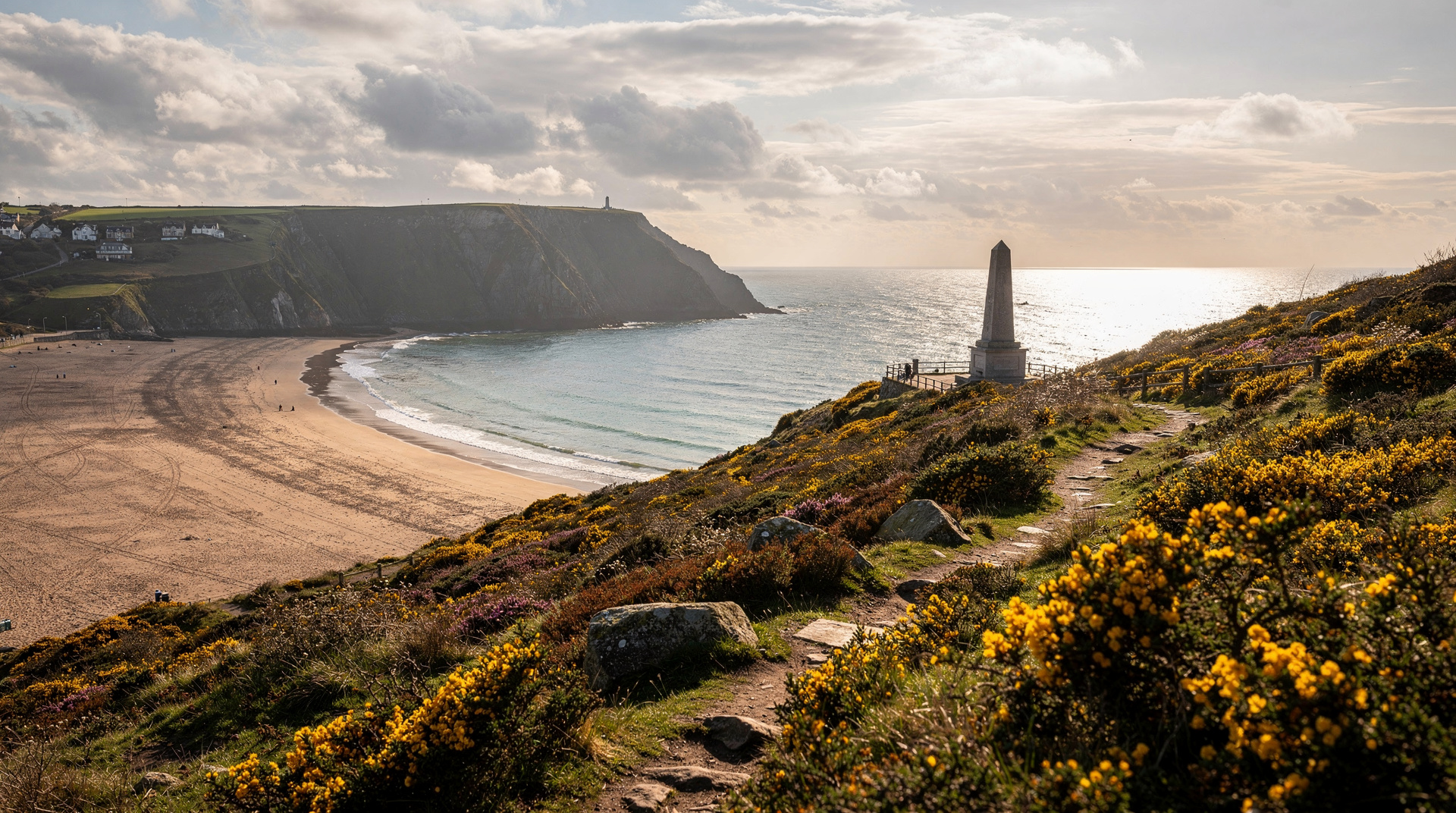
The cliff walk between Bray and Greystones is about six kilometres, takes 90 minutes to two hours, and follows the cliff edge of Bray Head around the headland before descending to Greystones harbour. The views are genuinely impressive — the cliffs drop steeply to the sea on the right, with Dublin Bay visible behind you and the open sea ahead. In good weather the walk to Bray Head on the cliff path is one of the finest accessible coastal routes in the country.
The path involves some exposure — there are sections where the drop to the sea is significant and the path is narrow. It is not a technical scramble, but it requires attention and appropriate footwear. It is not suitable for pushchairs or people with significant mobility limitations. The surface is mostly compacted earth and stone, wet and slippery in winter.
Start from the Bray seafront and walk south to the Cliff Walk signage at the end of the promenade. The path climbs quickly. At Greystones, the DART takes you back to the city in fifty minutes. Alternatively, have lunch in Greystones harbour and return by the same path if you want the views in both directions.
Greystones
Greystones has changed from a sleepy commuter town to a genuinely good place to spend an afternoon. The harbour area has several cafés and restaurants that are better than anything in Bray for food quality — the Happy Pear vegetarian café and restaurant (a famous Dublin institution that started here) draws visitors from across the county. Chakra Indian restaurant in the town centre is another reliable option.
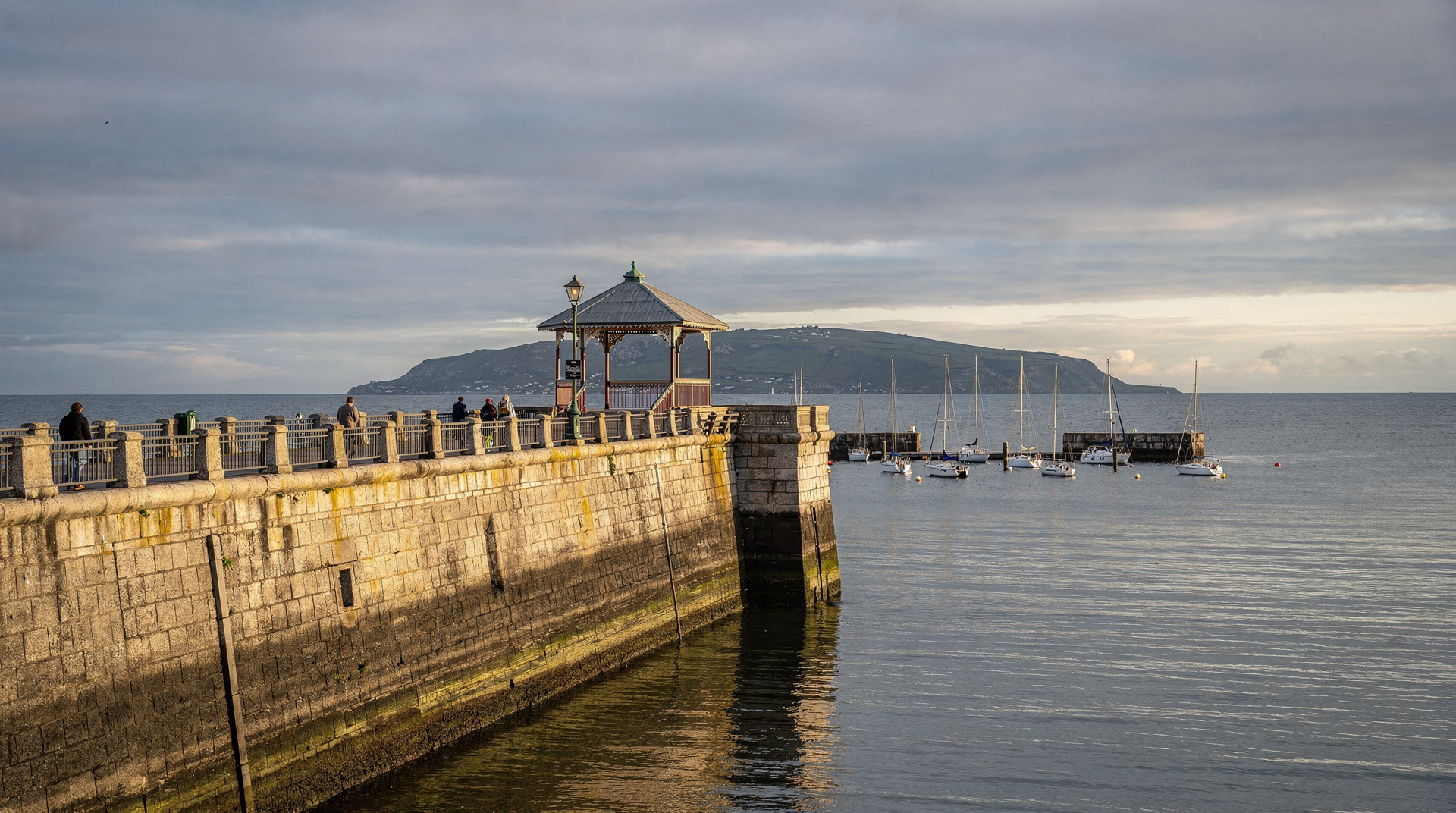
The harbour itself is a working fishing and leisure marina with a beach below the harbour wall. The town’s main street, Church Road, is well supplied with independent shops. The atmosphere is relaxed in a way that Bray’s seafront, with its amusement park energy, is not.
Combining with Glendalough and the Wicklow Mountains
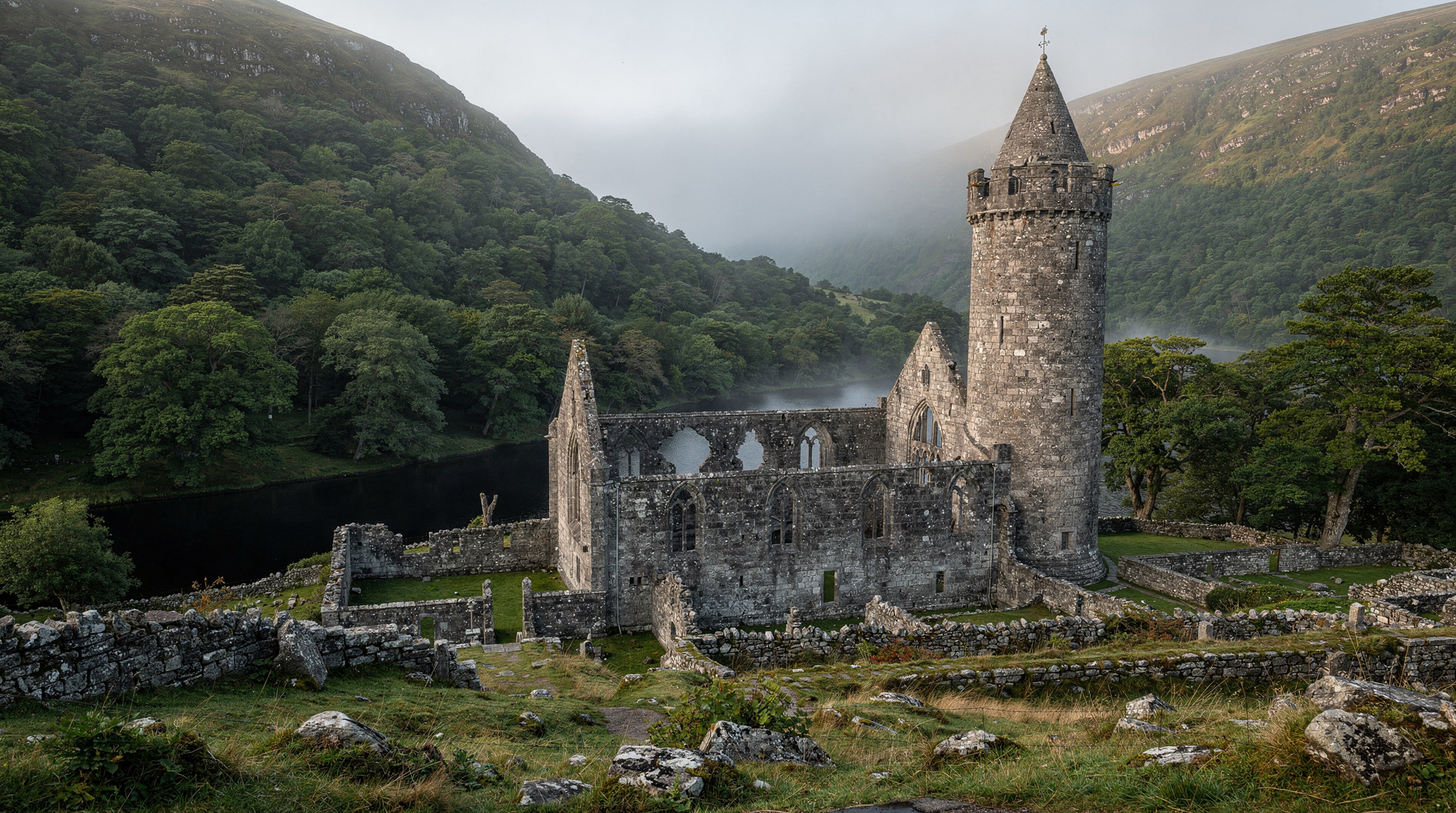
The most common extension of a Bray day is into the Wicklow Mountains — specifically Glendalough, about 45 minutes by car or organised tour from Bray. There is no direct bus from Bray to Glendalough, so independent visitors need either a car or an organised tour.
The half-day Glendalough and Wicklow Mountains tour from Dublin picks up from the city centre and can be paired with an independent Bray/Greystones cliff walk day — Glendalough in the morning on the tour, returning to Dublin at midday, then the DART south to Bray in the afternoon. The timing works if you plan it.
Alternatively, a Bray/Greystones cliff walk day followed by the Wicklow day trip guide as a separate day gives a complete picture of this coast and its hinterland without rushing either.
Getting there
The DART runs from Connolly or Pearse Station to Bray in around 40 minutes and to Greystones in 50 minutes. Trains run every 20 minutes during peak hours on this line. The single fare to Bray is approximately €4.50; to Greystones slightly more. A Leap Visitor Card covers both.
Bray is also accessible by bus (route 45A from Fleet Street in the city centre, about 50 minutes). The cliff walk between Bray and Greystones means there is no transport decision to make once you arrive — you walk from one DART station to the next and take the train back.
Which direction to walk
Most people start in Bray and finish in Greystones, since the DART back to the city runs more frequently from Greystones’ larger station and the walk ends with a reward — lunch at the harbour rather than Bray’s amusement-park seafront. Walking the other direction works just as well and has the advantage of the cliffs facing you on the return leg, so the Dublin Bay views open up gradually as you approach Bray Head from the south. Either way, allow extra time in summer, when the path is busier with families and casual walkers moving at a slower pace.
Comparing Bray and Greystones
| Bray | Greystones | |
|---|---|---|
| Atmosphere | Traditional seaside, amusement-park energy | Quieter harbour village, more sedate |
| Food | Town centre cafés better than the seafront | Harbour cafés and restaurants, generally higher quality |
| Best for | Families, Bray Head walk, nostalgia | A relaxed lunch, the harbour, fewer crowds |
| DART frequency | Every 20 min peak hours | Every 20 min peak hours, slightly longer journey |
Combining with the wider Dublin coast
Bray and Greystones sit at the southern end of a longer coastal DART line that also serves Dun Laoghaire, Dalkey and Killiney further north — all reachable on the same line without changing trains. Travellers building a full coastal day sometimes hop off at Dalkey or Killiney on the way south before continuing to Bray, though doing all of it in one day is ambitious; the Dublin coastal 3-day itinerary spreads it more comfortably across separate outings. For a shorter coastal alternative closer to the city, see Howth on the north side of Dublin Bay.
What to bring and how to pace the walk
The cliff walk rewards a little preparation. Wear shoes with real grip rather than fashion trainers, carry a waterproof layer even when the morning looks settled, and bring water and something to eat, since the path itself has nothing along it. Irish weather changes quickly on an exposed headland, and a bright start can turn damp and windy by the time you are halfway round. The Dublin weather and what to pack guide covers layers for every season, and it applies just as well on the Wicklow coast as in the city.
Pace yourself rather than racing for the far end. The route is best taken slowly, stopping at the points where the cliffs open out and Dublin Bay appears behind you. Photographers will want to pause often, and nobody on the path minds being overtaken. If a section feels too exposed on the day, you can turn back, because the walk is a pleasure and not a challenge to be completed at any cost.
A relaxed day built around the DART
The appeal of this stretch of coast is that it needs almost no logistics. You take the train south, walk, eat, and take the train home. That makes it an easy answer to the question of what to do on a day when you have no tour booked and no fixed plan. If you are still deciding how to spread your time, the how many days in Dublin guide and the Dublin first-time guide help place a coastal half day within the rest of a trip.
For the practical side of the line itself, the DART and coastal day-out guide explains how the trains work for visitors, and the DART and Luas guide sets out how both systems fit together. The getting around Dublin guide is useful if you are still choosing between rail, bus and car for the rest of your stay.
Choosing between the coast and the mountains
Bray and Greystones suit visitors who want fresh air without committing to a full-day excursion. If you prefer to see the hills properly, the Wicklow Mountains guide and the Wicklow Mountains destination page cover what the high ground offers, while Powerscourt and the Powerscourt gardens and waterfall guide are natural companions for anyone who likes a garden setting under the mountains. The Glendalough guide goes deeper on the monastic valley that most people have in mind when they think of Wicklow.
If you would rather leave the planning to someone else, a guided day tour taking in Wicklow, Powerscourt and Glendalough covers the hills and the gardens in one go, and it leaves the coast for a separate, unhurried day on the DART. Many visitors find that two distinct days, one on the tour and one on foot, suit them better than a single crowded one. The Wicklow Mountains day trip guide and the Lough Tay and Sally Gap page help you decide how much of the high ground you want to see.
Those without a car should read the day trips without a car guide, which makes clear how much of this region you can reach on public transport and where an organised tour is the more sensible choice. For a wider comparison of options, the best day trips from Dublin lists the main contenders side by side.
Making it a family outing
Bray works well with children because the promenade is flat, the amusements are close at hand, and the beach is right there. The full cliff walk is a different matter, and younger children will need to be watched closely near the edges. A sensible plan is to enjoy the seafront and let the more confident walkers tackle the path while others wait in town. The family day trips guide and the Dublin with kids guide have more ideas for keeping a family busy, and the rainy day guide for kids is worth bookmarking in case the forecast turns.
If the weather turns
A wet day changes the character of this trip. The path becomes slippery, the views flatten, and the seafront feels bleak rather than cheerful. In that case it is better to postpone and swap in an indoor plan. The rainy day in Dublin guide has options in the city, and the blog post a rainy afternoon in Dublin gives a personal take on making the most of grey weather. You can always return to the coast on a better day, since the DART makes a second attempt easy.
Where this fits in a longer stay
A morning on the cliffs pairs well with a gentler city day afterwards. Travellers who like walking might read the Howth cliff walk guide to compare the two routes on either side of the bay, and the Dalkey village guide is an easy stop on the same line. The Dublin coastal 3-day itinerary and the 4-day itinerary with a day trip show how a coastal outing can sit between city sightseeing days. Those building a loose plan of their own may also like the Dublin 3-day planning guide.
Top experiences
Bookable activities with verified prices and instant confirmation on GetYourGuide.

From Dublin: half-day trip to Glendalough and Wicklow
- Free cancellation
- Instant confirmation

From Dublin: Wild Wicklow Mountains and Glendalough tour
- Free cancellation
- Instant confirmation

From Dublin: Glendalough and Wicklow Mountains guided trip
- Free cancellation
- Instant confirmation

From Dublin: Wicklow, Powerscourt, and Glendalough day tour
- Free cancellation
- Instant confirmation

Dublin: the original hop-on hop-off green bus tour
- Free cancellation
- Instant confirmation