Wicklow Mountains
The Wicklow Mountains National Park begins 25 km south of Dublin — granite moorland, oak valleys, and Ireland's finest upland walking, all in a day.
Glendalough: full-day Wicklow Mountains hike and drive
Duration: 8.5h
- Free cancellation
- Instant confirmation
Quick facts
- Distance from Dublin
- 25–55 km south, depending on destination
- National Park
- Wicklow Mountains National Park — free entry
- Highest point
- Lugnaquilla, 925 m (half a day from Glenmalure)
- By tour
- Most tours depart Dublin 9–10 am, return by 5–6 pm
- Best base
- Roundwood or Laragh for walkers
Ireland’s mountain backyard, 30 minutes from the capital
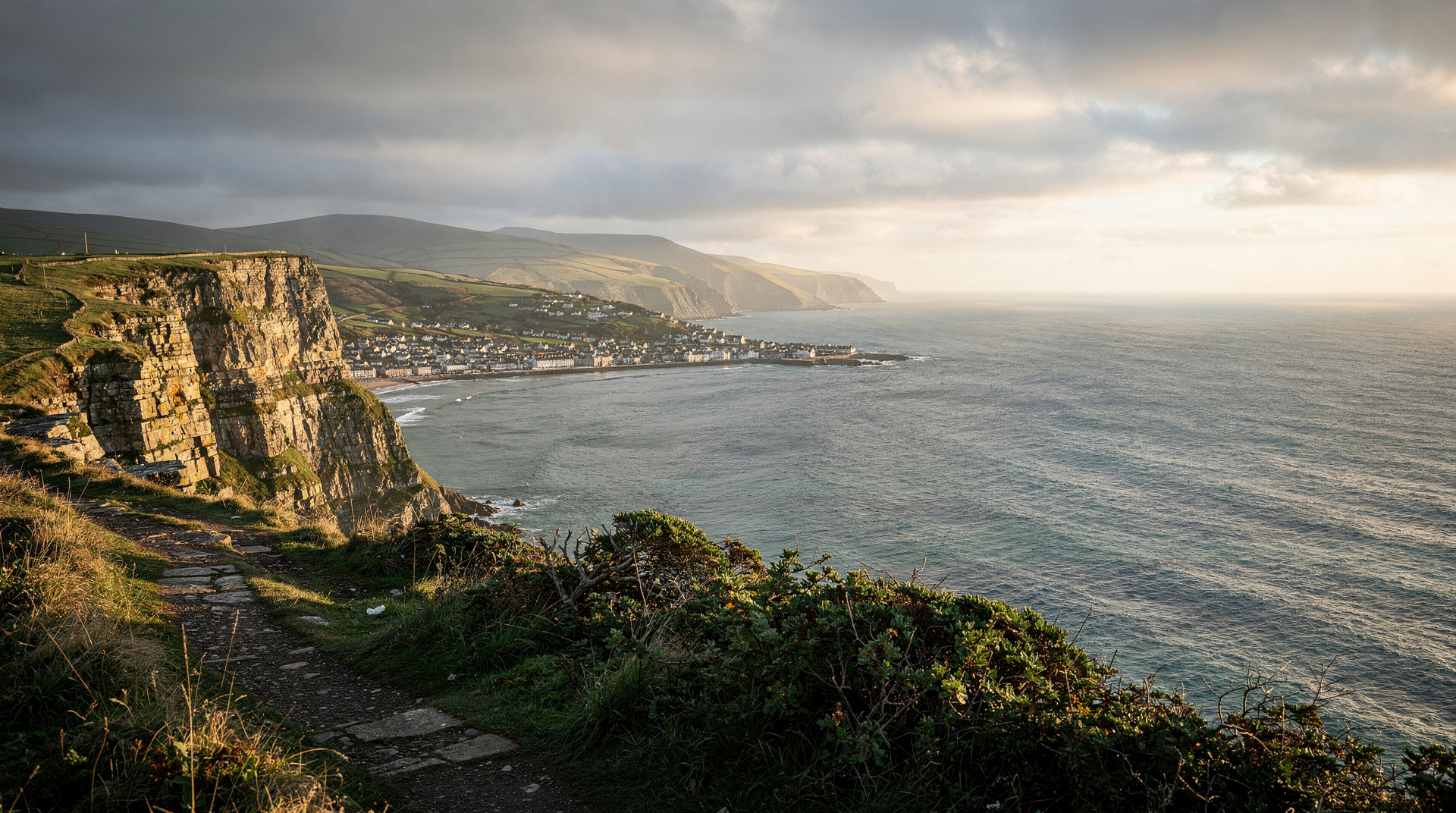
The Wicklow Mountains are where Dublin goes to breathe. The Irish call the range the Garden of Ireland, which is accurate in parts — the valley floors are lush with oak and ash — but the uplands are something rougher: vast expanses of peat bog and heather, shaped by glaciers and battered by Atlantic weather, with granite peaks breaking through where the moorland gives way to exposed rock. It is genuinely wild country by Irish standards, and the contrast with the compact, Georgian city an hour to the north is abrupt.
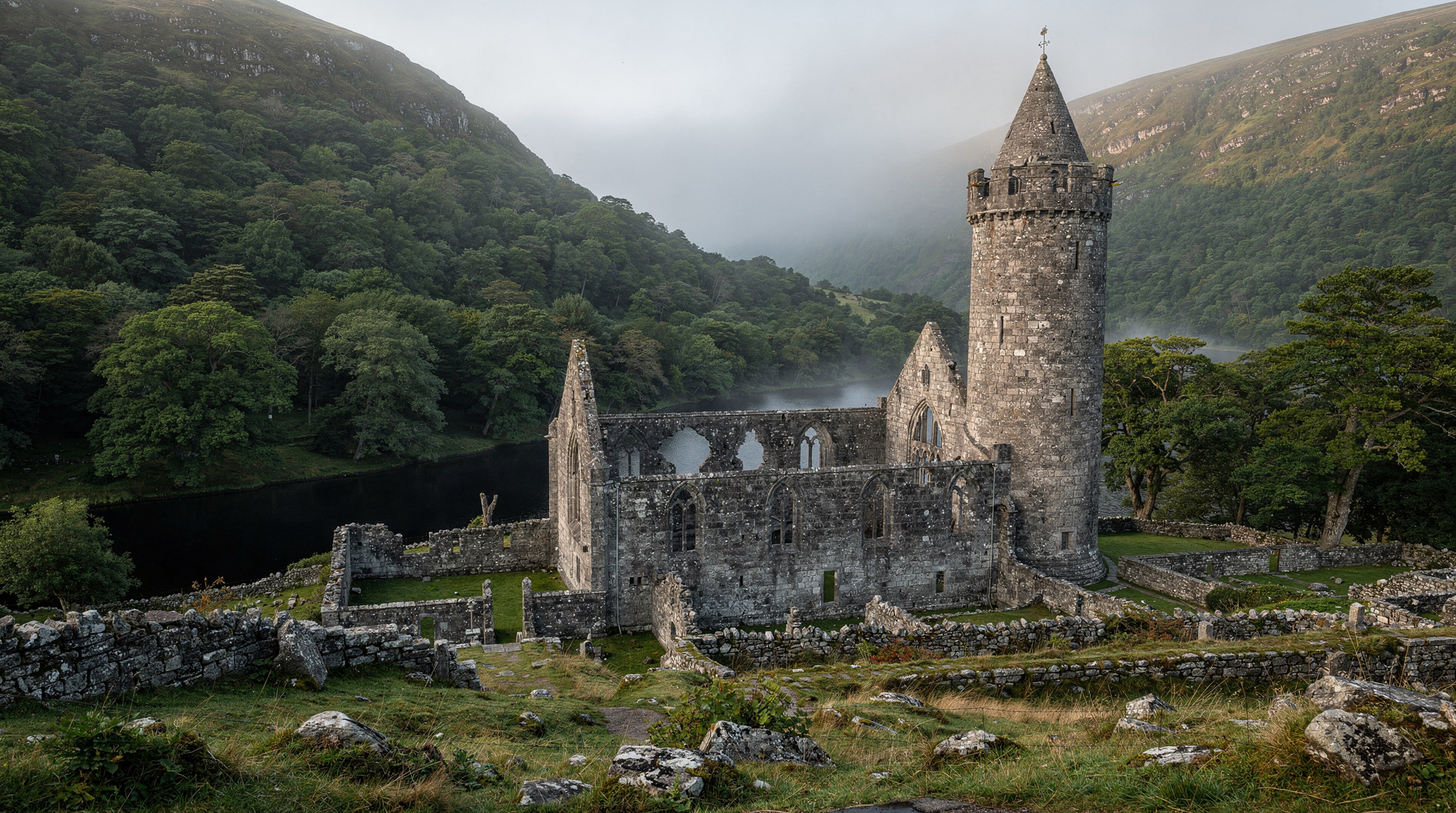
The national park covers 204 square kilometres and contains Ireland’s largest upland area. Within it you will find the monastic ruins of Glendalough, the glacial lakes of the Sally Gap plateau, the formal gardens of Powerscourt, and walking routes from a short lakeside stroll to a full-day ridge traverse. The question is not whether to go to Wicklow — it is which part of it, and whether you go on an organised tour or drive yourself.
| Where | 25–55 km south of Dublin, spanning Wicklow’s uplands |
| Cost | National Park entry free; tours from around €40–70 per person |
| Time needed | Full day; half day if focused on one valley only |
| Getting there | Organised tour or car; no train reaches the uplands directly |
| Best time | April–October for walking; midweek for smaller crowds |
Getting there from Dublin
Most people reach the Wicklow Mountains either by organised tour or by car. There is no train into the mountains themselves, though the Dart reaches Bray and Greystones on the coast, from where you could hire a car or cycle inland. For the uplands and Glendalough specifically, a tour or a private car is the only realistic option.
The Glendalough Wicklow Mountains hike and drive is the best choice if you want to actually walk in the mountains — it combines a guided hike on the uplands with a visit to Glendalough, and allows significantly more time on foot than the standard sightseeing tours. The Wild Wicklow tour is more popular and covers more ground scenically but at a faster pace.
Driving from Dublin takes 45–75 minutes depending on where in the mountains you are headed. The R117 over the Sally Gap is the most scenic route from the north, passing Lough Tay (the Guinness Lake) and continuing to Glendalough via Roundwood. From the south, the N11 to Rathdrum gives access to the Avondale and Avoca valleys.
The Sally Gap and the mountain roads
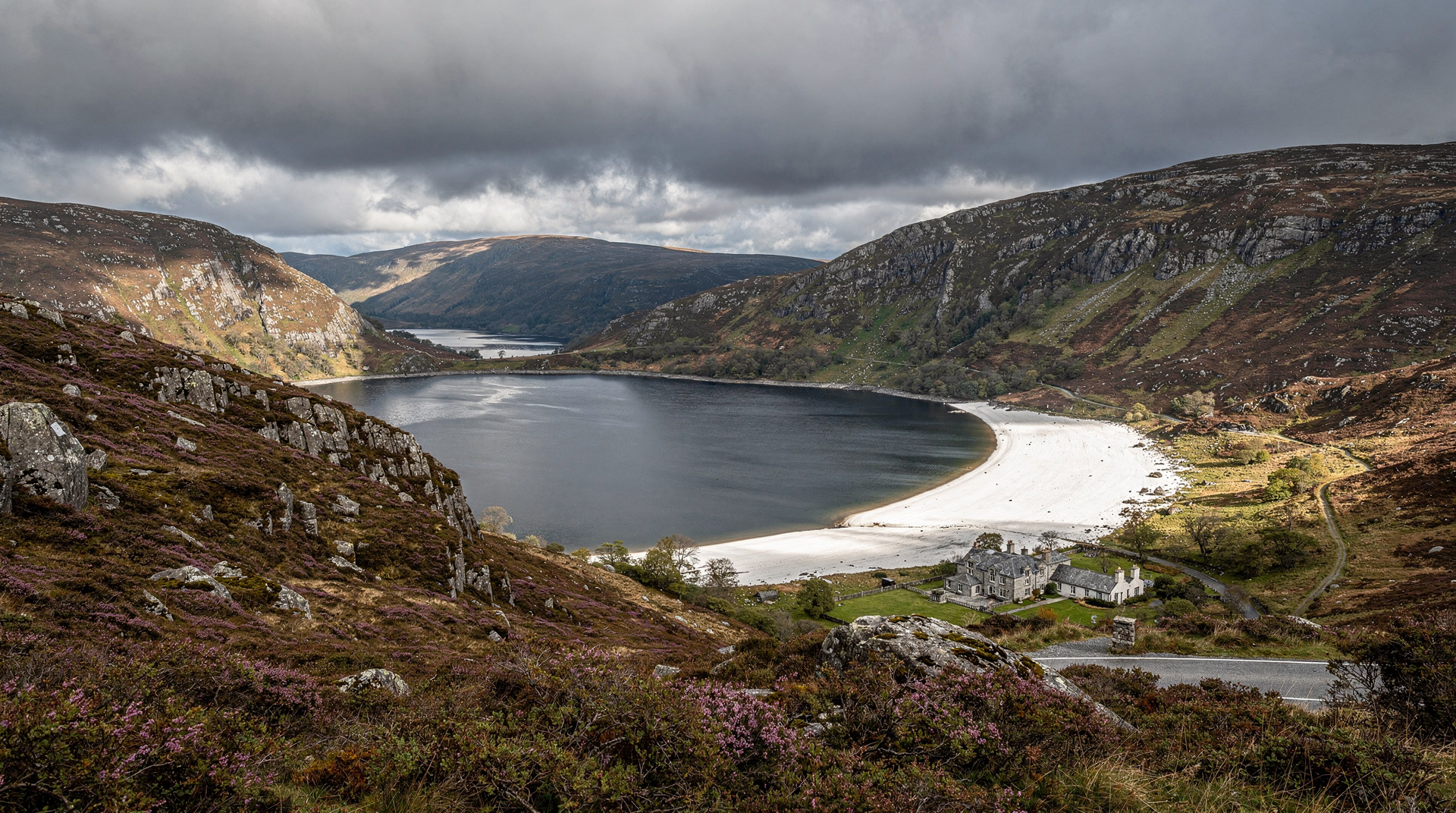
The Sally Gap is a high mountain crossroads at approximately 500 metres elevation where several blanket-bog plateau roads converge. It is bleak in the best way — treeless, open to the sky, with views across the Wicklow uplands that on a clear day extend to the sea. The road from Roundwood to the Sally Gap passes Lough Tay, the dark-watered lake that drops sharply from the road, which is arguably the single most dramatic view in the county.
This road, the R759, is narrow and requires confidence if you meet oncoming traffic, but it is perfectly driveable and is routinely used by tour coaches. From the Sally Gap you can continue west to the Military Road and south to Glendalough, making a full loop of the most scenic part of the mountains.
Walking in the national park
The national park maintains a network of waymarked walks ranging from a 1-kilometre easy loop to sections of the 132-kilometre Wicklow Way long-distance route. A few worth knowing:
The Glendalough upper lake circuit (about 4.5 km, 1.5–2 hours) follows the wooded south shore of the upper lake before climbing to overlook both lakes from the cliffs above. It is the best short walk on the whole mountain if you are limited for time.
The Camaderry summit (647 m, about 5 km return from the upper lake car park) gives you a panorama of the whole Glendalough valley and, on a clear day, as far as the coast and the mountains of Wales. Allow 3–4 hours for this and wear proper boots.
The Spinc ridge (about 9 km loop from the main visitor car park) traverses a ridge above the upper lake on a boardwalk section before descending through the valley. This is the most rewarding full walk in the park for those with half a day and reasonable fitness.
Lugnaquilla, the highest peak in Leinster at 925 metres, is in the southern part of the national park near Glenmalure. It requires a long approach walk from the valley and is not a casual choice; allow a full day from Dublin and experienced mountain navigation.
| Walk | Distance | Time | Suits |
|---|---|---|---|
| Glendalough upper lake circuit | ~4.5 km | 1.5–2 hrs | Most visitors, limited time |
| Spinc ridge loop | ~9 km | 3–4 hrs | Half-day walkers, reasonable fitness |
| Camaderry summit | ~5 km return | 3–4 hrs | Panoramic views, proper boots needed |
| Lugnaquilla | Full-day approach | 6–8 hrs | Experienced hikers only |
For all walks above the valleys, bring waterproof trousers and a warm layer even in summer. The weather at altitude changes faster than forecasts suggest, and the peat bog is waterlogged year-round.
Wild Wicklow and Glendalough day tourChoosing between a tour and a self-drive day
The choice comes down to what you want from the day. A coach tour removes every practical worry: someone else drives the narrow mountain roads, someone else finds the car park, and you can look out of the window instead of at the road. If you are travelling without a licence or simply do not want the stress of driving on the left, the day trips without a car guide explains what is realistic from the city. If you do plan to hire a car, read driving in Ireland from Dublin first, because the mountain roads are a lot more demanding than the motorway out of the capital.
A self-drive day gives you freedom to linger. You can stop at a viewpoint when the cloud lifts, spend an extra hour on a walk that is going well, or turn back early when the weather closes in. The cost is that you carry every decision yourself, from where to park to when to leave for the return to Dublin. Many visitors find a middle path works best: a tour for the day they want to relax, and their own wheels for a second visit focused on walking.
For a broader view of how the mountains compare with the other excursions on offer, best day trips from Dublin and which Dublin day trip is best set Wicklow against the alternatives, so you can decide whether this is the right use of your free day.
Why the mountains stayed wild
The Wicklow Mountains’ remoteness is not accidental. After the 1798 Rising, rebel leader Michael Dwyer held out in these uplands for five years, using the terrain’s difficulty to evade capture — the British response was to build the Military Road, which still runs through the range today and remains the main route across the Sally Gap and down to Glenmalure. That history explains why a mountain range so close to the capital stayed so undeveloped: it was designed, quite deliberately, to be hard to move through.
Wildlife and landscape
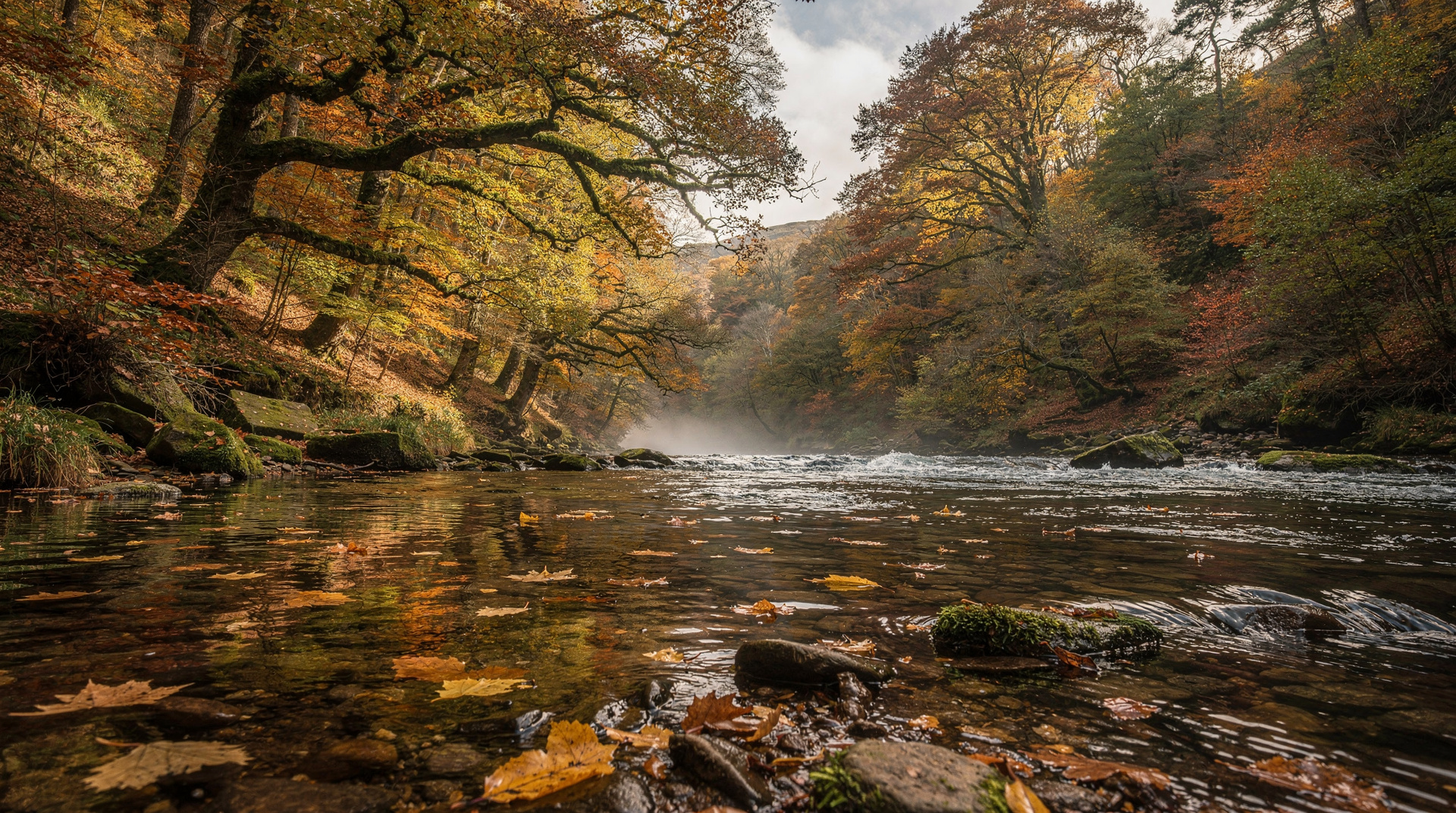
The uplands support red grouse, peregrine falcon, and merlin. Hare are common on the plateau moorland. Lower in the wooded valleys, red squirrel survive in the older oak woods, and the rivers hold wild brown trout. The blanket bog itself — stretching across much of the upper plateau — is an ecosystem of sphagnum moss, cottongrass and heather that has been accumulating for thousands of years; walking off-path compresses and damages it permanently, which is why the boardwalk sections of maintained trails exist.
Reading the weather and packing sensibly
Dublin weather is a poor guide to what you will find in the hills. A mild, bright morning in the city can turn into low cloud, wind and rain on the plateau within an hour, and the reverse is just as possible. Treat the forecast as a rough hint, look at the sky when you arrive, and be willing to swap a high walk for a valley one if the summits are hidden. The Dublin weather and what to pack guide covers layers in general; for the mountains, add sturdy footwear with a good grip, a waterproof shell, something warm, and a drink and snacks, since there is no shop on the open moorland.
Mobile signal can be patchy in the deeper valleys, so decide your route before you leave the car and tell someone where you are going. Keep to waymarked paths, and if the cloud comes down on a ridge, turn around rather than pressing on. The best walkers in the Wicklow Mountains are the ones who know when to stop.
Wicklow with children and mixed groups
The range suits mixed groups better than its wild reputation suggests. The lakeside paths near Glendalough are gentle enough for most families, while the more ambitious ridges can be left to those who want them. If you are travelling with younger children, Dublin with kids and family day trips from Dublin help you decide how much to attempt, and a short walk followed by a stop at a garden or a cafe usually goes down better than one long climb. Keep an eye on the weather and let the slowest walker set the pace.
Fitting the mountains into a longer stay
Wicklow works well as the one outdoor day in an otherwise city-focused trip. If you are building a first visit, Dublin first-time guide and how many days in Dublin show where a day in the hills fits among the city sights.
The four days with a day trip itinerary slots a mountain excursion in alongside the big city attractions, and the Dublin coastal 3 days plan pairs the hills with the seaside. Those who want a quiet ending to the day might return to Dalkey or Howth on the coast for a seafood supper rather than heading straight back to the centre.
For a first-hand account of the area in the greener months, the blog post Glendalough in spring describes what the valley feels like when the season turns, and the more detailed Wicklow Mountains guide goes deeper into routes and planning.
Combining with other Wicklow destinations
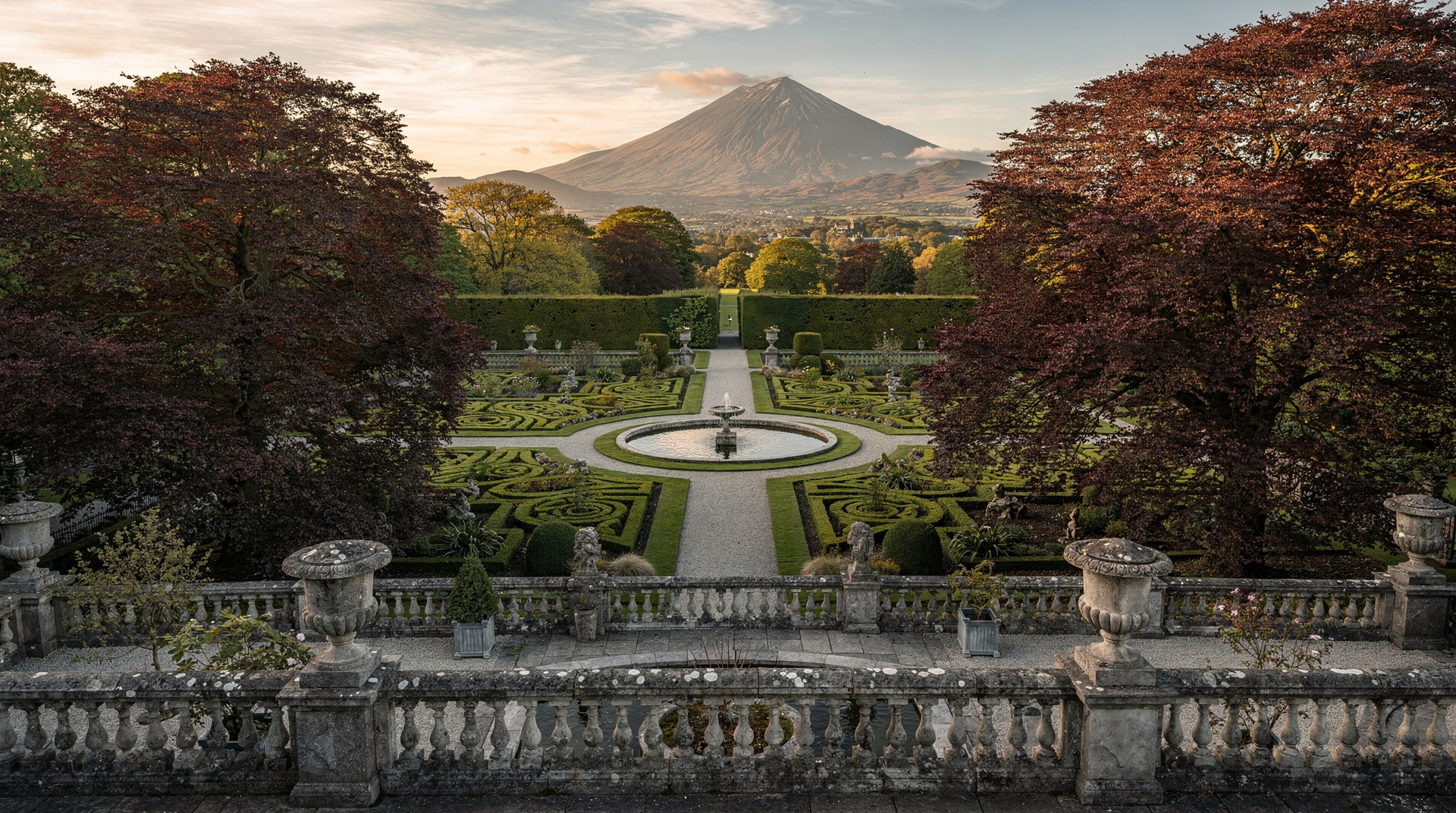
The mountains form a logical hub for a full Wicklow day. Powerscourt sits on the northern edge near Enniskerry, offering formal gardens, a waterfall, and the most photogenic country estate in Wicklow. Avoca in the south offers the Avoca Handweavers mill and the wooded Vale of Avoca. And Glendalough sits at the heart of the mountains, reachable from almost every direction.
The wicklow-glendalough day trip guide maps out the combinations in detail. For families considering the mountains, family day trips from Dublin has Wicklow-specific suggestions for keeping younger children engaged.
When to visit
April through October covers the main walking season, with May and September the sweet spots for weather and manageable crowds. July and August are busiest — the Glendalough car parks can be full by 10 am on summer weekends, and the mountain roads see heavy tourist traffic. Midweek visits in any season are noticeably quieter.
Winter visits are possible but require shorter ambitions — the days are short, the upper plateau can be icy, and some cafe facilities at the visitor centre reduce their hours. That said, the bog under a January frost, with the mountain peaks dusted with snow, is a sight that the summer visitor never sees.
Making the most of a quiet day
If you can choose your day, pick a weekday and start early. The early hours are when the valleys are at their stillest, the light on the lakes is at its best, and you will have the paths largely to yourself. By the time the first coaches arrive you can already be well along a ridge walk, with the busiest spots behind you. Late in the afternoon the crowds thin again, which is a good moment for a slow stroll by the water before the drive back to Dublin.
Bring a flask, a picnic and a little patience. The mountains reward visitors who slow down: stop to watch a hare cross the heather, listen for grouse, and take your time over the views from the high roads. A day spent this way feels longer and richer than one spent ticking off viewpoints from a car window.
Frequently asked questions about Wicklow Mountains
Should I book an organised tour or drive myself? It depends on whether you want to walk. Tours are the easier option for sightseeing — no parking stress, no navigating the R759 yourself — but self-driving gives you flexibility to stop where you like and stay longer on a walk. If you specifically want to hike, choose a tour built around walking, such as the Glendalough hike and drive, rather than a standard scenic-drive tour.
Is a car essential, or can I get to the mountains by public transport? For the uplands and Glendalough, effectively yes — there is no rail service into the mountains, and bus options are limited and slow. The DART reaches Bray and Greystones on the coast, but from there you would still need a car or bike to reach the interior.
Top experiences
Bookable activities with verified prices and instant confirmation on GetYourGuide.

Glendalough: full-day Wicklow Mountains hike and drive
- Free cancellation
- Instant confirmation

From Dublin: Wild Wicklow Mountains and Glendalough tour
- Free cancellation
- Instant confirmation

Personal tour from Dublin: Wicklow, Glendalough & Powerscourt
- Free cancellation
- Instant confirmation

From Dublin: Wicklow Mountains private day tour incl. Glendalough
- Free cancellation
- Instant confirmation

Dublin: Wild Wicklow shore tour - Glendalough & Guinness Lake
- Free cancellation
- Instant confirmation