Wicklow Town and Avoca
Wicklow Town is a quiet Heritage Town on the east coast; nearby Avoca has Ireland's oldest working woollen mill. Both are 1.5 hours from Dublin.
Wicklow: private day tour from Dublin
Duration: 8h
- Free cancellation
- Instant confirmation
Quick facts
- Distance from Dublin
- Wicklow Town 63 km; Avoca 65 km south
- By train
- Wicklow Town: 1h10–1h20 on the Rosslare line from Connolly
- By car
- About 1h15–1h30 to either location
- Avoca Mill
- Free entry; shop and cafe on site
- Ideal visit
- Full day combining both towns
Two quiet towns that most day-trippers drive through
Wicklow Town and Avoca are among the less-visited day-trip destinations in Leinster, which is partly their appeal. While Glendalough and Powerscourt absorb most of the Wicklow tourist traffic, the eastern coastal strip and the wooded Vale of Avoca remain largely off the organised-tour circuit. You are unlikely to queue for anything. You may find a cafe where the staff have time to talk. These are not trivial advantages.
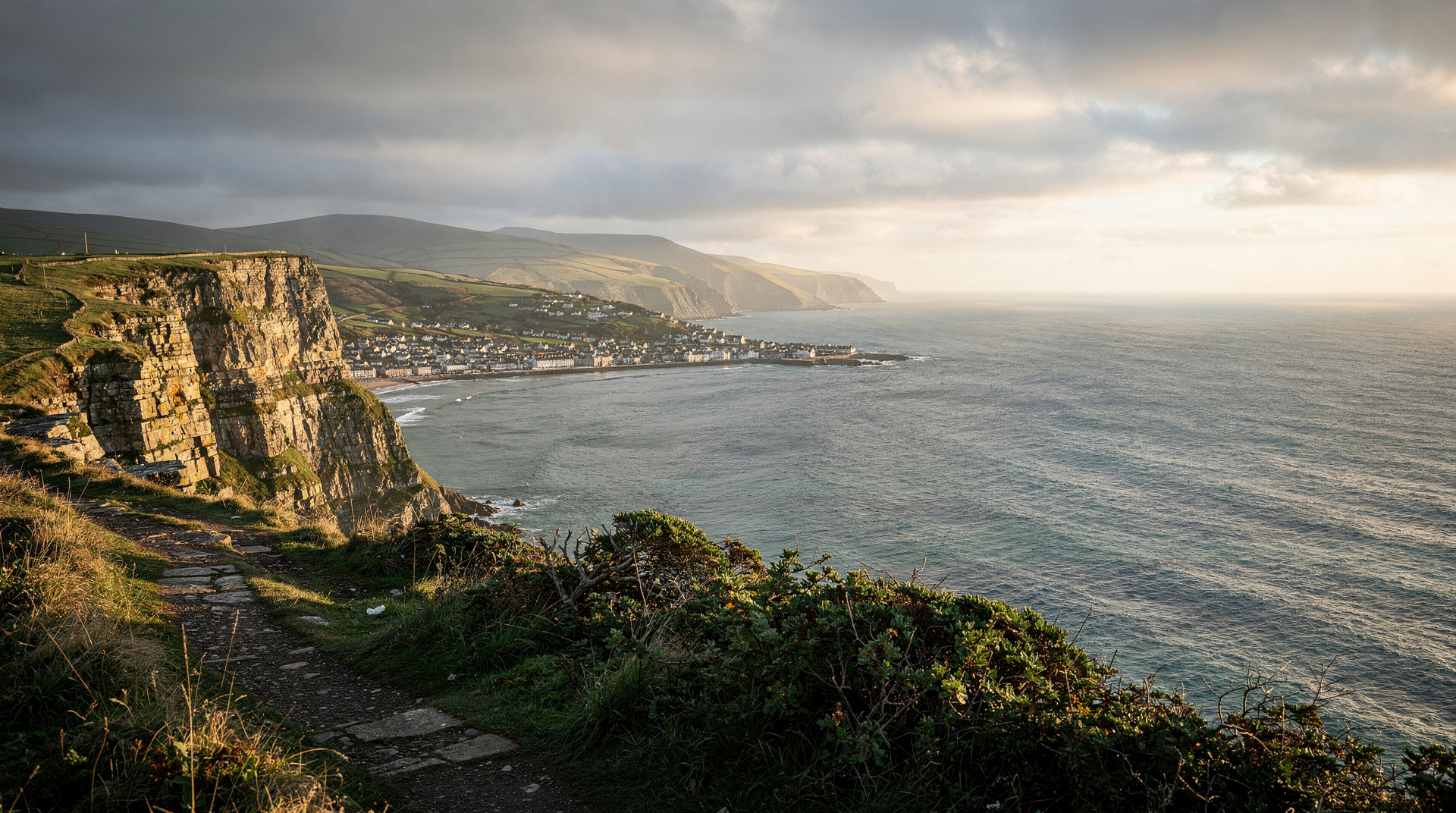
Wicklow Town is the county’s heritage town, with a modest gaol, a castle ruin and a harbour looking east across the Irish Sea. Avoca, 10 kilometres to the west along the R752, is home to the Avoca Handweavers mill, reputedly the oldest continuously operating business in Ireland. Together they make a coherent day out for those who prefer exploring without a commentary headset.
| Where | East Wicklow coast, roughly 63–65 km south of Dublin |
| Cost | Avoca Mill free entry; Wicklow Gaol tour has a modest fee |
| Time needed | Full day to cover both towns comfortably |
| Getting there | Rail to Wicklow Town (1h10–1h20) or car via N11 (60–90 min) |
| Best time | May–September; weekdays for the mill’s looms running |
Getting to Wicklow Town
The train is the easiest option. Irish Rail’s Rosslare line runs from Dublin Connolly station to Wicklow Town in approximately 1 hour 10 minutes, with several services daily. A return ticket costs around €20–25. The station is a short walk from the main square and the harbour.
By car, take the N11 south from Dublin; the journey is about 60–75 minutes depending on traffic, which can be heavy leaving Dublin on summer Fridays. Parking in the town centre is available and generally free in smaller car parks.
For those who prefer a guided approach, the Wicklow private day tour from Dublin covers south Wicklow with flexibility in itinerary — useful if you want to combine Avoca and Wicklow Town in a single guided day without the constraints of a fixed-route group tour.
Wicklow Town
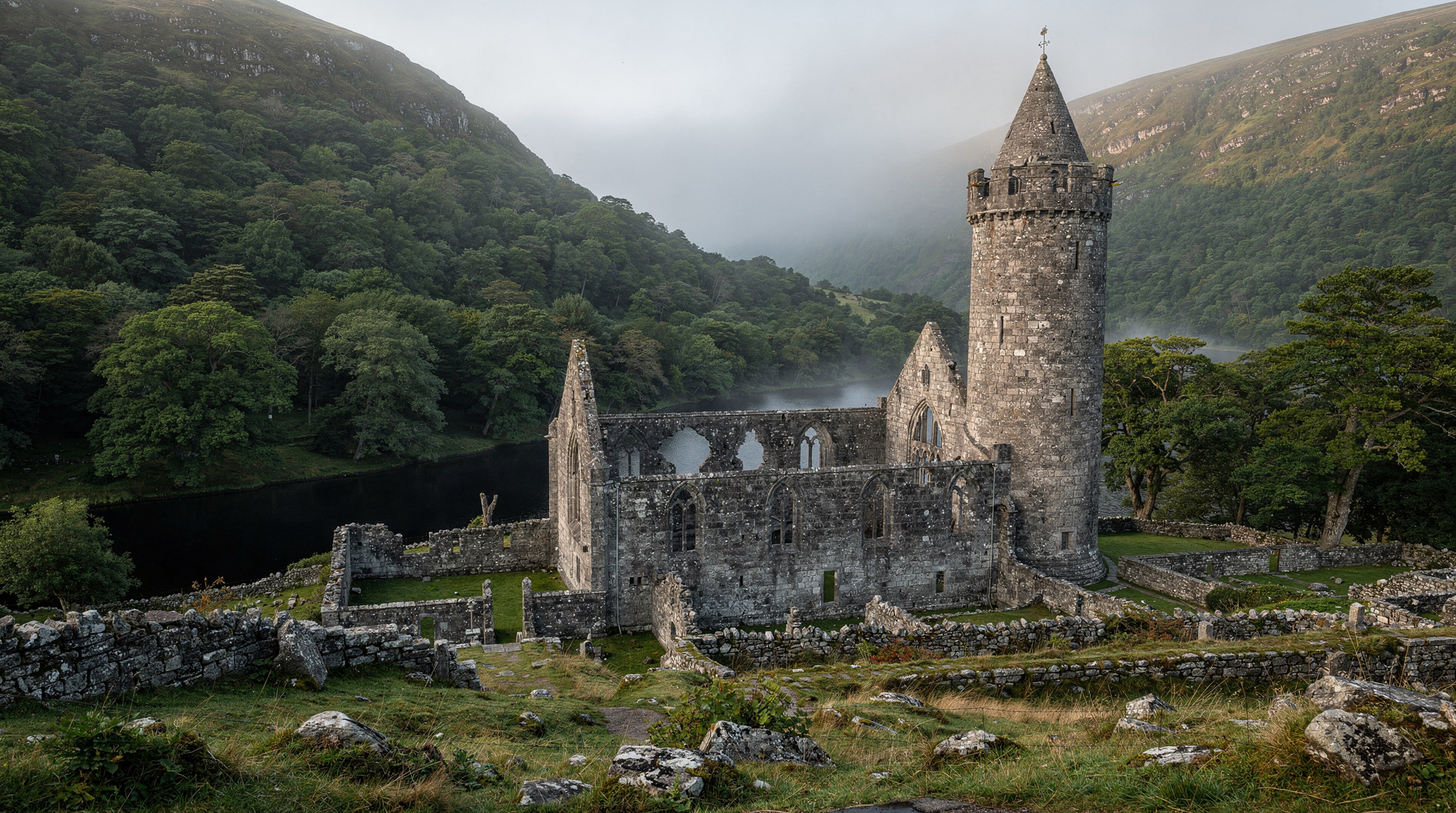
The town itself is smaller than first-time visitors expect. The main points of interest are the gaol — Wicklow Gaol, which operated from 1702 and holds a particular place in Irish history as a place of detention for rebels from the 1798 Rising; it now operates as a heritage attraction with theatrical guided tours — and the ruins of the Black Castle on the headland, a Norman fortification with views along the coast.
Wicklow Head Lighthouse, about 5 kilometres south on a narrow coastal road, is a 19th-century lighthouse converted to self-catering accommodation; it is not open for tours but the coastal road to it is worth driving for the sea views. The South Beach, stretching south of the town centre, is a long flat strand popular with local families.
Brittas Bay
Brittas Bay, about 10 kilometres south of Wicklow Town on the coast road, is one of the best sand beaches on the east coast — a long, dune-backed strand that gets genuinely busy with Dubliners on hot summer weekends but is quiet the rest of the year. It is worth the short detour if you are driving rather than taking the train, particularly if you are combining the day with a swim or a walk along the dunes. There is no public transport directly to Brittas Bay, so it only really works as part of a self-drive day.
The Vale of Avoca and the mill
The Avoca Handweavers mill in the village of Avoca sits at the confluence of the Avonmore and Avonbeg rivers — the meeting of the waters made famous by Thomas Moore’s 1807 poem. The mill has been weaving woollen cloth here since at least 1723, making it the oldest surviving business in Ireland by most accounts. It still operates its traditional looms, though production is now supplemented by modern machinery.
Entry to the mill is free. You can watch the looms working (weekdays are best — weekends may have reduced production) and the dyeing room upstairs explains the colour process for the distinctive Avoca tartans and herringbone tweeds. The on-site shop is substantial and genuinely well-stocked with blankets, throws, scarves and clothing; this is where Avoca Handweavers products are cheapest and most varied. The Avoca Cafe is one of the best in County Wicklow, known particularly for its baking and the quality of its lunch menu — a good reason to time your visit around midday.
Avoca village and the Vale
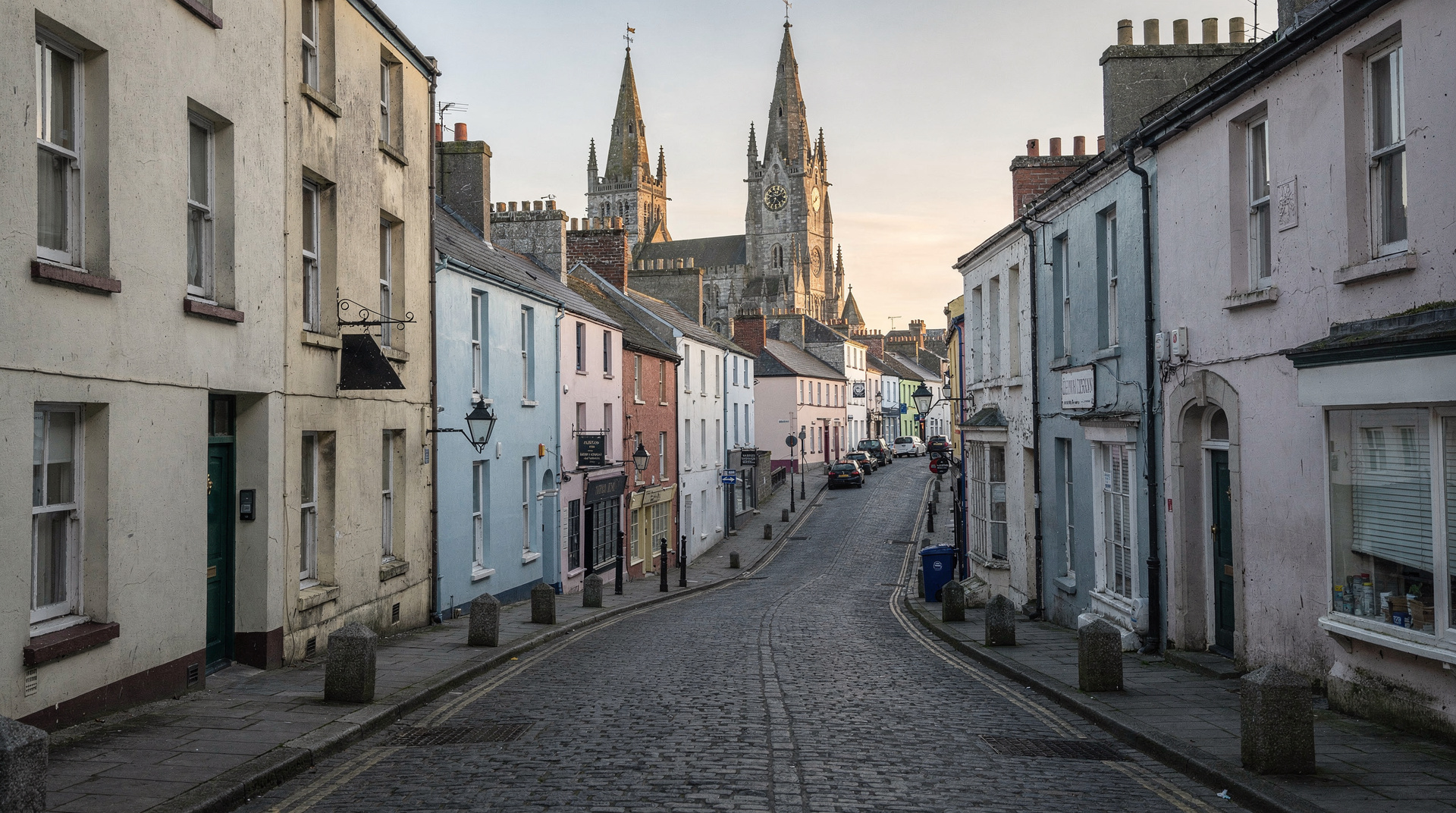
The Vale of Avoca — the wooded river valley below the meeting of the waters — was the setting for the long-running RTE drama Ballykissangel in the 1990s, which brought a wave of Irish-diaspora tourism that has since faded. The village is quiet now and better for it: a cluster of colourful houses, a pub, a small church and the river. The walk along the valley floor from the meeting of the waters down to the mill takes about 20 minutes on a footpath through mixed woodland and is the most pleasant short walk in the area.
Combining with Glendalough
Avoca and Glendalough are only 20 kilometres apart as the crow flies (about 30–35 minutes by car via the R752 and R756). Combining both in a single day is entirely feasible if you leave Dublin early — aim for Glendalough before 10 am to beat the main tour coaches, then drive south to Avoca for lunch and the mill in the afternoon.
This combination is not offered on most standard group tours, which tend to pair Glendalough with Powerscourt or the Sally Gap. The private day tour is the best option if you want both sites covered.
| If you only have time for one | Choose |
|---|---|
| Craft shopping and a good lunch | Avoca |
| Coastal walking and heritage history | Wicklow Town |
| Both, with a car and an early start | Combine via the R752/R756 |
Shaping a slow day between the two towns
The pleasure of this corner of Wicklow is that nothing has to be rushed. A sensible rhythm is to take the morning in Wicklow Town, where the harbour, the gaol and the headland ruins can be seen at an easy pace, then move inland to Avoca for lunch and the mill. Reverse it if you are driving and want the cafe before the lunchtime crowd; the mill and the Vale work equally well in either half of the day.
If you are arriving by train, build the day around Wicklow Town and treat Avoca as an optional extra that needs a taxi or a guide. Many visitors find that a relaxed day entirely in Wicklow Town, with a walk along the harbour and the beach and a long lunch, is more satisfying than a stretched itinerary that tries to include everything. Keep the gaol for a wet spell, since its tours are indoors and the weather on this coast changes quickly.
Because this area sits off the main tour circuit, the usual advice about beating the coaches matters less here. What matters more is the weather and your own energy. Pack a waterproof layer even on a bright morning, wear shoes that cope with a muddy footpath in the Vale, and carry a little cash and a card for the smaller cafes and pubs. For help judging layers across the seasons, see the what to pack for Dublin weather guide.
Who this day suits, and who should pick something else
This is a day for people who like small places with a story: a woollen mill with centuries of history behind it, a gaol with a part in the 1798 Rising, and a valley made famous by a poem and a television series. It suits couples, solo travellers and anyone travelling with parents or friends who prefer browsing to ticking off sights. Craft and textile lovers in particular will find the mill’s looms, dye room and shop absorbing.
It is a weaker choice for anyone who wants dramatic mountain scenery or monastic ruins. For that, Glendalough and the wider Wicklow Mountains are the better draw, and the Glendalough guide explains how to plan that day. Garden lovers will prefer Powerscourt, which is covered in the Powerscourt gardens and waterfall guide. Families with younger children may like the beach and the harbour here, though the broader list in the family day trips guide will help you compare options.
Pairing the coast with the Dublin end of your trip
Wicklow Town makes a calm counterweight to a busy city stay. If you have a few days in the capital, a quiet day on the Wicklow coast fits neatly between the heavier sightseeing days laid out in the three-day Dublin itinerary. Those wanting more of the sea can also look at the coastal itinerary, which leans into the shoreline south and north of the city, or at the nearby seaside towns of Bray and Greystones, which sit on the same railway corridor.
If you would rather leave the driving to someone else, the guide to day trips without a car sets out the realistic choices, and the driving in Ireland guide is worth reading if you plan to hire a car for the Avoca leg.
What to eat
Avoca Cafe at the mill is the strongest recommendation in this part of Wicklow. The menu changes seasonally and the baking is genuinely good. It fills up at 1 pm; arrive by 12:30 or after 2 pm to avoid the queue. In Wicklow Town, options are more modest — several pubs do carvery lunch and there are a handful of cafes on the main street. For dinner, Wicklow Town has a reasonable selection given its size, particularly for seafood from the harbour.
Souvenirs worth carrying home
The mill shop is the obvious place to look, and it rewards unhurried browsing. Blankets, throws and scarves are the classic purchases, and the tartans and herringbone tweeds you saw being woven or explained upstairs make the choice feel more personal. Think about luggage before you buy: a large throw takes up real room in a suitcase, while a scarf slips into a coat pocket. Wicklow Town’s main street is better for small gifts, a postcard and a coffee than for serious shopping.
A gentle walking plan
Walkers do not need to be ambitious here. The footpath along the valley floor near the mill is an easy stroll, the harbour at Wicklow Town gives a flat and sheltered walk, and the beach offers a longer stretch if the tide and the weather allow. If you want proper hill walking later in the same trip, the Wicklow Mountains guide and the Wicklow and Glendalough day trip guide are the next step up, while the Howth cliff walk guide offers a coastal alternative closer to the city.
When to visit
May through September is the reliable window. The mill is open year-round (check seasonal hours), but the Vale of Avoca is most appealing in the green months. Wicklow Town’s beach is most useful in summer, though the harbour walk is pleasant in any weather. Avoid the last week of August when local festivals bring additional traffic.
The best day trips from Dublin guide compares all Wicklow options and helps you match the right combination to your interests and available time.
Frequently asked questions about Wicklow Town and Avoca
Is Wicklow Town and Avoca worth it if I have already done Glendalough and Powerscourt? Yes, and arguably more so — this is the quieter side of Wicklow, with genuine craft shopping at the mill and a coastal town that has not been reshaped around tour buses. If you have already covered the two big-name sites, this pairing gives you a different, calmer day.
Can I visit Avoca without a car? It is difficult. The train reaches Wicklow Town directly, but Avoca is 10 kilometres further and has no rail connection, so you would need a taxi, a guided tour, or a car to reach the mill from the station.
Top experiences
Bookable activities with verified prices and instant confirmation on GetYourGuide.

Wicklow: private day tour from Dublin
- Free cancellation
- Instant confirmation

From Dublin: Wicklow Mountains private day tour incl. Glendalough
- Free cancellation
- Instant confirmation

From Dublin: Wicklow Mountains and Glendalough lakes day tour
- Free cancellation
- Instant confirmation

From Dublin: Glendalough and Wicklow Mountains guided trip
- Free cancellation
- Instant confirmation