Powerscourt
Powerscourt Estate near Enniskerry has Ireland's finest formal gardens and the country's highest waterfall — 30 km from Dublin, ideal for a half day.
From Dublin: Powerscourt House and Gardens private tour
Duration: 4.5h
- Free cancellation
- Instant confirmation
Quick facts
- Distance from Dublin
- 25 km south via N11 to Enniskerry
- Gardens admission
- €12–16 adults; waterfall site separate (€8)
- Opening hours
- Gardens open daily from 9:30 am
- By car
- 35–40 min from Dublin city centre
- Ideal visit
- Half day; easily combined with Glendalough
Grand Palladian gardens, half an hour from the capital
Powerscourt is the kind of estate that makes you understand why Ireland’s country houses were so bitterly contested during the land wars of the 19th century. The formal gardens, laid out in the 1840s on the slope of the Wicklow Mountains with the Sugar Loaf as a backdrop, are the finest in Ireland and among the most admired in Europe. The house itself — a Palladian mansion from the 1730s — has a complicated history involving a catastrophic 1974 fire and subsequent restoration, but the gardens were always the main event, and they survive intact.
The estate sits near the village of Enniskerry, 25 kilometres south of Dublin. It is easy to reach by car and reasonably served by bus, making it one of the most accessible day-trip destinations in Wicklow. If you are combining it with Glendalough further south, the two together make for a long but very satisfying day.
| Where | Enniskerry, Co. Wicklow — 25 km south of Dublin |
| Cost | Gardens €12–16; waterfall separate, around €8 |
| Time needed | Half day; add the waterfall for a fuller visit |
| Getting there | Car via N11 (35–45 min); Dublin Bus 44 to Enniskerry |
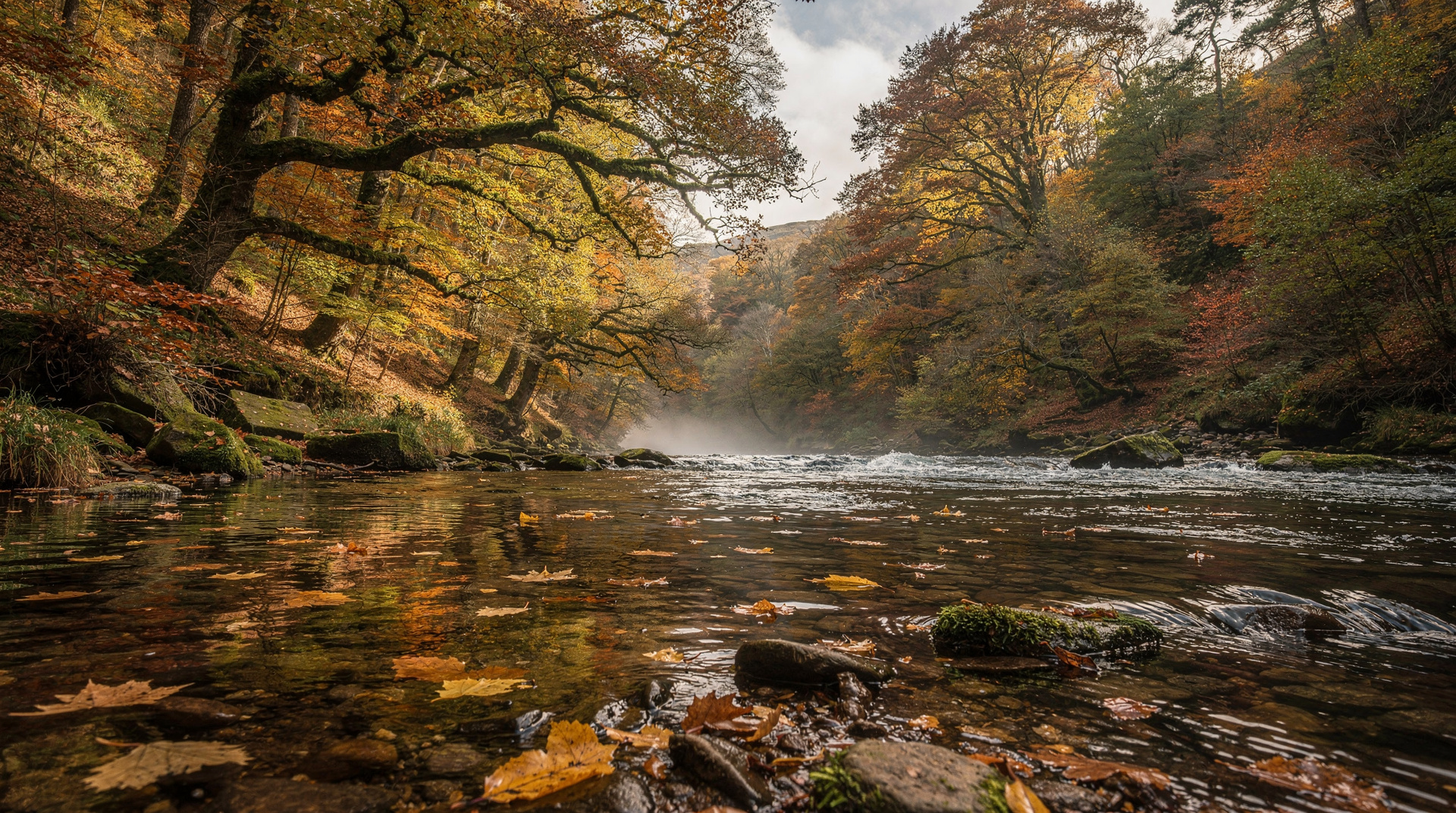
| Best time | May–June for rhododendrons; Sept–Oct for autumn colour |
Getting there from Dublin
By car, take the N11 south to the Kilmacanogue/Bray junction, then follow signs for Enniskerry and Powerscourt. Allow 35–45 minutes from Dublin city centre. Parking at the estate is free.
By public transport, the 44 Dublin Bus service runs from Hawkins Street in central Dublin to Enniskerry village, from where the estate entrance is about a 20-minute walk. The journey takes roughly 70–90 minutes and is not the most practical option for those pressed for time.
The most comfortable arrangement if you are not driving is the Powerscourt private tour from Dublin, which handles transport and gives you a guided experience of the estate. For a broader Wicklow day, the Powerscourt, Guinness Lake and Glendalough tour combines three of the county’s best sites in a single organised day.
The gardens
The gardens cover 19 hectares on a series of terraces descending from the house toward the Triton Lake and the mountains beyond. The design is Anglo-Irish formal: clipped yew hedges, bronze figures on the balustrades, wrought-iron gates from a demolished Bavarian castle, and a series of walled gardens including a Japanese garden and the Walled Garden with its double borders and kitchen garden beds.
The star attraction is the main axis — from the terrace behind the house, through the Triton Lake with its tall fountain jet, to the 501-metre cone of the Sugar Loaf mountain in the distance. On a clear morning this view is genuinely theatrical, and the light in May and June, when the rhododendrons are in bloom around the lake, is exceptional. Photographers arrive early to catch the fountain in low light before the gardens fill with visitors.
The Italian gardens with their mosaic terrace and the pet cemetery (tombstones dating back to the 1800s) are worth finding on the western side. The walled kitchen garden is less visited and more peaceful. Allow at least 90 minutes to walk the main circuit without rushing; two hours is more comfortable if you are stopping to photograph.
The waterfall
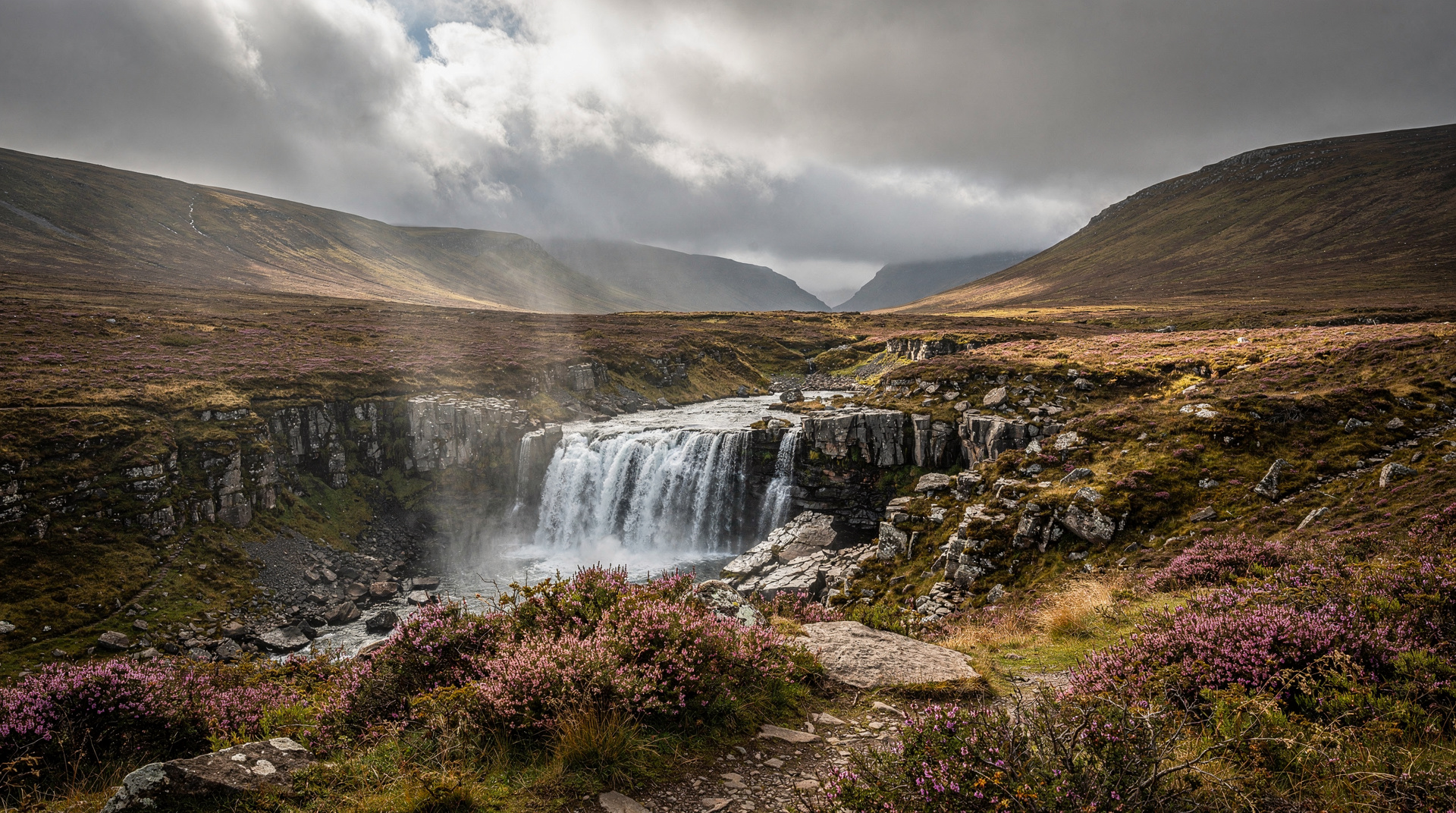
Powerscourt Waterfall — the highest in Ireland at 121 metres — is not at the main estate but 5 kilometres further up the valley, accessed by a separate road with its own admission charge (around €8). The approach drive through mature woodland is scenic in itself. At the base, the falls drop in a single sheet from a granite lip into a broad pool, and a short scramble on the far bank gives you the best view. A longer forest walk loops up to the cliff edge above the falls for an unusual perspective looking down.
The waterfall is a separate destination rather than an add-on — combine it with the gardens if you have a full day, or visit it independently if you prefer walking to formal horticulture. Dogs on leads are allowed, which is unusual for tourist attractions in Ireland and makes it popular with locals at weekends.
The house
The main house is open as a shopping centre and cafe rather than a historic house tour — the interior was heavily damaged in the fire and what was rebuilt serves commercial purposes. This disappoints some visitors who expect a museum experience; if you want an intact Palladian interior, head to Castletown House in Celbridge (on the western side of Dublin) instead. The house at Powerscourt is primarily a backdrop for the gardens.
What to eat
The Terrace Cafe on the ground floor of the house does a decent café lunch — soups, sandwiches, scones — and tables on the terrace with a garden view are much sought after. The Sika Restaurant upstairs is more formal. Both are popular enough that arriving before noon avoids the worst queues at lunch. The Garden Pavilion near the entrance has a separate cafe for quick snacks.
The Sugar Loaf and walking options
For those who want more than a garden stroll, the Great Sugar Loaf — the cone-shaped mountain visible from the main terrace — can be climbed independently, starting from a car park about 6 km from the estate near Kilmacanogue. It is a short, steep walk (around 45–60 minutes return) rather than a serious hike, and the summit view takes in the gardens, the Wicklow coast and, on a clear day, Dublin Bay. It is a good pairing for visitors who want to combine the formal gardens with something more active, though it requires its own car journey rather than being walkable from the estate itself.
Seasonal highlights at a glance
| Season | What’s in bloom or notable | Notes |
|---|---|---|
| Spring (Apr–Jun) | Rhododendrons, azaleas around Triton Lake | Peak colour; busiest weekends |
| Summer (Jul–Aug) | Full foliage, formal hedges at their sharpest | Coaches and queues; arrive early |
| Autumn (Sep–Oct) | Turning trees, fewer crowds | Waterfall often stronger after rain |
| Winter (Nov–Mar) | Structure of the gardens, quiet paths | Japanese and walled gardens less dramatic |
Combining with other Wicklow sites
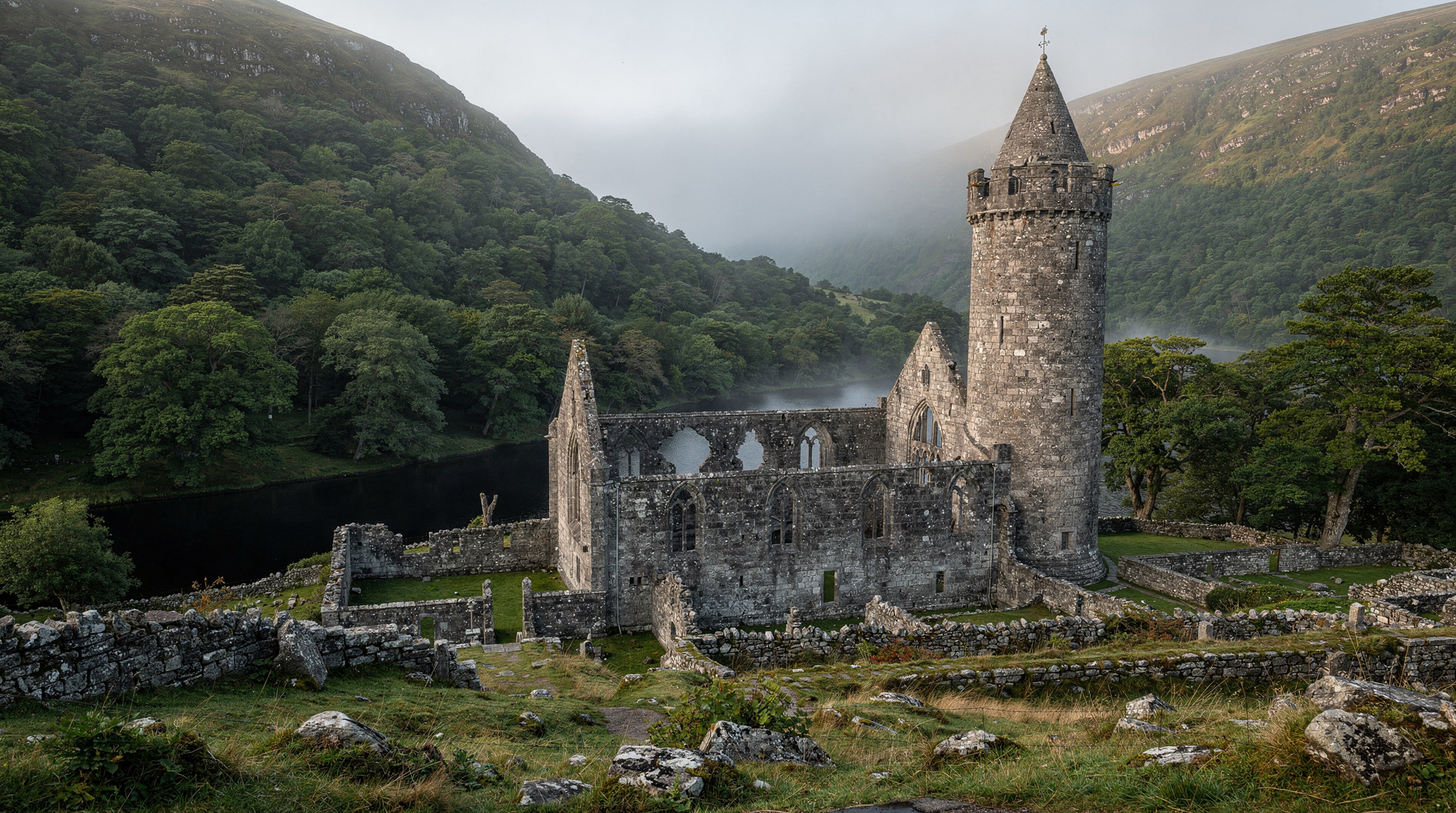
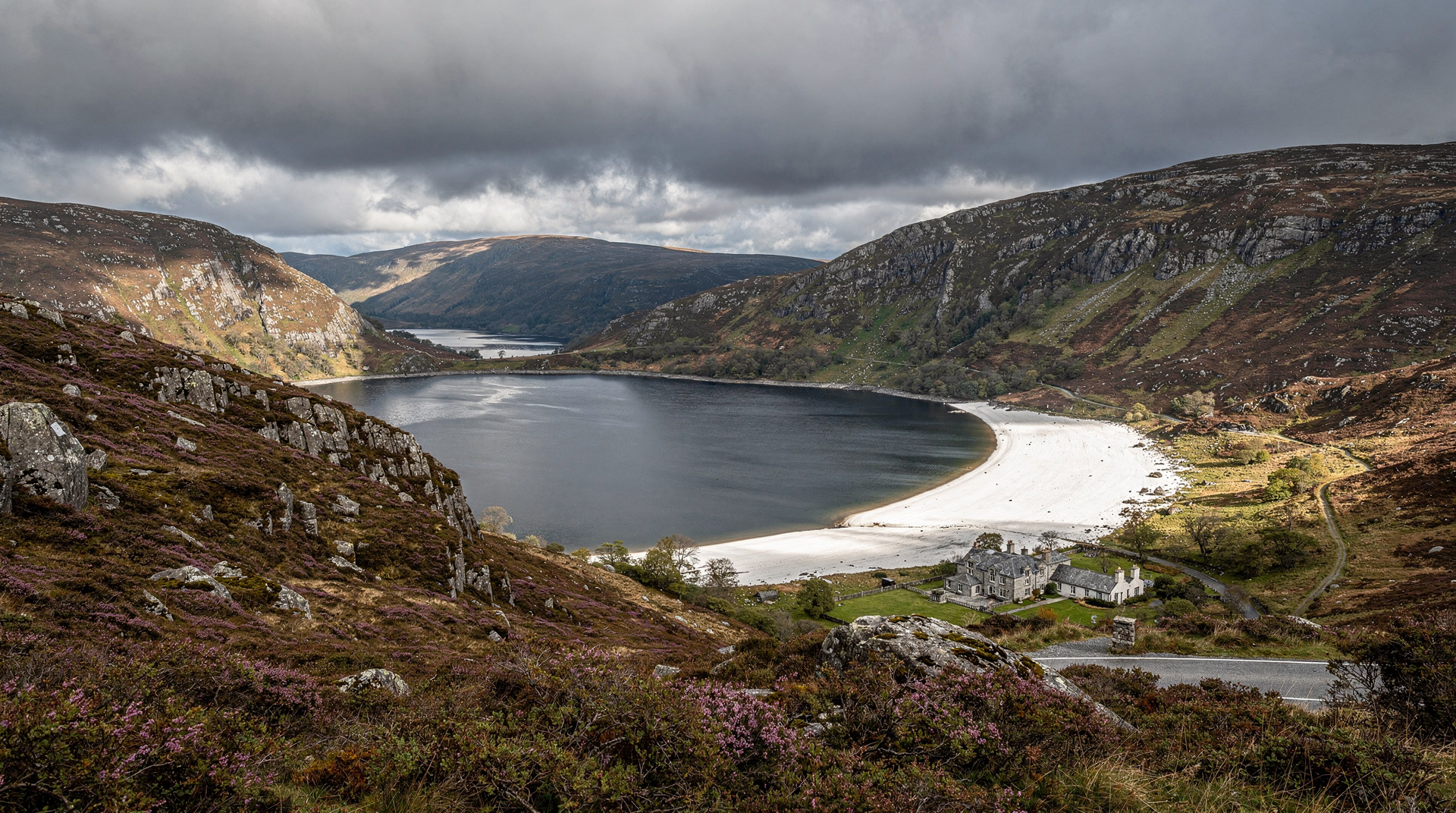
Powerscourt sits at the northern edge of the Wicklow Mountains, making it a natural first stop before heading south into the hills. The Wicklow Mountains proper — the moorland plateau of the Sally Gap, the Lough Tay overlook — begin just beyond Enniskerry. Glendalough is 30 kilometres further south and takes 40–50 minutes by car from the estate, with the option of the scenic R759 over the Sally Gap as a route between them.
If you would rather leave the planning to someone else, a full-day coach tour taking in Wicklow, Powerscourt and Glendalough removes the driving question entirely, and the bus tour pairing Glendalough with the Powerscourt gardens is a lighter alternative. Both suit travellers without a car; the day trips without a car guide explains the wider options.
The wicklow-glendalough day trip guide maps the full route and timing. Bray, the seaside town at the foot of Bray Head, is 8 kilometres east of Enniskerry and adds a coastal element if you are spending the full day in north Wicklow.
Planning your half day
A half day at Powerscourt works best when you treat the gardens as the main course and everything else as seasoning. Arrive early, walk the main axis first while the light is soft and the paths are quiet, then loop back through the quieter corners before lunch. Saving the cafe for the middle of the visit gives your legs a rest and lets the crowds on the terrace thin out a little. If the weather turns, the covered parts of the house give you somewhere to wait it out without abandoning the plan.
Comfortable shoes matter more than most visitors expect. The terraces are connected by long flights of steps and gravel paths, and the grass can be soggy after rain. A waterproof layer is sensible at any time of year, since weather on the edge of the Wicklow hills changes quickly. Bring a camera or a charged phone, because the long view down to the lake is the picture almost everyone wants to take.
If you are staying in the city, the estate pairs naturally with a slower day elsewhere. The Dublin 2 days itinerary leaves room to fit a half-day excursion like this one, and the best day trips from Dublin guide puts Powerscourt in context against the other options.
Who will enjoy it most
Garden lovers will find the formal design the real draw: the symmetry, the clipped hedges, the statues and the way every terrace frames the next view. Architecture enthusiasts get a lesson in how Anglo-Irish landowners staged their estates, with the house, the terraces and the mountain backdrop all arranged as one composition.
Families do well here too. Children can run along the wide paths, spot the statues and watch the fountain, and the open space means nobody has to be quiet. Walkers who prefer a rougher outing may find the gardens a little tame, and for them the waterfall or the Sugar Loaf is the better choice. Photographers should plan for early or late light and bring patience for the busier weekends.
For a broader introduction to the region before you commit, the Powerscourt gardens and waterfall guide goes deeper into what to see on each site, and the Wicklow Mountains guide explains the wider landscape that surrounds the estate.
Making the most of the views
The estate is built around views, so it pays to slow down at each terrace and look back as well as forward. The perspective from the lower level, looking up toward the house, is quite different from the famous one looking out over the lake, and the curve of the mountains behind the roofline gives the whole place a sense of scale that photographs rarely capture.
Pay attention to the small details as you walk. The ironwork, the statuary and the planting schemes in the walled areas reward a closer look, and each of the quieter gardens has a distinct character. The Japanese garden feels deliberately secluded, while the Italian gardens are more theatrical. Wandering without a fixed route, rather than rushing from one named feature to the next, is often the most satisfying way to spend the morning.
If the weather is poor
Wicklow weather is changeable, and a grey morning does not have to ruin the visit. Mist over the mountains can make the gardens moodier and more atmospheric, and the paths are quieter when fewer people venture out. Take it slowly, use the cafe as a base, and accept that the Sugar Loaf view may be hidden for a while.
If the rain settles in properly, consider changing the plan rather than forcing it. The rainy day in Dublin guide lists indoor alternatives back in the city, and the Dublin weather guide helps you pack sensibly so that a wet day is an inconvenience rather than a disaster.
Linking Powerscourt with the coast
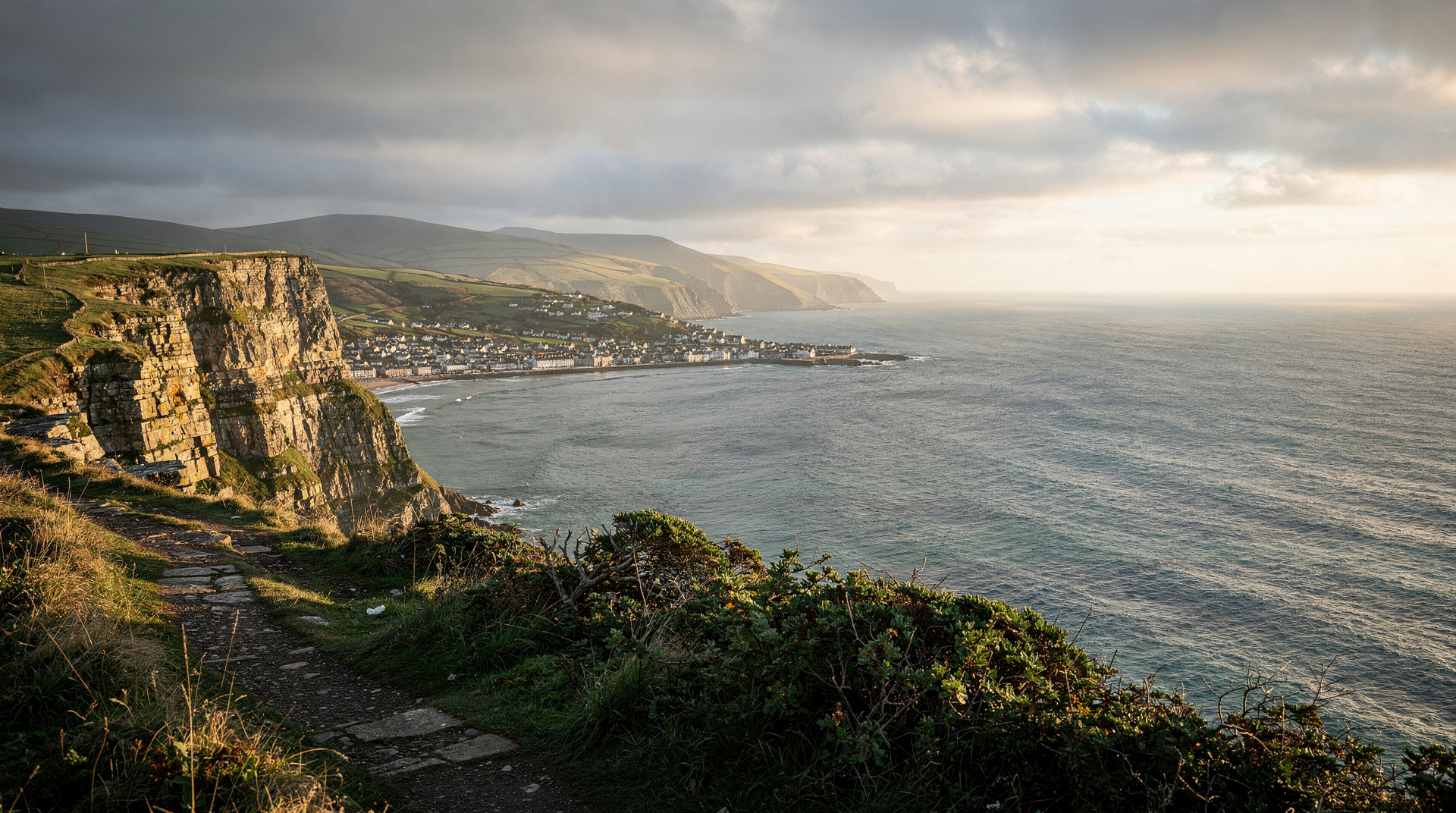
North Wicklow is more than gardens and hills. The coast is close, and a visit to the estate can sit comfortably beside a seaside afternoon. The DART coastal day out guide shows how the train line along the sea works as a counterpoint to the inland landscape, and Dalkey offers a very different village atmosphere if you want to finish the day by the water.
When to go
The gardens are at their peak in spring (April–June) when the rhododendrons and azaleas are in flower, and again in late September and October when the trees turn. Summer (July–August) is the busiest period; weekends see coaches and long queues at the entrance. The gardens are maintained year-round and are worth visiting even in winter, though some features — the Japanese garden, the walled garden — are less dramatic without foliage.
The waterfall is most impressive after rain (typically October–March); in dry summers the flow reduces noticeably.
Frequently asked questions about Powerscourt
Do I need separate tickets for the gardens and the waterfall? Yes. The gardens at the main estate and the waterfall 5 km up the valley are ticketed separately and are not walkable between each other — you need a car (or the tour bus) to move between the two sites.
Is Powerscourt suitable for a rainy day? Partly. The gardens and grounds are outdoor and will be wet underfoot, but the house itself has the Terrace Cafe, gift shops and craft stalls under cover, so a rainy visit is not wasted, just less scenic. If the forecast is poor, consider pairing the visit with an indoor stop in Bray rather than relying entirely on the gardens.
Top experiences
Bookable activities with verified prices and instant confirmation on GetYourGuide.

From Dublin: Powerscourt House and Gardens private tour
- Free cancellation
- Instant confirmation

Personal tour from Dublin: Wicklow, Glendalough & Powerscourt
- Free cancellation
- Instant confirmation

From Dublin: Wicklow, Powerscourt, and Glendalough day tour
- Free cancellation
- Instant confirmation

From Dublin: Glendalough & Powerscourt Gardens bus tour
- Free cancellation
- Instant confirmation