A rainy afternoon in Dublin
Rain is not a failure
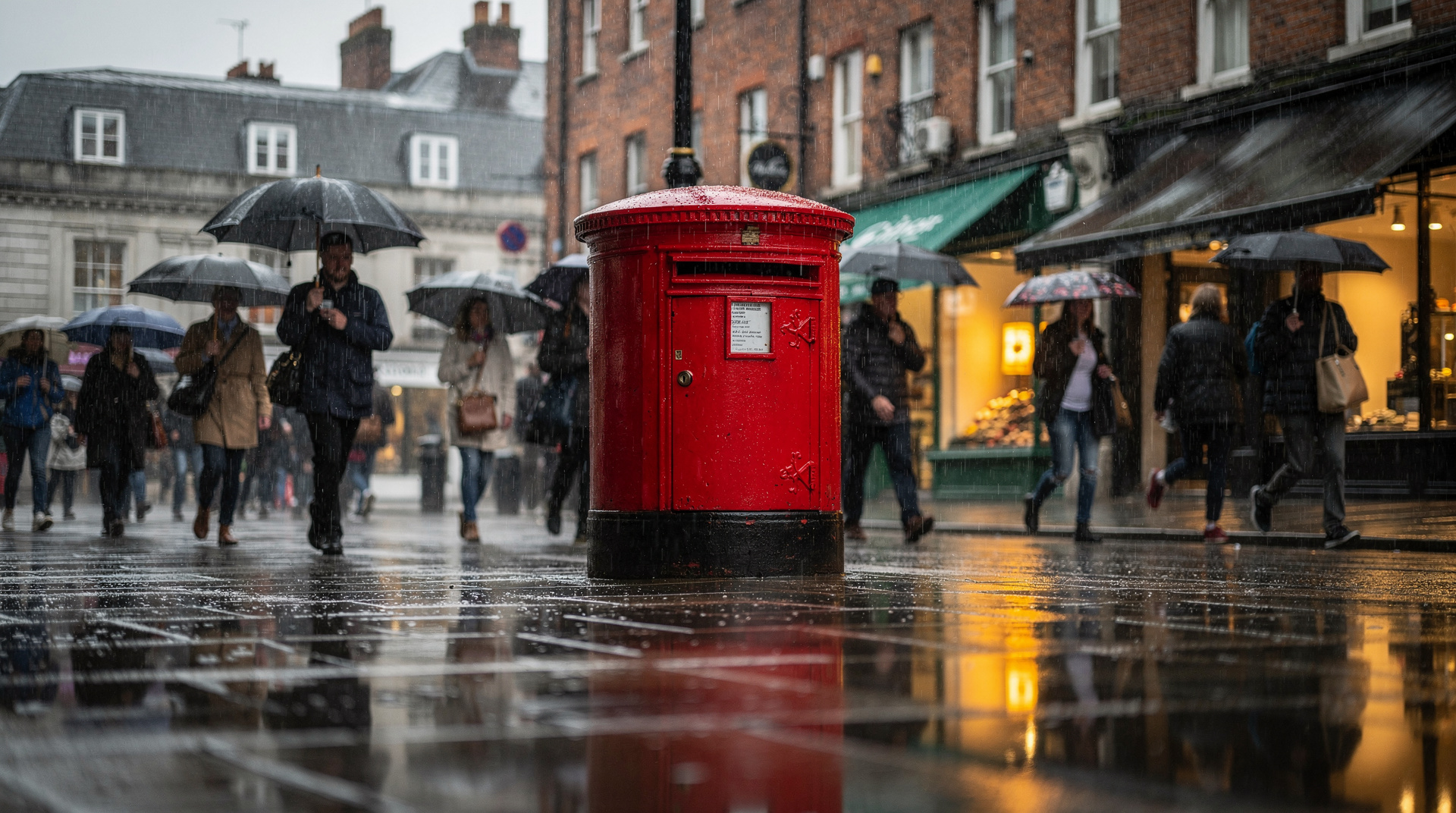
Dublin gets about 800mm of rainfall per year. That’s spread across most of it, with November sitting comfortably near the wetter end. The city has had a very long time to make its peace with this fact, and the result is a place that handles bad weather with a certain functional elegance. The pubs are warm. The museums are free. The café culture evolved specifically to give people somewhere to sit for longer than is strictly necessary over a cup of coffee.
The mistake visitors make is treating rain as a disruption to their plans rather than a different set of conditions under which the same city reveals different things. I’ve had some of my best Dublin afternoons on days when the weather was objectively miserable, and I’ve had some of my worst on days of polished sunshine when every outdoor thing was crowded and every café had a queue.
This is an account of a November afternoon spent in the rain, and an argument that bad weather has its uses.
| Cost | Free (museums) to around €10-30 (attraction tickets) |
| Time needed | A full afternoon, roughly 3-5 hours |
| Best base | City centre, within walking distance of Kildare Street and Dame Street |
| Getting around | On foot for the centre; DART or Luas for anything further out |
| Booking | Free museums need no ticket; paid attractions are worth booking ahead in high season |
Start at the National Museum
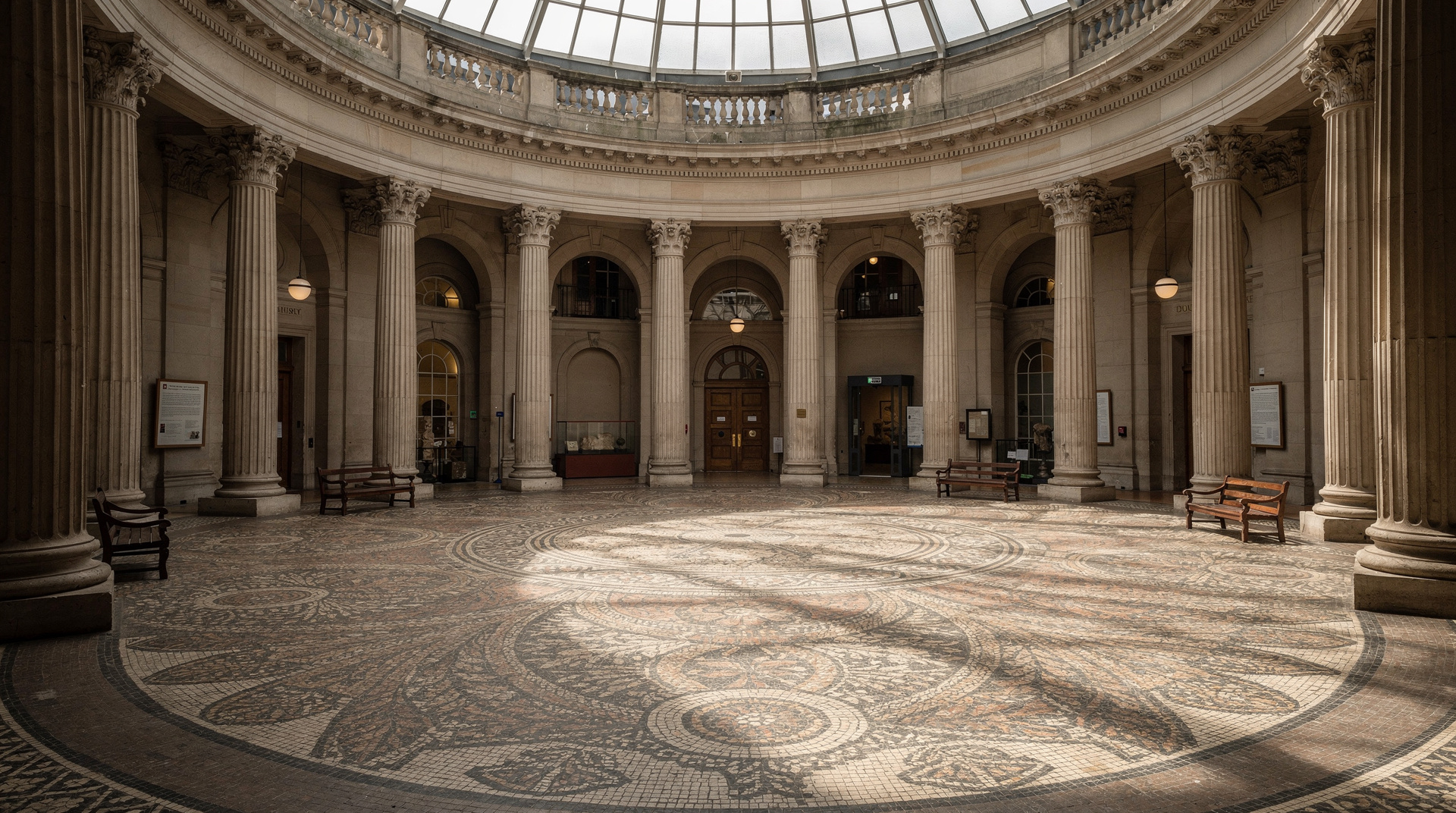
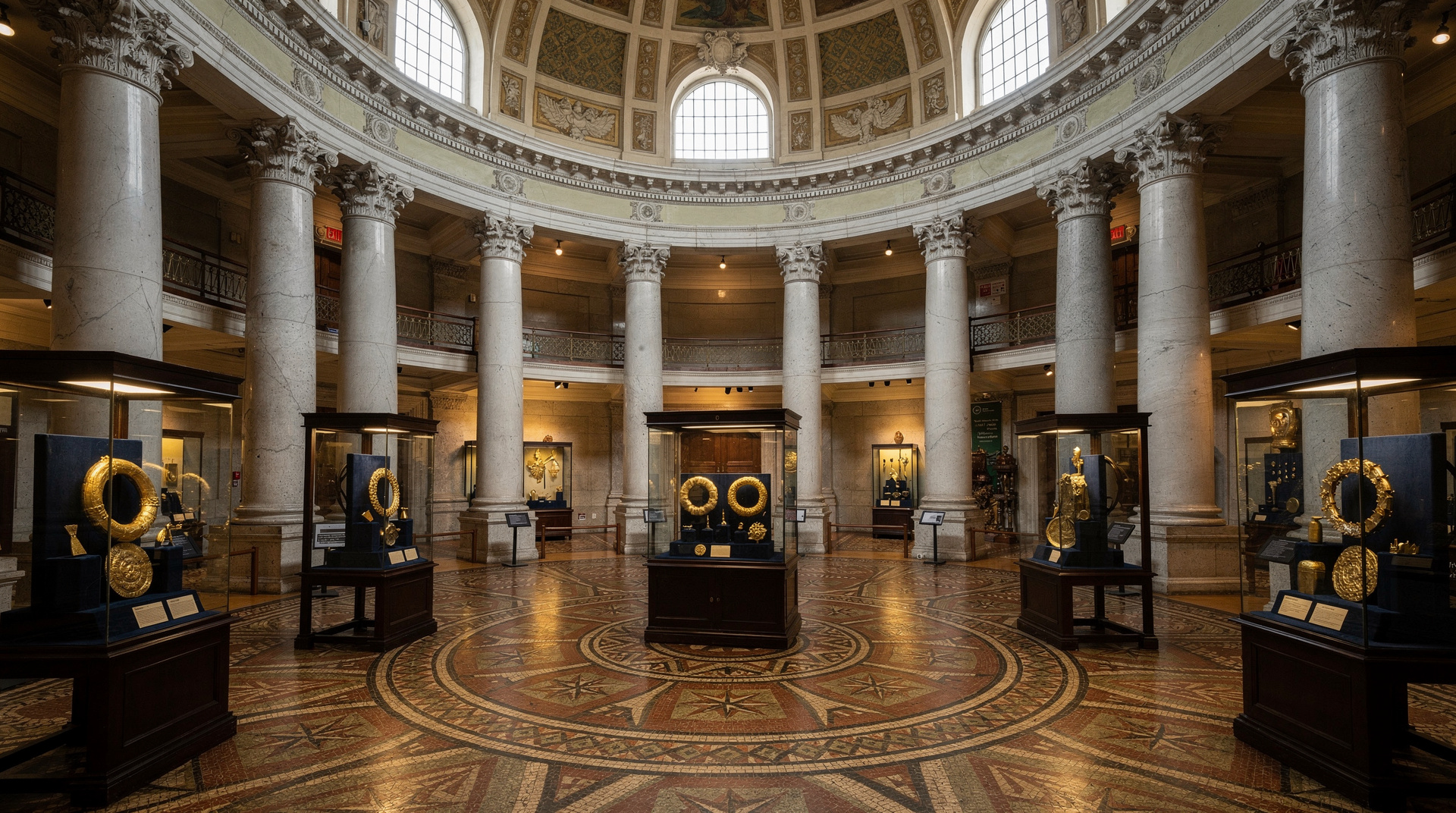
The National Museum of Ireland on Kildare Street is free, and it contains several of the most extraordinary objects in the country. If you’ve never been, the experience of walking into the main hall and finding yourself face to face with the Broighter Gold hoard — iron age objects of impossible delicacy, a model gold boat with oars, a collar that was made two thousand years ago and looks like it could have been made yesterday — is one of those museum moments that recalibrates your sense of time.
The Viking room has the swords and helmet fragments you’d expect, but also the more unsettling evidence of Norse settlement: combs made from antler, shoes, the ordinary domestic objects of people who came to raid and stayed to live. The bog bodies are in their own gallery and have a specific quality of confrontation — faces that have been preserved for two millennia, expressions that still read as something.
The museum is a fifteen-minute walk from most city centre hotels, which in rain is a relevant consideration. Our guide to Dublin’s free museums covers the full picture of what’s free and how to sequence them if you’re doing a rainy-day sweep.
The Chester Beatty and a long lunch
The Chester Beatty Library in Dublin Castle grounds is, in my opinion, the finest small museum in Ireland and consistently underrated by visitors who treat it as a secondary option. Alfred Chester Beatty was an American mining magnate who spent his life collecting manuscripts, books, and decorative objects from every culture that produced them. The results — Islamic manuscripts with illumination of extraordinary quality, Japanese painted screens, early Christian papyri, Egyptian scrolls — are displayed in a building that was purpose-designed to house them, with lighting and cases that would embarrass many larger institutions.
Entry is free. The café is good. The courtyard garden, even in the rain, has a specific tranquillity that the Castle itself — slightly touristic, slightly administrative — doesn’t quite achieve.
Pair the Chester Beatty with a long lunch at one of the restaurants around Dame Street and you have used two hours productively and stayed almost entirely dry.
The right pub, at the right hour
A rainy afternoon in Dublin and a pub are not a cliché. They’re a logical pairing, and the logic becomes clearer when you’re sitting in the right one.
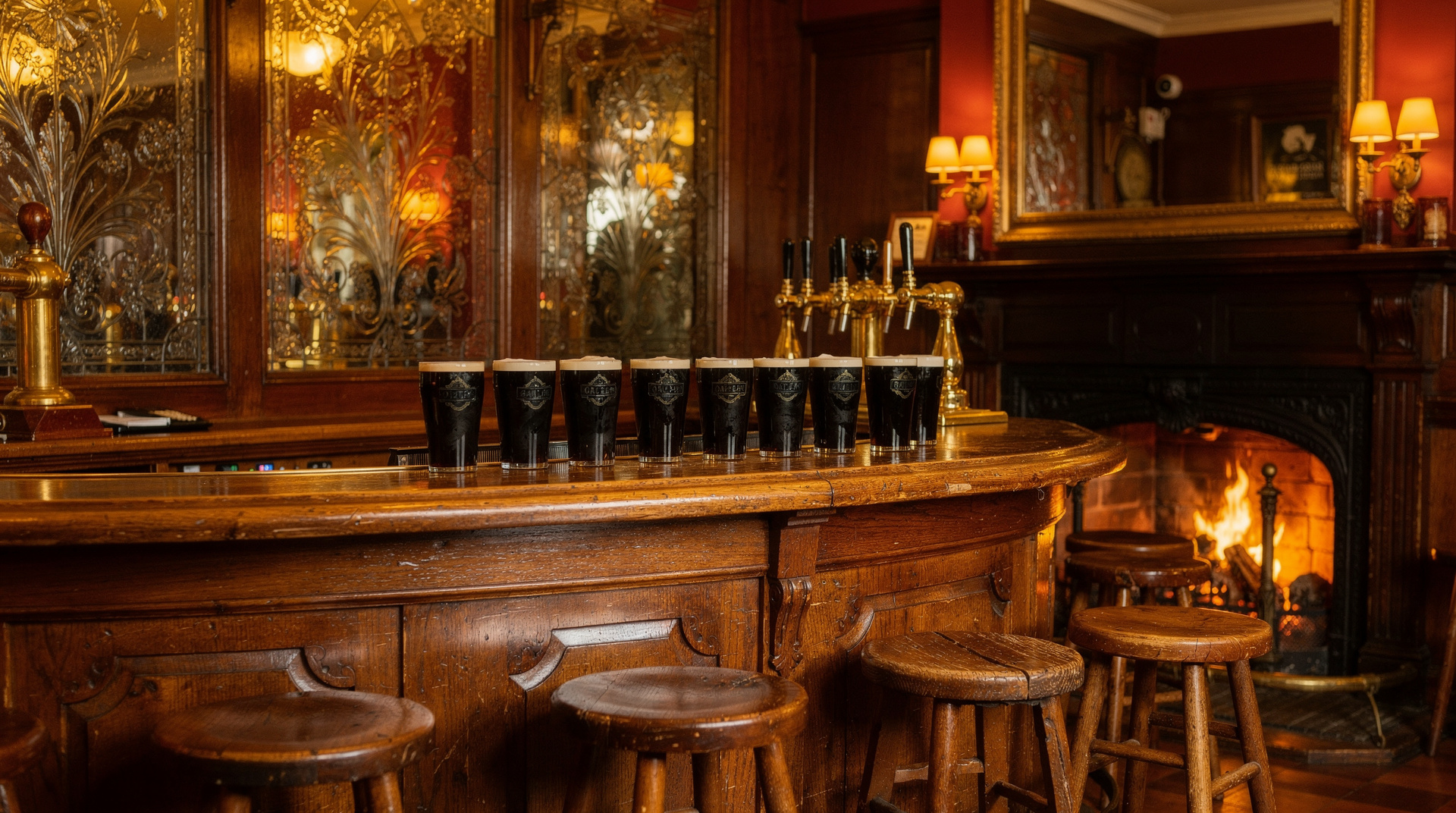
The right one, on a November afternoon, is not in Temple Bar. The right one has seating rather than standing room, a fire if you’re lucky, and a barman who isn’t managing a queue twenty people deep. The right one serves food that was cooked that day by someone who knows what they’re doing — a bowl of chowder, a toasted cheese sandwich, something with mushrooms on it.
Kehoe’s on South Anne Street is one of the city’s best-preserved Victorian pubs, with a small snug off the main bar that is worth any amount of waiting to get into. Mulligan’s on Poolbeg Street — famously the pub where James Joyce drank, and where the pint is poured with unusual care — is a ten-minute walk from the obvious tourist circuit and worth every minute. Both appear in our guide to pubs where locals actually drink.
The rule of thumb for rainy-afternoon pubs: the further from Grafton Street, the better the odds.
The covered market option
George’s Street Arcade is a Victorian covered market running between South Great George’s Street and Drury Street, and it is one of Dublin’s more cheerful rainy-day discoveries. The building is genuinely beautiful — red brick Gothic revival with a glass roof — and the stalls inside sell second-hand books, vintage clothing, crystals, handmade jewellery, street food, and things that defy categorisation.
The book stalls are the best part. Dublin has a serious second-hand book culture — a legacy, perhaps, of a city that has produced more than its statistical share of writers — and the Arcade concentrates some of it in one covered space. You can spend an hour here and emerge with a surprisingly good collection of Irish fiction for less than the price of a new paperback.
The DART in the rain
This is a specific pleasure that requires explanation.
The DART is Dublin’s coastal railway line, running from Malahide in the north to Greystones in the south, and the stretch between Dún Laoghaire and Bray is one of the most scenic railway journeys in Ireland — the line runs literally at the edge of the sea for most of this stretch, close enough that on rough days the spray hits the windows.
A rainy November afternoon on this stretch of the DART, with the sea running grey and lively outside and the heater running in the carriage, is one of the more genuinely atmospheric experiences Dublin offers. It costs the price of a Leap card journey. It takes about forty minutes each way. You don’t need to get off anywhere, although Dún Laoghaire and Bray both have good options if you do.
Our guide to getting around on the DART and Luas covers the practical side of the coastal line.
The bookshop afternoon
Dublin has a bookshop culture that punches above its weight. Hodges Figgis on Dawson Street is the oldest — founded 1768, now occupying a large Georgian building that feels like a bookshop should feel: slightly labyrinthine, slightly dusty in the right places, with a section on Irish literature that is genuinely comprehensive. Ulysses Rare Books a few doors down deals in first editions and antiquarian material, and browsing is free even if buying is not.
The combination of a rain-soaked afternoon, a good bookshop, and a coffee from the café in the basement is not a bad substitute for any outdoor plan that got rained out.
The Guinness Storehouse backup
If you’ve already done the free museums and the pubs are still an hour off being sensible, the Guinness Storehouse is the reliable big-ticket indoor option. Seven floors, all covered, ending at the Gravity Bar with a panoramic view over a rain-soaked city that somehow looks better through a glass wall than it does from the street. It’s touristic — everyone knows that — but it’s touristic for a reason, and on a wet afternoon “large, warm, and interesting” counts for a lot.
Guinness Storehouse entry ticketThe EPIC Museum, for a different kind of rainy afternoon
Less obvious than the Storehouse and, in my opinion, more moving: the EPIC Irish Emigration Museum on the docks tells the story of the roughly ten million people who left Ireland over the centuries, told through interactive galleries rather than glass cases. It’s entirely indoors, takes about ninety minutes at a normal pace, and pairs naturally with a look at the Jeanie Johnston famine ship moored outside if the rain eases even slightly.
EPIC The Irish Emigration Museum entry ticketKilmainham Gaol, a short taxi or bus ride from the centre, is the other serious indoor contender — grim, atmospheric, and entirely covered once you’re inside. Our Kilmainham museums guide covers booking, since it sells out further ahead than most visitors expect.
If you’d rather just sit somewhere warm
Not every rainy afternoon needs a plan. Some of my best ones have involved picking a pub near George’s Street Arcade, ordering something hot, and reading a book bought twenty minutes earlier at Hodges Figgis. If live traditional Irish music is on anywhere nearby that evening, a wet afternoon is the best possible warm-up for it — the transition from grey daylight to a packed, dry, fiddle-filled pub is one of Dublin’s better sequences. If you’re watching costs, the Dublin on a budget guide has a longer list of free and cheap wet-weather options beyond what’s covered here.
Rainy-day options, compared
| Option | Cost | Time needed | How dry |
|---|---|---|---|
| National Museum + Chester Beatty | Free | 2-3 hours | Fully indoors |
| Guinness Storehouse | Around €26-30 | 1.5-2 hours | Fully indoors |
| EPIC Museum | Around €18-22 | 1.5 hours | Fully indoors |
| George’s Street Arcade + pub | Free to browse, pub prices vary | 1-2 hours | Mostly indoors, short walk between |
| DART to Bray | Price of a Leap card journey | 1.5 hours round trip | Sheltered on the train, exposed at stations |
A note on temperature and gear
November in Dublin is cold-ish (five to ten degrees, mostly) but not genuinely cold by European standards. The misery is damp rather than frozen — the rain is rarely torrential, more often a persistent drizzle that soaks through cotton in twenty minutes. A waterproof jacket with a hood is the single most important piece of gear. Layers help. An umbrella is useful but optional, and the wind regularly makes it more hindrance than help.
The city is walkable even in rain, and most of what makes it worth visiting is indoors anyway. The Dublin weather and packing guide covers seasonal specifics in more detail. But the basic principle is: dress for damp rather than cold, and treat the rain as weather rather than weather that is personally against you.
Dublin manages this tolerance quite cheerfully. You might as well too.
Top experiences
Bookable activities with verified prices and instant confirmation on GetYourGuide.