Dublin markets and street food
Dublin: delicious walking food tour
Duration: 3h
- Free cancellation
- Instant confirmation
What is the best market in Dublin for food?
The Temple Bar Food Market in Meeting House Square (Saturdays only, 10:00–16:00) is the best single place for artisan Irish produce — Gubeen cheese, Wicklow smoked trout, artisan bread, and seasonal vegetables. George's Street Arcade is the best permanent covered market for a mix of food and everything else.
Dublin’s markets and street food scene in 2026
Dublin’s market culture has expanded considerably in the last decade, driven by the same craft food movement that produced the distillery revival and the serious restaurant scene. The best markets in Dublin are legitimate producers’ markets where you can meet the person who made the cheese or smoked the fish — not tourist souvenir markets with incense sticks and second-hand paperbacks.
This guide covers the food markets and street food worth your time, by day of week and location.
A market visit works best as part of a bigger plan rather than a stand-alone outing. Dublin is compact, so most of the places below sit within an easy walk of each other, and a market stop slots neatly between a morning sight and an afternoon one. If you are still shaping your trip, the Dublin first-time guide and the 3-day planning guide show where a Saturday market fits, and the weekend foodie itinerary strings several of these stops into a full eating weekend.
| Best day | Saturday (Temple Bar Food Market + George’s Street Arcade) |
| Cost | most dishes €6–€15 |
| Where | Temple Bar, South Great George’s St., Dún Laoghaire |
| Time needed | 1–3 hours per market visit |
| Booking | not required — walk-in |
Temple Bar Food Market — Saturday essential
Meeting House Square, Temple Bar. Saturday 10:00–16:00.
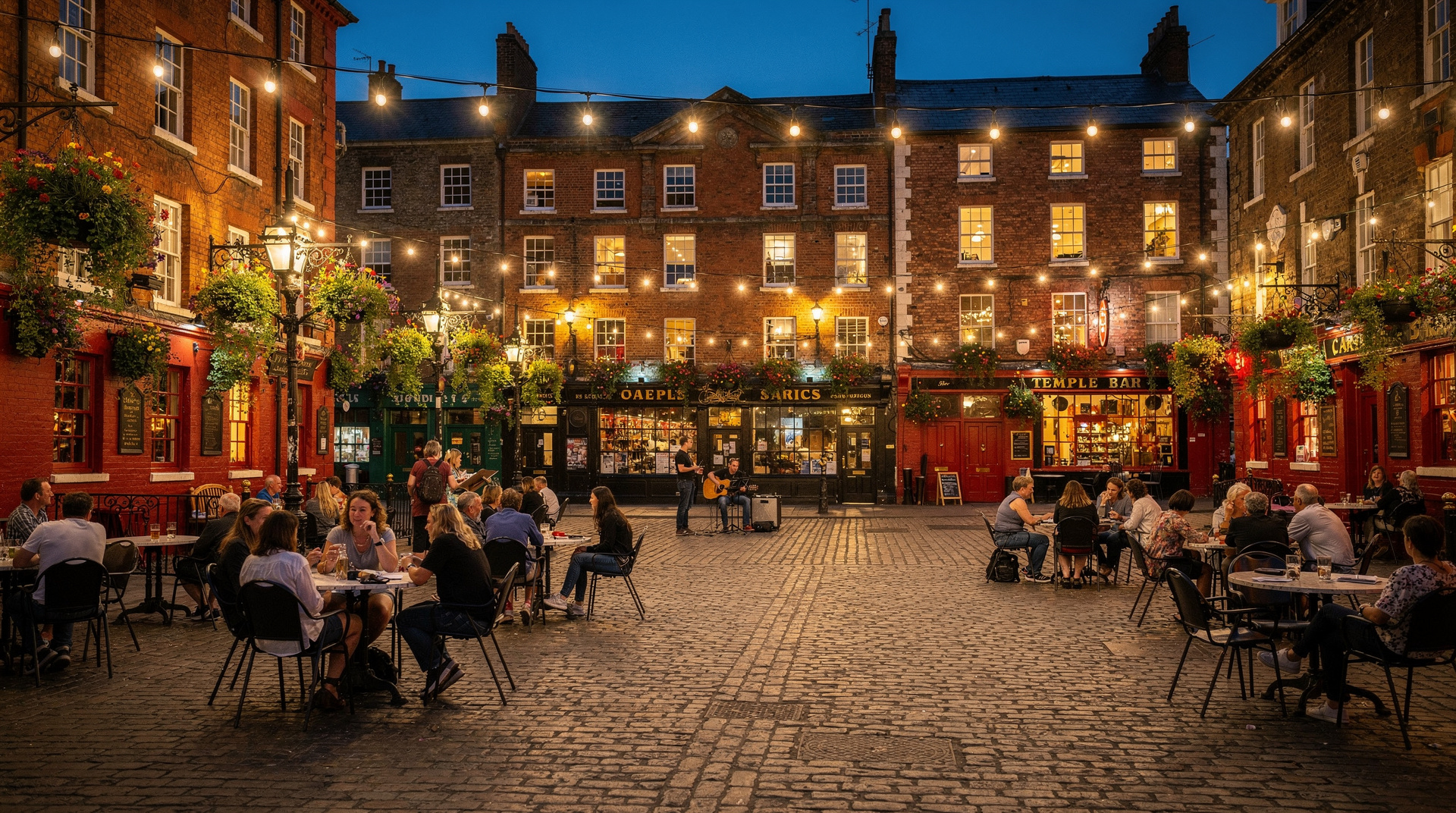
This is the anchor of Dublin’s artisan food market calendar. Located in the cobbled Meeting House Square just off the main Temple Bar strip (and therefore slightly hidden from the tourist flood), the Saturday market draws genuine producers from across Ireland.
Regular stalls worth seeking out:
- Gubeen Farmhouse (West Cork) — smoked charcuterie and farmhouse cheese from the Fergusons, one of Ireland’s most celebrated artisan producers. The smoked chorizo is exceptional.
- Wicklow Way Produce — smoked trout and salmon from the Wicklow hills, cured using traditional methods.
- Arva Oatmeal — stone-ground oats from Arva, County Cavan, a product largely forgotten for decades and now revived.
- Bread stalls — several, including wholegrain sourdoughs and traditional soda bread loaves baked that morning. Buy bread here over a supermarket without hesitation.
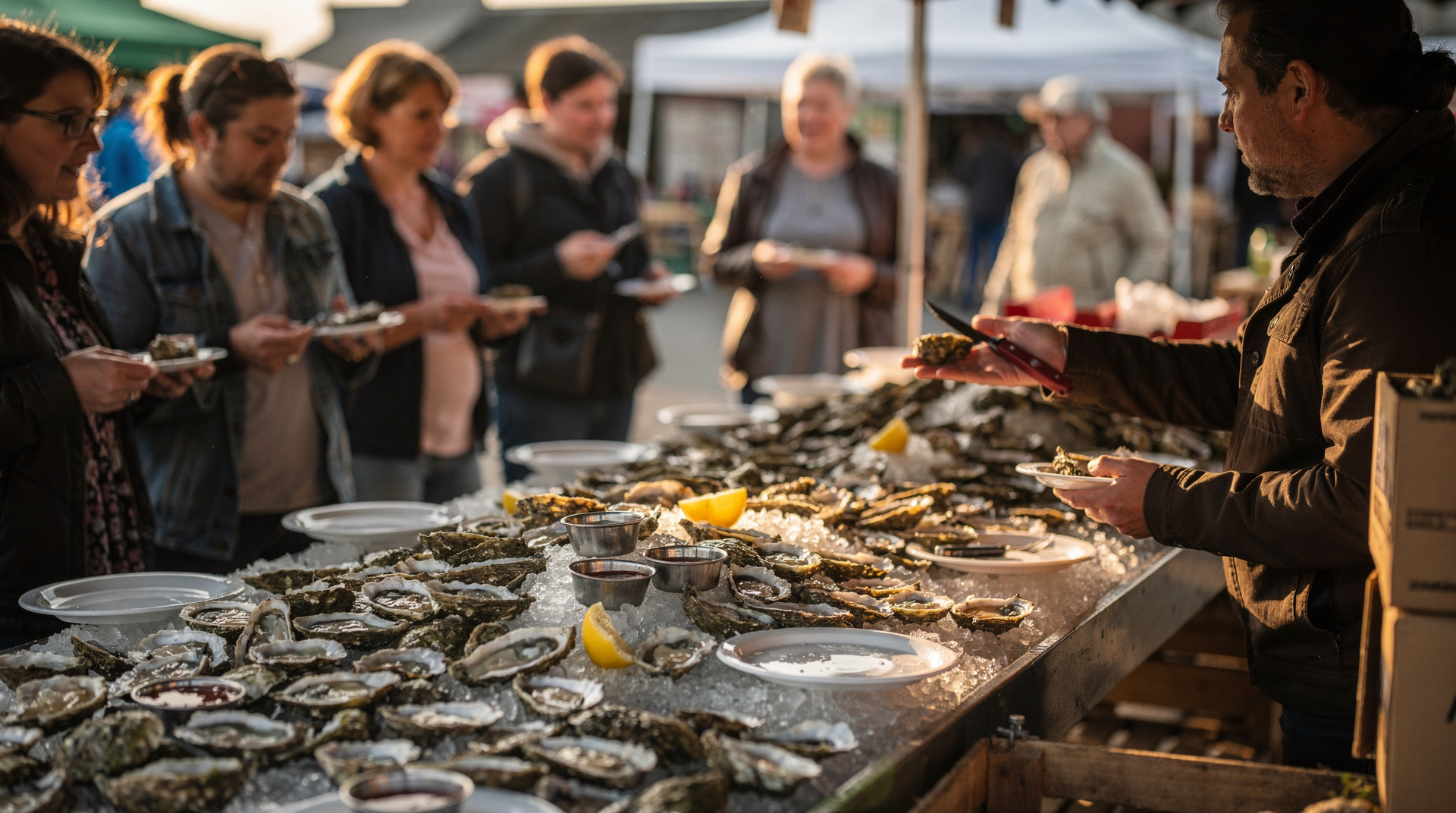
- Shellfish — oysters, Dublin Bay prawns, and mussels from various West Coast producers, depending on the week.
The overall atmosphere is far more local than the adjacent Temple Bar streets. Arrive by 11:00 if you want the full range before the popular items sell out. A delicious Dublin walking food tour covers the market and surrounding area, which gives context to what you are tasting.
George’s Street Arcade — permanent covered market
South Great George’s St., Dublin 2. Monday–Saturday 09:00–18:00, Sunday 12:00–18:00.
The George’s Street Arcade is a Victorian covered market building (1881) that functions as Dublin’s general-purpose independent retail and food market. The food offering includes:
- A health food deli with good salads and hot food for lunch
- A cheese stall with Irish farmhouse and Continental varieties
- A crêpe stall that produces some of Dublin’s better sweet street food
- A Vietnamese street food counter (Pho Viet) — one of the best quick lunches in the city centre for under €12
- A fishmonger with Irish Atlantic fish at prices well below supermarket rates
- Second-hand books, vintage clothing, and independent retailers that make it worth browsing beyond the food
The arcade is indoor and weather-proof, which matters in Dublin. It is a genuine local institution rather than a tourist market, and the eating and shopping reflects that.
Iveagh Markets — the Liberties institution
Francis St., Dublin 8.
The Iveagh Markets building on Francis St. in the Liberties is a 1906 Arts and Crafts building designed by Frederick Hicks. It has had a complicated recent history of planned and failed renovation, but the building is extraordinary — a grand indoor market hall with a glass and iron roof that was intended as a market and social facility for the Liberties’ working-class population.
The current situation is evolving; check current operating status before visiting. When operational, it hosts a mix of antiques, vintage goods, and occasional food market events.
Francis St. itself, the antique dealer’s street adjacent, is worth a walk regardless.
Dún Laoghaire Farmers Market
People’s Park, Dún Laoghaire. Sunday 10:00–16:00.
One of the best suburban food markets in the Dublin area — consistent, producer-led, and set in the Victorian bandstand park of Dún Laoghaire. The range is wide: Irish farmhouse cheese (Knockanore, Killowen, Cooleeney), artisan bread, organic vegetables, Wicklow honey, artisan chutneys, and reliable cooked food stalls. Worth combining with a DART coastal day out — Dún Laoghaire is 30 minutes from Pearse Station.
Street food in Dublin city centre
Street food in the traditional sense is limited in Dublin compared to London or Berlin — licensing and weather both constrain it. But some options are worth knowing:
- Gerry’s Diner (Phibsborough Road): a neighbourhood diner institution that consistently delivers the best full Irish breakfast outside of proper restaurants.
- Bunsen (various locations): the best burger in Dublin by common agreement among locals — beef from a named farm, made to order, with a short menu that does not overcomplicate things.
- Herbstreet (Grand Canal Dock): a market-style restaurant at the Docklands that sources locally and changes menus seasonally. The weekend outdoor trading makes it function like street food in good weather.
- The Rolling Donut (Grafton St. kiosk): a Dublin institution for fresh yeast doughnuts — the glazed original is the right choice.
How to eat your way round a market
The mistake most visitors make is buying the first thing they see. A market rewards a slow first lap with nothing in your hands: note who has a queue, who is offering tastings, and who is cooking something that smells right. Then go back and buy. Producers at the better stalls are happy to explain how a cheese was made or how a fish was cured, and asking a question usually gets you a taster and a better recommendation than any menu.
Some practical habits help:
- Share plates. Go with a friend, buy several small things, and split them. You taste far more than if each person commits to a full portion.
- Build a picnic. Bread, cheese, smoked fish and something sweet make a very good lunch, and the park at Dún Laoghaire or a bench by the water turns it into a proper outing.
- Bring a bag. Stalls are set up for people who buy produce to carry home, and a tote bag makes the whole thing easier.
- Carry some cash and a card. Many stallholders take cards, but a few small traders prefer cash, and it speeds up the queue when a stall is busy.
- Ask what is in season. Menus and stock change through the year, so the best answer to “what should I try?” is whatever the stallholder is proudest of that week.
What to try if you only have time for a few things
Not every visitor wants to graze for hours. If your time is short, aim for a small number of memorable tastes: one farmhouse cheese, something smoked, a fresh loaf of bread, and one hot dish to eat on the spot. That gives you a fair cross-section of what Irish producers do well without turning the visit into a marathon.
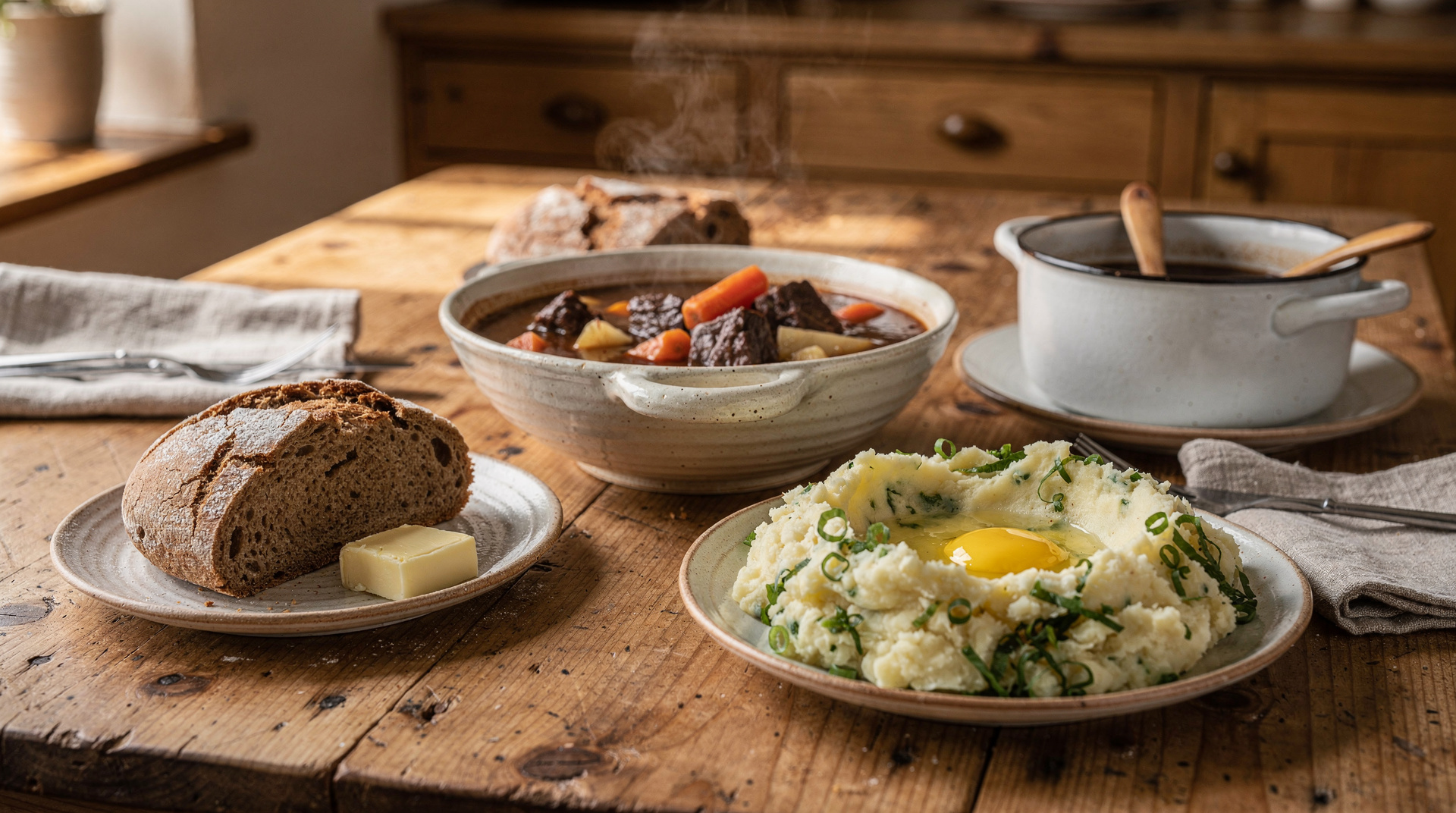
Seafood deserves a mention. Ireland’s Atlantic coast supplies much of what is sold, and if a stall is shucking oysters or selling mussels, it is a good chance to try something that tastes of the place. Pair it with soda bread and you have a simple meal that belongs to Ireland rather than any generic food-hall menu. For the wider story of what Irish cooking looks like at the table, traditional Irish food explains the dishes you will meet in pubs and restaurants as well.
Markets for different kinds of traveller
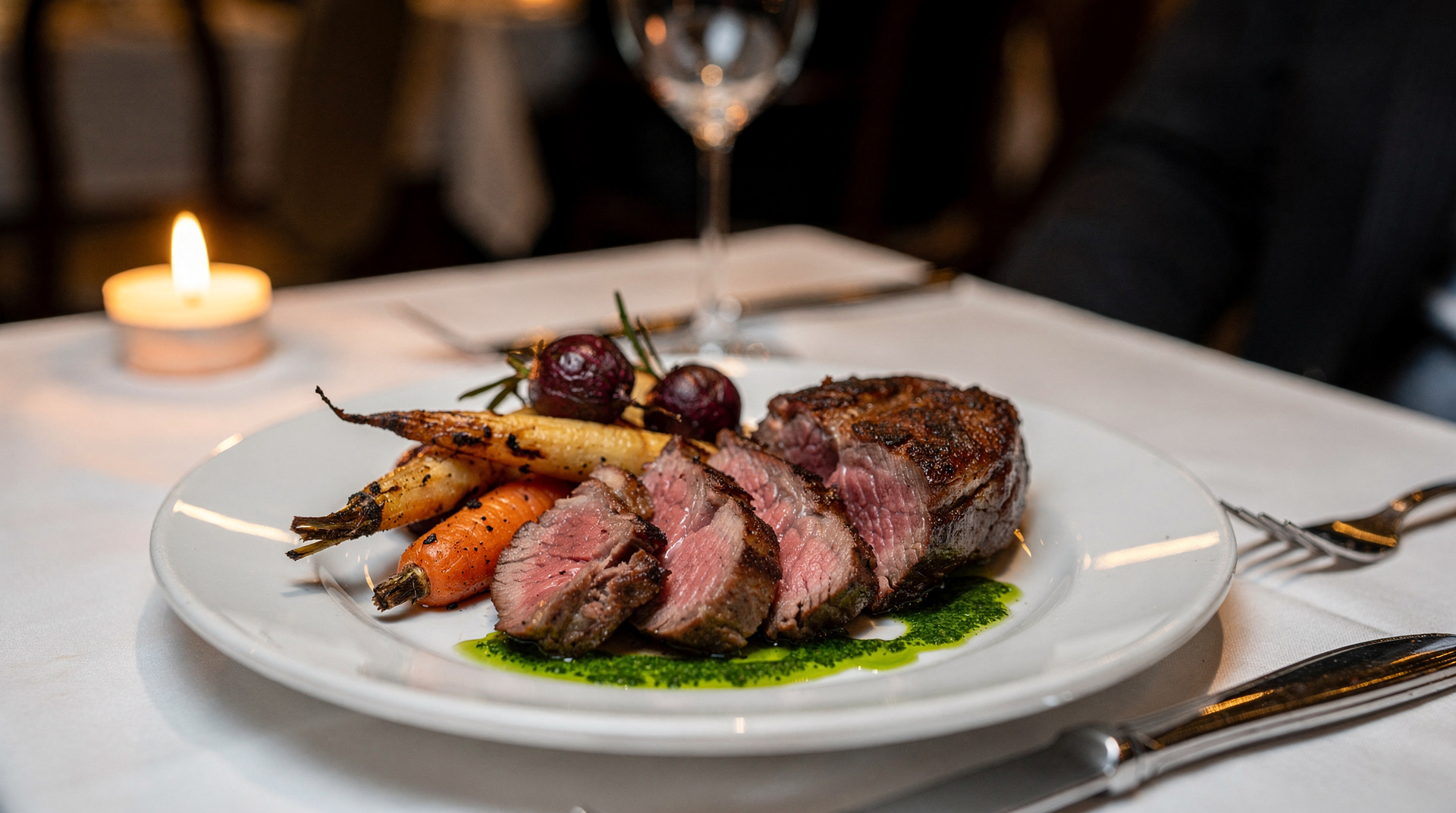
Couples and food lovers will get the most from the Saturday producer market, where conversation with the stallholders is half the pleasure. Follow it with a long lunch, and the best restaurants in Dublin guide can help you choose where.
Families often find the covered arcade easier, because it is dry, central and has a wide range of cheap, quick food that suits different tastes. If you are travelling with children, Dublin with kids has more ideas for keeping everyone fed and entertained.
Budget travellers can eat very well at markets. Sharing a few small purchases and picking up bread and cheese for a picnic costs far less than a sit-down meal, and the Dublin on a budget guide shows how to stretch the rest of your spending too.
Solo travellers find markets a friendly place to eat alone. Nobody thinks twice about someone wandering with a coffee and a pastry, and stallholders are usually glad to chat. The Dublin solo travel guide covers other relaxed ways to spend time on your own.
Pairing markets with coffee, pubs and sights
A market morning pairs naturally with a good coffee, and Dublin coffee culture points to places worth a stop before or after. Later in the day, the same neighbourhood has plenty of pubs; if you want a drink with a bit of character rather than the busiest tourist bar, best pubs in Dublin is a good place to start.
If you would rather let someone else organise the eating, the Dublin food tours guide compares the guided options. And because the central markets sit close to Temple Bar, it is worth reading the honest Temple Bar guide so you know which streets to enjoy and which to walk past on your way to lunch.
Wet weather and winter market strategy
Dublin weather changes quickly, and outdoor markets are at its mercy. A good approach is to treat the covered arcade as your fixed plan and the open-air markets as a bonus when the sky cooperates. Dress in layers, wear shoes that cope with cobbles and puddles, and carry a light waterproof. If the forecast turns grim, the rainy day in Dublin guide has indoor ideas to fill the rest of the day, and what to pack for Dublin weather helps you prepare for any season.
Markets compared by day
| Market | Day | Hours | Best for |
|---|---|---|---|
| Temple Bar Food Market | Saturday | 10:00–16:00 | Artisan producers, tastings |
| George’s Street Arcade | Mon–Sat (Sun shorter) | 09:00–18:00 | Lunch, browsing, weather-proof |
| Dún Laoghaire Farmers Market | Sunday | 10:00–16:00 | Local, less touristy, coastal |
| Iveagh Markets | Variable | Check current status | Antiques, occasional food events |
If your trip only covers one weekend day, prioritise the Temple Bar Food Market on Saturday — it is the single best concentration of Irish producers in the city, and George’s Street Arcade is a five-minute walk away for a wet-weather backup.
Markets and the Christmas season
Dublin’s regular Saturday and Sunday markets continue through winter, but from late November they’re joined by seasonal Christmas markets at St Stephen’s Green and the Docklands — a different, more festive experience than the producer-led Saturday markets, with mulled wine and gift stalls rather than farmhouse cheese. See Dublin Christmas guide for the full December calendar, and Dublin in winter for what else changes in the colder months.
Street food tours and guided market visits
If you want context alongside the tasting, the street food tour with local guide (€40) covers the key market areas with a guide who can explain the producers and the food culture. The walking tour for foodies with tastings (€40) has more structured tastings alongside the market exploration.
Planning your market visit
Saturday is the peak day: Temple Bar Food Market is running, George’s Street Arcade is fully open, and weekend atmosphere is at its best. If you are in Dublin for a weekend, build a Saturday morning around the Temple Bar Food Market and George’s Street Arcade before the afternoon tourist crowds descend.
Sunday is the day for Dún Laoghaire Farmers Market, which is quieter and more local in character. Getting there is part of the fun, and Dún Laoghaire has a seafront walk and harbour atmosphere that suits a slow Sunday. If you are not sure how to get around, the getting around Dublin guide explains the options.
A sensible two-day plan is simple: Saturday morning in the city centre for the producers and the arcade, then Sunday by the sea for the farmers market and a harbour walk. Between them you see both the urban and the coastal sides of Dublin’s food scene without rushing either.
For a full picture of eating in Dublin, read best restaurants in Dublin and traditional Irish food. The afternoon tea in Dublin guide covers the formal end of Dublin’s food offer if you want the full spectrum.
Top experiences
Bookable activities with verified prices and instant confirmation on GetYourGuide.

Dublin: delicious walking food tour
- Free cancellation
- Instant confirmation

Dublin: walking food tour with local chef (7 stops or more)
- Free cancellation
- Instant confirmation

Dublin: walking tour for foodies with tastings
- Free cancellation
- Instant confirmation

Dublin: street food tour with local guide
- Free cancellation
- Instant confirmation