Kilmainham museums
Kilmainham holds the gaol where the 1916 leaders were executed and IMMA in the Royal Hospital, Ireland's oldest classical building. How to visit both.
Dublin: experience Glasnevin Cemetery guided tours
Duration: 2h
- Free cancellation
- Instant confirmation
Quick facts
- Location
- 3 km west of city centre
- Getting there
- Bus 13, 40 or 123 from city centre; 20 min walk from the Liberties
- Kilmainham Gaol ticket
- €8; must book online in advance
- IMMA
- Free entry to permanent collection
- Currency
- Euro (€)
Two buildings, one essential half-day
Kilmainham contains two institutions that together make one of the strongest cultural half-days in Dublin. The first is Kilmainham Gaol, a Victorian prison that held the leaders of the 1916 Easter Rising and is the most emotionally affecting heritage site in the city. The second is the Irish Museum of Modern Art, housed in the Royal Hospital Kilmainham, a seventeenth-century building that is the oldest surviving classical building in Ireland. They are five minutes walk apart and make a natural pairing.
| Where | Kilmainham, 3 km west of Dublin city centre |
| Cost | Gaol €8(book ahead); IMMA permanent collection free |
| Time needed | Half day for both; longer if combining with the Liberties |
| Getting there | Bus 13, 40 or 123, or a 35-minute walk from Temple Bar |
| Best time | Year-round; book Kilmainham Gaol weeks ahead |
Kilmainham Gaol
Kilmainham Gaol was built in 1796 and closed as a functioning prison in 1924. In between, it held some of the most significant figures in the history of Irish resistance to British rule: Wolfe Tone’s United Irishmen, participants in the 1848 rebellion, the Fenians of the 1860s, the Land League leaders of the 1880s (including Charles Stewart Parnell), and finally the leaders of the 1916 Easter Rising, fourteen of whom were executed by firing squad in the prison’s stone-breakers’ yard between May 3 and 12, 1916.
The executions were what transformed a failed rebellion into a political catalyst. The leaders were held in the prison’s east wing, the Victorian cell block with iron balconies and a glazed ceiling that is the building’s most photographed space. James Connolly, wounded and unable to stand, was tied to a chair and shot. Robert Emmet, hanged here in 1803 for his earlier rebellion, is also commemorated.
The guided tour is 60–90 minutes. Guides vary in quality but the best ones are excellent — they know the personal histories of the prisoners, the mechanics of the executions, and the subsequent political history that gave this building its meaning. The tour ends in the yard where the executions took place. It is quieter there than most visitors expect.
Booking is essential and should be done weeks in advance, particularly from April to October. Kilmainham Gaol regularly sells out days or weeks ahead. Arriving without a booking will almost certainly result in disappointment. Our full Kilmainham Gaol guide has booking instructions and what to do if it is sold out.
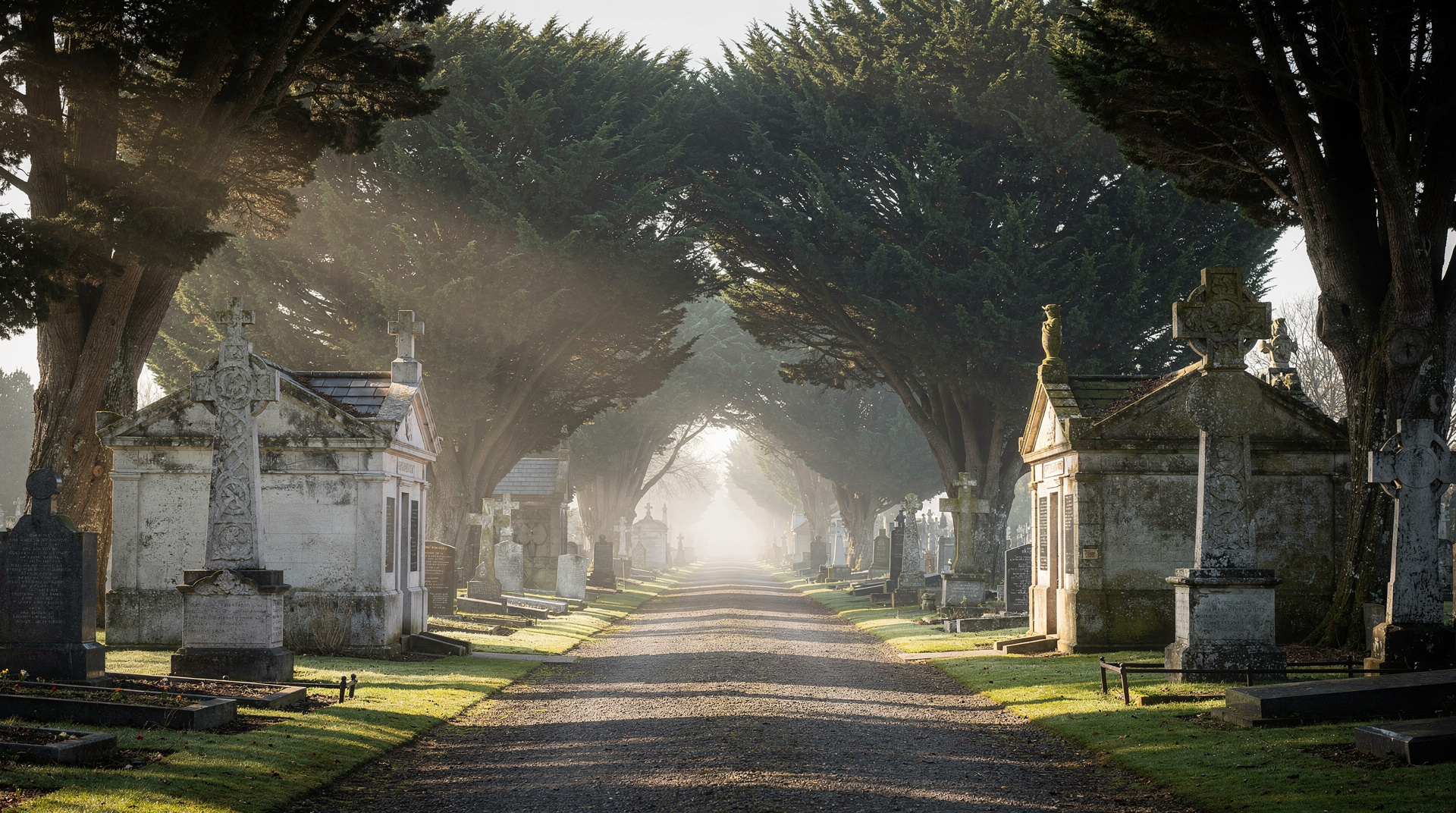
The Glasnevin Cemetery guided tour connects thematically with Kilmainham — the executed leaders are buried at Glasnevin, and visiting both on the same day gives the fullest picture of the 1916 story. The cemeteries are on opposite sides of the city (Glasnevin is north of the centre), so allow a taxi or bus journey between them.
Irish Museum of Modern Art (IMMA)
The Royal Hospital Kilmainham was built in 1684 as a home for retired soldiers, modelled on the Hôpital des Invalides in Paris. It is Dublin’s oldest surviving classical building and its formal courtyard is one of the most impressive architectural spaces in the city — relatively little known compared to the gaol next door.
IMMA has occupied the building since 1991 and holds a permanent collection of modern and contemporary art with particular strengths in Irish and international artists from the 1940s onwards. Major names include Kara Walker, Frank Stella, Gilbert & George, Dorothy Cross, Patrick Scott, and Louis le Brocquy. Temporary exhibitions are of consistently high quality.
Entry to the permanent collection is free. Temporary exhibitions typically carry an admission charge of €8–12. The building’s grounds include a formal walled garden and a medieval garden, both free to walk. They are popular with locals who use the space as a meeting point.
Getting to Kilmainham
Kilmainham is not served by DART or Luas. The most direct bus from the city centre is the 13 from O’Connell Street, which stops near the gaol in about twenty minutes. The 40 and 123 also pass nearby. The journey is straightforward but requires a map check on first visit — the area around the gaol and IMMA is not heavily signposted from the bus stops.
On foot from the city centre, the most direct route passes through the Liberties along Thomas Street and James Street — about 35 minutes from Temple Bar, and logically combined with a Liberties/Guinness Storehouse visit on the same day.
A full day in southwest Dublin
A focused day in this part of the city might run: morning at Kilmainham Gaol (booked tour), lunch at the IMMA café or at Kilmainham’s Fernhurst restaurant, an hour at IMMA, and then a bus back through the Liberties to see the Guinness Storehouse or one of the whiskey distilleries before returning to the centre. This is a historically dense day that covers 300 years of Irish politics, culture and industry within a relatively contained area.
For the 1916 story specifically, pairing Kilmainham Gaol with the GPO Museum on O’Connell Street and a grave visit at Glasnevin gives the complete picture: the rising, the execution, the burial. The Irish Revolution walking tour connects all three by foot and bus in a single guided day.
Following the 1916 story in sequence
For visitors who want to understand the Rising in chronological order rather than jumping between sites, the logical sequence is: the GPO and O’Connell Street (where the Rising was declared), Kilmainham Gaol (where the leaders were held and executed), and Glasnevin Cemetery (where most are buried). Our 1916 Easter Rising guide lays out this sequence in full with timing for each stop, and the Glasnevin Cemetery guide has details on the guided tours there, which pair thematically with the Kilmainham story.
If you would rather have the O’Connell Street part of the story told by a guide than read it from signs, a walking tour of the 1916 sites that includes the GPO Museum covers the opening act before you reach the gaol. For a wider frame that starts before the Rising and runs through the years that followed, a guided walk through the Irish revolution places Kilmainham within the full sequence of events, and the Dublin historical walking tour guide compares the options on offer.
Combining with nearby Georgian and park sights
Kilmainham sits close to two very different Dublin experiences worth knowing about if you have more than half a day. Phoenix Park, one of Europe’s largest enclosed city parks, is a short bus or taxi ride away and offers a complete change of pace after the intensity of the gaol tour. In the other direction, Georgian Dublin gives a very different architectural period to compare against Kilmainham’s Victorian and seventeenth-century buildings. Both museums here are also free or largely free, which makes Kilmainham a good fit for a budget day; see the free museums in Dublin guide for other no-cost options to combine with it.
How to pace the visit
The two sites ask for very different kinds of attention, and the order you take them in shapes the day. The gaol is a guided, timed experience: you arrive at your booked slot, move with a group and follow the guide’s story. IMMA is the opposite, a place where you set your own pace, wander out of a gallery when it stops interesting you and sit in the courtyard or gardens when you need a break. Most visitors find it easiest to do the gaol first, while concentration is fresh, and leave the art and the grounds for afterwards as a softer landing.
If you are building the rest of your trip around this stop, the one day in Dublin itinerary shows how little room a single day leaves for the southwest, while the three-day itinerary has space to give Kilmainham its own morning. History-minded travellers will find the history buff three-day plan puts the gaol alongside the other major sites of the period without rushing any of them.
Planning around the booking
Because the gaol is the part of the day that cannot be improvised, plan everything else around your booked slot rather than the other way round. Choose the gaol time first, then fit transport, lunch and IMMA before or after it. Our guide to booking attractions in advance explains which Dublin sights need this treatment and which you can safely leave until the day, and the Kilmainham Gaol guide covers the practicalities of the tour itself.
If the ticket cost matters to your budget, remember that IMMA’s permanent collection is free and the gardens cost nothing, so the paid part of this half-day is limited to the gaol and any special exhibition you choose to see. The Dublin on a budget guide shows how to stack a free morning or afternoon like this one with the rest of a low-cost trip, and the comparison in Dublin Pass versus individual tickets is worth reading before you decide whether a pass makes sense for your plans.
What to expect emotionally and practically
Kilmainham Gaol is a heritage site, not a theme attraction, and the tone of the tour is sober. Guides speak plainly about imprisonment, hardship and execution, and the cells and corridors are stark. Younger children may find it heavy going, so it helps to know your group before you book; the Dublin with kids guide has gentler options if the gaol is not right for them. Visitors who need step-free routes or other adjustments should check the Dublin accessibility guide before choosing between the gaol and IMMA, since an old prison and a seventeenth-century hospital present very different challenges.
Dress for the weather rather than the occasion. Parts of the tour are inside cold stone, and the walk between sites and the gardens are outdoors, so a layer you can add or remove is more useful than anything else. The Dublin weather and what to pack guide covers the seasons in detail.
Wet-weather and seasonal notes
Kilmainham works well when the weather turns. The gaol tour is mostly under cover and IMMA’s galleries are indoors, so the half-day survives a downpour better than most outdoor plans in the city. If the forecast is poor, the rainy day in Dublin guide lists other indoor options to pair with it. When the sun comes out, the gardens and the nearby park become the better half of the day; see the best time to visit Dublin for how the seasons change what is worth doing.
Around the national days of commemoration the city’s 1916 sites draw more attention, and the St Patrick’s Day guide is a useful reminder that major calendar events change how busy the whole city feels, including the buses you will use to get here.
Moving on from Kilmainham
Once you leave the gaol and IMMA, you have several natural next steps. The Guinness Storehouse guide covers the best-known attraction in the neighbouring Liberties, and the Liberties destination page shows what else lies along the walk back. For deeper medieval and Viking context before or after the modern history of the gaol, read the Viking and medieval Dublin guide and the Dublin Castle guide, both of which sit in the centre and are easy to reach by bus.
For a broader sweep of the story that the gaol belongs to, the Irish revolution history walk and the historical walking tour guide both help turn individual sites into a connected narrative. If you want to see how the Famine shaped the city and the country that produced the rebels of later generations, the Great Famine in Dublin guide is a thoughtful companion piece, and the National Museum of Ireland guide offers objects and context from across Irish history in a single building.
Getting between all of these is simpler with the right ticket and a little preparation. The getting around Dublin guide and the Leap Card guide explain how the bus network works for visitors, and the DART and Luas guide is worth a glance so you know which parts of the city the trains and trams do and do not reach.
A note on reading the city
One reason Kilmainham rewards a slow visit is that the two sites sit so close together yet speak about such different Irelands. One building was designed as a place of care for old soldiers, with ordered symmetry and a calm courtyard. The other was designed to confine, and later became a place where the country’s political future was decided. Standing in one and then walking to the other shows how much the same neighbourhood carried across the centuries. If you enjoy that kind of layered reading of a place, the self-guided Dublin walk and the Dublin first-time guide will help you find similar layers elsewhere in the city.
Top experiences
Bookable activities with verified prices and instant confirmation on GetYourGuide.

Dublin: experience Glasnevin Cemetery guided tours
- Free cancellation
- Instant confirmation

Dublin: 1916 Easter Rising private walking tour
- Free cancellation
- Instant confirmation

Dublin: 1916 Rising walking tour and GPO Museum entry
- Free cancellation
- Instant confirmation

Dublin: Irish Revolution walking tour 1913-1923
- Free cancellation
- Instant confirmation

Dublin: historical 2-hour guided walking tour
- Free cancellation
- Instant confirmation