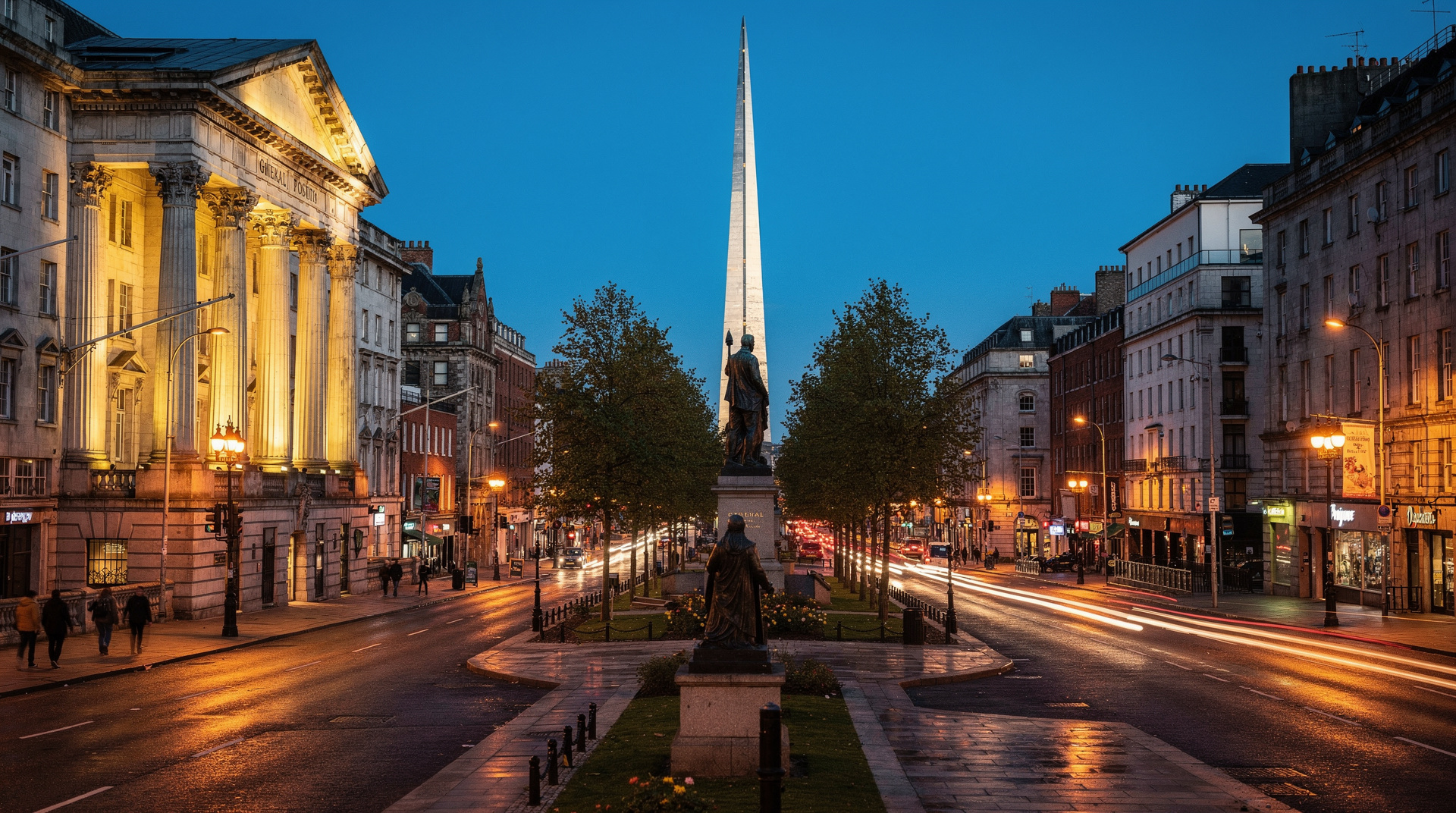
Phoenix Park
Phoenix Park is one of Europe's largest city parks: wild deer, Dublin Zoo, the President's residence and kilometres of paths. Free to enter at all times.
Dublin: Dublin Zoo entry ticket
Duration: 1 day
- Free cancellation
- Instant confirmation
Quick facts
- Location
- Northwest of city centre, 3 km from O'Connell Street
- Getting there
- Bus 25, 26, 66, 69 from city centre; 30 min cycle
- Park entry
- Free and always open
- Dublin Zoo
- €26 adults; book online in summer
- Deer herd
- Around 600 fallow deer; usually visible morning and evening
The park that Dublin doesn’t deserve but has anyway
Phoenix Park is 707 hectares in size, making it one of the largest enclosed city parks in Europe — larger than Hyde Park and Central Park combined. It sits about three kilometres northwest of the city centre, enclosed by a stone wall for most of its perimeter, and contains within it a zoo, two official residences (the Irish President’s and the US Ambassador’s), a Victorian walled kitchen garden, a nineteenth-century visitor centre, a polo ground, and a herd of around 600 fallow deer that have been here since the park was enclosed in 1662.
The park is free and open at all times. This fact alone makes it one of the best things in Dublin.
| Where | 3 km northwest of the city centre |
| Cost | Free to enter; Dublin Zoo around €26 adults |
| Time needed | Half day for a walk; full day with the zoo |
| Getting there | Bus 25/26 from Aston Quay, or 20–25 min cycle |
| Best time | Weekday mornings; spring/summer for deer calving |
The deer
The fallow deer are the most unexpected element for first-time visitors. They are genuinely wild — not domesticated, not in an enclosure — and roam freely across the park. They are most visible in the early morning and early evening, typically in the area around the Magazine Fort or across the open grassland near the Papal Cross (erected for Pope John Paul II’s 1979 visit, when an estimated 1.25 million people attended Mass here). In the rut season in October, the stags are vocal and visible; in May and June, fawns appear. You may walk within metres of them. They are accustomed to humans but not tame.
Dublin Zoo
Dublin Zoo occupies around 28 hectares in the northern part of the park and has been here since 1831. It holds around 400 animals across a range of habitats and is one of Ireland’s most visited attractions. The collection includes lions, sea lions, chimpanzees, giraffes, gorillas, and red pandas, with a strong emphasis on conservation and breeding programmes.
The zoo is best on weekday mornings — weekend afternoons in summer are packed, particularly the trails around the African Savanna section. The Dublin Zoo entry ticket should be booked online in advance from June to August; the on-the-day price at the gate is higher and queues for walk-ups can be substantial.
Allow three to four hours to cover the main sections. The café options inside are adequate but overpriced, as you would expect for a captive audience; bringing lunch is a reasonable decision if you are a family.
Cycling and walking
The park’s main road (Chesterfield Avenue) runs for about three kilometres from the main Parkgate Street gate to the Castleknock Gate and is traffic-calmed in sections. Cyclists, joggers and walkers use it continuously. Bike hire is available near the Ashtown Visitor Centre, and the park’s network of side paths and service roads means you can spend a half-day on a bike without repeating ground.
For walkers, the Papal Cross to the Phoenix Monument (a stone column marking the original “Fionnuisce” spring — the real origin of the name, not the mythological bird) is about two kilometres across open parkland. The Magazine Fort, a small eighteenth-century artillery fortification on an elevated position in the southern part of the park, gives the best elevated view of the park interior.
Choosing your focal points
The most common mistake with Phoenix Park is treating it as a single sight. It is closer to a small district of Dublin, and it rewards a plan. Pick one anchor for the visit (the deer, the zoo, or a long ride) and let the rest fall around it. A visitor who comes for the deer will want to be in the open grassland early or late and will barely notice the clock. A visitor who comes for the zoo will spend most of the day inside its boundary and should treat the park as a bonus on the way out. A cyclist will want the long straight avenue and the quieter side paths, with a stop at the visitor centre for a rest.
If you are still deciding how the park fits into a wider trip, the Dublin 3-day planning guide shows where a half day outdoors sits comfortably, and the one-day Dublin itinerary is a useful reality check on what a single day can and cannot hold. The park is easy to add to a longer stay and hard to squeeze into a short one.
For a detailed look at the zoo and the surrounding park as one combined outing, the Dublin Zoo and Phoenix Park guide goes through the sequence step by step, and the standalone Dublin Zoo guide covers the animals and the layout in more depth than this page can.
A slow morning in the park
The best version of a visit is an unhurried one. Arrive early on a weekday, before the zoo queues form and while the light is low across the grass. Walk toward the open ground near the Papal Cross first, because that is where the deer tend to be grazing in the open. Move slowly and keep your voice down; the herd tolerates people but reads sudden movement as a threat, and a quiet approach is the difference between watching animals graze and watching them walk away.
From there, drift toward the Magazine Fort for the view across the interior, then work your way back toward the main avenue and the visitor centre for a break. If you are on a bike, the same loop is easy to ride at an easy pace, and the lack of hills makes it forgiving for casual cyclists. If you would rather have someone else handle the route and the commentary, the Dublin bike tours guide explains the options for seeing the city and its green spaces on two wheels.
An evening visit
Evening is the other good window. The park tends to feel different once the crowds thin: joggers and dog walkers replace the day visitors, the deer move out onto the grass, and the long open sightlines catch the low sun. In summer the daylight stretches late, which makes an after-dinner stroll realistic. In the colder months the park closes to vehicles at dusk, so plan your return before it gets dark, and remember that the pedestrian gates stay available if you are on foot or on a bike.
An evening in the park pairs well with a city-centre meal afterwards. Follow the bus route back toward the quays and you are within reach of the pubs and restaurants described in the best restaurants in Dublin guide, which makes a quiet walk followed by a proper dinner one of the more civilised ways to end a day.
Visiting with children
Few places in Dublin are as forgiving with children as this one. There is space to run, there are animals to look at, and nobody minds noise on an open lawn. A picnic on the grass is the obvious choice, and the park’s wide paths suit pushchairs and small bikes alike. Children tend to get more out of the deer than adults expect, as long as they are told in advance that these are wild animals and that the goal is to watch rather than to approach.
If your children are older, the park also works as a reset between more structured days. The teen-friendly Dublin guide suggests how to balance outdoor time against attractions that keep teenagers engaged, and the Dublin with kids guide remains the best overview of what the wider city offers families.
When the weather turns
Dublin weather is changeable, and the park is no exception. A dry spell can turn to rain quickly, and there is limited shelter in the open grassland, so a waterproof layer is more useful here than in the city centre. Paths can be muddy after rain, which matters for pushchairs and for anyone in light shoes. If the forecast is poor, the visitor centre and the zoo’s indoor areas give you somewhere to retreat, and the rainy day Dublin guide lists alternatives for when the park is simply the wrong choice that afternoon.
The seasons change the park noticeably. Spring and early summer bring fawns and fresh green growth, autumn brings the rut and a different kind of drama, and winter strips the park back to open sky and bare trees. None of these is the wrong time to go, but each suits a different kind of visitor, so match the season to what you want from the day.
The Wellington Monument and Visitor Centre
Near the Parkgate Street entrance stands the Wellington Monument, an obelisk 63 metres tall commemorating the Dublin-born Duke of Wellington — it is the tallest obelisk in Europe and was originally intended to be even larger before funds ran short. A short walk away, the Phoenix Park Visitor Centre occupies Ashtown Castle, a restored 17th-century tower house discovered hidden inside a later farmhouse during 1980s renovations. The centre has a small, free exhibition on the park’s history from royal deer park to public amenity, and it is also where you book the Áras an Uachtaráin tours.
Áras an Uachtaráin
The Áras an Uachtaráin — the official residence of the Irish President — is visible from Chesterfield Avenue and open for free guided tours on Saturday mornings, run by the Office of Public Works. Tours must be booked in advance through the Phoenix Park Visitor Centre. They cover the state rooms and the history of the building from its origin as the Viceroy’s Lodge. It is one of the better free things to do in Dublin that most visitors don’t know about.
Getting there
The park is not on the DART or Luas network, which surprises some visitors given its size. The most direct bus routes from the city centre are the 25 and 26 (from Aston Quay, near O’Connell Street), which enter the park at the Parkgate Street gate. Journey time is about twenty minutes. A taxi from the city centre costs €12–15. Cycling from the quays takes around twenty-five minutes on quiet roads through the Guinness brewery and Wolfe Tone Quay — not a complex route but not a tourist-obvious one either.
Combining Phoenix Park with the Liberties and Kilmainham
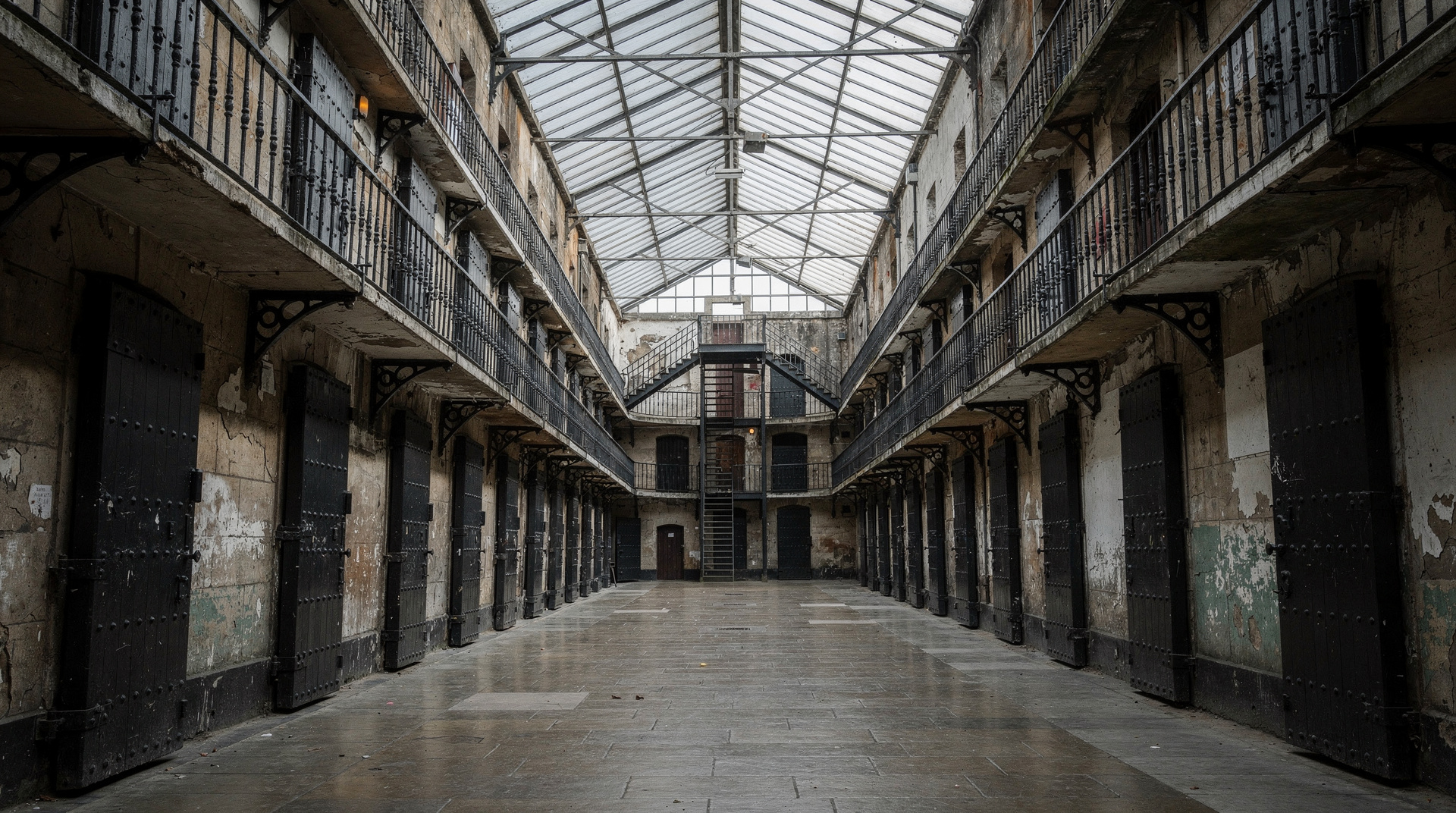
The park sits at the western end of a natural progression that starts in the city centre and moves west: Trinity College and Temple Bar in the morning, the Liberties and the Guinness Storehouse at midday, Kilmainham for the gaol and the Irish Museum of Modern Art in the afternoon, and Phoenix Park for a late-afternoon walk if energy allows. This is a long day but a coherent one, and it covers the core of Dublin’s historic south-west in a single sweep.
For a family-focused day, the zoo in the morning with a picnic in the deer grassland in the afternoon is genuinely one of the better free days out in Ireland. The Dublin with kids guide covers the family options in the park alongside the wider city.
Seeing the park with a guide or a bus
If you would rather not plan the route yourself, a bike or e-bike tour with a local guide is a relaxed way to cover the flat ground and hear the stories behind the monuments. For travellers who like to see the whole city first and decide where to linger afterwards, a hop-on hop-off bus tour gives you the lie of the land; the hop-on hop-off comparison and the bus tours guide explain how the options differ.
Pairing the park with other Dublin days
The park sits comfortably beside several other plans. The Dublin first-time guide helps you decide whether a green half day belongs in your trip at all, and the how many days in Dublin guide shows what a longer stay makes room for. For a family trip, the four-day family itinerary builds outdoor time around the animals, while the two-day itinerary is a good test of whether you can fit the park in at all.
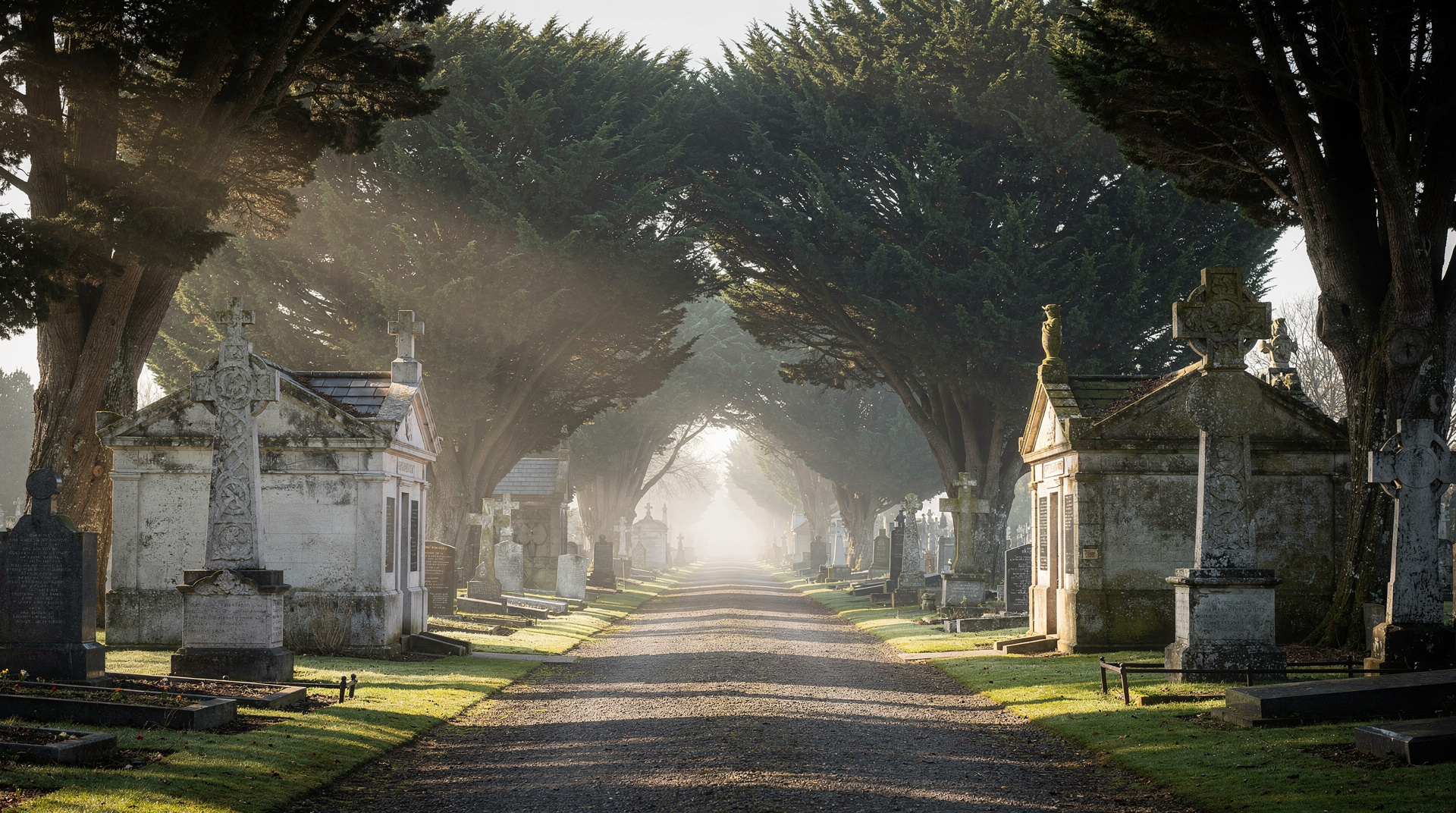
Visitors drawn by the history of the west of the city can read about the Kilmainham Gaol and the Glasnevin Cemetery as neighbouring stops, or browse the Dublin city destination page for the wider picture. If the weather lets you down, the rainy afternoon in Dublin story offers a gentler plan B. And for travellers watching their spending, the Dublin on a budget guide shows how a free park day balances out paid attractions elsewhere.
Other ways to use the same day
Because the park is free and open at all times, it makes a flexible fallback. If a museum queue is too long or the weather clears unexpectedly, it is a good place to redirect an afternoon. The free museums guide is a natural companion for travellers on a tight budget who want to build a low-cost itinerary around the park, and the getting around Dublin guide explains how buses, trams and taxis connect the park to the rest of the city.
Practical notes
The park has no internal public transport. If you are covering multiple points (zoo, visitor centre, Áras) within the same visit, a car or bike makes sense. On foot from the Parkgate Street gate to the zoo is about fifteen minutes; from the zoo to the Áras is another ten. The park café at the Ashtown Visitor Centre is a reasonable stopping point. The park closes to vehicles at dusk, though pedestrians and cyclists can enter through the pedestrian gates at any time.
Frequently asked questions about Phoenix Park
Can I see the deer without visiting the zoo? Yes — the fallow deer roam freely across the open parkland and cost nothing to see. The area around the Papal Cross and Magazine Fort is the most reliable spot, especially early morning or early evening when they graze in the open rather than sheltering in tree cover.
Is Phoenix Park worth visiting if I only have one full day in Dublin? For a single-day visit, the park competes with the city centre’s core sights, so most first-time visitors are better served prioritising Trinity College and Temple Bar. If you have two or more days, or you are travelling with children, Phoenix Park earns its place easily.
Top experiences
Bookable activities with verified prices and instant confirmation on GetYourGuide.

Dublin: Dublin Zoo entry ticket
- Free cancellation
- Instant confirmation

Dublin: Zoo skip-the-line tickets with private transfers
- Free cancellation
- Instant confirmation

Dublin: bike & e-bike tour with a local guide
- Free cancellation
- Instant confirmation

Dublin: the original hop-on hop-off green bus tour
- Free cancellation
- Instant confirmation

Dublin: Viking Splash tour — see Dublin by land & water
- Free cancellation
- Instant confirmation