Five Dublin neighbourhoods that most visitors never find
The tourist Dublin and the other Dublin
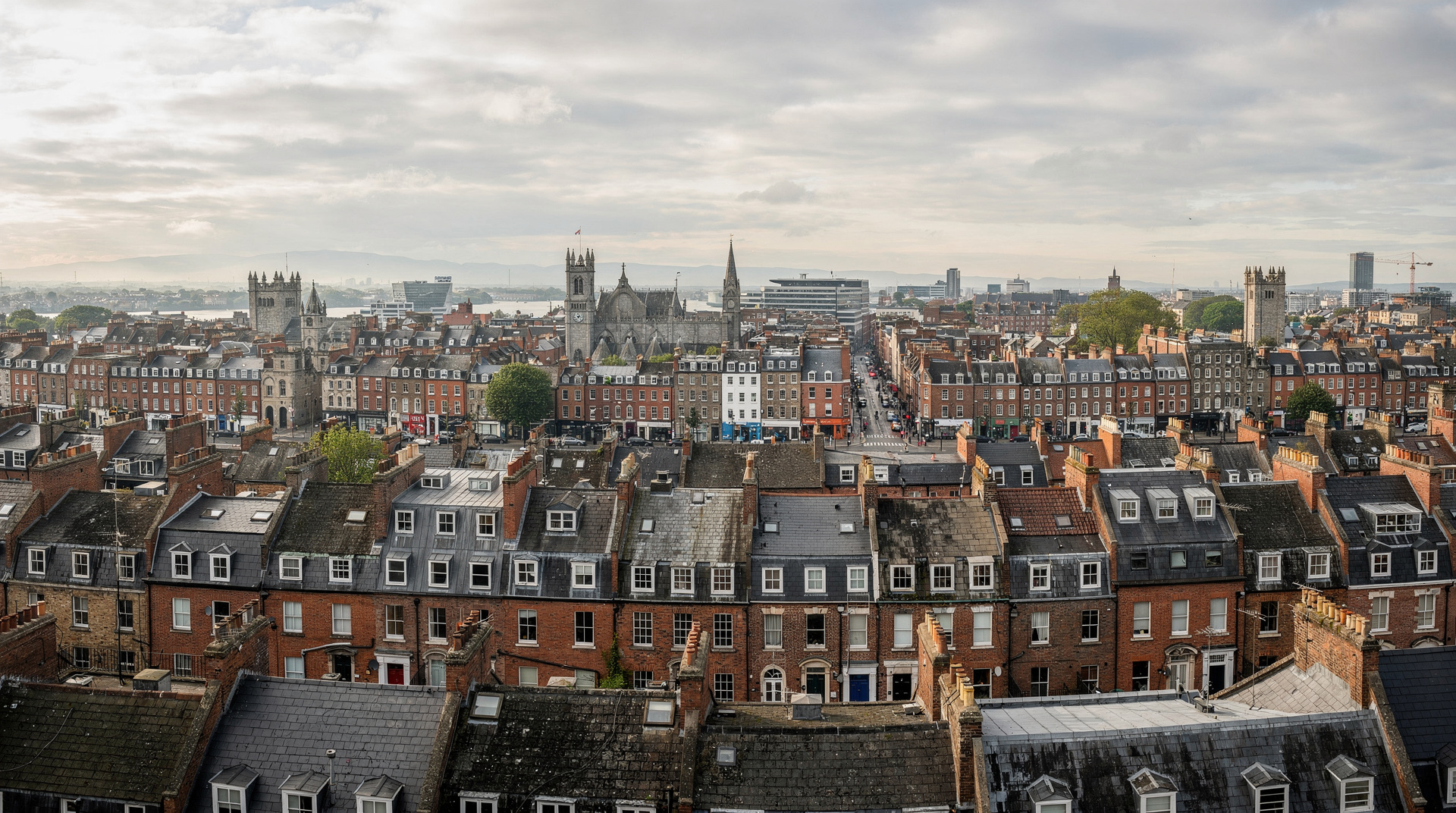
The city that most first-time visitors see is a fairly small loop: Trinity College to Temple Bar, across to the Guinness Storehouse, up to the GPO, back to the hotel. It is a reasonable loop. It hits the notable things. It also misses about 90 percent of what makes Dublin interesting.
Dublin is a city of distinct neighbourhoods, each with its own character, its own food culture, its own social life that operates largely independently of the tourist economy. The following five are not secrets — Dubliners eat, drink and live in them — but they are consistently ignored by visitors who follow the path of least resistance.
| Neighbourhood | Best for | Getting there |
|---|---|---|
| Stoneybatter | Independent cafés, unrenovated corner pubs | 20-minute walk or 37/38/39 bus from O’Connell Street |
| Portobello | Canal walks, café culture, literary history | 15-minute walk south from St Stephen’s Green |
| Smithfield | Traditional music, cobbled square, market | 15-minute walk from O’Connell Street |
| Ranelagh | Independent restaurants, Saturday market | Luas green line or short walk from the canal |
| Docklands at night | Waterfront bars, contemporary design | DART or Luas red line to Grand Canal Dock |
If you are still building the basic shape of your trip, the first-time guide to Dublin and the Dublin 3-day itinerary cover the headline sights, and these neighbourhoods slot in around them as slower, more local stops. For the cultural context behind some of the areas below, the Liberties and the Georgian core of the city make good companions.
Stoneybatter and Manor Street
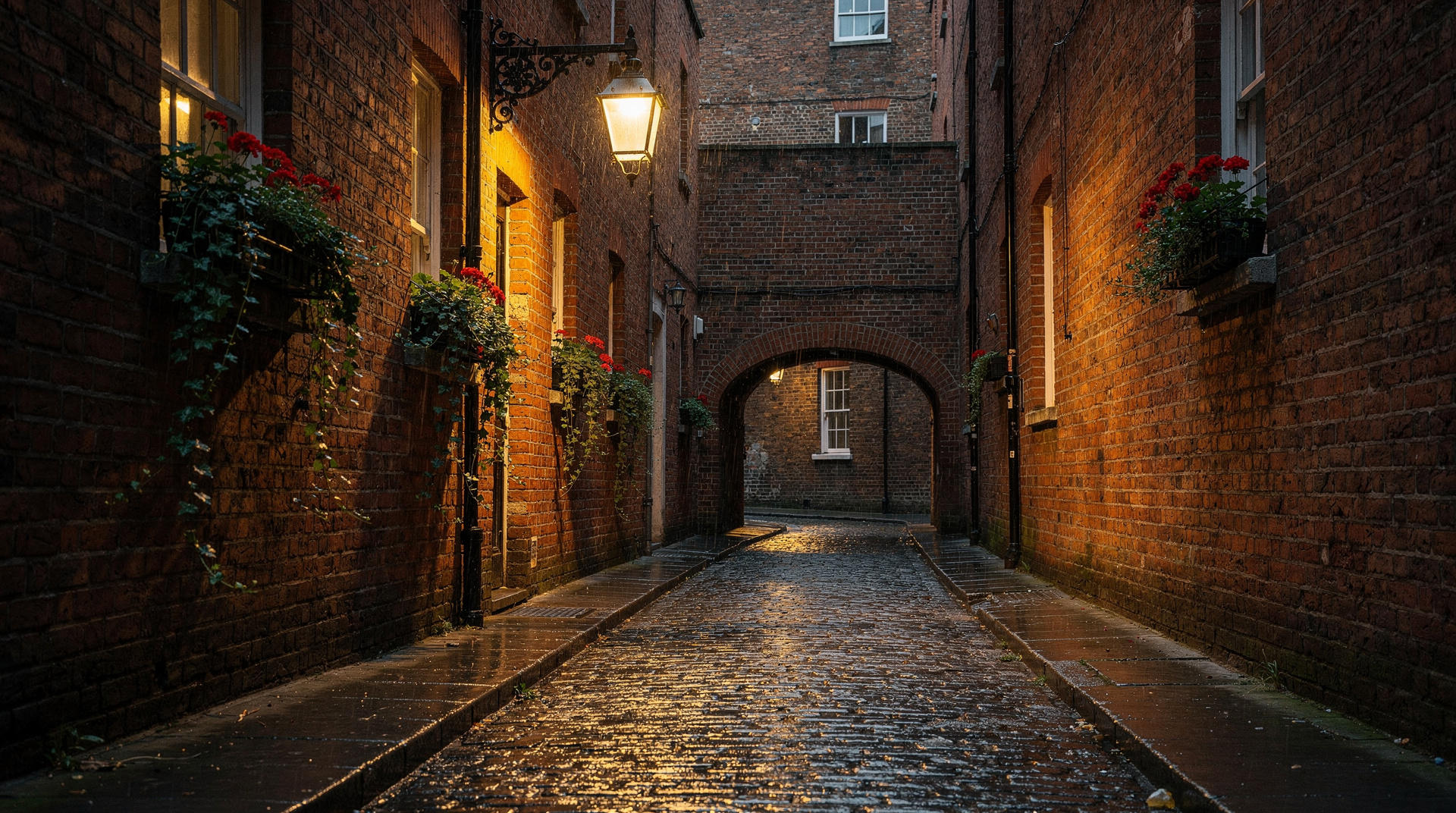
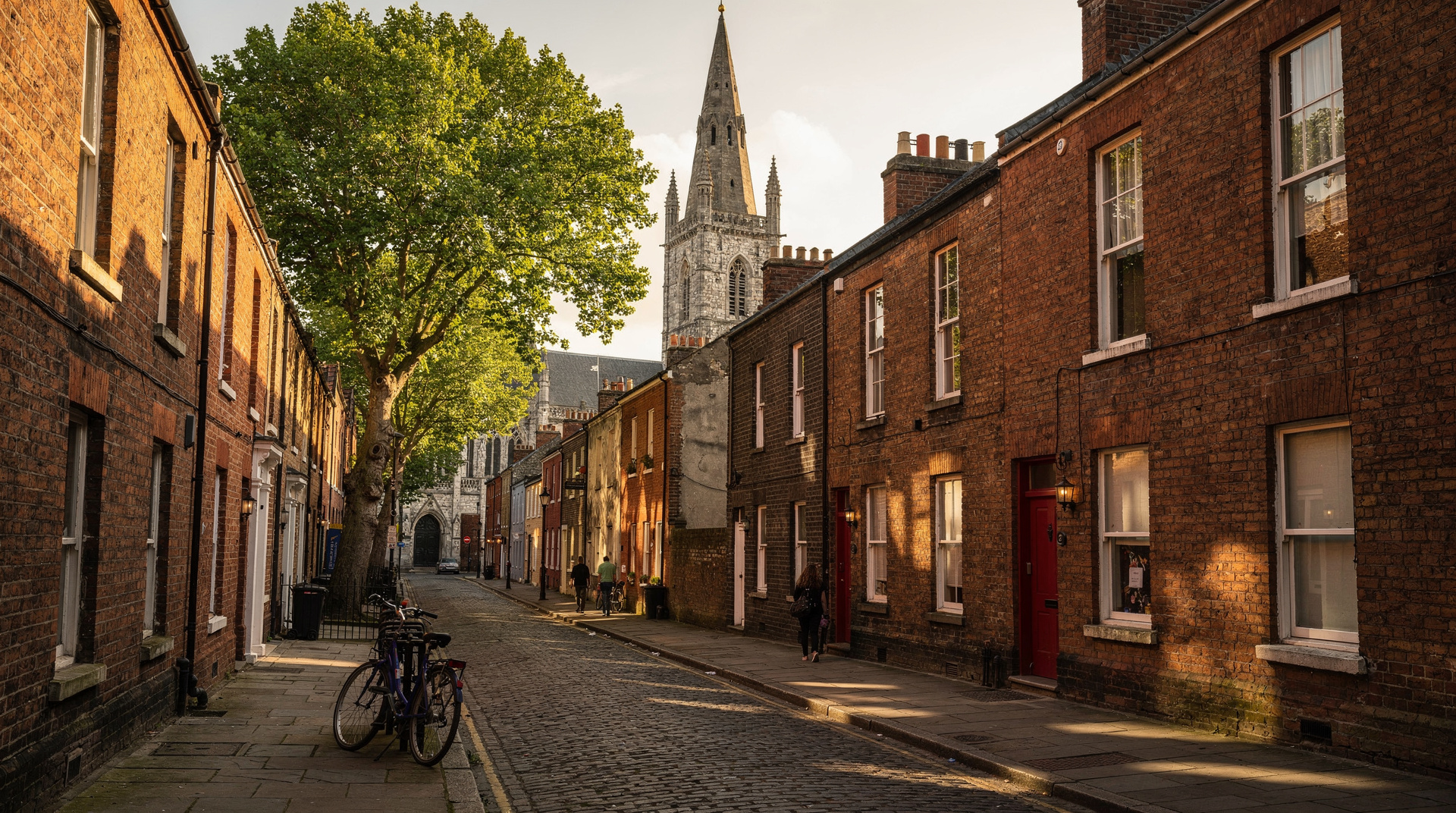
Stoneybatter is the kind of neighbourhood that food writers discovered around 2015 and that subsequently attracted enough restaurant attention to become self-aware about its own coolness, but that has still managed to remain genuinely local rather than gentrifying completely. The main drag of Manor Street and the surrounding roads have a particular quality: Victorian terraces, corner pubs that have not been renovated, independent businesses that look like they have existed since before Instagram.
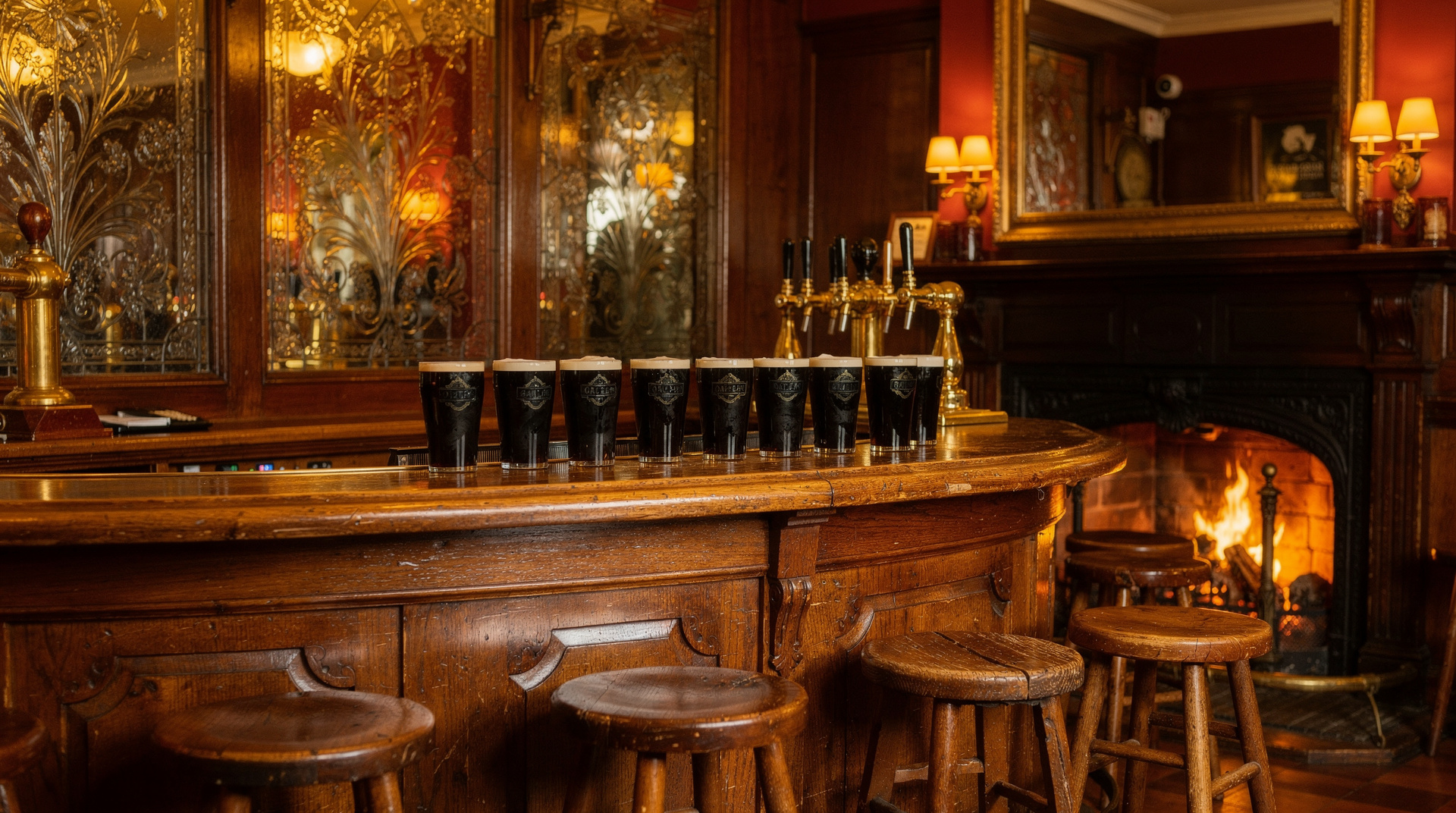
The food here is worth going out of your way for. Brother Hubbard North (on Capel Street just to the east) does the best brunch in Dublin by some margin. The various small restaurants along Manor Street and Stoneybatter proper are independently owned and priced for local rather than tourist wallets. The Old Royal Oak pub at the corner of Infirmary Road is a proper Victorian corner pub with a genuine local crowd and a good pint.
It is about twenty minutes’ walk from O’Connell Street or a short bus ride on the 37/38/39. Come for a weekend morning and walk from here through Phoenix Park — the park’s edge is ten minutes away.
Portobello and the Grand Canal
Portobello is the stretch of Rathmines along the south bank of the Grand Canal, and it has been quietly excellent for a decade. The canal-side here is one of the more pleasant walking routes in the city — the locks, the narrowboats, the ducks that have been there since before anyone alive can remember. In October, when the canal-side trees are turning, it is one of the better urban walks in Dublin.
The food and coffee around Portobello is genuinely strong. The various independents along Richmond Street and the streets running off it represent the south-inner-city cafe culture at its best. Bretzel Bakery on Lennox Street has been baking sourdough and Jewish rye since 1870. Fallon and Byrne on Exchequer Street is technically Christchurch-adjacent but worth the short walk for cheese and charcuterie.
The neighbourhood also has a quiet literary association — Patrick Kavanagh spent years here and the stretch of canal near Baggot Street has the famous Patrick Kavanagh bench sculpture, where you can sit next to a bronze replica of the poet and look at the water. If a guided introduction to Dublin’s food scene appeals more than wandering alone, the ultimate Dublin food tour touches several south-inner-city spots in this vein.
Smithfield
Smithfield is the large cobbled square on the north side of the Liffey, maybe fifteen minutes’ walk from O’Connell Street, and it is possibly the most consistently underrated area in Dublin for a visitor. The square is genuinely handsome — large, well-proportioned, edged by tall buildings including the old Jameson Distillery chimney (now a viewing tower with city panoramas). The Cobblestone pub at the corner is one of the best traditional music venues in Dublin, and the session on most evenings is the real thing.
Smithfield also pairs well with an evening of music: the traditional music pubs guide and the trad session etiquette guide explain how to listen without getting in the way, and the Jameson Distillery guide covers the distillery building on the square.
The weekend market in the square is worth a morning. The Old Jameson Distillery is here (now the Jameson Distillery Bow St.), and the Lighthouse Cinema on the square is one of the better independent cinemas in Ireland. In good weather, the square is a public space that Dublin uses as intended — people sitting, children playing, nothing performing for tourists.
Ranelagh
Ranelagh is a south-side village that feels incongruously like a small French town. It has a village green, a cluster of excellent independent restaurants and cafes on the main streets, a Saturday food market, and the kind of density of neighbourhood quality that you usually only find in places that have been fashionable long enough to develop it.
This is where Dubliners eat when they want to eat well without a big-occasion restaurant. The village has multiple options across cuisines at various price points, and the quality average is higher than anywhere in the tourist centre of equal price. Come on a Saturday morning for the market, have a long lunch, walk back to the city along the canal path.
Ranelagh is on the Luas, so the Dublin DART and Luas guide is worth a read before you go, and a Leap Card keeps the fares simple if you are hopping between neighbourhoods. For more ideas on where to eat well without a big-occasion booking, see the best restaurants in Dublin and the Dublin coffee culture guide.
The Docklands at night
The Docklands gets a day-trip mention in most Dublin guides — the EPIC museum, the Jeanie Johnston, the Convention Centre. What it doesn’t get is its night personality, which is worth knowing about. The area along the north quays (Sheriff Street direction) and the south quays (Grand Canal Dock) has a cluster of bars and restaurants that operate primarily for the people who work in the tech and financial offices that dominate the area.
The Barge on the Grand Canal is a floating bar that is exactly what it sounds like and better than it sounds. The Marker Hotel bar overlooks Grand Canal Square and has, on a Friday evening, a specific kind of Dublin energy that is not visible in the tourist areas. The square itself — with its red boardwalk designed by Martha Schwartz and the dramatic glasswork of the Marker — is one of the genuinely successful pieces of contemporary urban design in Dublin and is almost always empty of tourists.
Where to base yourself
If any of these five appeal enough to shape where you stay rather than just where you visit, our where to stay in Dublin by neighbourhood guide covers the practical trade-offs — Portobello and Ranelagh both work well as a base with easy access to the centre, while Stoneybatter suits visitors who want to be near Phoenix Park rather than the main sights. Budget-conscious travellers should also check the Dublin on a budget guide, since accommodation slightly outside the centre in these areas is often meaningfully cheaper than an equivalent room near Temple Bar.
How to explore
The highlights and hidden corners walking tour covers some of the less-obvious areas, though the tours above represent places even guided walks sometimes miss. The hidden gems walking guide on this site gives more detail on specific streets. The local pubs guide covers the drinking context for most of these neighbourhoods.
If the tourist loop is what you are trying to escape, the Temple Bar honest guide and the overrated and underrated Dublin guide explain what to skip and what to swap in. The getting around Dublin guide covers the buses and trams that connect all five areas, and the self-guided Dublin walk is a good way to link some of them on foot. For a more personal take on the city, hidden corners of the Liberties is a good follow-up read.
The honest advice is simpler than any guide: take the DART or a bus to somewhere that is not on a tourist itinerary and walk from there. Dublin rewards this more than most cities of its size.
Frequently asked questions about Five Dublin neighbourhoods that most visitors never find
Which of these neighbourhoods is easiest to visit without much planning? Smithfield and Portobello are both a short walk from the city centre and need no transport planning at all. Stoneybatter and Ranelagh are marginally further but still an easy bus or Luas ride.
Is it safe to walk around these areas at night? Yes, all five are ordinary residential and commercial neighbourhoods with normal city-centre precautions applying. The Docklands and Smithfield in particular are well-lit and busy into the evening; use the same common sense you would in any city.
Top experiences
Bookable activities with verified prices and instant confirmation on GetYourGuide.