The best trad session I stumbled into — and what made it different
The wrong kind of session
I had been in Dublin two days and I had already sat through two traditional music sets that I can only describe as technically correct and emotionally empty. The musicians were skilled. The pub was designed to look like an Irish pub from a distance of thirty feet. There was a laminated sign on the table explaining the instruments. Someone at the bar ordered an Irish coffee and received, along with it, a brief verbal history of the drink. I drank my pint quickly and left.
I knew the theory of what a good session should be. I had read enough to understand that trad music in Ireland is a participatory tradition, not a performance genre — that sessions are social events where musicians play for each other as much as for any audience, where the tunes circle round the room like conversation, where the best thing you can do as a non-musician is sit quietly, listen, and occasionally buy a round. I just had not yet found the real thing in a city where the fake thing is aggressively well-marketed.
| Where | Smithfield, the Liberties, and pubs off the main tourist streets |
| Cost | Free to watch — buy drinks, tip generously if a hat goes round |
| Best time | Weeknights, from around 9pm |
| What to bring | Patience and no expectation of a show |
| Etiquette | Quiet, attentive, no requests |
What happened on the third night
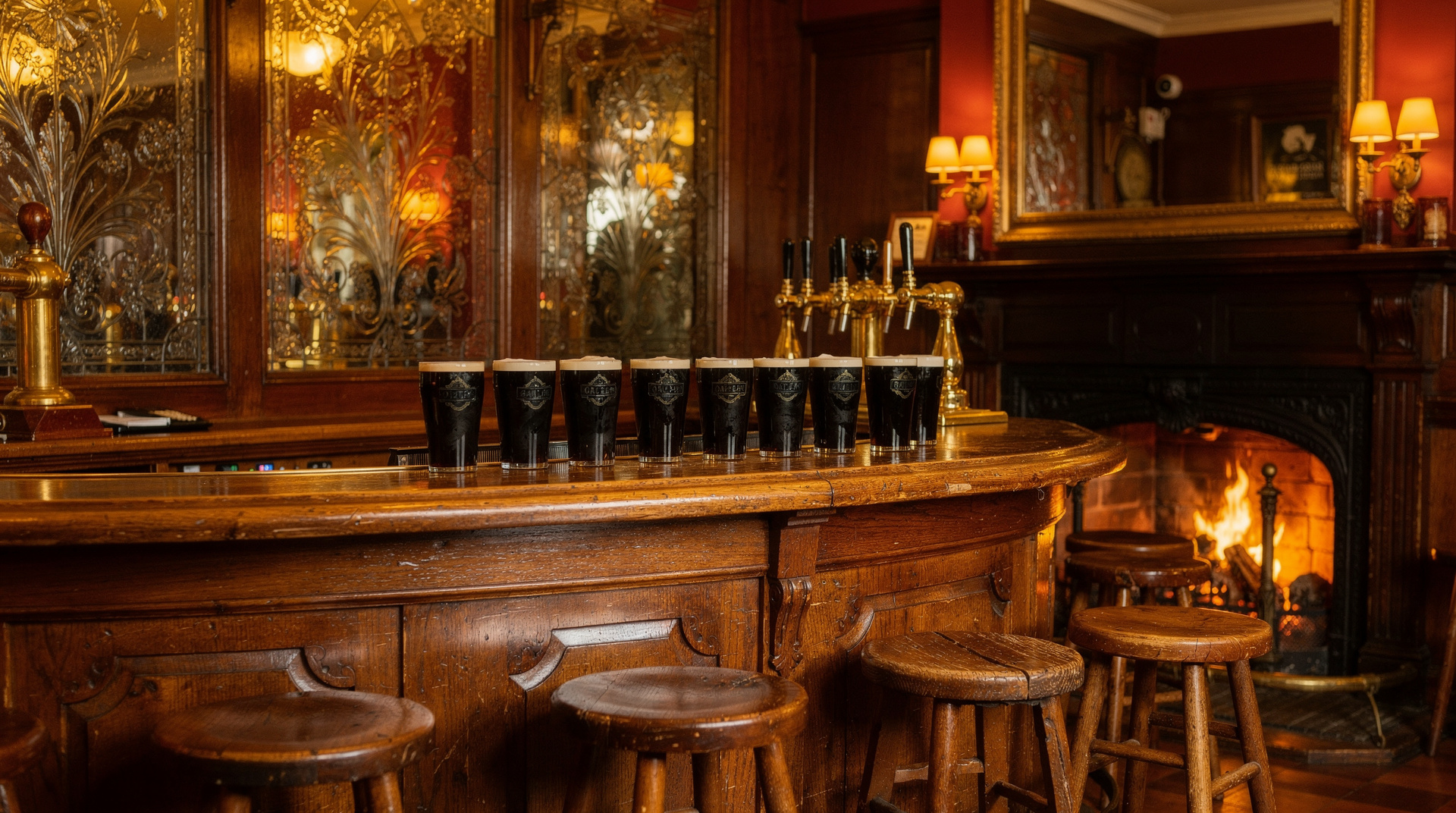
I was looking for a pub with no specific music agenda. It was a Tuesday in mid-July, around nine in the evening, and I walked into a pub in the Liberties neighbourhood — I am not going to name it, partly because the session is irregular and partly because naming it would fill it with people looking for authenticity, which is its own kind of ruin. It was small, dimly lit, and smelled of something honest. There were about twelve people in the room.
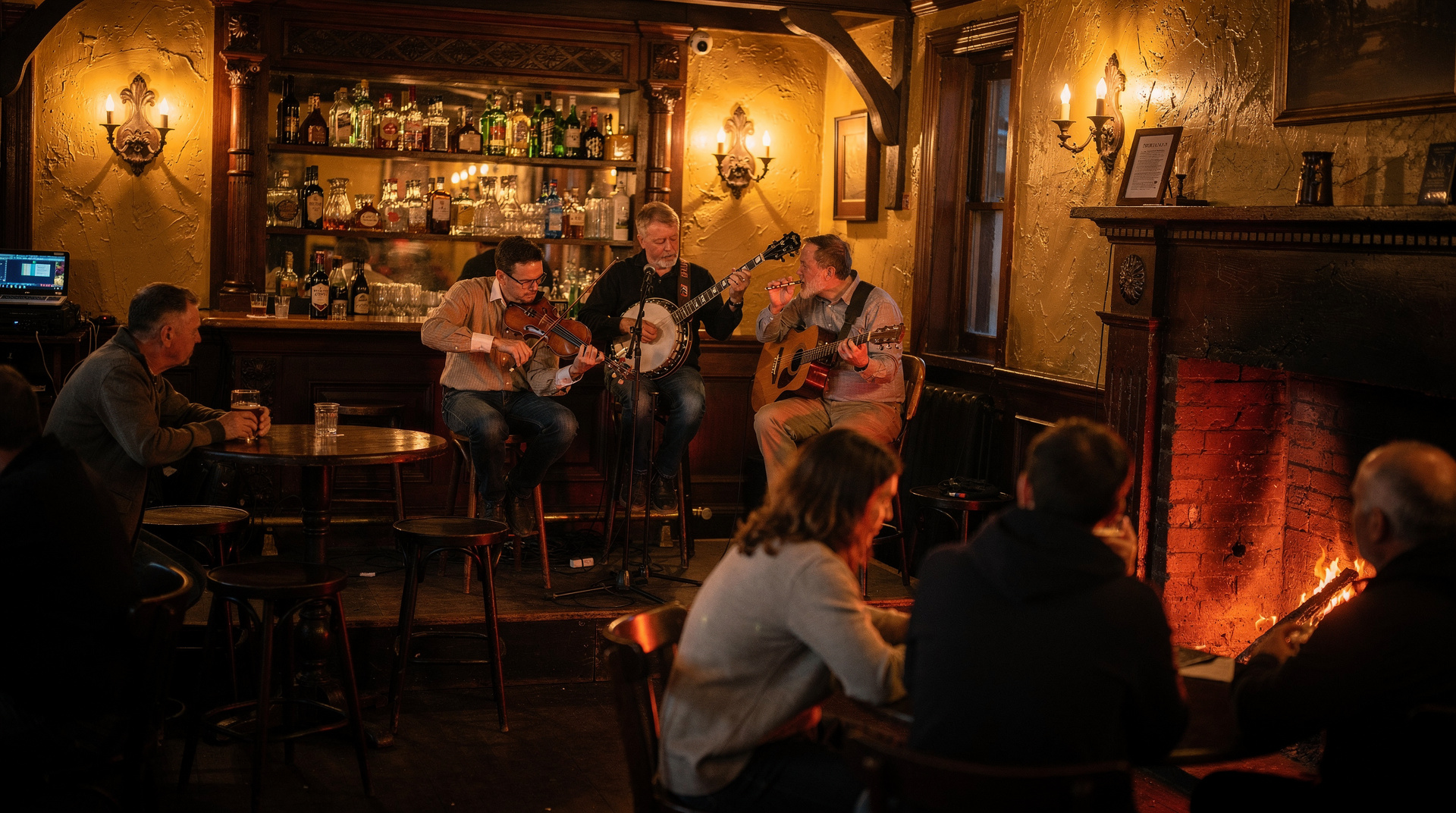
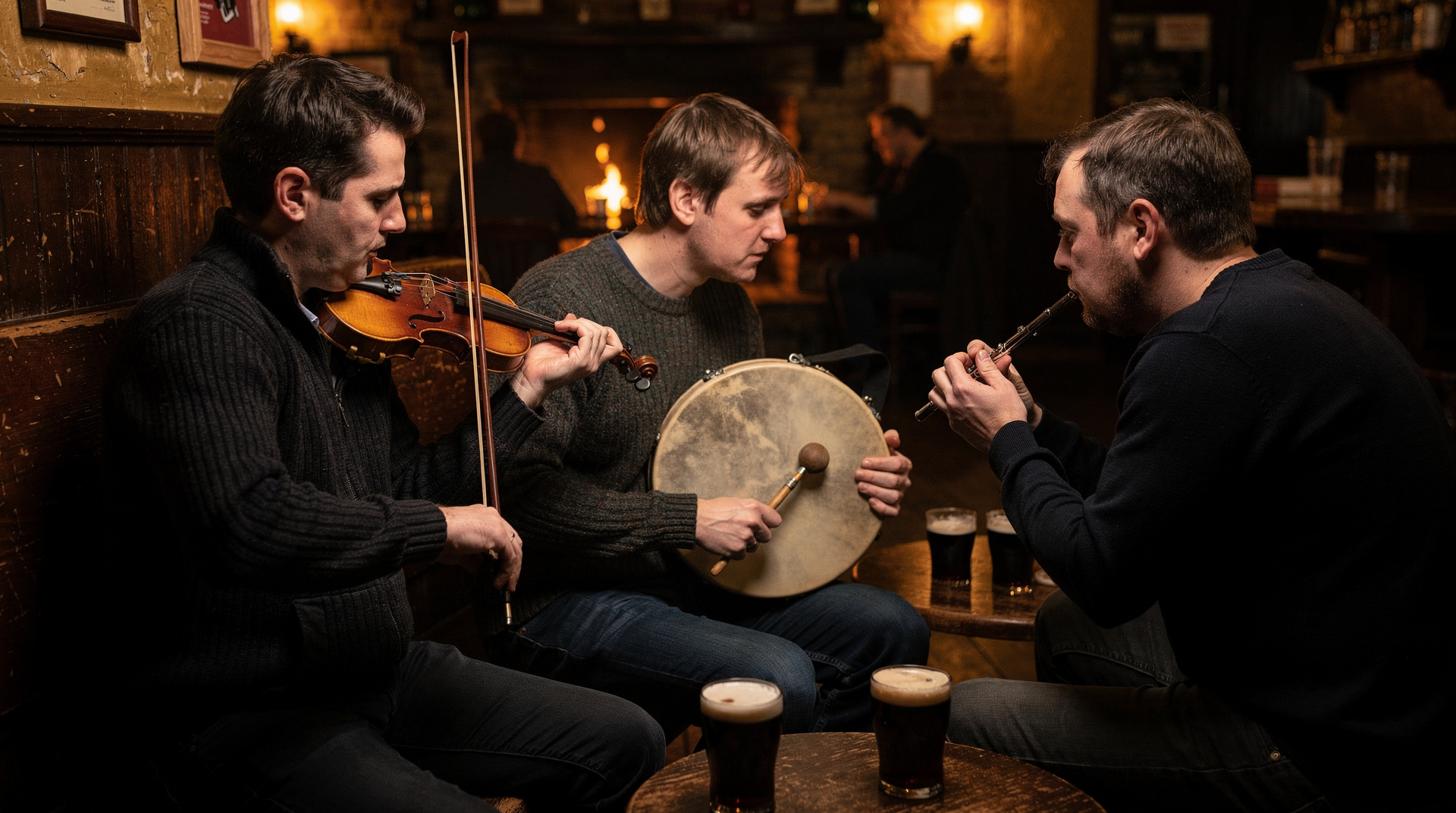
In the back corner, seven musicians were playing. A fiddle, two tin whistles, a banjo, a bodhrán, an accordion and a guitar. Nobody was amplified. Nobody was facing an audience. They were sitting in a rough circle, looking at each other or at the floor, playing with an intensity that was completely indifferent to whether anyone was listening.
The tunes were polkas. Then reels. Then a long jig sequence that I later found out was three separate tunes played back to back without pause. The bodhrán player set a beat and the fiddle player responded with something that sounded like an argument. The accordion drew the two together. This went on for four hours.
I sat at the bar and stayed for all of it.
What makes a session real
The difference between what I heard that night and the tourist-music sessions I’d been to two days earlier is not easily described. It has something to do with intent, something to do with the relationship between the musicians, and something to do with the absence of anyone trying to please an external audience.
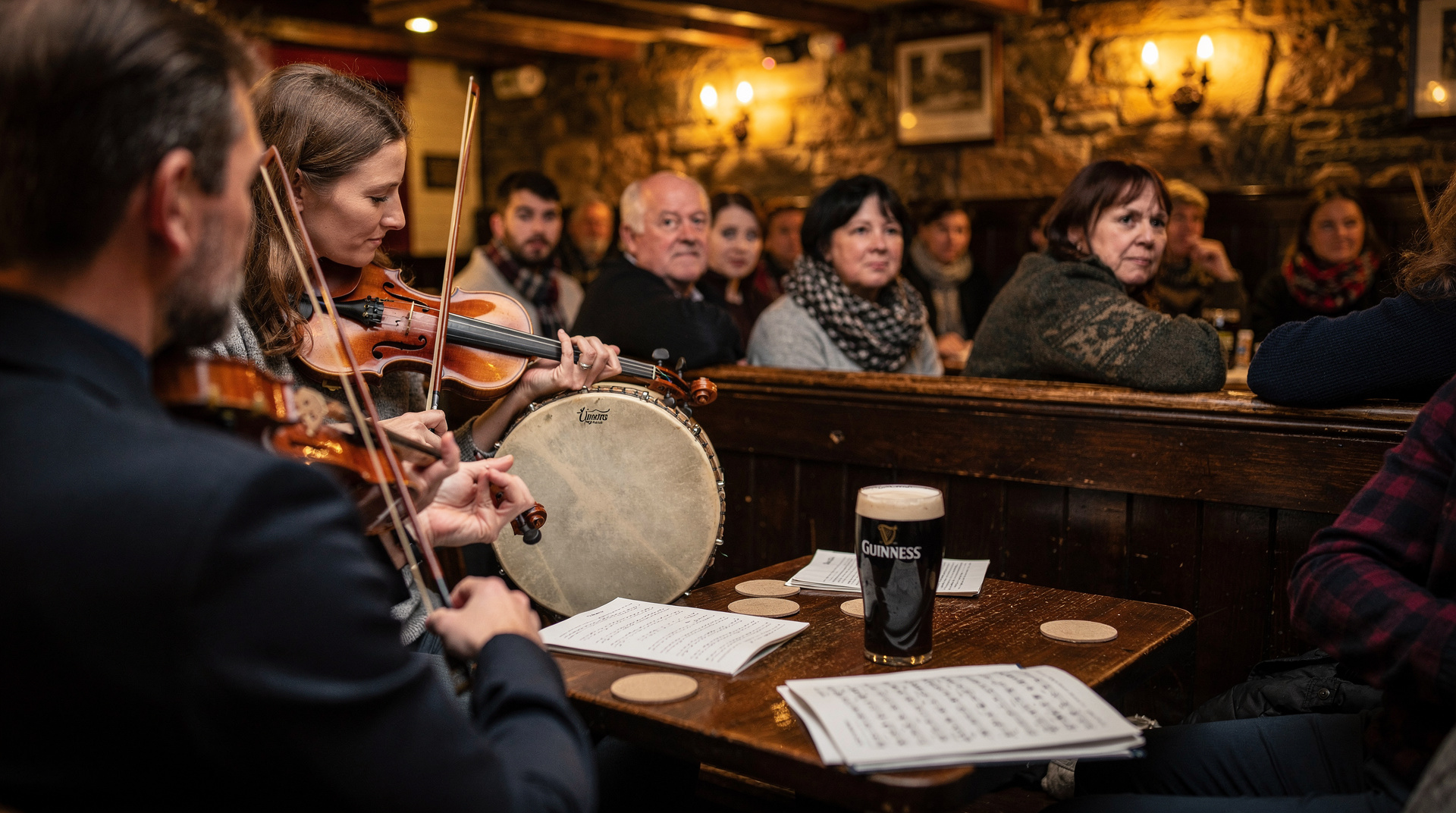
A tourist-facing trad session is structured as a show. There is a beginning, a middle and an end. The musicians face the room. There may be a vocalist. There will be applause between tunes. The set list is known in advance and has been calibrated for a room of people who have never heard these tunes before.
An actual session has no set list. The lead changes organically — someone starts a tune, others recognize it and join, and when the tune ends, someone else begins the next one. There is no discussion. The tunes are the language. The level of knowledge required to participate is substantial; you cannot join a session unless you have the tunes in your fingers.
This is the tradition that has been played in Irish pub corners for as long as pubs have existed. The tourist version is a representation of this tradition, photographed and sold back to the people who came looking for it. Both exist. One is significantly better.
Tourist session vs. real session
| Tourist-facing session | An actual session | |
|---|---|---|
| Set list | Planned, familiar tunes for newcomers | None — the lead changes organically |
| Musicians | Face the room, often amplified | Face each other, rarely amplified |
| Audience role | Applaud, watch, sometimes join in a chorus | Sit quietly, buy drinks, don’t request songs |
| Where to find it | Well-marketed pubs on the main tourist streets | Weeknights, off the main strip, no marketing |
| What you’re paying for | A show | Nothing — the music is incidental to the pub |
Our Dublin traditional music guide has more background on the tradition itself if you want context before you go looking, and the Dublin pub crawl guide is useful if you’re mapping out an evening that might intersect with a session by chance.
How to find the real thing
The guide to traditional music sessions in Dublin covers the reliable spots in more detail, but the honest answer is: the best sessions are not the ones you book in advance. They happen on weeknights in pubs that have no marketing budget and no Trip Advisor incentive. The Cobblestone in Smithfield is the most well-known local recommendation and remains genuinely good — it’s been a trad music pub for decades and resisted pressure to gentrify.
Hughes’ Bar on Chancery Street has sessions most evenings. O’Donoghue’s on Merrion Row has a long connection to the tradition (it’s where The Dubliners played) and is more tourist-facing than it used to be, but the back bar on a weeknight can still produce the real thing. Our locals’ pub guide and the literary pubs guide both point to other pubs where you’re more likely to stumble into something real rather than staged.
The etiquette if you want to engage is simple: do not request songs, do not clap along unless the musicians are clearly playing for an audience, sit at a respectful distance from the circle, and buy drinks from the bar regularly. The musicians are usually not being paid. Your job is to be a good audience: attentive, quiet, and present.
If you want organised musical culture with more reliability, the Irish music walking tour with live performance takes you to venues where the music is curated and explained — a useful introduction if you want context before going to find a session on your own. The Celtic dinner shows offer a more theatrical version for those who want dinner with their music.
If you’d rather join in than just listen
Not everyone wants to be a quiet observer, and there’s no shame in that — it’s simply a different kind of evening than the one I’ve described above. An Irish music and dance lesson gets you moving rather than sitting at the bar, and it’s a reasonable way to spend an evening if a genuine session feels intimidating on a first Dublin visit. It’s a fundamentally different experience from what happened in the Liberties, and I’d recommend doing both on separate nights rather than choosing one.
Dublin Irish music and dance lessonPairing an evening like this with dinner beforehand at a place doing traditional Irish food properly rounds out the night without turning it into a full theatrical package.
Why the stumbled-upon version matters
There is a particular quality to something found by accident that the same thing sought deliberately often lacks. I had been to O’Donoghue’s earlier that day, read the sign about the Dubliners connection, and felt nothing beyond the mild interest you feel at a historical plaque. What happened in the back of the Liberties pub happened because I had no expectations and because the musicians had none of me.
The session went on until well past midnight. Two people at the bar got into a long quiet conversation about football. A very old man fell asleep in the corner. A woman asked the accordion player something and he replied with a tune rather than words. At some point someone brought out a plate of sandwiches. The music continued.
I understand what trad music is now in a way I couldn’t have explained before that Tuesday. The best thing you can do in Dublin is wander until you find it.
Top experiences
Bookable activities with verified prices and instant confirmation on GetYourGuide.