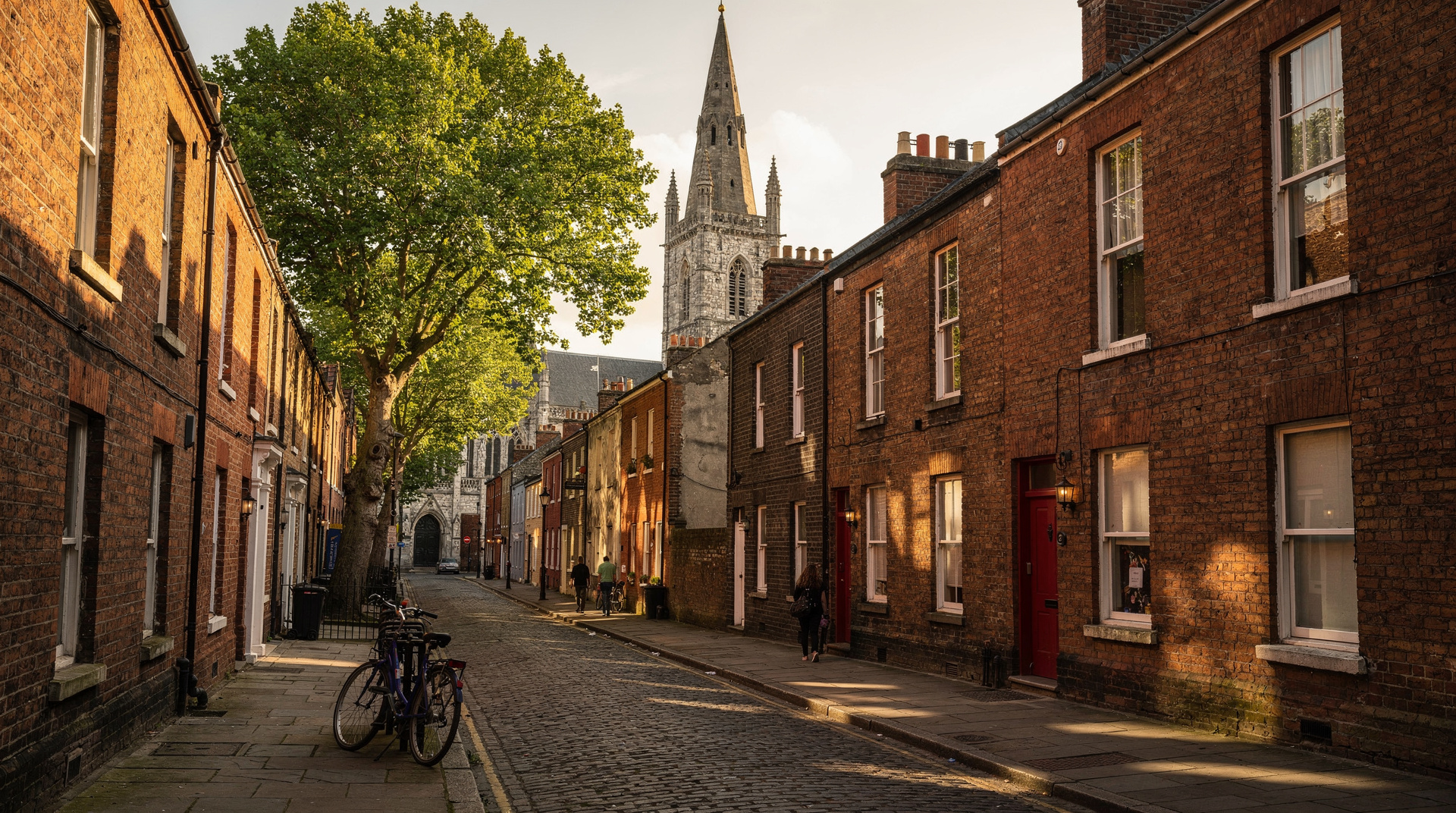
Traditional Irish food
Dublin: traditional Irish food and Old Town private tour
Duration: 2.5h
- Free cancellation
- Instant confirmation
What is traditional Irish food and where do I find it in Dublin?
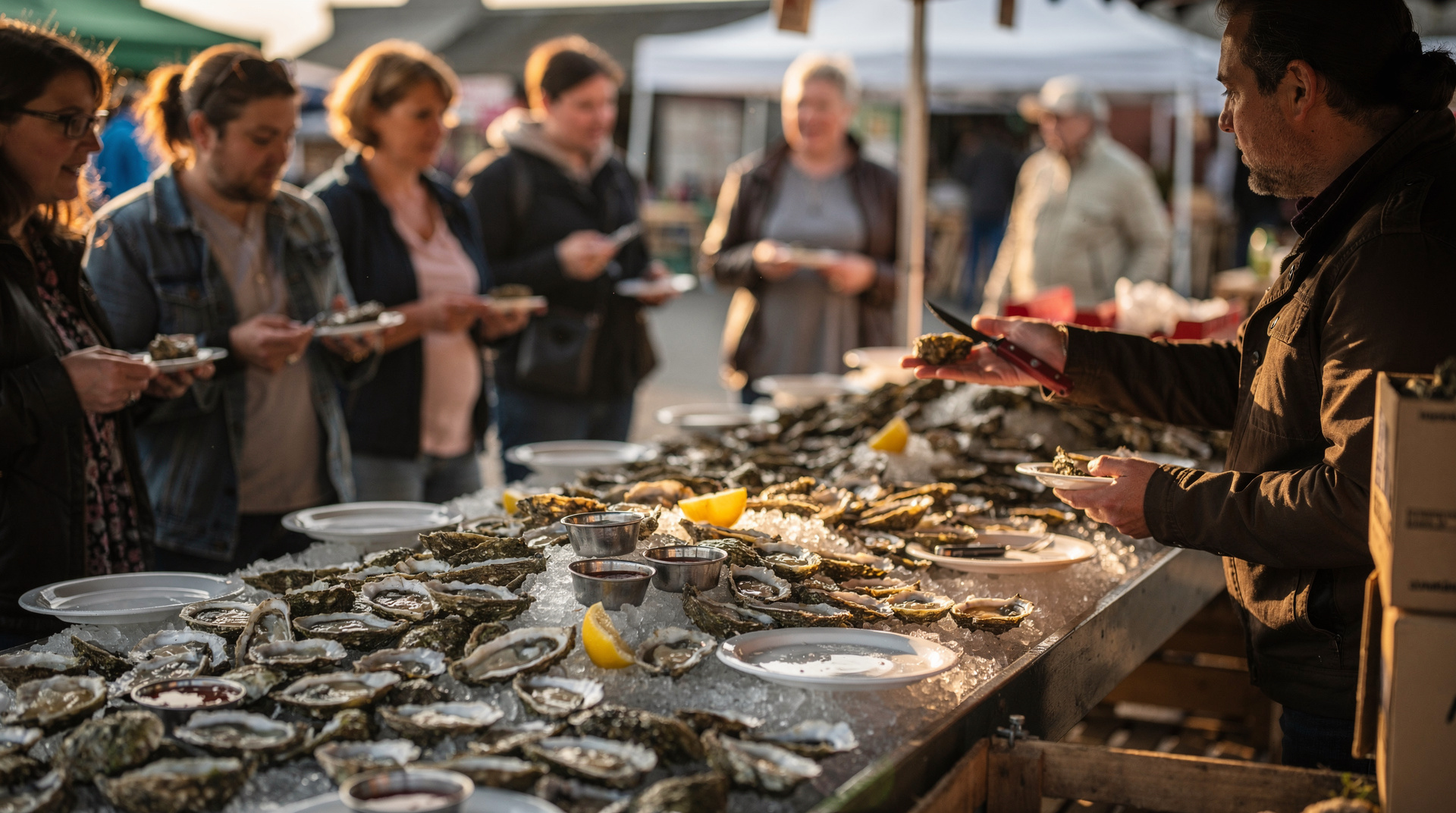
Traditional Irish food is rooted in potatoes, dairy, lamb, and the sea — soda bread, colcannon, Irish stew, seafood chowder, and boxty are the honest classics. The best versions are in neighbourhood pubs and proper restaurants, not tourist-area 'Irish' restaurants. The Temple Bar Food Market on Saturdays is the best place to taste genuine Irish produce.
Why Irish food has been misunderstood
Ireland’s food culture carries the weight of a difficult history. The Great Famine of 1845–1852 killed or displaced a quarter of the population, and the agricultural poverty that preceded and followed it shaped a cuisine of necessity: potatoes, dairy, cabbage, oats, whatever came from the sea. The institutional food of the mid-twentieth century — in hospitals, schools, hotels — amplified this into a reputation for grey, overcooked monotony that hung around the country’s cooking for decades.
The reality in 2026 is very different. Ireland has outstanding agricultural land, a cool and rainy climate that produces excellent grass-fed beef and dairy, coastline that provides some of Europe’s finest seafood, and a generation of farmers and producers who are taking those advantages seriously. The best Irish food is among the best in Europe — the problem is knowing which version you are going to encounter.
A traditional Irish food and Old Town private tour (~€70) is the most reliable way to sample authentic Irish produce alongside the historical context, with a guide who knows which producers are worth visiting.
| Must-try dishes | Dublin coddle, Irish stew, colcannon, seafood chowder |
| Best for tasting broadly | Temple Bar Food Market, Saturdays 10:00–16:00 |
| Typical pub meal cost | €15–25 for a main course |
| Where to avoid | Temple Bar “Irish” restaurants aimed at tourists |
| Best guided option | A food tour covering multiple producers and dishes |
The potato, properly understood
The potato arrived in Ireland around 1590 and became the dietary foundation of the rural poor within 150 years. The efficiency of the plant — high calorie yield per acre, possible to grow in poor soil, storable through winter — made it essential. The Irish dependency on a single crop variety (Lumper potatoes, highly susceptible to blight) is what turned a crop failure in 1845 into a catastrophe.
Potatoes are still central to Irish cooking, but the variety and preparation have diversified considerably. The best Irish potato dishes are:
Colcannon — mashed potato with kale or cabbage and butter, traditionally served at Hallowe’en. At its best: dense, creamy, with the slight bitterness of the greens cutting through the fat.
Champ — a simpler version with scallions (spring onions) and butter. More common in Northern Ireland, where it is a staple alongside Belfast’s famous soda farls.
Boxty — a potato pancake made from a mixture of raw grated potato and cooked mashed potato, fried until crisp. A traditional Ulster dish that became a Dublin restaurant staple in the 1990s.
Dublin coddle — a sausage and potato braise that is Dublin’s most specifically local dish: pork sausages, rashers, sliced potatoes, and onions cooked slowly in stock. Historically a Friday-night dish (using scraps before the lean weekend). The Brazen Head pub on Bridge St. serves it.
How to read a pub menu
Most visitors meet traditional Irish food in a pub, so it helps to know what a good menu looks like. A short list built around a handful of dishes — stew, coddle, chowder, a fish of the day — usually means a kitchen that cooks them every day. A very long menu that stretches from burgers to curries to “traditional Irish” platters is a warning sign. The same applies to a menu that leans hard on shamrocks and leprechaun branding: the effort has gone into the sign, not the stock pot.
Ask what goes into the chowder, whether the soda bread is baked in-house, and which sausages are in the coddle. A kitchen that is proud of its food will answer in a sentence. If you want a broader look at pub culture, the best local pubs in Dublin guide and the Dublin pub crawl guide explain how to tell a working local from a tourist stage set, and the Temple Bar honest guide covers the district where the gap between price and quality is widest.
Bread and dairy
Irish bread culture is largely defined by soda bread — brown or white, made with buttermilk and bicarbonate of soda, baked in a round with a cross scored on top. Good soda bread is dense and slightly sour, with a thick crust. The crossed top was traditionally to let the fairies out (the practical purpose was to help the bread bake through). It is best eaten the day of baking, with Irish butter.
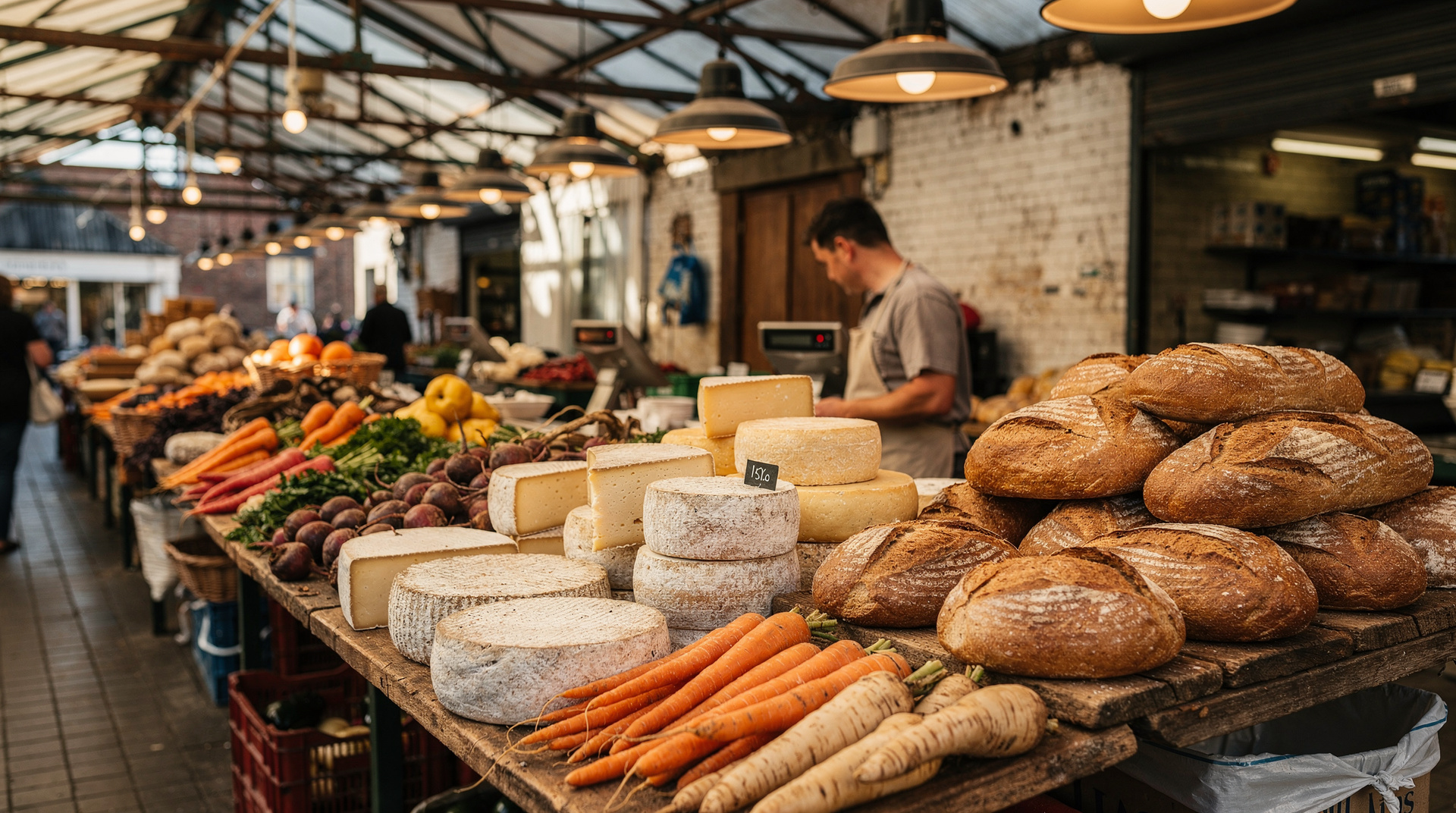
Irish butter is worth understanding as a category. The grass-fed dairy tradition and the high percentage of summer-grazed cows produces a butter with higher fat content and a yellow-gold colour that distinguishes it from most European alternatives. Kerrygold is the internationally recognised brand; the farmhouse alternatives (Abernethy, Toonsbridge, Golden Vale) are better and increasingly available at Dublin delis and the Temple Bar Food Market.
Seafood
Ireland has 2,500 km of coastline and access to some of the cleanest waters in the North Atlantic. The seafood is exceptional by European standards:
- Dublin Bay prawns (Nephrops norvegicus) — small, sweet, buttery langoustines that are Dublin’s most specifically local seafood. Best eaten simply grilled with drawn butter.
- Dingle crab claws — colossal spider crab claws from the Dingle Peninsula, typically served with brown bread and a glass of something cold.
- West Cork smoked salmon — farmed and wild Atlantic salmon, cold-smoked over oak. The artisan versions from producers like Woodcock Smokery or Connemara Smokehouse are world-class.
- Oysters — Galway and Clarinbridge oysters from the west coast are among Europe’s finest. Dublin itself also has good oyster bars: Klaw on Temple Bar lane, Glovers Alley for the upscale version.
Meat
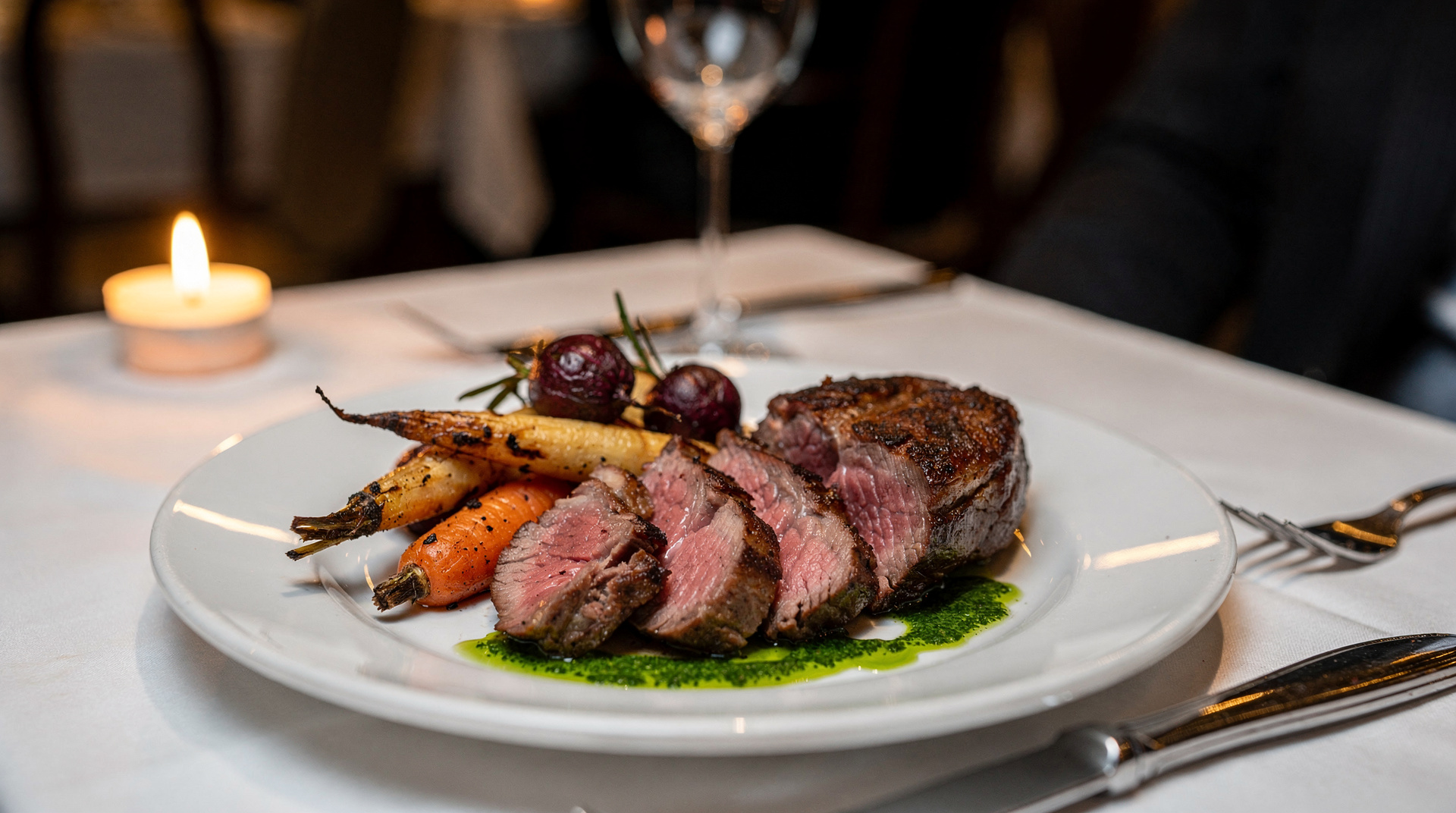
Ireland’s grass-fed beef and lamb benefit from the same Atlantic climate that limits the crop varieties. Cork dry-aged beef — particularly from Hereford cattle — consistently wins international competitions. Ask any butcher for the provenance.
Lamb from Wicklow or Connemara is distinctive: the sheep graze on mountain heather and bog grass, which flavours the meat. Irish lamb is typically smaller and leaner than lowland Continental lamb, with more complex flavour.
Irish stew in its authentic form is a lamb stew with root vegetables — originally a farmhouse dish using the cheaper cuts (neck, shoulder) braised slowly with potatoes, onions, and parsley. The tourist versions in Temple Bar often substitute beef and add cream in ways that miss the point. Ask specifically for lamb Irish stew and check that the potato is serving as thickener rather than garnish.
The full Irish breakfast
The full Irish breakfast — rashers (back bacon), sausages, black and white pudding, fried eggs, grilled tomato, and brown soda bread — is Ireland’s most recognisable meal and its most variable. Quality depends almost entirely on the sausage and pudding sourcing. Branded sausages (Gold Medal, Hick’s) are good; Clonakilty Black Pudding from West Cork is the benchmark for the pudding element.
The best full Irish in Dublin is typically found in old-school cafés (Bewley’s on Grafton St. for the institution; Brother Hubbard on Capel St. for the contemporary interpretation) and neighbourhood pubs rather than hotel dining rooms.
Where to eat traditional Irish food in Dublin
The historical centre food tour covers the most important traditional Irish producers and dishes in a 3-hour guided tasting route. For independent exploration:
- Temple Bar Food Market (Meeting House Square, Saturdays 10:00–16:00): the best single place to taste artisan Irish produce
- The Brazen Head (Bridge St.): Dublin’s oldest pub (1198), still serving Dublin coddle and traditional pub food with less tourist-trap packaging than the Temple Bar competition
- Bewley’s Oriental Café (Grafton St.): the Dublin café institution, renovated and worth visiting for the full Irish and the Victorian interior
- Mulligan’s (Poolbeg St.): no-frills pub food in one of Dublin’s best-preserved old pubs
For a guide to the broader eating landscape, read best restaurants in Dublin and the Dublin markets and street food pages. And for the most important historical context, the 1916 Easter Rising guide and Great Famine Dublin guide fill in the story that explains why Irish food evolved the way it did.
Cheese, whiskey pairings and modern Irish producers
Ireland’s cheese scene has grown considerably alongside its dairy reputation. Cashel Blue (a farmhouse blue cheese from Tipperary), Coolea (a Gouda-style cheese from West Cork) and Durrus (a washed-rind cheese) are the standouts worth seeking out at a good cheesemonger or on a well-curated restaurant menu. Several Dublin restaurants now pair traditional dishes with Irish whiskey rather than beer or wine — a coddle or stew alongside a Teeling or Jameson pour is an increasingly common pairing on tasting menus. For visitors interested in that crossover, see the Dublin whiskey trail for where the distilleries themselves fit into a food-and-drink day.
Sweet traditions: barmbrack and other classics
Traditional Irish baking extends beyond bread. Barmbrack is a yeasted fruit loaf, dense with sultanas and candied peel, traditionally baked with hidden objects (a ring, a coin, a pea) as a Hallowe’en fortune-telling game — the person who gets the ring is said to marry within the year. Apple tart made with Bramley apples (Ireland’s dominant cooking variety, sharp rather than sweet) and served with cream or custard is the standard Sunday dessert in traditional households. Both are worth seeking out at an old-school café rather than a hotel buffet, where the quality tends to be more genuine.
The ultimate Dublin food tour covers a wider spread of both savoury and sweet traditional dishes across multiple stops, which is a good option if you want breadth rather than depth in a single outing.
Drinks that belong with the food
Irish food is rarely eaten without a drink alongside, and the pairing is part of the experience. A pint of stout is the classic partner for a rich stew or a bowl of coddle, because the roasted bitterness cuts through the fat. If you want to understand why, the Guinness Storehouse guide and the page on where to drink Guinness in Dublin show where the pint is best kept and poured. Seafood tends to suit something lighter: a crisp white wine, a dry cider, or a craft beer from one of the city’s small breweries, which the gin and craft beer guide walks through.
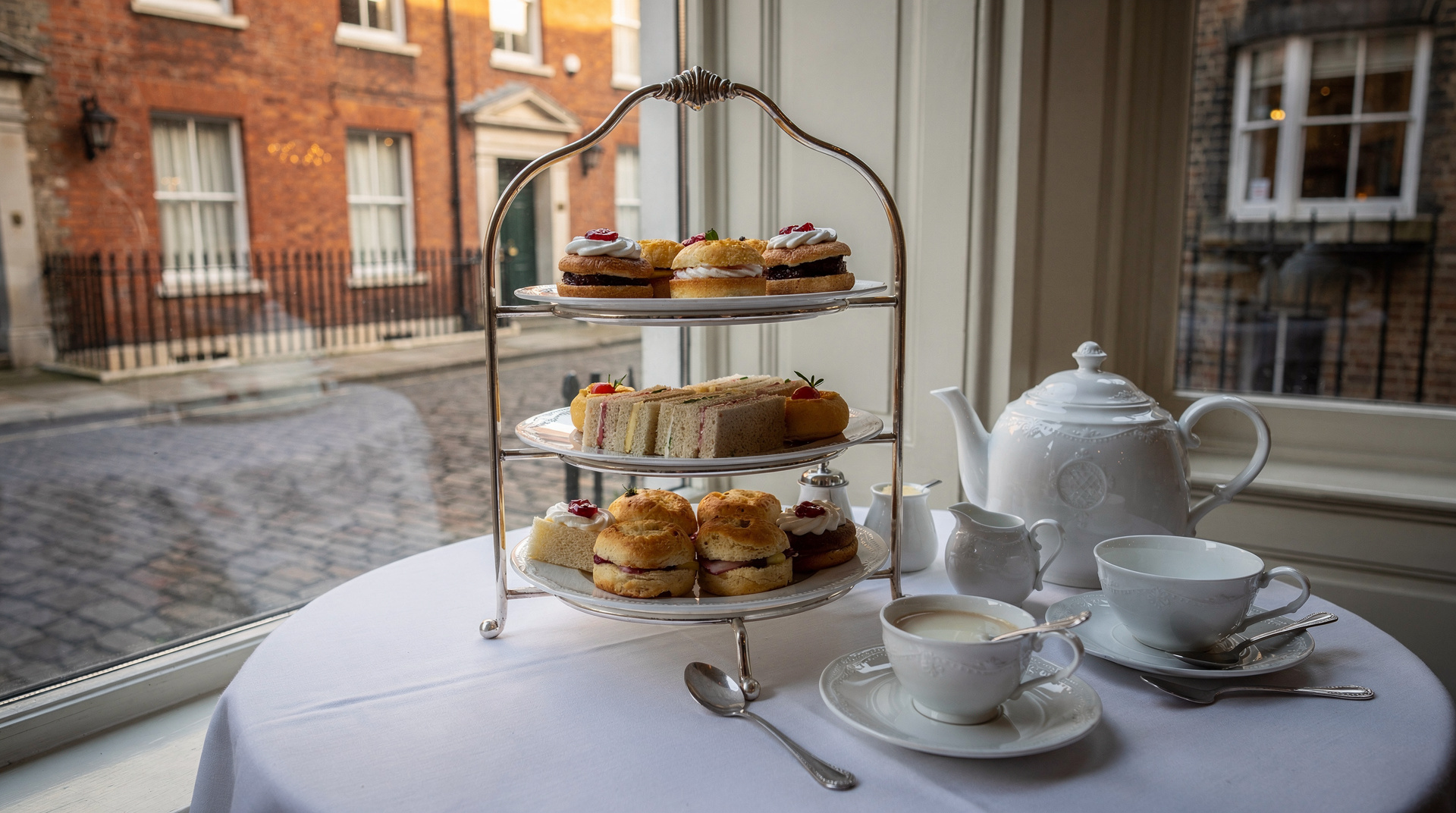
Tea deserves its own mention. Strong, milky tea is the everyday drink with soda bread, barmbrack and apple tart, and a pot in an old-fashioned café is a good way to slow down in the middle of a sightseeing day. For a more formal version of the same habit, see the afternoon tea guide. Coffee has its own scene in the city too, covered in the Dublin coffee culture guide.
Planning meals around your itinerary
Traditional food works best when it is woven into the day rather than treated as a separate mission. A full Irish breakfast is a sensible start before a long day of sightseeing, since it carries you well past lunchtime. A bowl of chowder with brown bread makes a good light lunch between museums. Save the stew or coddle for the evening, ideally in a pub where you can stay for a while and listen to the room.
If you are building a trip around eating, the Dublin weekend foodie itinerary links meals, markets and walks into a workable plan, and the 3-day planning guide shows how to fit food stops around the main sights. First-time visitors will find the Dublin first-time guide a useful companion for the practical side of the trip.
Day trips are also a chance to eat well. Coastal villages such as Howth are known for their seafood, and the western stops on a longer trip, including Galway city, are where the oysters and the fish come straight from the nearby water. Ask locally what is fresh that day rather than ordering by habit.
Eating well on a budget
Traditional Irish cooking grew out of making a little go a long way, so it suits careful spending. A pub main course, a bowl of soup with soda bread, or a market lunch will usually cost far less than a tasting menu, and the food is often more representative of the country. The Dublin on a budget guide has more ideas for keeping the daily total sensible, and the Dublin trip cost guide helps you see where food fits into the overall picture.
Frequently asked questions about Traditional Irish food
Is Irish food actually good?
Yes, genuinely. Ireland has some of the best dairy, beef, lamb, and seafood in Europe, and the current generation of chefs is using it well. The historic reputation for bad food is based on the institutional cooking of the mid-twentieth century, not on what Ireland's food actually tastes like. Farmhouse Irish butter, Dingle crab, Hereford beef from Cork, Kilmore Quay haddock — these are world-class ingredients.What is a full Irish breakfast?
The full Irish breakfast — rashers (back bacon), sausages (pork, usually thicker than English breakfast varieties), black and white pudding, fried eggs, grilled tomato, mushrooms, and brown soda bread or toast — is Ireland's most iconic meal. The quality varies enormously. Seek out cafés using O'Doherty's or Kelly's sausages and Clonakilty black pudding.What is black pudding in Ireland?
Black pudding is a sausage made with pig's blood, pork fat, oats, and spices. The best Irish version is Clonakilty Black Pudding from West Cork, made to a recipe that has not changed since the 1880s. It is less heavily spiced than British black pudding and has a more pronounced oat and cereal flavour. White pudding is the same minus the blood.What is Irish soda bread?
Soda bread is made with bicarbonate of soda as the raising agent rather than yeast — a practical solution developed when fresh yeast was not reliably available. It requires no kneading or proving, bakes quickly, and has a dense crumb and slight sourness from the buttermilk. Brown soda bread (wholemeal flour) is more common in Ireland; white soda bread is slightly lighter. It is best eaten the day it is made.What is colcannon?
Colcannon is mashed potato combined with kale or Savoy cabbage and butter — usually a great deal of butter. It is a traditional autumn and winter dish, associated with Halloween (Samhain) when a coin would be hidden inside. It sounds simple and it is, but made properly with floury Irish potatoes (Rooster or Kerr's Pink varieties) and enough good butter, it is one of the most satisfying things you will eat.
Top experiences
Bookable activities with verified prices and instant confirmation on GetYourGuide.

Dublin: traditional Irish food and Old Town private tour
- Free cancellation
- Instant confirmation

Dublin: historical centre food tour with 8 tastings & drinks
- Free cancellation
- Instant confirmation

Dublin: walking food tour with local chef (7 stops or more)
- Free cancellation
- Instant confirmation

Dublin: food & drink walking tour with Jameson Irish coffee demo
- Free cancellation
- Instant confirmation