Pearse Lyons Distillery guide
Dublin: Pearse Lyons Whiskey Distillery experience
Duration: 1h
- Free cancellation
- Instant confirmation
What makes Pearse Lyons Distillery unique?
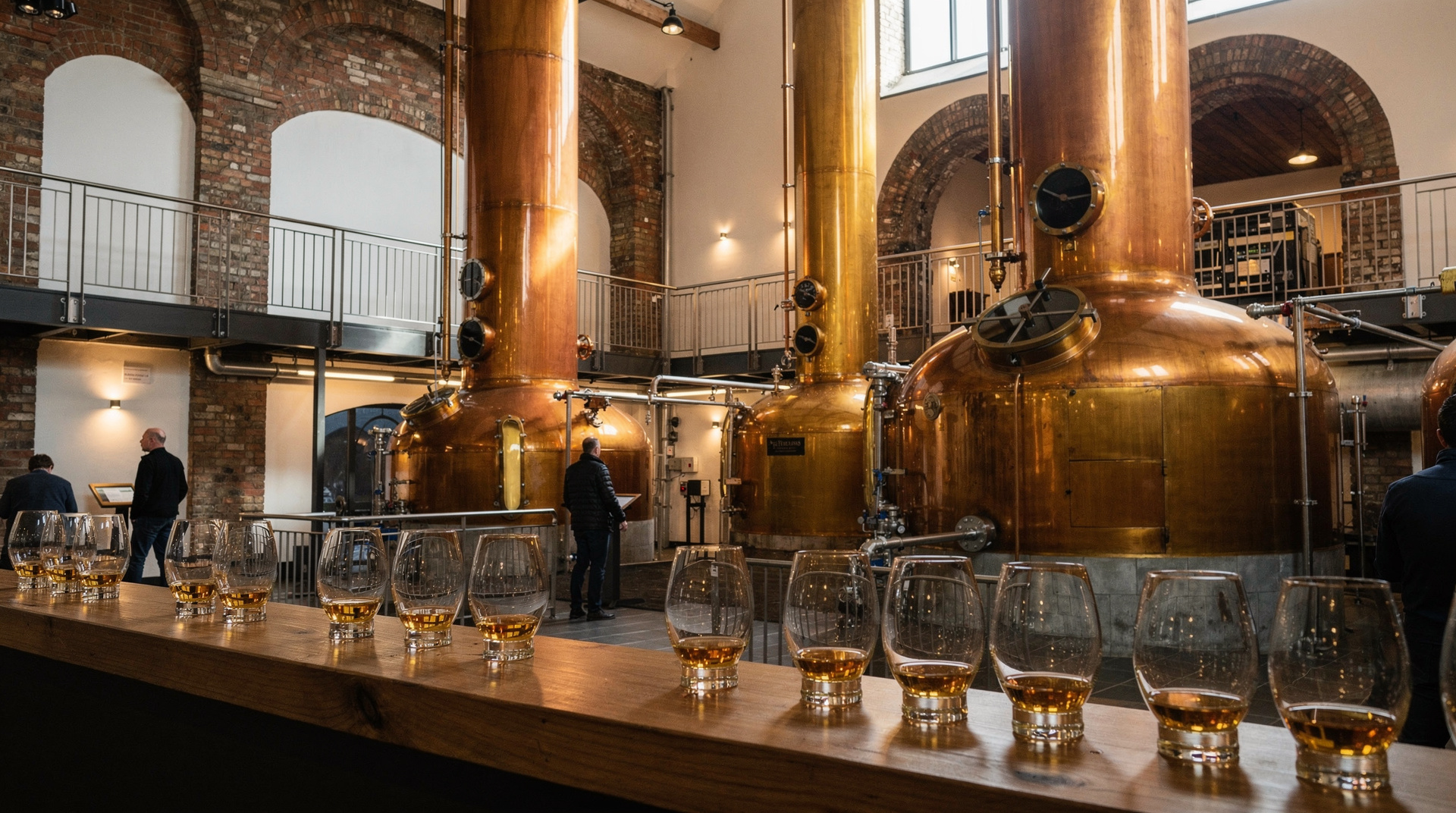
It is the only whiskey distillery in the world operating inside a Gothic church — the stunning 1864 St James's Church in the Liberties. The copper stills sit in the nave, the bar is in the apse, and the building itself is the main attraction. Small groups, intimate atmosphere, and genuine on-site distillation.
Whiskey in a Gothic church: the most unusual distillery in Ireland
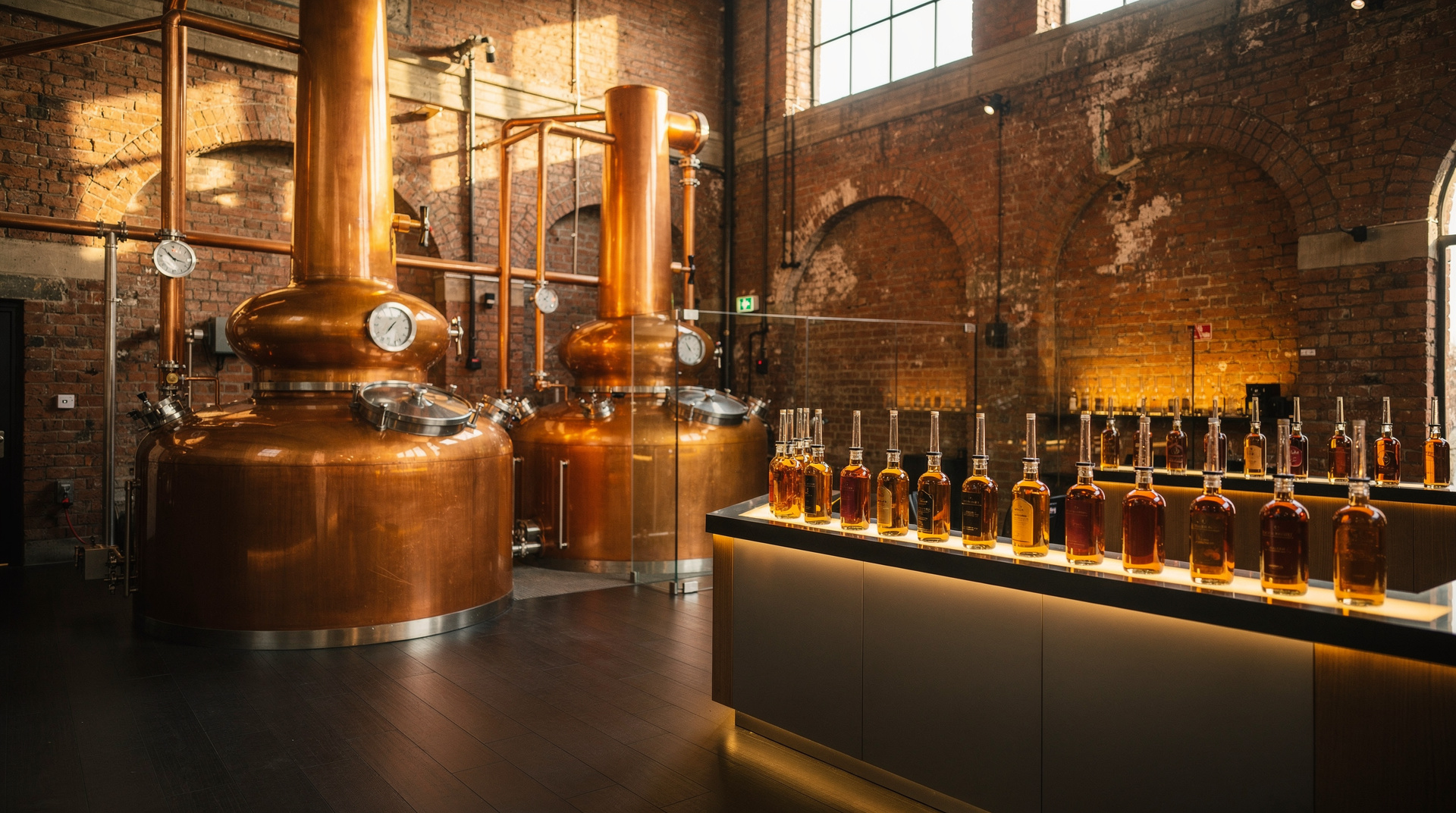
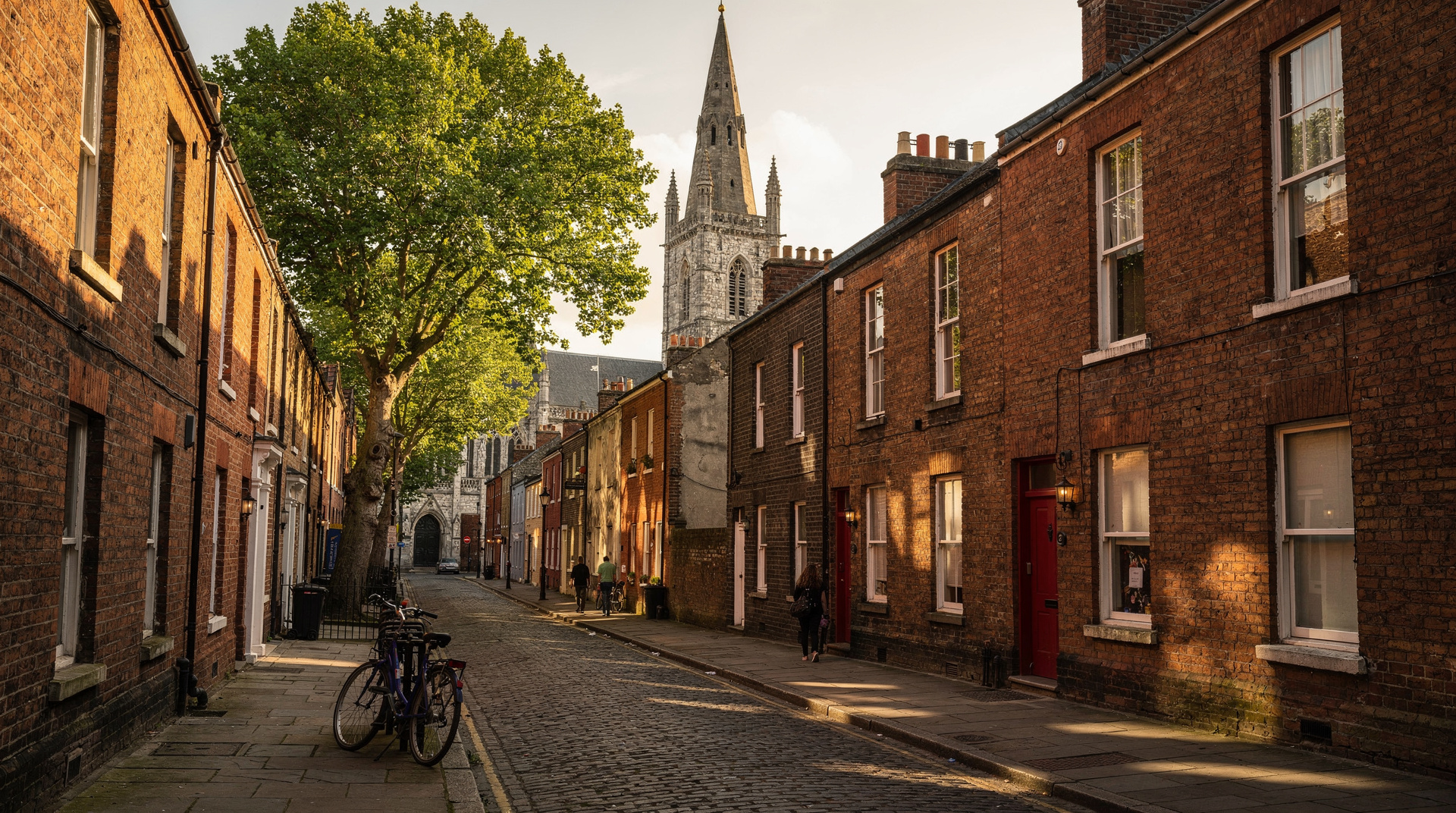
If you visit only one distillery in Dublin purely for the space it occupies, make it Pearse Lyons. St James’s Church on James’s St. was deconsecrated in the 1960s, sat empty for decades, and was transformed in 2017 by Dr Pearse Lyons — the founder of Alltech, a Kentucky-based fermentation science company — into a fully operational whiskey distillery. The Gothic limestone building dates to 1864, and the copper pot stills in the nave, the stone vaulting overhead, and the bar at what was once the altar create one of the genuinely unforgettable spaces in Irish food and drink.
The distillery is named after Dr Lyons, who died in 2018 and is buried in the churchyard alongside some of the original Dublin whiskey men whose legacy he was trying to revive. That detail adds a weight to the visit that most tourist attractions lack.
| Where | James’s St., Dublin 8, in the Liberties |
| Cost | Around €20 for the standard tour and tasting |
| Time needed | About 60 minutes |
| Getting there | 8 min walk from Guinness Storehouse, 5 min from Roe & Co |
| Best for | Smaller groups wanting a quieter, more intimate tour |
What the tour covers
The Pearse Lyons Whiskey Distillery experience (~€20) runs about 60 minutes in a small group — typically no more than 12–15 people — and covers:
- The building — the history of St James’s Church, its relationship to the Guinness-era Liberties, and the story of its conversion
- Pearse Lyons and Alltech — how a Dundalk-born fermentation scientist with a base in Kentucky brought distilling back to this corner of Dublin
- The distillation process — the copper pot stills (they are genuinely working), the fermentation vessels, the importance of Alltech’s yeast science in the production
- The whiskey range — Pearse Original, Pearse Founder’s Choice, Pearse Distiller’s Choice, and seasonal limited releases
- Tasting — three expressions, with the guide drawing out the differences in maturation and blending
The guides are typically excellent — small group size means they can adapt to the level of the visitors. Complete beginners and experienced whiskey drinkers both get useful conversations.
The whiskey itself
Pearse Lyons whiskey is perhaps less well-known internationally than Teeling, but it earns its place. The single malt expressions in particular — notably the Pearse Distiller’s Choice — show what happens when fermentation science is applied deliberately: the spirit is clean, with precise fruit and vanilla notes that come from the yeast selection as much as the cask. The five-year and seven-year releases are worth tracking.
The exclusive distillery-only bottlings change seasonally and are a good reason to visit even if you have done the tour before.
How Pearse Lyons fits the Liberties
Pearse Lyons is on James’s St., making it central to the Dublin whiskey trail. Teeling is a 12-minute walk, Roe & Co is 5 minutes, and the Guinness Storehouse is 8 minutes. A full whiskey trail day that includes Pearse Lyons, Teeling, and the Guinness Storehouse covers the entire sweep of the Liberties brewing and distilling heritage from the nineteenth century to the present day.
Pearse Lyons is the smallest and most intimate of the four main distillery visitor experiences. It is least suited to large tour groups and most suited to people who want a quieter, more thoughtful experience. For a broader comparison, see Jameson vs Teeling vs Pearse.
The graveyard and the architecture
Worth noting before you leave: spend ten minutes in the churchyard. The headstones include some of the working-class families from the Liberties going back two centuries, and the contrast between the distillery inside and the quiet graveyard outside is striking. The restoration respected this; the distillery and the cemetery coexist comfortably.
The architectural details inside are also worth looking at slowly. The stained glass is original, the stone arches intact, and the copper of the stills against the limestone grey is genuinely beautiful.
Pairing the visit with the rest of the Liberties
Pearse Lyons is a strong anchor for a broader afternoon or evening exploring the Liberties’ drinking culture beyond whiskey. If you’re building a fuller crawl, the best pubs in Dublin guide has genuine local recommendations within walking distance, and where to drink Guinness in Dublin covers the pubs that pour it best. For those curious how Guinness compares to other stouts on the market, Guinness vs other stout is a useful primer before or after the distillery tasting.
Beyond whiskey, the neighbourhood has a growing craft drinks scene — see gin and craft beer in Dublin for options that pair well with an afternoon distillery visit. And if you want food alongside the drink, the Dublin markets and street food guide covers the Liberties’ food offer, much of it within a few minutes’ walk of James’s St.
Before your visit: what to expect on arrival
Arriving at a distillery that looks like a church can be disorienting in the best way. You walk in expecting a hall of pews and instead find stills, pipework and the smell of grain and spirit mingling with old stone. Give yourself a few minutes before the tour starts to simply stand and look up. The space was designed for sound and light to travel upwards, and that is exactly what makes the room feel so different from a purpose-built production hall.
It helps to arrive relaxed rather than rushed. Because the groups are small, the guide will start on time and the tasting is paced around the conversation, so a late arrival means missing the opening story of the building, which is half the point of coming here. If you are coming from the Guinness Storehouse, build in a little slack for the walk and for the inevitable photo stops along James’s St.
How the tour unfolds
The visit moves from the story of the building to the story of the spirit, and the two are woven together rather than kept apart. You begin with the church itself: why it fell out of use, how it sat empty, and what it took to bring it back to life. This is not a dry preamble. The guide tends to point at specific features of the room while talking, so the history stays tied to what you can actually see.
From there the focus shifts to production. You see how grain becomes a fermentable liquid, how fermentation does its quiet work, and how the copper stills turn that liquid into spirit. The guide explains the reasoning behind each stage rather than just naming it, which is where the smaller group pays off: questions are welcome, and nobody has to shout over a crowd to ask one.
The tour ends at the bar, where the tasting is the natural conclusion. Because you have just spent time understanding how the whiskey is made, the glass in your hand means more than it would at an ordinary tasting counter. Take your time with it. Add a little water if the guide suggests it, nose each pour before you sip, and compare the three side by side.
Getting the most from the tasting
A few simple habits turn a pleasant tasting into a useful one. Sip slowly and let the whiskey sit on your tongue before swallowing. Notice what changes between the first sip and the third. Ask the guide what they taste, then say what you taste, even if it sounds odd. Whiskey vocabulary is personal, and the guides here are generally happy to meet you where you are.
If you are new to whiskey, do not feel you must finish every pour. Equally, if you are experienced, the small group gives you room to ask the deeper questions about maturation, cask choices and blending. The whiskey tasting for beginners guide covers the basic technique, and it is worth a read the evening before so the tasting feels familiar rather than intimidating.
Who this distillery suits best
Pearse Lyons suits people who care about atmosphere as much as about the liquid. Couples, small groups of friends and solo travellers all tend to enjoy it, because the format is conversational and the setting is quiet. Visitors with a particular interest in architecture, Dublin history or the story of Irish whiskey’s revival will find more here than at a purely commercial visitor centre.
It is a weaker fit for large, boisterous parties wanting a lively production, or for anyone who needs everything polished and signposted. If you are travelling solo, the Dublin solo travel guide explains why a small-group tour like this is one of the easiest ways to meet people without any pressure. If you are travelling with younger people, Dublin with kids will point you to better-suited activities, since this is an adult-oriented tasting experience.
Choosing between the Dublin distilleries
The city now offers several distillery experiences, and each has its own character. Jameson is the most established and the most polished; Teeling leans into the story of the new wave of Dublin distilling; Roe & Co pairs a stylish setting with a cocktail-friendly approach; and Pearse Lyons offers the church, the intimacy and the churchyard. None is objectively best. The right choice depends on whether you want polish, modernity, style or atmosphere.
If you are undecided, Jameson vs Teeling vs Pearse lays out the differences side by side, and the Jameson distillery guide is worth reading if you are leaning towards the better-known name. The Irish Whiskey Museum guide offers a different, more historical angle for anyone who wants to understand the wider story before committing to a distillery.
Fitting Pearse Lyons into a Dublin itinerary
Because the distillery sits so close to other major sights, it slots neatly into a day built around the western side of the city centre. A relaxed order might be a morning at the Guinness Storehouse or St Patrick’s Cathedral, a distillery visit in the afternoon, and an evening in a pub nearby. That rhythm keeps the tasting from feeling like an afterthought and leaves room for a proper meal.
If you are planning a longer stay, the Dublin 3-day planning guide and the 3-day itinerary show where a distillery visit naturally fits among the bigger sights. For a trip centred on eating and drinking, the Dublin weekend foodie itinerary is a closer match, and the Dublin 2-day itinerary works well if you only have a short break and want to include one distinctive tasting.
When to go
The experience works in any season, which is one of its quiet strengths. In poor weather the church becomes a sheltered, atmospheric refuge, and the rainy day in Dublin guide is a good companion if the forecast turns. In brighter weather, the churchyard is more pleasant to linger in before or after the tour. If you are visiting in winter, the Dublin in winter guide explains how to make the most of shorter days, and a warming tasting fits that mood well.
Weekday visits tend to feel calmer than weekends, and an earlier slot gives you more of the day afterwards. Check the best time to visit Dublin if you are still choosing your dates; the distillery fits comfortably into whichever season you pick.
Making the experience a little more special
There are small ways to deepen the visit without spending more. Read a little about the Liberties beforehand so the guide’s references land, and take a few minutes at the end to look at the room again now that you understand what the stills are doing. If a distillery-only bottling appeals, buying a bottle is a simple way to take the experience home, and it makes a more personal gift than something from an airport shop.
Finally, leave the visit unhurried. The best thing about Pearse Lyons is that it does not feel like a conveyor belt. If you have somewhere to be an hour after the tour ends, you will spend the tasting watching the clock. Leave a gap, linger at the bar, and let the setting do what it was restored to do.
Practical details
Address: James’s St., Dublin 8 — directly on the historic whiskey and brewing strip of the Liberties.
Getting there: Walking distance from the Guinness Storehouse (8 minutes), Roe & Co (5 minutes), and St Patrick’s Cathedral (15 minutes). Dublin Bus 40 series and 123 serve James’s St. See getting around Dublin for full options.
Hours: Monday to Saturday 10:00–18:00; Sunday 12:00–17:00. Hours may vary seasonally; confirm when booking.
Booking: Book the Pearse Lyons Distillery experience online to secure your preferred time. The small group size means popular slots fill faster than at larger venues.
Combine with: Pearse Lyons works best as part of a Dublin whiskey trail day combining at least one or two other distilleries and perhaps the Irish Whiskey Museum for historical context. The whiskey tasting for beginners guide is a useful primer if this is your first encounter with Irish whiskey.
Frequently asked questions about Pearse Lyons Distillery guide
How long does the Pearse Lyons Distillery tour take?
About 60 minutes, covering the building's history, the distillation process, and a tasting of three whiskey expressions. Group sizes are capped around 12–15 people, which keeps the pace relaxed compared to the larger distillery tours in Dublin.Is Pearse Lyons Distillery good for whiskey beginners?
Yes. The small group size means guides adapt the explanation to whoever is in the room, so complete beginners get clear, unrushed context alongside more experienced drinkers. If you want a broader introduction first, the whiskey tasting for beginners guide is a useful primer.
Top experiences
Bookable activities with verified prices and instant confirmation on GetYourGuide.

Dublin: Pearse Lyons Whiskey Distillery experience
- Free cancellation
- Instant confirmation

Dublin: Teeling Whiskey Distillery tour & tasting
- Free cancellation
- Instant confirmation

Dublin: Roe & Co Distillery powerhouse tour & tasting
- Free cancellation
- Instant confirmation

Dublin: private distillery trail with Irish whiskey tasting
- Free cancellation
- Instant confirmation