Wexford
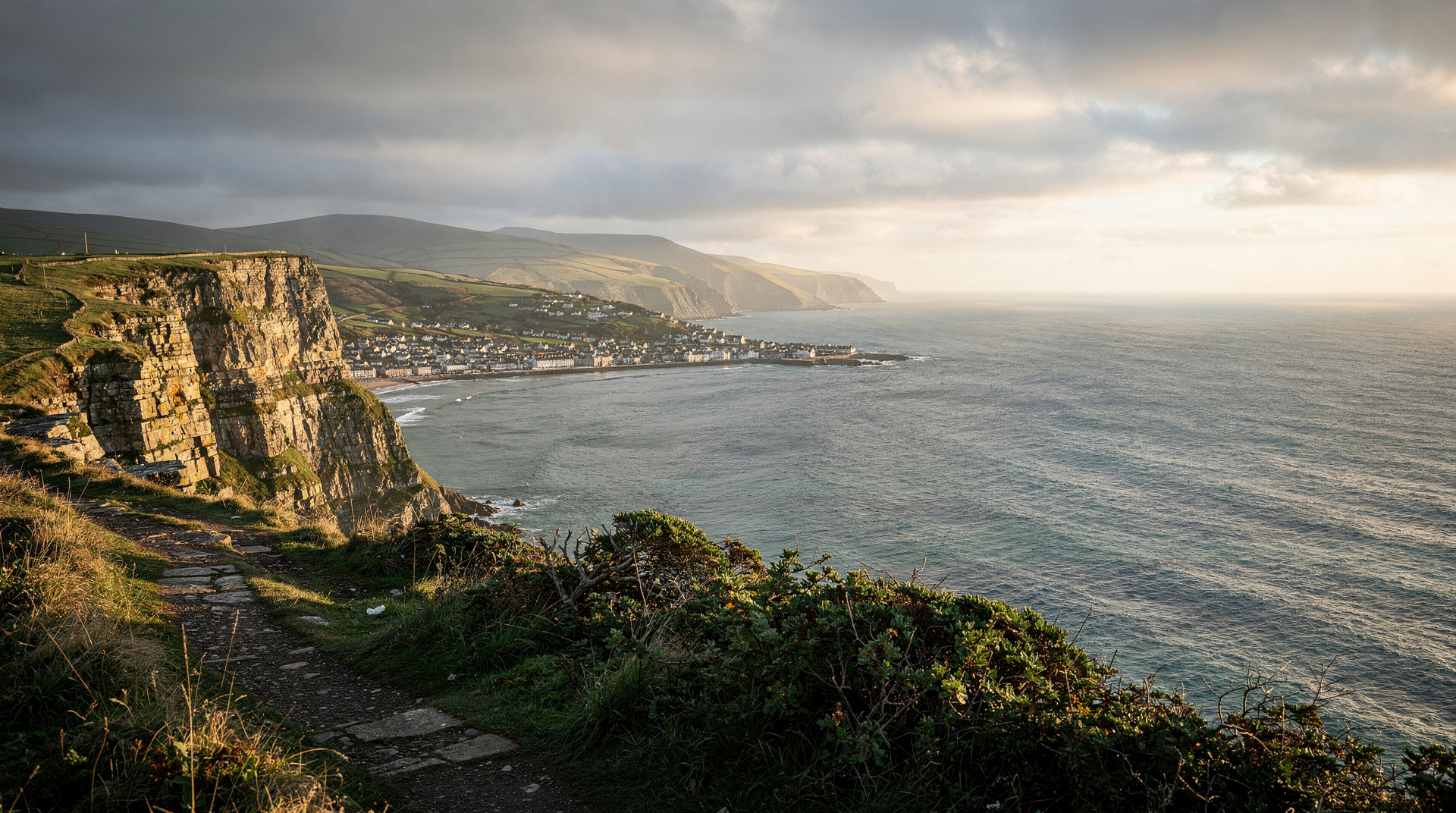
Wexford is a compact harbour town 140 km from Dublin with a medieval street plan, 1798 Rising history and the Wexford Wildfowl Reserve nearby.
From Dublin: Kilkenny and Wicklow Mountain full-day tour
Duration: full day
- Free cancellation
- Instant confirmation
Quick facts
- Distance from Dublin
- 140 km south on N11/M11
- By train
- Rosslare Europort line from Connolly, 2h–2h15
- By car
- 1h45–2h from Dublin city centre
- Wexford Festival Opera
- Late October; book months in advance
- Ideal visit
- Full day; or overnight to include south Wexford beaches
The least-touristed of Ireland’s heritage towns
Wexford does not go out of its way to attract visitors, which is part of its appeal. It has a Viking-founded street plan — the main streets are so narrow in places that two cars cannot pass easily — a harbour that is still commercially active rather than just scenic, several churches and medieval gates in various states of preservation, and a genuine town centre life that continues regardless of tourist arrivals. This is not damning with faint praise; many visitors find the absence of the heritage-site formula refreshing.
The county of Wexford has particular significance in Irish history. The 1798 Rising — the most serious challenge to British rule before the 20th century — found its most determined and bloody expression here, with the pikemen of Wexford briefly taking control of much of the county before defeat at Vinegar Hill. The National 1798 Centre in Enniscorthy (15 kilometres north of Wexford town) is the most comprehensive treatment of this period outside Dublin.
At 140 kilometres from Dublin by road, Wexford is a full-day proposition and better suited to those who have already covered the closer day-trip options — Kilkenny, Glendalough, the Boyne Valley — and want to go further south.
| Where | South-east coast, 140 km south of Dublin |
| Cost | Wildfowl Reserve free; most town sights are outdoor and free |
| Time needed | Full day from Dublin; overnight to add Enniscorthy properly |
| Getting there | Rail from Connolly (2h–2h15) or N11/M11 by car (1h45–2h) |
| Best time | May–September for beaches; Oct–March for the Greenland geese |
Getting there from Dublin
By train, the Irish Rail service from Dublin Connolly on the Rosslare Europort line reaches Wexford in about 2 hours to 2 hours 15 minutes. Services run several times daily. The station is close to the town centre.
By car, the N11/M11 south from Dublin to Wexford takes approximately 1 hour 45 minutes to 2 hours depending on traffic leaving Dublin. The N11 is one of the better dual-carriageway routes in Leinster; the stretch through Wicklow passes through Bray and the coastal hills with some pleasant scenery.
There is no direct organised day tour from Dublin to Wexford specifically; most organised tours from Dublin that cover the south-east focus on Kilkenny and Waterford. If you want to combine Wexford with Kilkenny in a guided day, the Kilkenny and Wicklow full-day tour gives you a framework for the south-east, though you would need a self-drive extension to reach Wexford itself.
Shaping the day
A day in Wexford works best when you decide in advance what it is for. If the answer is history, spend the morning in the town and head to Enniscorthy after lunch. If it is birds, go to the reserve first while the light is good and leave the streets for the afternoon. Trying to do everything at the same pace turns a pleasant place into a checklist, and Wexford rewards slow walking more than ticking off sights.
Anyone driving should read the driving in Ireland from Dublin guide before setting out, particularly if it is a first time on Irish roads. Those relying on public transport will find the day trips without a car guide a useful companion, and the Leap Card guide is worth a look for the city end of the journey.
Wexford town
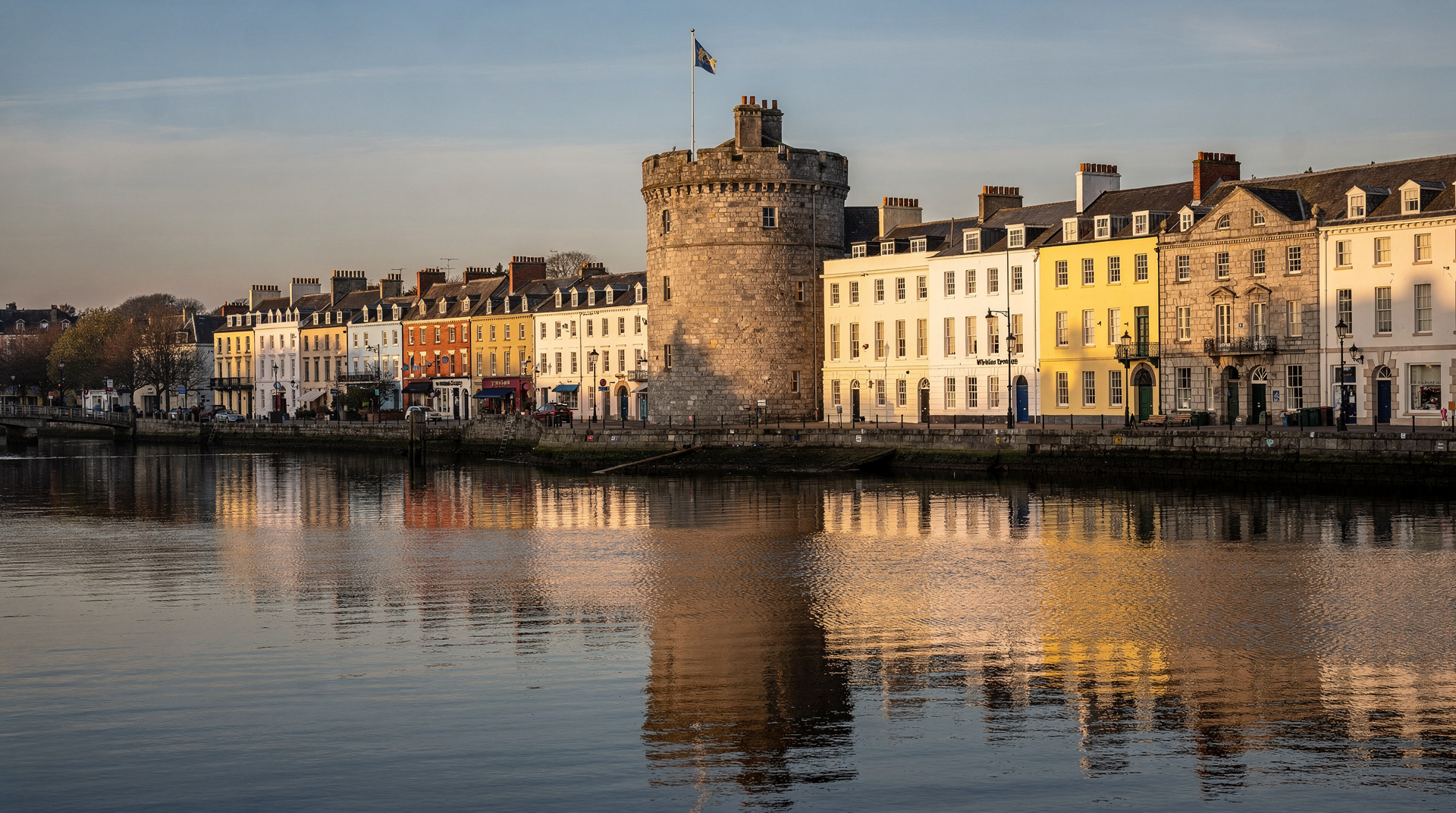
The town is built along a narrow strip between the harbour and a ridge, which gives its main streets their compressed character. The Westgate Heritage Tower is a surviving portion of the medieval town walls; the Selskar Abbey ruin, within the town walls, is where Henry II of England is said to have done penance for the murder of Thomas Becket. The twin churches of the Assumption and the Immaculate Conception — built in the 19th century to mirror designs rather than sharing a single church, following an agreement between two factional groups in the town — stand side by side on the main street and are a local oddity worth noting.
The Bull Ring in the town centre is the old market square, with a 1798 pikeman statue that has become a symbol of the town. The quayside along the harbour is pleasant for a walk, with views across the mudflats of Wexford Harbour to the Slobs (the reclaimed marshlands that give the area its particular birdlife).
Walking the town in the order the streets suggest is the easiest approach. Start near the Westgate, work down through the narrow main street, pause at the twin churches and the Bull Ring, then finish on the quayside where the town opens out to the water. The compression of the streets is what makes the harbour feel like a release. Take time to look up at the upper storeys and shopfronts, which tell you more about the working life of the town than any plaque does.
Visitors who enjoy the layered history of Irish towns will find a pleasing contrast with the Viking and medieval story told in Dublin itself, and with the more polished Kilkenny day trip. Wexford is rougher at the edges, and that is the point.
Wexford Wildfowl Reserve
The North Slob, 3 kilometres from the town centre, is one of the most important birdwatching sites in Ireland. The mudflats and reclaimed grassland attract Greenland white-fronted geese in winter (the entire world population of this subspecies spends the season here), along with vast numbers of wildfowl and waders. The reserve has a visitor centre and hides; entry is free. For anyone interested in birds, this is the single most compelling reason to come to Wexford.
The season for the geese is October through March. Summer brings a different but still interesting range of breeding and passage birds. The reserve is also notable for the views across the harbour to the Barrow and Suir estuaries.
| Season | What to expect |
|---|---|
| October–March | Greenland white-fronted geese in large numbers; peak birdwatching |
| April–June | Breeding waders and returning migrants |
| July–September | Quieter for birds, but best weather for the beaches and harbour walks |
Making the most of the hides
The hides reward patience. Birds on the slobs move with the tide and the weather, so a quiet first few minutes often gives way to something worth watching. Bring binoculars if you have them, dress for wind, and keep voices low. The visitor centre is the best place to ask what is being seen at the moment, and staff are usually happy to point you to the right hide. Even visitors with no interest in birdwatching tend to find the wide, flat landscape and big skies memorable, particularly in the low light of a winter afternoon.
Where to eat
Wexford town has a modest but reliable food scene. The main street and the quayside have a handful of cafes serving lunch, and several pubs do a standard carvery. Budget around €14–20 for a pub lunch main course. For something more considered, look toward the Talbot Hotel area near the harbour, which has a couple of the town’s better sit-down options. If you are adding Enniscorthy to the day, its town centre has a similar range of cafes and pubs, useful for a lunch break between the castle and the 1798 Centre.
Enniscorthy
Enniscorthy, 15 kilometres north of Wexford on the N11, holds the National 1798 Rebellion Centre, which is the most comprehensive account of the rebellion available in Ireland. Vinegar Hill — the site of the decisive defeat of the Wexford rebels in June 1798 — overlooks the town and can be walked in about 30 minutes from the town centre. Enniscorthy Castle (also known as Wexford County Museum) is a 16th-century tower house with local history collections. Adding Enniscorthy to a Wexford day creates a full south-east itinerary.
Private full-day tour of Kilkenny and the south-eastWexford Festival Opera
The Wexford Festival Opera, held annually in late October, has been running since 1951 and is internationally regarded as one of the most distinctive opera festivals in Europe, with a focus on rarely performed repertoire. The National Opera House in the town centre is the principal venue. If you are interested in opera and the dates align, this justifies a visit in its own right — but book well in advance (typically months ahead) for both tickets and accommodation.
Combining Wexford with the south-east circuit
Wexford, Waterford and Kilkenny form the natural south-east triangle, with Rock of Cashel accessible from Kilkenny to the west. Covering all four in a single day trip from Dublin is not realistic; over two days by car, you can cover the essential sites in each comfortably. The best day trips from Dublin guide sets out the time and effort required for each combination.
If the weather turns
Rain is part of any Irish trip, and Wexford is mostly an outdoor destination, so a plan B helps. The churches, the Westgate Heritage Tower and the opera house area can be visited briefly between showers, and a long lunch in a town-centre cafe or pub is no hardship. Enniscorthy’s indoor sights, the 1798 centre and the castle museum, make the most natural wet-weather fallback. For ideas on the Dublin side of a washed-out day, see rainy day Dublin.
Building Wexford into a longer trip
Wexford sits comfortably inside a wider Irish itinerary. Travellers basing themselves in the capital for a week can slot it in as the one long southern day, using the seven days from a Dublin base plan as a framework, or the four days with a day trip outline for a shorter stay. If you prefer the coast, the coastal three-day itinerary shows how to link sea views closer to the city, and the Dublin 3 days plan covers the essentials before you travel further afield.
It is also worth weighing Wexford against the other options from the capital. The Glendalough guide and the Wicklow Mountains cover the hills, while Wicklow Town and Avoca make a gentler stop on the way south. Those who want the full picture of what is possible should compare everything in the best Dublin day trip guide before committing a whole day to the south-east.
Who Wexford suits
Wexford suits travellers who enjoy places that are not arranged for them. Birdwatchers, history readers, opera lovers and second-time visitors to Ireland tend to get the most from it. First-timers short on days are usually better served by the first-time Dublin guide and the closer sights. Families with young children may find the long journey the hardest part; the family day trips from Dublin guide lists easier options. Whatever your reasons, go with an open mind and no rigid list, and let the town set the pace.
When to visit
May through September for the beaches and outdoor life; late October for the opera festival; October through March for the geese at the wildfowl reserve. The town is quiet in winter but not closed — it is a working community rather than a seasonal tourism operation.
Frequently asked questions about Wexford
Is Wexford worth a full day trip from Dublin, given the distance? Yes, particularly for birdwatchers and anyone with a strong interest in the 1798 Rising, but it is a genuinely long day — over three and a half hours of travel round trip by car and closer to four and a half by train. If your interests lean more toward heritage architecture than history or wildlife, Kilkenny is a shorter, easier alternative.
Can I get to Wexford without a car? Yes, the train from Dublin Connolly on the Rosslare Europort line runs several times daily and drops you close to the town centre. Getting to the Wildfowl Reserve or Enniscorthy without a car is harder, though — the reserve is a taxi or a long walk from the station, and Enniscorthy requires a separate onward journey.
Top experiences
Bookable activities with verified prices and instant confirmation on GetYourGuide.