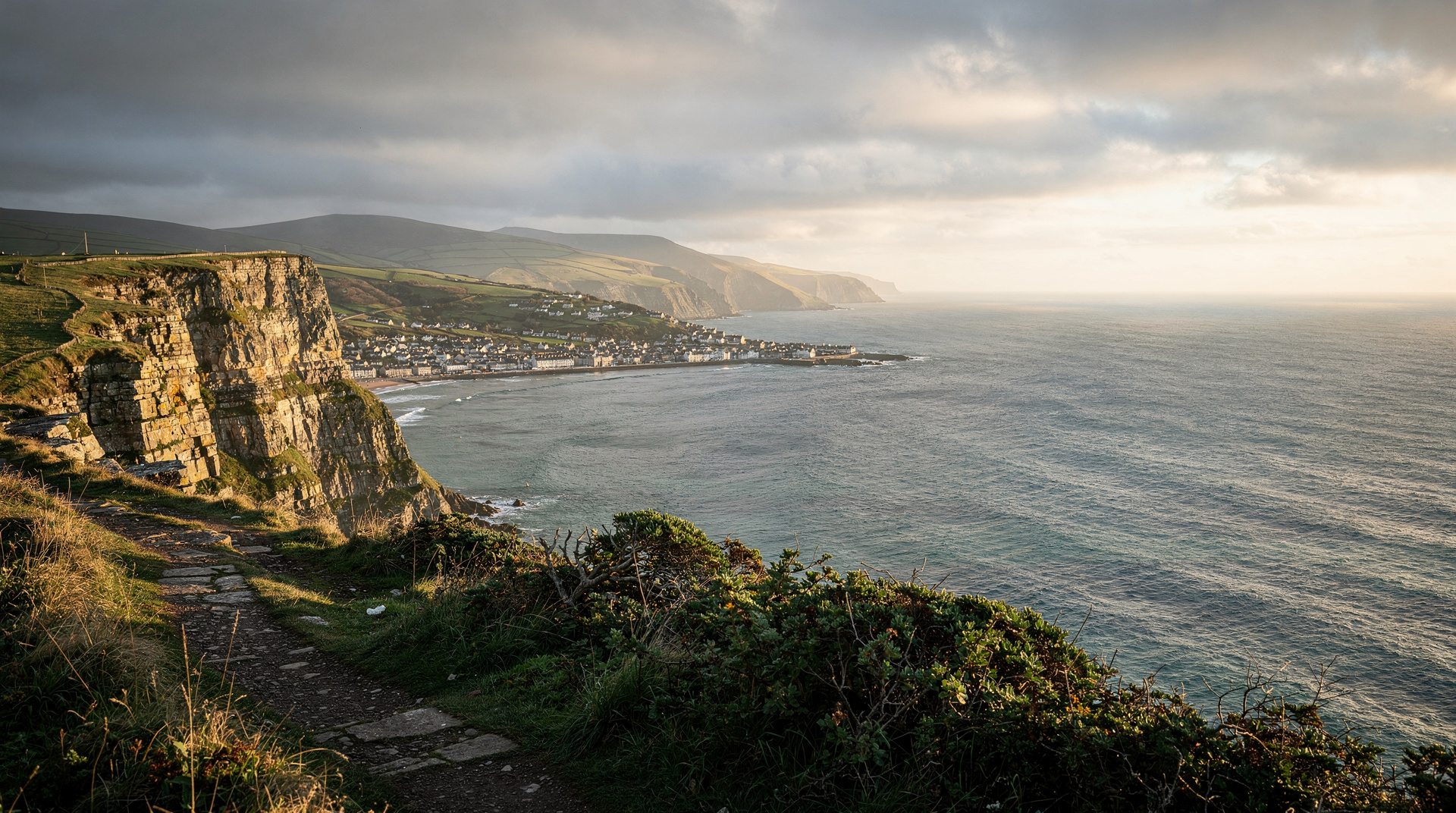
Skerries
Skerries is a quiet coastal town 30 km north of Dublin with a working harbour, five windmills and sandy beaches — an easy half-day escape.
From Dublin: Malahide Castle & north coast half-day morning tour
Duration: 4h
- Free cancellation
- Instant confirmation
Quick facts
- Distance from Dublin
- 30 km north via the M1
- By train
- 45–50 min on the Northern Commuter line from Connolly
- By car
- 35–45 min; ample parking near the harbour
- Currency
- Euro (€)
- Ideal visit
- Half day, easily combined with Malahide
A fishing town that never tried to become a tourist attraction
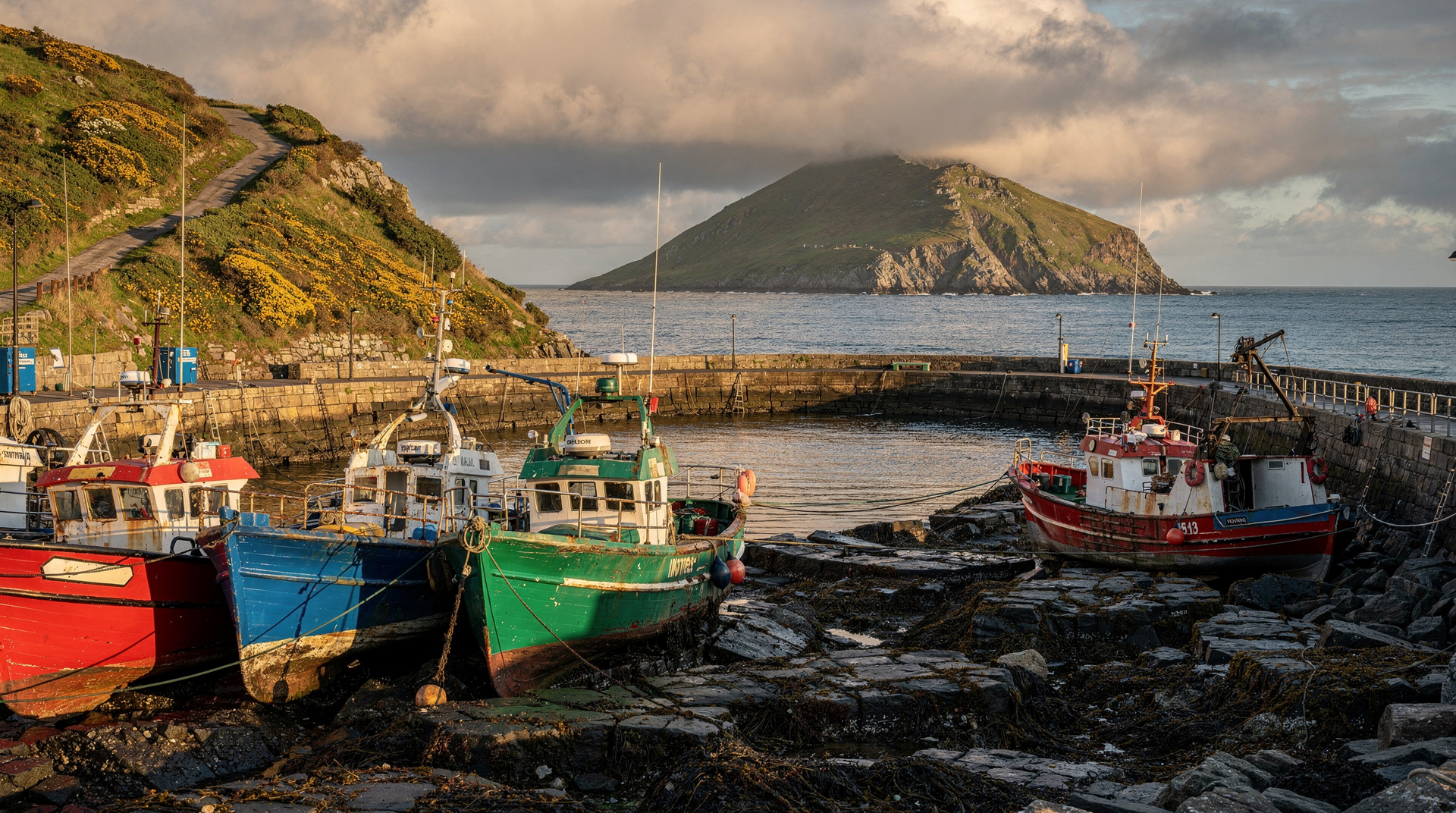
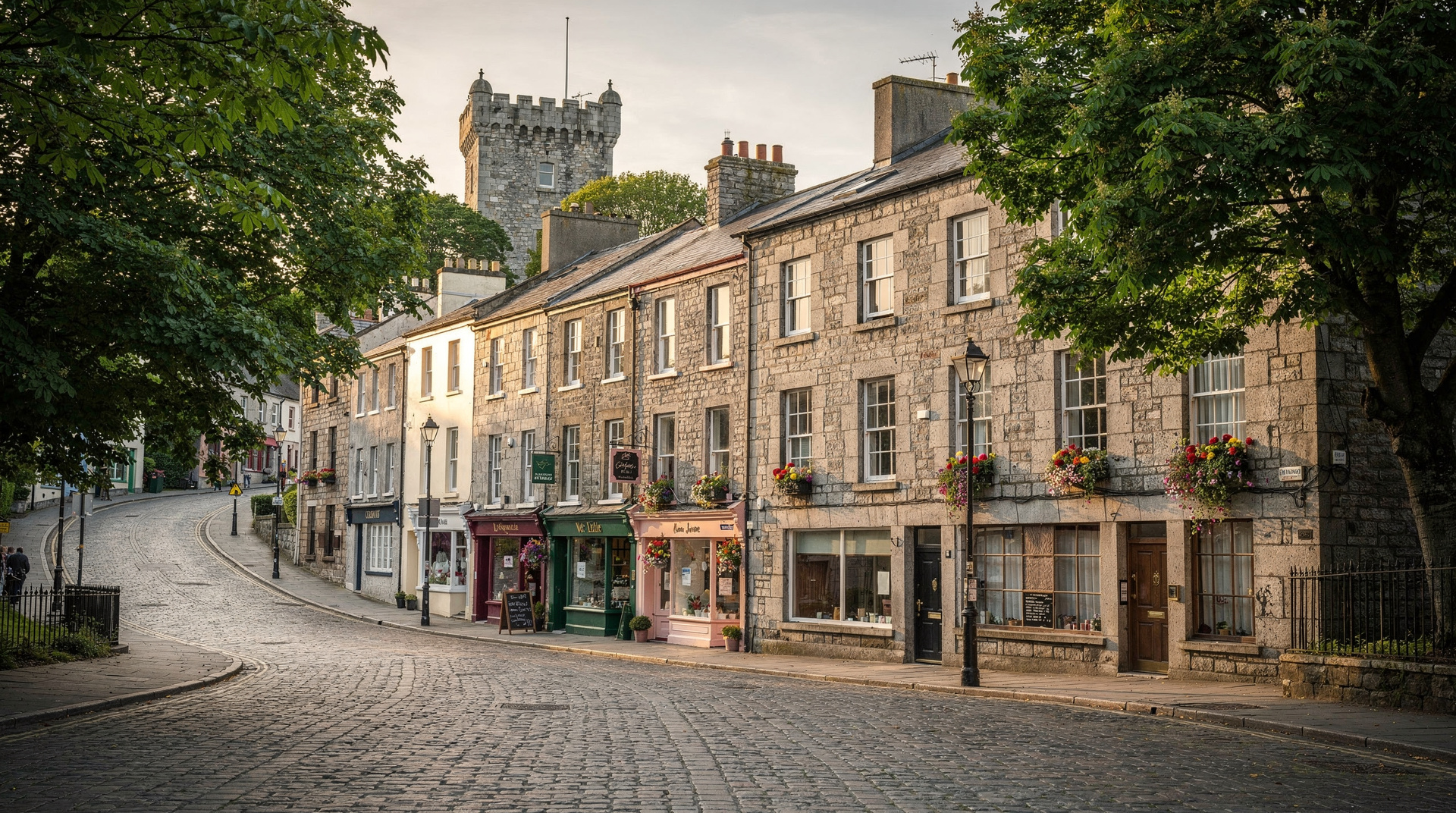
Skerries is one of those rare coastal places that has simply remained itself. There are no major heritage attractions, no blockbuster museum, no queue of coaches disgorging day-trippers at a gift shop. What you get instead is a working harbour smelling of salt and engine oil, five windmills on the town outskirts, a handful of good seafood restaurants, and a stretch of beach that in summer draws mostly Irish families rather than international tourists. That is, depending on your tastes, either a flaw or precisely the point.
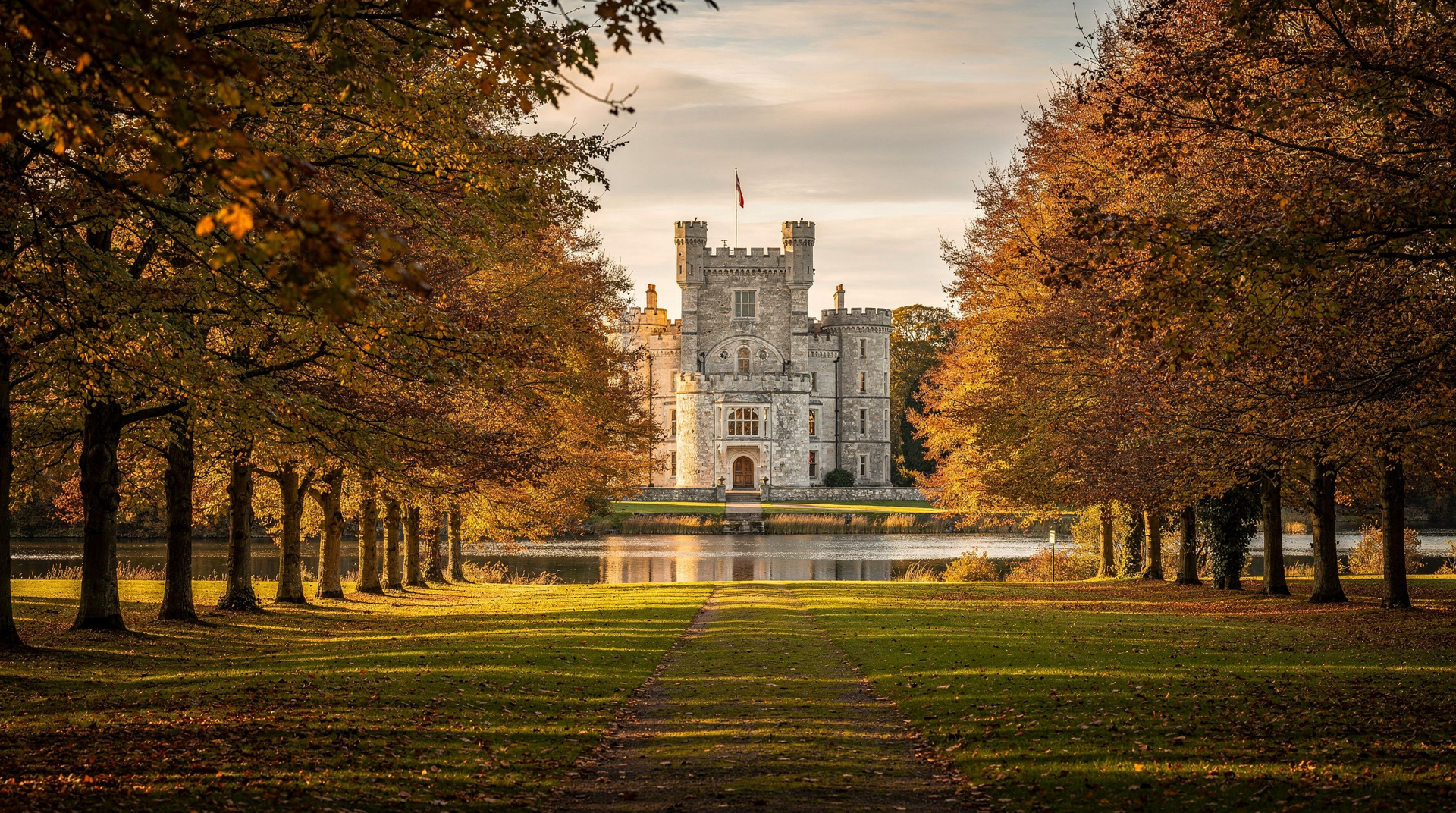
The town sits 30 kilometres north of Dublin on the coast of Fingal, close enough for a lazy morning departure and far enough that it retains its own pace. It pairs well with Malahide, which is 12 kilometres south and offers the castle and gardens that Skerries lacks. Many people combine both on the same day and come away feeling they have seen a side of north County Dublin that guide books gloss over.
| Where | Fingal coast, 30 km north of Dublin |
| Cost | Free to visit; windmill admission modest |
| Time needed | Half day; full day combined with Malahide |
| Getting there | Train from Connolly (45–55 min) or car via M1 |
| Best time | May–September for beaches and outdoor dining |
Getting there from Dublin
The simplest option is the Northern Commuter train from Dublin Connolly. Trains run roughly every hour and take between 45 and 55 minutes; the station is a 5-minute walk from the harbour. A return ticket costs around €10–12 and no reservation is required. You can also pick up a Leap card, which is slightly cheaper than buying paper tickets at the barrier. For the full guide to getting around without a car, see day trips without a car.
Driving takes 35–45 minutes via the M1 motorway and the R127. Parking near the harbour is free and generally easy outside peak summer weekends. There is no direct organised tour to Skerries specifically, but the Malahide Castle and north coast half-day tour passes through this part of Fingal and is a practical option if you prefer a guided experience that handles the logistics.
The windmills
The Skerries Mills complex is the most unusual thing in town and worth the short walk from the harbour. It comprises two tower mills and a watermill in working order, dating from the 18th and 19th centuries. The site is maintained as a heritage centre and you can watch the grinding machinery operate when conditions allow. Admission is modest, and the surrounding grounds are pleasant for a stroll. The taller of the two tower mills can be climbed for views over the town and the islands offshore. Most visitors spend 45–60 minutes here, which is about right.
The harbour and the beaches
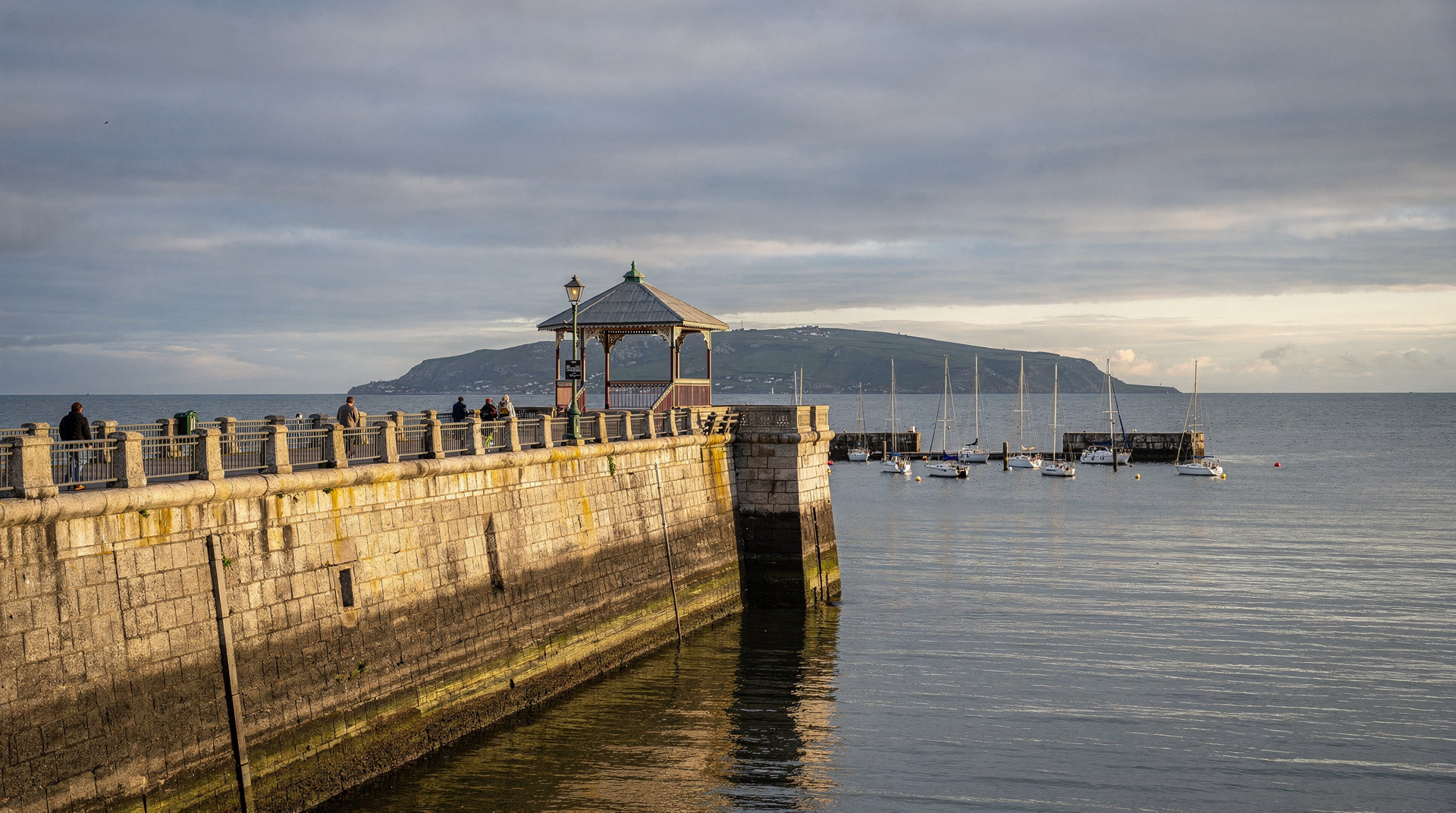
The harbour is the heart of Skerries. Local fishing boats still work out of it, and there are several seafood restaurants along the quayside — the crab and prawn catch is particularly good. Crab claws with brown bread is an entirely acceptable reason to make the journey. The harbour is also the departure point for occasional boat trips to the small islands of Shenick, Colt and St Patrick’s Island just offshore; these run in summer depending on demand and tide, so check locally on the day.
South Beach is the main swimming beach, a gently sloping stretch of sand that is safe for families. Red Island, connected to the mainland by a causeway, has a more exposed rocky shoreline and is quieter. If you are travelling between May and September and the weather cooperates, a swim is perfectly feasible; the water is cold by Mediterranean standards but fine by Irish ones, which is to say bracing rather than painful.
Where to eat and what to cost
Skerries has a respectable selection of cafes and restaurants for its size. Seafood is the obvious choice — fresh crab, mussels and prawns — and several places on the quayside do a decent lunch at reasonable prices compared to Dublin city centre. A bowl of chowder with bread runs around €10–14; a full crab lunch with chips is €18–24. There are also bakeries and coffee shops in the town centre for a lighter stop.
Avoid arriving at the harbour expecting a full restaurant meal much before noon on weekdays; the town moves slowly, and the better places fill up at lunch on weekends. If you are visiting on a Sunday in summer, arriving by mid-morning gives you the best chance of a table without a wait.
Skerries, Howth and Malahide compared
North County Dublin has three coastal day-trip options that visitors often confuse. Here is the honest breakdown:
| Skerries | Howth | Malahide | |
|---|---|---|---|
| Main draw | Windmills, harbour, seafood | Cliff walk, fishing village views | Castle and walled gardens |
| Crowds | Quiet, mostly local visitors | Busy, popular with tourists | Moderate, family-focused |
| Getting there | Train (45–55 min) | DART (25–35 min) | DART (25–30 min) |
| Best for | A slow, uncrowded coastal afternoon | Dramatic scenery and a proper walk | Families and history in one stop |
The islands offshore
Shenick, Colt and St Patrick’s Island sit just off the Skerries coast and are visible from the harbour on any clear day. St Patrick’s Island is traditionally linked to the saint’s first landing in Ireland, according to local legend, and has the ruins of a small early monastic church. Boat operators run informal trips out to the islands in summer, weather and tide permitting — these are not large operations with fixed timetables, so ask at the harbour on the day rather than expecting to book online in advance. Shenick is also connected to the mainland by a causeway at low tide, making it walkable for part of the day without a boat at all.
Combining Skerries with Malahide
If you are coming from Dublin for the day, the most efficient combination is Malahide in the morning — the castle gardens open at 9 am — and Skerries in the afternoon, covering 12 kilometres between the two either by car or by cycling along the coast road. The train does not connect the two towns directly so you would need to backtrack to Dublin and change, which is not worth it; a car or bicycle is the right tool for a combined visit.
Howth is another popular coastal alternative and arguably the more dramatic of the two, with its cliff walk and fish-and-chips tradition. Howth is easier to reach by DART and has a stronger tourist infrastructure. Skerries rewards those willing to go slightly further for the absence of crowds.
What Skerries is not
It is worth being honest: Skerries does not have a castle, a major museum, or a famous landmark beyond the windmills. If you are working through a list of Irish attractions or have limited time in Ireland, Glendalough or Newgrange will give you more to write home about. Skerries is a place for people who like quiet harbours, seafood, and the feeling of arriving somewhere that is not quite on the tourist map yet. That is a very specific pleasure, and it is genuine.
For a broader look at easy escapes from the capital, the best day trips from Dublin guide lays out the full range of options by distance and interest.
When to go
May through September is the most reliable window. The restaurants and harbour are at their liveliest, and the beaches are usable on sunny days. July and August bring the most visitors (mostly Irish) and the best chance of warm enough weather for a swim. Out of season — November through March — the town is quiet, some cafes reduce their hours, and the wind off the Irish Sea is unambiguous. That said, a grey-day walk along the harbour with a bowl of chowder has its own satisfaction.
St Patrick’s Day weekend in March brings some local activity, but Skerries is not a destination for large events. The Skerries 100 motorcycle racing weekend in July draws a specialist crowd and makes accommodation locally scarce for one weekend a year — worth knowing if you are planning to stay overnight.
Planning the day around the weather
Skerries is an outdoor place, so the forecast matters more here than in the city. A clear morning is worth acting on: the harbour, the beach and the windmills all look their best in good light, and the walk between them is part of the pleasure. If the sky is grey, the town still works, but you will want to lean on the cafes and the restaurants rather than the shoreline. Our Dublin weather and what to pack guide covers the layers worth carrying, and a windproof jacket is never wasted on this coast.
On a properly wet day, you may be better off choosing something indoors in the capital instead; the rainy day in Dublin guide has plenty of ideas. If you are still deciding when to travel at all, the best time to visit Dublin explains how the seasons shape a trip, and the pages on Dublin in summer and Dublin in winter show what the same coast feels like at either end of the year.
A slow walking day
The best way to use Skerries is without a fixed plan. Start at the harbour, watch the boats for a while, then walk towards the beach and out to Red Island, letting the tide and the wind decide how far you go. Come back through the town for a coffee, then fit in the mills before lunch or after it. Nothing here is timed, nothing needs a ticket in advance, and that is what makes it restful after a few days of Dublin’s busier sights.
If you like this kind of unhurried coastal pace, the same mood runs through Dalkey and Dún Laoghaire on the south side of the bay, and through Bray and Greystones further along. The DART coastal day out guide shows how to string those together by train, which is a useful contrast with the north county, where distances are longer and the service is less frequent.
Travelling with children
Families will find Skerries easy. The sheltered sand, the boats in the harbour and the open green space give children plenty to do without a paid attraction, and the mills add something to look at when the beach loses its appeal. Bring a change of clothes, because wet sand and cold water have a way of finding everyone. For more ideas on keeping a younger group happy, see family day trips from Dublin and the wider Dublin with kids guide.
Eating well without overspending
The pleasure of a seafood lunch here is that it feels local rather than staged. Order what the day’s catch suggests, ask the staff what is freshest, and pair it with brown bread and a pot of tea or a pint if you are not driving. If you want to understand what you are eating in a broader context, traditional Irish food explains the dishes behind the menus, while best restaurants in Dublin is the place to turn once you are back in the city for dinner. Travellers watching their spending will find that a day here sits comfortably within the advice in Dublin on a budget.
Fitting Skerries into a longer trip
Skerries works best as a single breathing space in a busier itinerary rather than as the centrepiece. The Dublin coastal 3 days plan shows how a day on the north shore can sit alongside the southern bays, and Dublin getting around helps you decide how to move between them. If you are leaning on public transport, the Leap card guide is worth reading before you leave, and anyone hiring a car should look at driving in Ireland from Dublin first. For the town that sits between Dublin and Skerries on the coast, the Malahide Castle guide and the Howth day trip guide give the practical detail, and the Howth cliff walk guide is the one to read if the walking is the real draw.
If you would rather have the north coast arranged for you
Skerries is easy to do alone, but not everyone wants to juggle train times and a second leg by car. If you would rather see the wider north coast without planning each transfer, a guided option is a sensible compromise. A half-day tour covering Malahide Castle and Howth gives you the two best-known stops of this coastline in one outing, and you can then return to Skerries on a separate day at your own pace. Anyone who wants a longer, fuller day can look at a full-day Howth and Malahide itinerary instead, which leaves less to organise yourself.
The choice between these and a self-guided day comes down to how you like to travel. If you enjoy deciding as you go, the train and a slow walk suit Skerries perfectly. If you would rather hand over the logistics, the guided route frees you to look out of the window. The best day trips from Dublin overview and the guide to choosing the right Dublin day trip can help you weigh the two styles against each other.
Making the most of the coast around Skerries
A visit here also fits neatly into a wider look at the capital and its edges. First-time visitors may want to start with the Dublin first-time guide and the page on Dublin itself, then decide how many days to give the coast using how many days in Dublin. Solo travellers will find the harbour a calm place to spend an afternoon, and the Dublin solo travel guide covers the wider picture.
For a more active outing, the Howth cliff walk guide and the blog piece on the Howth cliff walk in late summer show what a longer coastal path feels like. If you want a first-hand account of why a short trip out of the city can be the highlight of a stay, read the best day trip I ever took from Dublin. Cyclists curious about riding in and around the city can start with the Dublin bike tours guide, and the DART and Luas guide explains the rail network you will use for the nearer coastal towns.
Frequently asked questions about Skerries
Is Skerries worth visiting if I’ve already been to Howth? Yes, if you enjoy quieter places — Skerries offers a genuinely different, more local atmosphere than Howth’s busier tourist circuit, though it has less dramatic scenery and no equivalent cliff walk. Think of it as a complement rather than a substitute.
Can I visit Skerries and Malahide by train in one day? Not directly — there is no train connection between the two towns, so you would need to travel back into Dublin and out again, which wastes time. Driving or cycling the 12 km coast road between them is the practical way to combine both in a single day.
Top experiences
Bookable activities with verified prices and instant confirmation on GetYourGuide.

From Dublin: Malahide Castle & north coast half-day morning tour
- Free cancellation
- Instant confirmation

From Dublin: Malahide Castle & Howth half-day tour
- Free cancellation
- Instant confirmation

From Dublin: half-day guided coastal tour to Howth village
- Free cancellation
- Instant confirmation

Dublin: full-day Howth and Malahide Castle tour
- Free cancellation
- Instant confirmation