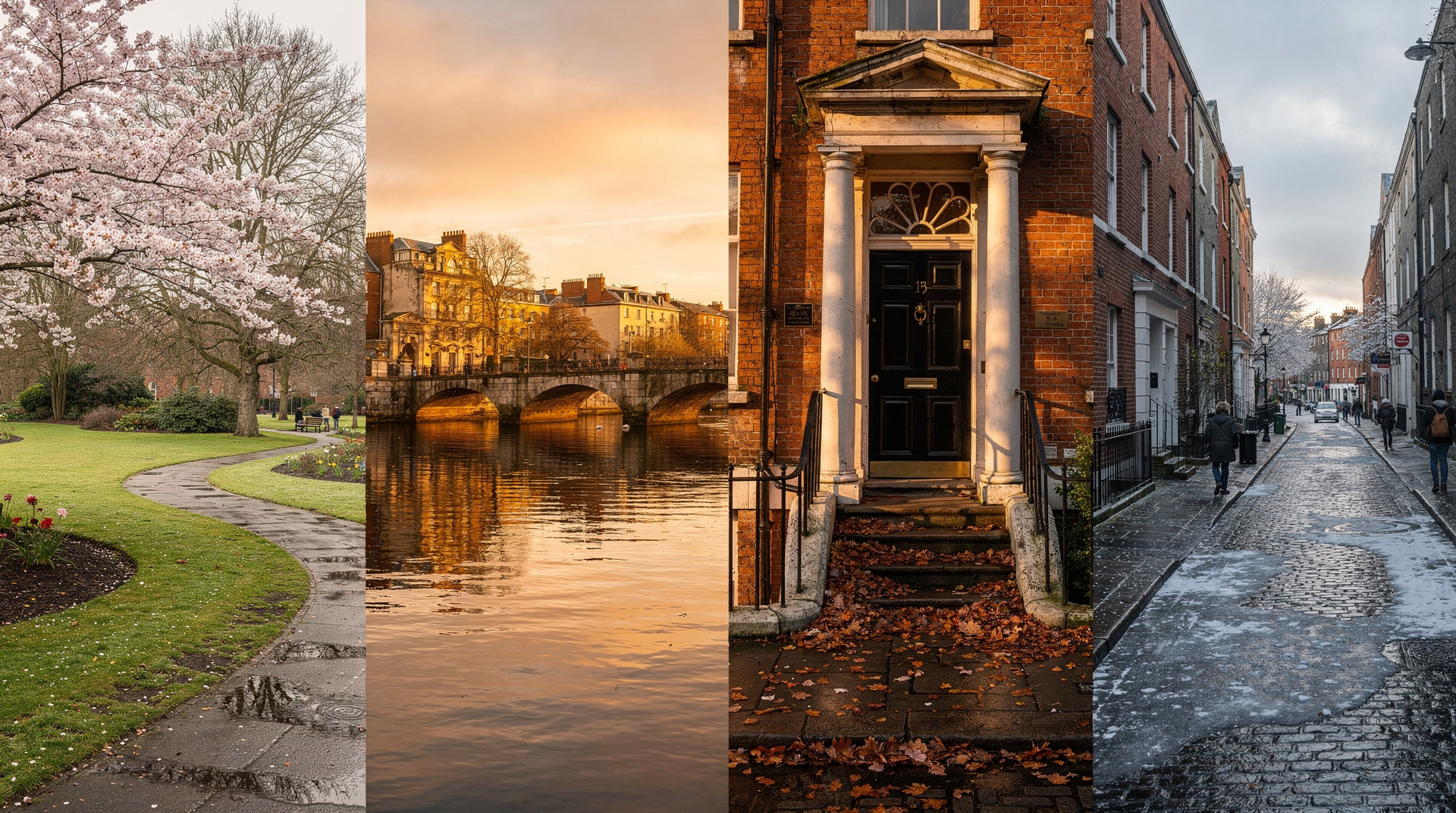
Dublin in spring: why the shoulder season is the best-kept travel secret
Every guide tells you to visit Dublin in summer. Here’s the case for doing the opposite: April and May give you the same city, the same day trips, and noticeably fewer queues and lower prices.
| Best months | April and May |
| Daylight | 15-16 hours by late May |
| Temperature | 9-16°C |
| Hotel savings vs August | Often €100+ per night |
| Crowd level | Roughly 40-50% of peak summer |
The summer problem
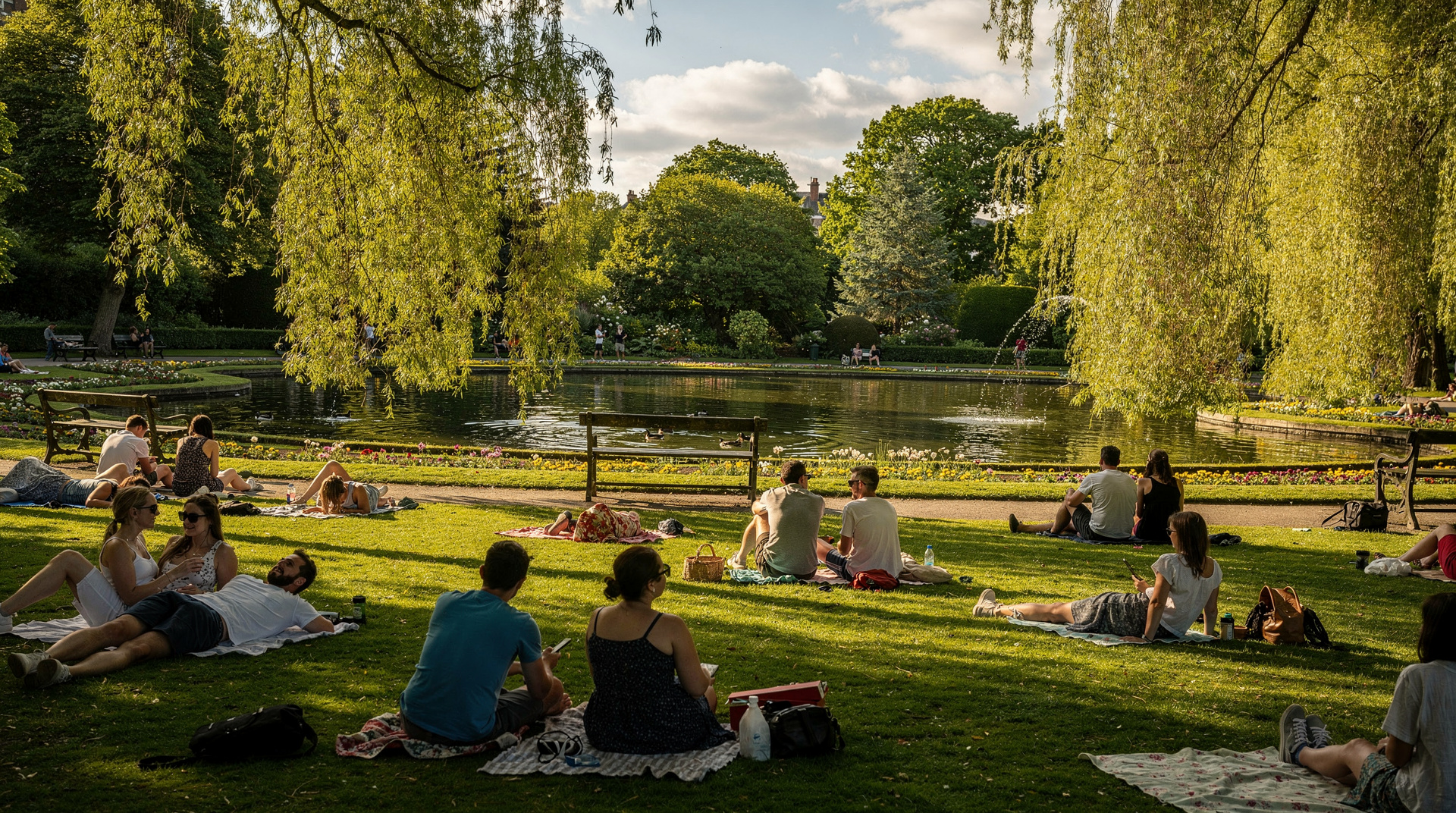
Every year, travel publications run features on Dublin in summer. July and August in Dublin means 21 hours of daylight at midsummer, good weather by Irish standards, and all the city’s attractions operating at full stretch. It also means the Guinness Storehouse queue stretching around the building at 2pm, Kilmainham Gaol booked out for weeks in advance, accommodation prices that would embarrass a Swiss ski resort, and the particular quality of a city that has been over-visited for three months and is visibly tired of it.
I have visited Dublin in most months. The version I keep returning to is April or May. Let me explain why.
What changes in spring
Light: Dublin in May has something like 15 to 16 hours of daylight, with the sun setting around 9:15pm by late month. The light quality is different from high summer — softer, more raking, producing the kind of warmth on old stone and green hills that makes Ireland look the way the photographs promise. Evening walks along the Howth cliff path in May, with the sea lit and the gorse on the headland in full yellow flower, are among the better things available on these islands.
Crowds: significantly reduced. Not absent — Dublin is a year-round tourist city and the main attractions see visitors in every month. But April and May crowds are perhaps 40-50 percent of peak summer levels. The Guinness Storehouse in April allows you to arrive at 10am and walk straight in with a booked ticket. Kilmainham Gaol has available slots most days with a few days’ notice. Restaurants take reservations like normal restaurants rather than running reservation waiting lists.
Prices: accommodation in mid-April averages somewhere between winter pricing and summer peaks. A hotel that costs €280 in August often costs €145 in April. The price difference alone sometimes exceeds the cost of flights.
The city itself: Dublin in spring is the city as its residents experience it rather than the city as a product for tourists. The cafes and restaurants are operating at normal pace, the staff are not exhausted, and the social energy is different — lighter than winter, without the freneticism of summer.
Spring weather: the honest account
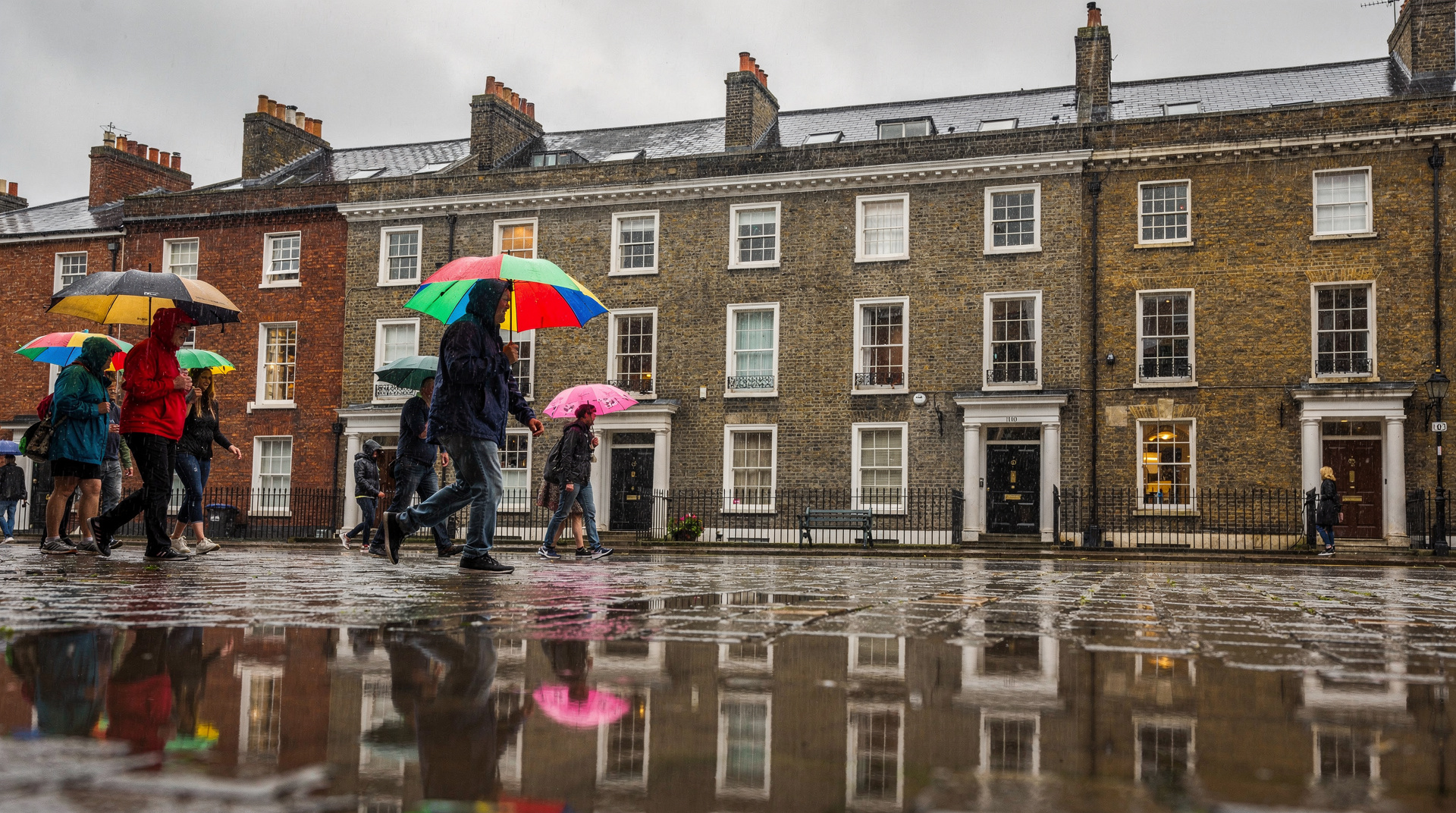
April in Dublin averages 9°C to 13°C, with May running 11°C to 16°C. Rain is possible any day. The Irish term for this is “grand” — not ideal, but manageable with the right clothing. A waterproof outer layer is non-negotiable in any month. The reward for carrying it is that when the sun comes out — and it does come out, sometimes for days at a stretch — Ireland in spring is spectacular.
The Dublin weather and packing guide covers this in detail. The short version: layers, waterproof jacket, comfortable walking shoes that can handle wet cobblestones. Good boots are more important than good looks.
Day trips in spring
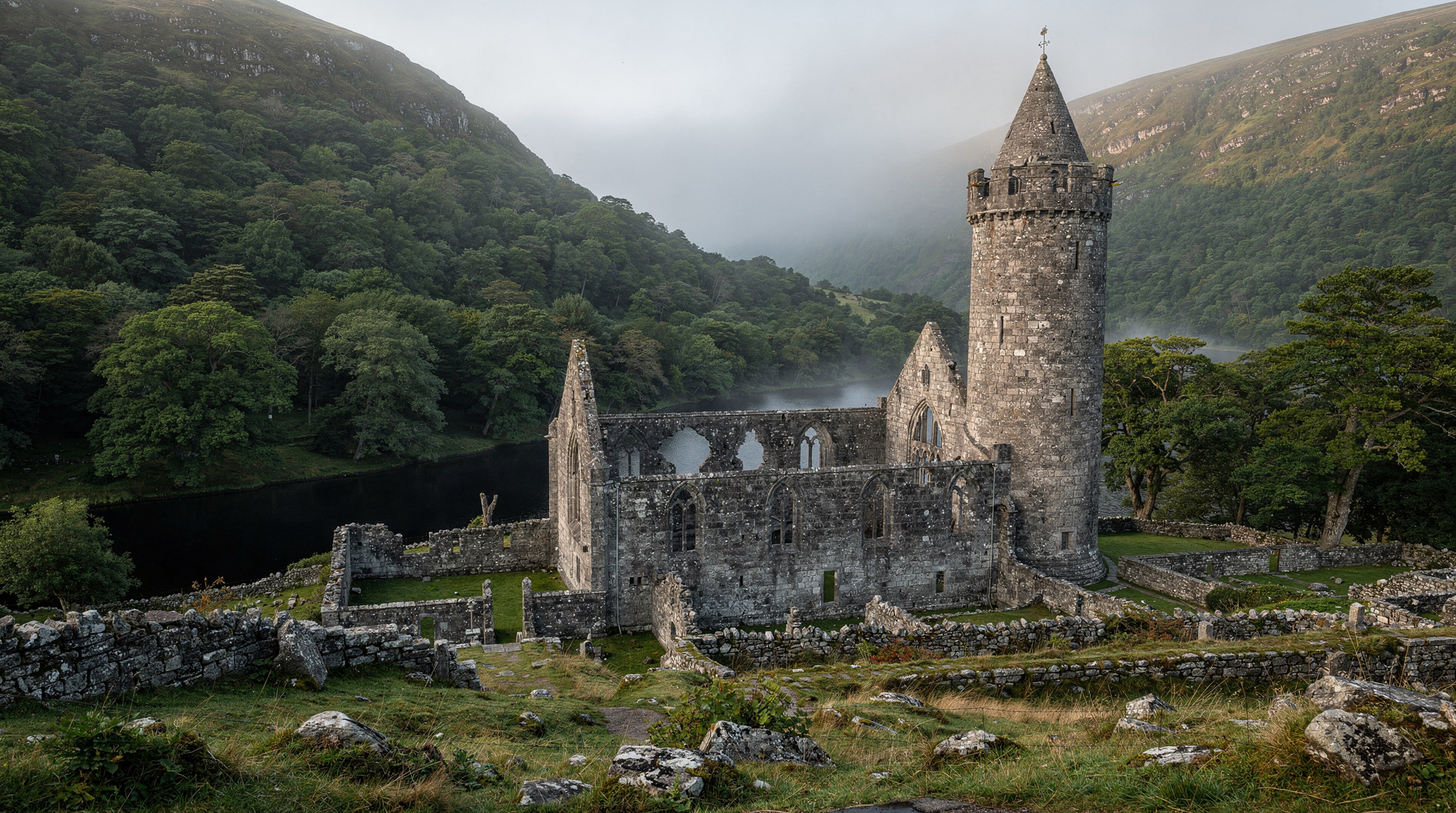
The outdoor day-trip destinations are at their best in spring. Glendalough in April, with the valley emerging from winter and the two lakes reflecting the pale sky, is quieter and more beautiful than Glendalough in July when the car park is full and the main path has a queue. The Wild Wicklow Mountains and Glendalough tour from Dublin is available year-round, and spring departures on weekdays are notably less crowded.
Newgrange in May has the booking structure in place for the summer but hasn’t yet hit peak pressure — timed slots are available with a few weeks’ notice. The site itself is striking in spring light, with the surrounding Boyne Valley fields green and the mound’s white quartzite catching the morning sun.
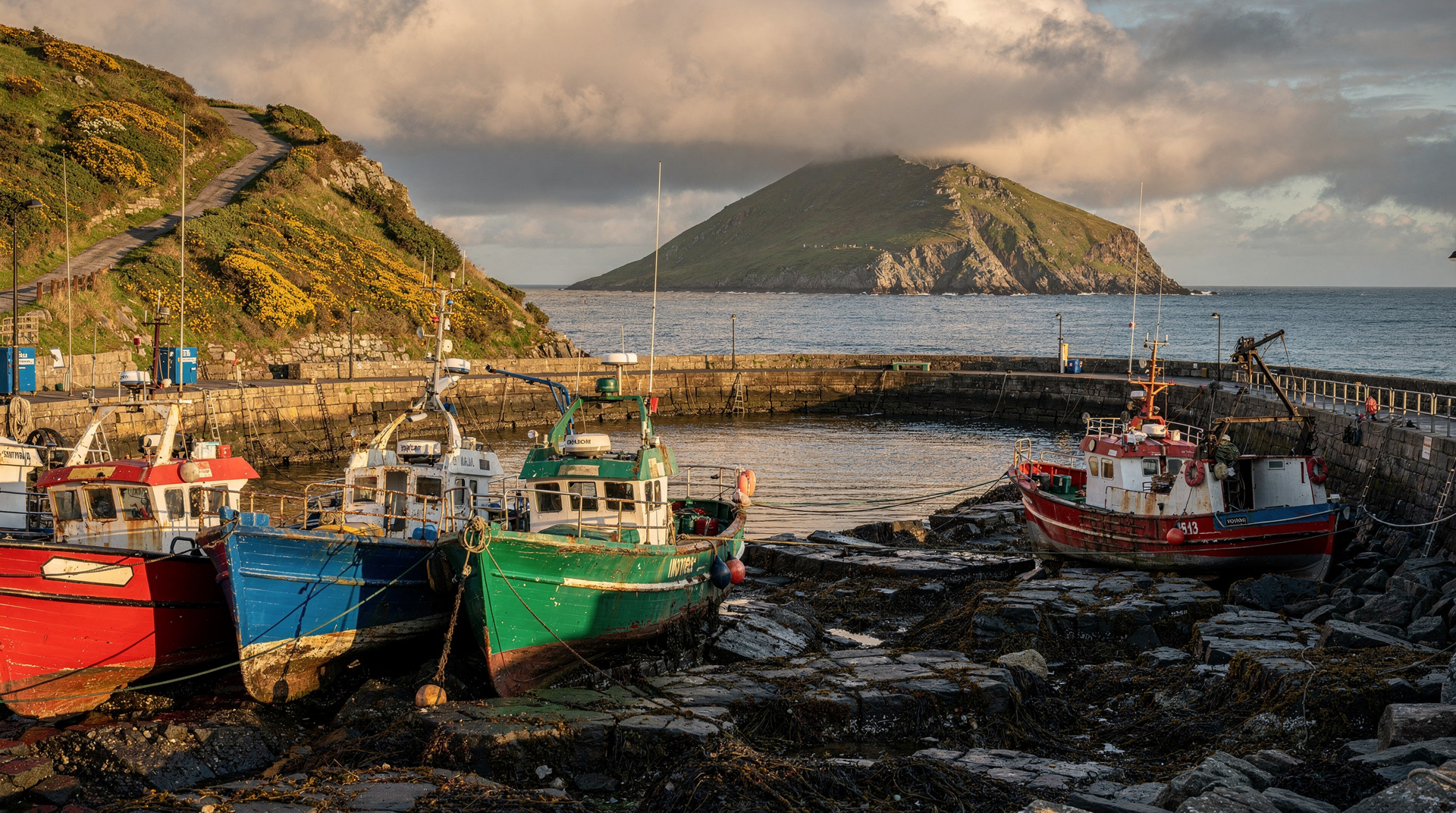
Howth in late April and May is the specific best. The cliff walk is open, the gorse is in flower (the colour is extraordinary — miles of yellow against blue sea and sky), the harbour seals are hauled out on the rocks, and the seafood restaurants are running full menus without summer queuing. The Howth half-day coastal tour gives you the essential elements of the village and the walk.
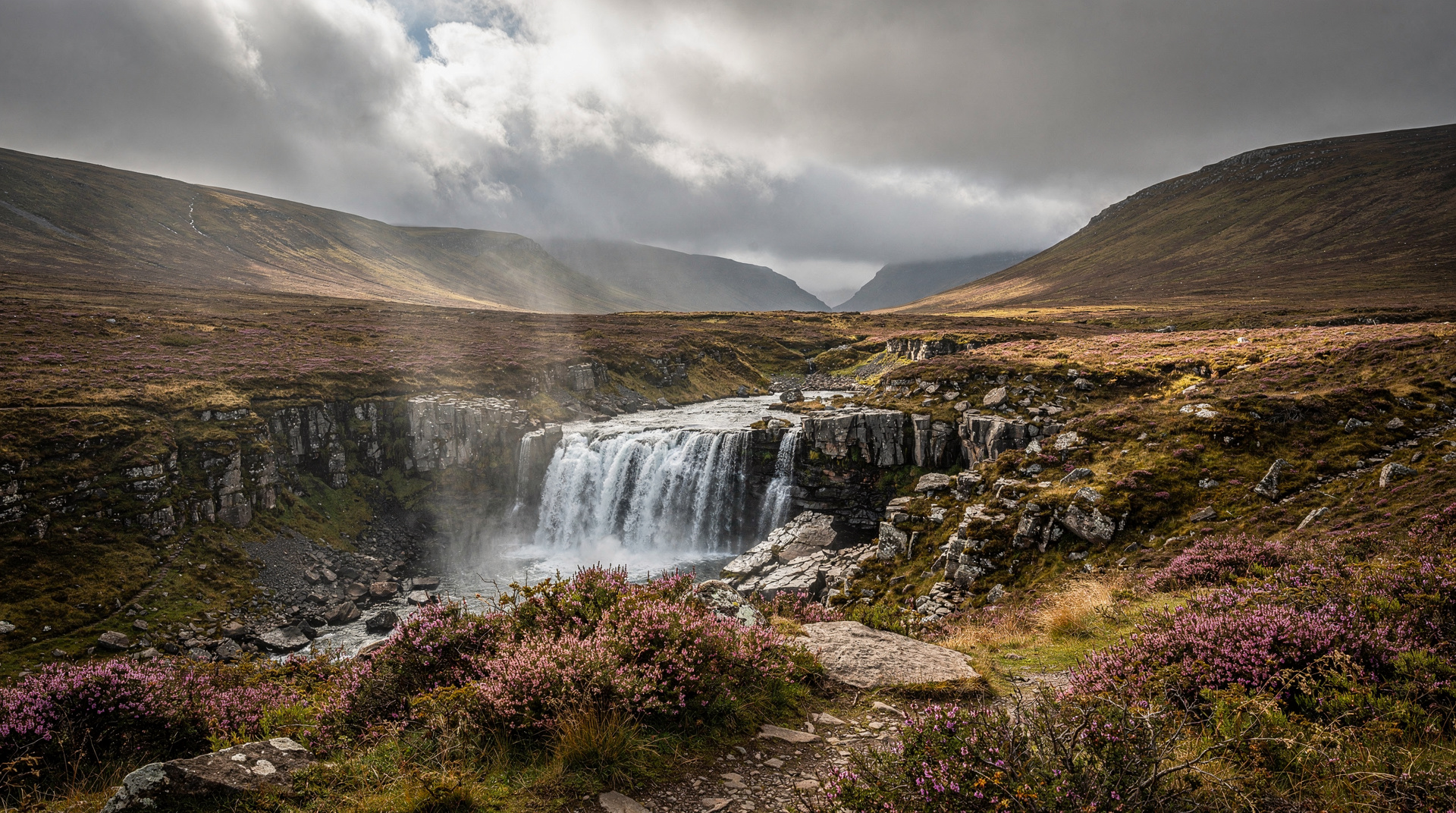
The Wicklow Mountains in spring offer what they always offer — vast empty landscape, dramatic skies, the peculiar silence of high moorland — but with wildflowers appearing in the lower boggy areas and the rivers running full and fast from winter. The Wicklow mountain hiking tours include spring departures that the guides generally prefer because the light is better and the groups are smaller.
The city in spring
Dublin’s indoor cultural infrastructure is fully operational year-round but spring has specific advantages. The National Gallery’s café is not full at noon. The Book of Kells at Trinity College, while busy, is not at summer capacity — arriving for a 9:30am timed entry in May, you will have a few minutes of relative quiet in the Old Library. The literary pubs are more navigable, the ghost walks run to smaller groups, and the food tours move at a comfortable pace through streets that aren’t shoulder-to-shoulder.
The outdoor terraces that Dublin pubs have added in the last five years start opening properly in May. These are best appreciated on a dry evening in late May, when the light is still good at 8pm and the temperature is warm enough for outdoor sitting with a jacket. This is genuinely one of the better things about Dublin — the relief and celebration when the weather permits outdoor drinking is a specific social joy.
What spring misses
A few things are genuinely better in summer. The DART coastal line on a hot June day, going from one coastal village to the next, is as good as public transport gets anywhere. The outdoor food markets run more consistently from June. Day trips to the Aran Islands and Connemara are longer and more settled in July than April. If these specific things are your priorities, summer has advantages that spring can’t replicate.
The general point holds, however: for most visitors, most itineraries, and most interests, a spring visit to Dublin offers the same city with meaningfully fewer complications. The best time to visit Dublin guide addresses this systematically, but the simple version is: if you can choose, April or May. Come back in July if you want to see what the summer version is like.
Spring, month by month
| Month | Weather | Crowds | Notes |
|---|---|---|---|
| March | 7-11°C, changeable | Low, rising around St Patrick’s Day | St Patrick’s Day crowds spike mid-month; otherwise quiet |
| April | 9-13°C, showery | Low-moderate | Best value month; gorse starts flowering on the coast |
| May | 11-16°C, brighter | Moderate, rising late month | Daylight peaks; book Kilmainham and Newgrange ahead |
What to pair a spring city visit with
A spring trip is also the easiest time to add a coastal day out without the summer scramble for tickets. The DART coastal day out guide covers Howth, Malahide and Dalkey — all workable as half-day additions to a spring itinerary since none of them require the advance booking that Newgrange or Kilmainham do. If whiskey or Guinness history interests you, spring is also when the Liberties distillery trail is at its most pleasant to walk between stops, before summer heat and crowds make the cobbled streets less comfortable.
For day-trip logistics without a car, the Wicklow and Glendalough lakes day tour runs year-round with noticeably smaller spring groups, which guides consistently prefer for exactly the reasons above.
Practical notes for spring planning
Book Kilmainham Gaol and Newgrange as early as possible regardless of season — these are limited by tour capacity rather than crowd management. Book the Guinness Storehouse online for a timed slot even if you don’t need to queue. Everything else in April and May is manageable with a few days’ notice.
For a 5-day Dublin and Ireland itinerary in spring, the combination of city days and day trips works particularly well — the accommodation is manageable, the attractions accessible, and the driving or touring experience less congested. Spring is the season Dublin forgets to market and the season it least needs to.
Frequently asked questions about Dublin in spring
Is Dublin weather too unpredictable in spring for outdoor day trips? It’s changeable rather than bad — expect a mix of sun and showers most days, and pack a proper waterproof rather than relying on forecasts. Genuinely wet-out days that ruin a day trip are the exception, not the rule, in April and May.
Should I book Kilmainham Gaol and Newgrange before I arrive, even in spring? Yes. Both are capacity-limited by tour size rather than crowd management, so a few weeks’ notice is worth having even outside peak summer. Everything else in spring is manageable with just a few days’ notice.
Top experiences
Bookable activities with verified prices and instant confirmation on GetYourGuide.