Dalkey
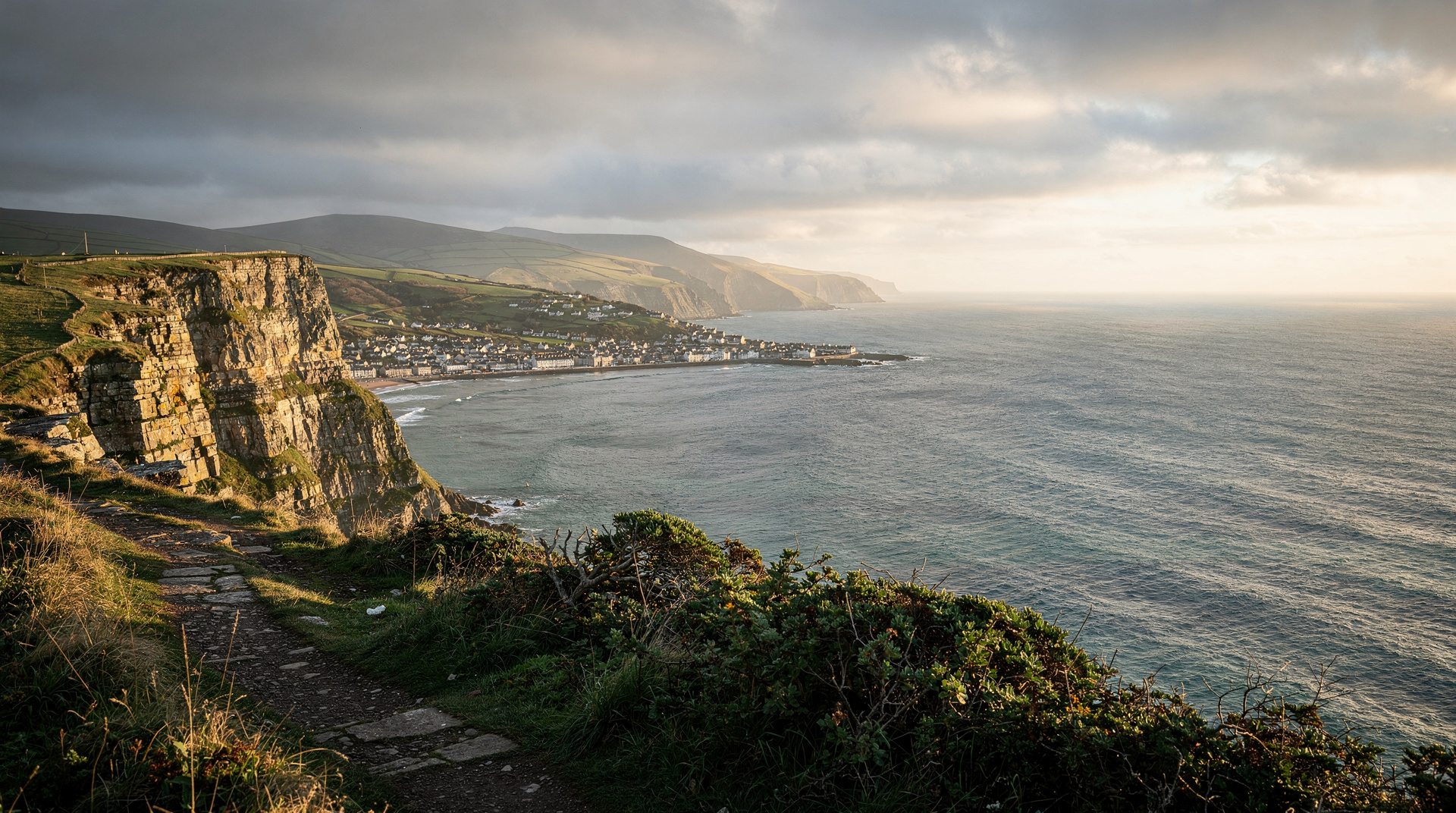
Dalkey is Dublin's finest coastal village: medieval tower castles, a boat trip to Dalkey Island, excellent restaurants and 30 minutes on the DART.
Dublin surrounds day tour: Killiney Hill & Dalkey Castle
Duration: 5h
- Free cancellation
- Instant confirmation
Quick facts
- Getting there
- DART from city centre to Dalkey, 30 min
- Dalkey Island ferry
- €10 return; runs May–October
- Village centre
- Castle Street; 5 min walk from DART station
- Currency
- Euro (€)
- Famous residents
- U2, Van Morrison, Maeve Binchy (past)
The village the DART takes you to
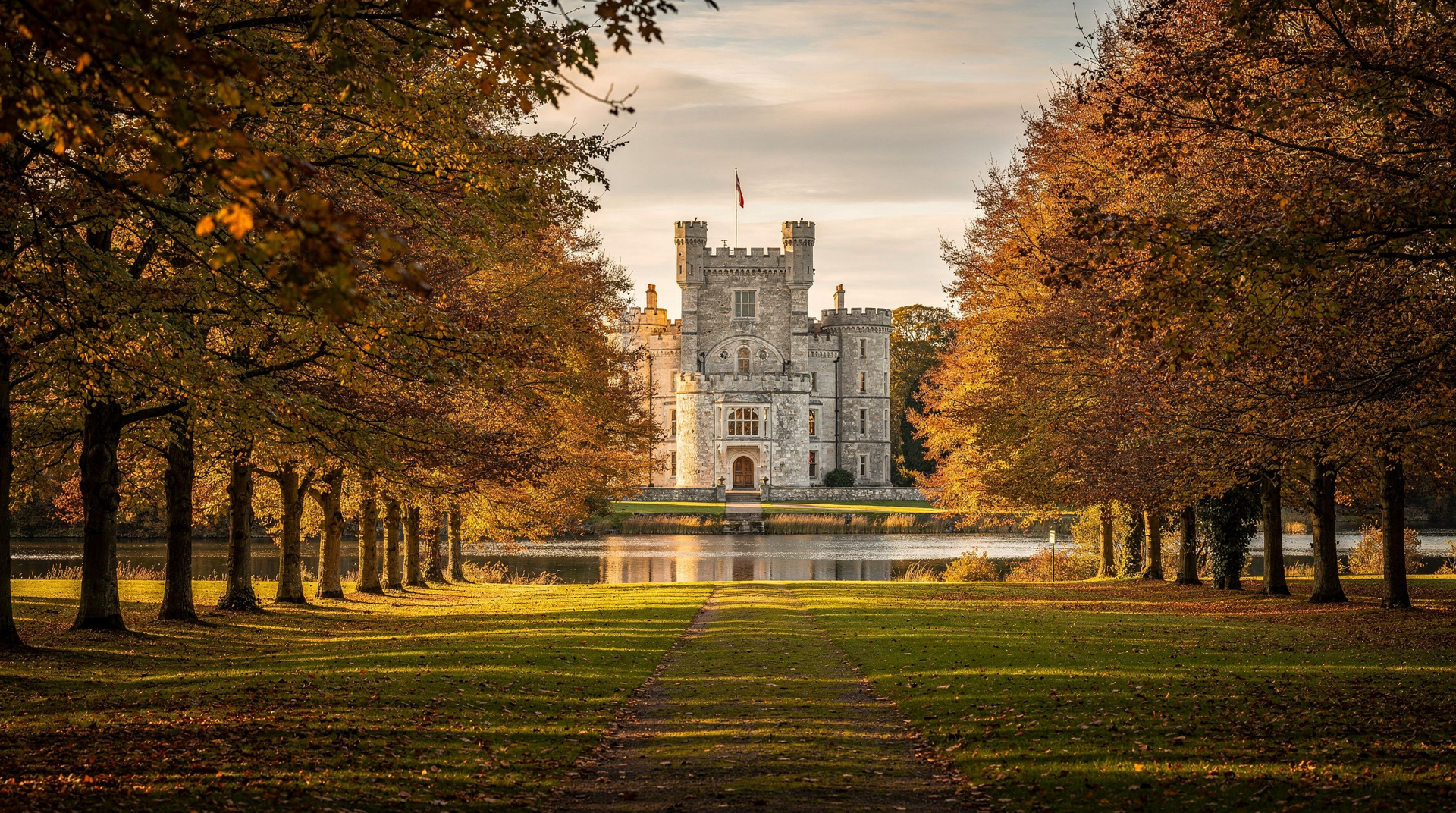
Dalkey is about twelve kilometres south of Dublin city centre and sits at the foot of Killiney Hill on the Dublin Bay coastline. It has been here, in one form or another, since the early medieval period — a walled town with a working harbour that served as the main landing point for goods destined for Dublin in the thirteenth and fourteenth centuries. What remains of that town is visible in two intact tower-house castles on Castle Street, both still standing after 600 years.
| Where | Dublin Bay coast, ~12 km south of the city centre |
| Cost | DART fare around €3.80–4.20; Dalkey Island boat around €10 return |
| Time needed | Half a day; add another hour or two for the island |
| Getting there | DART to Dalkey, about 30 minutes from the city centre |
| Best time | May to September for the island boat; restaurants year-round |
Today Dalkey is a village of around 10,000 people with a reputation for being the most desirable place to live on Dublin’s south coast — an assessment reflected in the house prices, the quality of the restaurants, and the density of well-known names who have lived here over the decades. Shaw, Beckett and Maeve Binchy all had connections to Dalkey; contemporary residents include musicians, writers and enough tech executives to make the village feel conspicuously prosperous without being ostentatious about it.
None of this makes Dalkey inaccessible. The DART stops directly in the village, the medieval streetscape is free to walk, the island boat is cheap, and the best restaurants are a long way from the price points of central Dublin.
Castle Street and the village centre
The main street in Dalkey is Castle Street, which runs for about 400 metres from the DART station at the top of the village toward the harbour. It contains the two medieval tower houses (Goat’s Castle, now a heritage centre, and the smaller Archbold’s Castle beside it), several good independent restaurants and cafés, a handful of craft shops, and St Begnet’s Church ruin — a pre-Norman church in the graveyard that dates from at least the eleventh century.
Goat’s Castle houses the Dalkey Castle and Heritage Centre, which runs guided tours and occasionally theatrical performances combining the castle tour with local historical storytelling. It is worth thirty to forty minutes for anyone interested in the medieval town’s history.
Dalkey Island
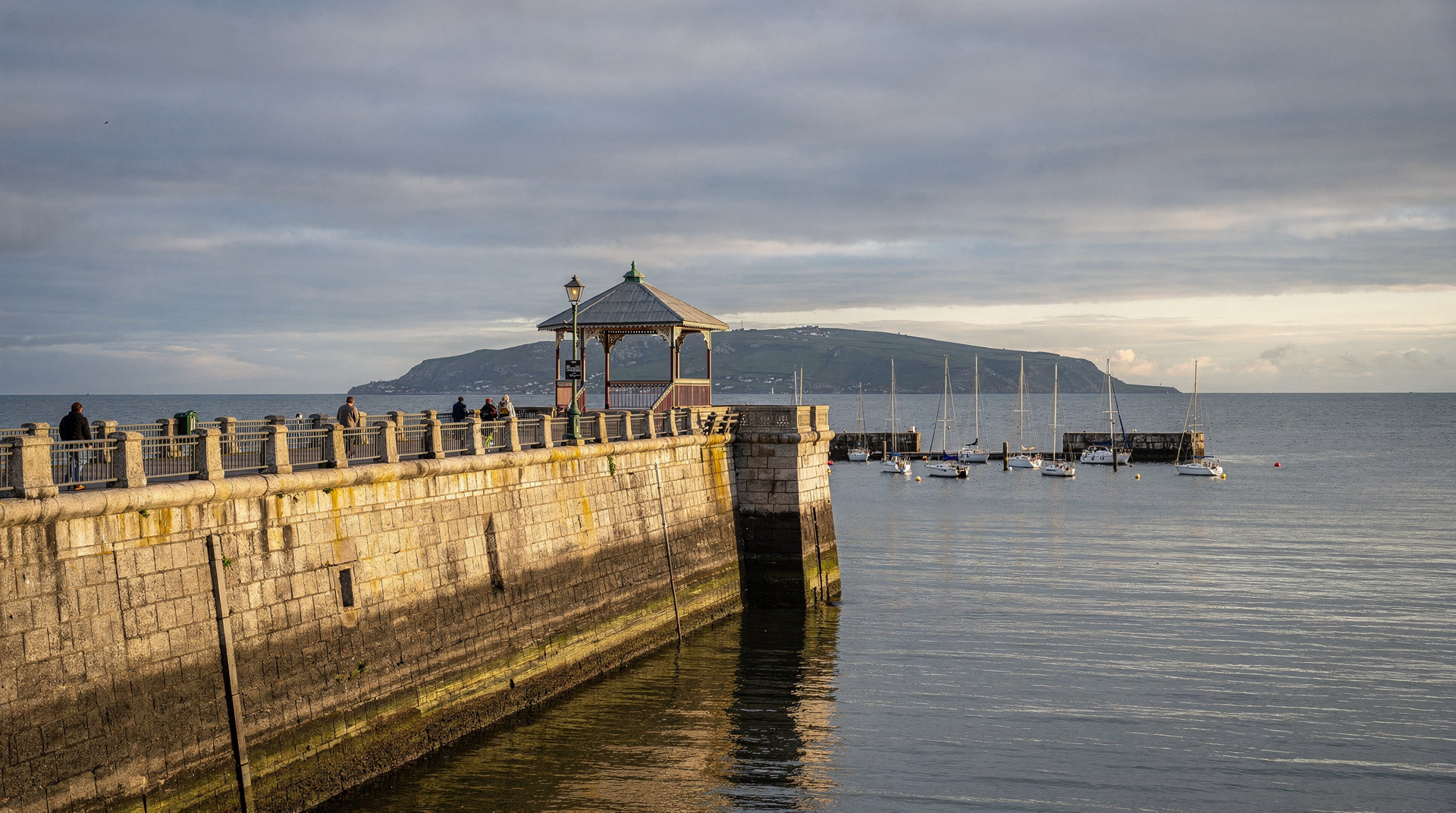
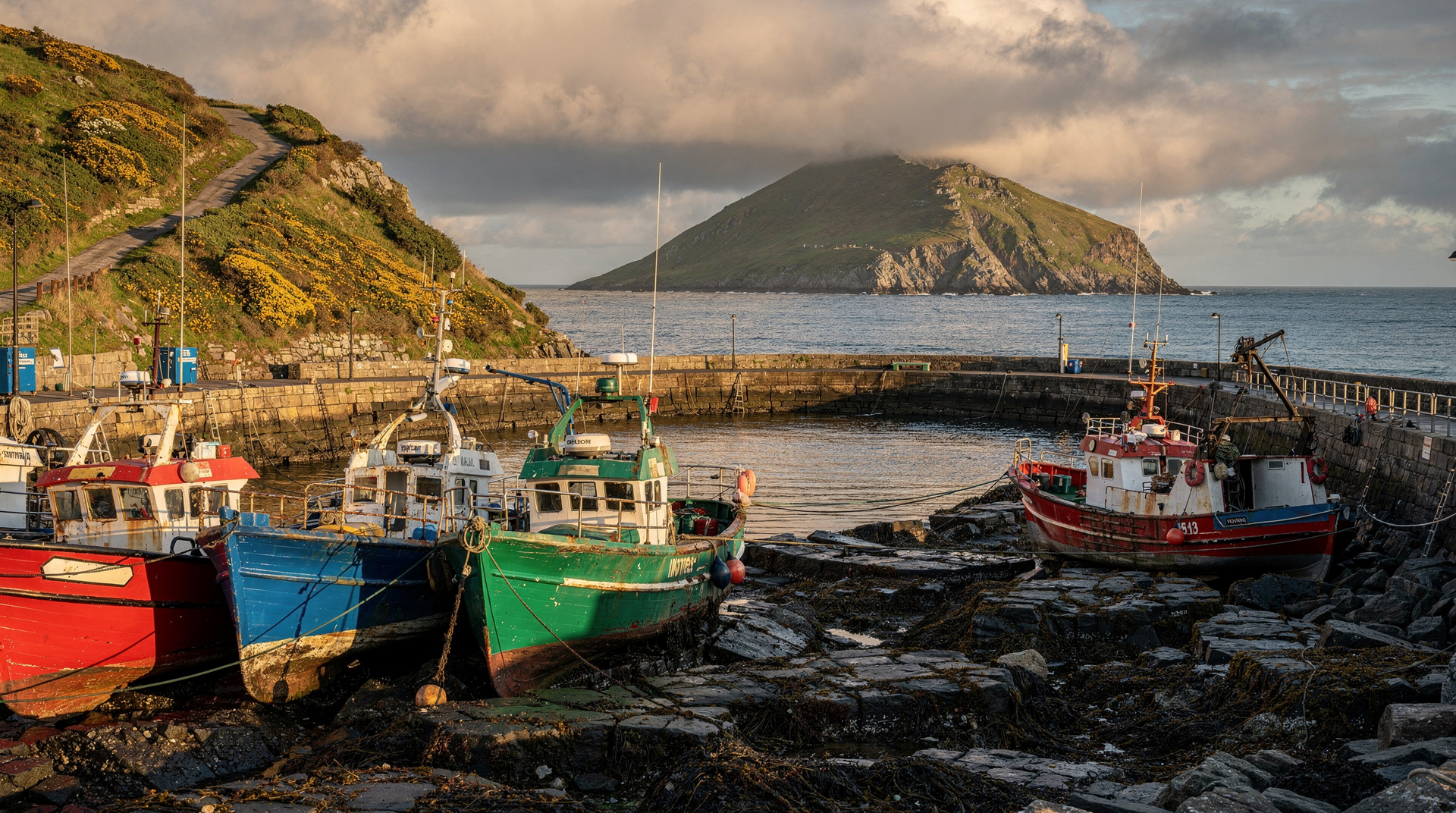
About 300 metres offshore from Coliemore Harbour at the southern end of the village, Dalkey Island is an uninhabited tidal island with the ruins of a Benedictine church and a Martello tower, a small beach, and a feral goat population that descended from domestic animals and have lived wild on the island for decades. The goats are the main attraction alongside the views.
The boat trip takes five minutes and runs during summer from Coliemore Harbour. Departures are informal — you go when there are enough people or by arrangement with the boatman. Return fares are around €10. The Dun Laoghaire Dalkey Island boat cruise provides a more organised option that covers the island and the bay, departing from Dun Laoghaire.
On the island itself, there is no café, no facilities, and no path of consequence. That is the point. Allow two hours to walk the perimeter, sit at the beach, and return.
Eating and drinking in Dalkey
Dalkey has a disproportionate number of good restaurants for a village of its size. Nosh on Castle Street is a reliable modern Irish bistro; Jaipur is a long-established Indian restaurant with a serious reputation across Dublin; the Dalkey Duck is a casual option for burgers and craft beer. The Guinea Pig, near the DART station, has been here since the 1950s and maintains its quality as a classic Dublin fish restaurant.
This is where Dalkey differs meaningfully from the tourist circuit: you are likely to eat well here among locals paying fair prices, rather than in a restaurant that exists primarily to feed visitors.
Combining Dalkey with Killiney and Dun Laoghaire
The three DART stops of Dalkey, Killiney, and Dun Laoghaire are closely spaced on the south coast and can be combined into a coastal half-day or full day. The natural sequence is: train to Dun Laoghaire, walk the pier and have coffee in the town, take the DART one stop south to Dalkey, walk Castle Street and out to Coliemore Harbour, then either take the island boat or walk up to Killiney Hill for the view.
The dart coastal day out guide covers this three-stop route in detail with timing and options.
If you would rather have the context explained as you go, a guided tour of Killiney Hill and Dalkey Castle links the hill views and the medieval village in one outing, which suits visitors who do not want to work out the route themselves.
Travellers who like the idea of seeing the coast from the water can instead choose a cruise across Dublin Bay from the city centre to Dun Laoghaire and finish the day with the short DART hop south to Dalkey. Either way, the neighbouring pages on Killiney and Dun Laoghaire show what else is within easy reach, and the Dalkey village guide adds more detail on the streets themselves.
Getting there
Dalkey DART station is on the Greystones line, running south from Connolly Station via Tara Street and Pearse. The journey from city centre takes around 30 minutes. Trains run every 10–15 minutes during peak hours and every 20–30 minutes off-peak. A single fare is approximately €3.80–4.20 depending on the exact zone. The station is at the top of the village, five minutes walk from Castle Street and ten minutes from the harbour.
The DART and Luas guide and day trips without a car guide give the full logistics for a car-free south coast day.
Why Dalkey feels different from a typical day trip
Most Dublin day-trip villages exist primarily to receive visitors; Dalkey does not. It is a genuinely lived-in, expensive residential village that happens to have a beautiful medieval streetscape and a five-minute boat ride to an uninhabited island, and the restaurants and shops are priced and stocked for the people who live there year-round. That means fewer souvenir shops and more independent bookshops, wine merchants and restaurants that would not feel out of place in central Dublin — and a noticeably calmer atmosphere than Howth or Temple Bar even in peak summer.
A short walking route
For a self-guided half day: start at Dalkey DART station, walk down Castle Street past both medieval tower houses and St Begnet’s churchyard, continue to Coliemore Harbour for the Dalkey Island boat (or simply the view), then follow the coast road toward Bulloch Harbour before climbing into Killiney for the hill views over Dublin Bay. The whole loop, without the island crossing, takes about two hours at a relaxed pace.
How to pace a day in Dalkey
The mistake most visitors make is treating Dalkey as a checklist: castle, island, lunch, train home. The village works better as a slow loop with a long lunch in the middle. Arrive in the morning while Castle Street is quiet, walk down to the harbour before the day-trippers and weekend walkers arrive, and leave the sit-down meal for when your legs have had some exercise. If the weather turns, the heritage centre and a café window seat are both good fallback options, and the village copes with rain far better than a coastal path or a hilltop does.
Dalkey also suits travellers who are tired of queues. Nothing here requires a timed ticket, and nothing is a headline attraction that you must plan the rest of the day around. That makes it a useful counterweight to a busy city itinerary: if you have spent a morning at the Guinness Storehouse or queuing for the Book of Kells, an afternoon on the south coast resets the pace.
It fits neatly into a one-day Dublin plan only if you are willing to trim the city sights, and it sits much more comfortably in a longer stay such as the three-day Dublin itinerary or the coastal three-day itinerary.
Reading the medieval village
Dalkey’s old core rewards looking up and looking sideways. The tower houses on Castle Street were built as fortified merchant dwellings, which tells you something about the village’s past: it was a place where valuable cargo was landed and had to be protected. The surviving walls, the narrow upper windows and the thick stonework make more sense once you know that, and the heritage centre helps connect the stones to the story of the harbour.
The church ruin in the graveyard is easy to walk past, but it is one of the quieter highlights of the village. Spend a few minutes there away from the street. If medieval history is what draws you, the Viking and medieval Dublin guide places Dalkey’s role in the wider story of the city, and Dublin Castle and Christ Church Cathedral show how much grander the medieval capital became.
Walking beyond the village
Dalkey is a good base for easy coastal walking, because the paths are short, the views arrive quickly, and you are never far from a train or a pub. The coast road toward Bulloch Harbour is a pleasant stroll with the sea on one side and large houses on the other, and the climb toward Killiney rewards you with a wide view over the bay. Wear shoes with some grip, since the paths near the water can be damp and uneven, and carry a light waterproof whatever the forecast says. The Dublin weather and packing guide explains why.
If you want a longer walk, the next headland north is Howth, which makes for a good contrast: Howth is a working fishing village with a famous cliff path, while Dalkey is a quieter residential village. Our Howth cliff walk guide covers that side of the bay. For a bigger day out in the hills, the Wicklow Mountains are a different kind of landscape entirely, and Glendalough is the classic choice for monastic ruins and lakes.
Dalkey with children
Dalkey is an easy village for families. The walking distances are short, the island trip feels like a small adventure, and the goats are an instant hit with most children. The harbour is a good place to let younger children run around under supervision, though you should keep a close eye near the water, especially at the slipway and on the rocks. Pack snacks for the island, since there is nowhere to buy anything once you are across. For more ideas that work for a family group, see the Dublin with kids guide and the family day trips guide, and consider the four-day family itinerary if you are planning a longer stay.
Eating well without a plan
Because the village is small, you can decide where to eat when you get hungry. Walk the length of Castle Street first, look at the menus in the windows, and notice where the locals are sitting. For a casual lunch, the cafés are the obvious choice; for dinner, the better restaurants fill up at weekends, so a booking is sensible if you have your heart set on a particular place. If you are building a food-focused trip, the Dublin restaurants guide and the weekend foodie itinerary show how Dalkey compares with the city’s dining scene.
Pubs in Dalkey tend to be friendly neighbourhood places rather than performance venues. If you want a pint after the walk, you will find one without difficulty, and the local pubs guide describes what to look for in a pub that locals actually use. Anyone curious about music in the evenings can compare this with the traditional music pubs guide, since Dalkey is more about conversation than sessions.
Getting the logistics right
The simplest way to visit is by DART, and the Leap card guide explains how to pay for the train without fumbling for change. If you are arriving from the airport, the airport to city guide shows how to reach the DART line, and the getting around Dublin guide puts the south coast in the context of the wider transport network. Check the last train home before you settle into a long dinner, so that the evening does not end with an expensive taxi.
If you prefer to see the bay from the water, the Dublin Bay boat tours guide compares the options, and Dalkey Island is one of the high points of any of them. Those who want the sights with commentary rather than a self-guided wander can look at the hop-on hop-off bus guide or the Dublin private tours guide.
Who Dalkey suits, and who should skip it
Dalkey is ideal if you like villages, sea air, easy walking and a good lunch. It is a strong choice for a second or third visit to Dublin, when you have already seen the main city attractions and want somewhere calmer. It is also a good option for travellers who prefer to avoid the tourist circuit; the Dublin tourist traps guide explains what you are avoiding, and the overrated and underrated Dublin guide puts Dalkey firmly in the second category.
It is less suited to anyone who wants big-name sights, nightlife or a packed schedule. If your priority is a headline attraction on the coast, the Cliffs of Moher are the famous choice, though they are a very different kind of day. If you want something nearer the city with a similar village feel, Malahide offers a castle and a seaside setting on the other side of Dublin. For an overview of all the options, the best day trips from Dublin guide sets them side by side.
Top experiences
Bookable activities with verified prices and instant confirmation on GetYourGuide.

Dublin surrounds day tour: Killiney Hill & Dalkey Castle
- Free cancellation
- Instant confirmation

Dublin: Dún Laoghaire Dalkey Island boat cruise
- Free cancellation
- Instant confirmation

Dublin Bay: cruise from city centre to Dún Laoghaire
- Free cancellation
- Instant confirmation

Dublin: the original hop-on hop-off green bus tour
- Free cancellation
- Instant confirmation

From Dublin: half-day guided coastal tour to Howth village
- Free cancellation
- Instant confirmation