Trim Castle
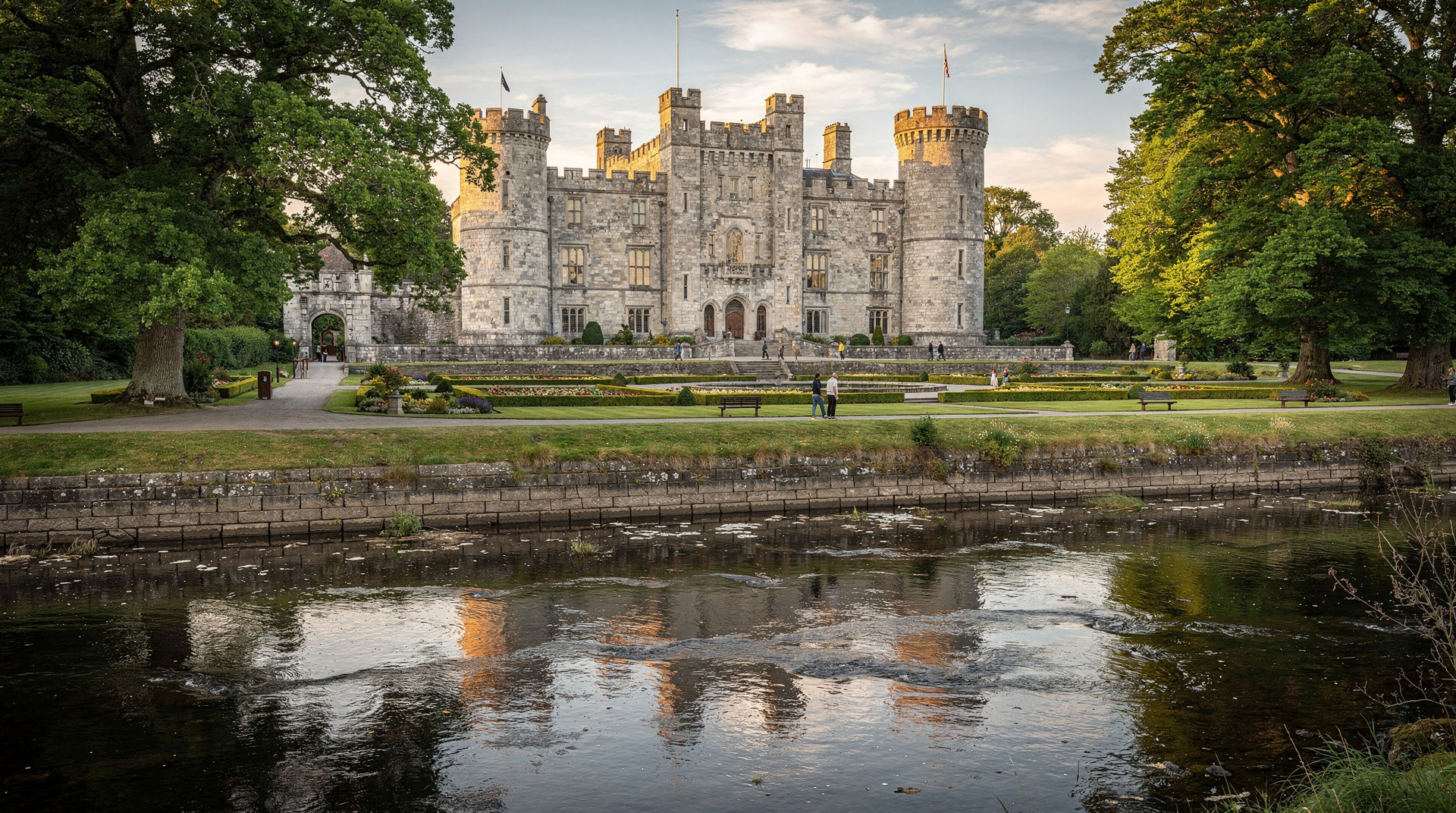
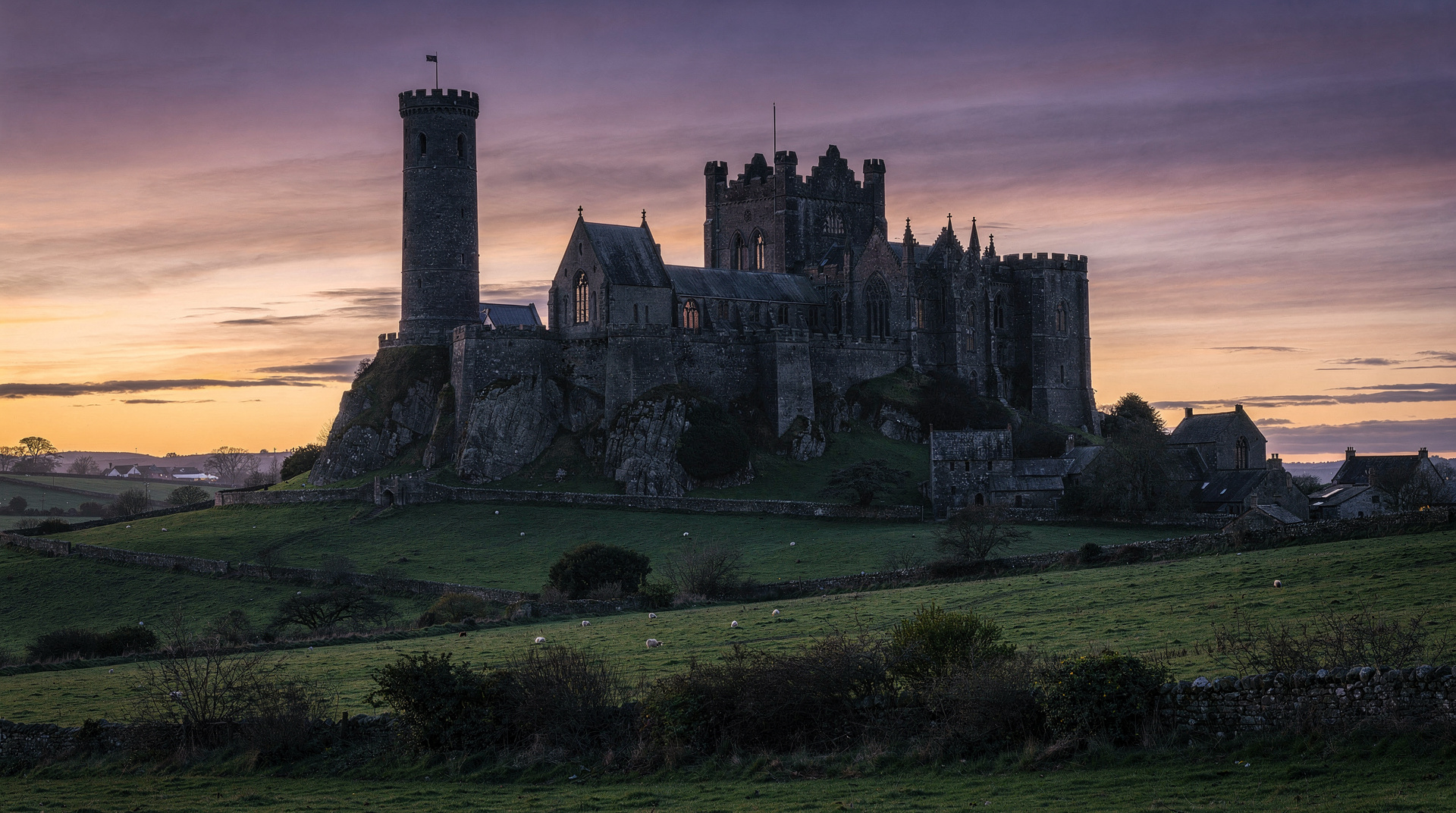
Trim Castle is Ireland's largest Anglo-Norman castle, 50 km from Dublin in the Boyne Valley. The filming location for Braveheart, now a heritage site.
From Dublin: Newgrange, Trim Castle and Hill of Tara
Duration: 8h
- Free cancellation
- Instant confirmation
Quick facts
- Distance from Dublin
- 50 km north-west via M3 and N51
- Entry
- Guided tour required for keep; approx. €5–8 adults
- By car
- 55–65 min from Dublin city centre
- By bus
- Bus Eireann 111 from Dublin Busaras, about 1h10
- Ideal visit
- 2–3 h at castle; pair with Hill of Tara or Newgrange
The largest Norman castle in Ireland, and perhaps the most overlooked
Trim Castle is bigger than it looks from the road. The keep — a massive three-storey cubic tower with projecting towers on each corner, built around 1200 by Hugh de Lacy — is the largest Norman keep in Ireland and one of the largest in Europe. The outer wall that surrounds it, with its own series of towers, encloses over 3 acres of ground. The whole complex sits on a bend of the River Boyne in the middle of a small market town, which means you can be standing in a medieval fortress within a 5-minute walk of a coffee shop.
Trim does not receive anything like the tourist numbers of Newgrange or Kilkenny Castle. There are tours rather than queues, the town has a pleasant unhurried quality, and the castle itself is in substantially better condition than it appears from the outside — a recent conservation programme has stabilised the structure and the guided tour of the keep is the most informative medieval architecture experience in Ireland north of Rock of Cashel.
| Where | Trim, Co. Meath, 50 km north-west of Dublin |
| Cost | Grounds free; guided keep tour around €5–8 adults |
| Time needed | 2–3 hrs at the castle; half day with Trim town |
| Getting there | Car via M3/N51 (55–70 min) or Bus Eireann 111 from Busaras |
| Best time | March–October for keep tours; quieter than Newgrange year-round |
Getting there from Dublin
The fastest route is the M3 motorway north-west from Dublin, then south on the N51 to Trim. Allow 55–70 minutes from the city centre. Parking is available in the town centre, and the castle is a short walk from the main square.
Bus Eireann service 111 runs from Dublin Busaras to Trim roughly every 2 hours and takes about 70–80 minutes. This makes self-guided visits feasible without a car, unlike many Boyne Valley sites.
The most common organised option is the Newgrange, Trim Castle and Hill of Tara tour from Dublin, which combines all three major Boyne Valley sites in a single full-day trip. This is efficient if you are planning to cover the whole region and gives you a guide who can explain the connections between the Norman castle, the Iron Age royal site, and the Neolithic passage tomb — connections that are not obvious from the individual sites alone.
Trim and Slane sit twenty minutes apart on opposite banks of the same river, and almost no scheduled service connects them: a Trim Castle and Slane whiskey distillery tour puts the Norman keep and the distillery in the same afternoon.
Inside the castle
Entry to the castle grounds is free; entry to the keep itself requires a guided tour (departures are roughly every half hour in season). The tour goes through the various levels of the keep, including the great hall and the upper chambers, with a guide explaining the construction techniques, the social hierarchy of a Norman garrison, and the considerable engineering achievement the building represents.
The outer walls and towers can be walked independently. The Dublin Gate and the Sheep Gate (the only gate tower largely intact) are particular highlights. The circuit of the outer wall with the river on one side and the town on the other takes about 30 minutes and gives the clearest sense of the castle’s scale.
Visiting with children, and accessibility notes
The keep tour involves climbing several flights of stone stairs inside the tower, which is not accessible for wheelchairs or buggies and can be tiring for very young children — most visitors bring children aged around seven and up comfortably. The outer walls and grounds, by contrast, are level, buggy-friendly, and free to walk without a guide, which makes Trim workable for families who want the atmosphere without committing everyone to the full keep tour. The riverside path along the Boyne is a good spot for a picnic break between the castle and the town.
Braveheart and the castle in film
In 1994 Mel Gibson filmed the principal medieval sequences of Braveheart here, including the assault on York (played by Trim) and several battle scenes using the Irish army as extras. The castle received significant attention from international visitors in the late 1990s as a result, and some souvenir shops in Trim still stock Braveheart memorabilia. The film is of course about Scotland, not Ireland, but the physical resemblance of Trim to a Scottish border castle was apparently convincing enough.
Film fans should not expect a set or a themed attraction. What you get is the real building, which is more atmospheric than any reconstruction: you can stand where the cameras stood and recognise the walls from the screen. If medieval battles and castles are your main interest, the Hill of Tara and the Boyne Valley around it add an older, quieter layer of history that the film never touched. For a broader look at screen locations across the island, see our Game of Thrones tours guide.
Trim Town
The town of Trim is worth an hour in itself. St Patrick’s Cathedral at the edge of the castle grounds is a Church of Ireland building incorporating medieval fabric. The Yellow Steeple — the ruined bell tower of a 14th-century Augustinian abbey — stands across the river and gives a slightly eerie quality to the approach. The River Boyne path along the castle side is a pleasant short walk.
The town has several cafes and pubs serving lunch; the standard is decent without being exceptional. A pub lunch with a pint is the natural break between the castle and the next site on your Boyne Valley itinerary.
Take your time on the streets between the castle and the main square. Small independent shops, a local feel and the absence of tour-bus bustle make the town a pleasant contrast to Dublin itself. If the weather turns, a long lunch indoors is an easy way to reset before the journey back, and the walk beside the river afterwards helps you digest both the meal and the history. Visitors who enjoy the quiet side of the region may also like Monasterboice and Mellifont, which share Trim’s unhurried mood.
Combining with other Boyne Valley sites
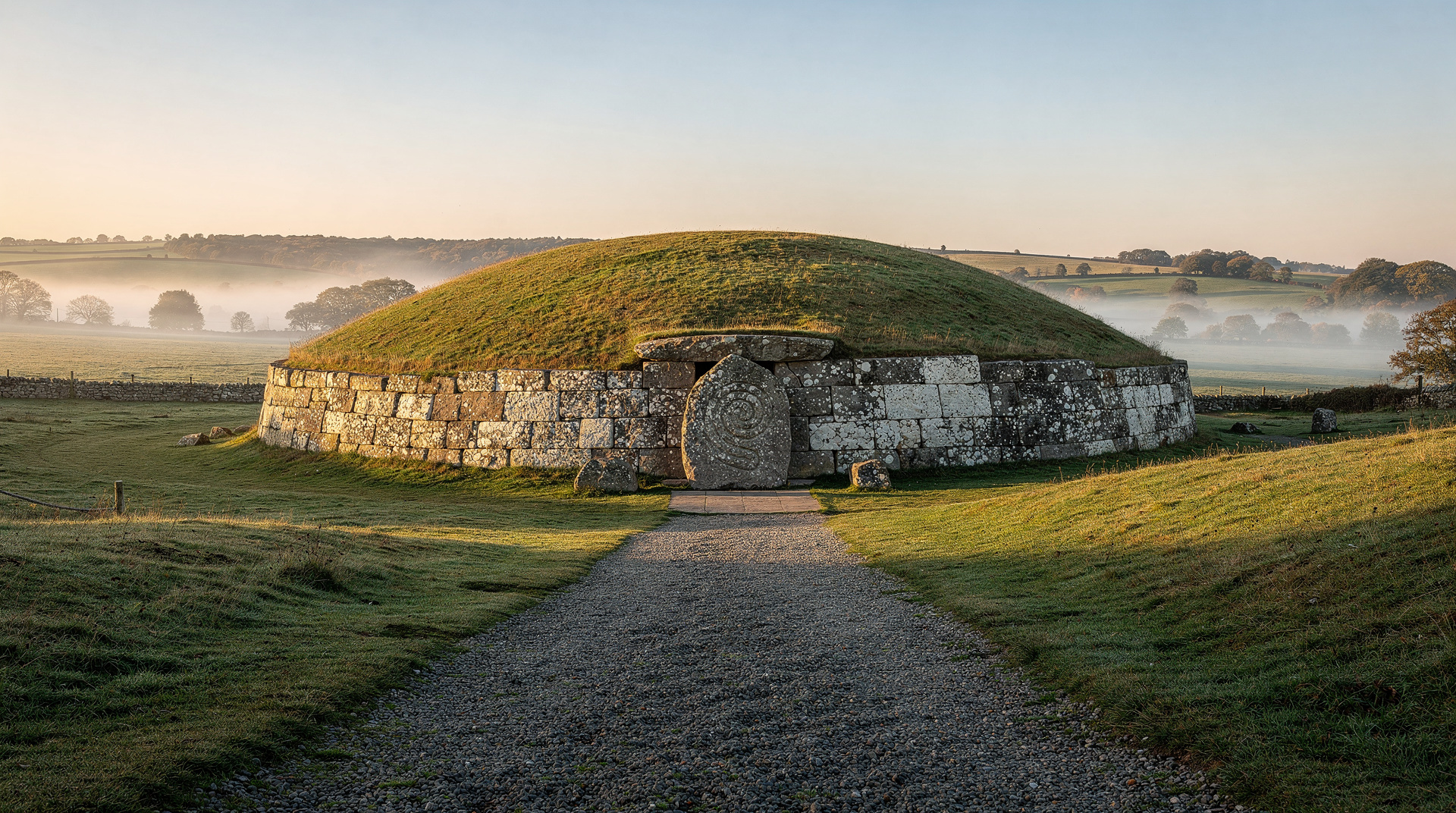
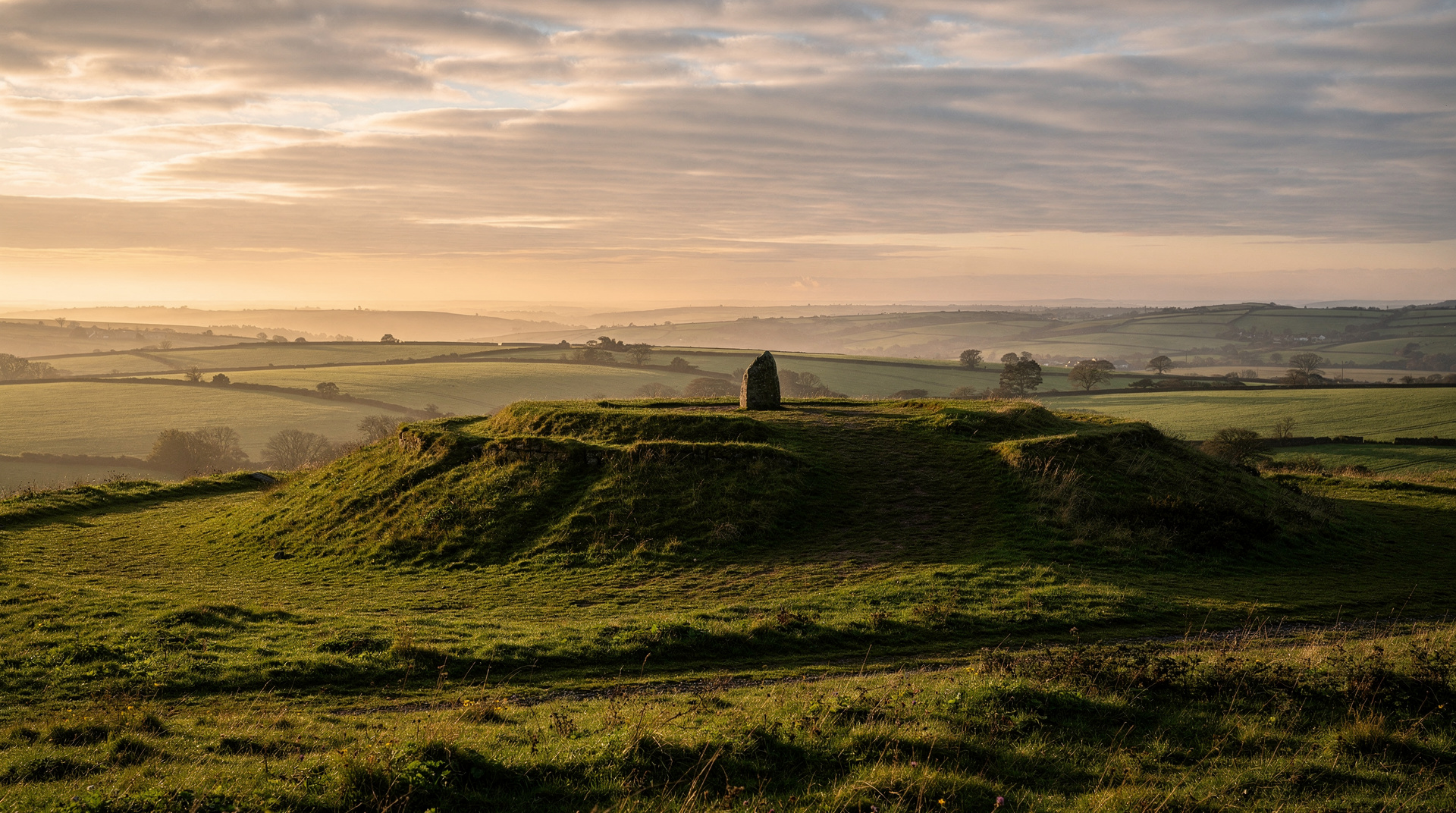
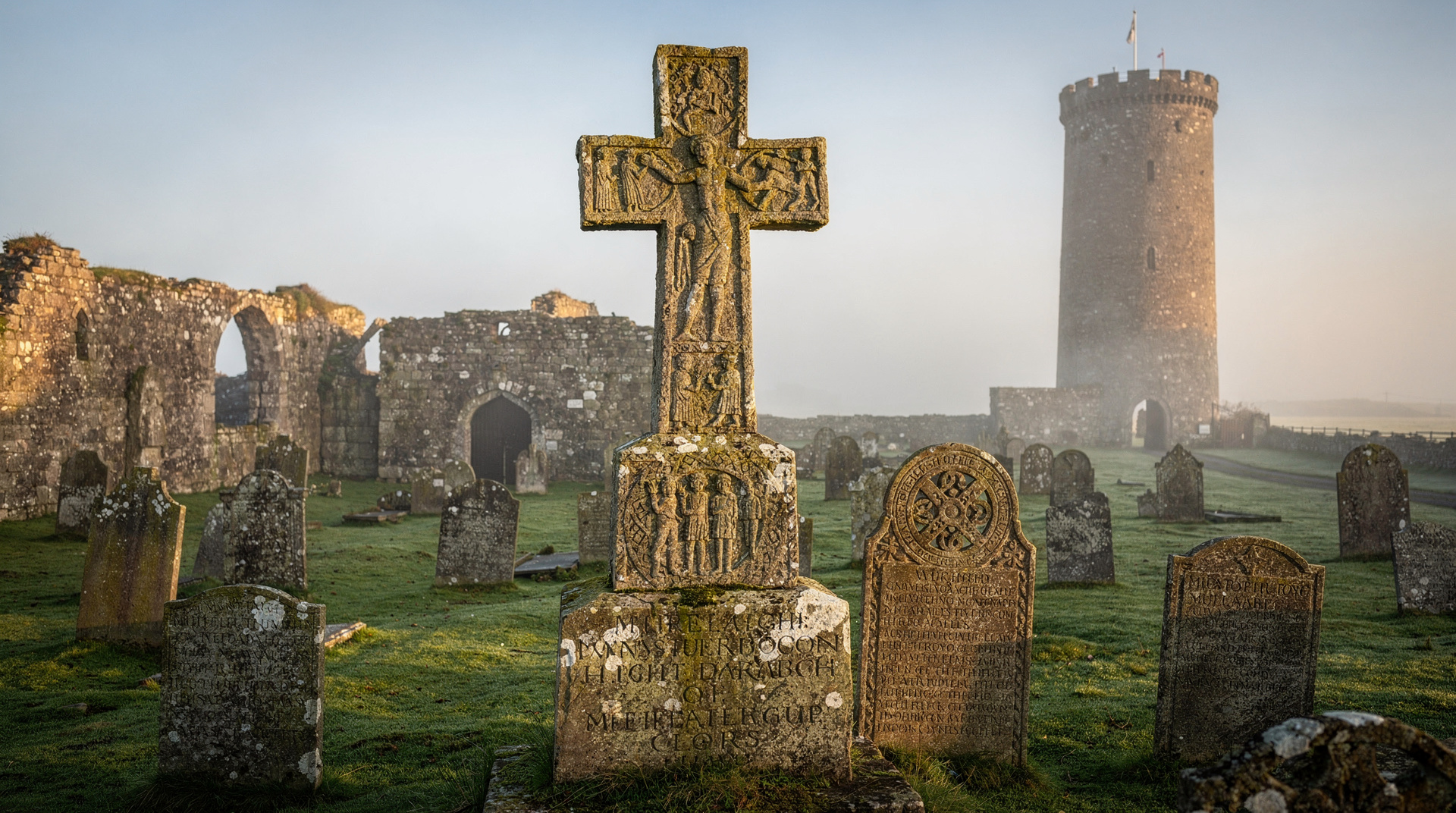
Trim makes most sense as part of a wider Boyne Valley day. Hill of Tara is 15 kilometres east on the R154 — a 20-minute drive — and covers the Iron Age and early medieval period. Newgrange is 25 kilometres further east and takes the timeline back to the Neolithic. Monasterboice adds the early Christian period with its magnificent high crosses.
The sequence that makes most historical sense is Newgrange (Neolithic) — Tara (Iron Age/early medieval) — Trim (Norman/medieval), which runs roughly chronologically and covers the distance efficiently. Our Boyne Valley day trip guide lays out the timing for this combination.
| Site | Period | Booking |
|---|---|---|
| Newgrange | Neolithic passage tomb | Essential, weeks ahead in summer |
| Hill of Tara | Iron Age / early medieval | None needed, open access |
| Trim Castle | Norman / medieval | Grounds free; keep tour on the day, usually fine |
For a guided version that ties the three periods together, the Celtic Boyne Valley ancient sites tour covers Newgrange, Tara and the wider valley in a single guided day.
How to shape the visit
Most people treat Trim as a stop, but it rewards a slower approach. Arrive, walk the outer wall first while the keep tour times are still open, then book onto the next departure and use the wait to look at the gate towers and the river bend. Finishing the keep tour and then walking the grounds again is worthwhile: with the guide’s explanations in your head, the layout of the courtyard, the defensive walls and the relationship to the river suddenly make sense, and the ruins stop looking like a pile of old stone.
If you only have a morning, the castle and a short walk through town is a complete visit. If you have the whole day, the town, the riverside path and the abbey ruins fill the gaps comfortably without ever feeling rushed. Trim is not a place where you need a strict plan, which is part of its charm after the more tightly scheduled sites elsewhere in the region.
Why Trim suits travellers who dislike crowds
Many of the best-known heritage sites around Dublin run on timed tickets and busy car parks. Trim is the opposite. The pace is gentle, guides have time to answer questions, and you can stand in the courtyard without a crowd of tour groups pressing past. If your trip already includes the busier headline sights, such as Kilkenny or the Rock of Cashel, Trim is a useful counterweight that gives you medieval history without the shuffling queues.
It also works well for travellers who would normally skip castles. The guided tour is built around people and daily life rather than dates, so you learn how a garrison ate, slept and defended itself, which makes the architecture much easier to appreciate.
Planning without a car
The bus option makes Trim one of the more realistic Boyne Valley stops for independent travellers. If you are building a trip without a rental car, read our guide to day trips without a car from Dublin before deciding, and check how getting around Dublin fits with the early bus departure from the city. For anyone weighing the drive instead, our notes on driving in Ireland from Dublin cover the practical side, from roads to parking habits.
Because the bus is infrequent, build your return journey around the timetable rather than hoping to catch whatever comes next. Leave a comfortable margin, finish with a drink or a snack in town, and you will not be watching the clock through the final stretch of the visit.
Where Trim fits in a wider Dublin trip
Trim works best as a single day out from the capital rather than a base. Many visitors slot it into a longer plan alongside city sights: see the Dublin Castle guide for the urban counterpart to what you see here, since the contrast between a raw country keep and a later administrative castle is instructive. The best day trips from Dublin page helps you weigh Trim against other options, and if you want a comparison across several outings, which Dublin day trip is best sets them side by side.
For a ready-made schedule that includes a day out of this kind, the four-day Dublin itinerary with a day trip shows how to balance city time and countryside. Families will find the pacing advice in family day trips from Dublin useful when deciding whether the keep stairs suit everyone in the group.
What to bring
Wear shoes with decent grip, because the keep stairs and uneven courtyard stones can be slippery after rain. Bring a layer even in summer, as the interior of the tower stays cool and the riverside can be breezy. Irish weather changes quickly, so check the forecast and read our Dublin weather and what to pack notes before you set out. A camera is useful, but the best views come from the outer wall and the far side of the river, so give yourself time to walk around rather than shooting everything from the entrance.
When to visit
The guided tours of the keep run from late March through October; in winter, only the grounds are accessible. The castle is quieter than most heritage sites of equivalent importance, which makes spring and autumn visits particularly pleasant. July and August are busiest but not overwhelming by Irish standards — a visit in summer remains possible without pre-booking, unlike Newgrange where advance booking is essential.
Frequently asked questions about Trim Castle
Can I visit Trim Castle without joining a tour? Yes for the grounds, which are free and open to walk independently. The keep interior, however, is only accessible on the guided tour, which departs roughly every half hour in season — you cannot enter the tower on your own.
Is Trim Castle worth visiting if I have already seen Kilkenny Castle? Yes — the two are quite different. Kilkenny is a later, more domestic castle with restored interiors, while Trim is a raw Norman keep focused on military architecture and engineering, with far fewer crowds. Fans of medieval history usually rate Trim’s keep tour as the more substantive experience of the two.
Top experiences
Bookable activities with verified prices and instant confirmation on GetYourGuide.

From Dublin: Newgrange, Trim Castle and Hill of Tara
- Free cancellation
- Instant confirmation

From Dublin: Celtic Boyne Valley and ancient sites tour
- Free cancellation
- Instant confirmation

From Dublin: Hill of Tara, Trim Castle & Boyne Valley Celtic sites
- Free cancellation
- Instant confirmation

Dublin: Boyne Valley with Newgrange and Brú na Bóinne entry
- Free cancellation
- Instant confirmation