Reopening Dublin — what changed and what didn't
Coming back
In May 2021 Dublin reopened — cautiously, then with increasing confidence — after the longest and strictest set of restrictions Ireland had imposed in living memory. The pubs came back. The restaurants returned. The tourist attractions unlocked their doors and began admitting people again, first in limited numbers, then at something approaching normal capacity.
I walked the city properly in late May 2021, over three days, with the specific intention of noticing what had changed. Some of what I found was predictable. Some of it was genuinely surprising. A little of it was actually better.
| What changed | Independent shop closures; some neighbourhood pubs gone; timed ticketing at major attractions |
| What improved | Permanent outdoor seating and pedestrianisation; Capel Street; the Docklands waterfront |
| What stayed the same | The city’s walkable scale; the essential pub culture; the pint |
| Best takeaway for visitors today | Booking ahead for major attractions, once optional, is now genuinely worth doing anyway |
What the city looked like
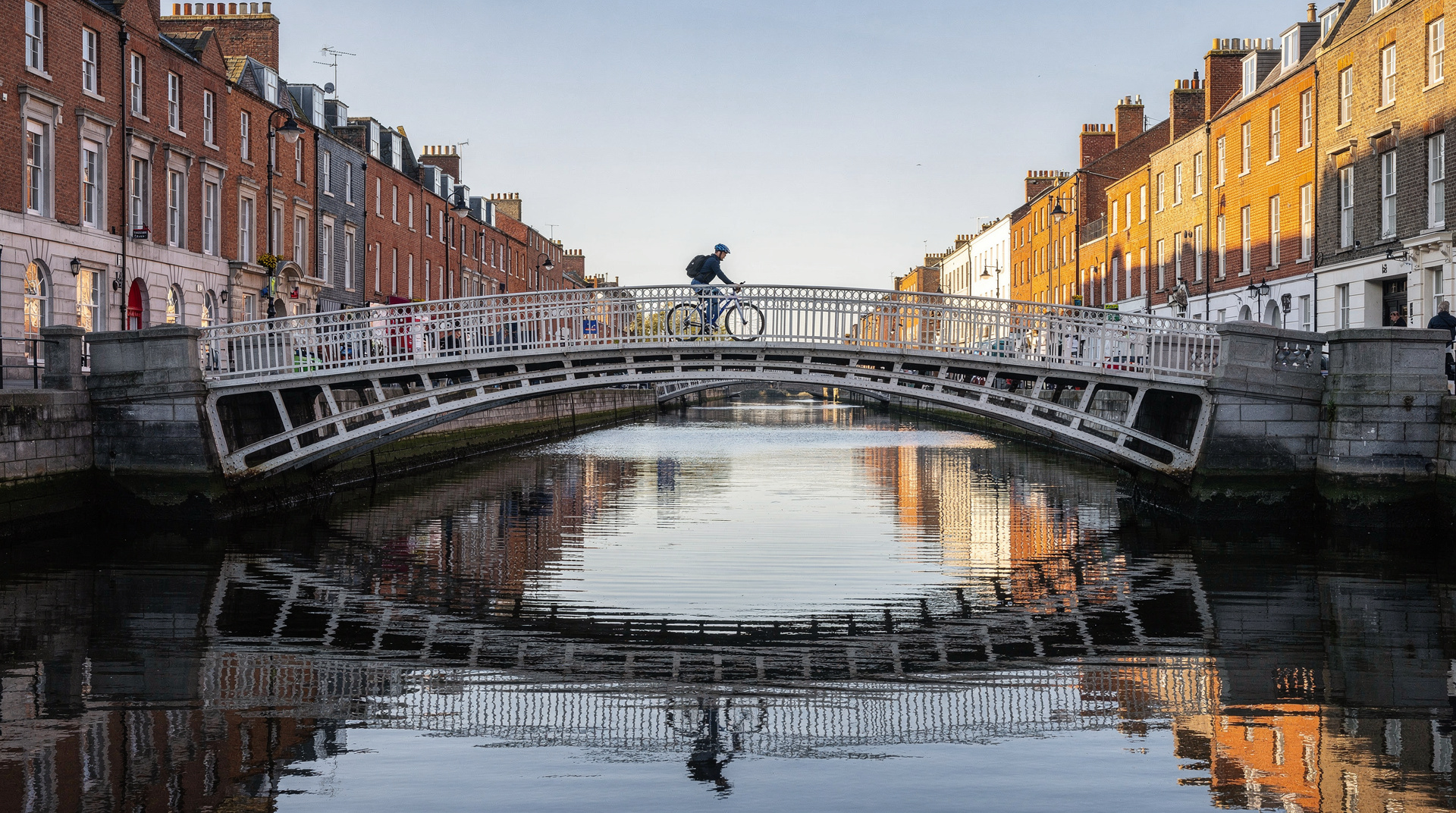
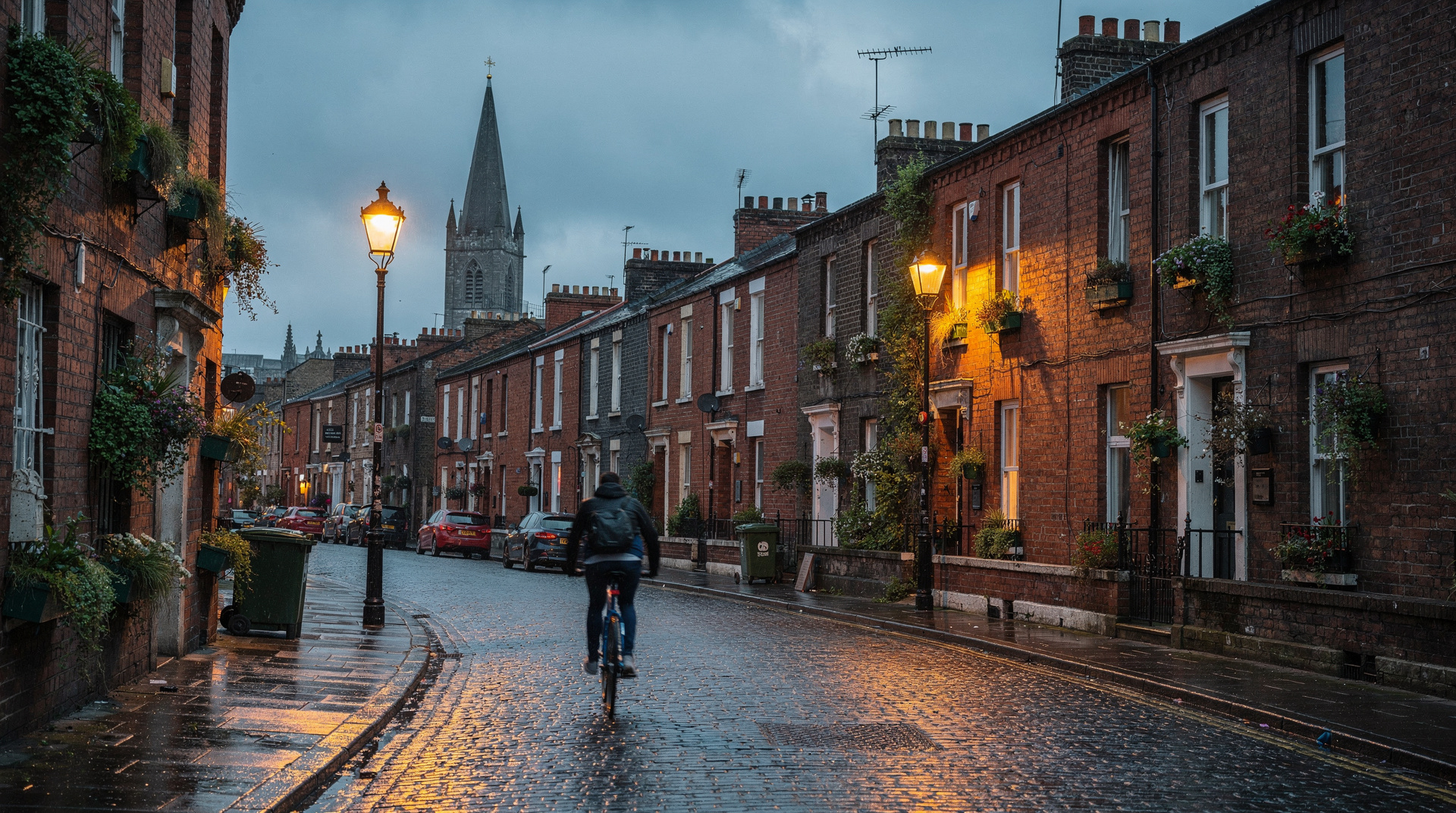
The first thing you notice coming back to a city after a long absence is whether the bones of it are intact. Dublin’s bones were intact. The Georgian terraces were still standing, the Liffey was still running its customary brownish course to the bay, the DART was still ticking along the coast. The essential physical character of the city — compact, walkable, built to a human scale — had not changed.
What had changed was the retail layer. The pandemic had done what years of rising rents had been threatening to do: it had cleared out a significant number of the independent shops, cafés, and restaurants that had given the city centre its particular texture. Walking down South Great George’s Street, I counted four empty shopfronts where there had been a record shop, a second-hand bookshop, a good independent café, and a restaurant that had been there since I first visited Dublin in the 2000s.
This was the expected version of change. The city had lost some of its eccentricity to the combination of lockdown and landlord mathematics.
If you want to see what the centre still does well, the Georgian Dublin terraces and the Trinity College and Grafton Street area were the clearest proof that the historic core had come through. Our Dublin Castle guide and the Book of Kells guide cover the sights that reopened with their character intact.
The unexpected improvements
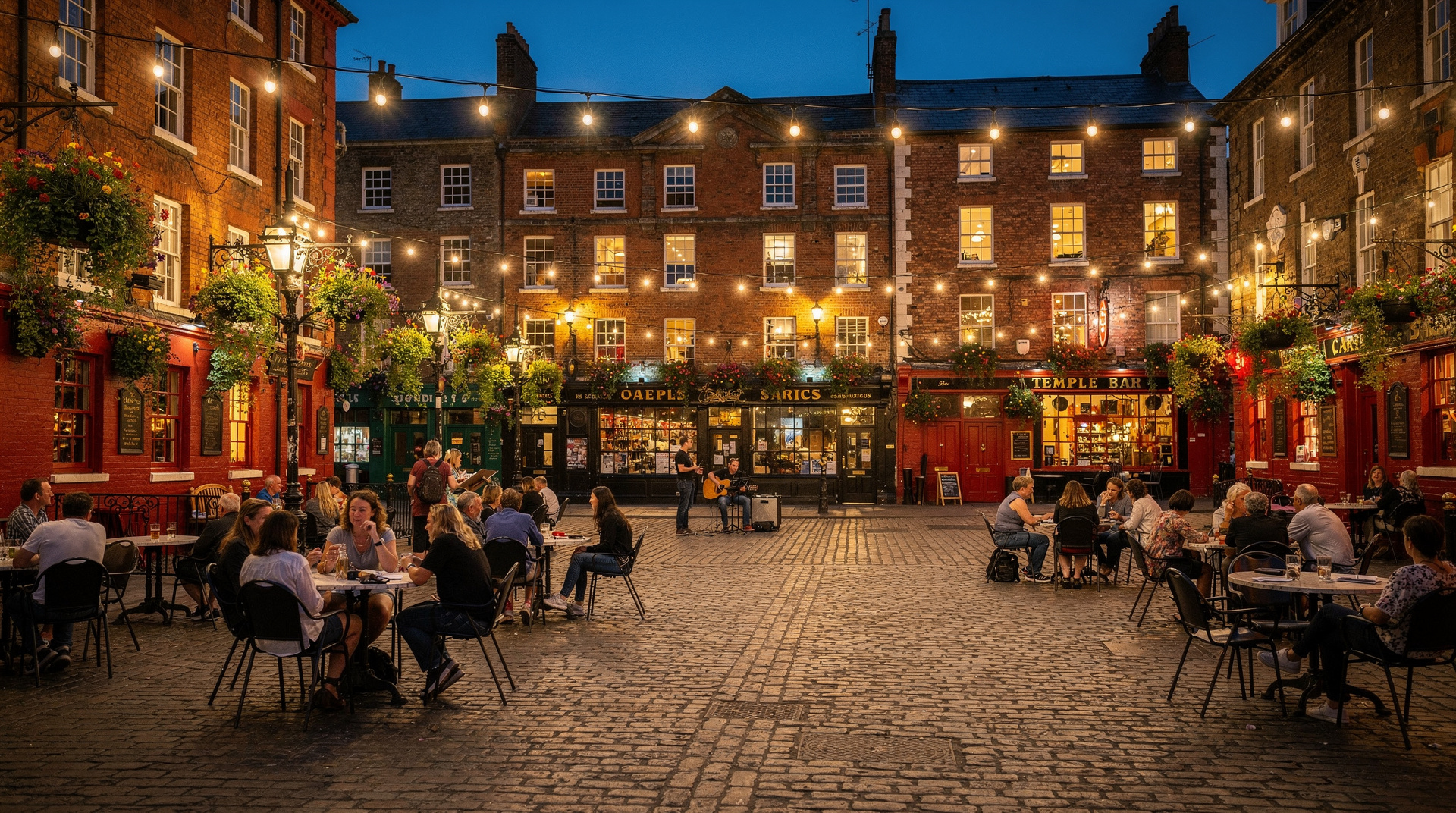
But here’s what I didn’t expect: Dublin’s outdoor spaces had been improved during the pandemic, partly by necessity and partly because the extended period of restricted indoor activity had pushed investment into the street. Several pedestrianised areas had been made permanent. The outdoor seating culture that had emerged as a workaround for restricted indoor capacity had produced a permanently different way of using pavements and squares.
On a warm May evening — Dublin does occasionally produce these — Drury Street and the George’s Street Arcade forecourt had tables and chairs and people sitting in them, in a way that would have been unusual before. Capel Street on the northside, pedestrianised during the pandemic as a temporary measure, had kept its new character: wider footpaths, a few trees, the beginning of a café culture that the street had never had before.
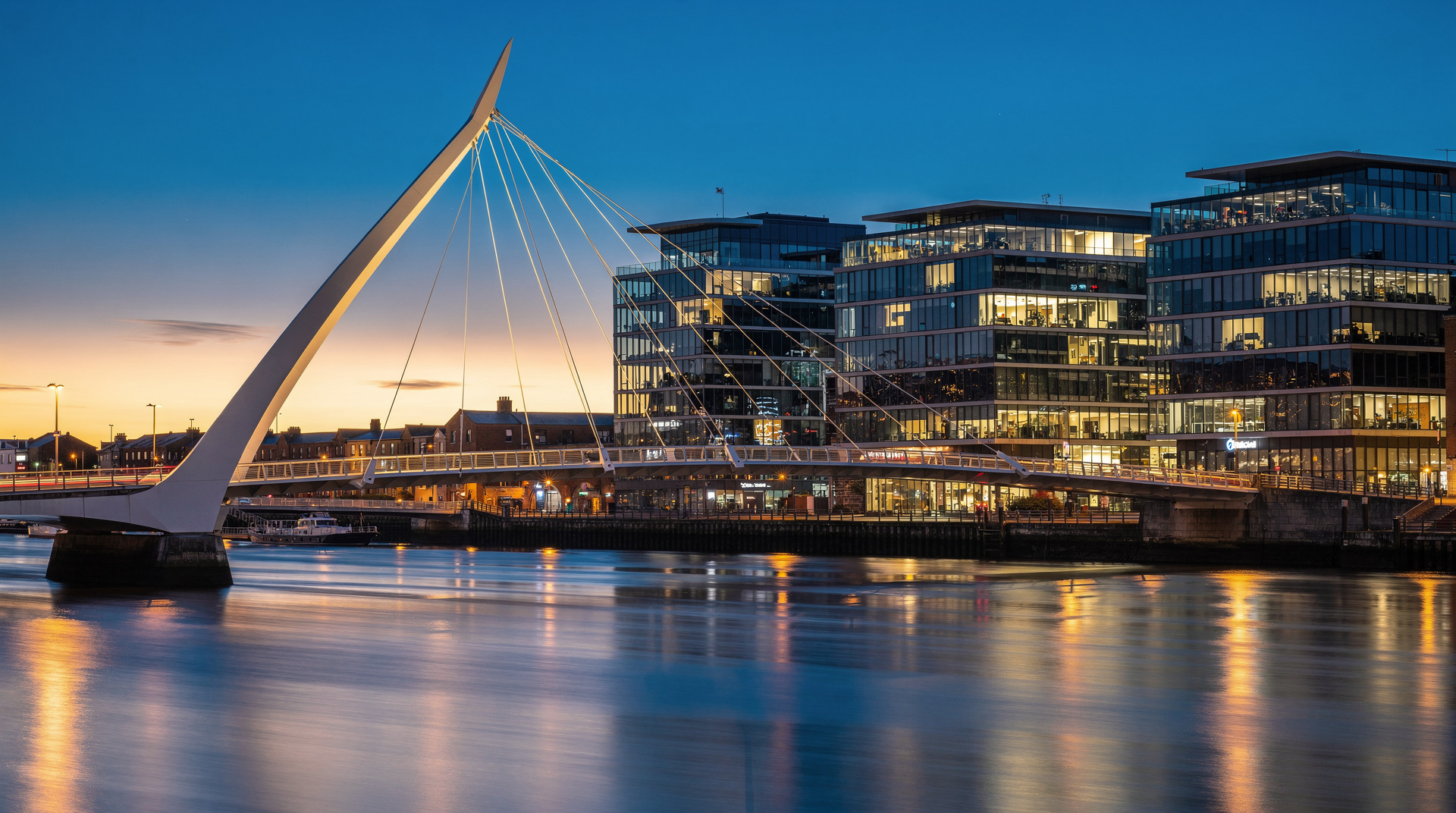
The docklands, already in a period of rapid change before March 2020, had continued its transformation almost without pause. The Dublin Docklands area along the Grand Canal Square and the CHQ building had acquired new restaurants and bars that were operating at full capacity in late May, catching the evening light that falls on the waterfront between five and eight o’clock in a way that makes that part of the city feel almost Mediterranean.
The pubs came back, but not all of them
The pub reopening was the piece that everyone had been waiting for. Ireland’s licensed premises had been shut for longer than almost anywhere in Europe, and the cultural and emotional weight of that closure was genuine.
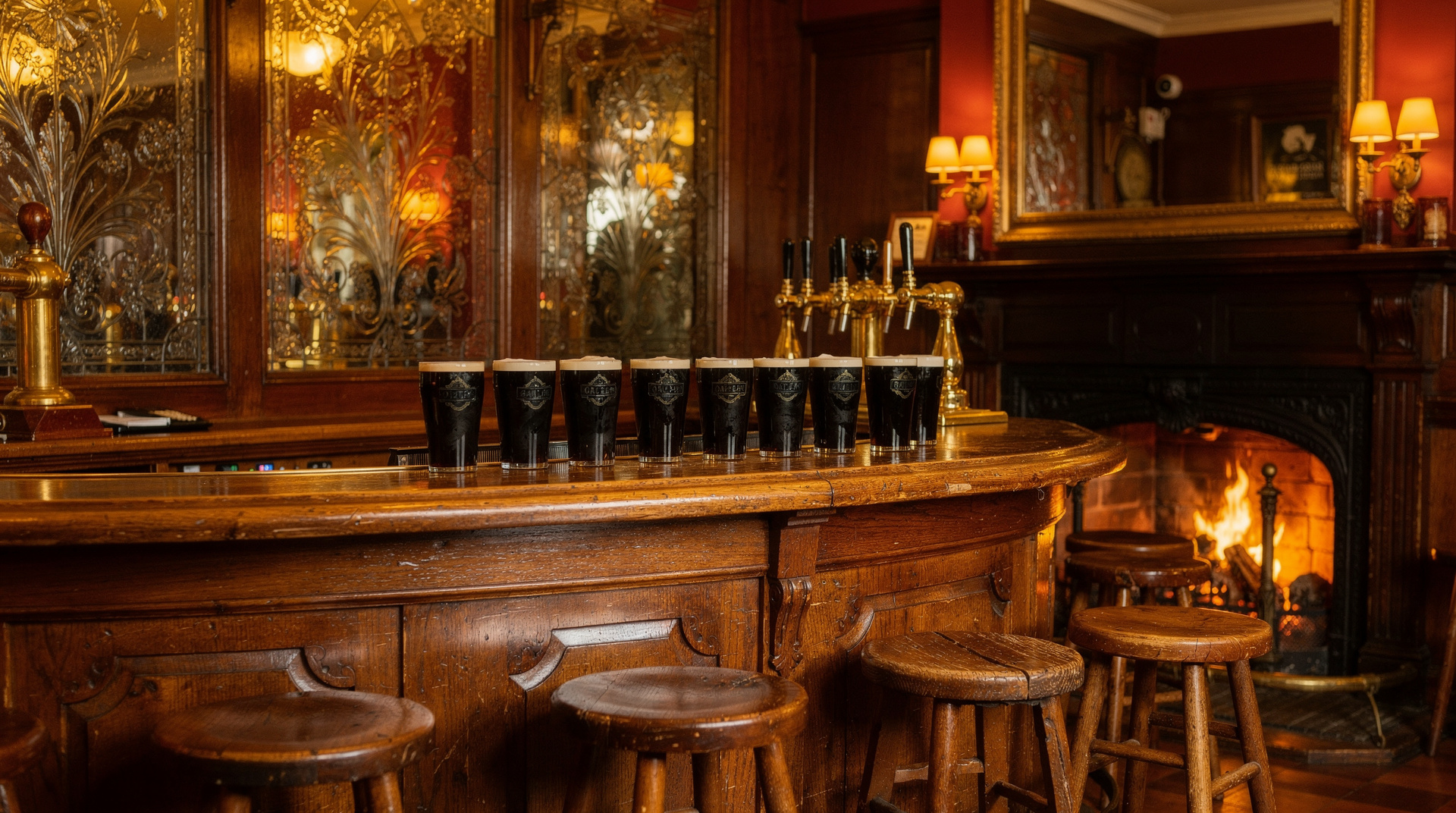
The good news: the essential pub culture had survived. The pub I’d been visiting since I first came to Dublin — a narrow, dark Victorian room in the southside with a landlord whose name I’ve never asked and who’s never needed mine — was open and unchanged. The same stools, the same pint temperature, the same sense that time moved differently inside than it did on the street outside.
The bad news: some of the smaller community pubs, the ones that had been operating on margins that didn’t survive a year with no revenue, had not come back. Neighbourhood pubs in particular had suffered — the kind of local that functions as much as a community facility as a commercial premises. Some of these had been bought by the same investment operators who own large numbers of city-centre tourist pubs, and the effect on character was predictable.
Music was the other half of the reopening. Sessions had to restart from nothing, with musicians drifting back one by one, and the atmosphere in a room where a tune finally started again was something I won’t forget. If that is what you want from an evening, read about traditional Irish music in Dublin and the session etiquette before you go, and consider a walking tour with a live Irish music performance as an easy way in. For a broader view of where to drink, our guide to where to drink Guinness in Dublin is a useful companion.
The overall picture: the pub scene had contracted slightly at the bottom end and consolidated toward the more commercially resilient middle. The best local pubs — the ones worth visiting for the experience rather than the Instagram — were still there, just harder to find in some neighbourhoods. Our guide to pubs Dublin locals actually use was updated to reflect this.
The Storehouse and the big attractions
The Guinness Storehouse reopened with a timed ticketing system that turned out to be an improvement on what had gone before. The queues — historically the single biggest complaint about the experience — were replaced by managed entry slots that made the visit feel less like a crowd event and more like a museum visit. Most of the major attractions followed a similar model.
If you’d been frustrated by the Storehouse queue in previous visits, 2021 was the moment when the booking system got its act together. Booking in advance — which was now essentially mandatory rather than optional — meant arriving at a specific time, skipping the door queue, and getting the experience without the forty-minute wait that had been normal before.
If the Storehouse is on your list, the Guinness Storehouse guide walks through the visit step by step, and booking attractions in advance explains why reserving a slot ahead of time now makes sense across the city, not only at one address.
Temple Bar and the tourist core
The tourist-facing pubs of the centre were the part of the city least changed by the closure, which is not entirely a compliment. The busiest strip filled up again as soon as it was allowed to, and the old habits came with it. If you want an honest view of whether it deserves your evening, our honest Temple Bar guide covers it, and the Temple Bar destination page gives the lay of the land.
What hadn’t changed
Walking the old streets — Grafton, Dawson, Nassau, Kildare — I noticed that the city’s most fundamental quality had been preserved: the scale. Dublin is a walking city, and the distance between things is walkable in a way that most European capitals of similar historical importance are not. The distance from Trinity College to Kilmainham Gaol is forty-five minutes on foot. From the Spire to St Patrick’s Cathedral is twenty minutes.
That walkability, that sense of a city sized for human movement, was entirely intact. It is the reason a self-guided route still works so well; the self-guided Dublin walk is built around it, and getting around Dublin covers what to do when your feet give out. The pandemic had not changed it. Neither had the years of development before it. Dublin’s compactness is a structural fact, not a policy choice, and it survives.
It also means history is never far away. A short stroll links Trinity College, the Temple Bar lanes and Christ Church Cathedral, and a Book of Kells ticket combined with a Dublin Castle tour fits neatly into that stretch. For the deeper story, the Viking and medieval Dublin guide and the Kilmainham Gaol guide show how much the city has absorbed over the centuries, and the Dublin in 3 days itinerary strings these stops together.
What this means if you’re visiting now
The habits formed during reopening have mostly stuck. Booking a specific entry time for the Guinness Storehouse or Kilmainham Gaol is no longer a pandemic workaround — it’s simply how these attractions run now, and it produces a better visit than the old queue system ever did. The Dublin trip cost and budget guide reflects the post-reopening pricing landscape rather than the pre-2020 one, which is worth knowing if you’re working from an old mental estimate.
The neighbourhood shift is worth acting on too. If the well-worn central loop was already familiar to you from a pre-pandemic visit, this is a good moment to look at the underrated Dublin neighbourhoods that absorbed some of the energy the centre lost, or to reconsider which attractions still earn their reputation using our overrated and underrated Dublin breakdown. First-time visitors should still start with the first-time Dublin guide — the essentials haven’t changed, even where the retail landscape around them has.
Guinness Storehouse entry ticketThe honest assessment
Dublin in May 2021 was a city in the early stages of figuring out what it would be next. Some of what had been lost was worth mourning. Some of what had changed was an improvement. The temptation — to frame it as either a triumph of resilience or a tragedy of loss — was wrong in both directions.
Cities are not static. Dublin has been changing continuously for a thousand years, and the pandemic accelerated certain changes that were already underway while pausing others. Coming back to it felt, in the end, like coming back to something that had been through something difficult and had come out the other side — recognisably itself, but with a few more lines on its face.
The pint, for what it’s worth, was identical. That matters more than it perhaps should.
Frequently asked questions about Reopening Dublin — what changed and what didn’t
Does timed ticketing still apply at Dublin’s major attractions? Yes, and it has become the standard rather than a temporary measure. The Guinness Storehouse, Kilmainham Gaol and most major sites now expect advance booking for a specific slot, which generally means shorter waits than the old queue system produced.
Are the independent shops that closed during the pandemic ever coming back? Some spaces have been re-let to new independents, particularly around Stoneybatter and Portobello; others were absorbed into larger commercial units. The overall retail character has shifted rather than simply recovered to its pre-2020 state.
Top experiences
Bookable activities with verified prices and instant confirmation on GetYourGuide.