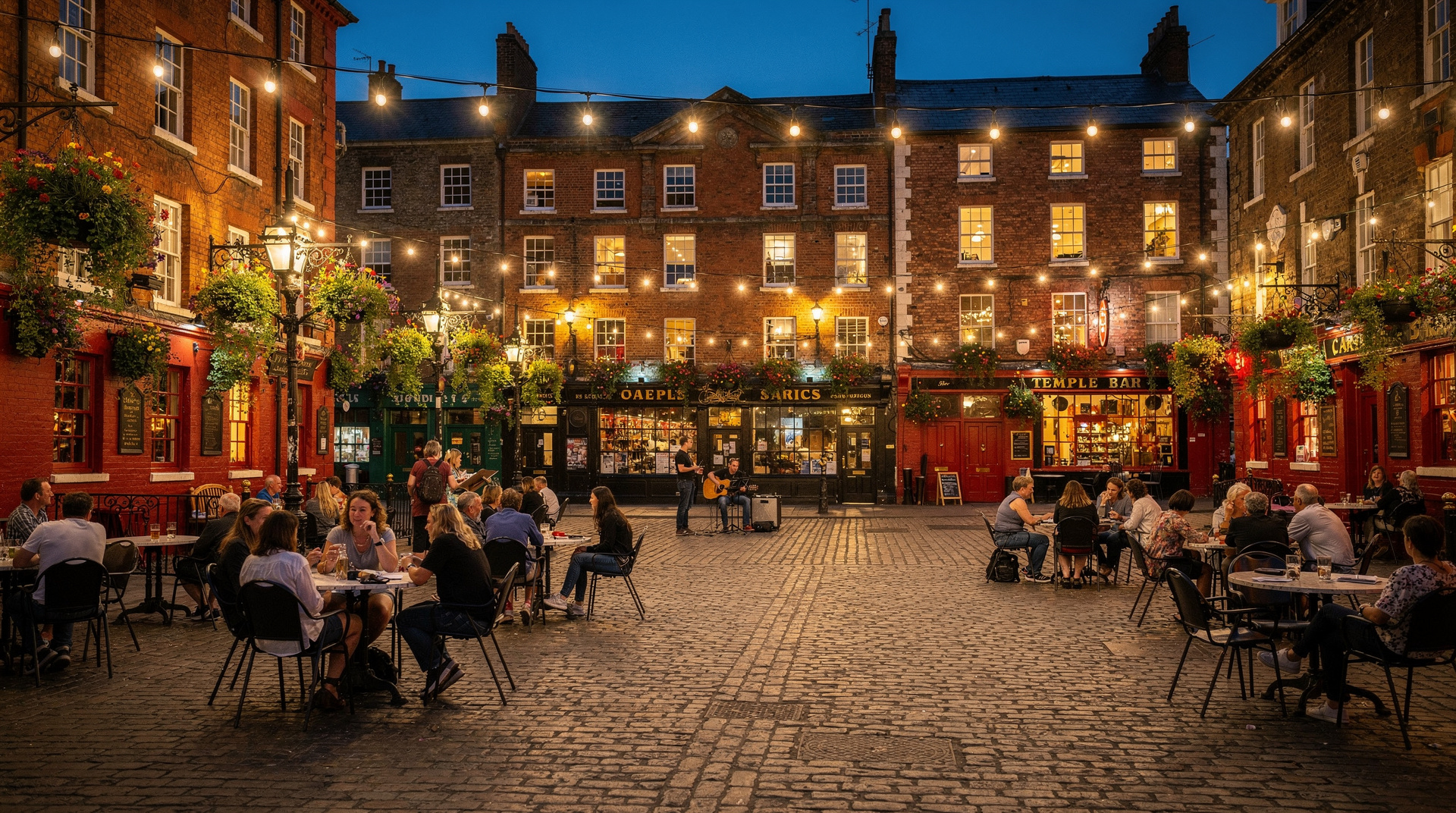
Best restaurants in Dublin
Dublin: historical centre food tour with 8 tastings & drinks
Duration: 3h
- Free cancellation
- Instant confirmation
Where should I eat in Dublin for the best experience?
Avoid the tourist-trap restaurants on Temple Bar and around O'Connell St. The best eating is in the Liberties, Portobello, Ranelagh, Rathmines, and the docklands. For a single meal that represents modern Dublin cooking, Chapter One or Rust on the Green if budget allows; Bastible or Uno Mas for excellent mid-range.
Dublin’s real restaurant scene is not where the tourists are
The honest truth about eating in Dublin is that the city’s genuinely good restaurants are almost entirely in the residential neighbourhoods rather than the tourist zones. The blocks around Temple Bar and Grafton St. have some worthwhile spots, but the ratio of excellent-to-disappointing tilts against you the closer you are to the main tourist circuit. Ten minutes south of the city centre, the equation reverses.
This guide covers where Dublin genuinely eats well, by neighbourhood, with specific names you can book.
| Price range | Pub lunch ~€14–22; mid-range dinner for two ~€80–120; fine dining tasting menu from ~€80/head |
| Where | Portobello, Rathmines, Ranelagh, the Liberties, the docklands — not Temple Bar |
| Booking | Essential Thu–Sat evening at any restaurant worth eating at |
| Best value | Portobello and Camden St. for casual dining |
| Splurge | Chapter One, The Greenhouse, Liath, Heron & Grey |
How to choose where to eat
Most visitors pick a restaurant the way they pick a photo spot: whatever is closest when hunger arrives. In Dublin that habit costs you. The better approach is to decide the evening’s neighbourhood in the morning and plan the day around it. If you are spending the afternoon at the Guinness Storehouse or one of the whiskey distilleries on the Dublin whiskey trail, dinner in the Liberties is an obvious fit. If your day is on the northside around Kilmainham Gaol or the 1916 Easter Rising guide route, a short hop back toward the south side still beats eating wherever the tour ends.
A useful rule of thumb is to ask what kind of evening you want. A long, unhurried tasting menu is a different commitment from a wine bar with small plates, and both differ from a loud, friendly pub meal. Dublin does all three well, but not in the same streets. Fine dining clusters in a handful of known addresses, the small-plates and wine-bar crowd sits around Camden St., and good pub food is scattered across the city. Matching the style of evening to the neighbourhood is more reliable than any star rating.
If you are staying only a short time, the Dublin first-time guide and the one day in Dublin itinerary show how a meal fits around the main sights, and the Dublin weekend foodie itinerary is built around eating from the start.
City centre: the exceptions worth knowing
In the city centre proper, a few restaurants consistently earn their reputation:
Chapter One (Parnell Square, Dublin 1) is Ireland’s most celebrated restaurant — a Michelin-starred basement room in the Dublin Writers Museum building, with a tasting menu focused on Irish produce done with considerable technical skill. Book 4–6 weeks in advance. Main courses around €45; tasting menu from ~€110.
The Greenhouse (Dawson St.) is a Michelin-starred modern Irish restaurant with a more accessible pricing tier than Chapter One. The lunch tasting menu at ~€45 is one of the best-value fine-dining options in Dublin.
Liath (Blackrock) pushes the boundaries of Irish fine dining with a creative tasting menu; technically south Dublin rather than city centre but within 20 minutes on the DART. See the DART and coastal day out guide for the broader picture.
The Liberties and surrounds
The Liberties has developed a genuine restaurant scene alongside the whiskey distilleries and the Guinness Storehouse.
Bastible (Leonard’s Corner, Dublin 8) is one of Dublin’s most acclaimed neighbourhood restaurants — seasonal Irish produce, wood-fired cooking, genuinely generous wine list. Mid-range: dinner for two around €90–€110.
Fumbally Café (Fumbally Lane) is the Liberties’ best daytime option — a café-restaurant in a converted warehouse that does excellent lunch from Irish and North African influences. Closed evenings.
Grogan’s (South William St.) for classic pub food — thick-cut sandwiches and Dublin hospitality without the tourist markup.
Portobello and Rathmines
South of the Grand Canal, about 20 minutes from the city centre on foot or 10 minutes by Luas:
Uno Mas (Camden St.) is the best restaurant on what is Dublin’s most competitive street for eating out — a modern European wine bar with small plates that consistently tops local recommendations. Book in advance.
Sova Vegan Butcher (Camden St.) is Dublin’s standout plant-based restaurant, genuinely creative rather than compensatory. Worth visiting even if you are not vegan.
Pickle (Camden St.) is a vibrant Indian restaurant that takes Indian regional cuisine seriously rather than offering a generic curry house experience.
Dillinger’s (Ranelagh) for excellent American-influenced brunch and lunch — some of the best burgers in the city.
Ranelagh and Donnybrook
Further south, 30–40 minutes walk from the city centre or a short bus or Luas hop:
Heron & Grey (Blackrock) — a Michelin-starred restaurant in an unlikely suburban setting, with a fixed-price dinner menu that regularly appears on best-in-Ireland lists. Book months in advance.
Forest & Marcy (Ranelagh village) — excellent neighbourhood bistro in the European tradition; one of the friendliest rooms in Dublin.
The docklands
The docklands (around Grand Canal Dock and the IFSC) is increasingly a destination for good eating:
The Woollen Mills (Ormond Quay) — a beautiful converted warehouse with a serious all-day menu and one of the best terraces in Dublin for river-watching with a glass of something.
Brother Hubbard (Capel St.) — Dublin’s best casual brunch destination, with Middle Eastern and Levantine influences that distinguish it from the standard eggs-and-avocado format.
Pub food, cafés and the in-between meals
Not every good meal in Dublin is a restaurant booking. A well-run pub kitchen can be the best lunch of the trip, especially on a wet day when you do not want to commit to a long sit-down dinner. The trick is choosing a pub that people actually drink in rather than one that exists for passing foot traffic: a busy room of regulars, a short menu, and a kitchen that does a few things properly. The best pubs in Dublin for locals guide and the literary pubs guide both point toward rooms where the food is an honest bonus rather than the main act.
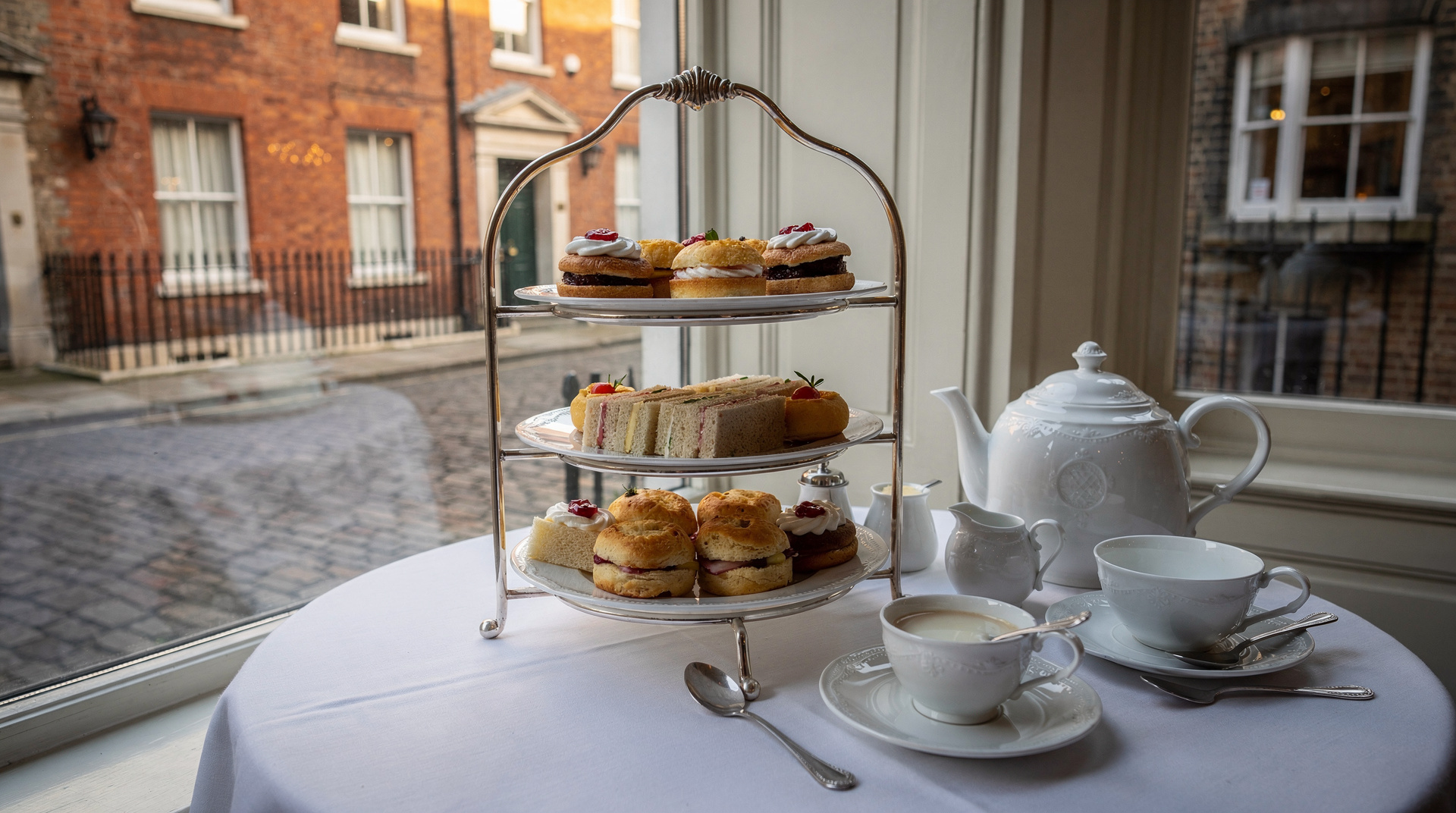
Cafés do real work in this city too. A good morning stop turns breakfast into part of the day rather than a chore, and the Dublin coffee culture guide covers where to start. If you want something more ceremonial in the middle of the afternoon, afternoon tea in Dublin is its own tradition, and it can replace a lunch entirely if you plan it that way.
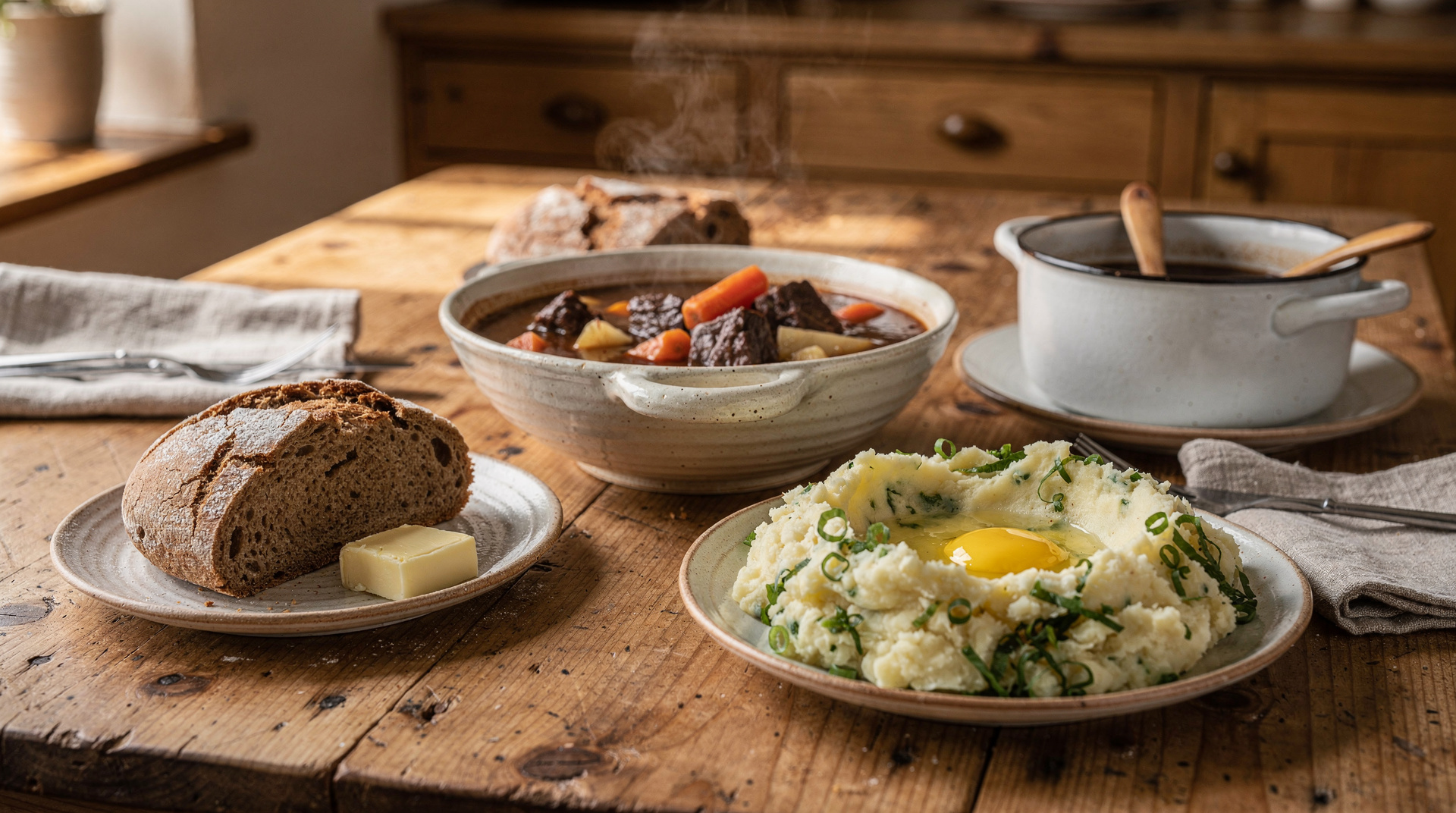
For a first taste of the national cooking before you commit to a full dinner, traditional Irish food explains the dishes behind the menu words, so that when you see boxty, colcannon or stew you know what you are ordering and can judge whether a kitchen is doing it well.
What actually distinguishes Dublin’s current food scene
Dublin’s restaurant identity over the past decade has consolidated around a fairly consistent idea: exceptional Irish produce — grass-fed beef and lamb, west-coast seafood, farmhouse dairy and butter, foraged ingredients — prepared with modern technique but without excessive fuss. This runs from the tasting menus at Chapter One and Liath down to the small-plates format at Uno Mas and the produce-forward brunches at Fumbally and Brother Hubbard. Ingredient sourcing is something most serious Dublin restaurants will happily talk about if you ask, and menus commonly name the specific farm or fishery behind a dish.
Wine culture has grown alongside the food scene — natural and low-intervention wine lists are now common at the more contemporary restaurants (Uno Mas, Forest & Marcy), a noticeable shift from the more conventional lists Dublin restaurants offered a decade ago.
Reading a Dublin menu
Menus here tend to be short, and short is a good sign. A kitchen that lists a handful of starters and mains is usually cooking from what arrived that week, while a menu that runs to several pages of everything from pasta to curry is working from the freezer. Look for named producers, a seasonal dish or two, and a fish option described by where it came from rather than a generic “catch of the day”.
Sharing is normal at the wine-bar end of the scene. Small plates arrive when they are ready rather than in strict courses, so order a couple at a time and add more as you go instead of ordering everything at once. At the tasting-menu end, the opposite applies: tell the restaurant about allergies and dislikes when you book, not when the first course lands, so the kitchen has time to adapt.
Vegetarians and vegans have an easier time than in many European capitals. Beyond the dedicated places, most serious kitchens now write a proper meat-free dish rather than removing the meat from a standard one. If you eat plant-based, say so when booking and you will often be offered something genuinely planned.
Families should look at the Dublin with kids guide, which covers how to eat out with children without fighting the city’s schedule. Solo travellers will find the Dublin solo travel guide useful: a counter seat at a wine bar or a table at a daytime café is an easy way to eat well alone without feeling out of place.
Booking strategy
For the most in-demand restaurants — Chapter One, Heron & Grey, Liath — booking weeks or months ahead is genuinely necessary, and walk-ins are not realistic. For the mid-range spots (Bastible, Uno Mas, Forest & Marcy), a booking made several days ahead is usually enough outside peak summer weekends. Portobello and Camden Street have enough density of good casual restaurants that a same-day table is realistic on a weeknight, even without a booking.
Fitting meals around the rest of your trip
Eating well works best when it is planned alongside everything else. Heavy sightseeing days leave little energy for a long dinner across the city, so pair them with a nearby, simple meal and save the ambitious booking for a lighter day. The Dublin 3-day planning guide and the three days in Dublin itinerary leave room for exactly this kind of pacing.
Getting to the neighbourhoods on this list is easy once you know the transport. The Dublin Luas and DART guide and the getting around Dublin guide explain how to reach Portobello, Ranelagh and the coastal suburbs without a taxi, and the Leap Card guide is worth reading if you will make several trips. On a day trip, plan the meal at either end: the long days to the west and north leave you hungry and tired on return, so having a reservation or a reliable casual spot waiting is a real comfort. The best day trips from Dublin guide shows which excursions return you to the city at a sensible hour.
If you want to see how the city’s food connects to its history and drinking culture, the Dublin trad session etiquette guide and traditional Irish music in Dublin cover what to do after dinner, and the Dublin on a budget guide shows how to spend less on meals without eating badly.
Tourist traps to avoid
The cluster of “traditional Irish” restaurants around Dame St., Temple Bar, and the north side of Grafton St. typically serve expensive, mediocre food to visitors who do not know better. Read Temple Bar — the honest truth and Dublin tourist traps before booking anything in that area.
Specific warning: restaurant boards outside pubs in Temple Bar are almost always poor value. The same pint costs €1–2 more than it does in a neighbourhood pub, and the food in the attached restaurant is generally inferior to places half a kilometre away.
Practical advice
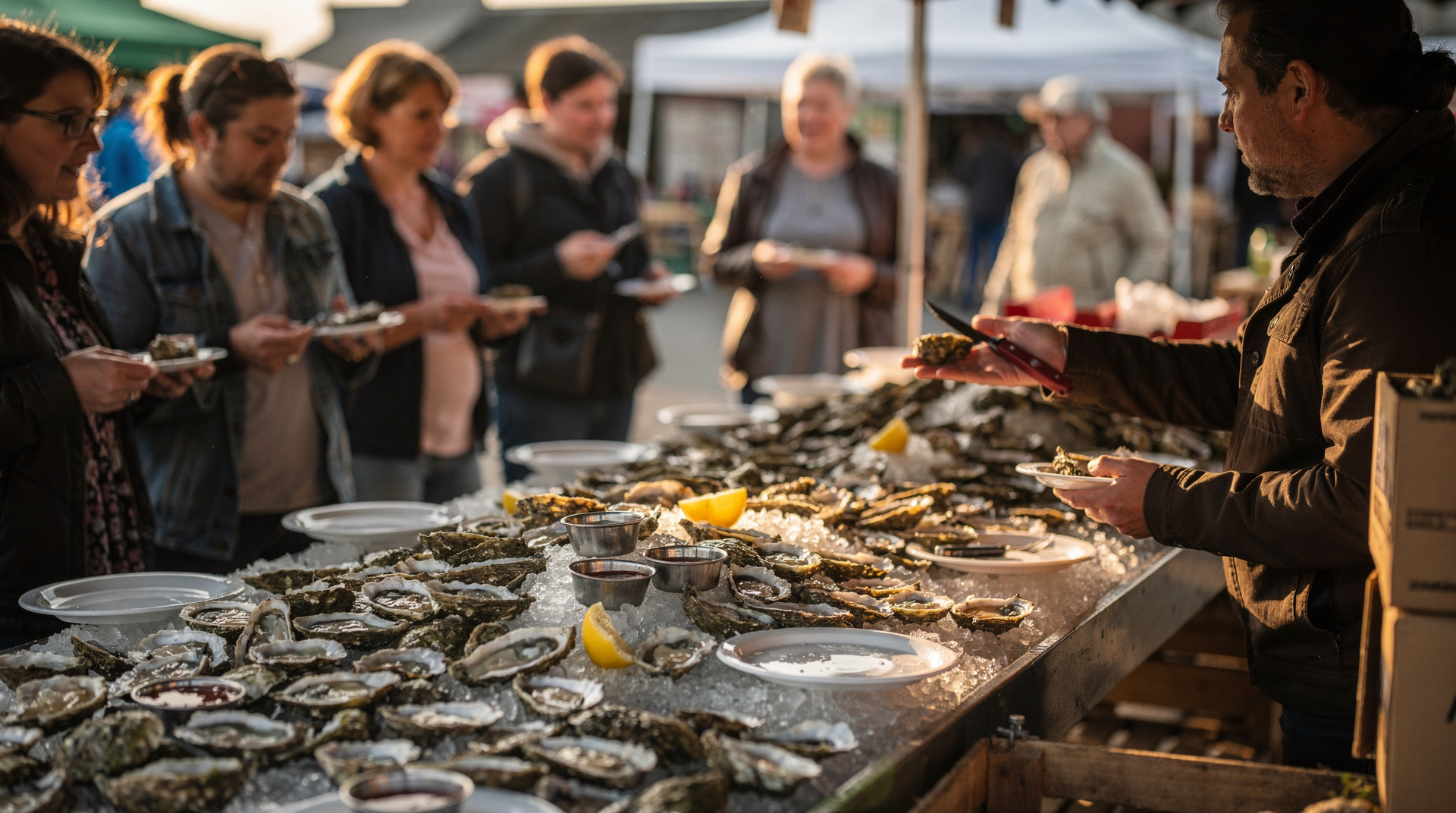
A Dublin food tour is the best single way to learn what Dublin actually eats if this is your first visit. The historical centre food tour with 8 tastings is a reliable introduction; the ultimate Dublin food tour covers more contemporary restaurants.
Booking ahead matters enormously at the better restaurants, especially Thursday to Saturday evening. Use the restaurant’s own website, or Opentable and Resy which most Dublin restaurants support.
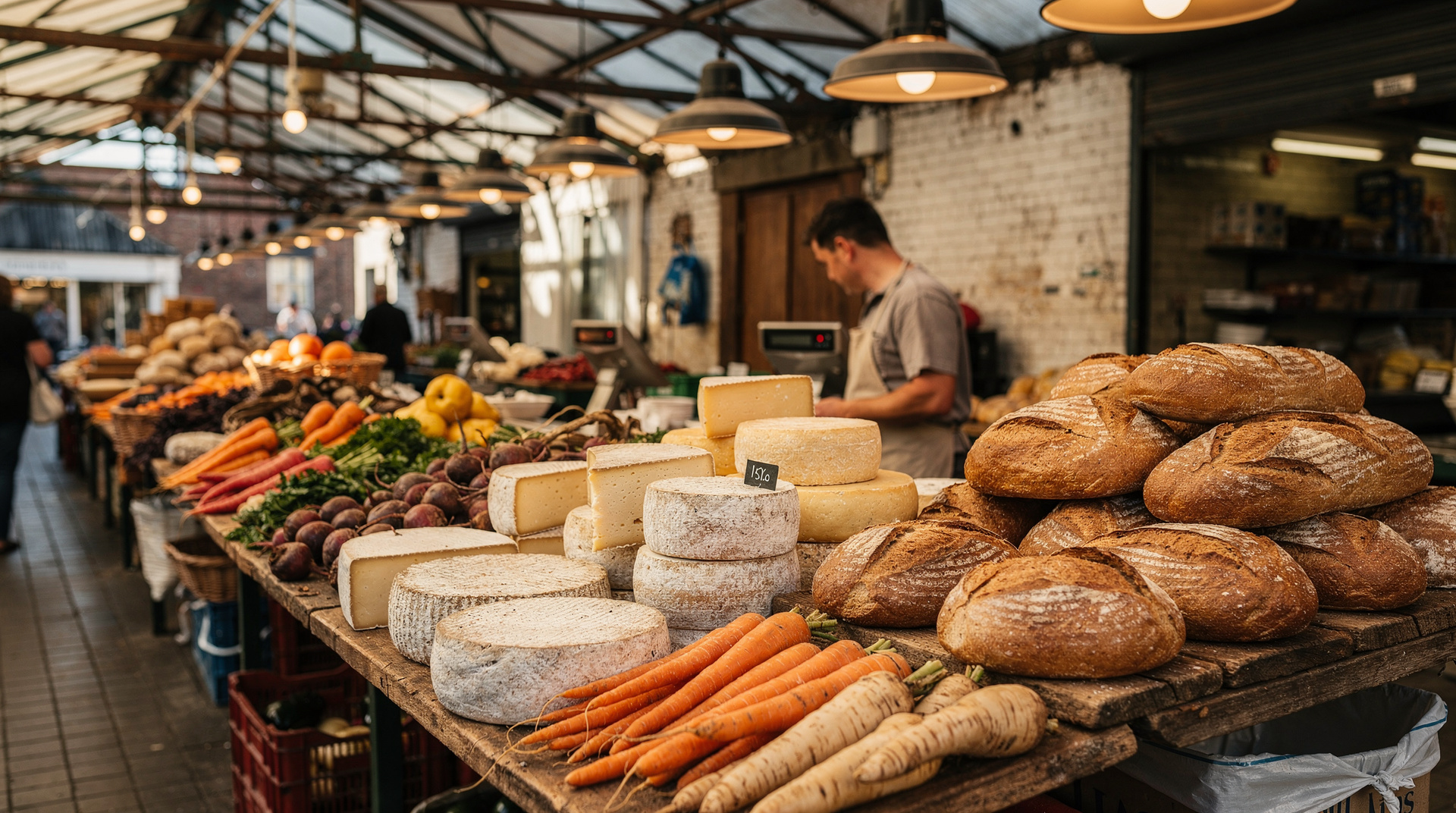
For daytime eating, the Dublin markets and street food guide covers the Temple Bar Food Market, George’s Street Arcade, and the emerging street food scene. For the formal high-end experience, afternoon tea in Dublin is a distinct institution worth knowing about.
Budget context: a Dublin trip cost and budget guide covers what to expect to spend eating in Dublin across price points.
If you’re deciding where to stay so you’re close to the neighbourhoods on this list, the where to stay in Dublin neighbourhoods guide covers Portobello, Ranelagh and the docklands alongside the more central options. For a rainy evening when a long walk to Portobello feels like too much, the rainy day Dublin guide has closer-to-centre alternatives.
Frequently asked questions about Best restaurants in Dublin
Is Dublin food expensive?
It depends where you eat. A pub lunch (fish and chips, Irish stew, club sandwich) runs €14–€22. A mid-range dinner for two with wine costs €80–€120. Fine dining starts around €80 per head for a tasting menu. The tourist-area surcharge is real: the same meal costs noticeably more on Grafton St. or in Temple Bar than a 10-minute walk away.Where should I avoid eating in Dublin?
Be cautious around Temple Bar for sit-down restaurants — many are tourist-oriented and overpriced for what they serve. The 'traditional Irish' restaurants on Upper O'Connell St. and around Grafton St. similarly often prioritise turnover over quality. The actual quality is higher and the prices lower in the neighbourhoods: Portobello, Rathmines, Ranelagh, the Liberties.What should I order in a Dublin restaurant?
For traditional: Irish stew (lamb with root vegetables), colcannon (mashed potato with kale or cabbage), boxty (potato pancake), Dingle crab claws, Dublin Bay prawns, Cork dry-aged beef. For contemporary: Irish produce (farmhouse butter, Hereford beef, Kilmore Quay fish, West Cork charcuterie) prepared with modern technique is Dublin's current restaurant identity.Do I need to book restaurants in Dublin in advance?
For any restaurant worth eating at, yes — especially dinner Thursday to Saturday and weekend lunches. Same-day bookings are possible Sunday to Wednesday at most places. Fine dining establishments like Chapter One need reservation weeks in advance.Is there good vegetarian food in Dublin?
Yes — Dublin's restaurant scene is genuinely strong for vegetarian and vegan food. Sova Vegan Butcher in Portobello is the standout. Many high-quality restaurants offer thoughtful vegetarian menus rather than afterthought adaptations.What is the best area in Dublin to find a good restaurant without booking ahead?
Portobello and Camden Street have the highest density of good casual restaurants where a same-day table is realistic on weeknights. Weekend evenings still favour a booking almost everywhere worth eating at, but a walk-in on a Monday or Tuesday in Portobello usually works.Do Dublin restaurants add a service charge?
Some do, particularly for larger groups (6+) — check the bottom of the bill before adding a separate tip. Where no service charge is added, 10–12.5% is a reasonable tip for good table service; it is not legally mandatory but is customary at sit-down restaurants.
Top experiences
Bookable activities with verified prices and instant confirmation on GetYourGuide.

Dublin: historical centre food tour with 8 tastings & drinks
- Free cancellation
- Instant confirmation

Dublin: walking food tour with local chef (7 stops or more)
- Free cancellation
- Instant confirmation

Dublin: walking tour for foodies with tastings
- Free cancellation
- Instant confirmation

Dublin: 2.5-hour fabulous food tasting trail
- Free cancellation
- Instant confirmation