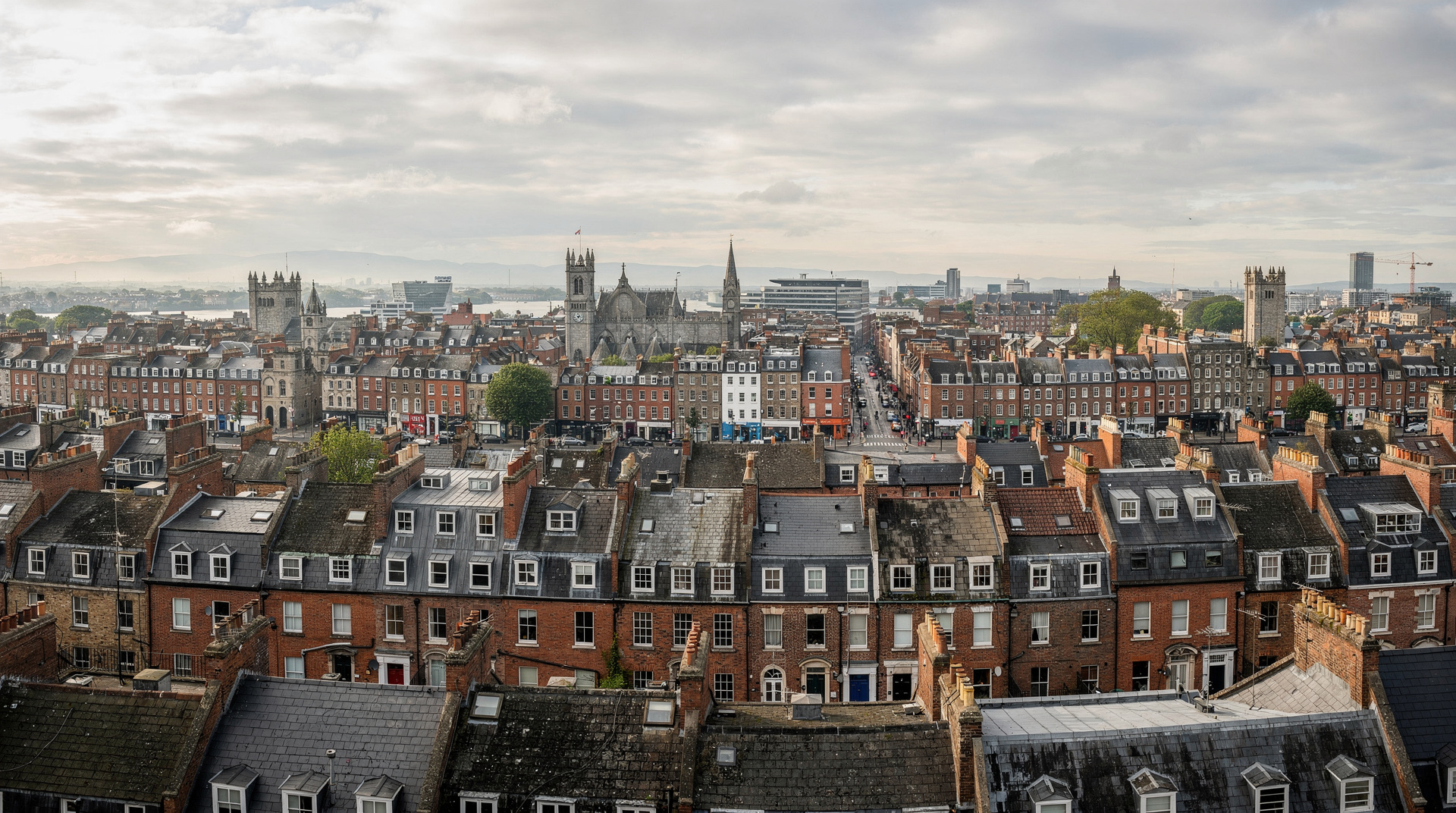
Afternoon tea in Dublin
Dublin: afternoon tea vintage bus tour
Duration: 1.5h
- Free cancellation
- Instant confirmation
Where is the best afternoon tea in Dublin?
The Shelbourne Hotel on St Stephen's Green is the classic Dublin afternoon tea — traditional, elegant, and genuinely good. For a more modern twist, The Westbury on Grafton St. and The Marker in the docklands are both excellent. Budget option: Bewley's on Grafton St. is far cheaper and more atmospheric than it gets credit for.
Afternoon tea in Dublin: the tradition and the reality
Afternoon tea is not originally Irish — the tradition came to Ireland through the Anglo-Irish establishment and the large Victorian hotels built to serve empire-era commerce. But Dublin has made it its own. The city’s Georgian and Victorian hotel rooms provide exactly the right setting, and a handful of venues do afternoon tea seriously rather than as a tourist checkbox.
The format is consistent: tiered stands of finger sandwiches, scones with clotted cream and jam, and pastries, alongside a pot of quality tea (and usually the option of Champagne or Prosecco at extra cost). What varies between venues is the quality of the ingredients, the room itself, and whether the whole experience feels worth the price.
Afternoon tea in Dublin at a glance
| Venue | Price per person | Best for |
|---|---|---|
| The Shelbourne | Classic, traditional Dublin ritual | |
| The Westbury | ~€55 | Groups, more inventive pastry |
| The Marker | ~€50–60 | Modern design, docklands views |
| The Dean | ~€40–45 | Younger, casual crowd, cocktail option |
| Avoca | ~€25–30 | Budget, lighter format |
The Shelbourne Hotel
The Shelbourne on St Stephen’s Green is the benchmark for traditional Dublin afternoon tea. The Lord Mayor’s Lounge — a brocaded, portrait-lined salon that looks exactly as it should for this ritual — serves afternoon tea daily, with finger sandwiches on proper crustless white bread, raisin scones baked on premises, and pastries that rotate seasonally.
The Shelbourne has a specific Dublin resonance: the Irish Constitution was drafted in the hotel in 1922. Whether that fact enhances your scone experience is personal, but the room has genuine weight. Book well in advance — the Lord Mayor’s Lounge fills on weekends. Expect ~€55–65 per person, or ~€80 with Prosecco.
The Westbury
On Grafton St., The Westbury’s afternoon tea combines a slightly more contemporary aesthetic with service that Dubliners consistently rank among the city’s best. The pastry work is more inventive than the Shelbourne’s classical approach — seasonal flavours, local Irish produce incorporated into both sweet and savoury. Around €55 per person. Good for groups.
The Marker Hotel
The Marker at Grand Canal Dock is Dublin’s most design-led luxury hotel, and its afternoon tea reflects this with a more modern, Scandinavian-influenced approach to the format. The room — a double-height atrium with views of the docklands — is genuinely impressive. If you are interested in contemporary interior design as well as the food, this is the option. Around €50–60 per person.
The Dean and independent options
For a less formal and less expensive version, The Dean Hotel on Harcourt St. does afternoon tea in a mid-century-modern room with a cocktail option instead of tea if you prefer. The vibe is younger and more casual. Around €40–45 per person.
Avoca on Suffolk St. — the café floor of the Irish food and crafts retailer — does an excellent lighter afternoon tea format (scones, sandwiches, cake) at around €25–30, which is substantially cheaper than the hotel options and more casual.
What’s actually on the stand
The classic three-tier stand follows a set order, bottom to top: savoury, scone, sweet. The bottom tier is finger sandwiches — cucumber, egg mayonnaise, smoked salmon and ham are the standard rotation, crusts always removed. The middle tier is scones, served warm where the kitchen is doing it properly, with clotted cream and jam (cream first is the Devon method, jam first is Cornish — Dublin venues rarely enforce either way, so take your pick). The top tier is the pastry selection, which is where venues differentiate themselves most: the Shelbourne and Westbury both rotate seasonal flavours, while more casual venues stick to a simpler rotation of macarons, tarts and mini cakes.
Tea itself is usually a proper leaf selection — English Breakfast, Earl Grey, and a rotating selection of green and herbal options — served in a pot rather than a bag, which is one of the genuine markers of quality. Ask your server for a recommendation if the list is long; the better venues train staff to pair teas with the food on the stand.
Booking and timing tips
Afternoon tea slots typically run from around 12:30 through to 17:00, in staggered 90-minute sittings. Lunchtime slots (12:30–14:00) are easiest to book at short notice; the 15:00–16:30 slots are the most popular and the first to sell out, particularly on weekends. If your schedule allows flexibility, a 13:00 or 13:30 sitting gets you the same food and room with far less competition for the table.
Most venues will accommodate a special occasion — mention a birthday or anniversary when booking, and several (The Shelbourne and The Westbury in particular) will add a small touch such as a card or a glass of Prosecco. This is worth doing if you’re marking something specific, and it costs nothing beyond the ask.
Afternoon tea on a vintage bus
If you want to combine a tour of Dublin with your afternoon tea, the Dublin afternoon tea vintage bus tour (~€45) serves tea and pastries aboard a restored vintage bus that drives through the city’s main streets. It is more theatrical than genuinely gastronmic, but it is entertaining and different, and it solves the Dublin weather problem by keeping you inside and moving.
Gin and afternoon tea
The afternoon tea and gin masterclass (~€50) combines the afternoon tea format with a structured tasting of Irish craft gins. This works well for visitors interested in the gin scene (covered in more depth in gin and craft beer in Dublin) alongside the social ritual of afternoon tea.
Most of these venues sit inside Dublin’s Georgian core near St Stephen’s Green and Grafton St. — see Georgian Dublin for a walking option, or the neighbourhoods guide if you’re still choosing a base. Travelling with kids works best at The Westbury or The Dean; see Dublin with kids and family day trips from Dublin for the rest of the trip.
Choosing the right venue for your trip
The five venues above are not interchangeable, and the best choice depends less on the menu than on what you want the afternoon to feel like. If this is your first visit and you want the version of afternoon tea that matches the picture in your head, go classical: a brocaded salon, a pot of leaf tea, a stand that arrives with a little ceremony. If you would rather see something that feels distinctly of the present day, the design-led hotels and the more casual rooms suit you better. Anyone who finds the formal setting stiff will relax faster at the lighter, café-style options.
Think about who is sitting at the table too. A couple marking an anniversary wants a quiet corner and unhurried service. A group of friends wants a table big enough for the stand and a room where conversation does not feel like a disturbance. A solo traveller can do afternoon tea perfectly well, and it is one of the more comfortable ways to eat alone in a city; the Dublin solo travel guide covers other meals and evenings that work the same way. If anyone in your party has mobility needs, check the Dublin accessibility guide and mention it when you reserve, so the venue can place you sensibly.
Fitting afternoon tea into a day
Afternoon tea is long, rich and slow, so it works best as the centrepiece of a half day rather than something squeezed between two timed entries. A sensible shape is a morning of walking, tea in the early afternoon, and then nothing demanding afterwards. The Georgian core around St Stephen’s Green and Grafton St. is ideal for this: you can follow the self-guided Dublin walk in the morning, then finish at your table without needing a taxi or a tram.
Some pairings that work well:
- A college morning. Spend the morning around Trinity College and Grafton Street, and read the Book of Kells guide first so you book the right slot. Tea afterwards is a natural reward for the queue and the crowds.
- A museum morning. The National Museum of Ireland guide and the Little Museum of Dublin guide both describe visits that finish comfortably before a mid-afternoon sitting.
- A castle visit. The Dublin Castle guide fits neatly into a morning, leaving the afternoon free for tea and a gentle walk back across the city.
- A docklands day. If you choose the design-led hotel by the Grand Canal Dock, the Dublin Docklands area gives you a different, more modern side of the city to explore before or after.
Whatever you pair it with, resist the urge to schedule an evening reservation too soon afterwards. People routinely underestimate how filling a full stand is, and a heavy dinner booked straight after tea is a mistake. The Dublin weekend foodie itinerary is built around the same idea of spacing meals out, and the 2-day Dublin itinerary shows how a single indulgent afternoon can sit inside a short stay.
When the weather decides for you
Dublin rain is a fact of life, and afternoon tea is one of the best answers to it. A warm room, a pot of tea and a window to watch the weather from turns a grey day into the highlight of a trip. If your plans collapse because of a downpour, the rainy day Dublin guide lists other indoor options, and tea can be the anchor around which you build the rest. Pack for changeable conditions using the Dublin weather and what to pack guide, and check the best time to visit Dublin if you are still choosing your dates.
Winter is a particularly good season for the ritual. The hotel rooms feel warmer and more atmospheric when the afternoons are short, and the Dublin Christmas guide is worth reading if you are visiting in the festive period, since seasonal menus and busier bookings often go together. Whenever you go, the advice is the same: reserve ahead rather than hoping for a table.
Getting there without stress
Because most of the venues cluster in the centre, you rarely need transport at all. If you are staying further out, the getting around Dublin guide explains your options, and the Leap Card guide is useful if you expect to take buses or trams on the same day. Leave a little slack so that you arrive calm and a few minutes early, rather than rushing in just as your sitting begins; some venues are strict about the time they give your table to the next party.
Making it good value
Afternoon tea will never be a bargain, but you can be deliberate about where the money goes. Decide in advance whether the sparkling-wine upgrade is something you want or merely something you are being offered; many people find the tea alone is plenty. Share the occasion with people who will enjoy it, because the experience is partly social and a table of enthusiasts is worth more than a better pastry. If the budget is under pressure, the Dublin on a budget guide shows where to save elsewhere so that you can afford one proper treat, and the lighter café option mentioned earlier is a respectable compromise rather than a second-best.
For a very different kind of Dublin afternoon, the best pubs in Dublin guide covers the other great ritual of sitting down in a warm room, and the Dublin first-time guide and the 3-day planning guide help you decide where tea belongs in the wider trip.
Small details that make the afternoon better
A few habits separate a good sitting from a forgettable one. Arrive with an appetite but not ravenous, so you can pace yourself across the three tiers instead of attacking the sandwiches in the first few minutes. Work upwards in the traditional order, and do not feel obliged to finish everything; most venues will box up leftover pastries on request, and they keep well enough for later. Take your time with the tea itself, letting it steep properly before pouring, and ask for a fresh pot of hot water if the first one cools.
Photographs of the stand are fine and widely expected, but the best moments tend to happen when the phones go away. Dress a little smarter than your sightseeing clothes, even where the code is relaxed, because the rooms reward it and you will feel more at ease. Finally, be honest with the staff about dietary needs when you book rather than when the stand arrives; a kitchen with notice does a far better job than one improvising at the table.
Practicalities
Book in advance. All the hotel venues require reservations, and weekend slots particularly fill early. Same-day booking is rarely possible at The Shelbourne or The Westbury.
Dress code. The Shelbourne expects smart-casual at minimum — no shorts, sportswear, or beachwear. Other venues are more relaxed.
Value. Afternoon tea at €50–80 per person is not cheap. If the occasion does not feel worth it to you, the same money spent at one of Dublin’s serious restaurants will probably deliver more culinary satisfaction. Afternoon tea is primarily a social and atmospheric experience.
Dietary requirements. All the hotel venues accommodate vegetarian guests without issue; vegan afternoon tea is offered with advance notice at The Westbury and The Marker. Gluten-free options are available at most venues on request.
For a full picture of Dublin’s food culture, the Dublin food tours guide covers the ground-level eating scene, and traditional Irish food explains the history behind the food you will encounter across the city.
Afternoon tea pairs well with a slower, more scenic day rather than a packed sightseeing schedule — it fits naturally into a DART coastal day out as the closing act, or as a mid-trip pause during a 3-day Dublin itinerary. If you’re deciding what else to build your day around, the best restaurants in Dublin guide covers dinner options for the same evening, and Dublin coffee culture is the lower-key equivalent if a full sit-down tea doesn’t suit your schedule or budget.
Top experiences
Bookable activities with verified prices and instant confirmation on GetYourGuide.

Dublin: afternoon tea vintage bus tour
- Free cancellation
- Instant confirmation

Dublin: afternoon tea & gin masterclass
- Free cancellation
- Instant confirmation

Dublin: walking food tour with local chef (7 stops or more)
- Free cancellation
- Instant confirmation

Dublin: 2.5-hour fabulous food tasting trail
- Free cancellation
- Instant confirmation