Derry
Visiting Derry (Londonderry) from Dublin — the medieval walls, the Bogside murals, the Museum of Free Derry and GBP and UK ETA notes for visitors.
From Dublin: Northern Ireland 3-day tour (Belfast, Derry, Giant's Causeway)
Duration: 3 days
- Free cancellation
- Instant confirmation
Quick facts
- Distance from Dublin
- ~240 km, about 2.5 hrs by road
- Currency
- Pound sterling (GBP)
- UK ETA
- Required for US, Canada, Australia visitors (£10)
- Getting there
- Bus, rail or as part of 3-day NI tour
- Ideal stay
- 1 full day or overnight
Ireland’s only completely walled city
Derry — or Londonderry, depending on who you ask, and the question is genuinely politically loaded — is the most undervisited major city in Ireland. This is puzzling, because it is one of the most interesting. The 17th-century city walls are the best-preserved in Europe, a complete circuit of 1.5 km that you can walk from top to bottom in 30 minutes with the city on one side and the Bogside on the other. The murals of the Bogside are among the finest political art in the world. The Museum of Free Derry is one of the most honest and affecting small museums in Ireland.
Derry is geographically peripheral — in the north-west corner of Northern Ireland, further from Dublin than Belfast — and it does not sit naturally on the most-travelled tourist routes. But for visitors who want to understand Ireland’s recent history rather than just view its ancient landscape, Derry repays the journey.
| Where | North-west Northern Ireland, ~240 km from Dublin |
| Time needed | 1 full day; overnight for a fuller visit |
| Getting there | Bus (~3.5 hrs), rail via Belfast (~4 hrs), or a 3-day NI tour |
| Currency | Pound sterling (GBP); UK ETA required for US/Canada/Australia |
| Best time | May to September |
Entry requirements for non-EU visitors
Derry is in Northern Ireland, part of the United Kingdom. US, Canadian and Australian visitors need a UK ETA (Electronic Travel Authorisation) to enter Northern Ireland — £10, applied for online at gov.uk before travel. EU citizens and Irish passport holders cross without formalities under the Common Travel Area. Currency is pound sterling (GBP).
Getting there from Dublin
Bus. Translink and Bus Éireann run services between Dublin and Derry (Foyle Street bus station). Journey time is about 3.5 hours. Services operate several times daily.
Rail. The train from Dublin Connolly to Derry requires a change in Belfast and takes around 4 hours total. Not the fastest option, but the Derry rail line through Coleraine and along the Antrim coast is one of the most scenic in Ireland.
Organised multi-day tour. The Northern Ireland 3-day tour from Dublin covering Belfast, Derry and Giant’s Causeway is the most practical way to include Derry without the complexity of managing separate transport legs. It covers the main Northern Ireland sites in a structure that gives Derry adequate time.
The city walls
Built between 1613 and 1619, the walls are 8 metres high in places and 7 metres wide, with six original gates and four bastions. The circuit walk takes 30–45 minutes at a gentle pace. The view from the walls over the Bogside — the Catholic working-class neighbourhood outside the walls — is essential context for understanding the city’s history. The cannon along the walls are original; the Roaring Meg, a 17th-century siege cannon, is the most prominent.
The walls were built to protect a plantation settlement and were never breached — hence the city’s informal designation as “the maiden city.”
The Bogside and the Free Derry murals
The Bogside is the neighbourhood immediately outside the city walls where much of the Troubles violence was concentrated — Bloody Sunday, on 30 January 1972, when British soldiers shot 26 civil rights marchers (killing 14), happened on Rossville Street below the walls.
The People’s Gallery murals — 12 large-scale paintings covering the gable ends of houses — were created by the Bogside Artists (Tom Kelly, Will Kelly and Kevin Hasson) and document the events of the Troubles from a nationalist perspective. They are not propaganda so much as testimony, and the painting technique and scale are genuinely impressive. The most powerful is “Bloody Sunday,” though “The Petrol Bomber” and “The Runner” are equally striking.
The Museum of Free Derry on Glenfada Park North covers the civil rights movement, Bloody Sunday and the Saville Inquiry (which found in 2010 that all the Bloody Sunday killings were unjustified). The museum is small, well curated and free. It is the most direct and honest account of these events you will find anywhere.
The city centre
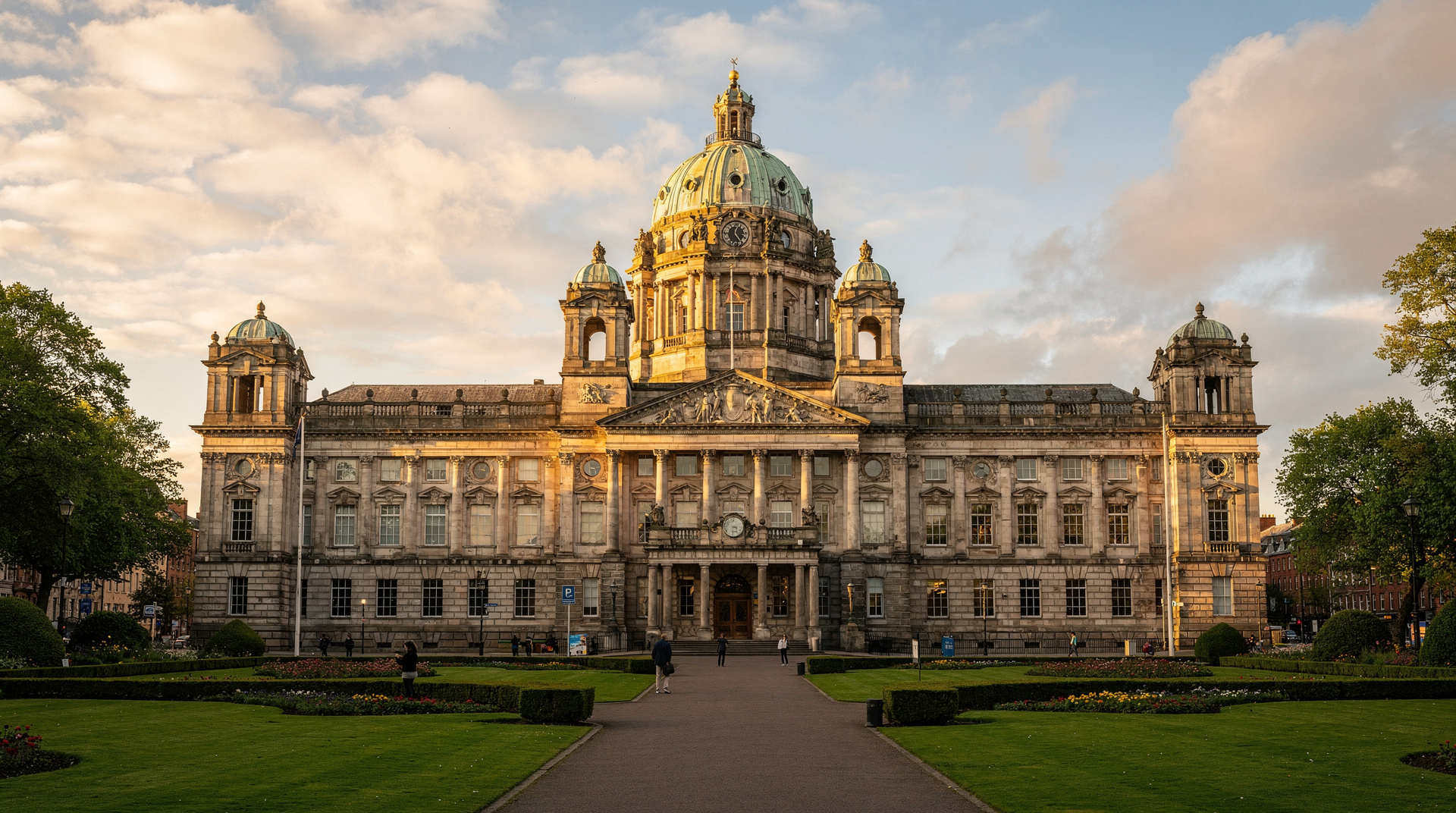
The Diamond — the main square at the centre of the walled city — is surrounded by 17th and 18th-century buildings. The Guildhall, just outside the walls on the riverfront, is a magnificent Edwardian building with stained-glass windows depicting the city’s history. It opens to visitors free and has a small exhibition on the plantation of Ulster.
St Columb’s Cathedral, the oldest cathedral in Ireland built after the Reformation (1633), is inside the walls and contains the original lock and key from the siege of Derry (1688–89) and a chapter house museum.
Derry versus Belfast: which one first
Visitors doing a single Northern Ireland day trip from Dublin often have to choose between Belfast and Derry, since covering both properly in one day is a stretch. The table below is a rough guide, not a rule — plenty of itineraries do both on a multi-day loop.
| Derry | Belfast | |
|---|---|---|
| Focus | City walls, Bogside murals, Troubles history | Titanic Quarter, political murals, bigger city |
| Size and pace | Small, walkable in half a day | Larger, needs a full day to do justice |
| Distance from Dublin | ~240 km, further north-west | ~165 km, more accessible as a single day trip |
| Best for | Visitors who want depth on 1972 and the civil rights movement | First-timers wanting a broader Northern Ireland introduction |
If you only have one day and want the fuller Northern Ireland picture, Belfast is the more efficient single stop; if the Bogside murals and the Museum of Free Derry are specifically what draws you, Derry rewards the extra distance. The Belfast day trip guide covers the Belfast-only option in detail.
Eating and staying in Derry
The Craft Village, just inside the walls near Shipquay Street, is the easiest spot for a casual lunch, with cafes and craft shops around a cobbled courtyard. Walled City Brewery, across the Peace Bridge on the Waterside, works for an evening meal with a view back to the walls. Peadar O’Donnell’s on Waterloo Street has live traditional music most nights.
Overnighting is worth considering if you are combining Derry with the Giant’s Causeway or the wider Causeway Coast loop — Derry sits at the western end of that route, and splitting the driving across two days beats one very long day from Dublin. The Causeway Coast scenic guide sets out how the two fit together.
The Peace Bridge and the Waterside
The Peace Bridge, a curving pedestrian and cycle bridge opened in 2011, links the walled city on the west bank of the River Foyle to the Waterside on the east bank — a deliberate piece of reconciliation infrastructure. Walking across it, with the walls and the Guildhall behind you, is understated but genuinely moving. Ebrington Square, a former British Army barracks on the far bank, now hosts markets and events and gives a good view back across the river.
Shaping a day in Derry
A sensible order is to start on the walls, because the elevated view gives you the layout of the city before you see any of its detail. From there you can drop down into the Bogside for the murals, spend time at the Museum of Free Derry, and leave the Guildhall, the Diamond and St Columb’s Cathedral for the middle of the day when you want something quieter. The Peace Bridge and the Waterside make a gentle way to end, with the walls behind you as the light changes.
Resist the urge to tick everything off at speed. Derry is small enough that you do not need to hurry, and the places that matter most here reward slow attention: reading the museum panels, standing in front of a mural for longer than a photograph takes, walking a section of the walls twice because the second pass shows you what you missed. If you arrive by public transport, the walled city is close enough to the bus station that you can be on the walls within minutes.
Reading the murals with care
The murals are not a backdrop for photographs. They commemorate real people and real days, and many of the families involved still live nearby. Treat the area as a living neighbourhood: keep voices down near the gable walls, do not block doorways or pavements, and avoid posing in a way that would look flippant beside a memorial. A guided walk with a local guide adds context that the paintings alone cannot give, and it is worth considering if the Troubles are new to you. If you prefer to go alone, read up beforehand so the images land with the weight they deserve.
If this kind of history is what draws you north, it fits naturally with what you can see in the capital. The 1916 Easter Rising guide and the Irish revolution history walk cover the earlier chapter of the same story, and Kilmainham Gaol is the Dublin site where that story is told most directly. Doing those first makes the Bogside easier to place in the longer arc of Irish history.
Choosing how to travel
The right way to reach Derry depends on how much of Northern Ireland you want to see. If Derry is the whole point of the trip, the bus is the simple option and leaves you free to explore on foot. If you want scenery on the way, the rail line along the coast is the more memorable journey, even though it takes longer. If you are linking several stops, a tour removes the logistics and lets you concentrate on what you are looking at.
Public transport details for the wider route are set out in the Dublin to Belfast transport guide, which helps if you plan to pass through Belfast on the way. If you would rather drive, the driving in Ireland from Dublin guide explains what to expect, including the change of currency and road signs once you cross into Northern Ireland. For travellers who prefer not to hire a car, the day trips without a car guide lists what works on public transport and what does not.
Pairing Derry with other stops
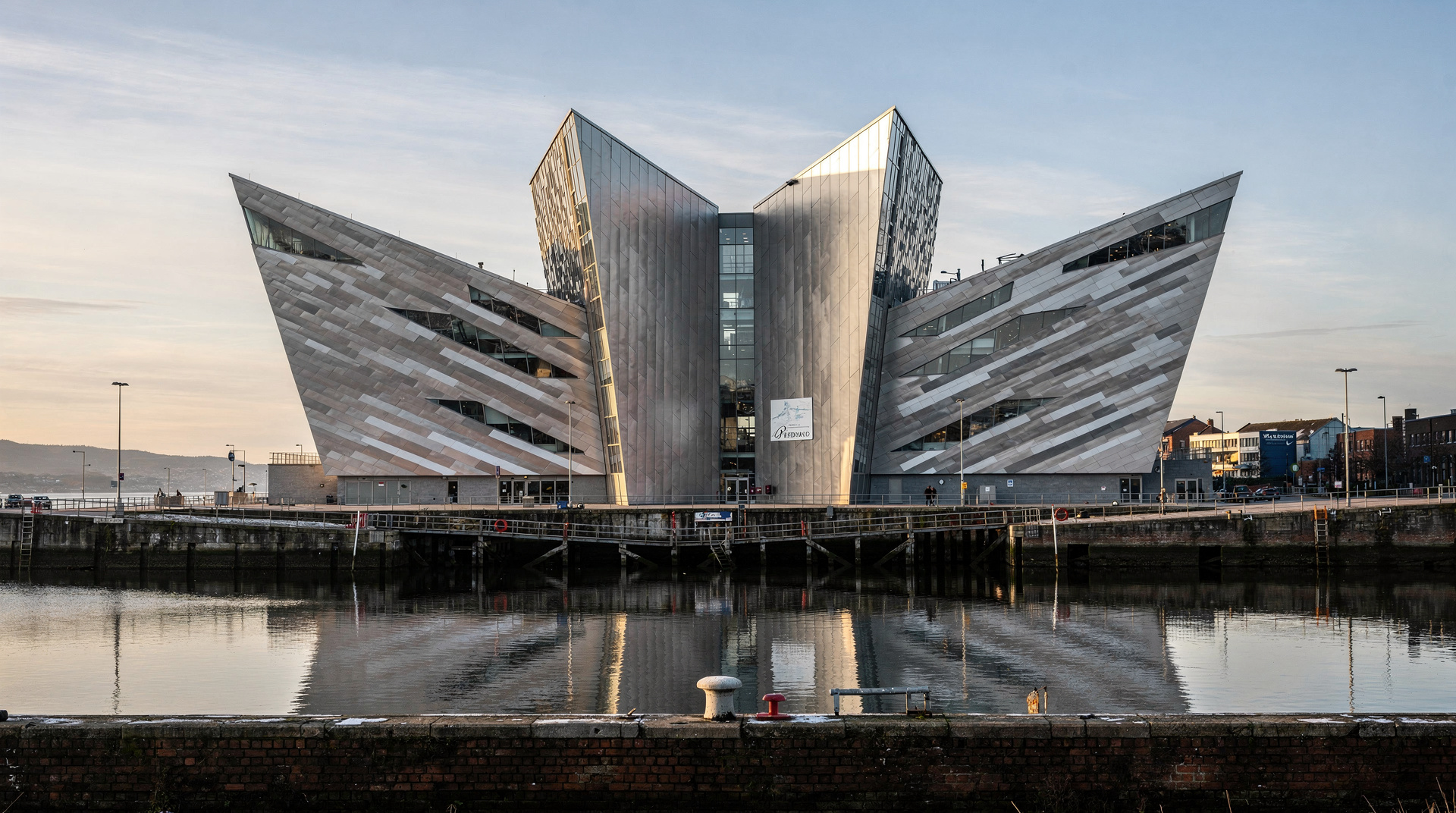
Derry works best as one part of a longer northern loop. The Giant’s Causeway and the wider Causeway Coast are the obvious companions, and the Giant’s Causeway vs Cliffs of Moher comparison helps if you are weighing the north against the west. Belfast and its Titanic Quarter round out the picture, and the Game of Thrones tours guide is useful if the filming locations in the region appeal to you.
If Derry does not fit your dates but you still want a taste of the north, a one-day coach tour from Dublin taking in the Causeway, the Dark Hedges, Dunluce and Belfast is a lighter alternative, and it can leave you better placed to decide whether a longer loop through Derry is worth planning later.
If you are building a longer trip, the Dublin 4 days with a day trip itinerary shows how to balance the capital with one big excursion, while the Dublin 7 days Ireland base itinerary leaves room for a proper northern loop. For the broader choice of excursions, the best day trips from Dublin guide compares the options side by side, and the best Dublin day trip: which one page can help you decide whether Derry deserves your limited days.
Practical notes before you go
Check the weather before you set out, since the walls and the murals are outdoors and the north-west can be wet and windy. Wear comfortable shoes for the cobbles and the slopes, and carry a light waterproof. Bring pounds sterling or a card that works well abroad, because prices in Northern Ireland are in GBP rather than euro. Confirm your entry authorisation well before you travel, as covered above, and keep your passport with you rather than leaving it in a hotel safe.
Opening arrangements for small museums can change, so look at the current details shortly before your visit rather than relying on an old note. If you are travelling with children, the walls are an easy and engaging first stop, while the heavier history at the museum may suit older teenagers better; the Dublin with kids guide has more ideas for family planning across the trip.
Honest notes
Derry is a genuinely complex city where the past and present intersect in ways that are still felt. The naming question — Derry or Londonderry — is not a quirk; it is an active political statement on both sides. Visitors who engage with this complexity rather than sidestepping it will have a richer experience.
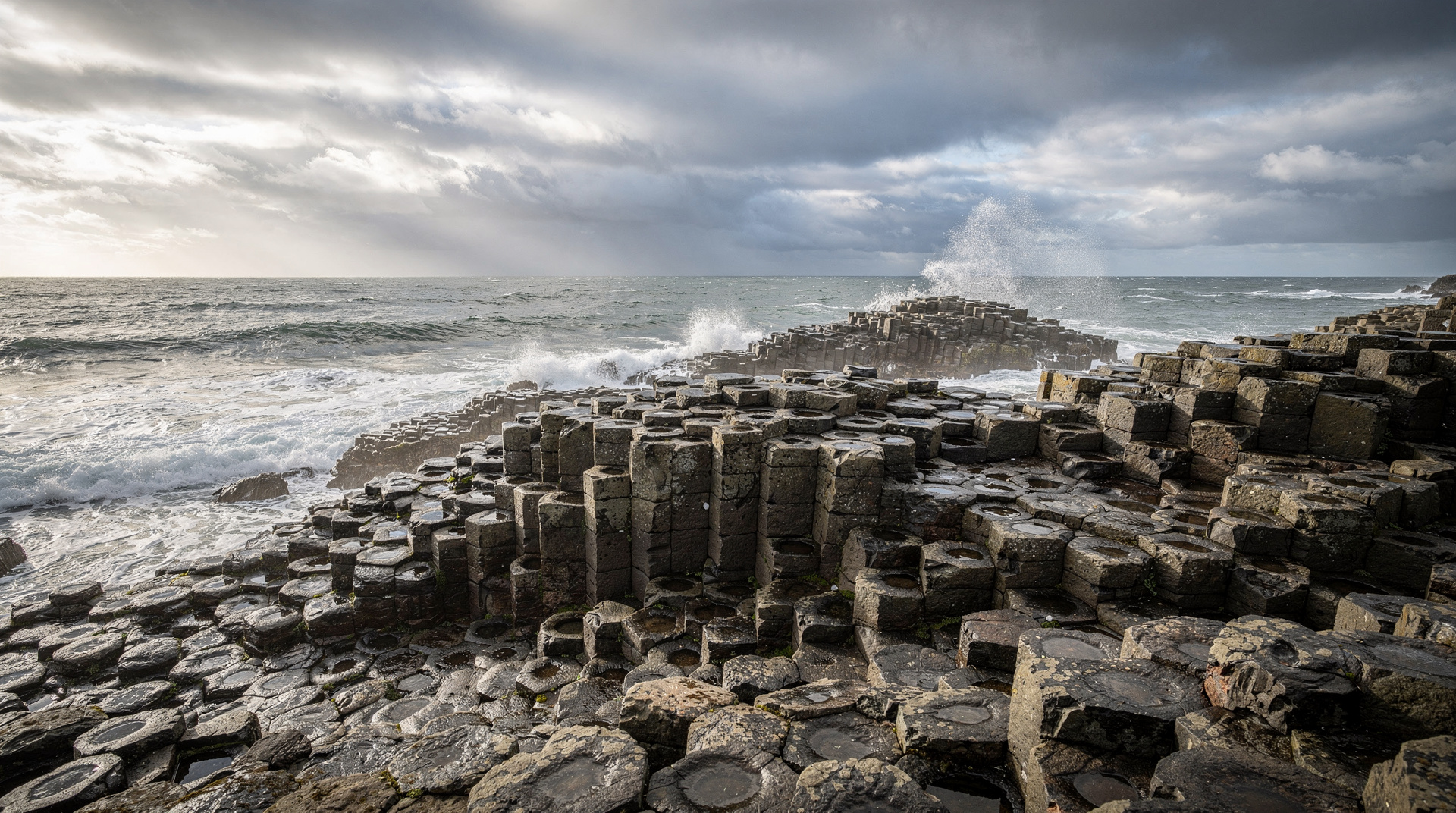
The city is best visited as part of a Northern Ireland itinerary that also includes Belfast and the Causeway Coast. The 3-day Northern Ireland itinerary from Dublin covers the sequencing in detail. For the causeway itself, see the Giant’s Causeway day trip guide.
Top experiences
Bookable activities with verified prices and instant confirmation on GetYourGuide.