Titanic Quarter
Guide to the Titanic Quarter and Titanic Belfast museum — what you see, how long it takes, the SS Nomadic and GBP and UK ETA notes for visitors.
Belfast: the Titanic experience with SS Nomadic visit
Duration: 3h
- Free cancellation
- Instant confirmation
Quick facts
- Location
- Queen's Island, Belfast, Northern Ireland
- Currency
- Pound sterling (GBP)
- UK ETA
- Required for US, Canada, Australia visitors (£10)
- Titanic Belfast entry
- Around £20 adults (book online)
- Visit duration
- 2–3 hours for the museum
Where the Titanic was built
The Titanic Quarter occupies the Queen’s Island district of east Belfast, where the Harland and Wolff shipyard once built the largest vessels ever launched. The dry docks where the Titanic and her sister ships were constructed are still here — filled now with grass and observation decks rather than steel. The giant yellow cranes, Samson and Goliath, remain on the skyline. And at the head of the slipway where the Titanic slid into the water in 1911, there is now a six-storey museum whose distinctive angular form has become the symbol of modern Belfast.
| Where | Queen’s Island, east Belfast, about 2 km from the city centre |
| Cost | Around £20–24 for Titanic Belfast; combo tickets with SS Nomadic cost more |
| Time needed | Half day for the museum alone, full day with the dry dock and SS Nomadic |
| Getting there | 25 min walk, taxi, or rail to Titanic Quarter Halt |
| Best time | Weekday mornings; book ahead for weekends and school holidays |
The Titanic Quarter is the primary reason most day visitors come specifically to this part of Belfast, rather than the Cathedral Quarter or the Falls and Shankill roads. It is a pilgrimage for anyone interested in the ship, and a genuinely impressive museum for those who come without particular prior knowledge.
Entry requirement for non-EU visitors
The Titanic Quarter is in Northern Ireland, part of the United Kingdom. US, Canadian and Australian visitors need a UK ETA (Electronic Travel Authorisation) before entering Northern Ireland — £10, applied for at gov.uk. EU and Irish citizens cross without restriction. The Titanic Quarter uses pound sterling (GBP); card payments are accepted everywhere.
Titanic Belfast
The museum covers nine galleries across five floors, tracing the story of the ship from the Belfast in which it was built through the design and construction, the voyage, the sinking and the rediscovery of the wreck in 1985. The building itself is worth noting — designed by CivicArts and Harcourt Developments, the four prow-shaped wings in silver cladding represent the ship from above, and the scale of the atrium inside is impressive.
The standout sections are the shipyard ride (a dark-ride experience through a recreation of the working Harland and Wolff yard), the recreation of the first, second and third class interiors, and the final gallery covering the decades of undersea exploration since the wreck was found. Allow two to three hours to move through properly.
Book tickets online — the museum sells out on busy days and walk-up queues can be significant. The Titanic experience with SS Nomadic visit combines the museum with the SS Nomadic, the last surviving tender ship from the White Star Line, moored outside in the dry dock.
| Option | Best for | Roughly |
|---|---|---|
| Titanic Belfast only | First-timers on a tight schedule | 2–3 hrs |
| Titanic Belfast + SS Nomadic combo | Anyone with an extra hour and a genuine interest in the ship | 3–4 hrs |
| Day tour from Dublin | Visitors without a car who want transport handled | Full day |
The surrounding area
The Thompson Dry Dock and Pump-House. The dock where the Titanic was outfitted after launch is next to the museum and open for tours — you can descend to the bottom of the dock (the ship rested here for months) and understand the scale of the vessel in a concrete rather than exhibition-board way.
SS Nomadic. The White Star Line tender ship that ferried first and second class passengers from Cherbourg out to the Titanic is restored and moored in the dock. It is the last surviving vessel connected to the Titanic and is included in the combined museum ticket.
The slipways. The original slipways where the Titanic was built slope gently toward the water. They are accessible from the museum esplanade and give a sense of the site’s history that the museum interior alone cannot provide.
HMS Caroline. Moored further along the quays, HMS Caroline is a World War I light cruiser and the last surviving ship from the Battle of Jutland. It operates as a museum with tours.
Getting to the Titanic Quarter
The Titanic Quarter is about 2 km east of Belfast city centre — a 25-minute walk from the city centre or a short taxi ride. The Titanic Quarter railway station (Belfast Lanyon Place to Titanic Quarter Halt) is a short rail hop. If you are arriving from Dublin by bus or train, a taxi from the city centre is the simplest option.
From Dublin, organised day tours handle the transport — the Belfast day tour to Titanic Museum is the most common format. See the full Belfast guide for transport options and what else to see in the city alongside the Titanic Quarter. For the fuller Dublin to Belfast transport guide, including train, bus and driving options, plan around a 2-hour journey each way if travelling independently.
Making a day of it from Dublin
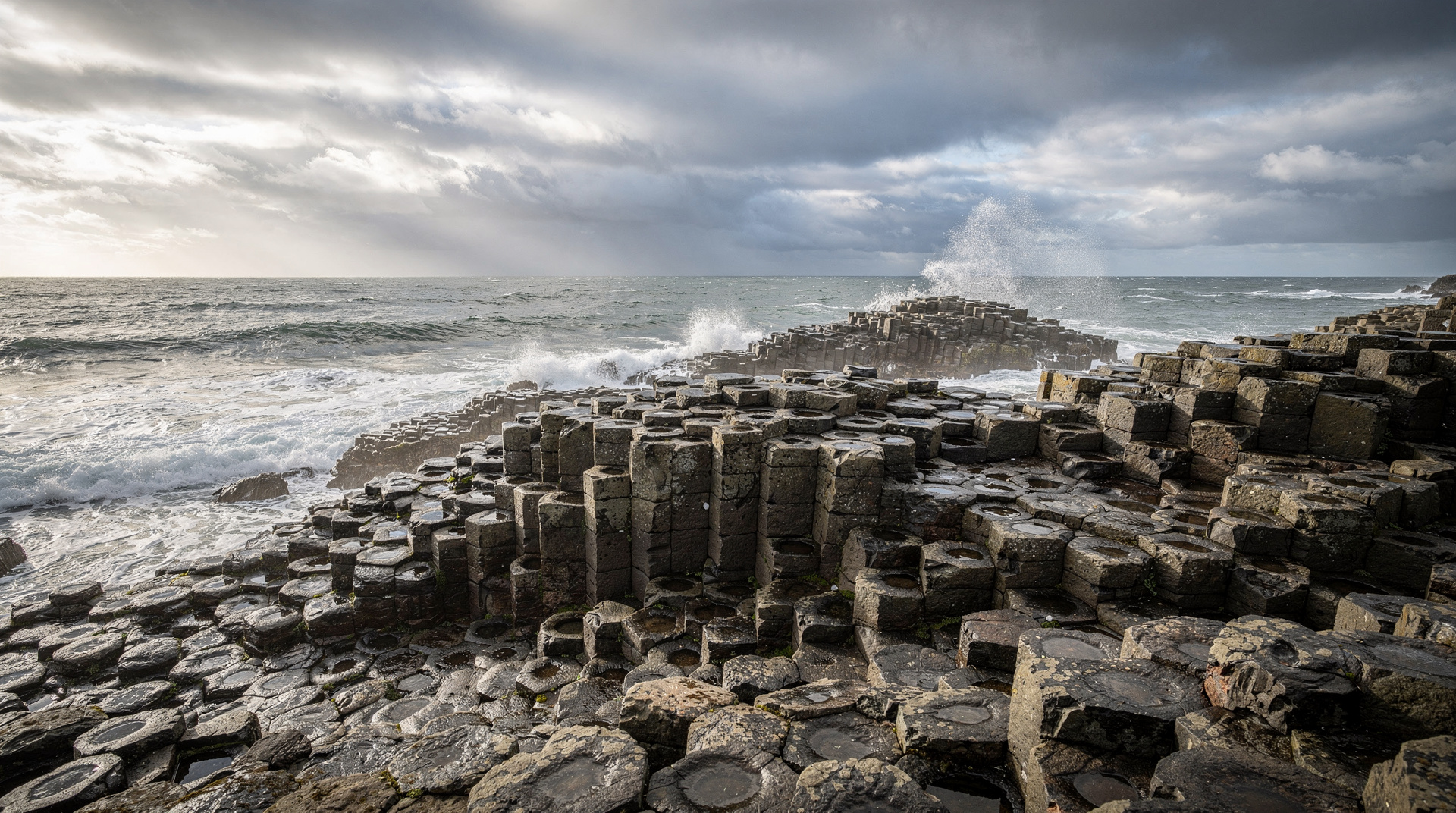
Most Dublin-based visitors treat the Titanic Quarter as one stop within a wider Belfast day rather than a destination in its own right — the museum alone does not fill a full day trip once you account for roughly four hours of travel there and back. Pairing it with the Cathedral Quarter, or extending to the Giant’s Causeway and Causeway Coast with a full day and a car, makes better use of the journey. The Belfast day trip guide sets out realistic timings, and the Giant’s Causeway day trip guide covers the north-coast extension.
If you are staying overnight rather than day-tripping, the Titanic Quarter itself has little in the way of evening life — plan to return to Belfast city centre or the Cathedral Quarter for dinner and pubs.
How to pace your visit
The simplest way to enjoy the site is to treat it as two halves. Spend the first part indoors at the museum, where the galleries reward a slow pace and the shipyard ride is best taken before the crowds build up. Then step outside and walk the esplanade, the slipways and the dock edge, where the scale of the place becomes physical rather than abstract. Reversing the order also works if the weather is kind in the morning and you would rather save the galleries for a wetter afternoon.
Visitors who rush the museum to fit in more usually regret it. The later galleries, covering the sinking and the exploration of the wreck, are the most affecting part, and they land better when you arrive with energy left. If you are travelling with others who are less interested in maritime history, agree a meeting point and let them go at their own speed; the atrium and the waterfront give non-enthusiasts plenty to do while you finish the galleries.
Who the Titanic Quarter suits
First-time visitors to Belfast. The museum is a good introduction to how the city grew, and it makes the rest of Belfast easier to understand. Once you have seen the shipyard story, the red-brick warehouses and the industrial streets of the centre make more sense. The wider Belfast guide shows how to build the rest of the day around it.
History and heritage travellers. If you are drawn to Irish history, the Titanic Quarter sits comfortably beside the city’s political and social stories. It also pairs well with themes you may already have met in Dublin, such as emigration, trade and the Atlantic crossing. The EPIC Emigration Museum guide and the Great Famine guide cover related ground on the Dublin side of the border.
Families. The ride and the interactive elements keep younger visitors engaged better than a traditional museum would. For more ideas on keeping children interested across a whole trip, see the Dublin with kids guide and the family day trips from Dublin roundup.
Anyone who prefers scenery to museums. Be honest with yourself about this one. If a single day is all you have, the north coast may suit you better, and the best day trips from Dublin guide compares the options side by side.
Practical notes before you go
Because Northern Ireland uses sterling, carry a card that handles foreign currency well, and expect to pay in pounds even if your trip started in euros. Prices in Dublin and Belfast are not directly comparable, so check what you are being charged rather than assuming parity. For a wider picture of what a trip costs, the Dublin trip cost and budget guide helps you plan spending across both sides of the border.
If you are coming from the Republic by public transport, read the Dublin to Belfast transport guide before you decide between train, bus and a guided tour. Independent travellers get the most flexibility, but a guided day tour removes the logistics and the parking questions, which matters on a long day. Those who would rather not drive in an unfamiliar country may find the day trips without a car guide useful, and anyone who does plan to hire a car should look at driving in Ireland from Dublin first.
Wear comfortable shoes and bring a layer, since the waterfront is open and exposed and the weather can change quickly. The dry dock and slipways are outdoors, and a gust off the water makes the site feel very different from the sheltered museum interior.
Combining the Titanic Quarter with a longer trip
The Titanic Quarter works best as one chapter in a longer itinerary rather than a stand-alone destination. If you have several days, the Dublin and Northern Ireland itinerary shows how to fit Belfast, the north coast and Dublin into one trip without constant backtracking. For a shorter stay, the Dublin 4 days with a day trip plan leaves room for a single long excursion, which could be Belfast or somewhere else entirely.
Weigh the Titanic Quarter against the other long days on offer from the capital. Some visitors choose the west coast and the Cliffs of Moher, others prefer the mountains and monastic ruins of Glendalough, and the best Dublin day trip, which one comparison can help you decide. Belfast wins when your interest is history and industry rather than landscape, and it is the only one of these options that takes you into a different jurisdiction, with the currency and entry rules that come with it.
What to remember
The Titanic Quarter rewards visitors who arrive with a plan: a booked ticket, enough time to move through the galleries without hurrying, and a sensible idea of how it fits into the rest of the day. Treat the museum as the centrepiece, the dock and the SS Nomadic as the supporting acts, and the surrounding waterfront as the place to let it all sink in. Handle the paperwork early, especially the UK ETA if it applies to you, and the visit itself tends to take care of itself.
Frequently asked questions about Titanic Quarter
Is Titanic Belfast worth it if I am not especially interested in the ship? Mostly yes — the exhibition works as much as a story about Belfast’s industrial rise and fall as it does about the Titanic specifically, and the shipyard ride and architecture are impressive on their own terms. If your time is very tight, though, it competes with the Giant’s Causeway for a single north-coast highlight, and the causeway wins for anyone who is not a maritime-history enthusiast.
Do I need a full day just for the Titanic Quarter? No — the museum and dry dock together take three to four hours, which leaves time to combine it with the Cathedral Quarter or a wider Belfast day. It is the roughly four hours of travel each way from Dublin that turns the trip into a full day, not the site itself.
Top experiences
Bookable activities with verified prices and instant confirmation on GetYourGuide.