Causeway Coast
Guide to the Causeway Coast from Dublin — Carrick-a-Rede rope bridge, Dark Hedges, Dunluce Castle, the coastal walk and GBP/UK ETA notes.
From Dublin: Giant's Causeway and Carrick-a-Rede rope bridge tour
Duration: 12h
- Free cancellation
- Instant confirmation
Quick facts
- Distance from Dublin
- ~250 km, about 3 hrs by car
- Currency
- Pound sterling (GBP)
- UK ETA
- Required for US, Canada, Australia visitors (£10)
- Carrick-a-Rede
- National Trust; advance booking recommended
- Route length
- ~50 km coastal drive from Ballycastle to Portrush
The most scenic coastal road in Northern Ireland
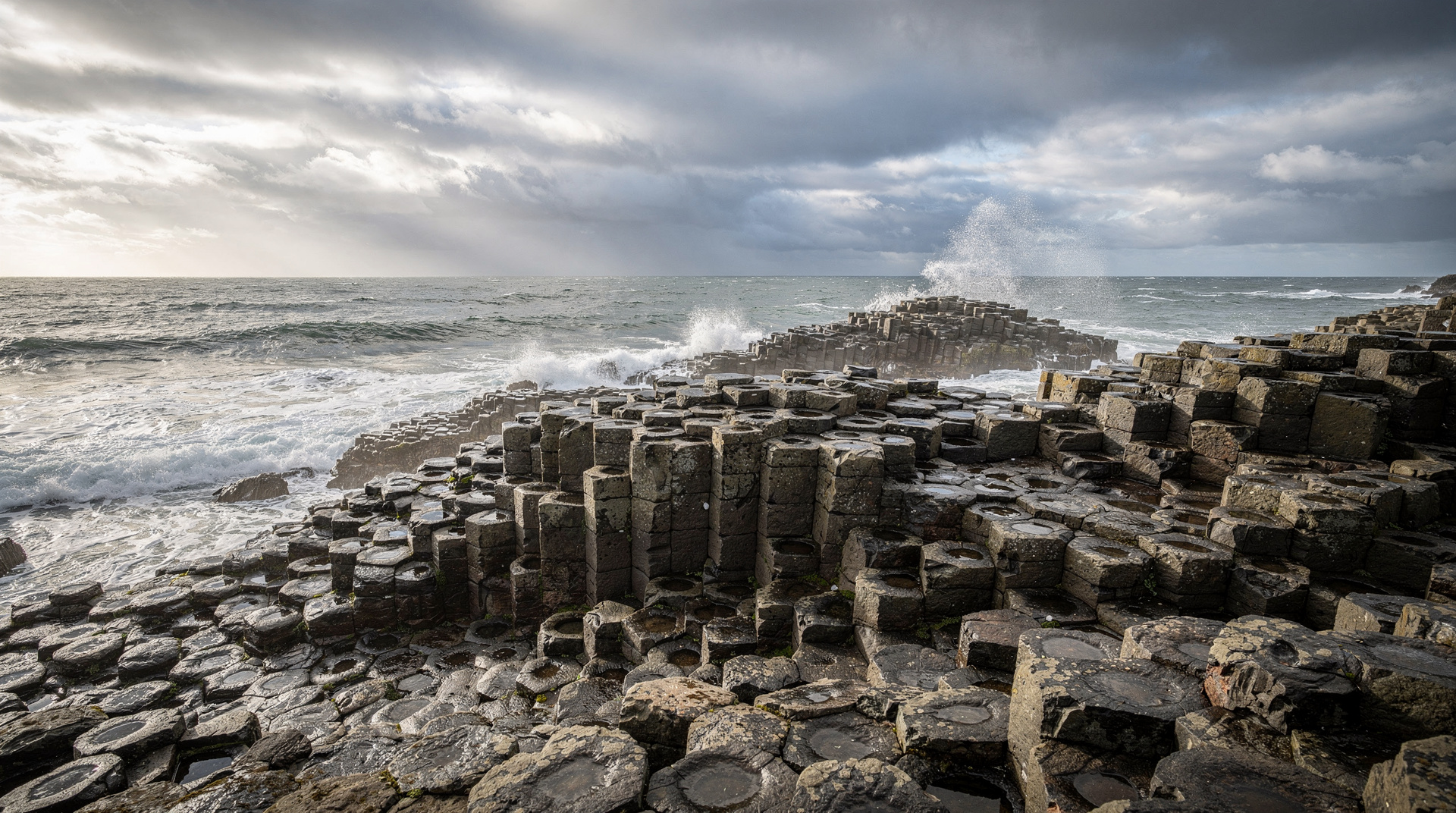
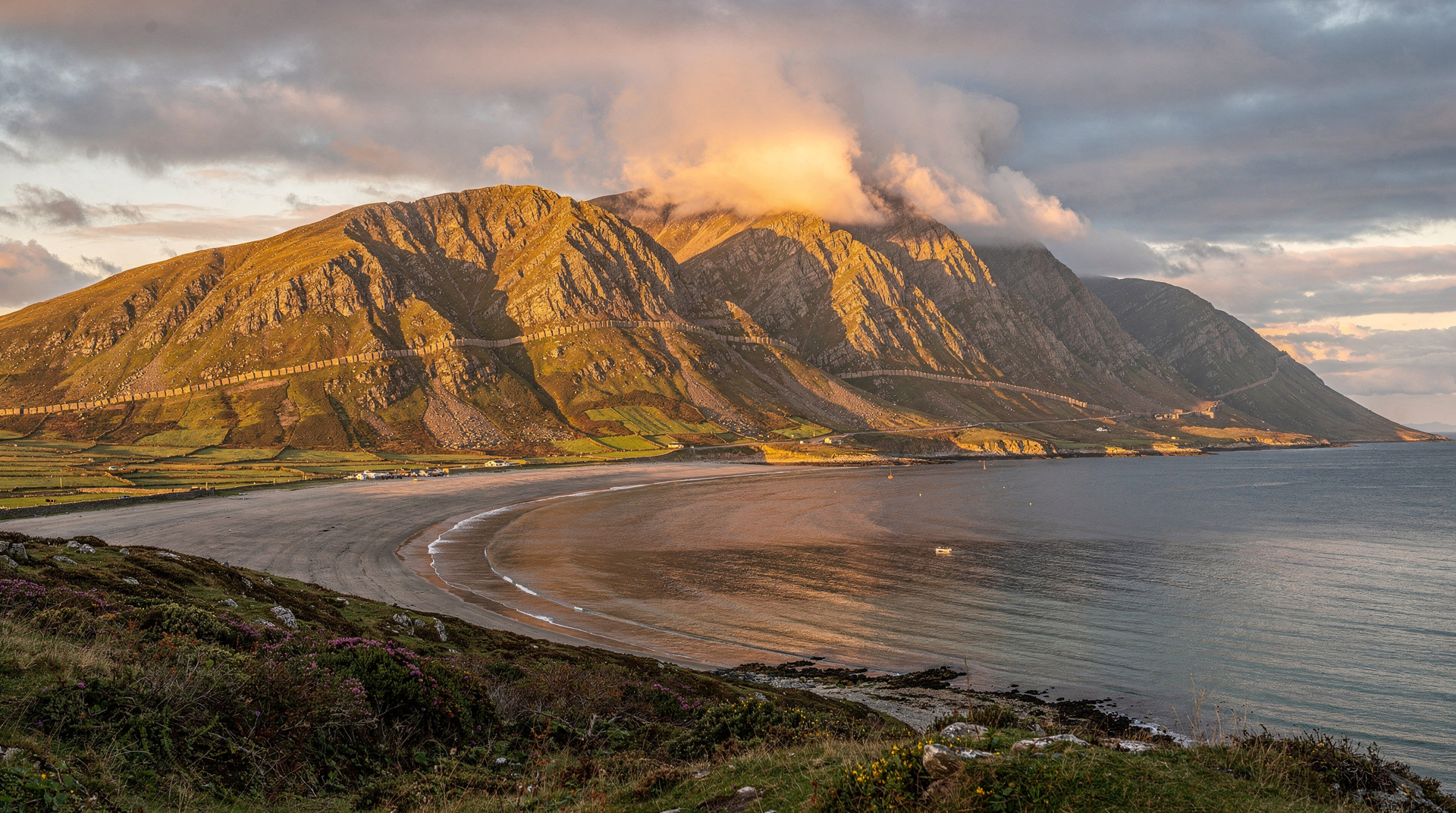
The Causeway Coast stretches for about 50 km along the Antrim coastline between Ballycastle and Portrush, and it is one of the finest stretches of coastal scenery in the British Isles. The road passes cliff-top castle ruins, volcanic rock formations, a rope bridge suspended above the sea, a beach of white sand backed by basalt cliffs, and the Dark Hedges — the tunnel of ancient beech trees that became globally famous as a Game of Thrones filming location.
All of these are genuine, not manufactured. The Causeway Coast was drawing visitors long before HBO discovered it, and it will continue to draw visitors long after the series is forgotten.
| Where | County Antrim, ~250 km / 3 hrs from Dublin by car |
| Cost | Carrick-a-Rede around £14 (National Trust); Dark Hedges and drive are free |
| Time needed | A full day for the coastal drive and headline sights |
| Getting there | Car via M1 and A2, or an organised day tour from Dublin |
| Best time | May to September; the rope bridge has seasonal hours |
Entry requirements for non-EU visitors
The Causeway Coast is in Northern Ireland, part of the United Kingdom. US, Canadian and Australian visitors require a UK ETA (Electronic Travel Authorisation) to enter — £10, applied for online at gov.uk before travel. EU passport holders and Irish citizens can cross from the Republic without formalities. Northern Ireland uses pound sterling (GBP).
Getting there from Dublin
The coast is about 250 km from Dublin — three hours by car via the M1 north and then the A2 coastal road. Without a car, the most practical option is an organised day tour.
The Giant’s Causeway and Carrick-a-Rede rope bridge tour from Dublin covers both headline attractions in a single long day from Dublin, returning in the evening. This works well if you have one day for the north and want to see both the rope bridge and the causeway.
If you have flexibility, basing yourself in Belfast overnight lets you do the causeway coast more comfortably — you are 75 km closer and can drive at your own pace.
Carrick-a-Rede rope bridge
The National Trust rope bridge at Carrick-a-Rede connects the mainland to a small island that was once used by salmon fishermen. The bridge sways above a 30-metre drop into the sea below and is 20 metres long. For most people it is a memorable 10-minute crossing and a genuinely stomach-tilting experience; for those with severe vertigo, it is optional.
Booking in advance is essential in summer — the National Trust limits numbers and the rope bridge sells out on busy days. Booking is online at nationaltrust.org.uk. The surrounding cliff top walk is free and worth doing regardless of whether you cross.
Dark Hedges
The avenue of intertwined beech trees on Bregagh Road near Armoy was planted by the Stuart family in the 18th century. It became internationally famous as the Kingsroad in Game of Thrones, and social media has amplified that fame considerably. The trees are genuinely beautiful, particularly in morning light when mist sits in the avenue. Arrive before 9am to have them largely to yourself; by mid-morning in summer there is a queue of photographers.
The road is now closed to traffic to protect the roots — park in the nearby car park and walk in.
The coastal drive
The recommended route runs west from Ballycastle through Ballintoy (the fictional Lordsport harbour from Game of Thrones) and White Park Bay (a beautiful arc of white sand backed by basalt cliffs) to the Giant’s Causeway. Continuing west, Dunluce Castle ruins perch dramatically on their cliff before the road reaches Portrush, the main resort town.
Ballintoy Harbour. The small harbour at Ballintoy is photogenic and peaceful when the tour groups have moved on. The Church of St Gobhan at the top of the hill above the harbour is one of the most atmospheric small churches in Ireland.
White Park Bay. A sandy beach accessible only on foot, with a short walk down from the car park. Worth 30 minutes if you have time.
Dunluce Castle. See the Giant’s Causeway page for detail on Dunluce — it is on the causeway coast route and most tours include it.
Sequencing the route in one day
Doing all four headline stops in a single day from Dublin is tight but doable, and the order matters. Starting from Ballycastle, most self-drive visitors go Dark Hedges first (before the morning photography crowd), then Carrick-a-Rede (booked for a mid-morning slot), then west along the coast through Ballintoy and White Park Bay to the Giant’s Causeway, finishing at Dunluce Castle before the drive back. Reversing the order works too, but starting with Dark Hedges at dawn is the single best move if photography without crowds matters to you.
Coastal drive vs organised tour
The organised day tour is the simpler choice if you don’t have a car or don’t want a long return drive after a full day of walking — it bundles Carrick-a-Rede and the Giant’s Causeway into one price and one long day, typically with less time at Dark Hedges and the smaller stops. Self-driving gives you control over timing (crucial for beating the Dark Hedges crowds) and lets you linger at Ballintoy Harbour or White Park Bay, but adds roughly six hours of driving to an already full day. Basing yourself overnight in Belfast, 75 km closer, is the middle path that avoids the worst of the round trip from Dublin.
If the Dark Hedges and Dunluce matter as much to you as the rope bridge, look for a tour that builds them in rather than treating them as a quick photo stop. a guided day from Dublin that adds the Dark Hedges, Dunluce and a stop in Belfast is the kind of route that spreads the day across more of the coast, at the cost of less time at each place. Pick the format that matches what you most want to see, and accept that no single tour does everything at a leisurely pace.
Choosing the right season
The Causeway Coast changes character with the calendar. In the warmer months the light lasts late, the rope bridge is operating and the coast feels at its most generous, but the car parks fill early and the famous stops share their views with a lot of other people. In the shoulder months the crowds thin and the light is often softer and more dramatic, which suits photographers, though you should check opening arrangements for Carrick-a-Rede before you commit to the day. Winter brings short days and rougher seas: the scenery is wild and empty, but a day that starts in Dublin leaves little daylight for walking.
Whatever the month, the weather on this coast turns quickly. Pack layers and a waterproof, wear shoes with grip for the cliff paths, and treat a rainy forecast as a reason to adjust the order of your stops rather than to cancel. Our Dublin weather and what to pack guide is a useful starting point, and when to visit Dublin helps you line the trip up with the rest of your itinerary.
What a good day on the coast feels like
The best days here are the ones with slack in them. The headline sights are strong, but some of the most memorable moments come between them: a lay-by with a view of the sea, a harbour you did not plan to stop at, a stretch of cliff path where the only sound is the wind. If you try to tick off every stop on a tight clock, the coast becomes a series of car parks. If you choose three or four things and let the rest happen, it becomes a proper day out.
Think of the route as a sequence of different landscapes. There is the tree tunnel of the Dark Hedges, the exposed headland of Carrick-a-Rede, the sheltered arc of White Park Bay, the geometry of the basalt columns at the Giant’s Causeway and the ruined drama of Dunluce. Each asks something different of you: a short walk, a head for heights, a stroll on sand, a longer clifftop wander, a few minutes of quiet looking. Spacing the demanding bits with the easy ones keeps everyone in the group fresh, particularly children and older travellers.
Walking on the Causeway Coast
The coast is as good on foot as it is from a car. Short walks link the main stops, and the cliff-top paths around Carrick-a-Rede reward you even if you decide not to cross the bridge. Sturdy footwear matters more than fitness: the paths can be wet and uneven, and the wind on exposed sections is stronger than it looks from the car park.
If you want a longer walk with a more detailed route, the Giant’s Causeway page covers the clifftop paths and the stone formations themselves, while the Giant’s Causeway day trip guide explains how walking time fits into a full day. For a contrast with the Northern Irish coast, the Howth cliff walk guide describes a very different coastal path closer to Dublin, and the Mourne Mountains are the next step up if you want proper hill walking in the north.
Game of Thrones on the Causeway Coast
Several stops on this stretch of coast double as screen locations, and they are a large part of why the area has become so busy. The Dark Hedges and Ballintoy Harbour are the best known, and if that is what draws you, it is worth knowing how the tours handle them. Our Game of Thrones tours guide compares the options and explains what each one actually includes, so you can decide whether a themed tour or an independent drive suits you better.
Be realistic about what you will see. A filming location is usually a road, a harbour or a stretch of beach, and without the costumes and the camera angles it looks like what it is. The reward is the landscape itself, which is genuinely striking whether or not you have seen the series. Visitors who have never watched a single episode tend to enjoy the coast just as much as the fans.
Combining the coast with Belfast and Derry
Few people see the Causeway Coast in isolation. It slots neatly into a wider northern trip, and the right combination depends on how many days you can spare. A night in Belfast makes the coast far more relaxed, and the Belfast day trip guide shows what the city offers if you add an extra half day. Details on getting between the two cities are in Dublin to Belfast transport, which is worth reading before you decide between driving, bus and train.
Once you are based in Belfast, you do not have to drive yourself to reach the coast. a tour that leaves from Belfast and pairs the Giant’s Causeway and Dark Hedges with the Titanic story keeps the logistics simple and lets you spend the evening in the city instead of behind the wheel.
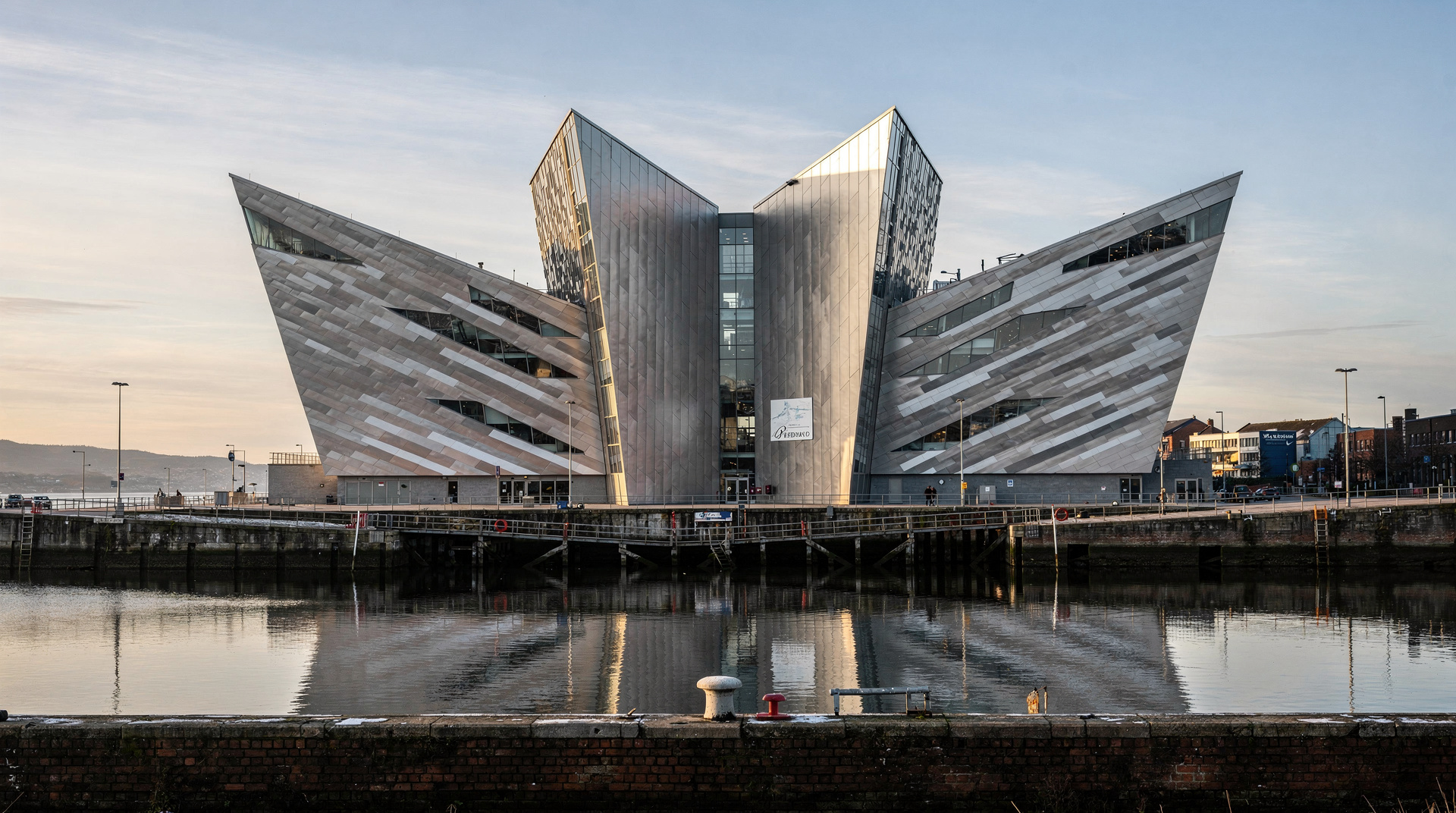
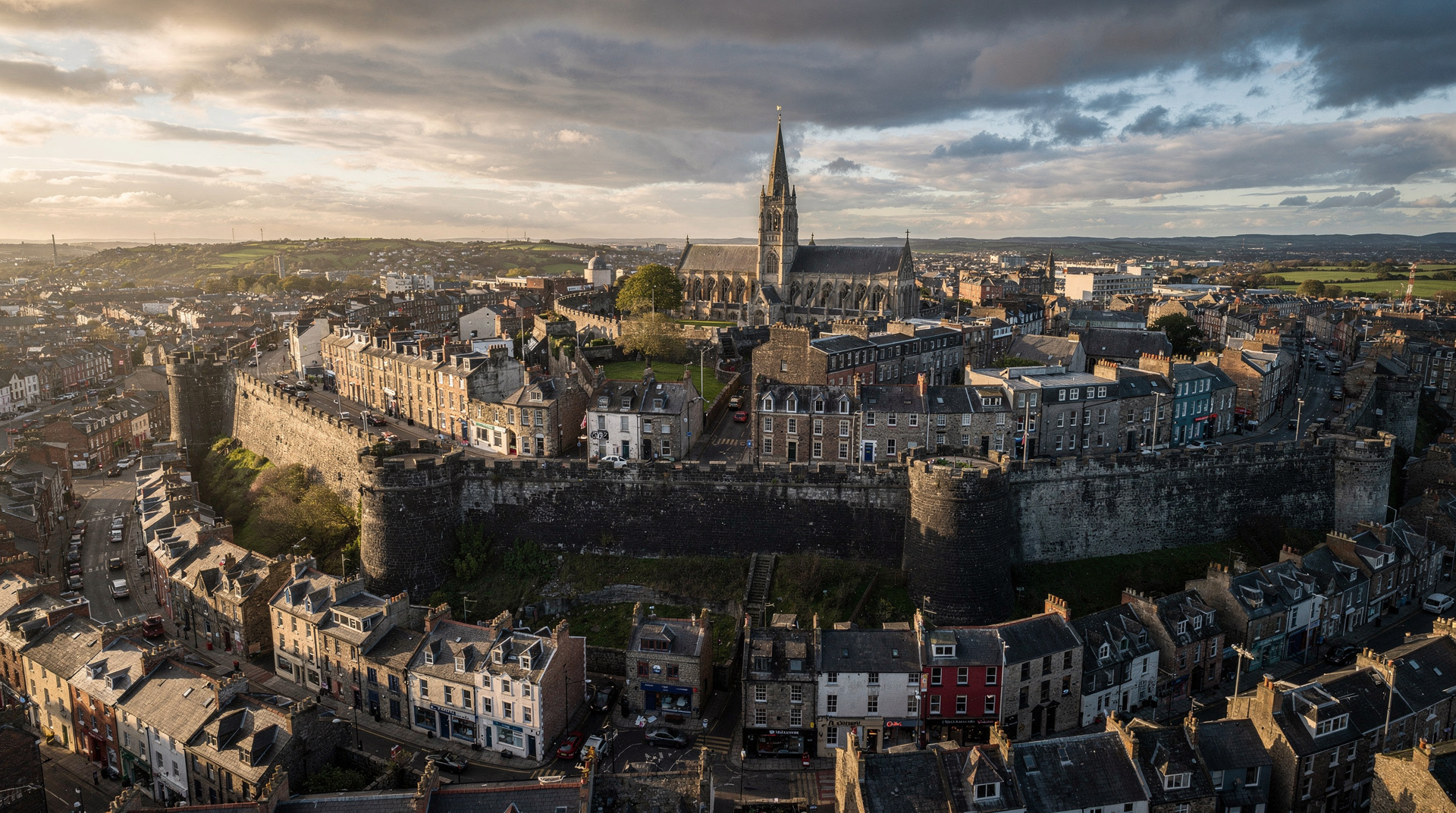
If you have more time, the Titanic Quarter is the obvious Belfast companion to a coast day, and Derry adds a walled city with a very different story. The Northern Ireland 3-day itinerary strings these together sensibly, and the Giant’s Causeway versus Cliffs of Moher comparison of the two great Irish cliff-and-coast days will help you decide which of the headline sights deserves your single free day.
Driving and practicalities
Driving in Northern Ireland is on the left, as in the rest of the island, and the coastal roads are scenic but not fast. Build in time for slow tractors, narrow sections and the inevitable stops to take photographs. If you have not driven in Ireland before, read driving in Ireland from Dublin first: it covers the habits that catch visitors out, from roundabouts to rural lanes.
Remember that you cross from the euro zone into sterling territory. Cards are widely accepted, but it helps to have a card that handles currency conversion sensibly, and it is worth checking your phone plan before you cross. If you would rather skip the driving altogether, day trips without a car lays out the alternatives, and best day trips from Dublin puts the Causeway Coast in context against the other options.
Travelling with family
The coast is a good family day if you pace it carefully. Children usually enjoy the rope bridge, the beach and the strange rock formations, but a very long day in the car can wear out younger travellers. Plan for snacks, spare layers and a flexible schedule, and keep the more demanding stops for when everyone is fresh. The family day trips guide has more on choosing outings that suit different ages, and the Dublin family 4-day itinerary shows how a northern day can fit into a longer family trip.
Before you go
A short checklist makes the day smoother. Confirm your entry paperwork if you need it, book Carrick-a-Rede ahead, check the weather the night before, and decide in advance how you will handle the long drive or the tour pickup. Bring some pounds or a card that works in sterling, and download offline maps in case the signal drops on the coast road. If you are still choosing between this and other big days out, the best Dublin day trip and which one to choose is a good way to settle the decision.
Planning context
The causeway coast combines naturally with Belfast and the Giant’s Causeway. A two-day Northern Ireland trip from Dublin might be: day one in Belfast (Titanic, black taxi tour, Cathedral Quarter); day two driving the causeway coast (Dark Hedges, Carrick-a-Rede, Giant’s Causeway, Dunluce). The Northern Ireland 3-day itinerary builds in Derry as a third day. See the day trip guide for detailed timing on the causeway coast loop.
Top experiences
Bookable activities with verified prices and instant confirmation on GetYourGuide.

From Dublin: Giant's Causeway and Carrick-a-Rede rope bridge tour
- Free cancellation
- Instant confirmation

From Dublin: Giant's Causeway, Dark Hedges, Dunluce & Belfast tour
- Free cancellation
- Instant confirmation

From Belfast: Giant's Causeway tour with Titanic exhibit admission
- Free cancellation
- Instant confirmation