Dublin coastal 3-day itinerary: Howth, Dalkey, Dún Laoghaire and Bray by DART
From Dublin: half-day guided coastal tour to Howth village
Duration: 4h
- Free cancellation
- Instant confirmation
Dublin’s coastline is its secret strength
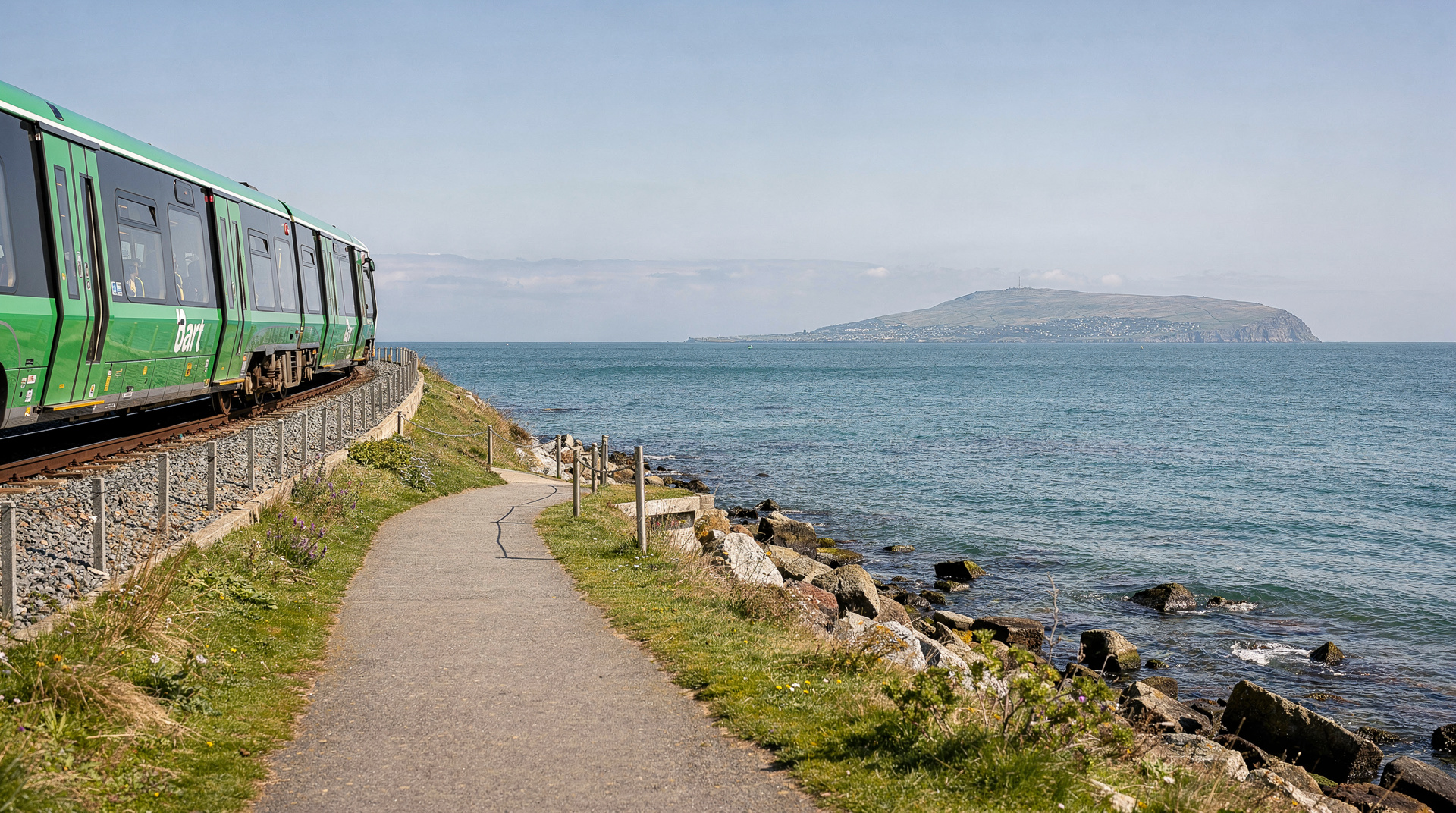
Most visitors concentrate on Dublin city centre and miss the extraordinary coastal strip that runs north to Howth and south through Dún Laoghaire, Dalkey and Bray. The DART — Dublin’s coastal commuter rail — connects these villages cheaply and reliably, running along cliffs and shoreline that rival anywhere in Ireland.
This three-day itinerary stays largely on the DART line and the coastal paths. It is not a sightseeing marathon — it is about walking, sea air, good seafood and the particular atmosphere of Dublin’s coastal villages. A Leap card covers all DART fares and is the only transport you need; day fares are capped and the whole coastal corridor costs very little.
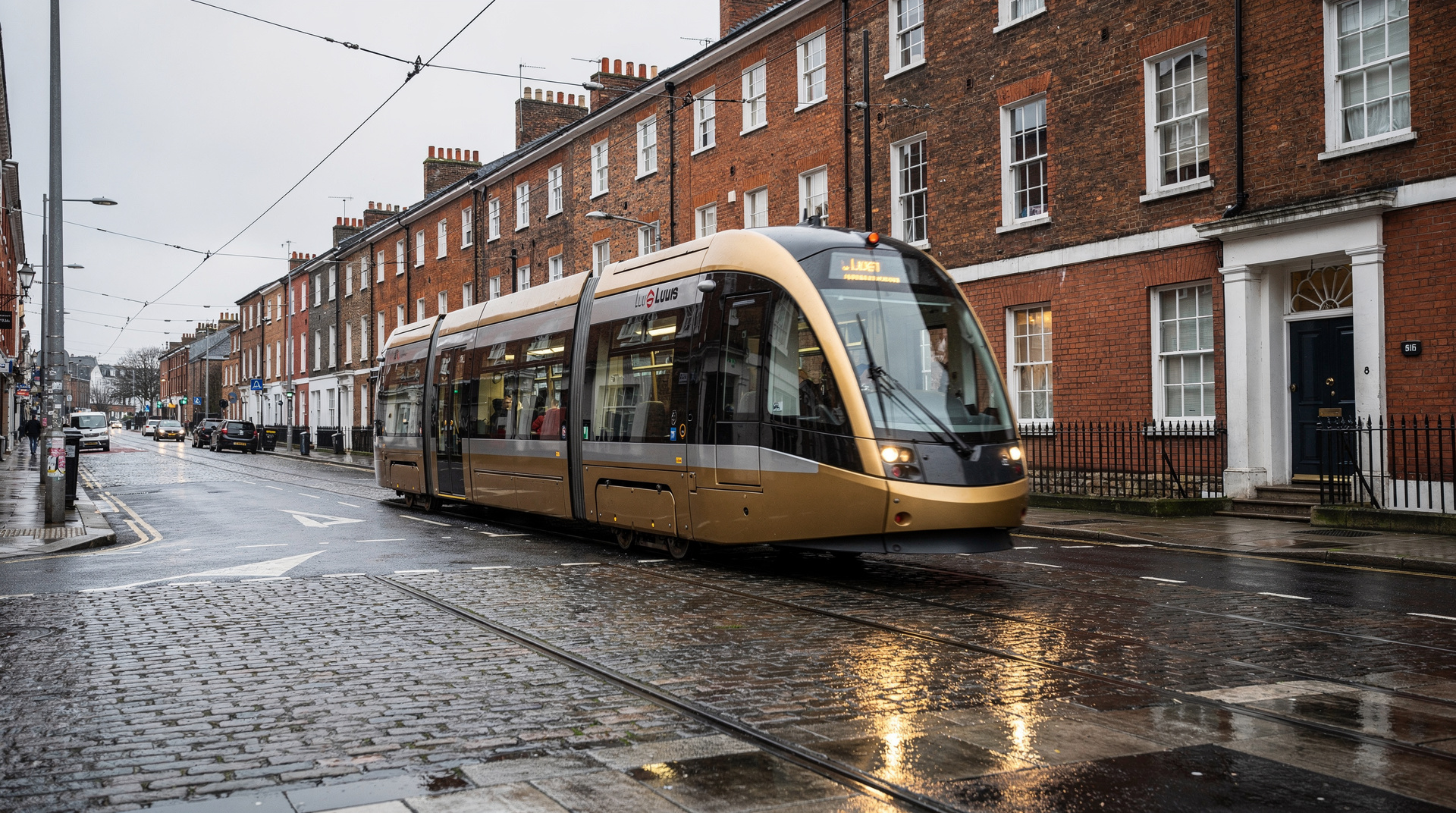
Read the DART and coastal day out guide and the DART and Luas guide before you start.
| Where | Howth, Dún Laoghaire, Dalkey, Bray & Greystones — all on the DART line |
| Cost | Roughly €250–320 per person, excl. accommodation |
| Getting around | DART only — a Leap card covers the whole itinerary |
| Best for | Walkers, coastal scenery lovers, solo travellers and couples |
| Booking | Boat trips (Ireland’s Eye, Dalkey Island) worth booking ahead in summer |
Day 1: Howth — cliff walk and Ireland’s Eye
Getting there: DART from Connolly Station, 35 minutes. Trains run every 15–20 minutes; the Howth branch is the most scenic section of the whole line.
Morning: cliff walk
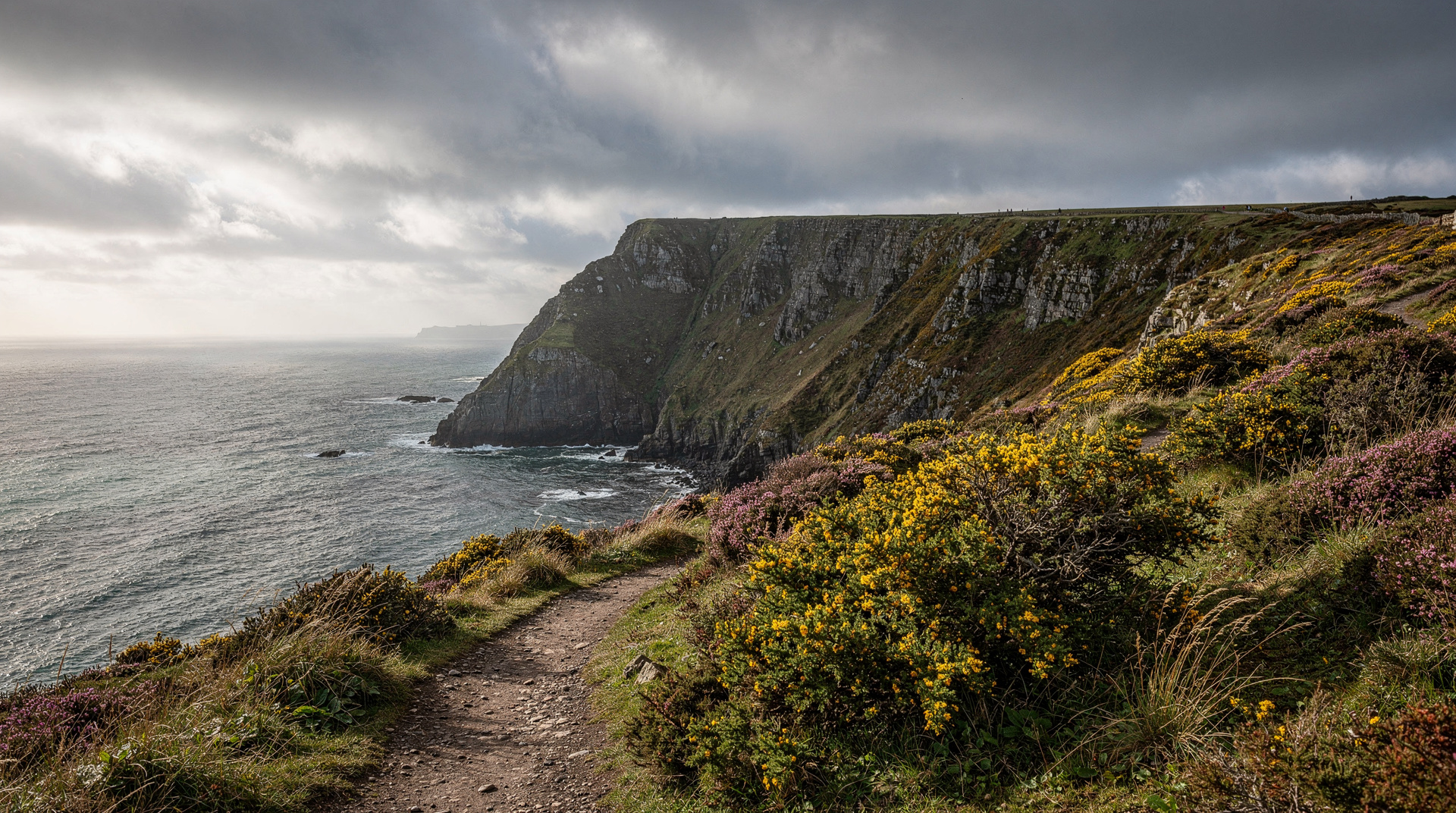
Howth is a rocky headland jutting into Dublin Bay, 15 km northeast of the city. The cliff walk circles the headland with views of Dublin Bay, the Wicklow Mountains to the south, and the Isle of Man on a clear day. There are three main route options:
- Summit loop (6 km, 2–3 hours, moderate): the full circuit via the summit and the Baily Lighthouse. Requires reasonable fitness and footwear.
- Lower cliff path (3 km, 1.5 hours, easy): follows the waterline, no significant ascent, suitable for most people.
- East loop (4 km, 2 hours, moderate): the best compromise — covers the most dramatic cliff section without the full summit.
The Howth cliff walk guide covers all three options with detailed timings.
Afternoon: Ireland’s Eye boat trip
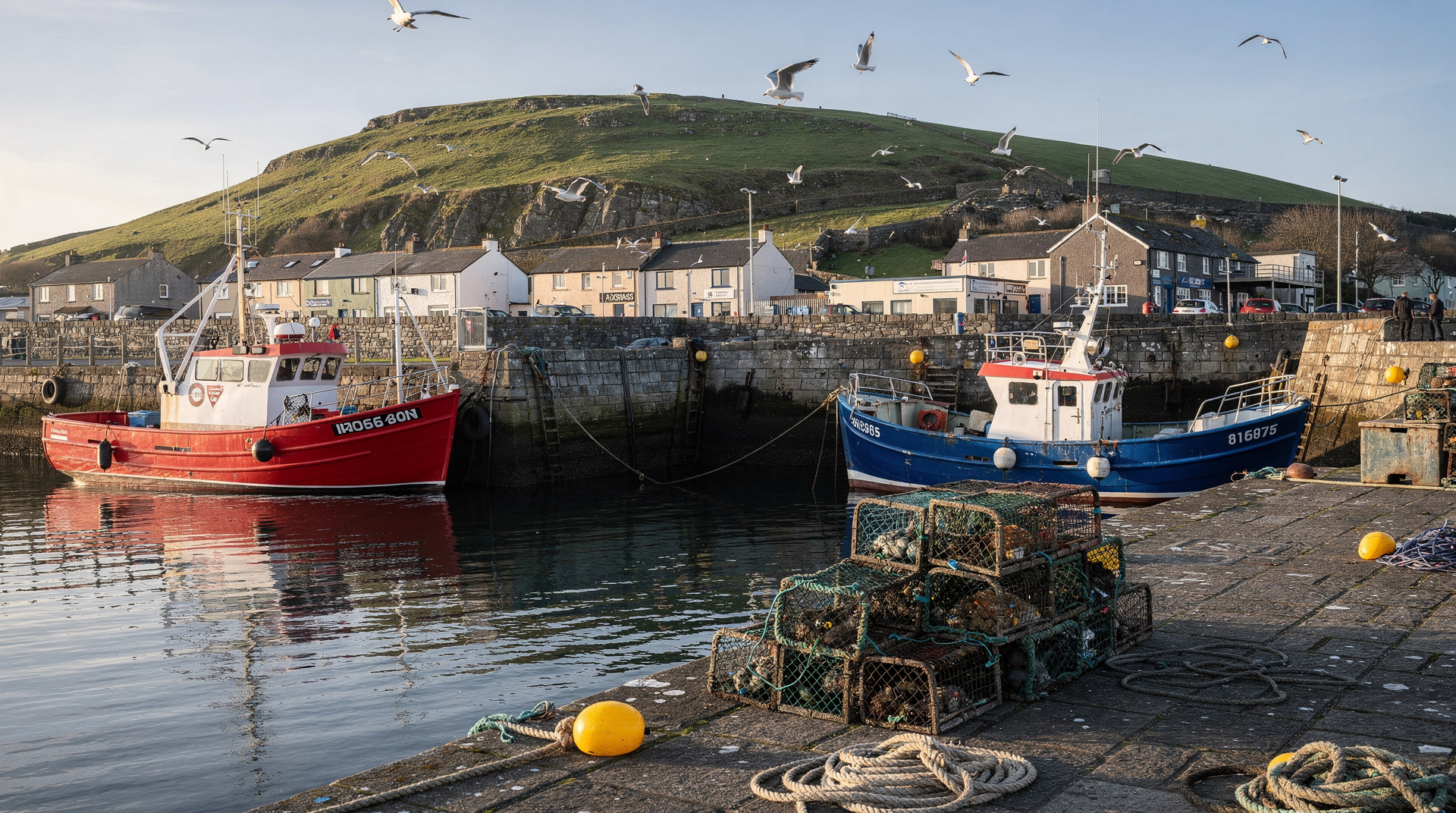
Ireland’s Eye is a small, uninhabited island visible from Howth pier — a 15-minute boat crossing. The island has a beach, nesting seabirds (gannets, guillemots, razorbills in season), and a Martello tower. The ferry from Howth to Ireland’s Eye runs from the east pier and includes time on the island — allow 2–3 hours total.
Alternatively, a Howth coastal boat tour covers the cliffs by sea without landing on the island — good for those who prefer a shorter commitment.
Lunch and evening: Howth harbour
Howth’s fish market and harbour seafood restaurants are legitimately excellent. Beshoff Brothers has the best fish and chips. Wrights of Howth is the sit-down seafood option with good Dublin Bay prawns. The coastal craft beer and seafood tour in Howth is a guided 3-hour afternoon option combining the two.
Stay in Howth for the evening, or take the DART back to Dublin (35 minutes) for dinner.
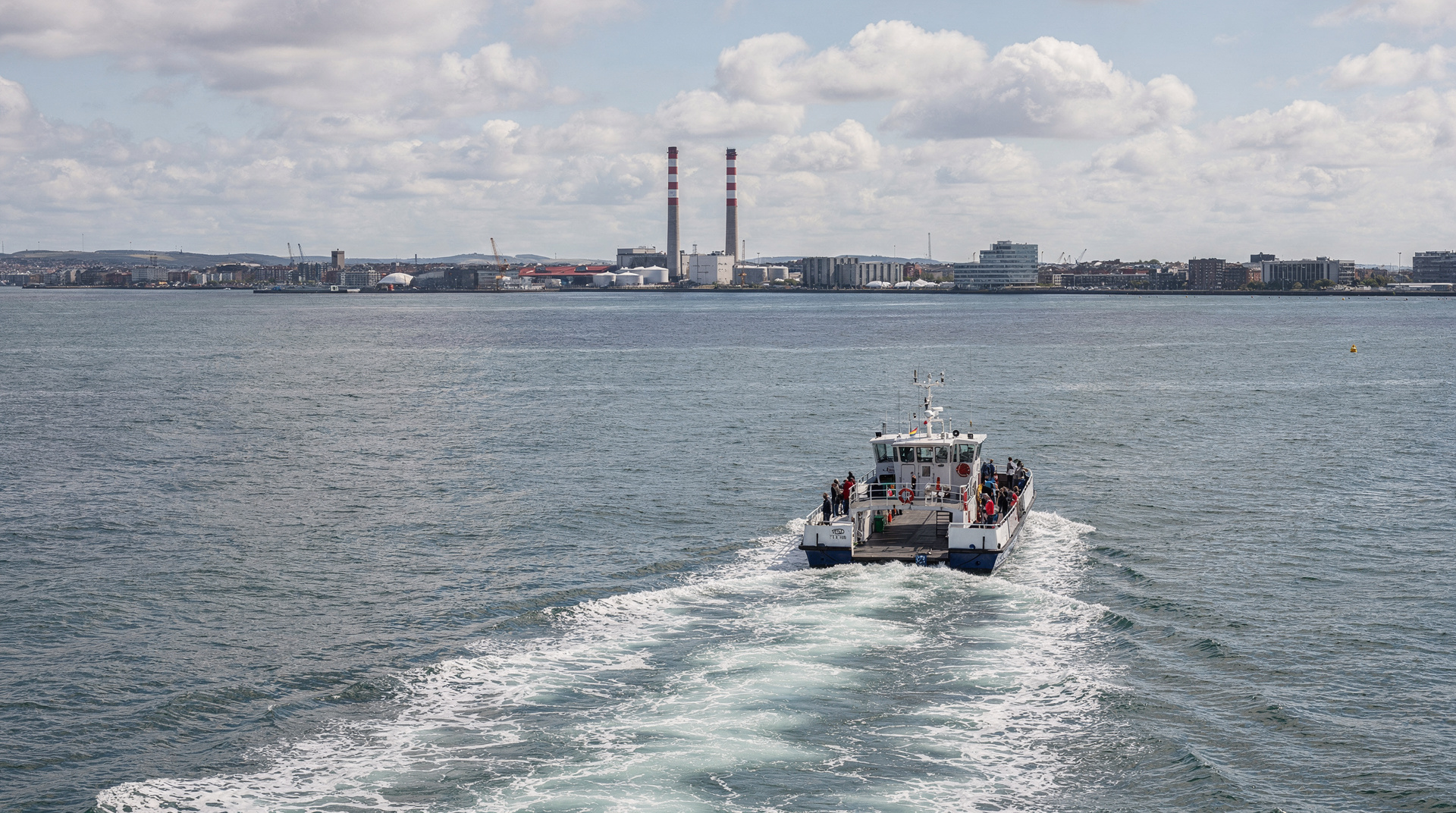
Howth and Dún Laoghaire face each other across the bay, and the road between them runs the long way round through the city centre: a ferry from Howth to Dún Laoghaire crosses directly and turns two separate day trips into one continuous coastal route.
Day 2: Dún Laoghaire and Dalkey
Getting there: DART from Pearse Station (city centre) to Dún Laoghaire, 20 minutes. Dalkey is two stops further south.
Morning: Dún Laoghaire harbour and the People’s Pier
Dún Laoghaire is a Victorian harbour town with a long pier walk — the two granite piers extend 1.3 km each into Dublin Bay, and the morning walk out to the lighthouse is one of the best easy coastal walks near Dublin. The East Pier promenade has ice cream kiosks, sea swimmers, and the particular atmosphere of a working Irish harbour town. On Sundays, the People’s Park Farmers’ Market (10:00–15:00) is one of the best in Leinster.
A Dublin Bay cruise from the city centre to Dún Laoghaire is a good option for arriving in style — the 60-minute boat journey from the city centre passes under the bridges and out into the bay.
Late morning: Dalkey village
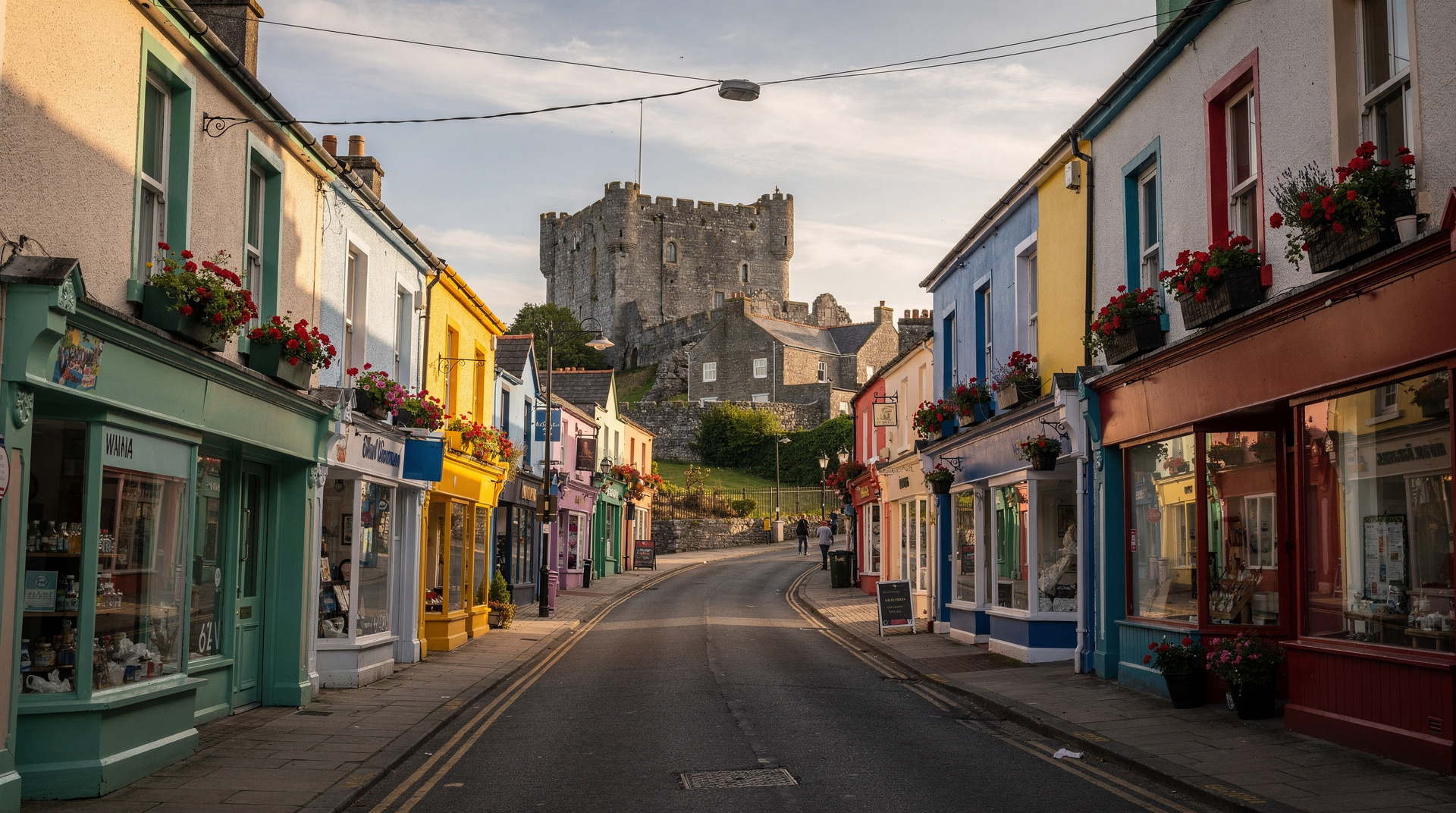
Two DART stops south of Dún Laoghaire, Dalkey is one of Dublin’s most attractive villages — mediaeval castles on the main street, a small island offshore, restaurants in converted stone buildings, and the sense that the village has been here for a very long time (it was the main port of Dublin for medieval trade). Dalkey Castle has guided tours; the village is worth an hour of wandering.
The Dún Laoghaire Dalkey Island boat cruise runs from Dún Laoghaire pier and includes Dalkey Island — a Martello tower, a ruined church, and a colony of goats. The 60-minute cruise is a good midday activity.
Afternoon: Killiney Hill
A 20-minute walk south of Dalkey village brings you to Killiney Hill — a Victorian park with panoramic views of the entire coastline from Howth to the Wicklow Mountains. The Killiney Hill and Dalkey Castle tour covers both; or walk independently up the hill for the view and back down to the Dalkey DART station.
Evening: dinner in Dalkey or Dún Laoghaire
Dalkey has a strong restaurant scene relative to its size — Nosh on Castle Street is the local institution; Finnegan’s pub has consistently good food in a proper local atmosphere. Dún Laoghaire has more options including several Indian and Asian restaurants with excellent value.
Day 3: Bray and the coastal path to Greystones
Getting there: DART from Pearse Station to Bray, 45 minutes. Bray is at the southern end of the DART line.
Morning: Bray town and seafront
Bray is a seaside resort town at the base of Bray Head — a dramatic headland with a cross at the summit. The seafront promenade stretches a kilometre south to the foot of the headland; the town itself has a slightly faded, genuinely Irish seaside atmosphere that is the opposite of the polished tourist experience and all the more charming for it.
Breakfast on the seafront — the Harbour Bar is one of the most-awarded pubs in Ireland and serves breakfast.
Midmorning: Bray Head and coastal path
The walk over Bray Head to Greystones is one of the great coastal walks in Leinster. The headland section is steep in places (sturdy shoes recommended) but the views — Bray Head to the south, Dublin Bay to the north, the Wicklow Mountains inland — are exceptional. The full walk from Bray to Greystones takes about 90 minutes.
Alternatively, walk along the base of the cliff on the lower coastal path (1.5 hours, gentler) rather than over the top.
Lunch: Greystones
Greystones is a small harbour village at the end of the coastal walk. The Happy Pear is a well-known vegetarian café-restaurant that is genuinely excellent; the harbour has good seafood options.
Return from Greystones to Dublin by DART (55 minutes) or Dart Explorer ticket — the line heads north through Bray, Dún Laoghaire and along the coast back to the city.
Afternoon: Killiney Bay viewpoint (optional)
If you have energy, the DART stops at Killiney on the return — a 10-minute walk up to the Vico Road coastal viewpoint gives one of the finest views in County Dublin: the sweep of Killiney Bay and a clear day’s line of coast to Wicklow Head. Then back on the DART to Dublin.
Practical notes
DART fares: A Leap card is essential. Day fares are capped. Howth (Zone 4) costs about €2.70 single; Bray (Zone 5) about €3.30. The full DART coastal day out from Howth to Bray costs under €10 with a Leap card.
Weather: The coastal walks are exposed. Wind and rain are possible any time of year — pack a windproof layer and proper footwear for the cliff walks.
Best season: Summer (June–August) for long evenings and best sea swimming. Spring and autumn for less company on the cliff paths. Winter for dramatic waves and honest pub warmth.
| Season | What to expect |
|---|---|
| Summer (Jun–Aug) | Long evenings, best sea swimming, busiest paths and boat trips |
| Spring / Autumn | Fewer crowds on the cliff walks, mild temperatures, some boat trips reduced |
| Winter (Nov–Feb) | Dramatic waves and empty paths, but short daylight and rough seas can cancel boat trips |
Combining this itinerary with the city
This coastal route pairs naturally with a city-focused stay rather than replacing one. If you have not yet covered Trinity College, the Guinness Storehouse or Kilmainham Gaol, do those first — see the 3-day city itinerary — then treat this coastal route as a second, separate 3-day block, or as the “week two” half of a longer Irish trip. It also works well as an add-on for repeat visitors who have already done the classic city sights and want to see a different side of Dublin.
What to skip if you only have 2 days, not 3
If you can only spare two of the three days, drop Day 3 (Bray and Greystones) rather than Day 1 or Day 2 — Howth and Dalkey/Dún Laoghaire are the more essential coastal experiences, and both fit more paid activities (Ireland’s Eye, Dalkey Island) into a single day. Bray’s appeal is more about the walk itself than any single sight, so it’s the easiest day to sacrifice if time is tight. See how many days in Dublin for the wider question of balancing coastal time against city time.
Budget (3 days, excluding accommodation):
| Category | Approximate cost |
|---|---|
| DART fares (3 days) | ~€25–30 |
| Boat trips (Ireland’s Eye + Dalkey Island) | ~€35–45 |
| Guided coastal tour | ~€30–50 |
| Meals (3 days) | ~€130–160 |
| Drinks | ~€30–40 |
| Total per person | ~€250–320 |
Frequently asked questions about Dublin coastal 3-day itinerary
Do I need to book the Ireland’s Eye and Dalkey Island boat trips in advance? It’s not usually essential outside peak summer weekends, but booking ahead removes the risk of a sold-out sailing or a weather cancellation catching you without a backup plan. Both trips depend on sea conditions, so check the forecast the morning of your trip either way.
Is this itinerary walkable for someone without a high fitness level? Yes, with adjustments. Each day offers a gentler option — the lower cliff path at Howth, the flat pier walk at Dún Laoghaire, and the lower coastal path instead of Bray Head. None of the walking is technical, but sturdy footwear matters throughout, and the Bray Head section is the one genuinely steep stretch.
Top experiences
Bookable activities with verified prices and instant confirmation on GetYourGuide.

From Dublin: half-day guided coastal tour to Howth village
- Free cancellation
- Instant confirmation

Dublin: ferry from Howth to Ireland's Eye island
- Free cancellation
- Instant confirmation

Dublin Bay: cruise from city centre to Dún Laoghaire
- Free cancellation
- Instant confirmation

Dublin: Dún Laoghaire Dalkey Island boat cruise
- Free cancellation
- Instant confirmation

Dublin surrounds day tour: Killiney Hill & Dalkey Castle
- Free cancellation
- Instant confirmation