New year Dublin resolutions — the ones worth keeping
The problem with travel resolutions
Most travel resolutions fail for the same reason as the other kind: they’re too vague to act on. “Travel more” is not a resolution. “See more of Ireland” has no completion condition. “Make the most of Dublin” could mean anything.
The ones that work are specific. Here are a set of Dublin travel intentions — some for first-timers, some for returning visitors — that are specific enough to actually accomplish, modest enough to survive contact with real life, and good enough to be worth making.
| Best season to start | January–March, before the coach tours multiply |
| Budget needed | From free (a pint, a walk) to around €40–70 per day trip |
| Advance booking | Boyne Valley and Kilmainham need a specific time slot; pubs and walks need none |
| Time commitment | Most resolutions fit inside a single morning or afternoon |
Go to Glendalough before May
This is the one that people keep meaning to do and keep not doing, largely because the tours leave early and the weather is unreliable and it always seems like the kind of thing you’ll do next weekend when conditions are better.
Conditions are not better next weekend. They are approximately the same as this weekend, give or take a few degrees of temperature. And Glendalough in January or February — the two lakes in their winter stillness, the round tower against a pale sky, the ice on the car park in the morning — is not a lesser version of Glendalough in spring. It’s a different version, and in certain specific ways it’s better: quieter, more austere, the landscape stripped back to its architectural bones.
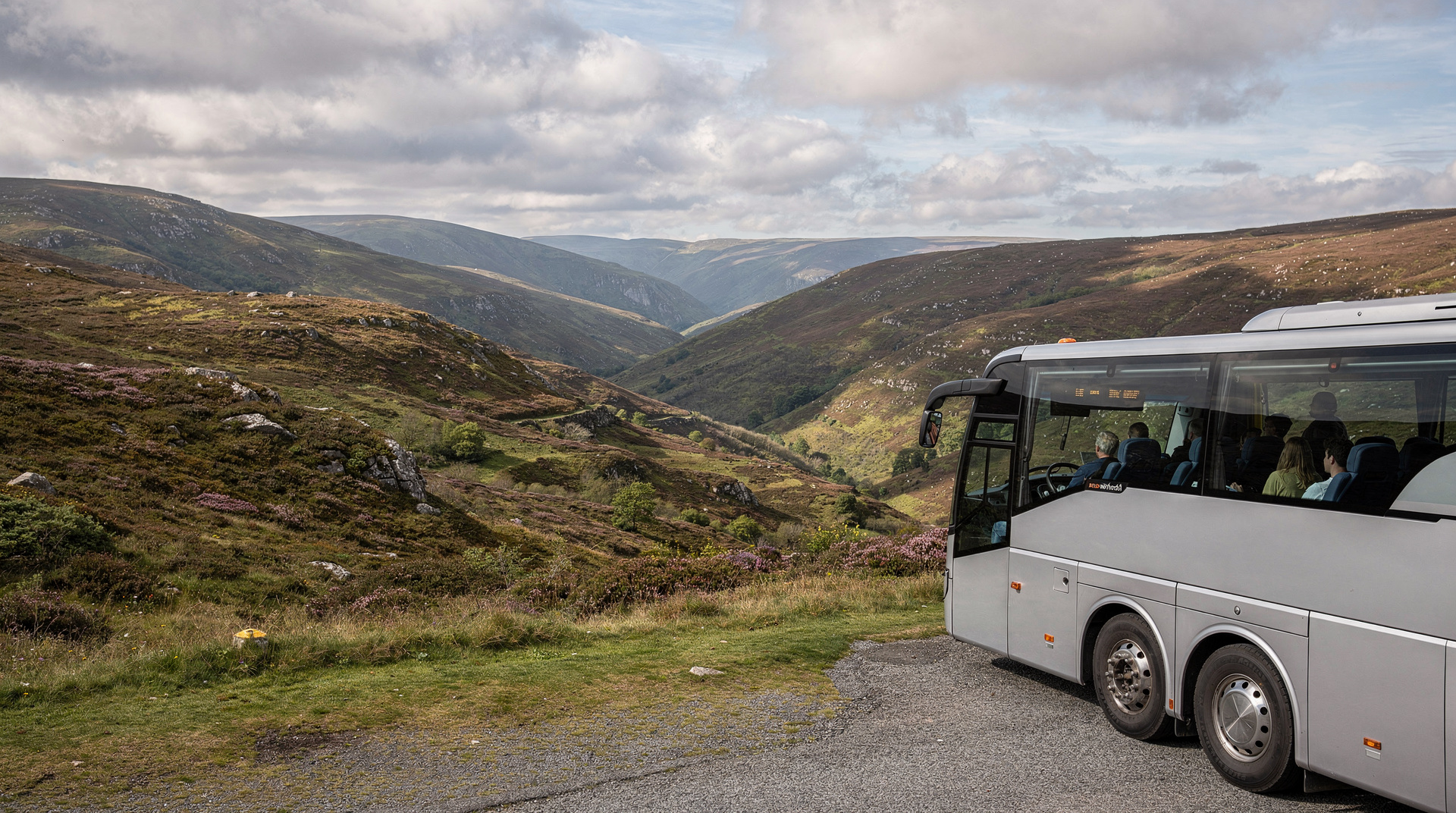
Glendalough is a forty-five-minute drive from Dublin, or a day-trip coach tour away if you’d rather not drive the mountain roads. The Wicklow and Glendalough day trip guide covers the options in detail. Do this before the bluebells arrive and the coaches multiply.
Glendalough and Wicklow half-day tour from DublinThe half-day option is the resolution-friendly version — you’re back in the city by early afternoon, with the rest of the day free for one of the other resolutions on this list.
Eat in a restaurant you found yourself
Dublin has the phenomenon that every major tourist city has: a concentration of well-advertised, reasonably competent restaurants near the main attractions that are full every night because they are findable and because the risk of trying something unknown seems high when you’ve only got five evenings in the city.
The resolution: find one restaurant that you found yourself. Not via TripAdvisor’s top ten, not via the guidebook, not via the hotel concierge. Via a walk that took you somewhere unexpected, or a recommendation from someone at the bar, or a chalk board on a side street that made something sound good.
Dublin’s restaurant scene has genuine depth, most of which is not at the obvious end of the market. Portobello, Ranelagh, Stoneybatter, and the areas around the Grand Canal have restaurants that are good in the way that local restaurants are good — not famous, not optimised for Instagram, just reliably cooking something well for people who eat there regularly.
Do the self-guided walk properly
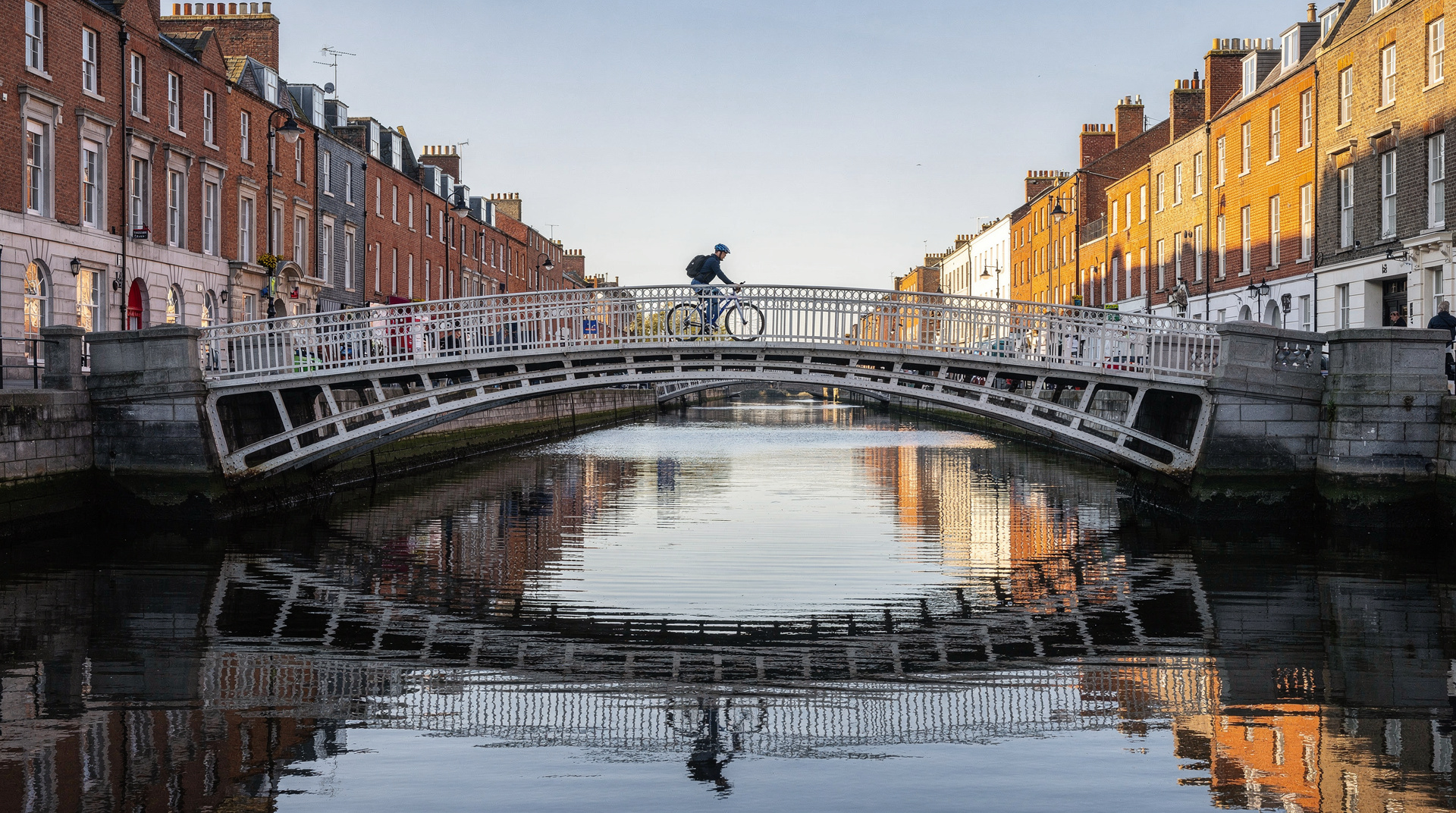
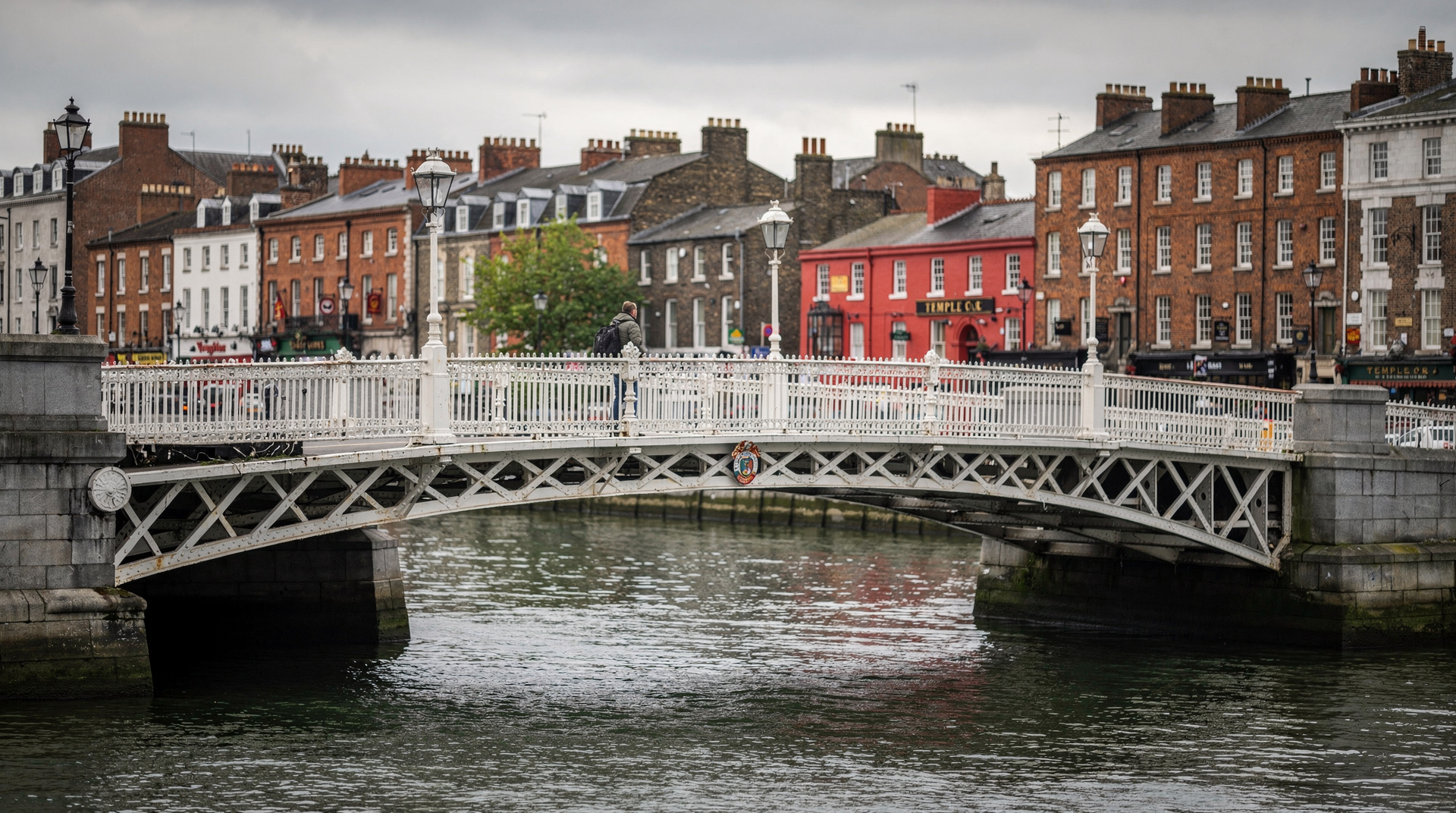
Dublin has been walked by tourists for a long time, and the standard tourist route — Trinity, Grafton, Temple Bar, the river, the Storehouse — covers genuine highlights while missing a great deal. The resolution is to do the other walk: the one that goes through Georgian Dublin, into the Liberties, along the canal, up into the Portobello neighbourhood, and back through the quiet Georgian squares that have no particular reason for tourists to visit them except that they’re beautiful.
Our self-guided Dublin walk guide maps a route that covers the city at a pace and angle that the obvious tourist circuit doesn’t achieve. Allow a full morning. Start before ten. Wear shoes you can actually walk in.
Have a pint in a pub you’ve never been to
This one requires no planning and approximately zero commitment. The resolution is simply to walk into one Dublin pub that is not on any list you’ve consulted, sit at the bar rather than a table, and order a pint without looking at your phone for the first twenty minutes.
Dublin has several hundred pubs. Most travel visitors see five or six. The argument for finding one that nobody told you about is not that it will necessarily be better than the ones on the lists — it might not be — but that finding it yourself is a different kind of experience. The pub has a different texture when you arrived by accident rather than by recommendation.
Where locals drink can point you at the right neighbourhoods. But the specific pub is for you to find.
Finally do the Boyne Valley
Newgrange and the Boyne Valley monuments are less than an hour from Dublin, older than the Egyptian pyramids, and visited by a fraction of the people who go to the Guinness Storehouse. This is a known injustice in Dublin tourism and one that is easily corrected.
The passage tomb at Newgrange — constructed around 3200 BC — is one of the most significant prehistoric monuments in Europe. The Boyne Valley day trip guide covers how to get there without a car, what to book in advance (the Brú na Bóinne visitor centre requires pre-booking), and what else to see in the valley. Note that the famous winter solstice illumination is lottery-only, but the monument is extraordinary at any time of year.
Book the Boyne Valley before June, when the school trips arrive and the booking system fills up.
Newgrange and the Boyne Valley passage tomb tourVisit one free museum you keep skipping
This resolution costs nothing and takes an afternoon. Dublin has several excellent free museums that visitors consistently skip in favour of the paid attractions on every list — the National Museum’s archaeology wing, the National Gallery, the Chester Beatty Library. None of them require booking, none of them have real queues, and all three are genuinely good.
The resolution is specific: pick one, go on a weekday morning, and give it an hour rather than a rushed twenty minutes on the way to somewhere else. Pair it with the Kilmainham museums area if you want to make a fuller afternoon of it — the gaol itself needs booking, but the Irish Museum of Modern Art next door does not.
Take the DART somewhere new
If you’ve been to Dublin before and done Howth, the resolution is Malahide to the north — the castle, the estuary, the village — or Dún Laoghaire and Dalkey to the south. If you’ve done all of those, the resolution is Bray at the end of the line, which still feels like a seaside town rather than a suburb and has a cliff walk of its own that takes you to Greystones.
The DART coastal day out guide structures these options into a coherent itinerary. The DART is one of the most pleasant ways to spend a Dublin day, and it costs almost nothing.
Actually plan the day trip you’ve been putting off
If there is a specific Irish day trip that has been on your list for more than two visits — the Cliffs of Moher, the Causeway Coast, Kilkenny, Connemara — the resolution for 2022 is to book it rather than just intend it.
These things don’t happen by themselves. The coach from Dublin to the Cliffs of Moher leaves at seven in the morning, and booking it the night before doesn’t work. The resolution is to treat the day trip as the primary commitment of a visit and build the rest of the itinerary around it.
The best day trips from Dublin guide covers all the options with honest assessments of what each one involves. Read it, pick one, and book it before you read anything else.
A practical note on January
January is not the worst time to act on any of these resolutions. Dublin is quiet, prices are low, and the motivation of a new year is real even when it’s slightly irrational. The Guinness Storehouse has short queues. The Boyne Valley on a cold clear January day has a specific quality that the summer visit doesn’t replicate.
The city in January is also honest in a useful way: it’s not performing for anyone. The tourist infrastructure is present but not dominant, and the city’s actual texture — its ordinary, daily, lived-in character — is more visible than at any other time of year.
Make the resolutions specific. Make them achievable. Make at least one of them take you somewhere you haven’t been before. That last one is the only travel resolution that always keeps itself.
Frequently asked questions about New year Dublin resolutions — the ones worth keeping
Do I need to book the Boyne Valley visit far in advance? For January through April, a few days’ notice is usually enough. From May onward, and especially for summer weekends, book the Brú na Bóinne visitor centre slot at least a week ahead — it fills up with school groups and coach tours.
Is January really a good time to do a Dublin day trip? Yes, with the right expectations. Days are short and the weather is unreliable, but sites like Glendalough and the Boyne Valley are genuinely quieter and, in their own way, more atmospheric than in peak summer. Dress for the weather and you’ll have a better visit than the crowds of July allow.
Top experiences
Bookable activities with verified prices and instant confirmation on GetYourGuide.