Kylemore Abbey
Visiting Kylemore Abbey from Dublin — what you see, how long it takes, the gardens, the Gothic chapel and whether it's worth the detour.
From Dublin: Kylemore Abbey, Connemara, Killary Fjord & Galway
Duration: 13h
- Free cancellation
- Instant confirmation
Quick facts
- Distance from Dublin
- ~280 km, about 3.5 hrs by car
- Location
- Pollacapall Lough, Connemara, Co. Galway
- Currency
- Euro (€)
- Entry fee
- €15 adults (includes gardens and chapel)
- Ideal visit
- 2–3 hours on site
One of the most photographed buildings in Ireland
Kylemore Abbey earns its photographs. The Victorian Gothic castle-turned-abbey sits at the edge of Pollacapall Lough with the Twelve Bens mountain range rising behind it, and the reflection in the still water in the morning is the postcard version of Connemara that most people arrive carrying in their heads. The reality does not disappoint — the setting is genuinely extraordinary, and the building itself has an unusual and absorbing history.
| Where | Pollacapall Lough, Connemara, Co. Galway |
| Cost | Around €15 adults, includes gardens and chapel |
| Time needed | 2–3 hours on site |
| Getting there | Best as part of a Connemara day tour from Dublin or Galway |
| Best time | Weekday mornings, April to October; gardens best May–September |
Built in the 1860s as a private home for a wealthy English merchant named Mitchell Henry and his wife Margaret, Kylemore was a romantic gesture of extraordinary scale. After Margaret died, Henry sold the estate. The Irish Benedictine nuns arrived from Belgium in 1920, and it has been an abbey ever since, with a girls’ school operating on the grounds until 2010.
What you see on a visit
The abbey is best experienced with a couple of hours, not a rushed 45-minute stop.
The main building and grounds. The exterior view from the lakeshore path is what most visitors come for, and it can be seen without an entrance ticket. The interior of the abbey is now largely given over to exhibition space, a gift shop and the visitor centre. The rooms that remain from the original house are elegant but few.
The Gothic church. A short walk through the grounds leads to the miniature Gothic church that Mitchell Henry built as a memorial to his wife. It is perfectly proportioned, decorated with locally quarried stone, and contains the tomb of Margaret Henry. This is the most affecting part of the visit for most people.
The Victorian walled garden. Restored after years of neglect, the six-acre walled garden is a 15-minute walk from the abbey through the estate grounds. It is divided into sections — a flower garden, a fern garden, a vegetable garden — and is particularly beautiful in May and June when the wisteria and roses are in bloom. This is what justifies the full entry ticket.
The tea room and café. The main café is well run and serves good food, including smoked salmon and Irish cheese. The queues in July and August are real — arrive early or late.
Getting there from Dublin
Kylemore is deep in Connemara, roughly 280 km from Dublin. Most visitors arrive as part of a Connemara day tour from Dublin or Galway. The Kylemore Abbey, Connemara, Killary Fjord and Galway tour from Dublin is the most comprehensive single-day option, combining the abbey with the fjord landscape of Killary Harbour and a stop in Galway city.
If you are basing yourself in Galway city overnight, a Galway-based Connemara and Kylemore tour is a better option — you save 80 km of motorway and get more time at each stop.
By car, the N59 from Galway through Oughterard and Clifden passes Kylemore on the northern shore of the lough. There is a large car park at the entrance.
Honest assessment
Kylemore Abbey is genuinely beautiful, but it takes most of its income from visitors and the site reflects this — the gift shop is large, the café is busy, and the grounds can feel crowded in high summer. The abbey itself is not a living monastic enclosure that you can wander through; the nuns live and work in an area closed to visitors.
What you are really paying for is the Gothic church, the walled garden and the landscape setting. If those three things interest you, it is well worth the entry fee and the detour. If you are primarily coming for monastic atmosphere or religious heritage, manage expectations accordingly.
The best time to visit is a weekday morning in May, June or September when the light is good and the tour groups have not yet arrived. In July and August, the car park fills by midday and the walled garden has queues.
Combining with other stops
Kylemore works as part of a longer Connemara day that also includes Connemara National Park and Clifden, or the Killary Harbour fjord. The Aran Islands are a separate day — the ferry port is south of Galway and Kylemore is north, so they do not combine logically unless you are spending several days in the region.
See the Connemara page for the broader landscape context, and the best day trips from Dublin guide for how to sequence multiple western stops. The Connemara guide has more detail on the wider region if Kylemore is one stop on a multi-day western trip.
Kylemore versus other western Ireland day trips
Kylemore is a considerable distance from Dublin, and it is worth weighing against the other well-known western options before committing a full day to it:
| Destination | Best for | Distance from Dublin | Realistic as a Dublin day trip |
|---|---|---|---|
| Kylemore Abbey | Gothic architecture, walled garden, lake setting | ~280 km | Only as a very long single day |
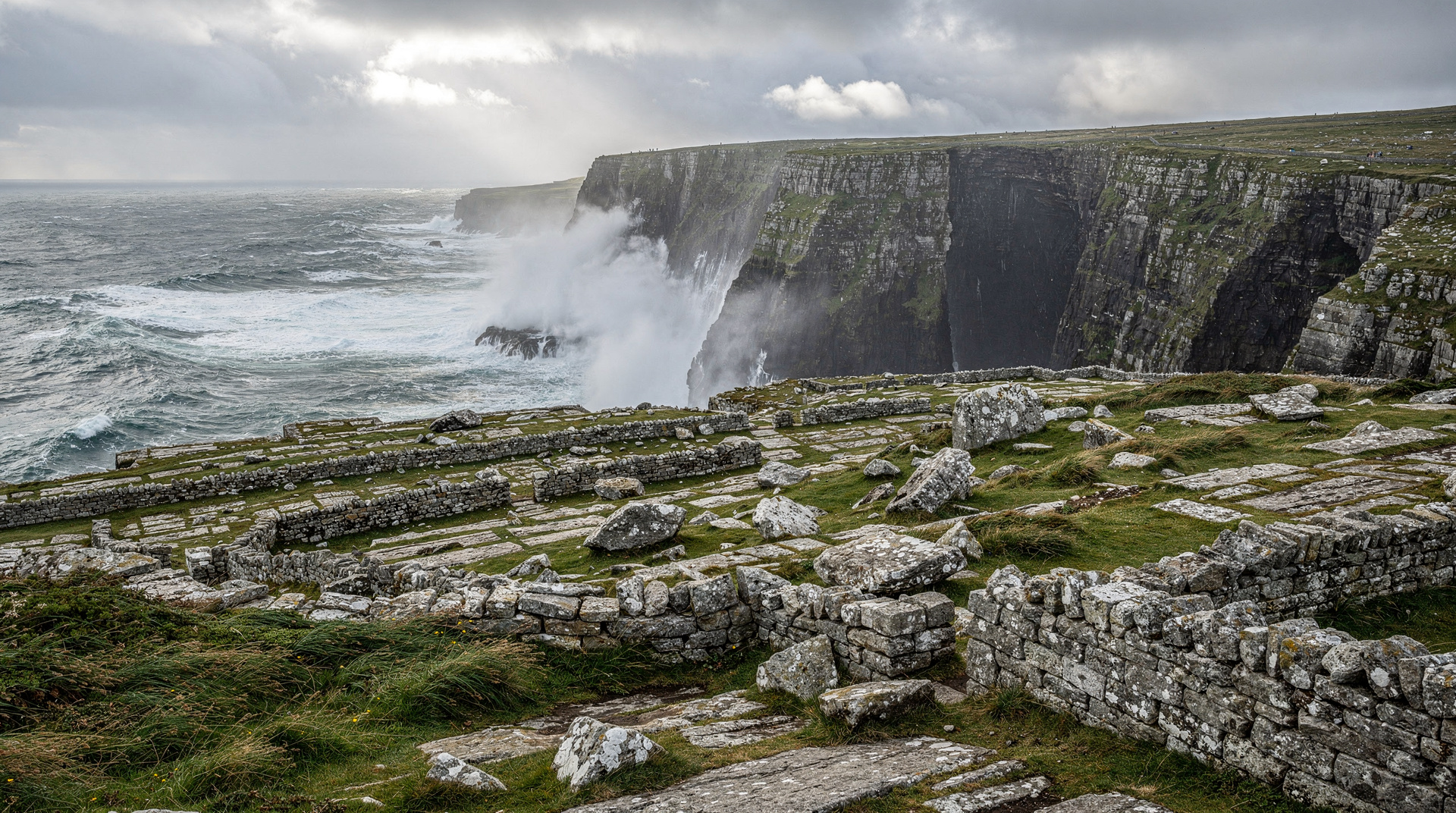
| Cliffs of Moher | Dramatic coastal cliffs | ~270 km | Only as a very long single day |
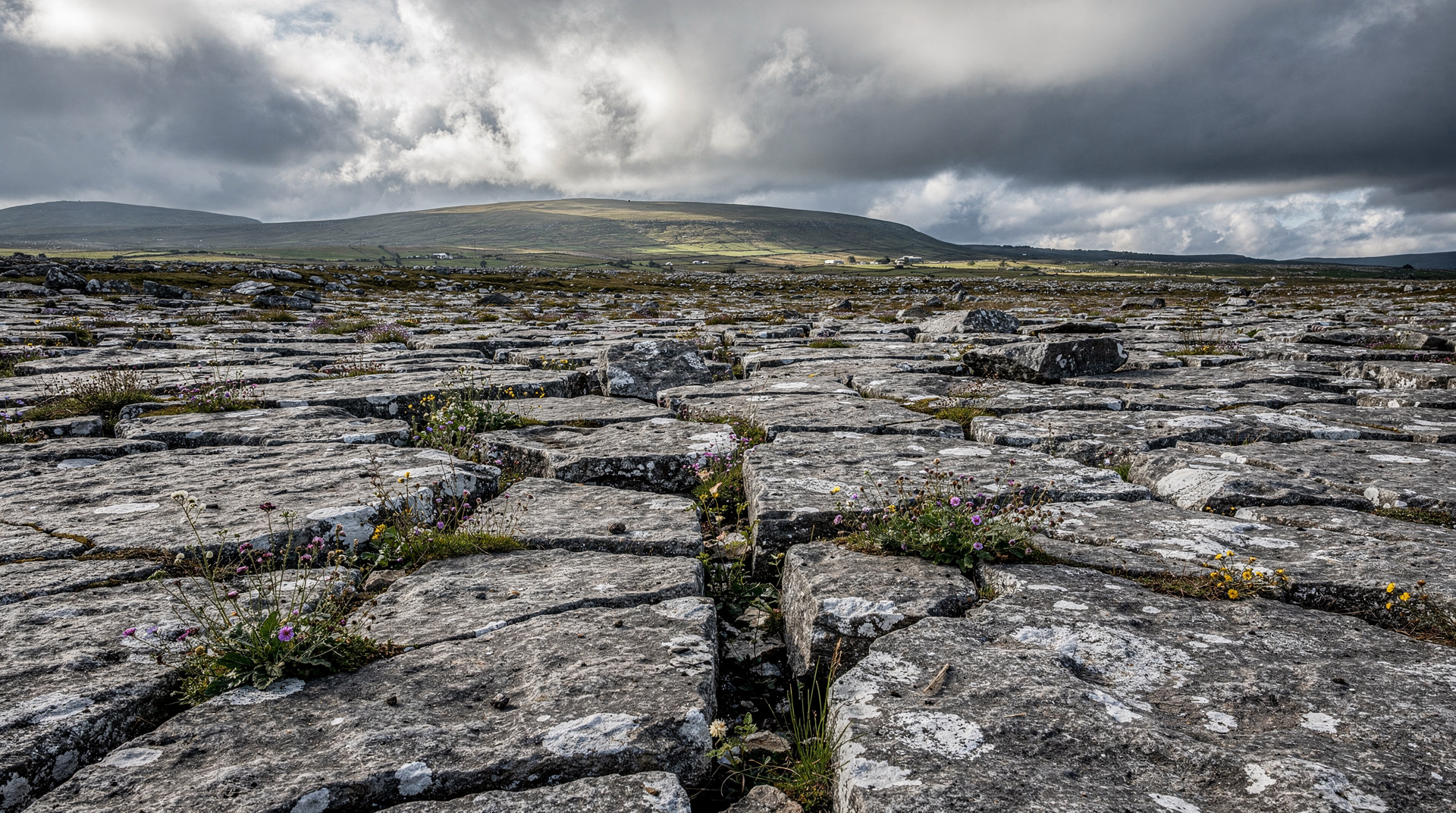
| The Burren | Limestone karst landscape, wildflowers | ~250 km | Only as a very long single day |
All three are far from Dublin and work better from a Galway base than as a same-day round trip — see the Galway day trip guide for why. For a multi-day west trip, the Dublin wild Atlantic 5-day itinerary sequences Kylemore with the Cliffs of Moher and the Burren properly.
Planning your time on site
The surest way to enjoy Kylemore is to decide in advance what you want from it. Visitors who treat the abbey as a quick photo stop tend to leave feeling they have seen a pretty building and little else. Visitors who give it the better part of a morning tend to leave talking about the church, the garden and the way the light moves across the lough.
A sensible order is to start with the view from the lakeshore, when the water is calmest and the building is at its most photogenic. From there, go through the visitor centre and the rooms that remain from the original house, then walk on to the Gothic church before heading to the walled garden. Finish with the café, once the first rush has thinned out. This sequence keeps you moving away from the busiest spot — the main building — just as the tour groups begin to gather around it.
Wear shoes you can walk in. The paths between the abbey, the church and the garden are not demanding, but the weather in Connemara changes quickly, and a showery morning is perfectly normal. A waterproof layer is a better bet than an umbrella beside an open lough. The Dublin weather and what to pack guide applies equally well here, since the west is, if anything, wetter and windier than the capital.
Photography at Kylemore
The classic photograph is taken from the shore of the lough, looking across the water to the abbey with the hillside rising behind it. On a still morning the reflection doubles the building, and that is the image on most postcards. If the wind is up, the reflection breaks, but moving cloud over the mountains gives a moodier picture that many photographers prefer.
Do not stop at the first viewpoint. The path along the water offers several different angles, and the church framed by trees makes a quieter, more intimate subject than the castle itself. In the walled garden, early light on the borders and glasshouse structures rewards patience. The garden is also a good place to shoot when the weather has turned grey, because the colour of the planting holds up better than the sky.
A few practical habits help. Arrive before the coach groups if you can, since an empty foreground is the difference between a good photograph and a crowded one. Keep a lens cloth to hand for the damp air. And leave time to simply look: the setting is better experienced than photographed.
The story behind the building
Part of what makes Kylemore absorbing is that it is a love story, a family story and a religious story all at once. It began as a grand private gesture: a husband building a home of extraordinary ambition in a remote and beautiful corner of the west. The memorial church he later built for his wife is the clearest reminder that the estate was never only about display.
The arrival of the Benedictine nuns gave the building a second life. Their long history on the estate, including the school that ran in the grounds, is part of why the exhibition spaces are worth reading rather than rushing past. If you are interested in how Irish country houses were repurposed through the twentieth century, Kylemore is a particularly good example of a great house that found a new role rather than falling into ruin.
For wider context on the period and its upheavals, the Great Famine in Dublin guide and the Irish revolution history walk give a sense of what else was happening in Ireland in the decades around the abbey’s story, even though both focus on the capital.
Choosing between a tour and driving yourself
A guided day tour removes the logistics. You do not have to think about the route, the parking or the timing, and you can look out of the window rather than at the road. For most visitors without a car, this is the obvious choice, and the day trips without a car guide explains how the options compare across the west.
Driving gives you flexibility. You can arrive early, linger in the garden and leave when you wish, which matters at a site where the best hours are the quiet ones. If you are tempted, read the driving in Ireland from Dublin guide first: the roads in Connemara are scenic, but they are narrower and slower than the motorway, and the pace of the day changes accordingly. Plan generously for the journey and do not underestimate how tiring a long day at the wheel can be.
If you are already in the west, a guided full-day Connemara outing that starts in Galway keeps the driving to a minimum and leaves more of the day for the abbey itself. If you are leaving from the capital and want someone else to handle the long road, a full-day Connemara and Galway coach tour from Dublin is the straightforward choice, as long as you accept that the day will be long.
Either way, the best experience comes from treating Kylemore as the heart of the day rather than one stop among many. Tours that cram in too many places leave little time at each, and Kylemore is a site that rewards unhurried attention.
Building Kylemore into a longer western trip
If you can spare more than a single day, the west becomes far more enjoyable. A night or two in Galway city turns Kylemore from an exhausting stretch into a relaxed excursion, and leaves room for the evening life of one of Ireland’s liveliest cities. The blog post a weekend in Galway from Dublin gives a feel for how that kind of trip unfolds.
The same base also makes it easier to add the coast. The Cliffs of Moher day trip guide and the blog post on the Cliffs of Moher without the crowds are useful companions if you are weighing how to share your time between the mountains and the Atlantic edge. For a different kind of landscape, The Burren offers bare limestone rather than lakes and peaks.
If you would rather not choose, the Dublin wild Atlantic 5-day itinerary strings these places together in a workable order, and the best time to visit Dublin guide helps you pick the season that suits both the capital and the west.
Who will enjoy Kylemore most
Kylemore suits people who enjoy buildings with a story, landscapes that reward a slow look, and gardens that have been brought back with care. It is a gentle visit rather than an adventurous one, which makes it a good fit for mixed groups, older travellers and anyone who wants a scenic day without strenuous walking.
It suits active travellers less well on its own. If you are chasing hikes, sea cliffs or wild coastline, you will be happier building the day around those and treating the abbey as a pleasant pause. Families can enjoy the grounds, though younger children may find the exhibition rooms less engaging than the open space outside.
Top experiences
Bookable activities with verified prices and instant confirmation on GetYourGuide.