Aran Islands
Planning a visit to the Aran Islands from Dublin? Honest guide covering ferries, which island to pick, Dún Aonghasa and the full-day reality.
From Dublin: Cliffs of Moher and Aran Islands tour
Duration: 13h
- Free cancellation
- Instant confirmation
Quick facts
- Distance from Dublin
- ~230 km to ferry port
- Ferry from Rossaveal
- 40 min to Inis Mór
- Currency
- Euro (€)
- Main island
- Inis Mór (largest, most visited)
- Ideal stay
- Full day, or overnight on Inis Mór
Three islands in the mouth of Galway Bay
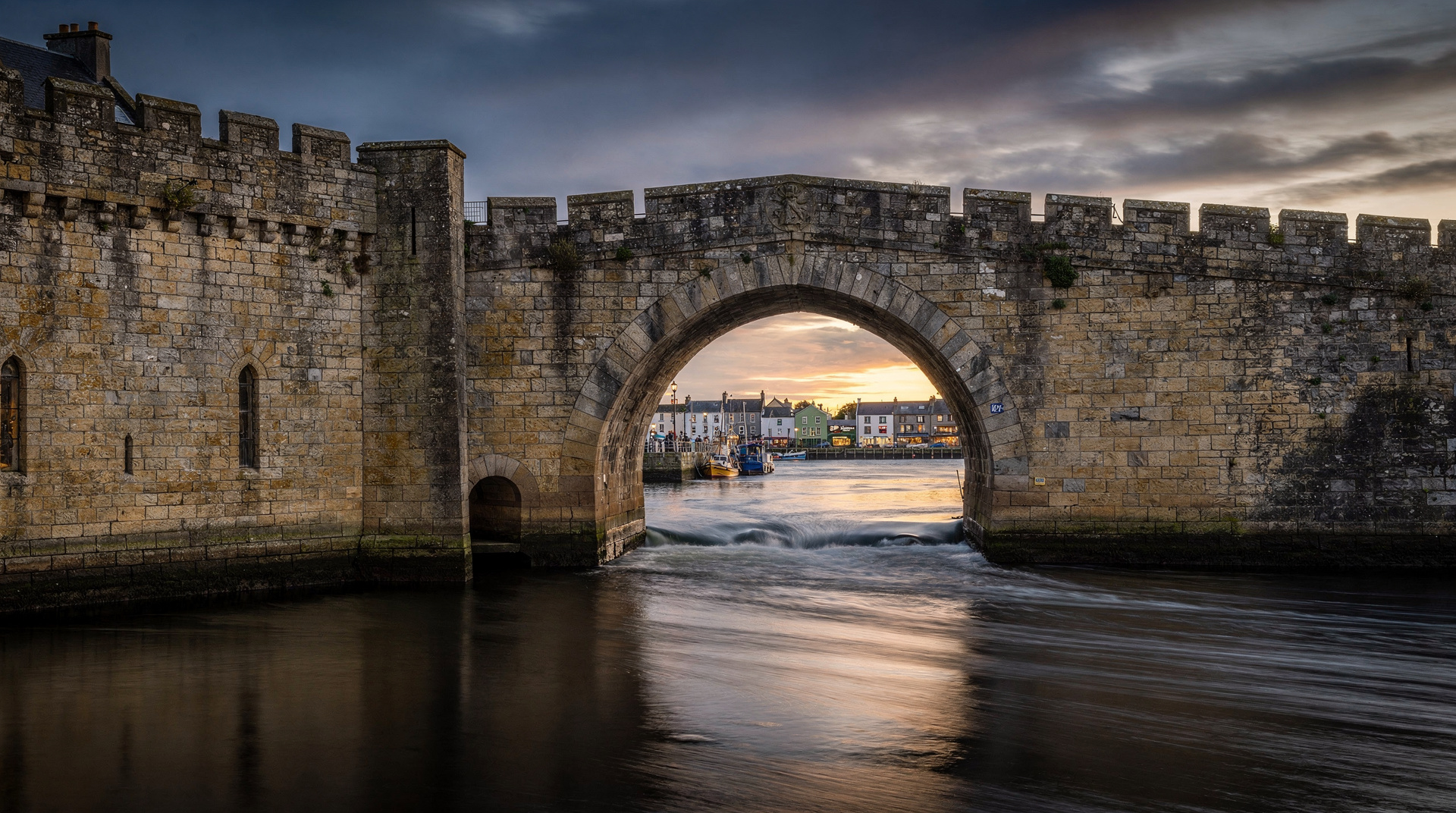
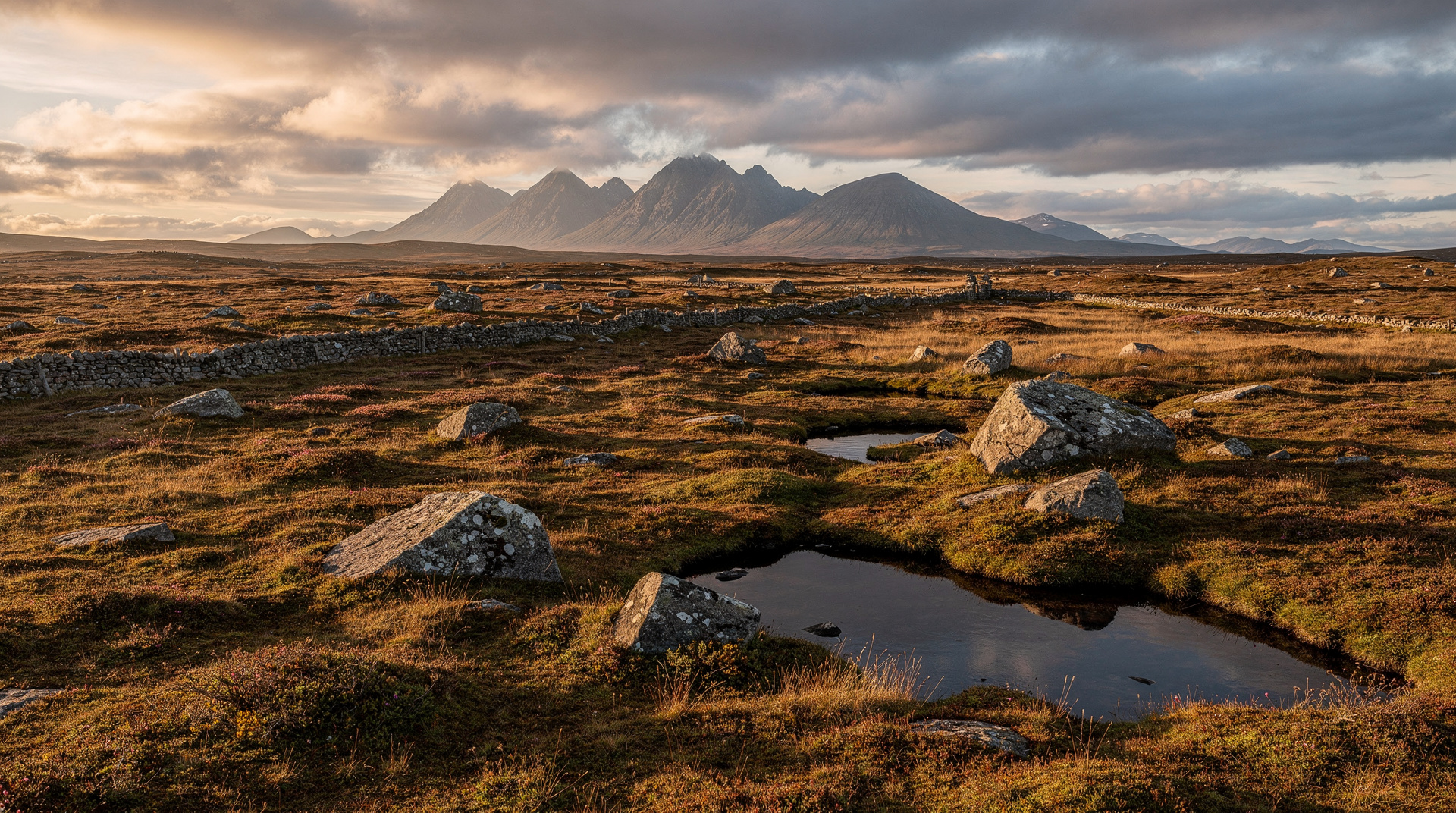
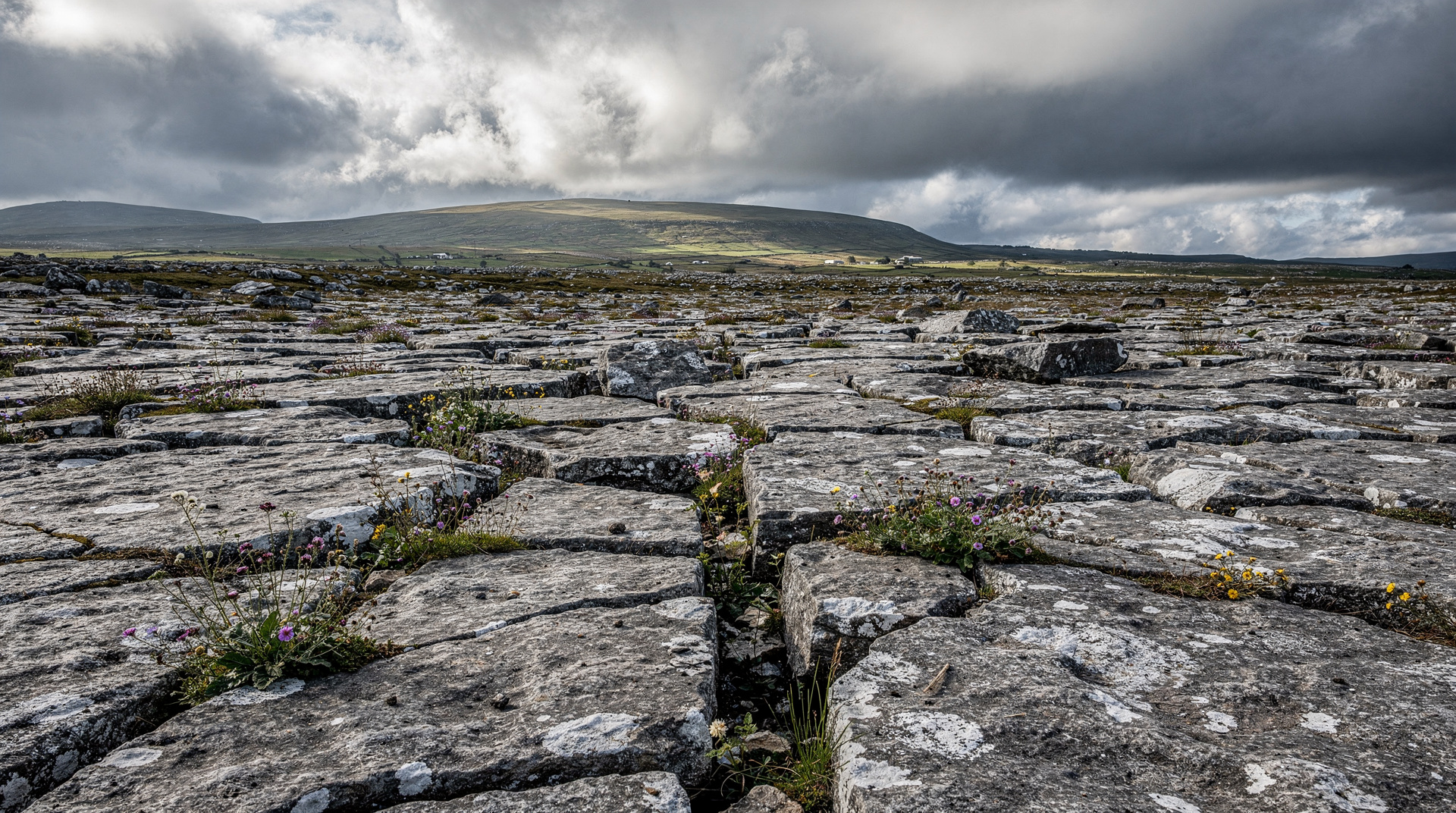
The Aran Islands — Inis Mór, Inis Meáin and Inis Oírr — sit at the mouth of Galway Bay like stepping stones toward the Atlantic. They are ancient places: the dry-stone forts, early Christian oratories and fields divided by hand-built limestone walls predate the Norman castles on the mainland by centuries. The landscape is almost lunar — pale karst limestone, wild flowers pressing through every crack, and the sea visible from almost everywhere you stand.
Most visitors come to Inis Mór, the largest island and home to Dún Aonghasa, the prehistoric cliff-top fort that has become one of the most dramatic archaeological sites in Europe. Inis Oírr, the smallest island, is a quieter choice and is sometimes combined with a Cliffs of Moher cruise. Inis Meáin, in the middle, receives very few tourists and has almost no organised infrastructure — which is either its appeal or its drawback, depending on who you ask.
| Where | Galway Bay, the-west region — around 230 km / 3 hrs from Dublin to the ferry port |
| Cost | Ferry around €25–35 return; guided day tours from Dublin around €65–85 |
| Time needed | A full day from Dublin; longer if you overnight on Inis Mór |
| Getting there | Coach/car to Rossaveal or Doolin, then ferry (or flight from Connemara Airport) |
| Best time | May, June, July and September |
Getting to the Aran Islands from Dublin
The islands are not close to Dublin, and the journey time is the first honest thing to understand. From the city, you are looking at roughly three hours by car or bus to Rossaveal (the main ferry port, 37 km west of Galway city), plus a 40-minute ferry crossing to Inis Mór. An Aer Arann Islands flight from Connemara Airport cuts the crossing to 10 minutes but is more expensive.
Without a car, the practical options are:
Organised full-day tour from Dublin. These combine the coach journey, the Aran ferry and often a stop at the Cliffs of Moher. The Cliffs of Moher and Aran Islands tour from Dublin is the standard itinerary — a long day, but it handles the logistics of ferry timing and connections that can be stressful to manage independently.
Train or bus to Galway, then ferry. This is a good option if you are spending time in Galway city anyway. Bus Éireann and local operators run transfers from Galway to Rossaveal pier. The ferry crossing takes about 40 minutes on Aran Island Ferries. If you would rather not piece together the transfers yourself, a full-day trip from Galway combining the islands with a cruise below the Cliffs of Moher keeps the ferry timings in one booking.
From Doolin. A seasonal ferry runs directly from Doolin in County Clare to Inis Oírr and Inis Mór. This is the most convenient option if you are also visiting the Cliffs of Moher or the Burren.
Inis Mór in a day
Most visitors arrive at Kilronan, the main village, and have between three and five hours before the return ferry. That is enough time to do the island properly if you hire a bicycle (the most popular choice, and the right one) or join a minibus tour from the pier.
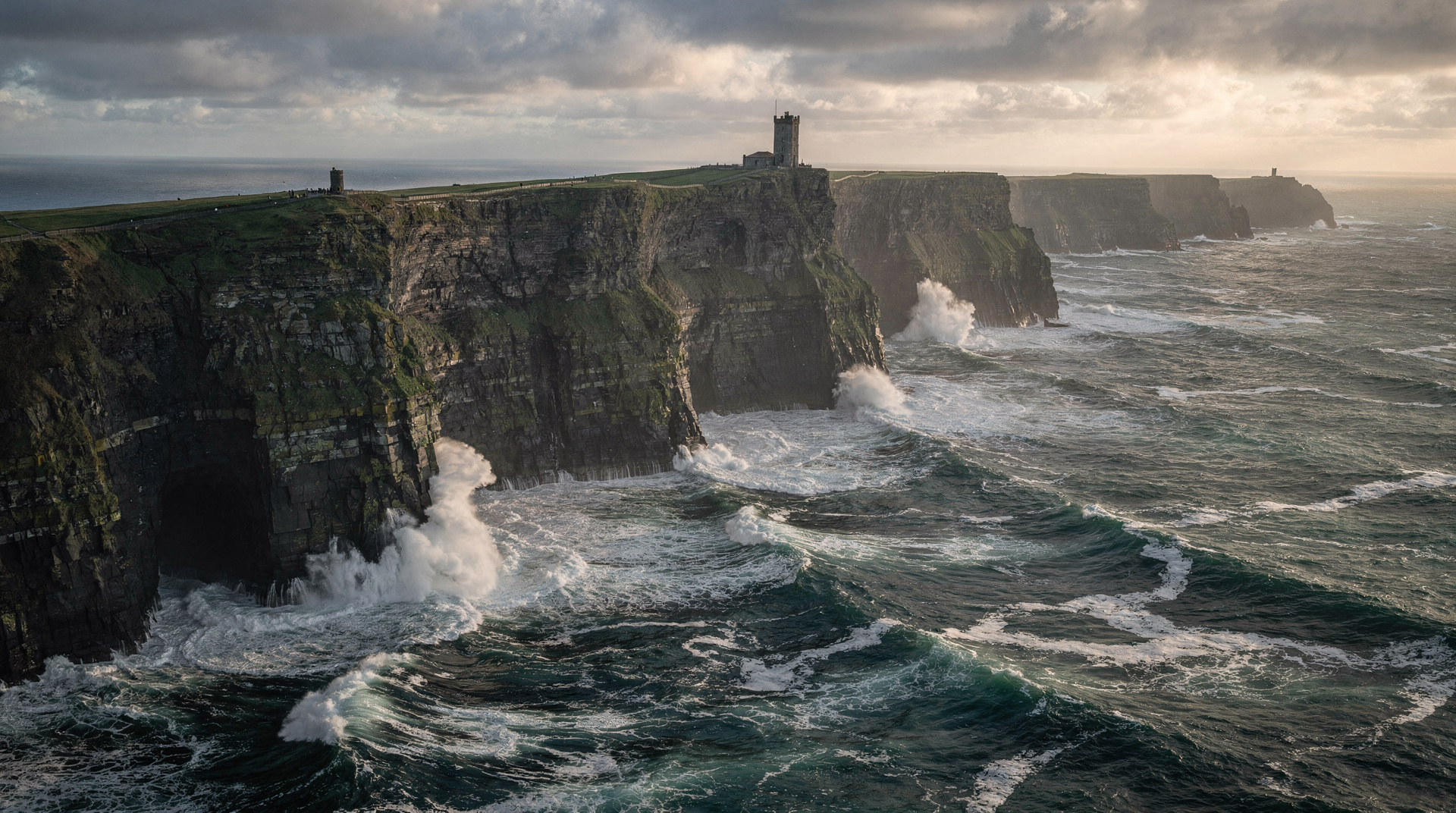
Dún Aonghasa is the unmissable sight — a semicircular stone fort perched on 90-metre sea cliffs. The walk up from the visitor centre takes about 20 minutes on a gravel path. There are no barriers at the cliff edge, and the drop is absolute. The combination of prehistoric stonework and vertiginous Atlantic views is genuinely striking, and the site is well-managed enough that even on a busy summer day it does not feel crowded once you are walking among the walls.
The Seven Churches site (Na Seacht dTeampaill), on the west of the island, is a collection of early medieval ecclesiastical remains set in a field — less visited than Dún Aonghasa and more atmospheric for it.
Cycling the island is genuinely enjoyable. The road network is flat-to-gently-rolling, car traffic is light, and the limestone scenery changes character constantly. Bicycle hire runs around €12–15 per day from operators in Kilronan.
Honest observations
The Aran Islands have the reputation of being authentically Irish in a way that the mainland is not, and there is truth to that — Irish is still spoken as an everyday language here, and the pace of life is genuinely different. But they are also well-prepared for visitors: Kilronan has cafes, restaurants and souvenir shops, and in July and August the pier is busy.
If you expect complete isolation and wild emptiness, Inis Mór in summer will not quite deliver it. If you want an island experience with real archaeology, dramatic scenery and a tangible sense of another way of living, it will.
Inis Oírr is the better choice for people wanting quiet. It takes less than 30 minutes to walk across, there are far fewer visitors, and the shipwreck of the Plassey — partially buried in the beach and partially lifted onto a rock shelf — is one of the stranger sights in Ireland. For a calmer, more compact visit, a ferry day trip from Galway to Inis Oírr is an easy way to see the smallest island without the bigger crowds of Inis Mór.
What to bring
Atlantic weather applies here even in summer: a waterproof layer, comfortable walking shoes and sunscreen for the cliff tops. There are no ATMs on Inis Meáin; Inis Mór has one in Kilronan but it can run dry on busy weekends. Bring cash.
Which island to choose
The three islands suit very different visits, and picking the right one matters more than the guidebooks usually admit.
| Island | Best for | Time needed | Character |
|---|---|---|---|
| Inis Mór | First-time visitors, Dún Aonghasa, cycling | Full day | Most infrastructure, busiest in summer |
| Inis Oírr | Quiet, compact walking, the Plassey wreck | Half day | Smallest, easiest to see on foot |
| Inis Meáin | Solitude, Irish-language immersion | Overnight ideally | Almost no tourist infrastructure |
Where to eat and where to stay
Kilronan on Inis Mór has the widest choice: a handful of cafes and pubs serving chowder, seafood and simple pub food, plus a couple of restaurants that get busy at lunchtime when the tour buses land. Inis Oírr has a smaller cluster near the pier. If you plan to overnight — the best way to see Inis Mór without the day-trip crowds — Kilronan has guesthouses and B&Bs, but book ahead in July and August, since beds are limited and ferries sell out on the same peak weekends.
Combining with a wider west-of-Ireland trip
Independent travellers building a longer loop often pair the islands with Galway city, Connemara and Kylemore Abbey over several days rather than trying to squeeze everything into one. The Dublin Wild Atlantic 5-day itinerary shows how the islands slot into that kind of route without rushing the ferry connections. If you only have one day free from Dublin and want the coach-and-ferry logistics handled for you, the organised tour remains the simplest option.
Planning context
The Aran Islands combine naturally with Galway city — spend a day in Galway, take the ferry the next morning and return by evening. They sit adjacent to the Connemara itinerary rather than combining with it on the same day, since Connemara lies to the north of Galway and the ferry to the islands lies to the west. The best day trips from Dublin guide covers how to sequence these if you are building a broader western Ireland itinerary.
Shaping the day once you land
Whichever island you choose, the best days start with a decision made on the pier rather than on the coach. Look at the sky, look at the return ferry time, and decide how much ground you realistically want to cover. On Inis Mór the temptation is to tick off every site; the visitors who enjoy themselves most usually pick two or three and leave room to stop. A long lunch with a view, a detour down a lane that looks interesting, a pause at a stone wall to watch the sea: these are the moments people remember, far more than a rushed checklist.
Build in a generous margin before the ferry back. Ferries run to a schedule, and the walk or ride back to the pier always takes longer than it looked on the map, especially into an Atlantic headwind. Aim to be near Kilronan well before departure, with a drink in hand, rather than watching the clock from the far side of the island.
Understanding what you are looking at
The limestone pavement of the islands is part of the same geology you meet on the mainland in the Burren, and the connection is worth knowing about. The bare grey rock, the cracks sheltering tiny flowers and the absence of topsoil all explain why the islanders built their walls the way they did, and why the fields look so improbably small. Generations of people carried sand and seaweed up from the shore to make soil where none existed. Once you know that, every field wall reads as a piece of human effort rather than simple scenery.
The ancient stonework rewards the same patience. Dún Aonghasa is the famous example, but the smaller forts and church ruins scattered around the islands tell the same story of a community that valued defensible, windswept places. If you enjoy this kind of history, the mainland offers a useful comparison in Newgrange and Brú na Bóinne and Rock of Cashel, both very different in setting but equally old in spirit.
Weather, light and photography
Weather on the islands changes quickly. A bright morning can turn to drizzle by lunchtime and back again, and the changing light is a large part of the charm. Cloud shadows crossing the limestone make the landscape look different every few minutes, and the soft light late in the day is generous to anyone with a camera. Bring a layer you can put on and take off easily, and keep your phone or camera somewhere dry.
Wind matters more than rain for cyclists and cliff walkers. Stay well back from exposed edges on blustery days, and remember that there is no barrier at Dún Aonghasa. If conditions look rough, the sheltered lanes inland are a better use of your time than the cliff tops, and the day is not wasted.
Who the islands suit, and who they do not
The islands suit people who enjoy slow travel, simple food and being outdoors in changeable weather. Walkers, cyclists, history lovers and anyone curious about the Irish language will find plenty to hold their interest. Photographers tend to love the place, and so do families with older children who can cope with a long day and some walking.
They suit less well anyone who needs a packed programme of indoor attractions, anyone with limited mobility who would struggle with uneven ground, or travellers who dislike boats in rough water. If you are not sure about the crossing, check the forecast the night before and have a plan B. Galway city is an easy fallback, and the Galway day trip guide explains how to fill a day there. For wet days in general, the rainy day Dublin guide has ideas if you end up back in the capital.
Pairing the islands with the rest of the west
Many travellers fold the islands into a longer western loop. The Cliffs of Moher make a natural companion, and the Cliffs of Moher guide helps you decide how to combine the two. Our Aran Islands guide goes into more practical detail on the crossing and the choice of island, while the Connemara guide covers the wilder mainland scenery to the north.
To compare the islands with other excursions from the capital, see the best Dublin day trip guide, and for travelling without your own vehicle read day trips without a car from Dublin. If you are driving, the driving in Ireland guide is worth a look before you set off, and Dingle offers another peninsula-and-sea experience further south for a longer trip.
Leaving with the right expectations
The Aran Islands do not need to be the highlight of an Irish trip to be worth the effort. Treat them as a contrast to Dublin: no queues for museums, no traffic, and a very different rhythm. Go with a flexible attitude, dress for the weather, carry cash and accept that the journey is part of the experience. Travellers who do this tend to come back talking about the light, the walls and the quiet rather than the length of the trip.
Top experiences
Bookable activities with verified prices and instant confirmation on GetYourGuide.