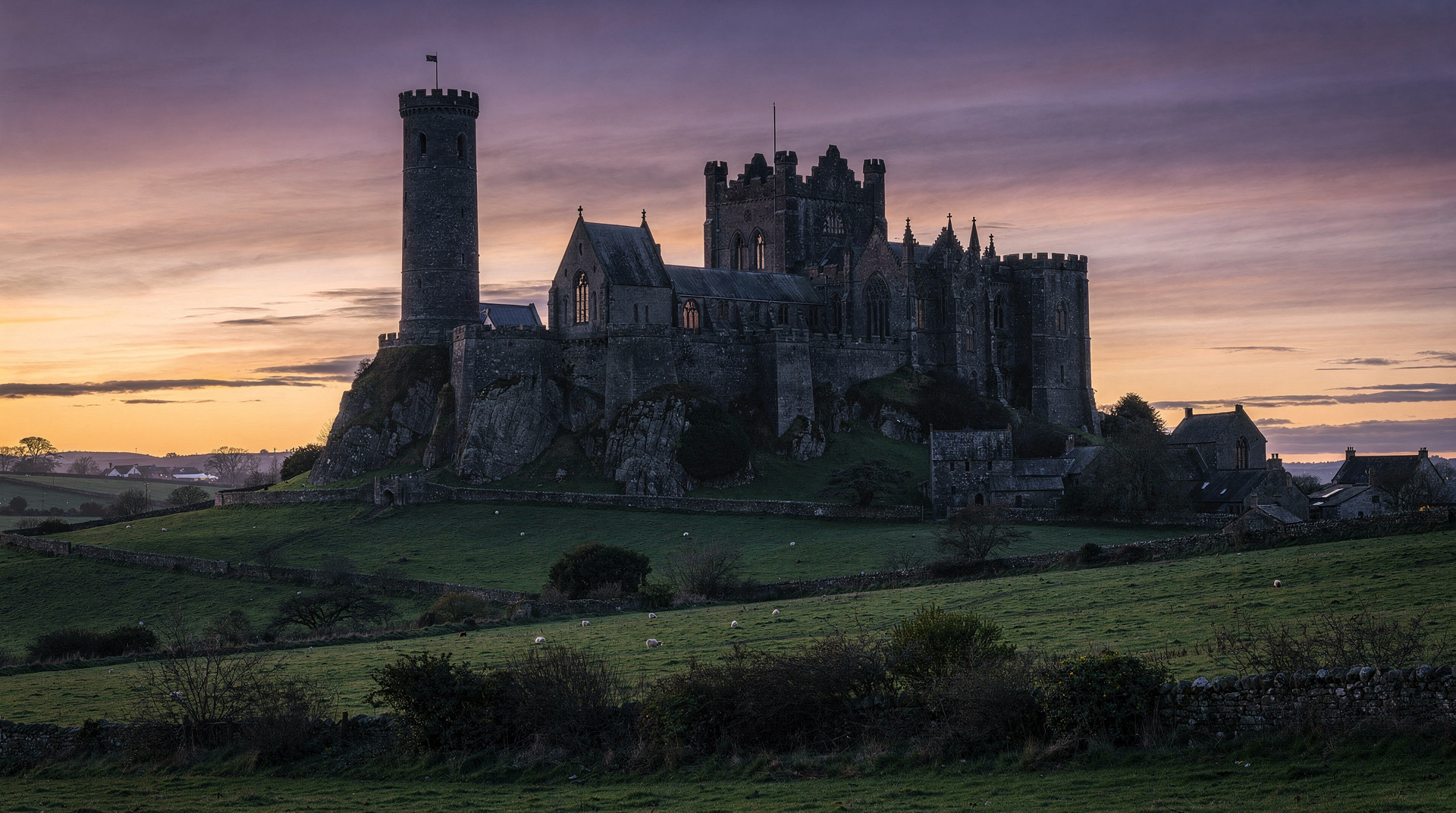
Blarney Castle
Honest guide to Blarney Castle from Dublin — the stone, the gardens, the queues, what it actually costs and whether the day trip is worth your time.
From Dublin: Blarney Castle full-day tour
Duration: 13h
- Free cancellation
- Instant confirmation
Quick facts
- Distance from Dublin
- ~285 km, about 3 hrs by car
- Getting there
- Car, or day tour from Dublin
- Currency
- Euro (€)
- Entry fee
- €18 adults (castle, grounds and gardens)
- Blarney Stone queue
- 20–90 min in peak season
The honest Blarney Castle guide
Let us get the honest part out of the way first: Blarney Castle is one of the most touristed sites in Ireland, the Blarney Stone queue in August can exceed 90 minutes, and the “gift of the gab” legend is mostly marketing. The stone itself is a limestone block embedded in the castle battlements — to kiss it, you lie on your back, grip two iron handrails and tilt your head backward over a gap. A castle employee holds your shoulders. Many people find it exhilarating; some find it undignified; a few regret the wait.
Despite all of that, Blarney Castle is worth visiting — just not only for the stone. The 15th-century tower house is impressive, the grounds are extensive and genuinely beautiful, and the Rock Close woodland garden is one of the strangest and most atmospheric places in Munster.
| Where | County Cork, ~285 km / 3 hrs from Dublin by car |
| Cost | Around €18 adults (castle, grounds and gardens) |
| Time needed | 2.5–3.5 hrs on site; a full day from Dublin including travel |
| Getting there | Car, train to Cork + local bus, or organised day tour from Dublin |
| Best time | April–June or September–October; avoid the August peak |
The castle itself
The keep dates from 1446 and reaches 26 metres. You climb a spiral staircase that gets progressively narrower and steeper, passing floor after roofless floor, until you reach the battlements and the long queue for the stone. The castle interior is skeletal rather than furnished — bare stone walls and empty window openings looking out over the estate — which makes the climb feel like the real experience rather than the stone at the top.
The views from the battlements across the parkland and the Shournagh valley are the reward for those who skip the stone queue.
The gardens
The Blarney Estate gardens are extensive and worth at least 90 minutes of separate exploration after the castle.
Rock Close. A Victorian-era woodland garden built around a natural limestone outcrop, with a druidic stone circle, a witch’s kitchen cave, ancient yew trees and a wishing steps feature. It is genuinely unusual — dark, mossy, theatrical and nothing like the manicured gardens you find at most historic properties. Arrive here before 10am and you may have it largely to yourself.
The Poison Garden. A collection of toxic and narcotic plants — hemlock, mandrake, cannabis, belladonna — housed in a walled garden with explanatory labels. It is morbidly educational and popular with teenagers.
The Arboretum and woodland. Mature trees and a riverside walk along the Blarney Lake complete the circuit. The estate is large enough that most visitors do not make it to the far end, which means the lake walk is typically quiet even when the castle is busy.
Getting to Blarney from Dublin
Blarney is about 285 km from Dublin — a three-hour drive, or 2.5 hours to Cork city by train followed by a 15-minute bus or taxi to the castle. The bus from Cork (route 215) runs regularly.
Most visitors from Dublin come on an organised day tour. The Blarney Castle full-day tour from Dublin handles the logistics and includes time at the castle and grounds, with a stop in Cork city on the return. This is the practical choice if you do not have a car and want to visit Blarney without the complexity of train and bus connections.
Is the Blarney Stone worth it?
Honestly, the stone is the least interesting part of a Blarney visit. The gardens and the castle climb are better. If you have 30 minutes to spare after the castle and gardens, join the queue. If the queue is 60 minutes and you have a train to catch, skip it without regret.
The is the Blarney Stone worth it guide on this site runs through the trade-offs in more detail. The short answer: the grounds are worth the entry fee; the stone is optional.
When to go to avoid the queue
Timing matters more than almost anything else at Blarney. Tour coaches arrive in waves from mid-morning through early afternoon, so the queue for the stone is at its worst between about 11am and 3pm in July and August. Arriving at opening (9am) or in the last two hours before closing avoids the worst of it, and shoulder-season months — April to June or September to October — see far fewer coaches overall. Rock Close, described above, rewards the same early-arrival strategy.
What a Cork day trip with Blarney looks like
A typical Dublin day trip allots roughly two and a half hours at Blarney (castle climb plus a walk through Rock Close) before a stop in Cork city itself, where an hour or two is usually enough for a walk along Patrick Street and the English Market. Travellers doing it independently by train can follow the same rhythm: an early train to Cork, the local bus or taxi out to Blarney for the morning, and the afternoon back in Cork city before the return train.
Combining with Cork and Cobh
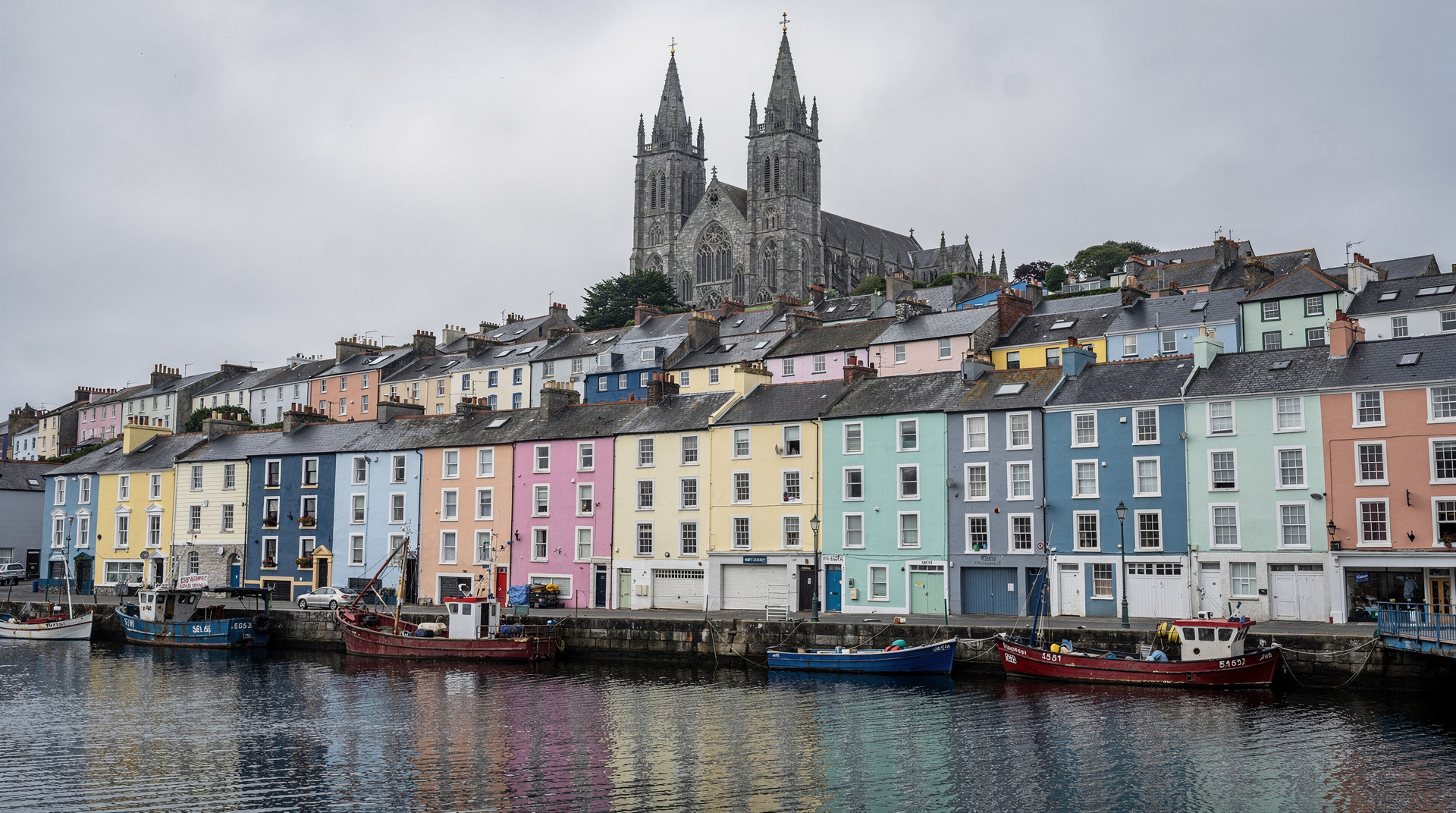
The logical pairing for Blarney is Cork city — Blarney is 8 km north of the city centre, making it a natural addition to a Cork day. Cobh is 23 km from Cork, and all three in one day requires a car and an early start. On a two-day trip south-west, Killarney and the Ring of Kerry become accessible overnight from Cork.
Cork, Cobh and Blarney Castle full-day tour from DublinHow to pace the day on site
The easiest mistake at Blarney is to treat the castle as the whole visit and the gardens as an afterthought. Reverse that instinct. If you arrive early, start in Rock Close while it is still quiet, then walk up to the keep once the first wave of visitors has already gone through. By the time you reach the battlements the queue has often settled into a steady shuffle rather than a crush, and you have already seen the part of the estate that most people rush.
Wear shoes with grip. The spiral staircase is worn and narrow, the woodland paths can be damp underfoot, and the wishing steps are exactly the sort of feature that looks charming in a photograph and slippery in person. Bring a layer even in summer; the weather in the south-west changes quickly, and the same rain that makes the woodland look dramatic will make the battlements feel exposed. Our what to pack for Dublin weather guide applies just as well once you head south.
Leave the large bag in the vehicle or on the coach if you can. The stairway is tight, and a bulky rucksack makes the climb more awkward for you and everyone behind you.
Who will enjoy Blarney most
Blarney suits people who like a mix of history, strange landscapes and gentle walking, and it rewards curiosity more than stamina. Families tend to do well here because there is room to roam, a castle to climb and a garden full of poisonous plants to point at. If you are planning around children, the Dublin with kids and family day trips from Dublin guides will help you decide whether a long travel day suits your group, since the journey is the real test of patience rather than the site itself.
Garden lovers will find the estate more varied than they expect, moving from tidy lawns to wild woodland within a short walk. Photographers should aim for early or late light, when the tower house looks best against the trees and the crowds are thinnest. Anyone with limited mobility should know that the keep itself is a steep, narrow climb; the grounds are far easier to enjoy, and the Dublin accessibility guide is a useful starting point for planning a trip where access matters.
Choosing between the tour and going independently
The organised tour removes almost every decision. Someone else drives, someone else watches the clock, and you are returned to Dublin without having to think about connections. The cost is flexibility: you move on the group’s schedule, so you cannot linger in the gardens or skip the stone queue to get an extra hour in Cork. If you like control, a hired car or the train and bus combination gives you that, though you take on the planning. Our day trips without a car guide compares the options honestly, and driving in Ireland from Dublin covers what to expect if you choose to take the wheel yourself, including the adjustment of driving on the left.
A private arrangement sits between the two. A private car trip is worth a look if you want a flexible pace and a second stop on the way, and Rock of Cashel is a genuinely rewarding place to break up the long road south.
Making the long drive worthwhile
Blarney sits at the far end of a long day, so it is worth thinking about what else justifies the distance. If you are choosing between several excursions from the capital, the best day trips from Dublin and which Dublin day trip is best guides set Blarney beside the alternatives. Some travellers decide that a shorter outing suits them better, perhaps Glendalough in the Wicklow hills or Kilkenny with its medieval centre, both of which leave more of the day for actually seeing things rather than sitting in a vehicle.
Others want a bigger Irish landscape and look to the west instead. The Cliffs of Moher and Galway city make a very different kind of day, and our Cliffs of Moher day trip guide explains how that compares. If you are building a longer holiday, the Dublin and Wild Atlantic five-day itinerary shows how to fold a western or southern leg into a wider route without spending every day on the road.
Where Blarney fits in a wider Ireland trip
For first-time visitors, Blarney is often one stop in a longer story rather than a standalone destination. Many people spend the early days of a trip in the capital, then branch out once they have seen the essentials. The first-time Dublin guide and the four days in Dublin with a day trip itinerary show how a single long excursion can sit comfortably inside a city break, with the other days kept lighter. If you have more time and a base in Dublin, the seven-day Ireland itinerary gives a sense of how far you can range without changing hotels.
Think honestly about your own tolerance for long travel days. A Blarney day from Dublin is rewarding but tiring, and it works best when the following morning is unhurried. If you would rather spend a night in the south, the stretch from Cork towards Killarney is among the prettiest in the country, and the extra time lets you see Blarney at the quiet ends of the day, when the estate feels like a place rather than an attraction.
Small details that make the visit smoother
Check the opening times and any seasonal changes on the official channels before you set off, since estates like this adjust their hours through the year. Expect to queue at the ticket point on busy days, and consider booking ahead where that option exists. Bring a refillable bottle and a little patience; the estate rewards slow walking far more than hurried box-ticking.
If you are travelling in summer, plan your meals so you are not hungry at the exact moment the coaches arrive. A quick break in the quieter part of the grounds beats a long wait at a crowded counter. Back in Cork, the Cork city page covers what to do with the evening, and if you are heading home the same day, leave a comfortable margin before the return so the last hour is not spent watching the clock.
Finally, keep expectations realistic and the day will go well. Blarney is not a hidden secret, and no amount of planning will make it empty in high season. What planning can do is put you in the quiet corners at the right moment, give you time to enjoy the woodland, and leave you free to treat the stone as a bit of fun rather than the point of the trip. If you want a wider sense of which famous attractions are worth the effort, the overrated and underrated Dublin guide applies the same honest lens to the capital itself.
Top experiences
Bookable activities with verified prices and instant confirmation on GetYourGuide.

From Dublin: Blarney Castle full-day tour
- Free cancellation
- Instant confirmation

From Dublin: full-day tour to Cork, Cobh and Blarney Castle
- Free cancellation
- Instant confirmation

From Dublin: Blarney Castle and Cork full-day tour
- Free cancellation
- Instant confirmation

From Dublin: Blarney Castle & Rock of Cashel private car trip
- Free cancellation
- Instant confirmation