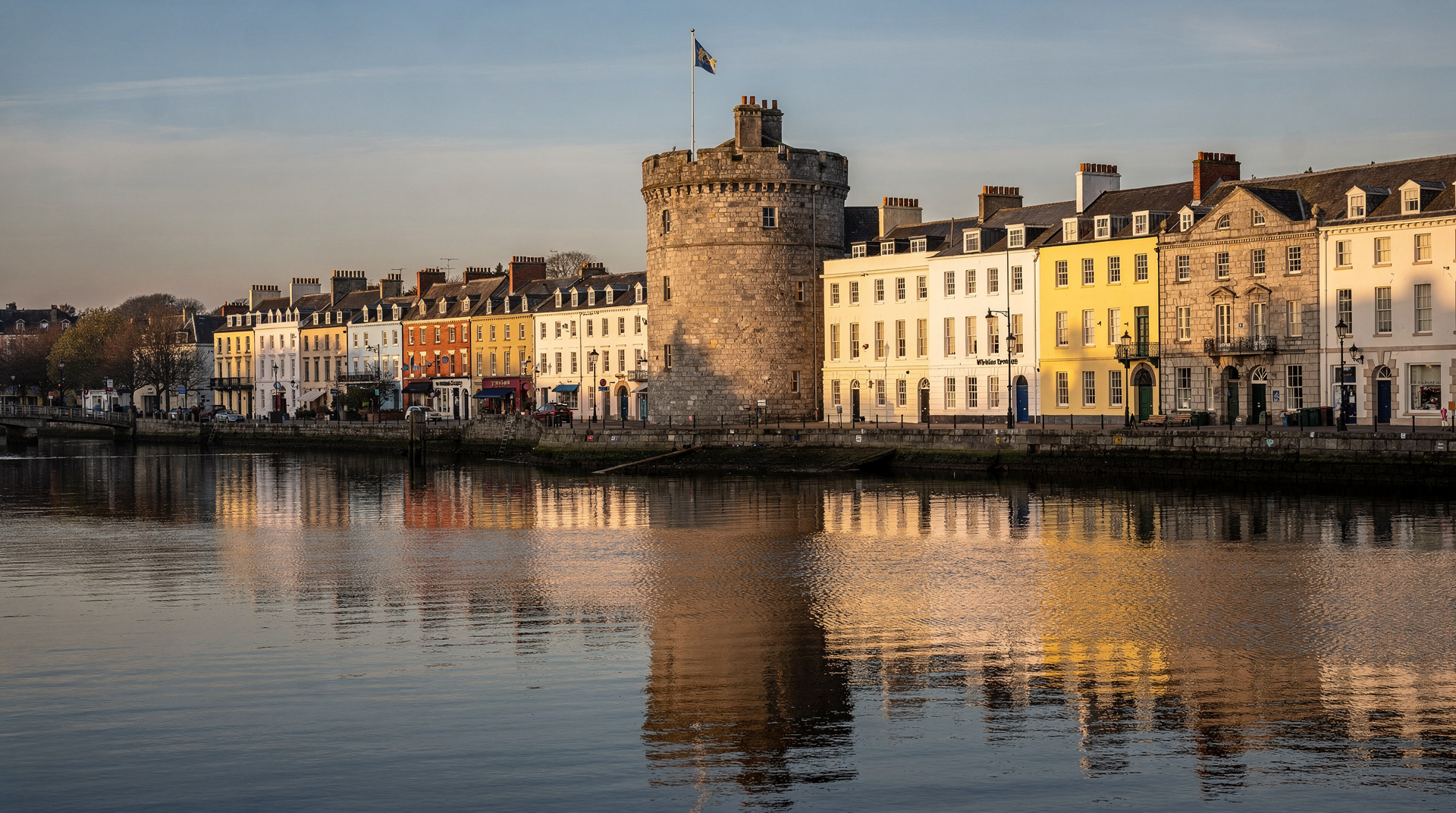
Cobh
Visiting Cobh from Dublin — the Queenstown Story, St Colman's Cathedral, the Titanic connection and how to combine it with Cork and Blarney.
From Dublin: full-day tour to Cork, Cobh and Blarney Castle
Duration: 13h
- Free cancellation
- Instant confirmation
Quick facts
- Distance from Dublin
- ~280 km, about 3 hrs by car
- From Cork city
- 23 km; 25 min by Cork Commuter rail
- Currency
- Euro (€)
- Known as
- Queenstown until 1920
- Ideal visit
- 2–4 hours; combine with Cork or Blarney
The last sight of Ireland for millions
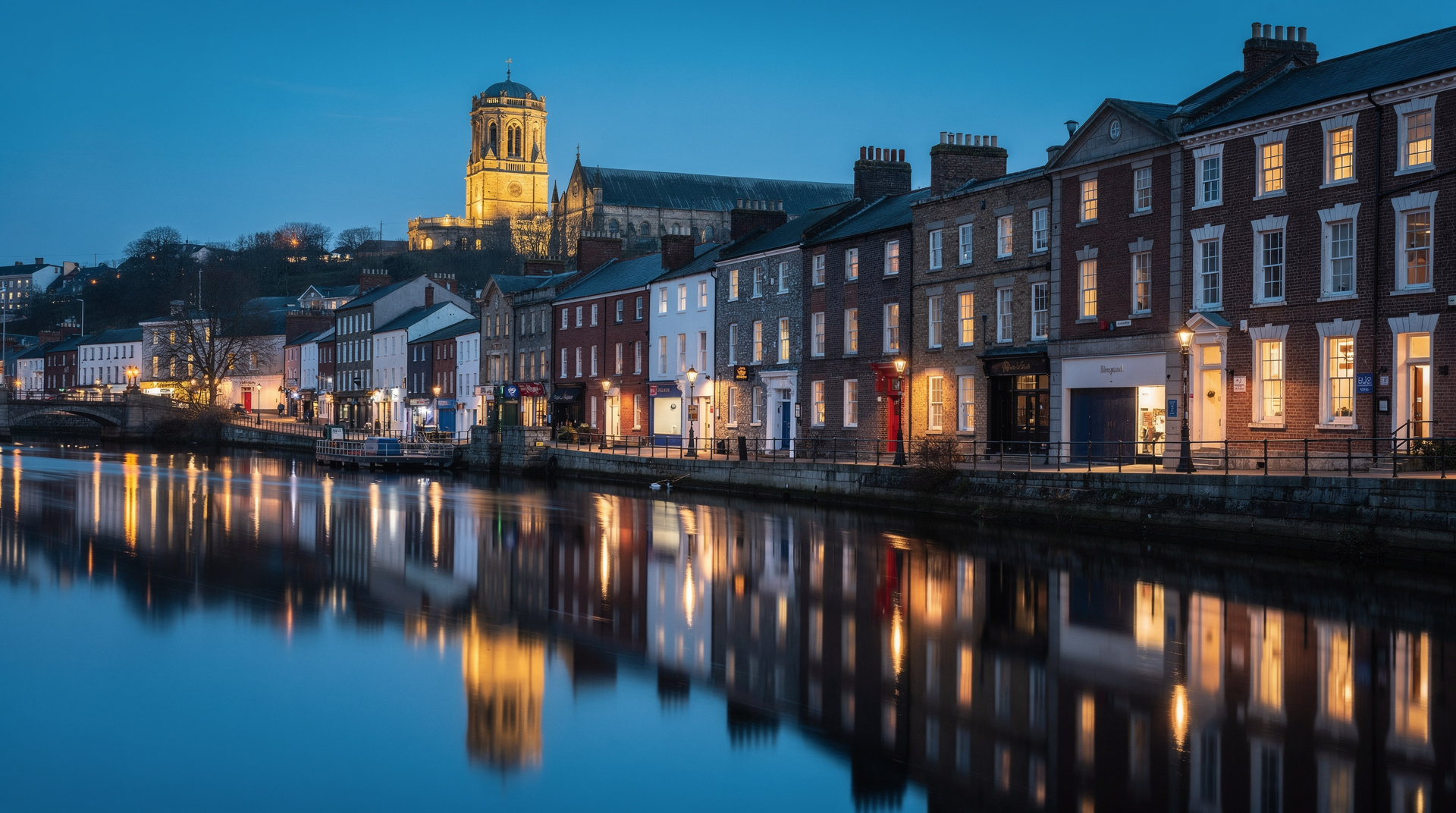
Cobh (pronounced “cove”) was the final port of call for the RMS Titanic in April 1912, and the last piece of Irish soil that an estimated six million emigrants saw as their ships cleared Cork Harbour between 1848 and 1950. The town wears this history with more depth than most heritage sites manage — the Queenstown Story museum is genuinely moving, and the streets of Victorian townhouses rising from the water to the cathedral spire are among the most photographed in Munster.
| Where | Cork Harbour, ~280 km / 3 hrs from Dublin by car; 25 min by rail from Cork city |
| Cost | Queenstown Story around €11 adults; town and cathedral grounds free |
| Time needed | 2–4 hours; a half day combined with Cork city |
| Getting there | Car or train to Cork, then Cork Commuter Rail to Cobh, or an organised day tour |
| Best time | April to October |
This is not a theme-park version of Irish history. Cobh was Queenstown during the British period, a name the townspeople resented and changed in 1920. The emigration story here is specific and rooted — the names on the memorial plaques are real people who left through this harbour, many of whom never returned.
The Queenstown Story
The Cobh Heritage Centre houses the Queenstown Story exhibition, which covers the great waves of Irish emigration — the Famine ships, the later economic emigration and the Titanic’s brief stop here. The exhibition is well designed and honest about the human cost: family separations, the conditions on the coffin ships, the deaths at sea. It takes about 90 minutes to move through properly.
The centre also holds information on tracing Irish ancestry through Cork and Cobh’s records, which is useful if you have family roots in Munster.
St Colman’s Cathedral
The Gothic Revival cathedral dominates the Cobh skyline from every approach, its 91-metre spire visible across Cork Harbour. Construction began in 1868 and was not completed until 1919 — the building took 47 years and multiple architects to complete. The carillon of 49 bells is one of the largest in Ireland. The interior is ornate and the views from the surrounding grounds down across the terraced town and harbour are the best in Cobh.
The town itself
Cobh’s multicoloured Victorian townhouses, stacked above the waterfront on the steep hillside, are genuinely charming. The promenade along the harbour front is pleasant for a walk, with views across to Haulbowline Island and Spike Island (the latter has a separate guided-tour experience). The town has good cafes and restaurants — Cobh is small enough that you will find them easily.
Titanic Memorial Garden. A small garden near the waterfront commemorates the 123 Cobh passengers who boarded the Titanic on 11 April 1912. It is a reflective spot, low-key rather than commercial.
Spike Island. An island fortress in Cork Harbour with a long military and penal history — it was the largest prison in the world at one point in the 19th century. Day trips run by ferry from the Cobh waterfront; allow 3–4 hours including the crossing.
Getting there from Dublin
Cobh is best reached via Cork. The Cork Commuter Rail service runs from Cork Kent station to Cobh in about 25 minutes — a scenic crossing of Cork Harbour on a causeway before pulling into the waterfront station. If you are on an organised day tour from Dublin, the full-day Cork, Cobh and Blarney Castle tour handles the connections and gives you time in all three places, though Cobh gets roughly two hours on the standard itinerary.
Spike Island in more detail
Spike Island deserves more attention than it usually gets on a rushed Cork/Cobh/Blarney day. Once the largest prison in the 19th-century world, it now runs as a heritage attraction with guided tours covering its monastic origins, its military fortifications and its punishment-era history. The ferry crossing from Cobh waterfront takes about 15 minutes, and a full visit — crossing, guided tour, time to explore — runs 3–4 hours. This makes it a poor fit for a triangle day with Cork and Blarney; it works better as the sole focus of a Cobh half day, paired with the Queenstown Story in the morning.
Why Cobh rewards a slower visit
Most visitors meet Cobh as one stop among several, and the pace of a group tour rarely suits it. The town is built on a slope, so everything is a short walk but nothing is flat. The rewards come from lingering: a coffee with a view of the harbour, a few minutes on the cathedral steps looking back at the water, a slow read of the memorial plaques rather than a glance. If you only have time for a photo, you will still get a good one; if you give the town a little patience, you will understand why it carries so much weight in Irish memory.
Cobh also suits travellers who are tired of crowds. It does not have the queues of the big Dublin sights, and the atmosphere is calmer than at the headline attractions further along the usual tourist trail. If your trip so far has been busy, with the Guinness Storehouse and the pubs of Temple Bar behind you, a quiet harbour town makes a welcome change of tempo.
Reading the emigration story properly
The emigration history is the real subject here, and it helps to arrive with a little background. The Famine years pushed enormous numbers of people out of Ireland, and the ports were where the break became final. If you want context before you go, the Great Famine in Dublin guide sets out how the crisis shaped the capital, and the EPIC Emigration Museum guide covers the same subject from the Dublin side. Seeing both ends of the story, the departure in Cork Harbour and the way Dublin now tells it, gives the Queenstown Story far more weight.
Take your time with the personal stories. The exhibition works best when you treat it as a series of individual lives rather than a timeline of events. Look for the names, the ages and the ports of arrival, and notice how many travellers were very young. That is what makes the visit stay with you after you leave.
A suggested rhythm for a half day
If Cobh is your main destination rather than an add-on, a simple order works well:
- Start with the Queenstown Story while you are fresh, since it is the most absorbing part of the visit.
- Walk the waterfront and stop at the Titanic Memorial Garden.
- Climb up to St Colman’s Cathedral and its grounds for the view over the harbour.
- Finish with a relaxed meal in town before heading back to Cork.
This order puts the quietest and most reflective parts of the day first and leaves the lighter, scenic part for later, when you will have less energy for reading. If the weather turns, swap the walk for extra time indoors; the exhibition and the cathedral interior both work well on a wet day. Ireland’s weather is rarely settled for long, so it helps to have a plan B, and the rainy day in Dublin guide has ideas if you are heading back to the capital.
Photography and viewpoints
The classic Cobh photograph looks up from the waterfront to the cathedral rising above the coloured houses. It works at almost any hour, but softer light at the start or end of the day flatters the painted façades. From higher up, the view reverses: the terraces drop to the water and the harbour opens out beyond. Walk a little way along the promenade in either direction and you will find angles that most day-trippers miss because they stay near the station.
Be respectful when photographing the memorial spaces. They are places of remembrance for many visitors, not just backdrops, and a quiet approach goes a long way.
Cobh and the wider Munster picture
Cobh sits well within a longer journey through the south. Many travellers reach it after time in Cork city and before pressing on towards Waterford or the west. If you are building a longer route out of the capital, the driving in Ireland from Dublin guide explains what to expect on the road, and the Dublin 7 days Ireland base itinerary shows how a week can include day trips beyond the capital. Travellers who prefer not to drive can look at the day trips without a car guide for realistic alternatives.
For those who like to compare, Cobh offers something different from the dramatic coastal scenery of the Cliffs of Moher or the mythology of the Giant’s Causeway. Its pull is human rather than geological: a place where people said goodbye. That is a very different kind of day out, and one that suits travellers who care more about stories than scenery.
Practical notes before you go
- Wear comfortable shoes. The town’s slopes and the climb to the cathedral are easier on flat soles.
- Bring a layer, since the harbour can feel breezy even when the sun is out.
- Check the opening arrangements of the Heritage Centre and the cathedral before you travel, especially outside the main season.
- Carry some cash and a card; small cafés and shops may differ in what they accept.
- If you are travelling with children, the story is heavy in places, so decide in advance how much of the exhibition suits them. The family day trips guide has other options if you want something lighter.
Where to eat and rest
Cobh is compact, and the waterfront has a run of cafés and restaurants within easy reach of the main sights. You do not need to book ahead for a casual lunch in most seasons, though a busy summer weekend may call for a little flexibility. Seafood is a natural choice in a harbour town, and a simple bowl of chowder or a plate of fresh fish after a morning of history feels right. For a broader sense of what to look for on Irish menus, the traditional Irish food guide is a helpful primer.
If you are tempted to stay the night rather than rush back, Cobh is a pleasant place to see in the evening, when the day visitors have gone and the harbour lights come on. It is a quieter experience than the busier cities, and it gives you time to absorb what you have seen.
Planning it from Dublin
The distance from the capital is long enough that Cobh needs a clear plan. Decide first whether you want a single-day tour, a train-and-car combination, or an overnight in Cork. A tour removes the logistics but compresses your time on the ground; a self-guided trip gives you freedom but needs more thought. If you want the driving handled and are happy to prioritise Cork and Blarney, a full-day Blarney Castle and Cork tour from Dublin is an alternative, though it leaves Cobh for a separate visit.
Whichever you choose, it helps to look at the Cork and Blarney day trip guide before you commit, and to compare the choice with the other long days out in the best Dublin day trip guide. If you are weighing Cobh against a different kind of trip, a closer look at the Blarney Stone question can also help you decide how to spend your limited hours in the south.
Who will enjoy Cobh most
Cobh is not for everyone, and it is better to know that before you go. It suits readers and thinkers: people who enjoy museums that tell a story, who like walking through a place and imagining what it looked like when ships crowded the harbour. History enthusiasts will find plenty to hold their attention, and so will anyone with Irish ancestry, since the town speaks directly to the experience of families who left and the descendants who now come looking for them. If that describes you, the Irish revolution history walk and the viking and medieval Dublin guide make good companions for a wider trip built around the past.
Travellers who want adrenaline, nightlife or big-ticket scenery may find Cobh gentle to the point of slow. That is not a flaw, but it does mean the town is best matched to a certain mood. If you are travelling with a group that wants something livelier, consider balancing the day with a stop in Cork city, where there is more bustle, or choose a different outing altogether from the best day trips from Dublin list.
What to take away from the visit
A good visit to Cobh leaves you with a clearer sense of how connected Ireland is to the rest of the world. The harbour was a gateway, and the people who passed through it helped shape communities far from home. When you stand on the waterfront, it is worth pausing to think about how many journeys began on that very spot, each with its own hopes and fears. Many visitors say the quiet moments, rather than any single exhibit, are what they remember.
It also gives a useful counterweight to the more polished side of Irish tourism. Alongside the pubs, the music and the castles, there is a story of loss and endurance that deserves its place in any honest picture of the country. Pairing Cobh with a lighter stop elsewhere, perhaps a traditional music night back in the capital, gives a more balanced view of what Ireland has been and what it is now.
Combining visits
Cobh works naturally as a half-day addition to Cork city. The train from Cork takes 25 minutes and runs frequently — you can spend the morning in Cork’s English Market and cathedral, take the 12:30 train to Cobh, see the Queenstown Story and cathedral, and return to Cork in the afternoon. Add Blarney Castle and you have a full day — though driving rather than taking the train makes that triangle significantly easier to manage.
For context on building a south-west itinerary from Dublin, the Cork and Blarney day trip guide and the best day trips from Dublin overview are useful starting points. Travellers continuing further south-west toward Killarney or the Ring of Kerry sometimes use Cobh as a first stop on a longer Munster loop rather than a single day trip from Dublin. For a slower pace without arranging your own transport, a two-day tour taking in Cork, Blarney and the Ring of Kerry spreads the distance over an overnight stay.
Top experiences
Bookable activities with verified prices and instant confirmation on GetYourGuide.