Cork city
An honest guide to visiting Cork city from Dublin — the English Market, St Fin Barre's Cathedral, how to get there and how long to allow.
From Dublin: full-day tour to Cork, Cobh and Blarney Castle
Duration: 13h
- Free cancellation
- Instant confirmation
Quick facts
- Distance from Dublin
- ~255 km, 2.5 hrs by train or car
- Getting there
- Irish Rail (Cork Kent), Bus Éireann or car
- Currency
- Euro (€)
- City nickname
- 'The Rebel City'
- Ideal stay
- 1 full day or overnight
Ireland’s second city, and proudly so
Cork people will tell you that Cork is the real capital of Ireland, and they say it with a warmth that makes it impossible to take offence. The city has a character that is distinctly its own — a port town built on islands in the River Lee, with a food culture that punches well above its size, a history of rebellion that is literally carved into the street names, and a university that gives it perpetual energy.
| Where | County Cork, ~255 km / 2.5 hrs from Dublin by train or car |
| Cost | Train fares vary, book ahead for best price; museums modest or free |
| Time needed | A full day, better with an overnight |
| Getting there | Irish Rail from Dublin Heuston, Bus Éireann, car via M8, or organised day tour |
| Best time | May, June and September |
From a Dublin visitor’s perspective, Cork is the southern anchor of the island — the start or end of a south-west loop that typically includes Blarney Castle, Cobh and, on longer trips, the Ring of Kerry and Killarney. It is also entirely viable as a one-day city visit if you want something fundamentally different from Dublin without leaving Ireland.
Getting there from Dublin
The Cork Kent train station is about 2 hours 30 minutes from Dublin Heuston on Irish Rail’s intercity service. Trains run regularly throughout the day and are comfortable — it is one of the best rail connections in Ireland. Book ahead on busy weekends as the service fills up. Bus Éireann coaches are slower (around 3 hours 30 minutes) but cheaper.
By car, the M8 motorway connects Dublin to Cork, and the drive takes around 2 hours 30 minutes without traffic. If you are doing a Blarney Castle and Cork combination, driving gives more flexibility.
Organised day tours from Dublin are available — the full-day tour to Cork, Cobh and Blarney Castle covers the highlights in a single long day, though you are in Cork itself for a limited time.
Cork is three hours by road and two and a half by train, close enough to visit in a day but far enough that the day is mostly travel: a tour to Cork from Dublin handles the logistics so the hours in the city are the ones you keep.
The English Market
The English Market is the most visited and the most genuine thing in Cork city — a covered Victorian food market that has operated continuously since 1788. Stalls sell traditional Cork specialities: tripe and drisheen (a local blood pudding), fresh fish from the day’s boats at Castletownbere, artisan cheese from West Cork dairies, Gubbeen pork products, and local sourdough. It is not a performance for tourists — the traders are there every morning and the Corkonians shop alongside visitors.
Arrive around 11am when the stalls are full but before the lunch rush. There is a mezzanine café above the main hall with views down over the stalls and good coffee. This is where to spend your first hour in Cork.
St Fin Barre’s Cathedral
The Church of Ireland cathedral at the southern end of the city centre is one of the finest Gothic Revival buildings in Ireland. Designed by William Burges and completed in 1879, it is extravagantly decorated — carved stonework, mosaics, stained glass and a golden angel over the west door. Admission is modest and the interior rewards a slow walk.
The city centre and beyond
Cork’s centre is compact and walkable. The main commercial streets run between St Patrick’s Street (the broad main thoroughfare) and the river, with the university area (UCC) further west. The Crawford Art Gallery on Emmet Place is free and has a permanent collection of Irish and European art worth an hour of your time. The Old Cork Gaol at Sunday’s Well, a 19-minute walk from the centre, is a dramatically preserved Victorian prison with audio tours.
Eating and drinking
Cork has a genuine food scene. The area around Cornmarket Street and Oliver Plunkett Street has the best concentration of independent restaurants and cafes. Paradiso (vegetarian, tasting menu) has been one of the most acclaimed restaurants in Ireland for 20 years. Nash 19 near the English Market is a reliable lunch option. For pubs, the Long Valley on Winthrop Street is the most authentic Cork experience — a narrow Victorian bar with sandwiches that have barely changed since the 1940s.
Combining with Blarney and Cobh
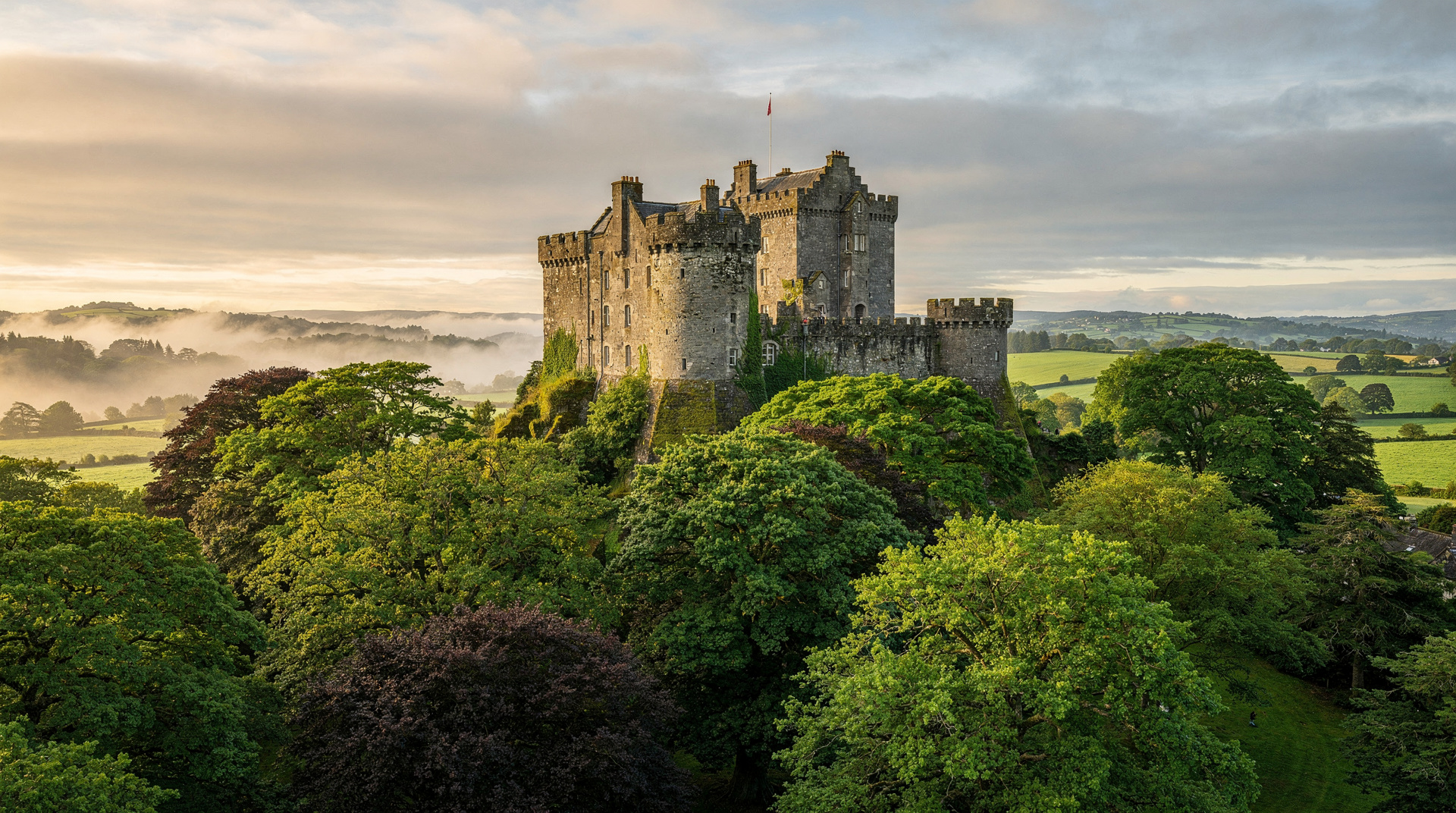
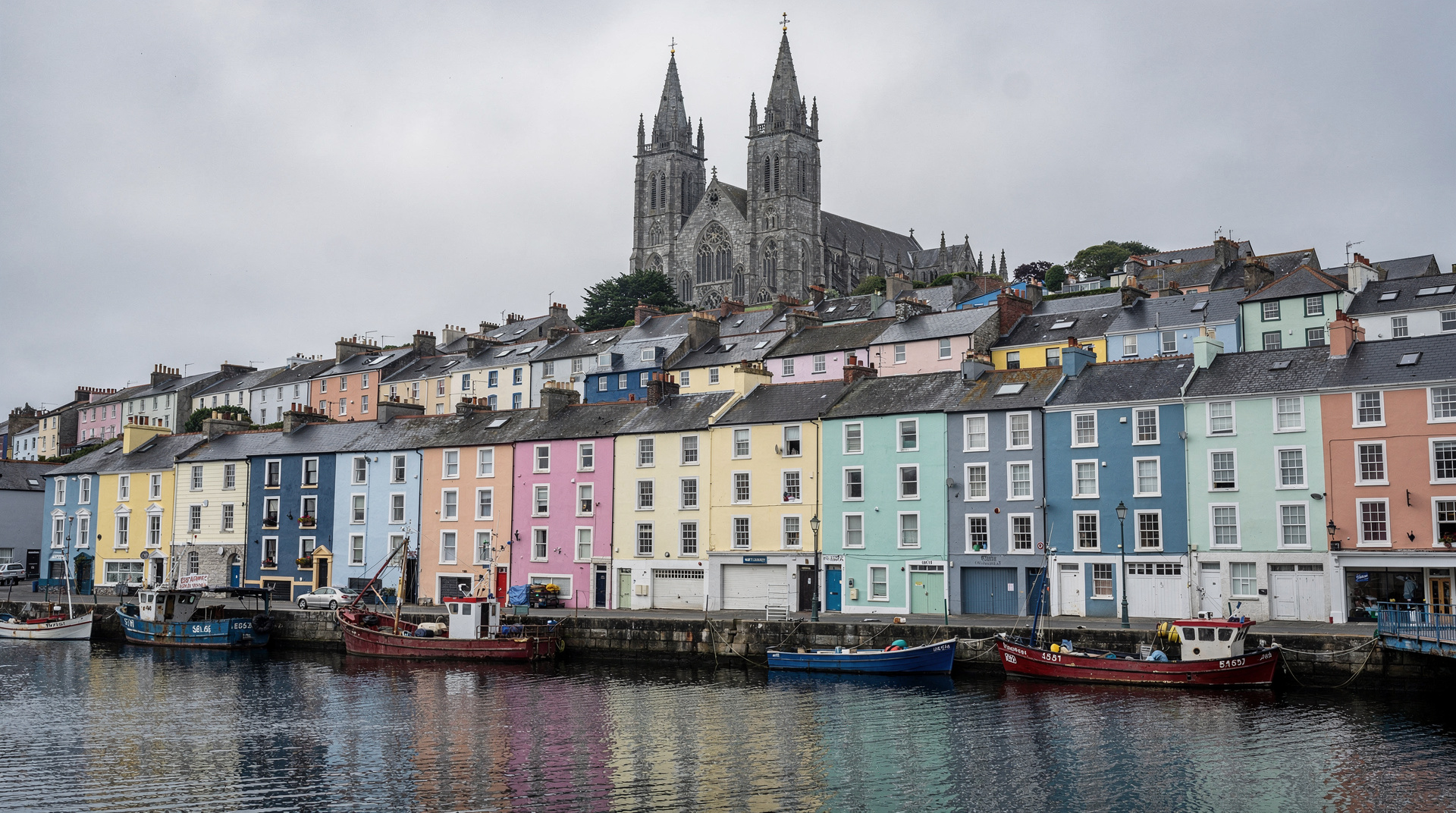
Cork city works best as the hub for a broader south-west day. Blarney Castle is 8 km north of Cork — 15 minutes by car or a short bus ride. Cobh, the Victorian seaside town and Titanic departure point, is 23 km south-east — about 30 minutes by train from Cork Kent station. Doing all three in a day (Cork city, Blarney, Cobh) is ambitious but achievable with a car and an early start.
On longer trips, Cork makes a good base for Ring of Kerry and Killarney, both about 85 km to the west. For the broader itinerary context, see the best day trips from Dublin guide and the Cork and Blarney day trip guide.
How Cork feels after Dublin
Anyone arriving from the capital will notice the change of tempo quickly. Dublin is a city of big set pieces, long queues and a visitor economy that sometimes feels built around the same few streets. Cork is looser. The centre sits on an island between two channels of the river, so you cross bridges constantly, and the waterside gives the place a sense of openness that Dublin’s tighter core lacks. If you have spent time in Temple Bar and come away wondering where the real city went, Cork is a good answer: locals fill the cafés and pubs, and nobody is steering you towards a themed experience.
The accent and humour are part of the appeal too. Cork people are quick to tease Dubliners, and the rivalry is entirely good-natured. Take it as an invitation to ask for recommendations. A trader at the market or a barman in a quiet pub will usually give you a better tip than any list, and the answer is often a place that does not appear in the usual round-ups.
If you want to understand why the two cities differ, it helps to read a little about the capital first. The Dublin first-time guide and the overrated and underrated Dublin piece give a useful baseline, because Cork tends to deliver exactly what Dublin’s busiest areas sometimes fail to: space, unhurried service and prices that feel more ordinary.
A sensible day plan
For a single day from Dublin, resist the urge to tick everything off. A rhythm that works is to start with the English Market while the stalls are full, then walk the centre at an easy pace, take lunch somewhere independent, and keep the afternoon for either the cathedral or the gallery, not both plus a prison. Cork rewards wandering. The lanes between the main streets hide small shops, bakeries and bars, and the best moments tend to be unplanned.
A loose order that suits most visitors:
- Morning: arrive by train, walk from the station towards the centre and head straight to the market for a first coffee and a look around.
- Midday: browse the commercial streets, step into the Crawford Art Gallery, and eat lunch near the market rather than on the main thoroughfare.
- Afternoon: walk south to St Fin Barre’s Cathedral, or cross to Sunday’s Well for the old gaol if history is your priority.
- Evening, if you stay: an unhurried dinner, then a pub with real conversation instead of a stage show.
Whatever you choose, leave slack for the return journey. The last thing you want after a good day is to sprint for a train, and the Dublin service is popular enough that arriving early at the station is wise.
Where Cork fits in a wider Irish trip
Cork is rarely the only stop on a trip, and it slots into several shapes of itinerary. If you are basing yourself in the capital and want a long day out, compare it honestly with the other options in the best day trips from Dublin guide and the which day trip is best comparison. Cork is a lot of travelling for a single day, so it suits people who value food and atmosphere over a famous landmark. If a headline sight matters more, the Cliffs of Moher or Glendalough may be the better call.
For a longer holiday, Cork works as a hinge between the east and the south-west. The Dublin 7 days Ireland base itinerary and the Dublin Wild Atlantic 5 days plan both show how a few nights in the capital can lead into a western or southern loop. Travellers heading on to Dingle or the Ring of Kerry will find Cork a natural place to break the journey, eat well and pick up a car if they have not already.
If you would rather skip the long drive, the day trips without a car guide explains how rail and organised tours compare, and the driving in Ireland from Dublin guide is worth reading before you hire a vehicle for the south.
Practical tips before you go
A few habits make the visit smoother. Check opening times for the places you care about before you set off, since smaller attractions can change their hours with the seasons. Carry a waterproof layer whatever the forecast, because Irish weather rarely behaves, and the what to pack advice for Dublin applies just as well here. Wear comfortable shoes: the centre is walkable, and you will cover more ground than you expect once the market, the river and a couple of detours are added up.
Cork is also a good place to be flexible about meals. Many of the best spots are small, so a table at lunch can be easier to find than one in the evening. If a restaurant matters to your trip, plan around it. If you are happy to wander, follow the smell of fresh bread and the sound of conversation.
If you are trying to keep costs under control, the general principles in the Dublin on a budget guide carry over: eat your main meal at lunch, favour free attractions, and book transport early. The Dublin trip cost budget overview helps you work out where Cork sits in a bigger spending plan, though you should check current prices directly before you travel.
Rain, shoulder seasons and quieter times
Cork, like the rest of the island, gets rain, and it should not put you off. The market is covered, the cathedral and gallery are indoors, and a long lunch in a good pub is a fine way to wait out a shower. Visitors who fear a wet day can find more ideas in the rainy day Dublin guide, and the same indoor-first mindset works well in Cork.
The shoulder months are the sweet spot for many travellers, with the city lively but not crowded. The best time to visit Dublin guide explains the wider seasonal pattern, and the same logic applies down in the south. Winter has its own charm for those who enjoy a cosy pub and a quieter city, though days are short and some day-trip options narrow, so plan around daylight.
Who Cork suits, and who should skip it
Cork suits people who like to eat, wander and talk to strangers. It is a strong choice for couples, friends travelling together and solo visitors who enjoy a city with a human scale. Anyone who wants to feel the character of a place rather than collect sights will leave happy. If you are travelling alone, the Dublin solo travel guide has tips that translate well, particularly on eating alone and finding sociable pubs.
It is less ideal for travellers who need a packed schedule of headline attractions, or for families with small children who will struggle with a long journey in a single day. For those groups, the Dublin with kids and family day trips guides offer easier options closer to the capital. And if you are mainly curious about Irish food in general, the traditional Irish food guide is a good companion read before you reach the market.
A day trip vs an overnight
A single day from Dublin is enough to see the English Market, St Fin Barre’s Cathedral and the city centre properly, but it leaves little room for Blarney or Cobh without rushing. An overnight changes the calculus: you get an evening in the city’s pub and restaurant scene, a relaxed morning at the market, and a full second day to add Blarney and Cobh without the round trip from Dublin eating into your time. For anyone building a south-west Ireland loop rather than a single Dublin day trip, the overnight is the better use of time. See Kilkenny and the Rock of Cashel for waypoints if driving down from Dublin rather than taking the direct train.
Top experiences
Bookable activities with verified prices and instant confirmation on GetYourGuide.