Dublin in 2026: what's new, what's changed, and what finally opened
Why this year is worth watching
Dublin has been in a period of significant flux. The city emerged from the pandemic years with a changed hospitality landscape — some beloved long-standing institutions closed, new places opened in their spaces, and the dynamics of which neighbourhoods are actively interesting shifted. Add to this a number of long-gestating cultural infrastructure projects that have been in development for years and are finally opening or completing, and 2026 is a genuinely good time to revisit what the city offers.
This is not a press-release summary. It is a practical update on the things that affect planning a visit.
| Biggest transport change | BusConnects rollout continues; DART upgrades improve coastal reliability |
| Biggest attraction change | Gaiety Theatre refurbishment, Croke Park Skyline walkway, EPIC’s new galleries |
| Accommodation trend | New hotel stock has modestly eased summer price peaks |
| Still sells out | Kilmainham Gaol, Newgrange — book both well ahead |
| Best planning starting point | Dublin first-time guide |
Transport improvements
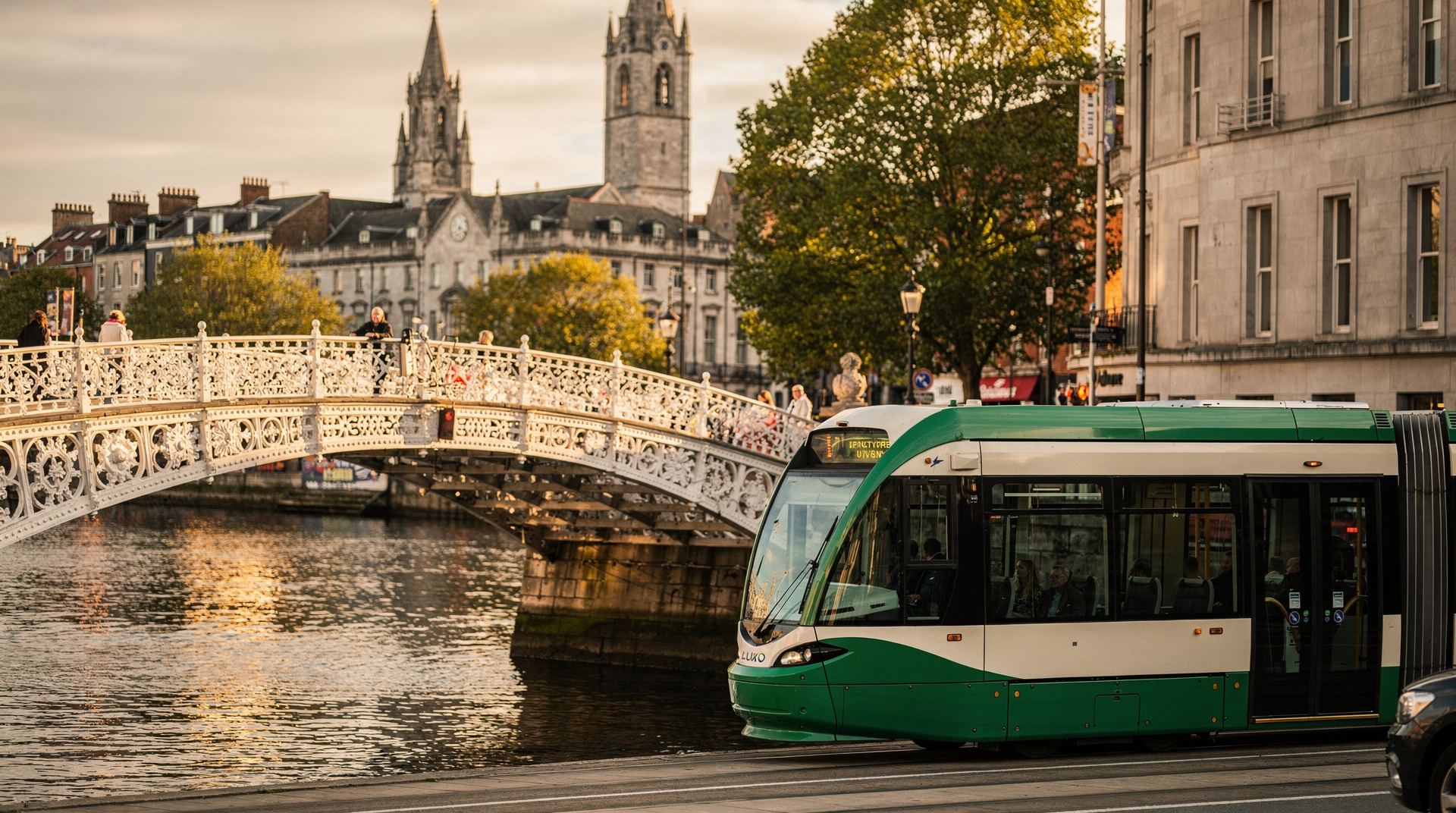
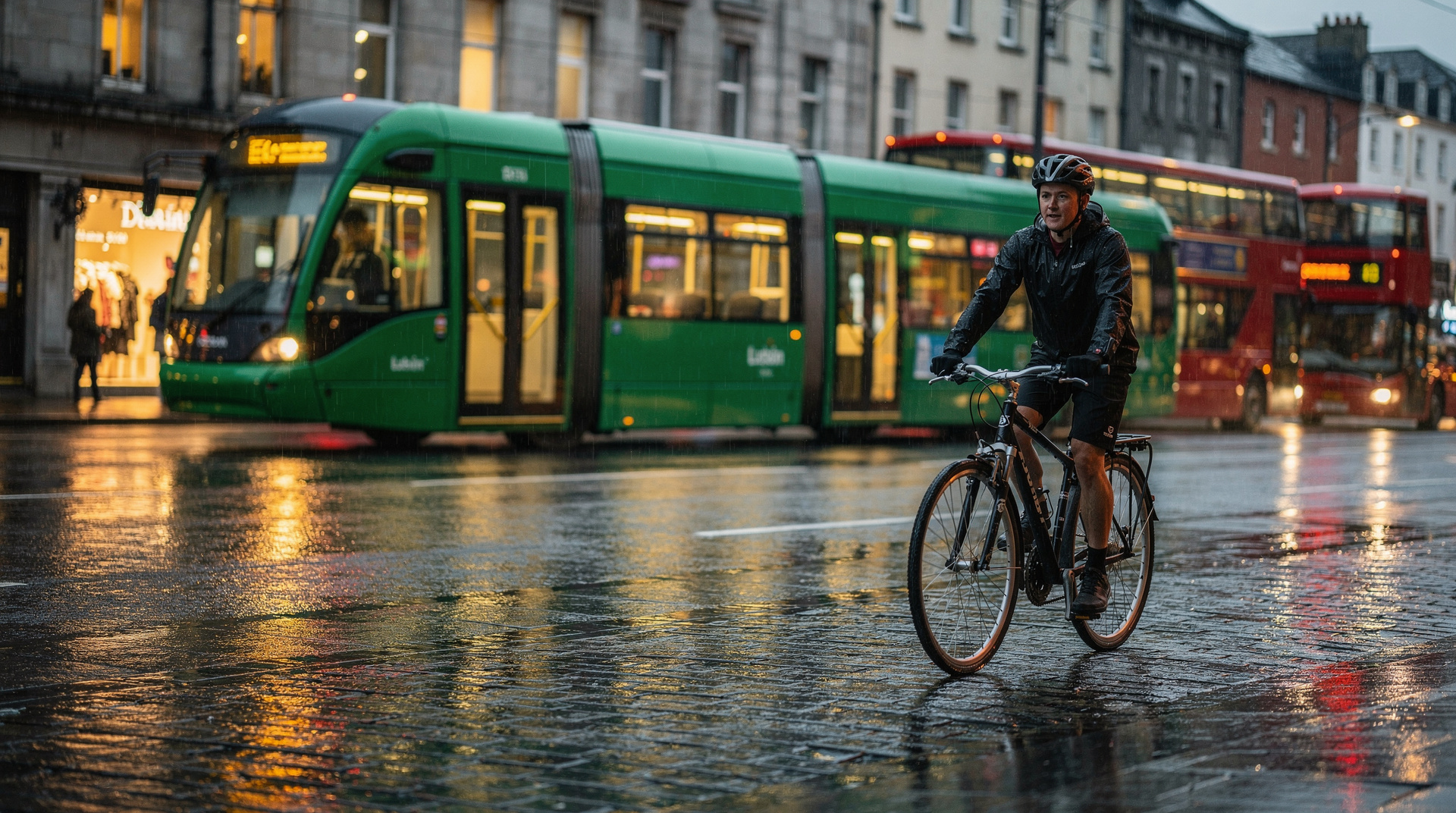
The getting around Dublin picture has improved. The BusConnects reorganisation of the city’s bus network, which began rolling out in 2022, has continued, with improved frequency on many routes and cleaner wayfinding. For visitors, the most useful change is better connectivity between the airport and the southern suburbs — the N4/N7 corridor now has more direct links.
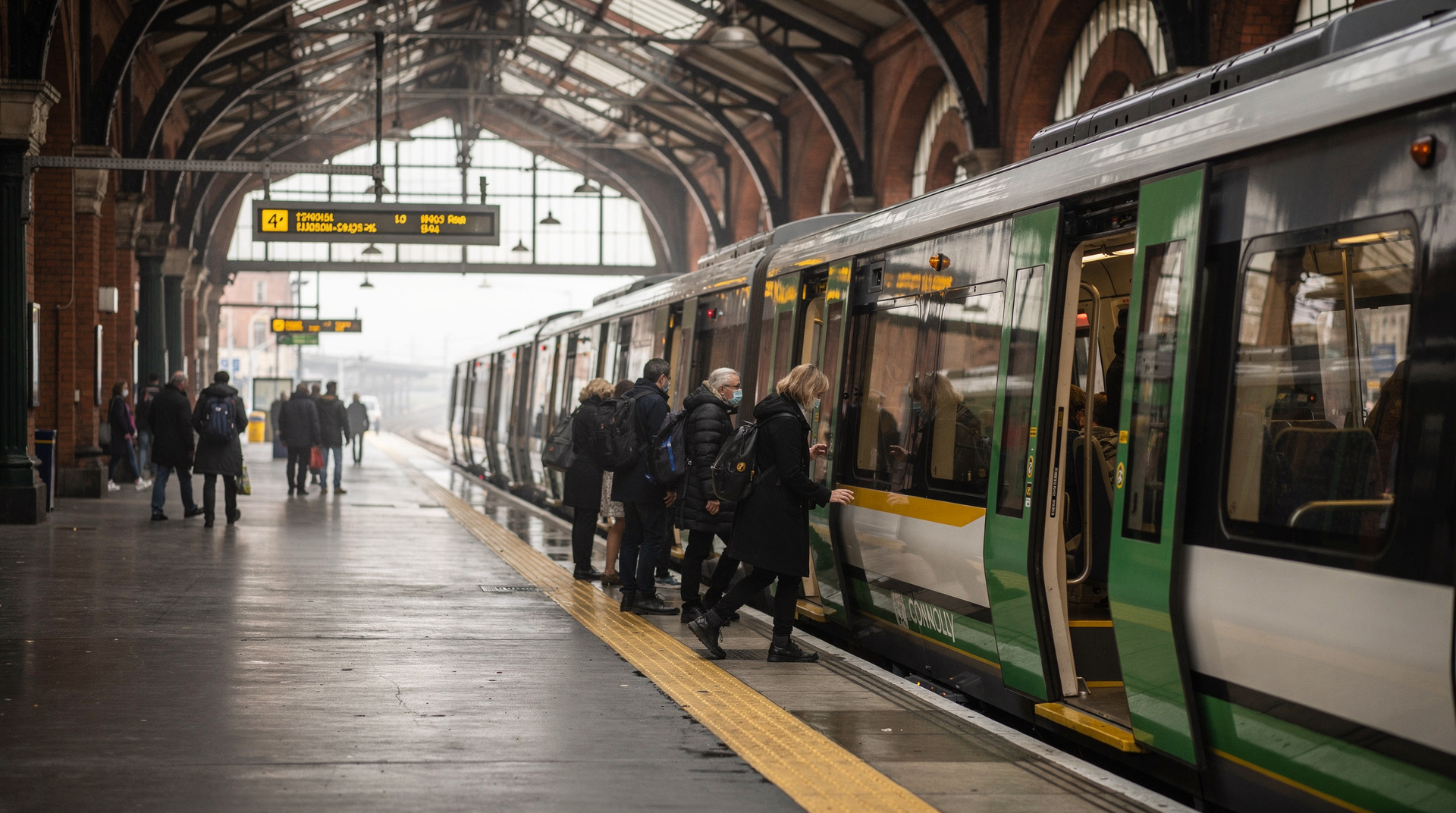
The DART upgrade programme continues. Extended service and new rolling stock mean faster and more reliable connections to Howth, Dún Laoghaire and Bray on the coastal line. The DART coastal day out remains one of the best value experiences in the Dublin region — the full run from Malahide in the north to Greystones in the south passes through some of the best coastal scenery in the country.
The Leap card still covers buses, DART and Luas. The Airlink 747/757 no longer runs: the airport is served by Dublin Express, Aircoach and Dublin Bus 16, 19 and 41. It remains the right choice for any visit of more than a day. The Visitor Leap Card (1, 3 and 7-day versions) is slightly better value than loading a standard Leap card for short visits.
Attraction passes: still worth it in 2026?
Multi-attraction passes remain a reasonable option for visitors packing a lot into a short stay, though they only pay off if you’re genuinely hitting several paid attractions per day.
| Pass | Best for | Watch out for |
|---|---|---|
| Dublin Pass (40+ attractions) | Visitors doing 4+ paid attractions over a few days | Only pays off with heavy sightseeing days |
| Dublin Explorer Pass | Flexible, pick-your-own attraction bundles | Compare the per-attraction cost against buying individually |
| Individual tickets | Shorter visits, fewer attractions | Simpler, sometimes cheaper for light itineraries |
New and changed attractions
The Gaiety Theatre on South King Street underwent a major refurbishment that completed in 2025. The Victorian interior — one of the finest in Ireland — has been restored, the backstage facilities upgraded, and the programming has expanded. If live performance is part of your Dublin visit, the Gaiety is now a better option than it has been for some years. Check the programme.
The CHQ Building in the Docklands has continued to develop its cultural programming alongside the EPIC museum. The building itself — a nineteenth-century bonded warehouse under a spectacular glass canopy — is worth seeing for the architecture. The EPIC emigration museum inside it remains one of the better interactive history museums in Dublin, and 2026 sees new galleries on the Irish diaspora in Australia and Latin America.
Croke Park has expanded its visitor experience beyond the stadium tour and GAA Museum. The Skyline walkway on the stadium roof offers what are now among the best elevated views in Dublin — the 360-degree panorama from Croke Park’s upper structure takes in the bay, the Wicklow Mountains, Phoenix Park, and the full north-south axis of the city. The Croke Park guide has been updated with current pricing and timing.
The National Gallery of Ireland on Merrion Square continues to be free, continues to be excellent, and continues to be undervisited by international tourists who walk past it on the way to more marketed attractions. The permanent collection includes work by Vermeer, Caravaggio, and a strong selection of Irish painting from the eighteenth century through the present. Go on a rainy afternoon and spend two hours properly. This is among the better decisions available in Dublin.
What closed or changed significantly
Some closures are worth noting for visitors who have been before. Several prominent restaurants in the Temple Bar area that survived the pandemic years have since closed and been replaced by different operations. The food landscape south of the Liffey has a different look in 2026 than it did in 2022. The Dublin restaurants guide has been updated for current recommendations, and the Dublin markets and street food guide covers the more casual end of the shift.
The Guinness Storehouse has updated its Gravity Bar experience, with a new interactive element on the top floor focusing on the history of the Gravity Bar pint itself. The core experience is the same — the brewery history, the floors, the included pint with city panorama — but the presentation has been refreshed. The Guinness Storehouse entry ticket with included pint remains the standard recommendation: book online in advance for the discounted rate and timed entry.
The festival calendar
St Patrick’s Day 2026 planning is worth starting early if that’s your visit window — the festival draws the year’s biggest crowds and accommodation books out fastest around it. Our planning St Patrick’s 2026 guide has the specifics on parade routes, timing and where to stay.
Accommodation shifts
Dublin hotel stock has grown. New hotels opened in the Docklands, the Liberties and the south docks area in 2024-2025, which has modestly reduced the pressure on summer pricing. Mid-range options are easier to find than they were two years ago, particularly in the secondary city centre areas. The extreme summer price peaks (€300+ per night for standard rooms in July) have eased somewhat, though Dublin remains an expensive accommodation market.
For budget options, the hostel scene has also expanded, with several newer properties in the north inner city offering en-suite dormitories and private rooms at prices that make a Dublin visit viable on a tighter budget. The Dublin trip cost guide has an updated 2026 baseline for what a few days actually costs across budget levels, and the Dublin weather and packing guide is worth a read regardless of season — it hasn’t changed, but it’s easy to overlook when you’re focused on what’s new.
What’s still worth booking in advance
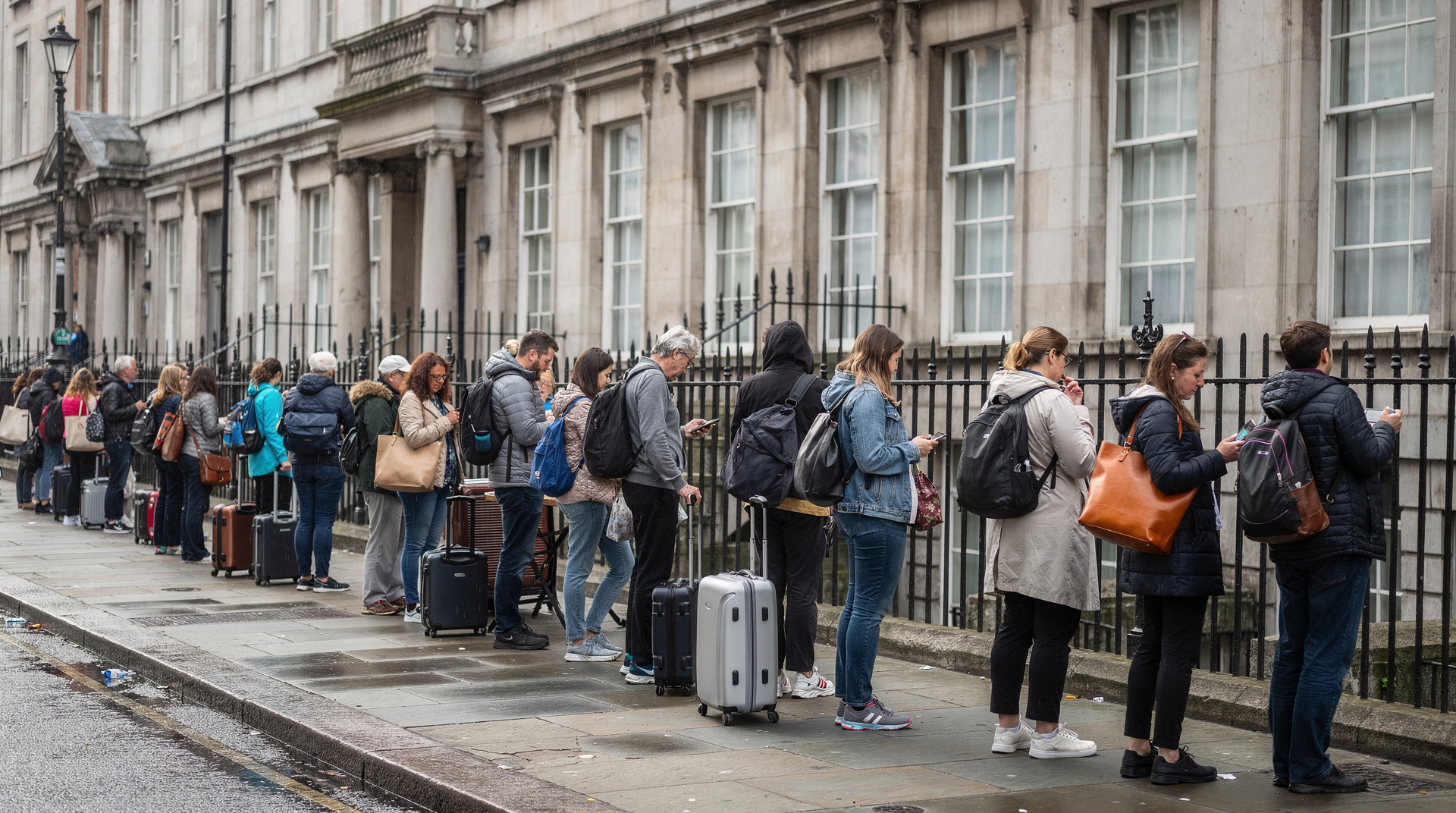
Kilmainham Gaol remains the single attraction most likely to sell out. It operates on strictly timed guided tours and runs at capacity in peak season. Book well in advance. The wait for a walk-up ticket in July can be two to three days.
Newgrange (via the Brú na Bóinne visitor centre) sells out in summer. Book online before you travel. The winter solstice lottery is open each September for December visits and has thousands of applicants for twenty-four spaces.
The booking Dublin attractions in advance guide has the full list with lead times. The Dublin first-time guide is the right starting point for a 2026 visit if you haven’t been before. For a structured three-day overview, the 3-day Dublin itinerary has been updated for 2026 openings and pricing.
The overall picture
Dublin in 2026 is a more complete city for visitors than it was five years ago. The food scene is better, the transport is better, the cultural infrastructure has been invested in. It is still expensive relative to most European capitals. It is still rainy. It is still one of the most socially rewarding cities in Europe — the combination of friendliness, literary culture, pub tradition and musical life remains genuinely distinctive. It has not become slick or anonymous in the way that success has hollowed out some other European city-break destinations.
If you have been before, there is enough new to warrant returning. If you haven’t been, 2026 is a good year to come.
Top experiences
Bookable activities with verified prices and instant confirmation on GetYourGuide.