Planning St Patrick's Day 2026 in Dublin: what to expect, what to book, what to skip
The gap between expectation and reality
St Patrick’s Day in Dublin is not the green-beer holiday that American culture has turned it into, but it is also not the authentic local festival that some travel writers romanticise. What it is, in 2026, is a five-day festival (the St Patrick’s Festival runs from around March 14th to 17th) that draws hundreds of thousands of visitors, overwhelms most normal city infrastructure, and produces both genuinely memorable moments and genuinely terrible experiences depending almost entirely on what you booked in advance and how realistic your expectations are.
I have done this twice. Once badly, once well. Here is what the second time taught me.
| Where | City centre — parade runs Parnell Square to the quays via O’Connell Street |
| Cost | Free to watch; expect €300+ for central hotels on the 17th itself |
| Time needed | Full day for the 17th; 3–5 days to catch the wider festival |
| Getting there | Luas and DART run modified timetables; buses reroute around the parade — walk where you can |
| Best time | March 14th–16th for the festival atmosphere with fewer logistics headaches |
What actually happens during the festival
The St Patrick’s Festival is a proper multi-day cultural event, not just the parade. It includes:
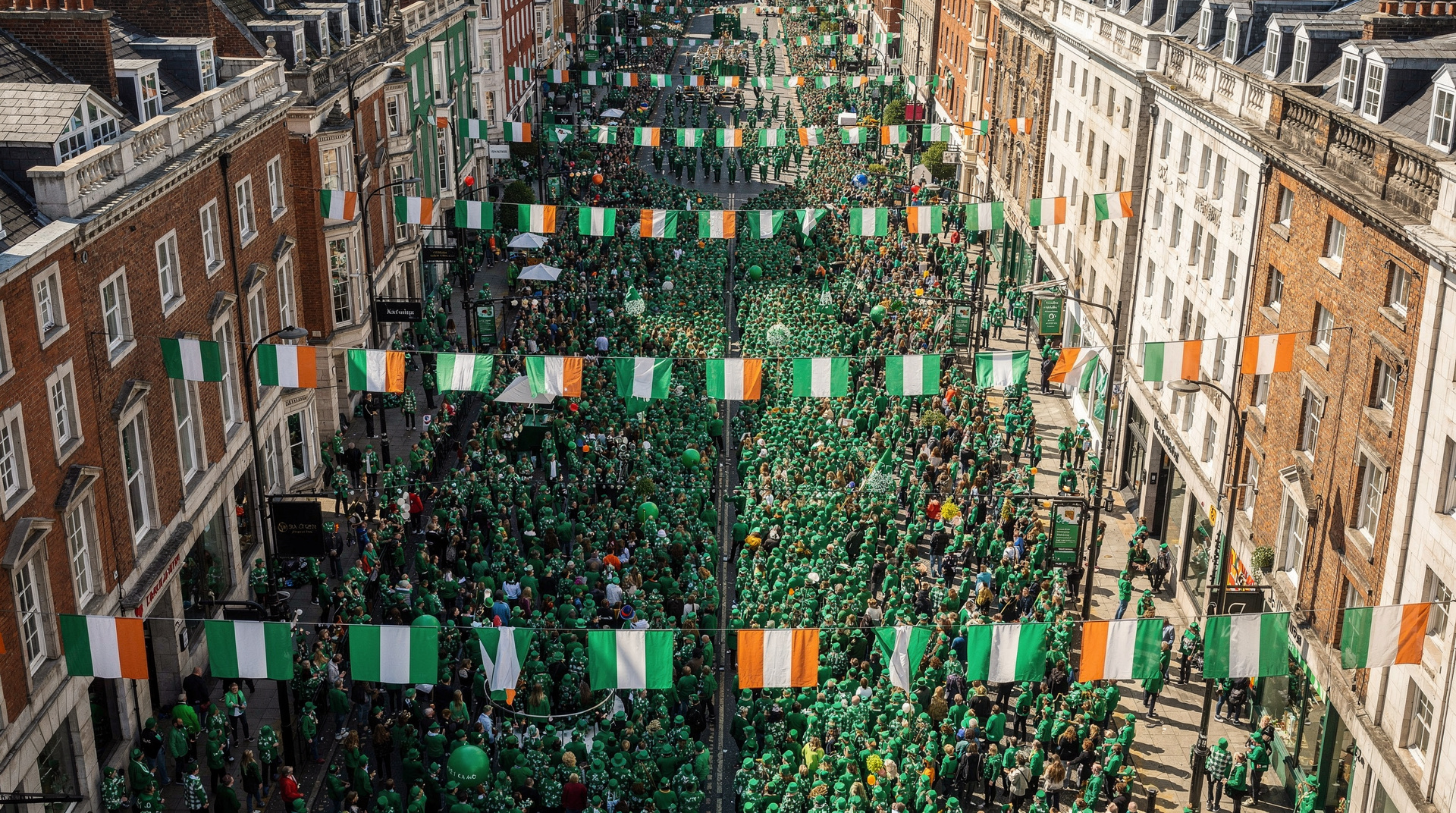
The parade itself on March 17th, running through the city centre from Parnell Square down O’Connell Street and along the quays. It is big, colourful, genuinely joyful, and not identical to American parade traditions — there is more emphasis on contemporary Irish arts, Irish-language culture, and international diaspora contingents alongside the bands and floats. It takes about two and a half hours to pass a given point. Viewing spots along O’Connell Street and the quays are free; grandstand seating in the viewing areas near Parnell Square and at various points along the route requires a ticket booked months in advance.
Céilí mór (large communal dancing events) in parks and public spaces. These are free, open to everyone, and one of the genuinely underrated experiences of the festival week. No dance experience required.
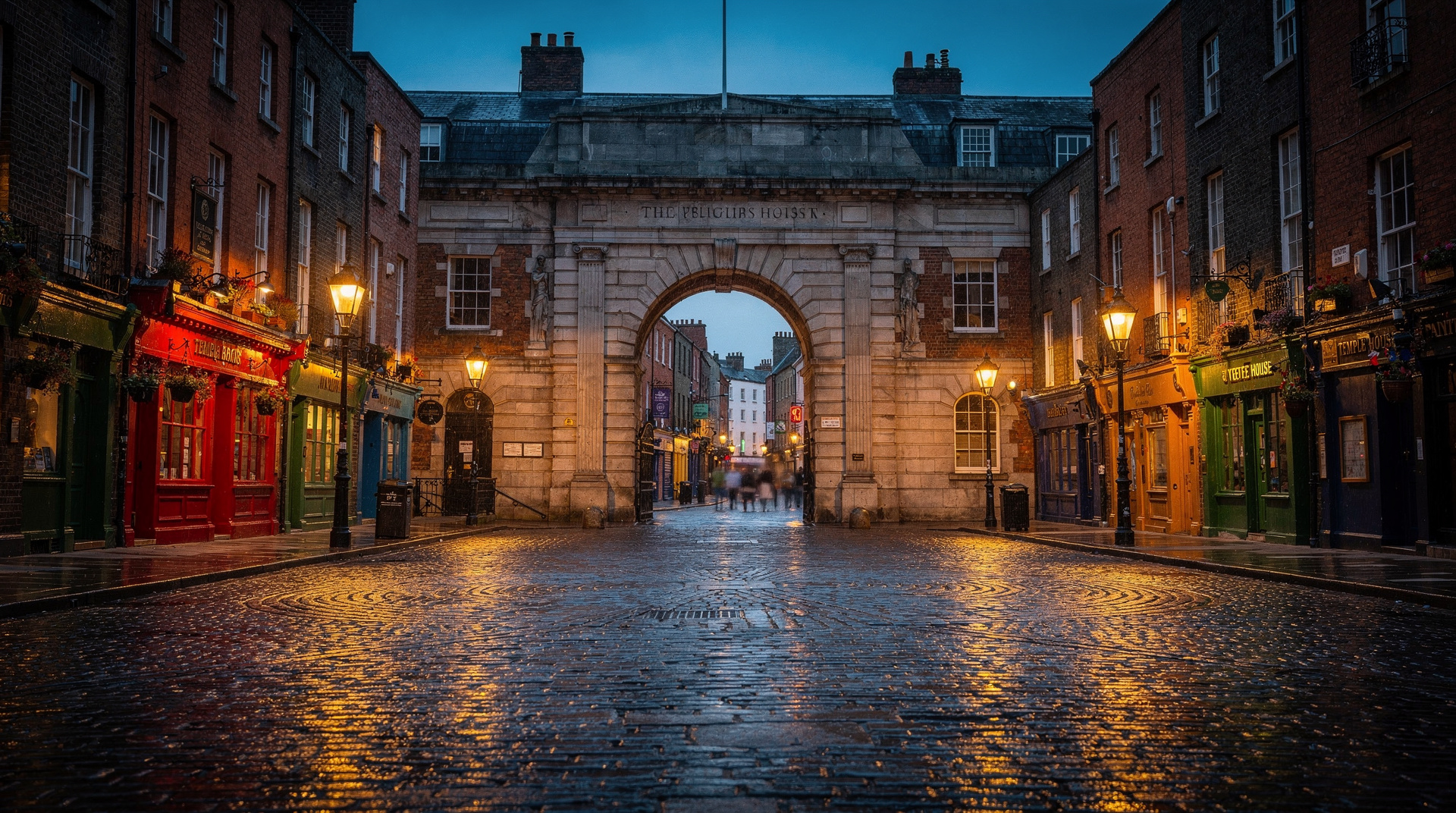
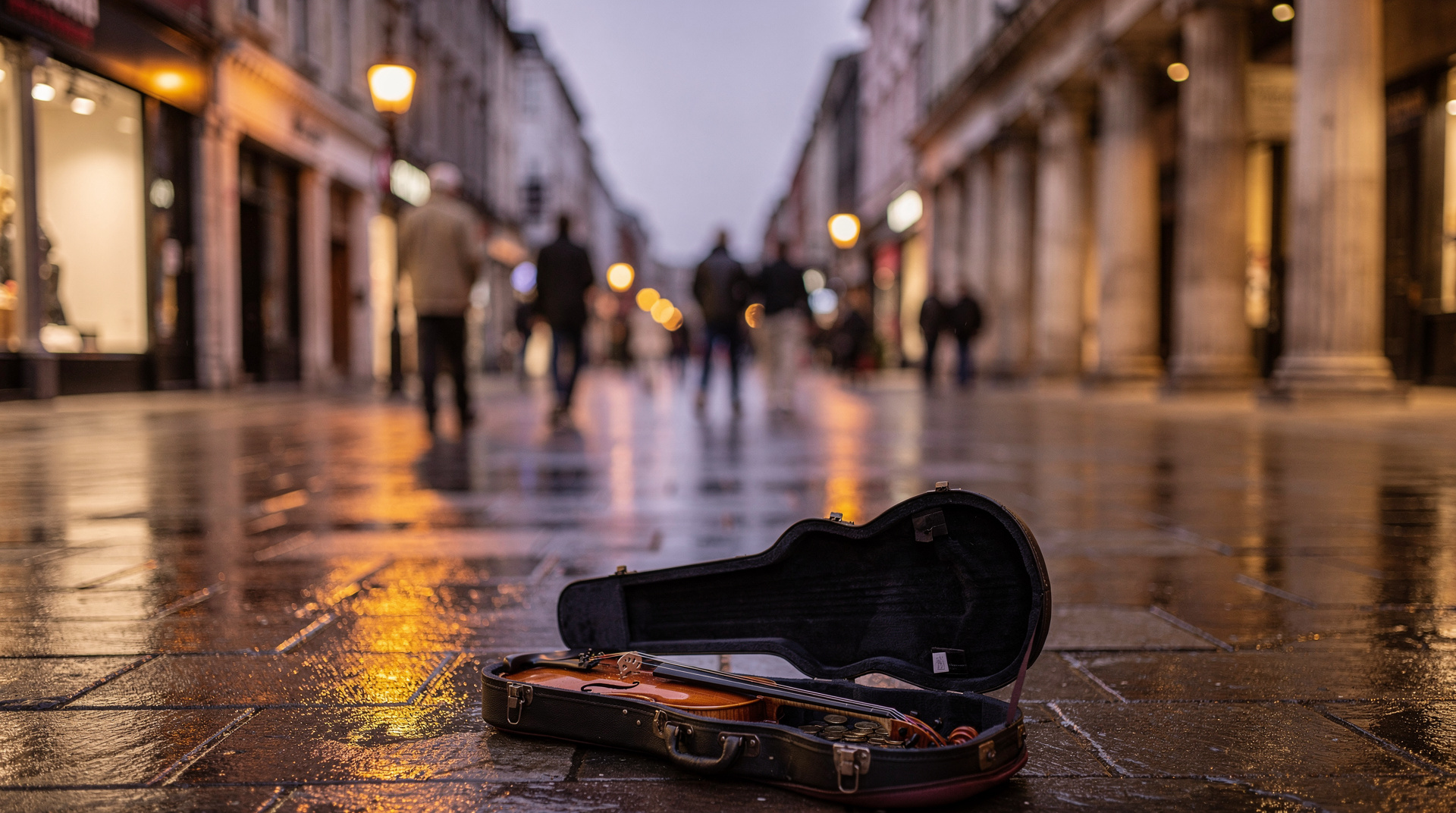
Live music throughout the city, in venues large and small, with particular concentration in the cultural quarter around Temple Bar and in Smithfield. Much of this is free.
Illuminated walking trails and public art installations in the evenings across the city centre.
What to book and how far in advance
This is the critical section. If you are coming for St Patrick’s Day 2026 and you are reading this in March rather than in October, you are behind on most of the important bookings.
Accommodation: Dublin accommodation for March 17th typically sells out by the previous October. If you are reading this in early March, your options are either significantly limited or significantly expensive. Mid-range hotels that cost €150 in autumn will cost €300+ on March 17th. Budget accommodation in hostels and Airbnb-style rentals is equally constrained. The trick is to consider accommodation outside the immediate city centre — Howth, Bray, Dún Laoghaire and Malahide are accessible by DART and offer normal pricing in most years.
Kilmainham Gaol: sells out weeks or months in advance regardless of season. For St Patrick’s week, book immediately.
Guinness Storehouse: timed entry tickets sell out for March 17th by early March at the latest. The Guinness Storehouse entry ticket with the included Gravity Bar pint is the right booking — do this as early as possible.
Restaurants: a good sit-down dinner on March 17th in any central Dublin restaurant requires booking months in advance. Many places implement minimum spend requirements or set menus on festival days. If you haven’t booked, your options are pubs (no reservation, first come), casual food outlets, or restaurants in suburban areas away from the main festival zone.
What the day itself looks like
March 17th in central Dublin is a day of extraordinary energy and substantial logistical difficulty. The city centre is pedestrianised in many areas, Luas and DART services run modified timetables (check Transport for Ireland before travel), and most buses are rerouted away from the parade route. Getting around is slower than usual by any means of transport.
The crowd size — often cited as over 500,000 people in the city centre over the day — is real. Queue times for any attraction are longer than normal. Pubs, particularly in Temple Bar, reach legal capacity and begin operating door controls by mid-morning. Being outside and participating in the parade viewing or the public events is often more enjoyable than trying to get into specific venues.
The atmosphere in the city is genuinely good. People are cheerful. The weather is almost certain to be cold and probably wet, but the Irish relationship with rain is philosophical. Dress appropriately and embrace the day rather than fighting the logistics.
Getting around on the day
Our general getting around Dublin guide and the DART and Luas guide cover the normal city transport, but neither fully prepares you for March 17th specifically. Plan on walking more than you would on a normal visit — the city centre is largely pedestrianised for the day, and a short Luas or bus journey that would normally take ten minutes can take three times as long once diversions are in effect. If you’re staying outside the centre, check the last DART or Luas time back before committing to an evening in town; services are busier and sometimes curtailed later than usual.
If this is your first Dublin visit and the festival is layered on top of an already unfamiliar city, our first-time Dublin guide is worth reading before you build the festival days into a wider itinerary.
What to skip
Temple Bar on the evening of March 17th: unless you specifically enjoy very large crowds in a confined space and have no objection to paying peak pricing for everything. The area is packed to a degree that makes drinking uncomfortable and the experience of it largely unpleasant for anyone who wants a conversation or a reasonable pint. Our honest Temple Bar guide explains why this holds true even on an ordinary weekend, let alone the festival’s peak day.
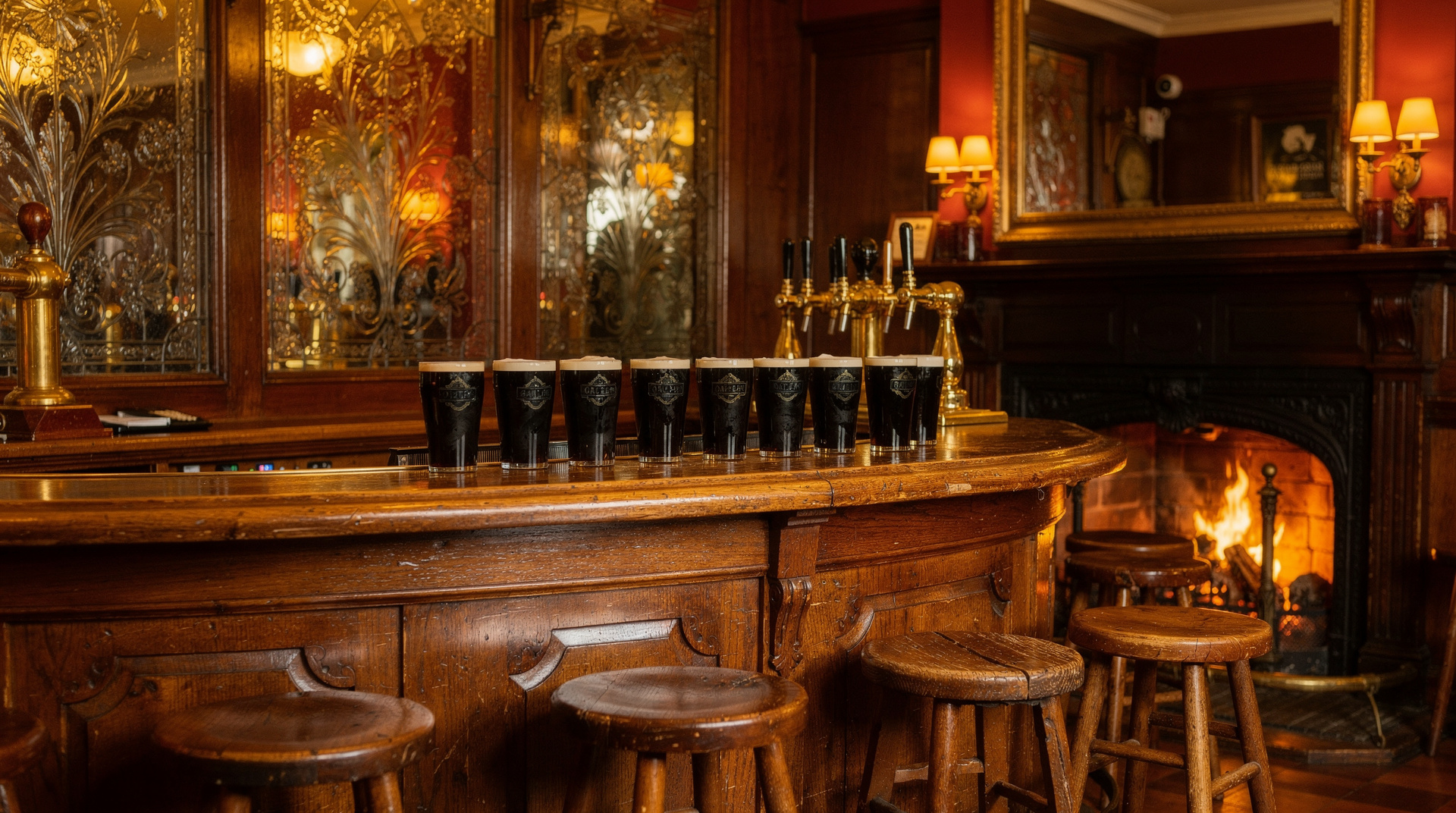
Trying to get into famous pubs without a plan: on St Patrick’s Day, the famous pubs operate as crowd management exercises rather than public houses. You will spend a long time outside them. The pubs in the local areas away from the tourist zone — Stoneybatter, Portobello, Rathmines — are less dramatic but actually function as pubs.
Booking nothing and hoping for the best: this is the most common mistake and consistently produces a frustrating day. The city is organised for scale, not for spontaneity.
The festival days around the 17th
If you have flexibility, March 14th through 16th are better days to be in Dublin than the 17th itself. The festival events run throughout, the city is celebratory, but the logistics are more manageable. Viewing the parade spectacularly well from a reserved spot requires being there on the 17th; enjoying the festival city without the maximum intensity allows more movement on the surrounding days.
The St Patrick’s Day Dublin guide has more detail on parade routes, viewing spots, and the full festival programme. For a wider context on visiting Dublin in March, the spring shoulder season guide covers what the city is like in the weeks around the festival. The Dublin 3-day itinerary can be mapped onto the festival period with some adjustments for logistics. For how a Dubliner actually spends the day, our St Patrick’s Day as a local piece is the honest counterpart to this planning guide.
Filling the days around the parade
Because the 17th itself is mostly about being outdoors in a crowd, it helps to have the quieter hours of the festival week sorted in advance. A museum or a distillery visit works well when the weather turns, and the rainy day Dublin guide lists indoor options that suit a cold, wet March afternoon. If you would rather spend an evening with live music than in a packed pub, the traditional Irish music guide and the trad session etiquette guide will help you find a session and behave well once you are inside it.
For food, the festival days are a good moment to step away from the busiest streets. The traditional Irish food guide is useful if you want a proper sit-down meal that fits the occasion, and it pairs well with an early booking, since central tables go first.
If you are weighing up how many nights to stay around the festival, the how many days in Dublin guide and the best time to visit Dublin guide put the festival in the context of the wider year, so you can decide whether the peak weekend is really the right fit for your trip.
Indoor plans worth booking early
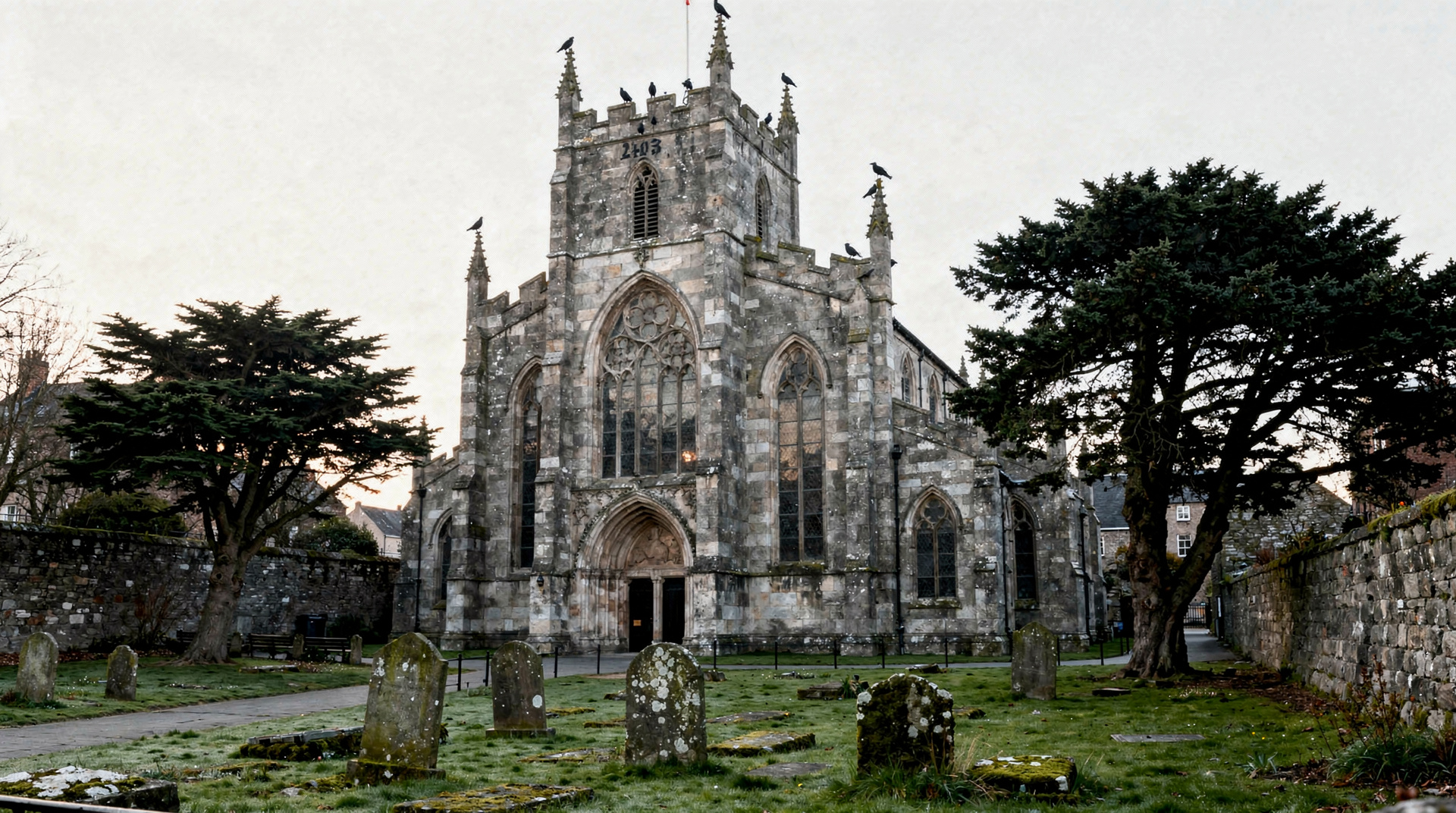
Some of the best things to do over the festival are the ones that do not depend on the street crowds. St Patrick’s Cathedral is a fitting stop in this particular week, and a guided visit such as a skip-the-line cathedral visit combined with a city tour gives you a structured few hours that does not rely on finding a gap in the crowds.
Our guide to booking attractions in advance explains which Dublin sights are worth reserving ahead, and Kilmainham Gaol and the Guinness Storehouse ticket guide are the two where leaving it late hurts most.
For the evening, a seated show is a calmer way to enjoy the music than a packed bar. an Irish dinner with a music and dance show keeps dinner and entertainment in one booking, which is a real advantage when central restaurant tables are hard to find. You can compare the options in the Celtic dinner shows guide and the Irish dance shows guide. Book these early too, as seated evenings fill up around the festival.
Where to base yourself if you book late
If central hotels are gone, the coastal towns are a practical fallback. Howth, Malahide, Dún Laoghaire and Bray and Greystones all work as bases on the DART line, and they give you a quieter place to come back to after a long day in the crowd. The where to stay in Dublin guide compares the city neighbourhoods if you are still choosing, and the Temple Bar destination page is worth a look so you know what you are choosing to avoid on the evening of the 17th.
The honest summary
St Patrick’s Day in Dublin is worth doing once. It is genuinely unlike anywhere else on that particular day — the city has a specific kind of collective joy that I have not experienced elsewhere. The festival programme is well-organised, the street atmosphere is excellent, and the sense that you are in a place celebrating itself rather than performing for tourists is real.
It requires planning, it requires realistic expectations about logistics, and it is not relaxing. Come back the following week for the quiet version of Dublin. But come.
Frequently asked questions about Planning St Patrick’s Day 2026 in Dublin
How far ahead should I book central accommodation for March 17th? By the previous October if you want reasonable rates in the city centre. Prices roughly double for hotels near the parade route, and availability tightens fast once the festival dates are confirmed each year.
Is St Patrick’s Day worth it if I don’t drink? Yes. The parade, the céilí mór dancing, the free live music and the illuminated trails are the actual heart of the festival and require no pub at all. The pub-heavy version is one way to spend the day, not the only one.
Top experiences
Bookable activities with verified prices and instant confirmation on GetYourGuide.