Dublin vs Edinburgh for a weekend: which city wins and for whom
Two capitals, constantly compared, rarely compared honestly. Here’s the practical breakdown before you decide which weekend to book.
| Cost | Edinburgh runs roughly 15-20% cheaper |
| Pub culture | Dublin — warmer and more social |
| Old town drama | Edinburgh — more visually dramatic |
| Literature | Dublin — Joyce, Beckett, Wilde, Behan |
| Best season for either | Spring/autumn; Edinburgh peaks in August (Fringe) |
The comparison nobody asks for, everyone makes
Dublin and Edinburgh are compared constantly — in travel forums, airline booking pages, city-break articles, and group chats where someone has announced they want a long weekend “somewhere interesting” and everyone has piled in with opinions. They are compared because they share a set of surface features that makes comparison feel natural: both are English-speaking, northern-European capitals of around 600,000 people, both have historic old towns, both are famous for their pub culture, both are easily accessed from London and other major European hubs.
What the comparison usually misses is that beyond those surface features, the two cities are genuinely different in atmosphere, cost, food culture and the specific kinds of experience they offer. One of them is meaningfully better than the other depending on what you want, and pretending they are equivalent and interchangeable does a disservice to both.
Cost: Dublin wins for nobody
Let me start with the uncomfortable truth: Dublin is expensive. It has been expensive for years and has not improved. A pint in a city-centre pub costs between €6 and €8. A mid-range dinner for two with wine will typically run €80-120. Hotel rooms in central Dublin at €150 a night are not generous. The Dublin trip budget guide covers this in detail, but the short version is that you need to plan for a meaningful per-day spend, especially if you want to eat and drink at a reasonable standard.
Edinburgh is also not cheap — it is the most expensive city in Scotland by a significant margin — but it tends to run about 15-20 percent below Dublin on a like-for-like basis. A pint in the Old Town averages around £5. Accommodation in comparable central hotels is slightly cheaper. The city also has more free cultural infrastructure: the National Museum of Scotland, the National Galleries, the Scottish National Portrait Gallery are all free to enter, which has no equivalent cluster in Dublin (though Dublin does have free national museums too).
For genuine budget travel, both cities are challenging. For comfort travel, Dublin rewards booking in advance; Edinburgh rewards the same.
Pubs vs pubs
This is where the comparison gets interesting. Both cities have a strong pub culture. They are different cultures.
Edinburgh’s pubs — particularly in the Old Town and New Town — are often large, Victorian-designed spaces with high ceilings, ornate tilework and a history of literary and philosophical association. The Café Royal Circle Bar and the Oxford Bar (forever associated with Ian Rankin’s Rebus) are both worth visiting for the rooms alone. The Scotch whisky selection in a good Edinburgh pub is, predictably, extraordinary. The pace is slightly different — Scottish pub culture is perhaps a bit quieter, a bit more reserved on first acquaintance.
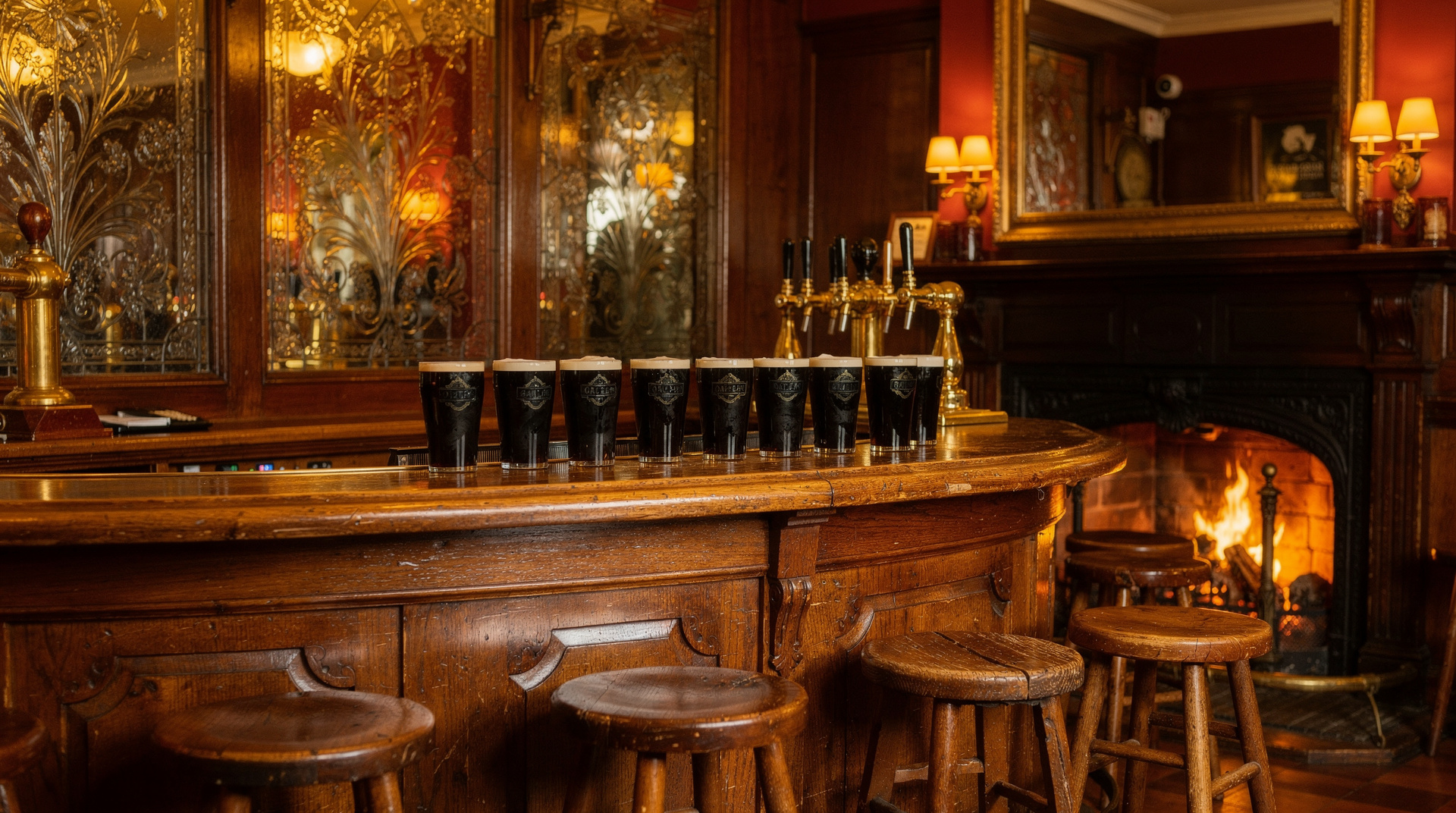
Dublin’s pub culture is warmer, faster and more immediately social. A Dublin pub involves conversation with strangers as a near-certainty if you sit at the bar for long enough. The traditional music dimension — if you find a genuine session rather than a tourist performance — adds something Edinburgh cannot replicate. The pub buildings are often older, smaller, and darker in a way that has nothing to do with the lighting. The best local pubs in Dublin cover this in detail, but the short version is that a good Dublin pub is one of the more welcoming spaces in European travel.
Verdict on pubs: Dublin, narrowly, for warmth and conversation. Edinburgh for whisky selection and room quality.
Old towns
Edinburgh’s Old Town, centred on the Royal Mile between Edinburgh Castle and the Palace of Holyroodhouse, is more dramatically built than Dublin’s historic centre. The closes and wynds off the main street, the view from the castle, the layered geology of buildings stacked above each other — it photographs better, it impresses more immediately.
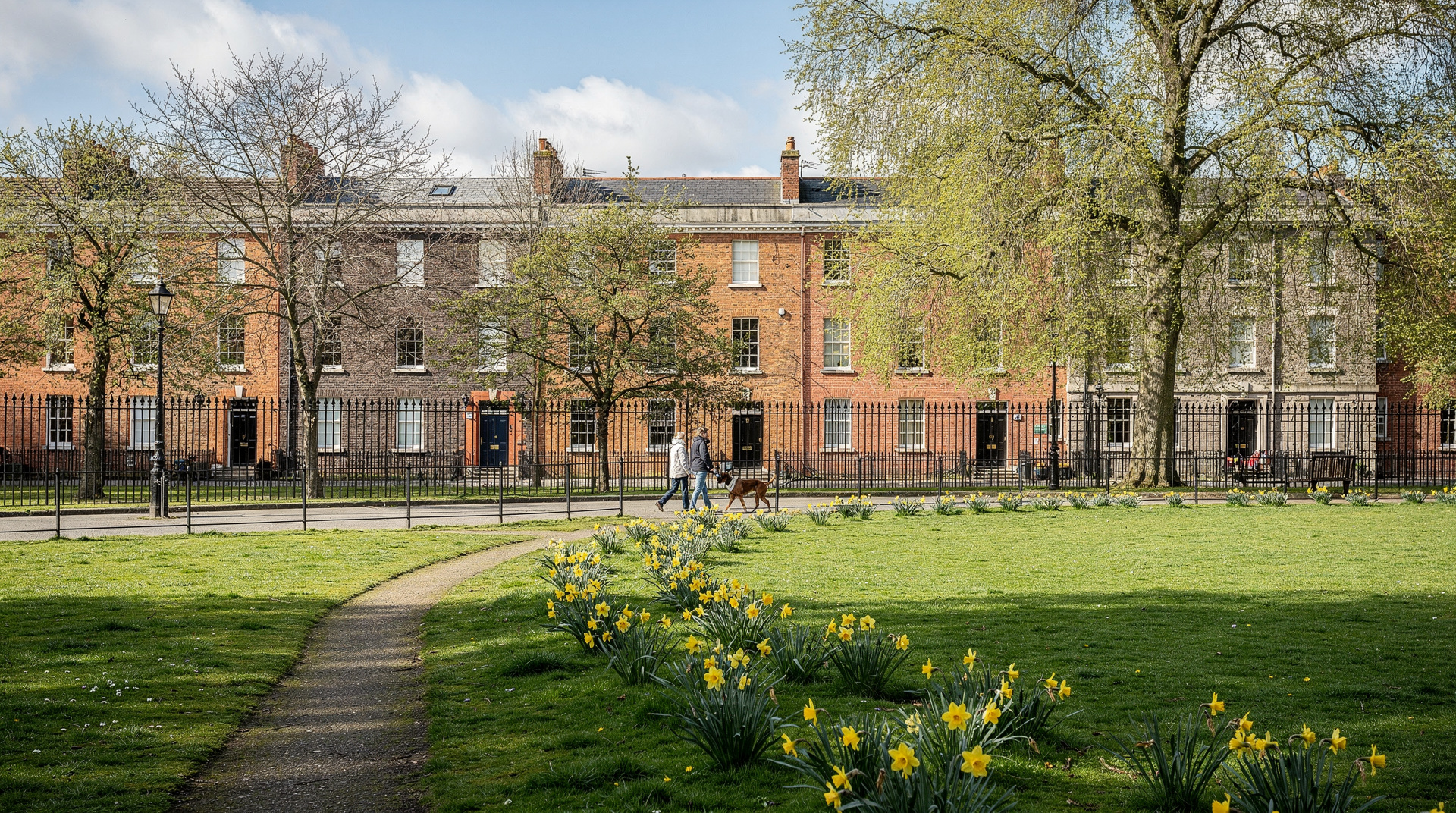
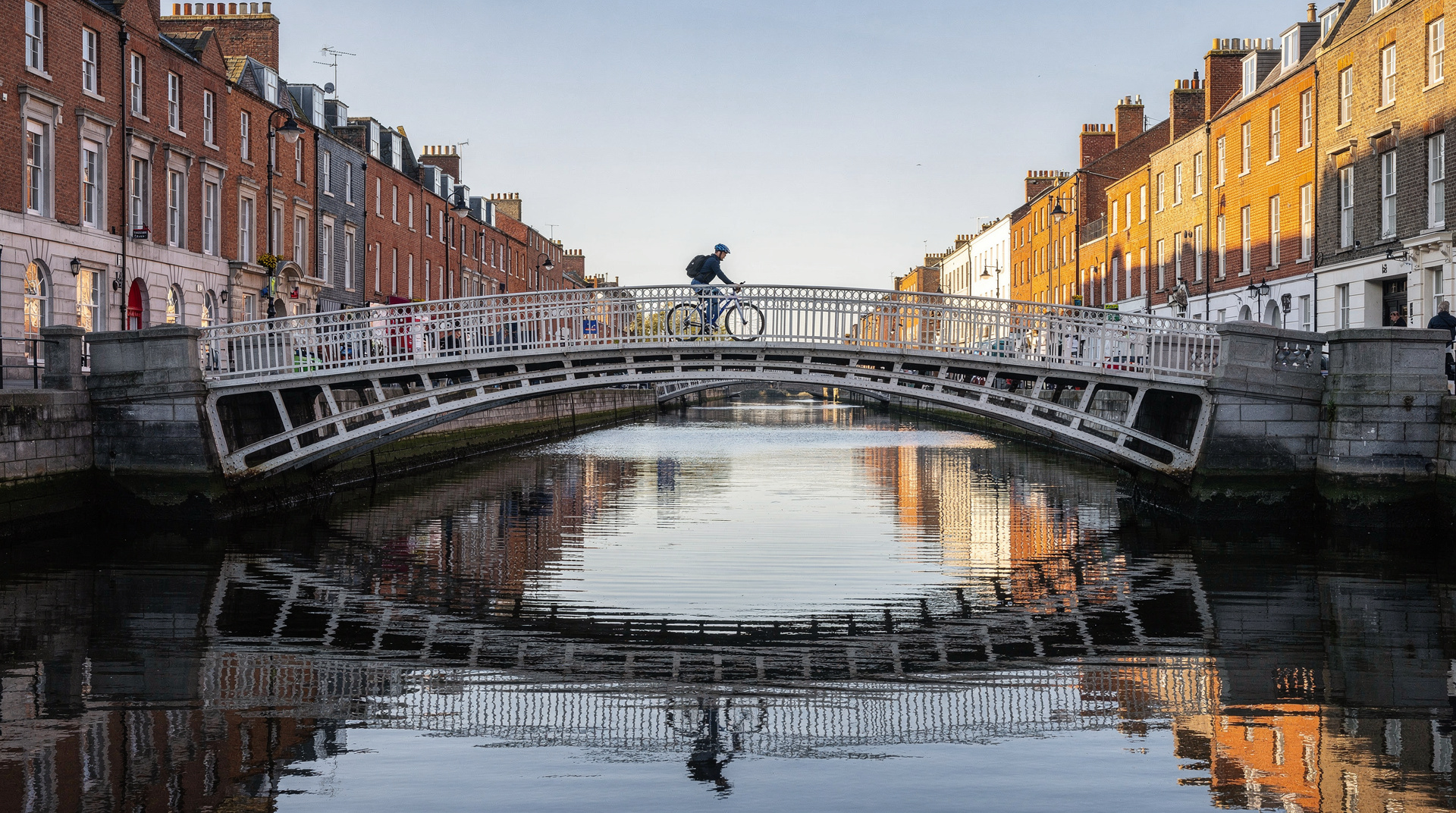
Dublin’s historic centre is more fragmented — medieval, Georgian, Victorian and modern buildings sit in proximity without the cohesion Edinburgh’s Old Town provides. The Georgian squares (Merrion, Fitzwilliam, Parnell) are among the finest Georgian townscapes in Europe, but they are spread out rather than concentrated. The medieval areas around Christ Church Cathedral and Dublin Castle are interesting but modest compared to Edinburgh’s skyline.
Verdict: Edinburgh wins on pure visual drama.
Food and restaurants
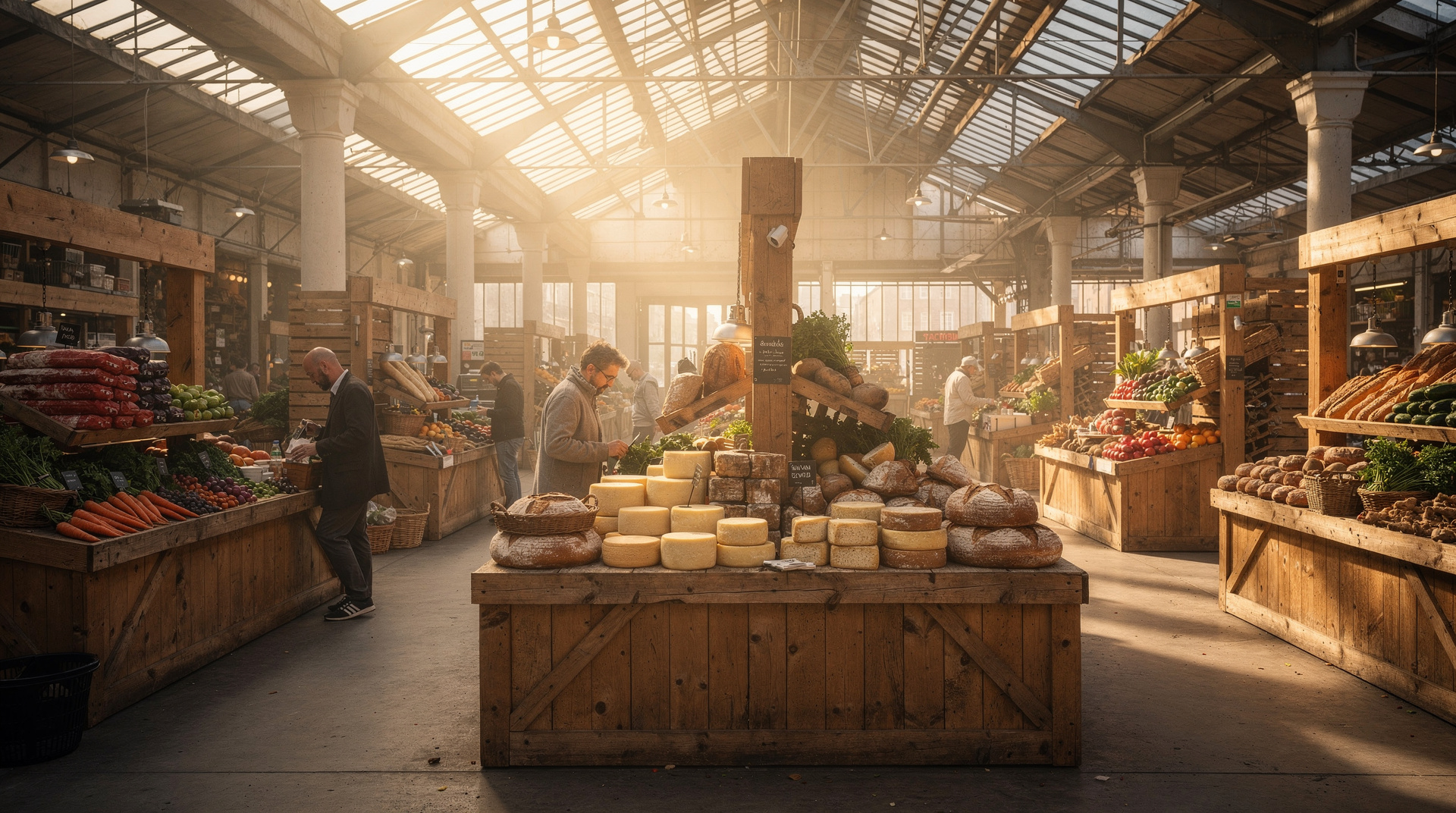
Dublin has had a genuine food revolution in the past decade. The restaurant scene in 2025 is considerably more interesting than it was five years ago. The Docklands and south inner city have a concentration of excellent restaurants. The Dublin food tours cover the best of it, and the foodie weekend itinerary is worth reading if food is your primary motivation. Irish beef and seafood quality is exceptional. The Wicklow lamb, the west coast seafood, the excellent artisan cheese production — Dublin’s restaurants have good raw material to work with.
Edinburgh’s food scene is also strong, particularly around the New Town and Stockbridge. The Scottish fish and seafood offer is comparable. Game in autumn is a specific Edinburgh advantage — grouse, venison, pheasant on menus in October through February.
Verdict: roughly equal, with different strengths by season.
Culture and museums
Both cities have good museums. Edinburgh’s cluster on Chambers Street (National Museum of Scotland, Museum of Scotland) and along Princes Street (National Galleries) is large, free and excellent. The castle and Palace of Holyroodhouse add paid attractions with genuine historical weight.
Dublin’s National Museum has three sites covering archaeology, decorative arts and natural history. The Book of Kells at Trinity College is the single most distinctive cultural object in the city. The Kilmainham Gaol is a first-rate historical museum. The EPIC emigration museum is one of the better interactive history museums I’ve seen anywhere.
For first-time visitors with a general cultural interest, both cities hold up. Edinburgh may have slightly more heritage density per square kilometre; Dublin is better on Irish-specific themes (famine, independence, literature, music). If literature is your specific focus, Dublin wins clearly — a city of Joyce, Beckett, Wilde and Behan has no equal in that department.
Getting there and getting around
Both cities are well served from London and major European hubs, typically 70-90 minute flights, which makes the choice about the destination rather than the journey. Within Dublin, the city centre is compact and walkable, with the Leap card covering the DART, Luas and buses for anyone wanting to reach the coast at Howth or Dun Laoghaire. Edinburgh’s centre is similarly walkable, with its trams and buses covering the airport and outlying areas like Leith.
If a weekend in Dublin also means day-tripping into the surrounding counties, the logistics favour Dublin: Wicklow and Glendalough are under an hour away, and the Wicklow and Glendalough private day tour is a straightforward half-day add-on to a city weekend. Edinburgh’s equivalent — the Highlands — requires a longer day or an overnight to do properly, which changes the shape of a short trip.
The side-by-side summary
| Category | Dublin | Edinburgh |
|---|---|---|
| Typical pint | €6-8 | ~£5 |
| Old town character | Fragmented, Georgian squares | Concentrated, dramatic Royal Mile |
| Free museums | National Museum, National Gallery | National Museum of Scotland, National Galleries |
| Signature draw | Pub culture, literary history | Castle, whisky, Fringe Festival |
| Best day trips | Wicklow, Boyne Valley, Cliffs of Moher | Scottish Highlands |
Who should choose which
Choose Dublin if: you want warmth and sociability, you have a specific interest in Irish history/whiskey/music, you are travelling in summer and want long evenings, or you want to combine a city with excellent day trips (Wicklow, the Boyne Valley, the Cliffs of Moher).
Choose Edinburgh if: you want more dramatic scenery from the city itself, you want to combine with Scottish Highlands access, you are travelling in August (the Fringe Festival), or you want a slightly lower average cost.
The highlights and hidden corners walking tour is a good way to understand Dublin’s layout quickly on a short visit — it covers the areas that don’t make the obvious checklist.
Both are worth going to. Neither is a substitute for the other.
Frequently asked questions about Dublin vs Edinburgh for a weekend
Is it possible to visit both Dublin and Edinburgh in one trip? Yes, with a short flight between them (around 70 minutes) or a longer ferry-and-train combination. Most visitors split it into two separate weekend trips rather than combining them, since each deserves its own unhurried pace rather than a rushed switch mid-trip.
Which city is better for a first-time visitor to the British Isles? Dublin, if English-language ease and pub-centred socialising matter most; Edinburgh, if dramatic castle-and-old-town scenery is the priority. Both are beginner-friendly and well set up for short breaks, so the choice comes down to atmosphere rather than difficulty.
Top experiences
Bookable activities with verified prices and instant confirmation on GetYourGuide.