Dingle
Guide to the Dingle Peninsula from Dublin — the town, Connor Pass, Slea Head drive, Fungie the dolphin story and why Dingle rewards time.
From Dublin: Southwestern Ireland — 4 days from Galway to Kerry
Duration: 4 days
- Free cancellation
- Instant confirmation
Quick facts
- Distance from Dublin
- ~370 km, about 4 hrs by car
- Getting there
- Car strongly recommended; limited buses
- Currency
- Euro (€)
- Main attraction
- Slea Head Drive scenic loop
- Ideal stay
- 1–2 nights in Dingle town
The best peninsula in Kerry, honestly
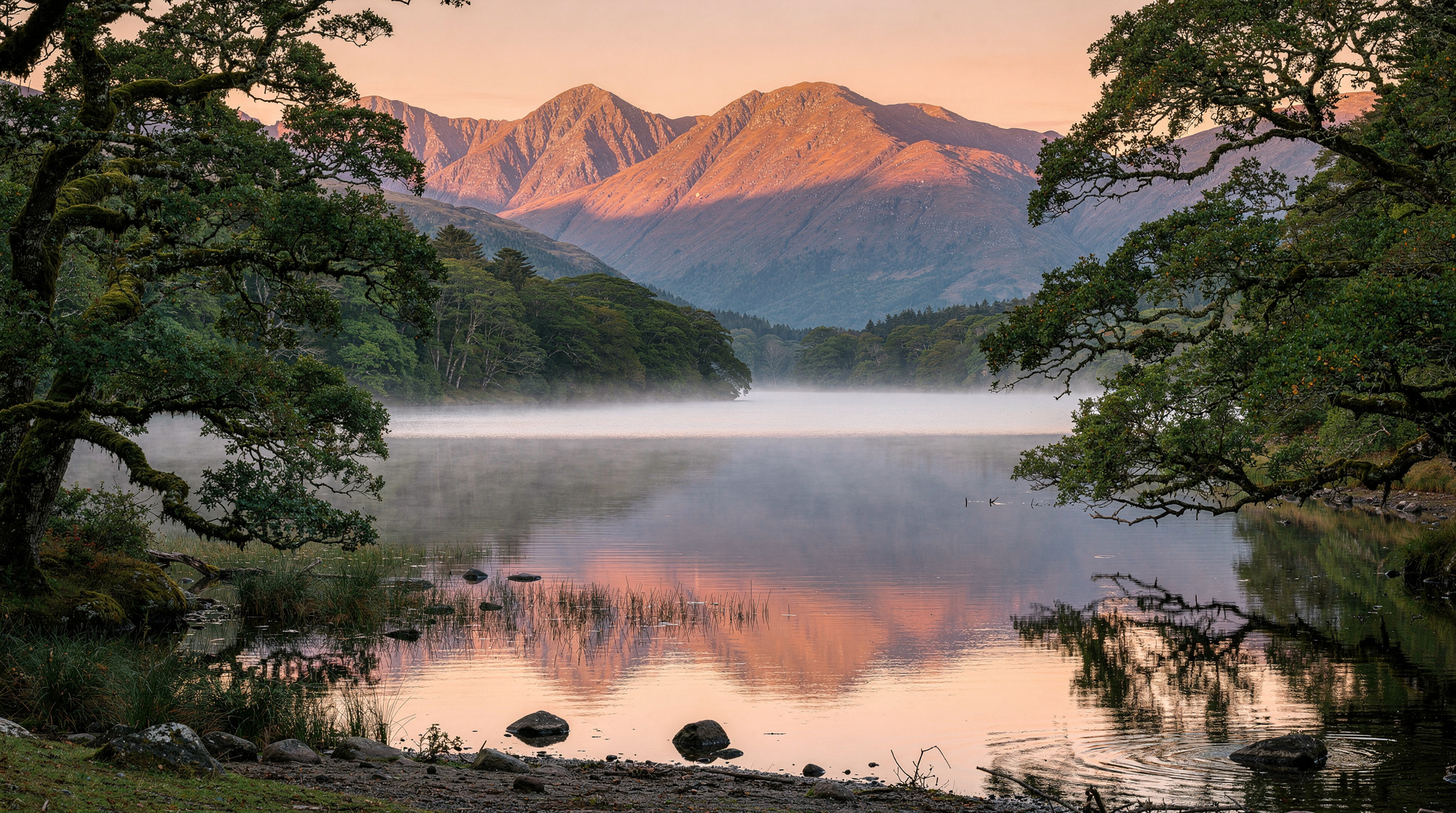
Dingle makes a strong case for being the most beautiful and most intact corner of Ireland. The Dingle Peninsula juts into the Atlantic at Ireland’s south-western extreme, with the Blasket Islands visible from the cliff tops and mountains rising steeply behind a town of colourfully painted houses. The pubs are real pubs. The trad music sessions are nightly rather than scheduled. There are more prehistoric monuments per square kilometre here than almost anywhere in Europe.
The honest caveat: Dingle is not easy to reach from Dublin. It is roughly 370 km south-west of the capital, and the last hour involves mountain roads through Kerry. A car is effectively essential for doing the peninsula justice — the Slea Head drive, the Connor Pass and the outlying archaeological sites are not accessible by public transport. If you are committed to car-free travel, Dingle works only as part of an organised multi-day tour from Dublin.
| Where | South-west Kerry, ~370 km from Dublin |
| Time needed | 1–2 nights minimum to see the peninsula properly |
| Getting there | Car strongly recommended; limited Tralee–Dingle bus |
| Currency | Euro (€) |
| Best time | May, June and September |
Getting there
By car from Dublin, the M7 south to Limerick, then the N21/N23 through Tralee to Dingle is about 4 hours without traffic. The alternative through Cork takes longer but lets you combine Dingle with Cork city and Blarney Castle.
The 4-day south-west Ireland tour from Galway to Kerry is one of the few organised options that includes Dingle properly — the multi-day format gives Dingle the time it deserves.
Bus Éireann runs an infrequent service from Tralee to Dingle (about 70 minutes), but frequency is limited and there is no onward bus service for the Slea Head drive.
If you would rather not drive
Not everyone wants to handle narrow Kerry roads after a long day behind the wheel. If hiring a car is the part of the plan that puts you off, an organised trip from the capital removes the navigation and the parking. The full-day Kerry tour from Dublin gives a taste of the county, though it is a sampler of the region rather than a substitute for time on the Dingle Peninsula itself.
The rail-based tour towards the Ring of Kerry suits travellers who prefer to watch the scenery from a window. Both fit best as a first look that helps you decide whether to come back for a slower stay. For a wider view of what is realistic without your own wheels, the best Dublin day trip guide compares the options side by side, and the solo travel guide covers how to handle long journeys on your own.
The Slea Head drive
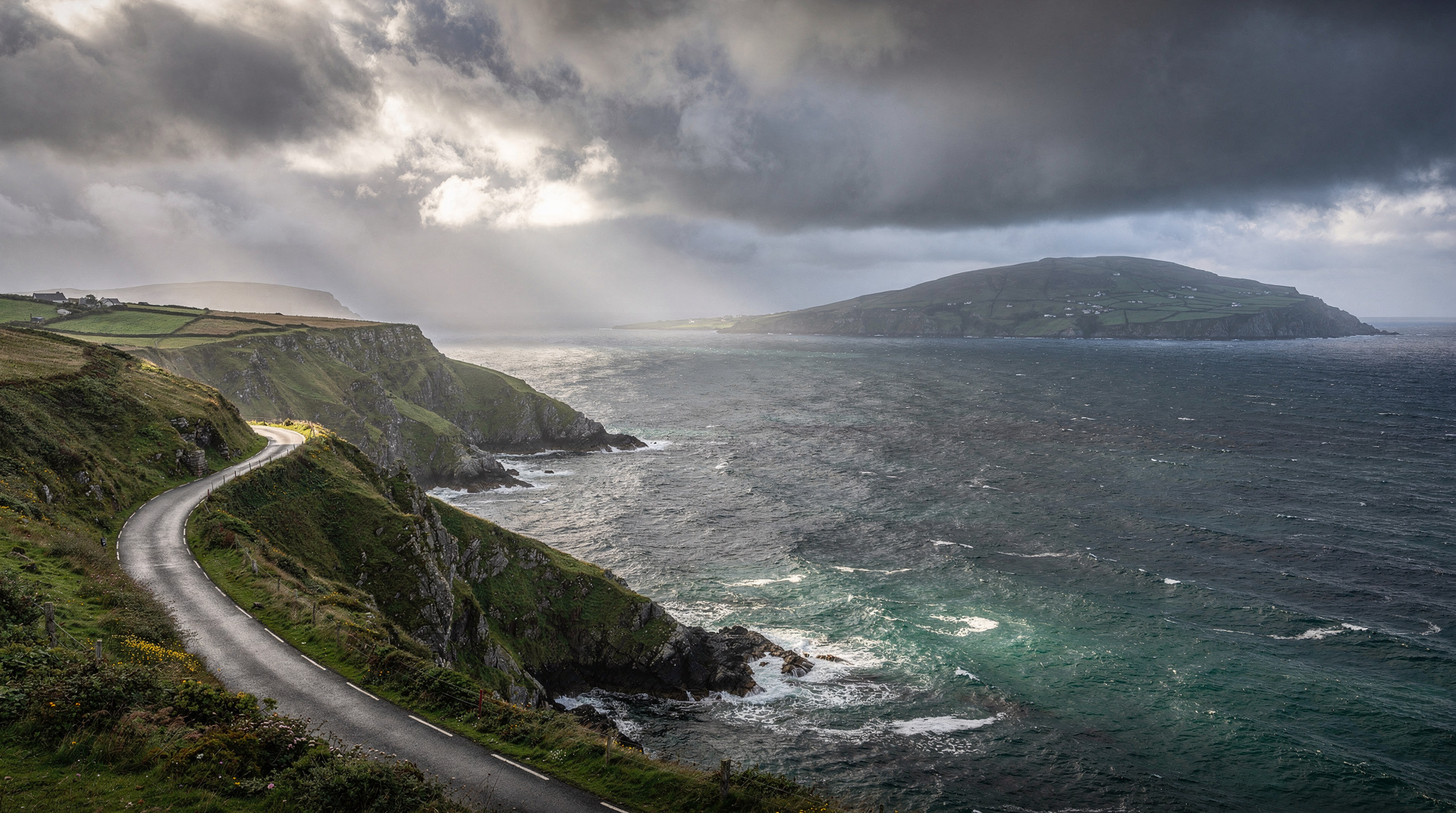
The 47-km circular route around the Slea Head headland, starting and finishing in Dingle town, is the finest coastal drive in Kerry and among the best in Ireland. The road is single-track in places and requires confidence behind the wheel; drive anticlockwise for the best views. Highlights:
Dunbeg Fort. A stone promontory fort built on a sea cliff, partially fallen into the ocean, with a souterrain (underground passage) you can enter. The fort was occupied from the Bronze Age through the early medieval period.
Fahan cliff dwellings. The beehive huts (clochans) above the road near Fahan are 6th-century stone cells, corbelled without mortar and still largely waterproof. There are several hundred on the Dingle Peninsula — the greatest concentration of early Christian stone structures in Ireland.
Slea Head viewpoint. The cliff-top view west toward the Blasket Islands is the iconic Dingle photograph — the islands stacked in the Atlantic, seabirds overhead, nothing between you and America.
Blasket Island ferry. From Dunquin pier, a seasonal ferry (April to October) crosses to the Great Blasket Island, which was permanently evacuated in 1953. The island has no permanent residents but a summer café, and walking through the abandoned village is one of the more affecting experiences in Ireland.
Dingle town
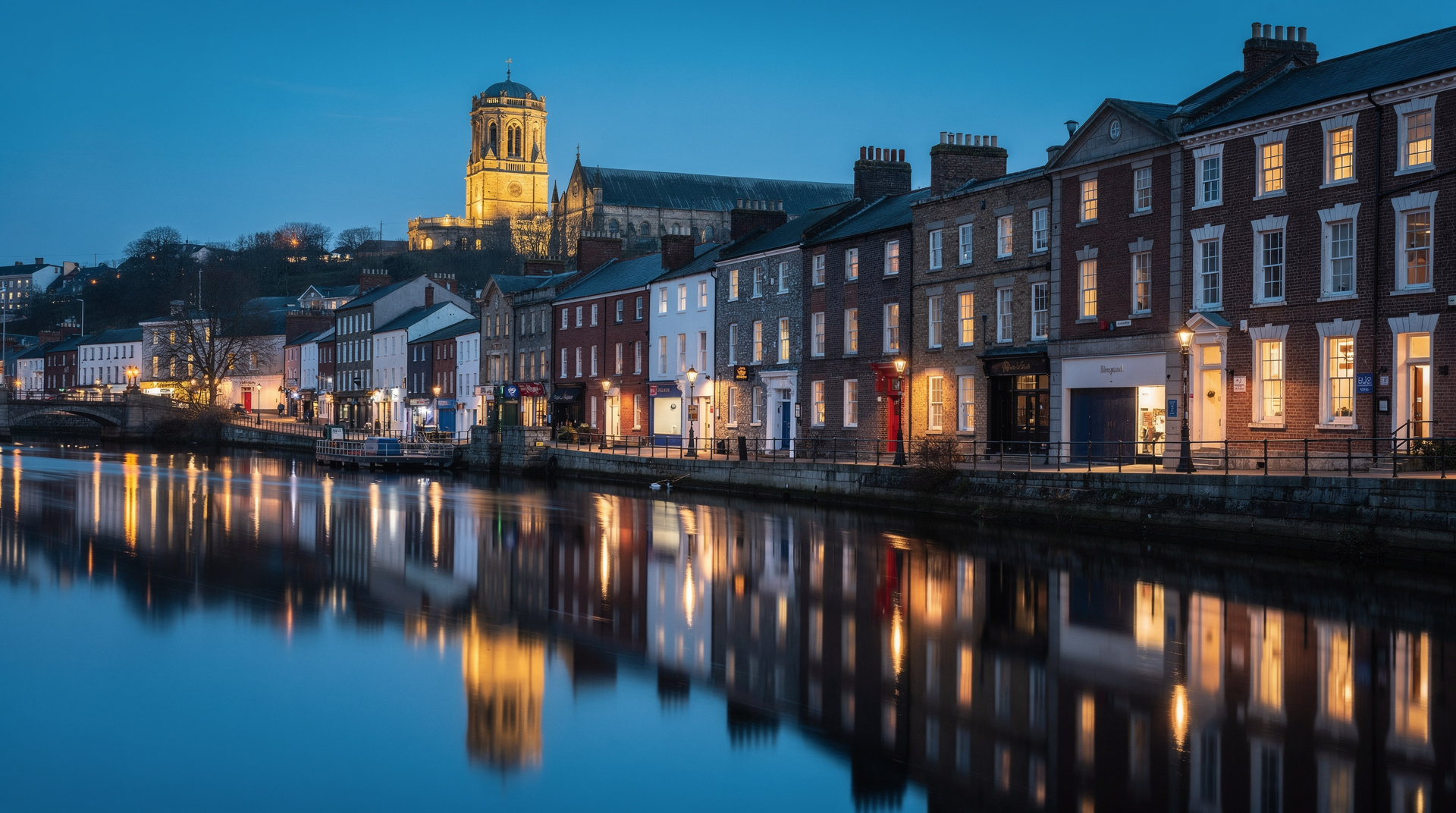
The town of Dingle (Daingean Uí Chúis in Irish) is small, colourful and genuine. It is an Irish-speaking area — an actual Gaeltacht — and Irish is used in daily life rather than as a heritage performance. The main street has excellent seafood restaurants (Out of the Blue and The Chart House are consistently good), and the evening trad sessions in pubs like Dick Mack’s and O’Flaherty’s are nightly, year-round and free.
Fungie the dolphin was Dingle’s most famous resident — a wild bottlenose dolphin who lived in the harbour from 1983 until disappearing in 2020. Boat trips still run in the harbour, and there are other dolphins in the bay, but Fungie himself is no longer present despite local hopes.
Connor Pass
The road north from Dingle town climbs the Connor Pass (456m), the highest mountain pass in Ireland accessible by car. The views from the top across both the north and south coasts of the peninsula are extraordinary when the weather is clear. The road is narrow and steep; large campervans and coaches are prohibited.
Beaches and other peninsula stops
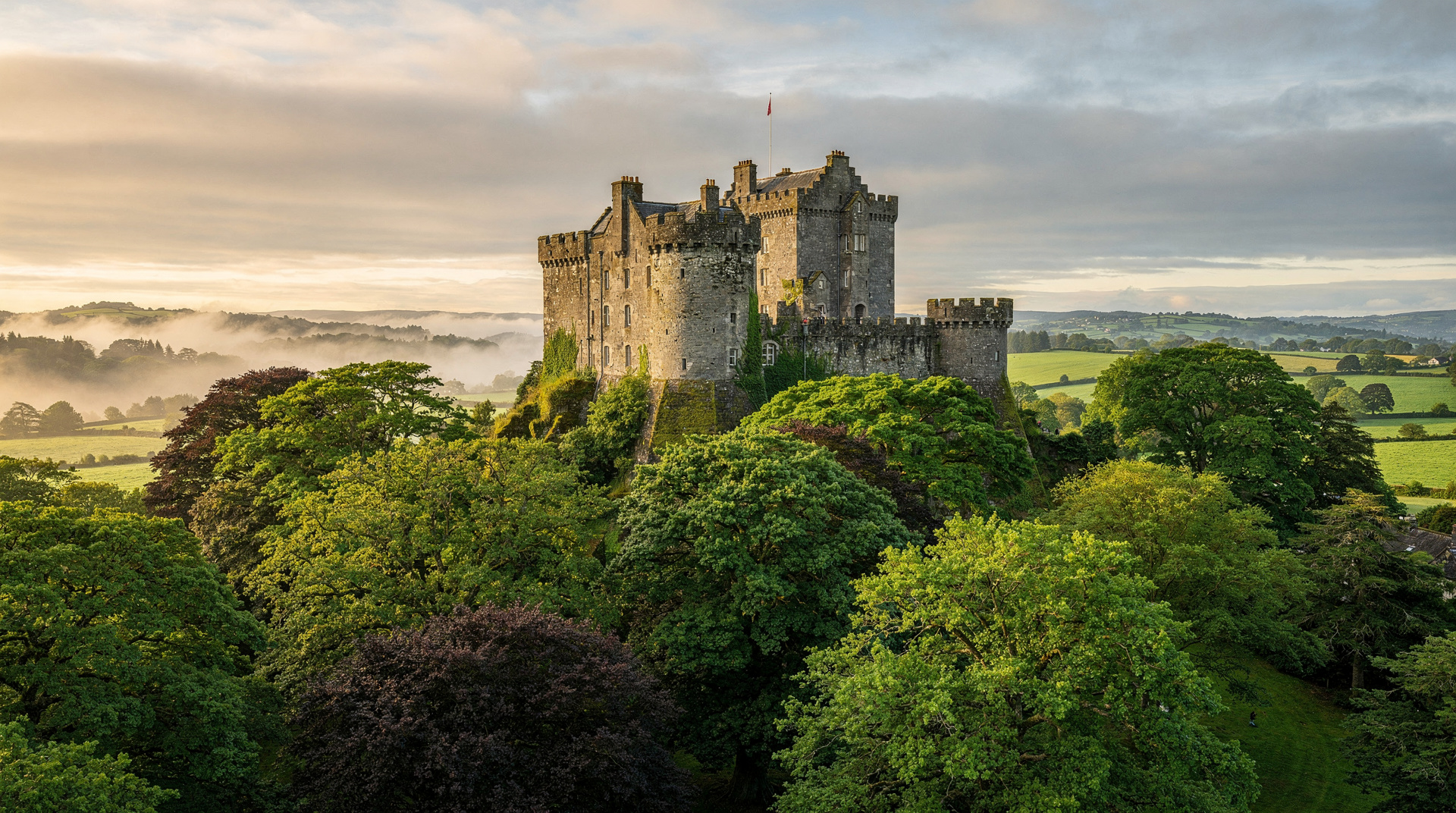
Beyond the Slea Head loop, the Dingle Peninsula has several worthwhile detours if you have an extra half day. Inch Beach, on the peninsula’s south side facing Dingle Bay, is a four-kilometre stretch of sand backed by dunes, popular with surfers and one of the few peninsula beaches easily reached by car without a long walk. Minard Castle, a ruined 16th-century tower house near a boulder beach south of Lispole, is quiet and rarely crowded — a good stop for anyone who prefers ruins without a ticket booth. Kilmalkedar, an early medieval church site with a carved ogham stone and a sundial, sits just off the Slea Head route near Ballyferriter and adds another layer of the peninsula’s dense archaeology without much of a detour.
How to pace your time on the peninsula
The mistake most visitors make is treating Dingle as a checklist. The peninsula is small enough that the main sights fit into a single long day, yet the reason people come back is the slower rhythm: a late breakfast, a stop wherever the light looks good, a pint and a session in the evening. If you only have one night, give the Slea Head drive the daylight hours and keep the evening for town. If you have two, spend the second day on the quieter edges of the peninsula, the beaches and the ruins that tour buses skip.
Weather shapes everything here. The Atlantic can turn a clear morning into a grey, windswept afternoon, and the best views from the Connor Pass and Slea Head disappear when cloud sits on the hills. Build in flexibility: if the morning is bright, do the viewpoints first and leave museums, shops and long lunches for the wet hours. Pack layers and a waterproof whatever the month, as the guide to what to pack for Dublin weather explains for Ireland in general, and the west coast is more exposed than the capital.
Photographers should plan around the light rather than the clock. The cliff-top view toward the Blasket Islands rewards patience, because the islands appear and vanish as weather moves through. Early and late hours in the shoulder months give softer light and fewer cars at the pull-ins along the road.
Pubs, music and food in the evening
Dingle’s pub culture is the part that surprises first-time visitors most. Many of the pubs here still combine another trade with the bar, and the music is not staged for visitors. Sessions start informally when musicians arrive, so there is no strict programme to follow. Arrive early if you want a seat, order a drink, and listen before you talk. If you want to understand the etiquette before you go, the trad session etiquette guide applies just as well in Kerry as in the capital, and the traditional music pubs guide shows what a good session looks like.
Food leans heavily on the sea. Fish comes in at the harbour and the better restaurants build menus around what the boats land. If you want a sense of the wider tradition behind the dishes, the traditional Irish food guide is a useful primer. Vegetarians and anyone avoiding seafood will still find options, but it is worth checking menus in advance during peak weeks, when popular places fill up early.
Driving tips for the narrow roads
Much of the peninsula is single-track, with stone walls on both sides and passing bays at intervals. The rule is simple: whoever is nearest a bay pulls in, and a wave of thanks is expected. Do not rush, and do not park on the verge to take photographs; use the designated pull-ins so coaches and locals can still get through. If you have never driven on the left, the guide to driving in Ireland from Dublin covers the basics before you set off, and it is worth reading before collecting a hire car rather than after.
Fuel up in Dingle town before heading out on a long loop, and keep an eye on your phone signal, which can drop in the hills. Set off with a rough plan and a flexible return time, and avoid driving the Connor Pass in poor visibility, because the road is narrow and exposed. If cloud closes in, the sensible choice is to wait it out in a café in town and try again later.
Combining Dingle with other west-coast stops
Dingle fits naturally into a wider loop. From the north, the Cliffs of Moher and the Burren are logical earlier stops, and Galway city works as a lively base at the other end of the trip. Anyone interested in the wider region can read the Cliffs of Moher guide and the Galway day trip guide to decide how many nights to give each place.
For a longer plan that includes Kerry in a single route, the Wild Atlantic itinerary from Dublin is a good starting point, and the seven-day Ireland base itinerary shows how to stretch a Dublin stay into a wider trip.
If you are travelling with children or older relatives, remember that the distances between stops add up. The family day trips guide offers ideas for shorter outings, and the guide to Dublin trips without a car is worth a look if hiring a car does not appeal.
Where to stay
Dingle town itself is the obvious base and has the widest choice of guesthouses, B&Bs and small hotels within walking distance of the pubs and restaurants. Staying in town also means you can walk to dinner and a trad session without worrying about driving afterward. For a quieter option, a handful of B&Bs are scattered along the Slea Head road itself, which puts you closer to the scenic drive at the cost of a short evening drive into town for food. Booking ahead matters in July and August, when Dingle town fills up quickly.
When to go and what to expect from the seasons
The shoulder months are the sweet spot for most visitors. Roads are quieter, the light is gentle, and the pubs feel like local rooms rather than tourist stops. Summer brings the longest days and the busiest roads, so early starts matter more than they do in spring or autumn. Winter is a different trip altogether: some seasonal services and ferries stop, and the weather can be fierce, but the town keeps its character and the music carries on. If you are comparing seasons across the country, the best time to visit Dublin guide gives a useful general picture, and the same Atlantic patterns shape the west coast.
Whatever the month, treat the forecast as a suggestion. The best Dingle days are often the ones where you adapt: a sudden clearing sends you to the cliffs, a downpour sends you to a pub fire. Travellers who arrive with a fixed schedule tend to enjoy it less than those who leave room to improvise.
Dingle and the Wild Atlantic Way
Dingle is one of the signature stops on the Wild Atlantic Way, Ireland’s long west-coast touring route, and it sits between Killarney to the south-east and Galway and Connemara to the north. Travellers doing a longer west-of-Ireland loop often build in a night in Dingle between the Ring of Kerry and a run north toward Galway, rather than treating it as an isolated side trip from Dublin. Planned this way, the long drive from Dublin becomes worthwhile precisely because Dingle is one stop among several rather than the sole destination.
Fitting Dingle into a Dublin trip
Because Dingle is so far from the capital, it helps to decide early how it sits against the rest of your Ireland plans. The how many days in Dublin guide and the first-time visitor guide help you work out how much time the city deserves before you head west. A trip that includes a few days in the capital followed by the south-west often works well as the four-day itinerary with a day trip shows in miniature. Travellers watching their spending should read the trip cost and budget guide and the Dublin on a budget guide, since fuel, car hire and overnight stays add up on a west-coast loop.
If the weather turns while you are in the capital before or after your trip, the rainy day Dublin guide has plans that keep the holiday on track. Those flying in or out for the western leg can check the airport to city guide for getting between the terminal and the centre. Another traveller’s account of a memorable excursion is in the best day trip I ever took from Dublin post, which gives a sense of how far a single day can stretch.
For more west-coast ideas, Connemara, Kylemore Abbey and the Aran Islands pair well with a Kerry trip, and the Connemara guide and Aran Islands guide cover them in more detail.
Honest planning notes
Dingle is significantly further from Dublin than Killarney or Cork city and is not a realistic day trip from Dublin unless you are happy with 8 hours of driving. Plan it as part of a 3–4 day Kerry trip: Ring of Kerry one day, Dingle and Slea Head the next, with nights in Killarney or Dingle town. The best day trips from Dublin guide covers how to sequence a wider south-west itinerary.
Top experiences
Bookable activities with verified prices and instant confirmation on GetYourGuide.